Lemon Cichlid: Neolamprologus leleupi
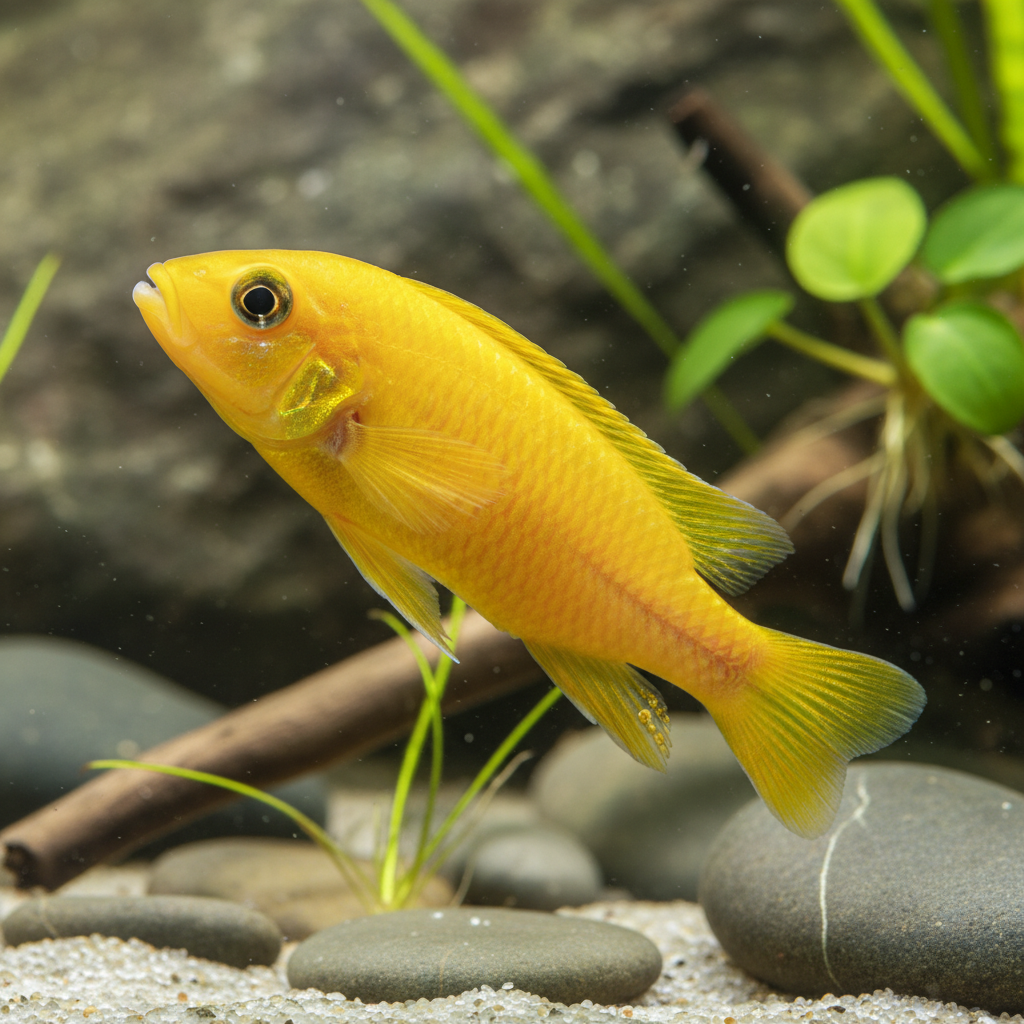
The Lemon Cichlid (Neolamprologus leleupi) is a radiant icon of Lake Tanganyika, defined by its brilliant monochromatic yellow-orange body and its specialized, rock-dwelling lifestyle.
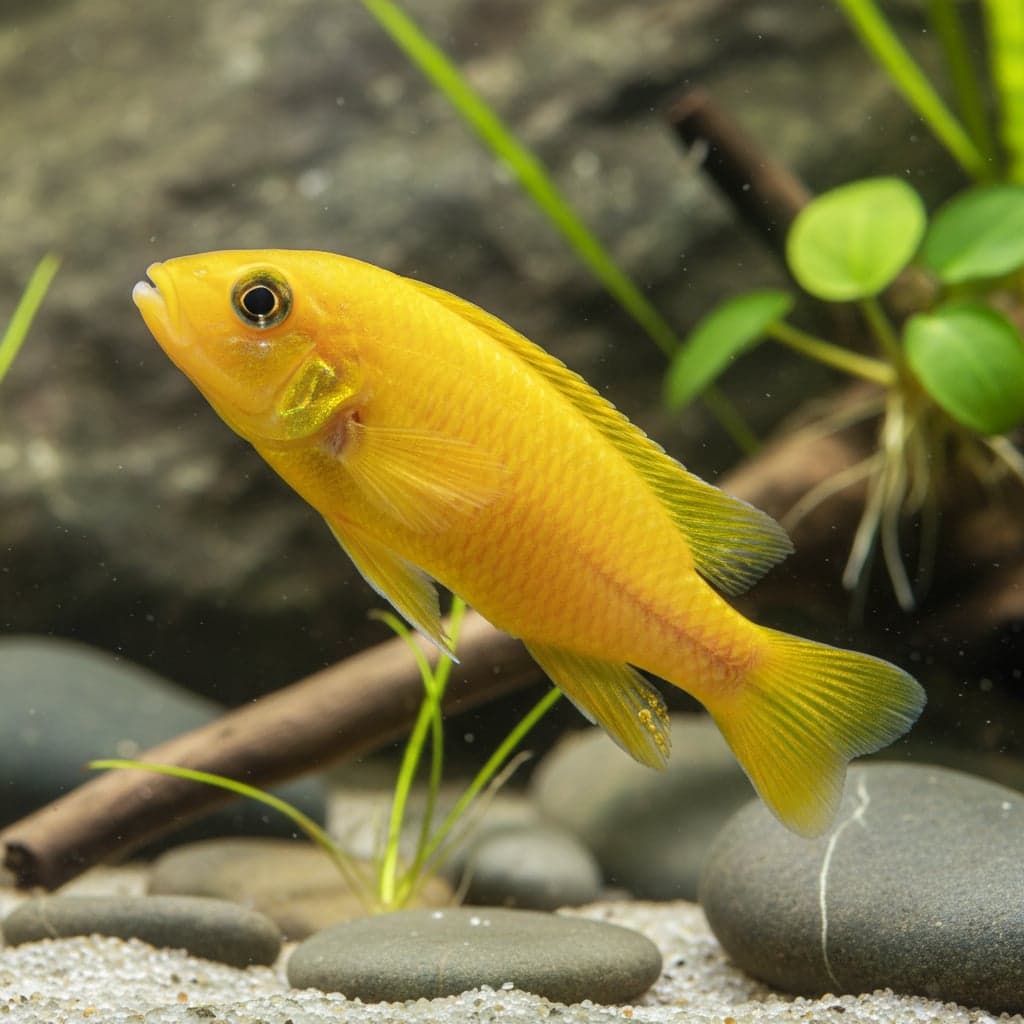
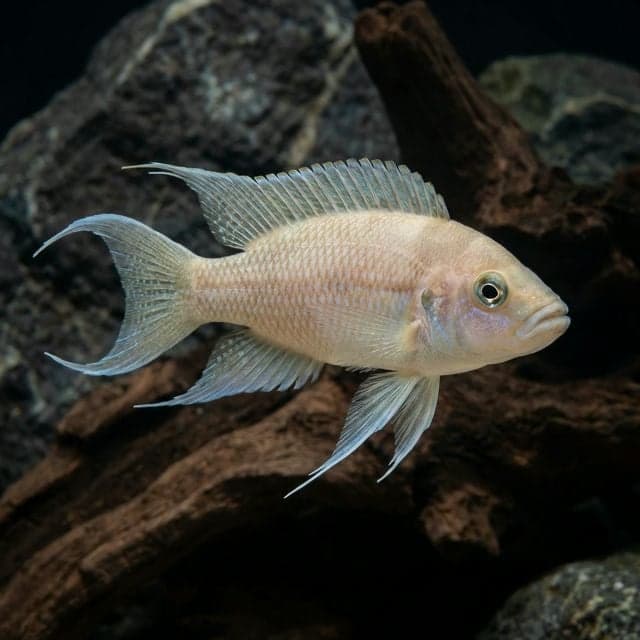
The Lemon Cichlid (Neolamprologus leleupi), also known as the Leleupi Cichlid, is one of the most visually arresting species in the African Rift Lakes. It is defined by its startlingly bright, solid yellow-to-fire-orange coloration, a monochromatic brilliance that makes it a centerpiece of any Tanganyikan setup. Its body is elongated and streamlined, built for darting through the narrow crevices and tunnels of the underwater limestone cliffs. For the aquarist, the Leleupi is a fascinating mix of radiant beauty and spirited intelligence, bringing a high-contrast aesthetic and complex social behaviors to the aquarium's rockwork.
In the aquarium, they are the undisputed masters of the caves. They spend their day meticulously surveying their territory, hovering near rock entrances and occasionally engaging in high-speed maneuvers to defend their selected crevice from intruders.
Natural Habitat & Origin
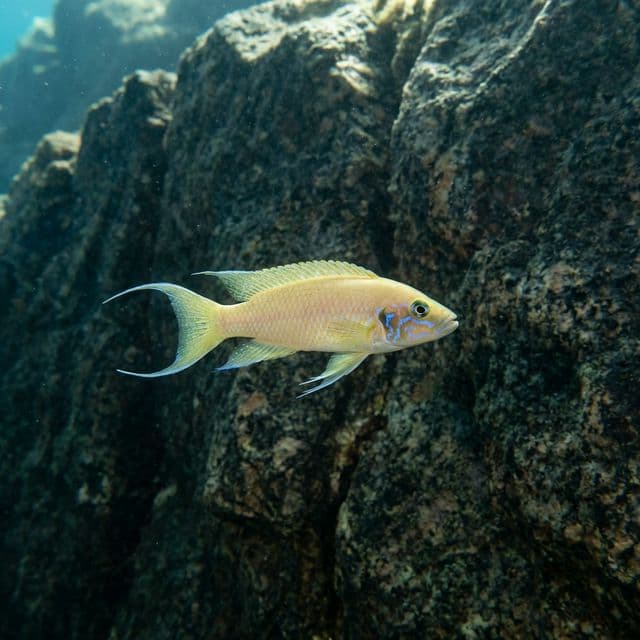
Neolamprologus leleupi is endemic to Lake Tanganyika, found primarily along the rocky coastlines and island shores of the lake. They are lithophilic specialists, inhabiting the "intermediate zone" where the rocks meet the sand, usually at depths of 5 to 40 meters. This environment is characterized by exceptionally clear, hard, and alkaline water. In the wild, they are largely solitary outside of breeding periods, each individual claiming a specific cave or tunnel system as its home base. Their brilliant yellow color is thought to be an adaptation for visibility and signaling within the shadows of the deep rock piles.
Care Requirements
The Lemon Cichlid is a robust species but requires strictly controlled water chemistry and specific aquascaping. A minimum tank size of 30 gallons (110L) is required for a single pair.
Maintain strict Tanganyikan parameters: a pH of 8.0 to 9.0 and a temperature of 75°F to 81°F (24°C to 27°C). They MUST have hard water (GH 10-20, KH 15-20); in soft or acidic water, they will rapidly decline and lose their vibrant color. The aquarium should be designed with extensive rockwork stacks, using limestone or lava rock to create a honeycomb of caves and crevices. A sandy substrate is essential, as they will often excavate the area around the base of their rocks to customize their territory. TIP: To maximize their orange-red intensity, avoid using very bright white substrates, which can cause the fish to "wash out" in an attempt to camouflage.
Diet & Feeding
They are strictly carnivorous, naturally preying on tiny crustaceans, insect larvae, and small invertebrates hiding in the rockwork.
In captivity, they require a high-protein diet to maintain their energy and color:
- High-quality sinking pellets and flakes formulated for African Cichlids should be the staple.
- They MUST have frequent offerings of frozen or live foods: Mysis shrimp, Brine shrimp, and Cyclops.
- Tip: Including foods rich in beta-carotene or astaxanthin (like Cyclops or specialized color-enhancing foods) is critical to maintaining their brilliant orange-yellow hue.
- Avoid feeding high-fat or mammal-based proteins (like beef heart), which can lead to digestive issues in Rift Lake species.
Behavior & Temperament
They are spiritedly territorial and semi-aggressive, especially toward members of their own species or fish with similar "eel-like" body shapes. They are "cave-defenders" rather than open-water hunters. They are generally peaceful toward larger, open-water species like Cyprichromis, but they will relentlessly harass any fish that attempts to enter their chosen crevice. They are best kept either as a single individual or as a mated pair. Attempting to keep multiple males in a small tank without hundreds of caves will lead to constant warfare.
Tank Mates
Suitable tank mates are other species from Lake Tanganyika:
- Cyprichromis (Schooling open-water dwellers)
- Julidochromis (Other rock-dwellers, with caution)
- Altolamprologus (Compressed cave-dwellers)
- Synodontis catfish (Large enough to be ignored)
Avoid keeping them with very timid fish or non-Tanganyikan species. They should also not be housed with very aggressive Mbuna from Lake Malawi, as the social dynamics of the two lakes are very different.
Breeding
Breeding the Lemon Cichlid is common in the home aquarium. Unlike many other African cichlids, they are cave spawners, not mouthbrooders. A pair will select a private crevice where the female lays a clutch of adhesive eggs on the ceiling or wall. The male will then fertilize them and both parents will guard the territory. The eggs hatch in about 3 to 4 days, and the fry become free-swimming a few days later. The parents provide significant protection for the fry, often allowing several generations to inhabit the peripheral areas of the same cave complex.
Common Health Issues
The primary health concern is stress-induced Ich and Malawi Bloat (rare but possible) if diet or water quality is poor. They are also sensitive to rapid drops in pH. Maintaining a stable, high-alkalinity environment with a protein-rich diet and massive amounts of rockwork is the best way to ensure the radiant Lemon Cichlid remains the golden jewel of your Tanganyika biotope.