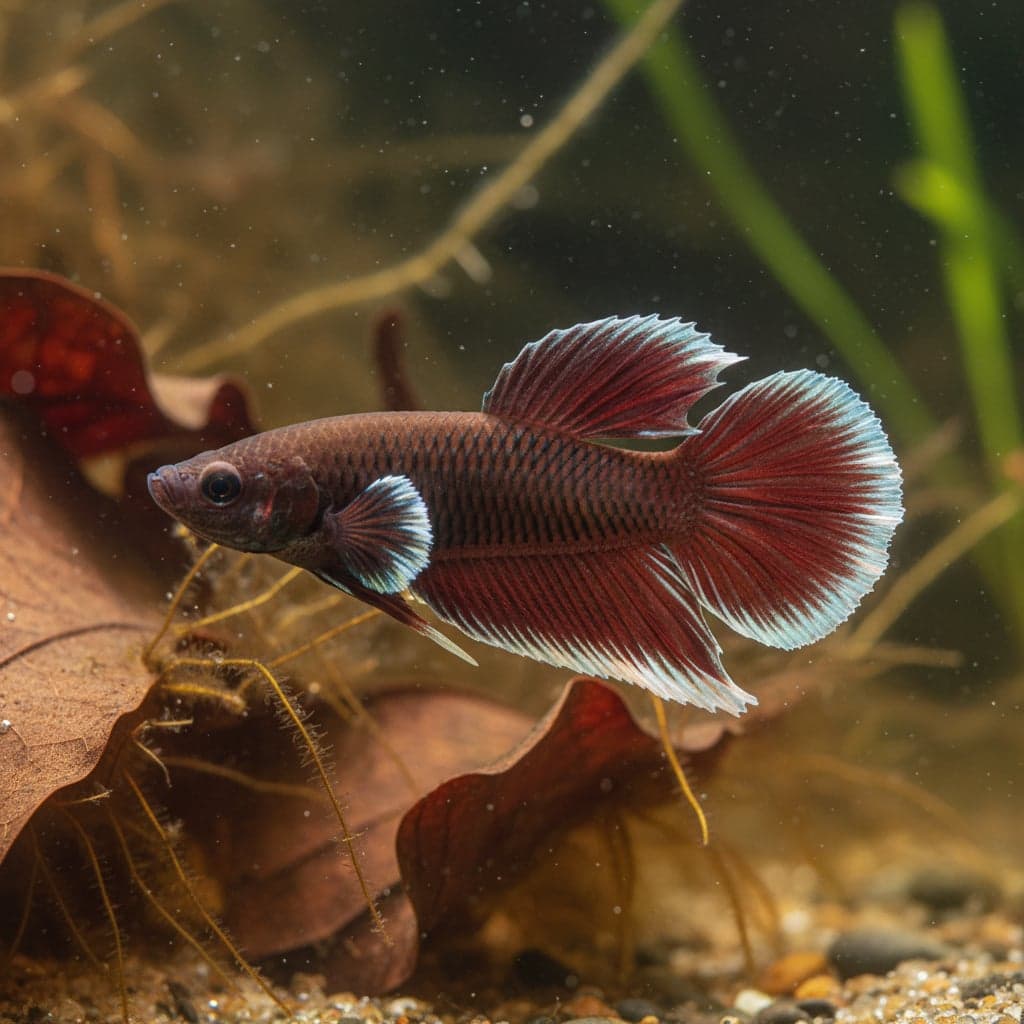
Licorice Gourami: Parosphromenus deissneri
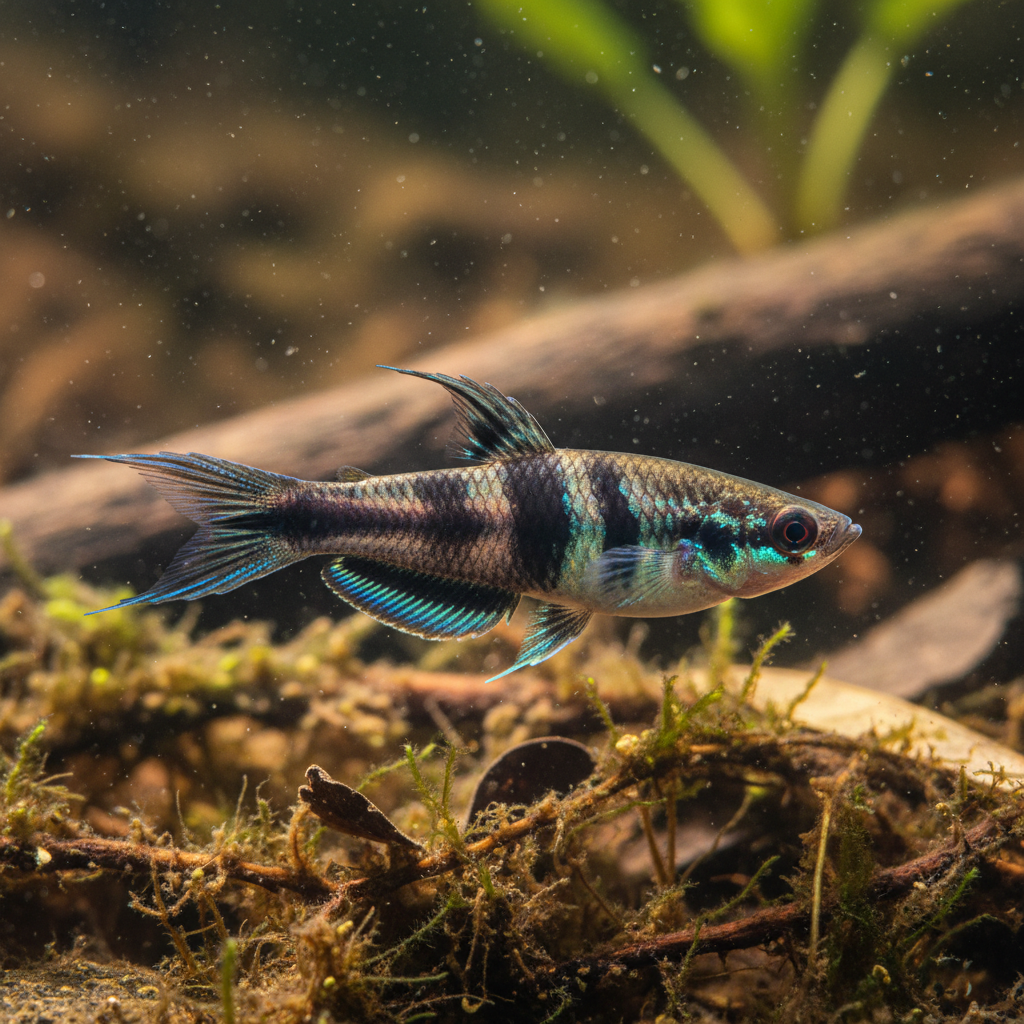
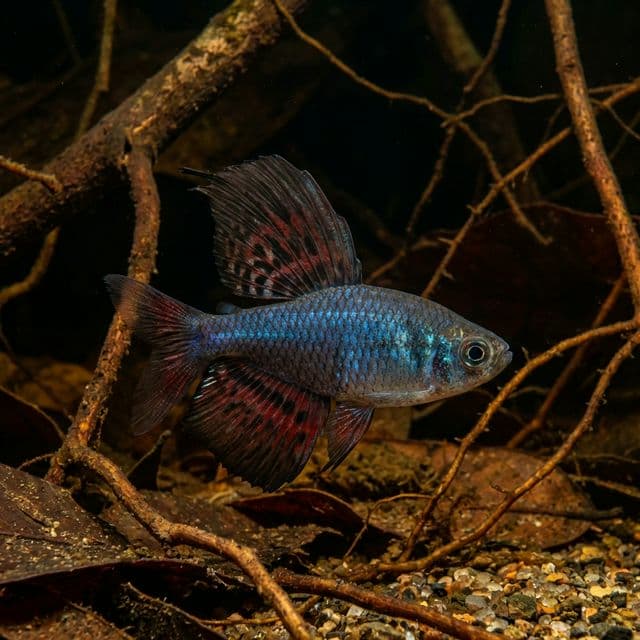
The Licorice Gourami (Parosphromenus deissneri) is a tiny, iridescent masterpiece of the peat swamps, defined by its striking black-and-cream stripes and the electric blue-and-red fin edges of dominant males.
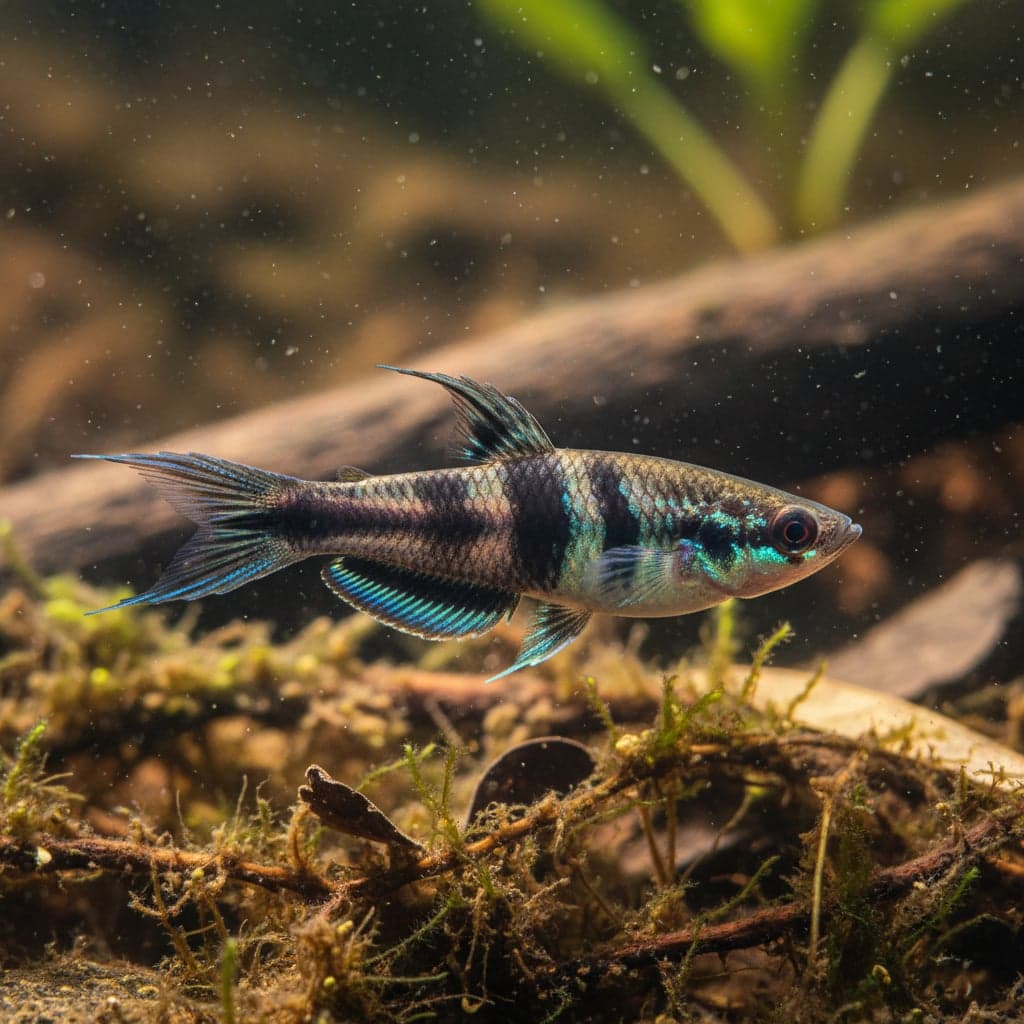
The Licorice Gourami (Parosphromenus deissneri) is a jewel for the true blackwater specialist. It is defined by its elegant, striped body and the spectacular iridescent blue and cherry-red margins on the dorsal, anal, and caudal fins of mature males. This is not a fish for the standard community aquarium; it is a highly evolved specialist that survives only in the most extreme acidic conditions. For the dedicated aquarist, the Licorice Gourami offers a glimpse into one of the world's most threatened ecosystems—the peat swamp forest—and rewards the patient observer with complex courtship displays and a quiet, shimmering beauty that is unmatched in the nano-fish world.
In the aquarium, they are the definition of "shadow dwellers." They move with a deliberate, fluttering motion, hovering nearly motionless near the substrate or deep within a pile of leaf litter, using their large eyes to scan for the tiny live prey that makes up their entire diet.
Natural Habitat & Origin
Parosphromenus deissneri is native to the Bangka and Belitung islands of Indonesia. They are obligate blackwater specialists, inhabiting the slow-moving, tea-colored streams and stagnant pools formed by peat swamp forests. These habitats are characterized by near-zero mineral content and extreme acidity (often below pH 4.0), with the water stained a deep mahogany by the massive accumulation of decomposing leaves and submerged wood. Due to widespread palm oil plantation development, their natural habitat is rapidly disappearing, making the responsible maintenance and breeding of this species in the hobby a critical act of conservation.
Care Requirements
The Licorice Gourami is a high-difficulty species that requires precise water chemistry. A small tank of 10 to 12 gallons (45L) is ideal for a pair or a small harem.
Maintain extreme blackwater parameters: a pH of 3.5 to 6.0 and an extremely low TDS (Total Dissolved Solids), ideally under 30 ppm. Using RO (Reverse Osmosis) water remineralized to near-zero hardness is mandatory. The aquarium MUST feature a thick layer of botanical leaf litter (Indian Almond leaves, Beech, or Oak) to provide the essential humic acids and tannins they require. High lighting must be avoided; the use of floating plants and dense mounds of moss (Java Moss or Christmas Moss) will help create the dappled shadows of their swamp home. TIP: They are highly sensitive to nitrate accumulation; "gentle" filtration and very frequent, small water changes are essential.
Diet & Feeding
They are strictly micro-predators and almost never accept processed flakes or pellets.
Their survival in the aquarium depends on a steady supply of live food:
- Live Baby Brine Shrimp, Cyclops, and Daphnia are the most reliable options.
- They will also take live Grindal worms or finely chopped Bloodworms.
- Tip: They are "sight" hunters and may ignore food that does not move. Because they are slow, reclusive feeders, they should ideally be kept in a species-only setup to ensure they are not outcompeted for food.
- They have very small stomachs and benefit from 2-3 tiny feedings of live food per day.
Behavior & Temperament
They are peaceful but extremely timid. They spend much of their time in the shadows and will only show their full, iridescent colors when they feel completely secure. Males will defend small "cave-like" territories (often under a leaf or in a small ceramic tube) where they will attempt to lead a female during courtship. They are best kept in a species-specific "nano" setup or with other very gentle, blackwater-loving species.
Tank Mates
Suitable tank mates are limited to other exceptionally peaceful, small blackwater species:
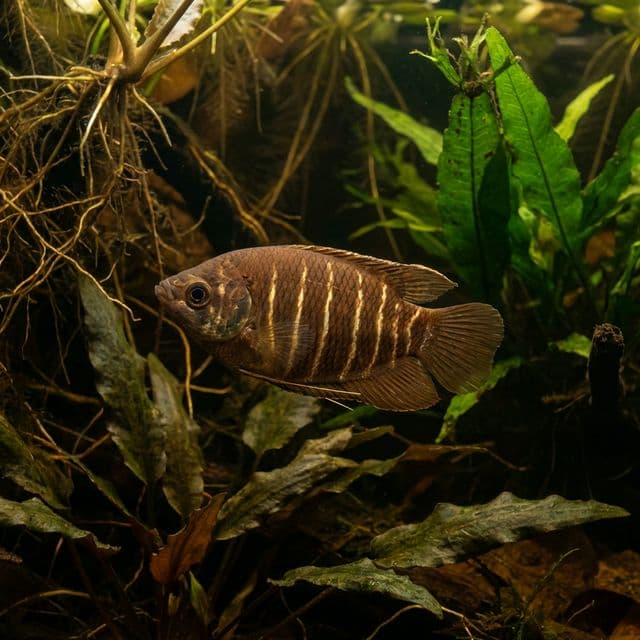
- Chocolate Gouramis (Sphaerichthys osphromenoides)
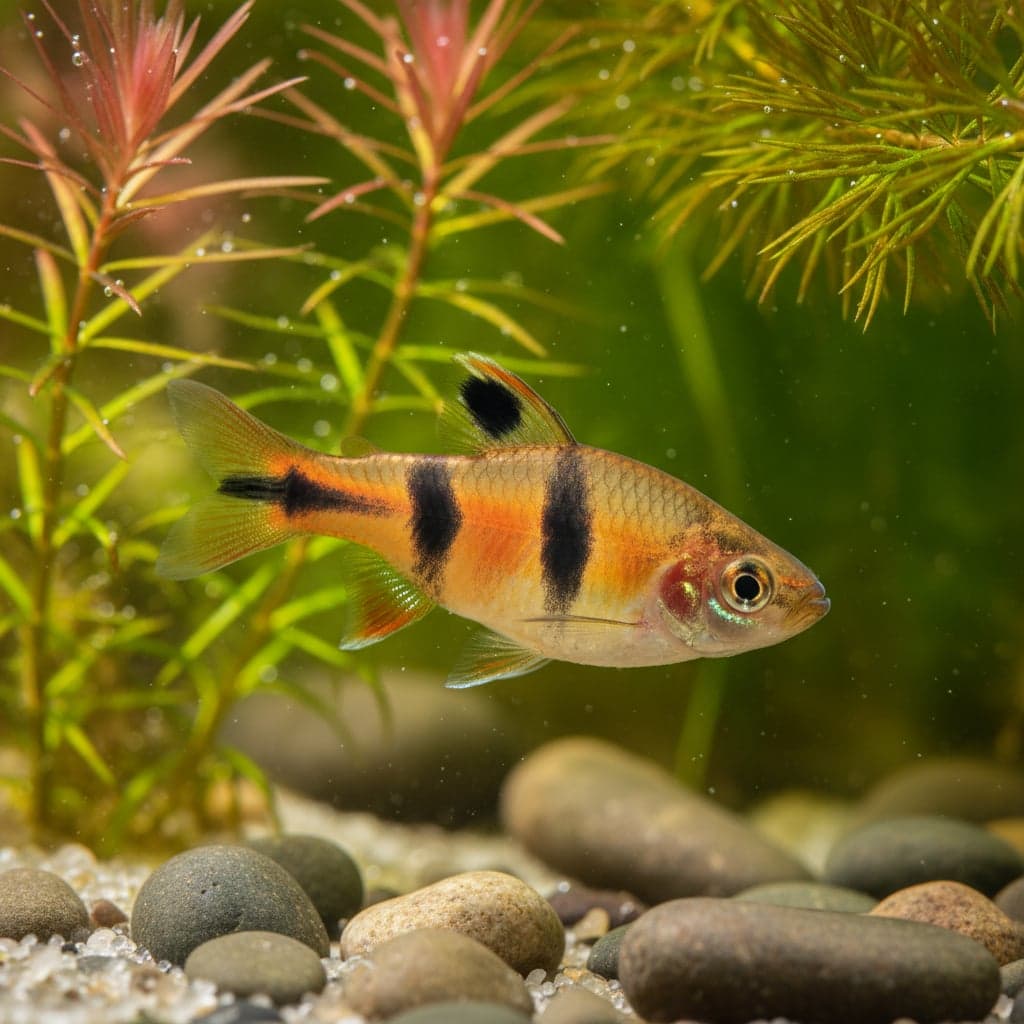
- Small Boraras (Chili Rasbora, Phoenix Rasbora)
- Small Corydoras (like Pygmaeus or Hastatus)
- Most ornamental shrimp (though fry may be eaten)
Avoid keeping them with any boisterous, fast-moving, or aggressive fish. Even "peaceful" fish like Guppies or large Tetras can be too active and will cause the Licorice Gourami to remain permanently hidden.
Breeding
Breeding the Licorice Gourami is the pinnacle of the hobby. They are cavity-nesters (sometimes called "hidden bubble-nesters"). The male will construct a small bubble nest inside a cave or under a broad leaf. After a complex "head-down" courtship dance, the female will lay a small number of eggs inside the nest. The male takes over all parental duties until the fry are free-swimming. Rearing the fry requires infusoria or paramecium for the first few days before they can transition to the smallest newly-hatched brine shrimp.
Common Health Issues
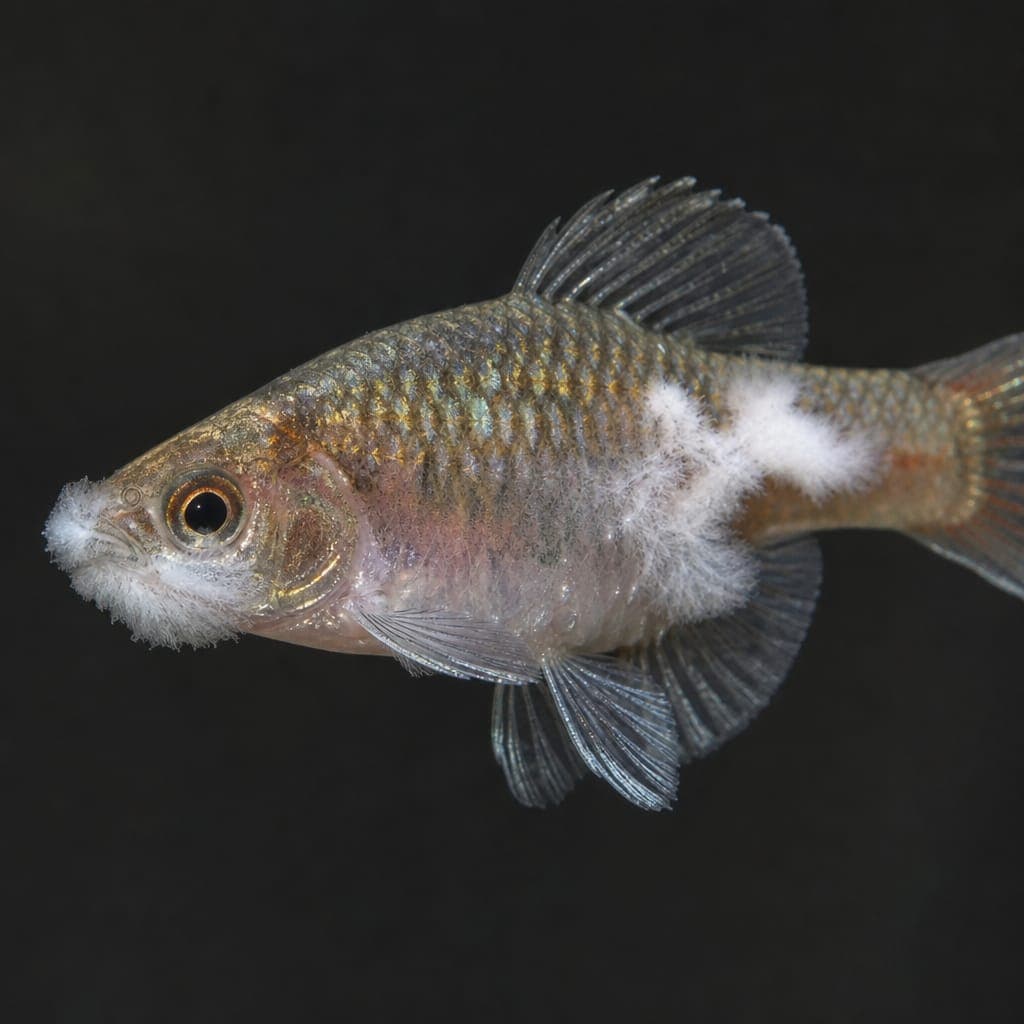
The primary health concern is bacterial or fungal infection caused by insufficient acidity or high nitrates. In "cleaner" or higher-pH water, their immune systems weaken significantly. They are also prone to Oodinium (Velvet) if stressed. Maintaining extreme soft-water parameters and a constant supply of fresh botanical tannins is the only way to ensure the exquisite Licorice Gourami thrives and displays its radiant, iridescent finnage.