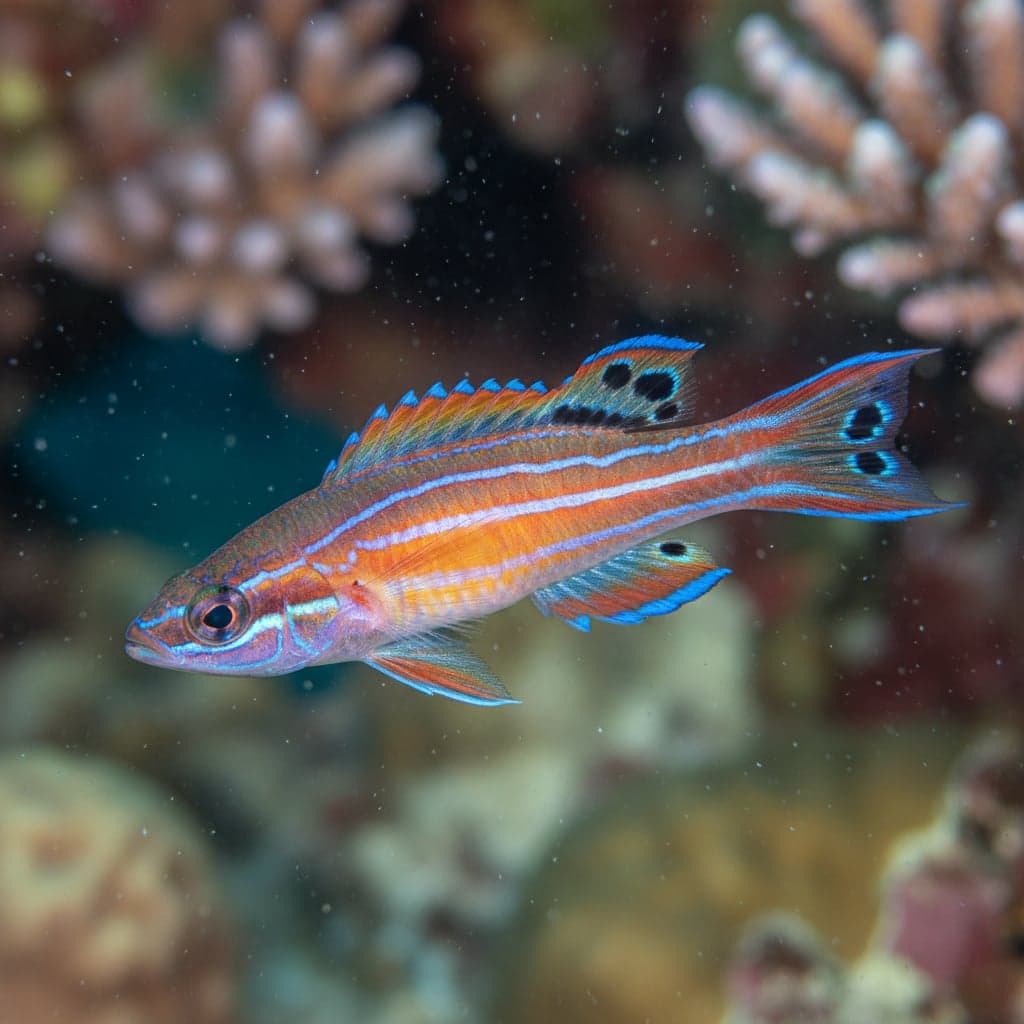
Lubbock’s Fairy Wrasse: Cirrhilabrus lubbocki
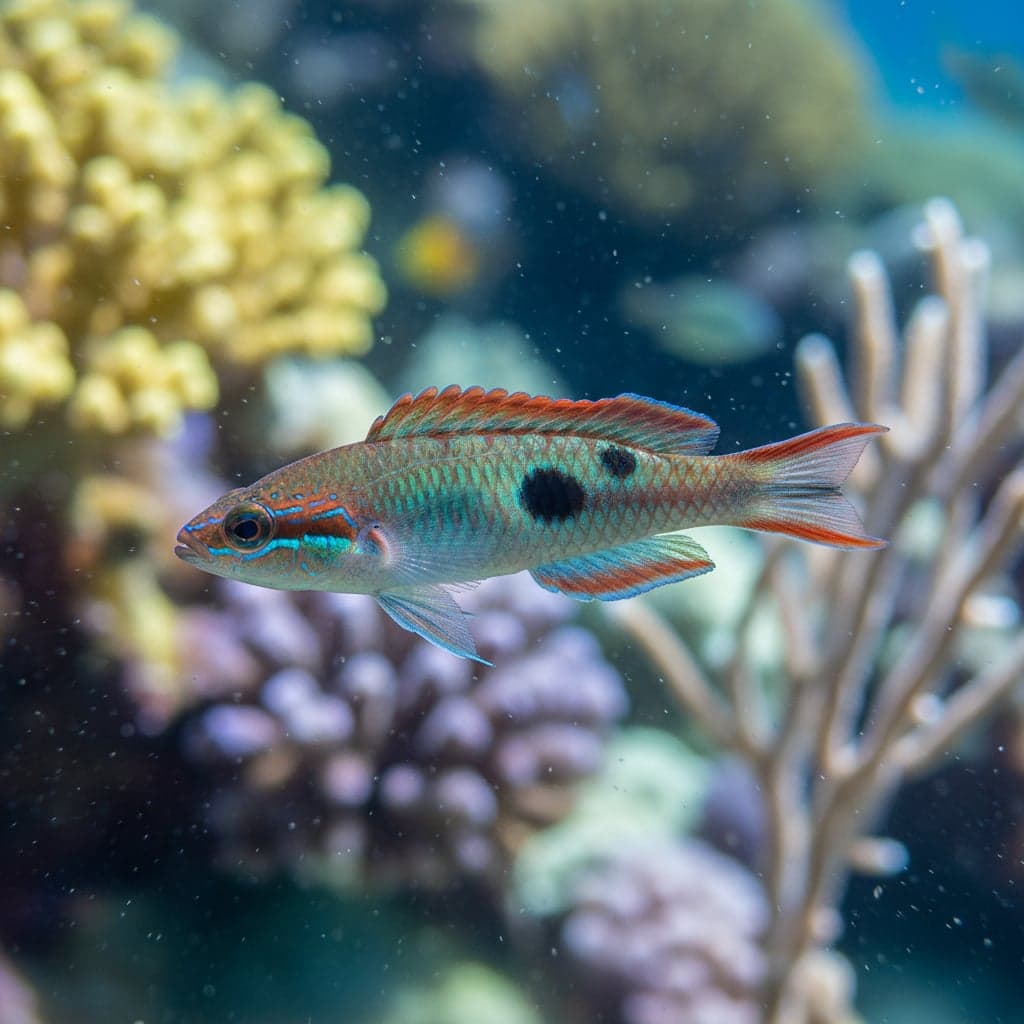
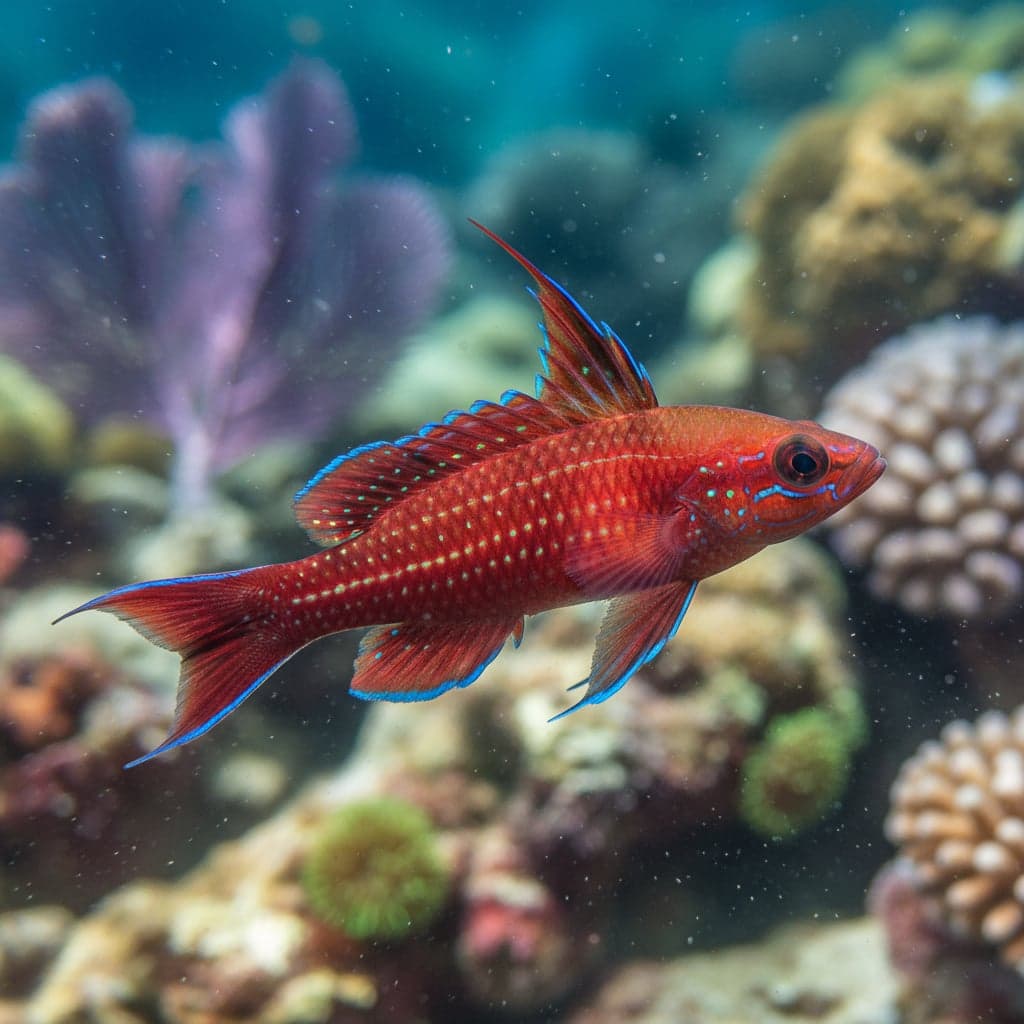
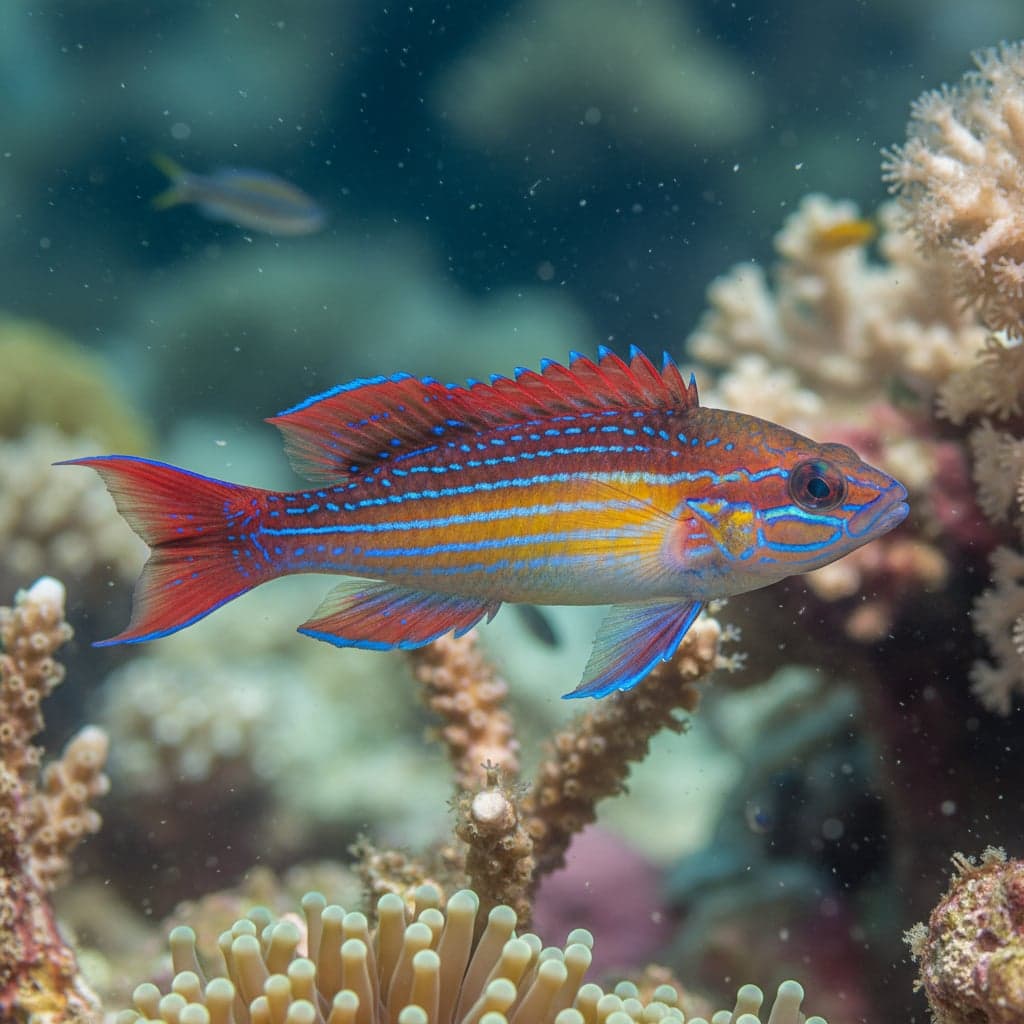
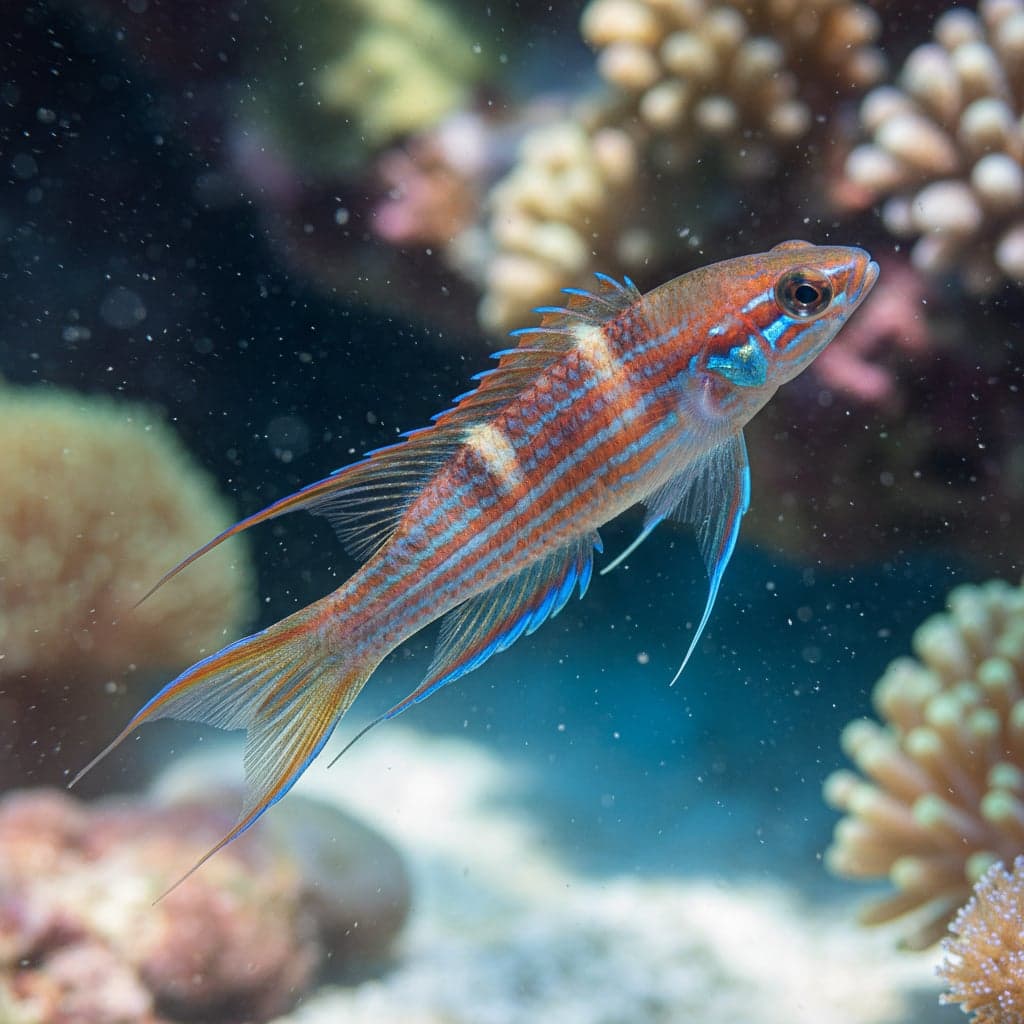
Lubbock’s Fairy Wrasse (Cirrhilabrus lubbocki) is a vibrant, polychromatic stunner of the Indo-Pacific reefs, known for its brilliant red, yellow, and purple hues and its active, peaceful nature.

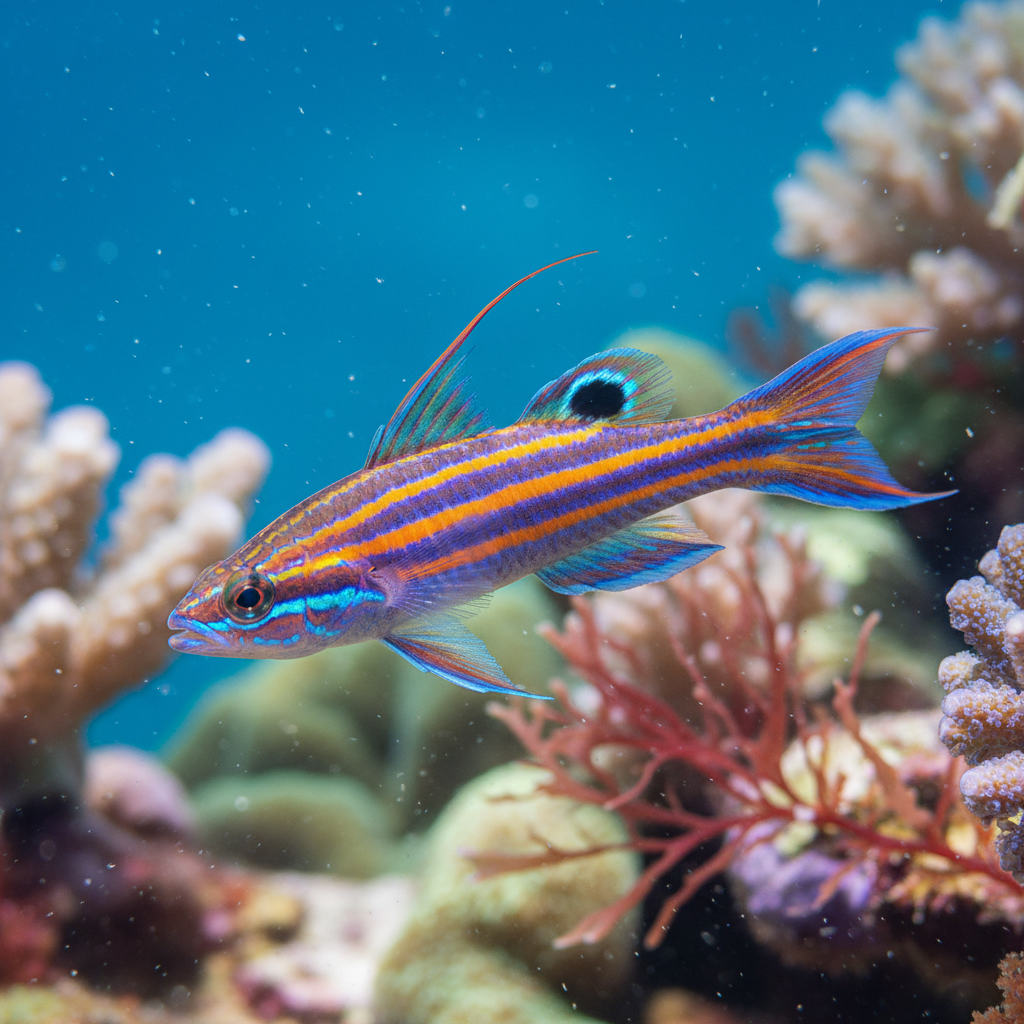
Lubbock’s Fairy Wrasse (Cirrhilabrus lubbocki) is a masterpiece of reef coloration and a favorite among marine aquarists. It is defined by its vivid, multi-colored body plan, which typically features a brilliant red upper body that transitions into a sunny yellow or white lower half, often accented with electric purple trim along the fins. It is an exceptionally peaceful and social wrasse that lacks the aggressive tendencies of many its larger relatives. Its primary signature is its dynamic swimming style and "flashing" behavior, where males will rapidly intensify their colors during social displays or courtship, making them a centerpiece of activity in any reef setup.
In the aquarium, they are the "reef dancers." They are most active during the daylight hours, constantly patroling the rockwork and upper water column in search of small planktonic prey.
Natural Habitat & Origin
Cirrhilabrus lubbocki is indigenous to the Western Pacific, specifically around the Philippines, Indonesia, and the Solomon Islands. They inhabit shallow, sheltered reefs and lagoons at depths of 2 to 30 meters. They are typically found in large, loose shoals hovering above beds of Acropora corals or in areas with significant rubble and current. Their habitat is characterized by clear, high-oxygen water and an abundance of zooplankton carried by the tides.
Care Requirements
Lubbock’s Fairy Wrasse is an Easy-difficulty species for the marine aquarist, known for its hardiness and adaptability. A minimum tank size of 24 gallons (90L) is required for a single specimen, though a 40-gallon (150L) tank is preferred for a group.
Maintain stable marine parameters: a pH of 8.1 to 8.4 and a temperature of 75°F to 82°F (24°C to 28°C). CRITICAL CARE NOTE: They are exceptional jumpers. The aquarium MUST have a tight-fitting lid or mesh cover at all times. The setup should focus on plenty of open swimming space complemented by high-quality liverock that provides numerous hiding spots and crevices. They are highly active and will utilize every inch of the water column. TIP: They do not require a sand bed for sleeping; they typically wedge themselves into rock crevices and create a protective mucus cocoon at night.
Diet & Feeding
They are zooplanktivorous carnivores, naturally feeding on tiny crustaceans and larvae in the water column.
In captivity, they have a robust appetite and are easy to feed:
- High-quality marine pellets and flakes should be the staple if they are small enough.
- They MUST have frequent meaty foods: Mysis shrimp, Brine shrimp, Calanus, and finely chopped seafood.
- Tip: They have a high metabolism; feeding 2 times per day is recommended to prevent them from losing weight.
- They are excellent for cleaning up small pests like flatworms or small bristle worms that may enter the reef on new corals.
Behavior & Temperament
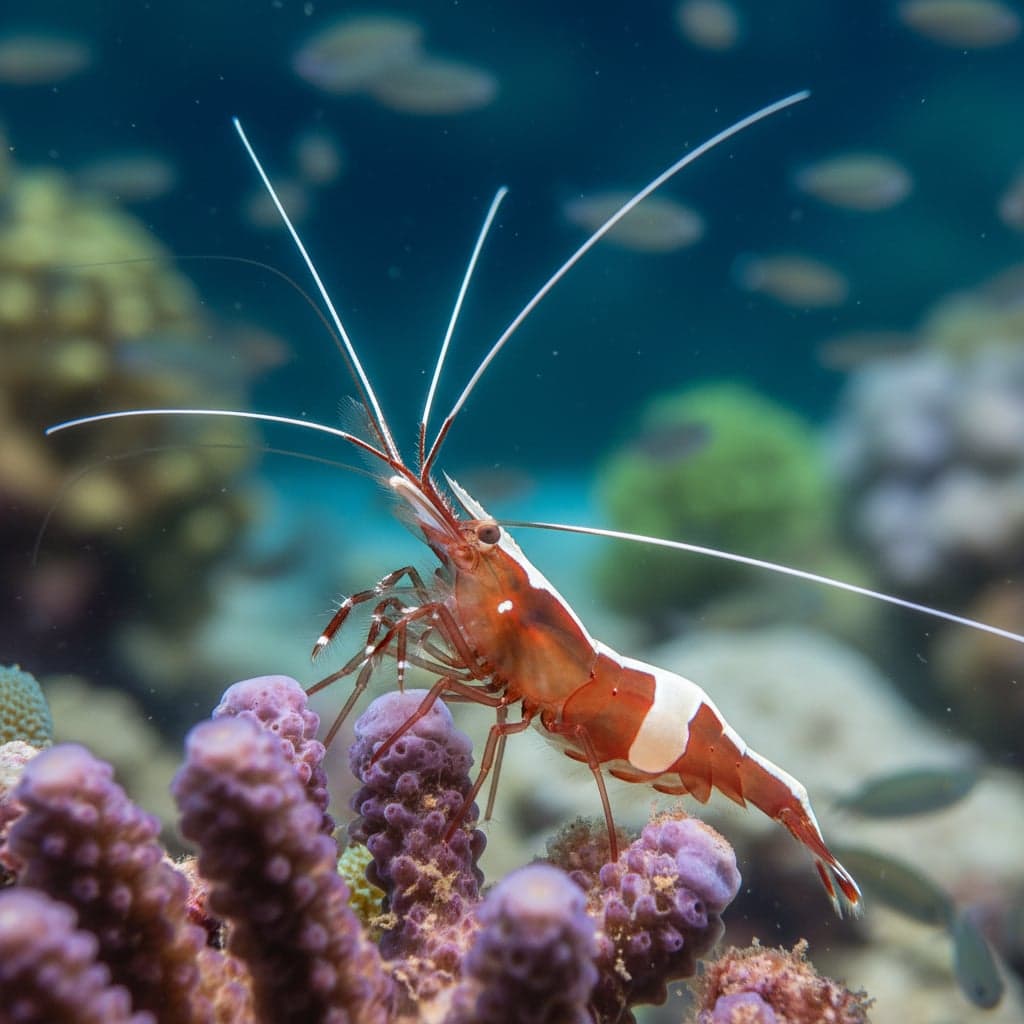
They are supremely peaceful. They show no aggression towards other species and are generally social with other peaceful wrasses. They are best kept either as a solitary specimen or in a group of one male and multiple females. They are protogynous hermaphrodites, where the dominant female in a group will transition into a male if necessary. They are "reef-safe" in terms of corals and most invertebrates, but very small ornamental shrimp may be viewed as potential prey by larger adults.
Tank Mates
Suitable tank mates are other peaceful reef species:
- Anthias and Chromis
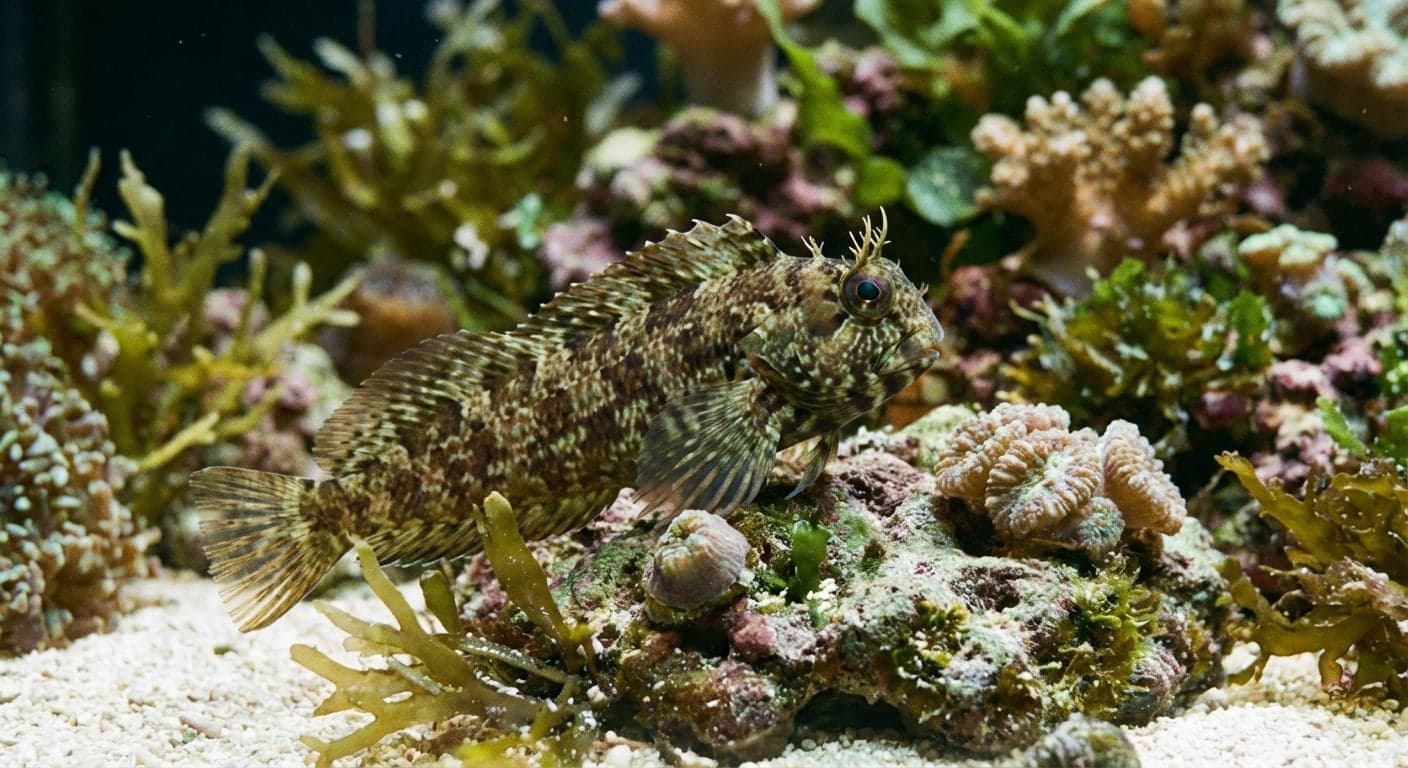
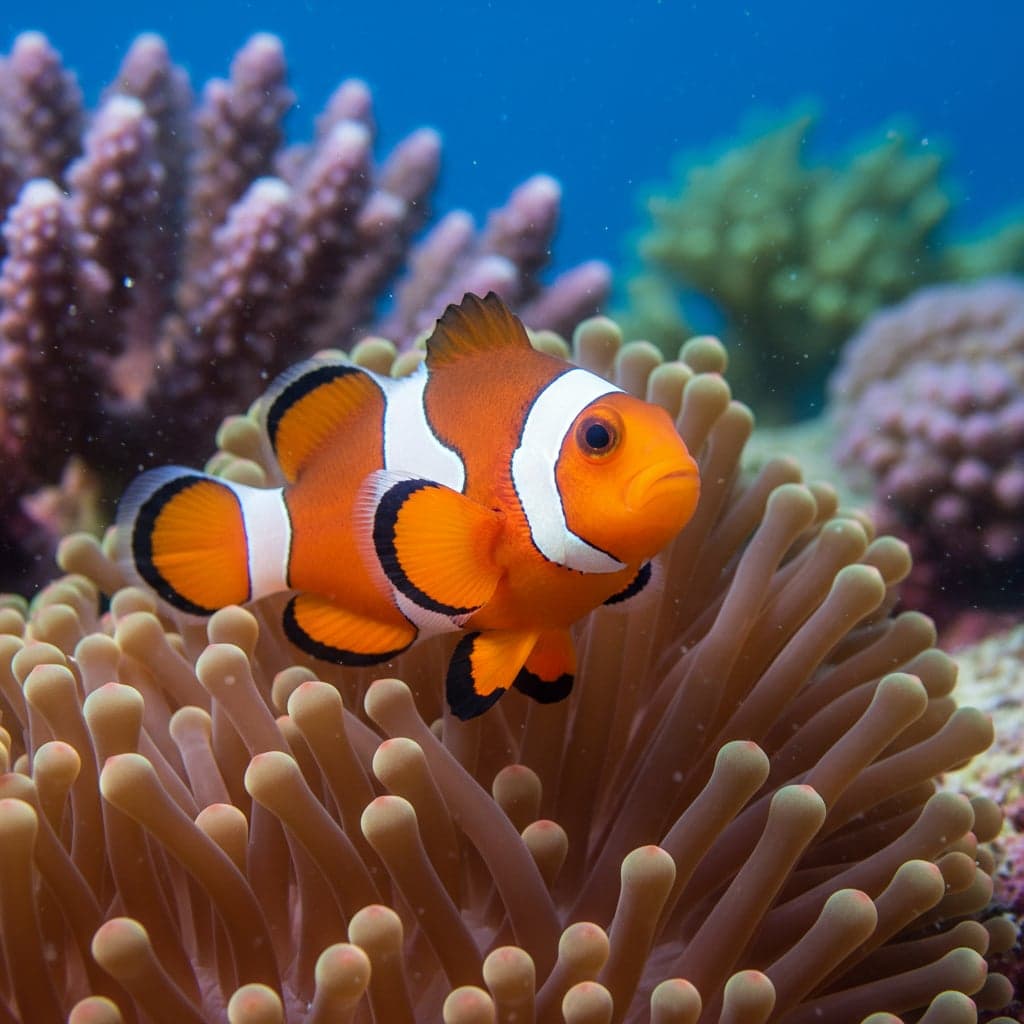
- Clownfish and Blennies
- Other peaceful Wrasses (Fairy, Flasher, and Leopard Wrasses)
- Gobies and Dragonets
- All corals
Avoid keeping them with aggressive Dottybacks, large Triggers, or boisterous Damsels that will bully the gentle Fairy Wrasse or stress it into jumping.
Breeding
Breeding Lubbock’s Fairy Wrasse in captivity is rare but achieving increased success in professional facilities. They are pelagic spawners, with pairs performing a rapid vertical dash into the water column to release eggs and sperm simultaneously. Rearing the larvae requires specialized, high-intensity micro-foods and precise environmental control, making it a significant challenge for the average home aquarist.
Common Health Issues
They are generally very hardy and resistant to many common diseases. The primary concern is Capture/Transportation Stress and Internal Parasites in wild-caught specimens. Maintaining a covered, stable reef environment with high-quality, varied feedings is the best way to ensure the vibrant and energetic Lubbock’s Fairy Wrasse lives for its potential 5-8 year lifespan.