Malaysian Trumpet Snail: Melanoides tuberculata
The underground worker of the aquarium. MTS burrow through substrate day and night, aerating sand beds and consuming detritus—the ultimate low-maintenance clean-up crew.

Malaysian Trumpet Snail
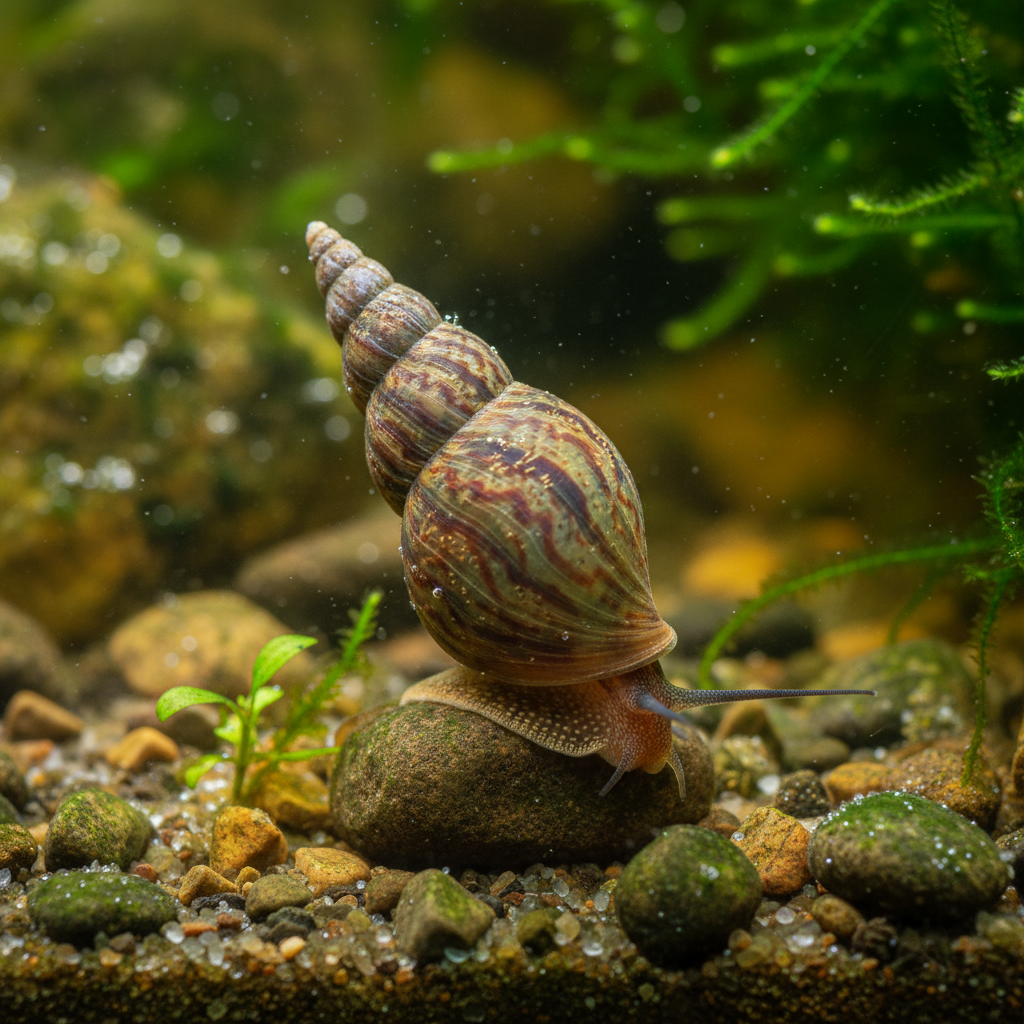
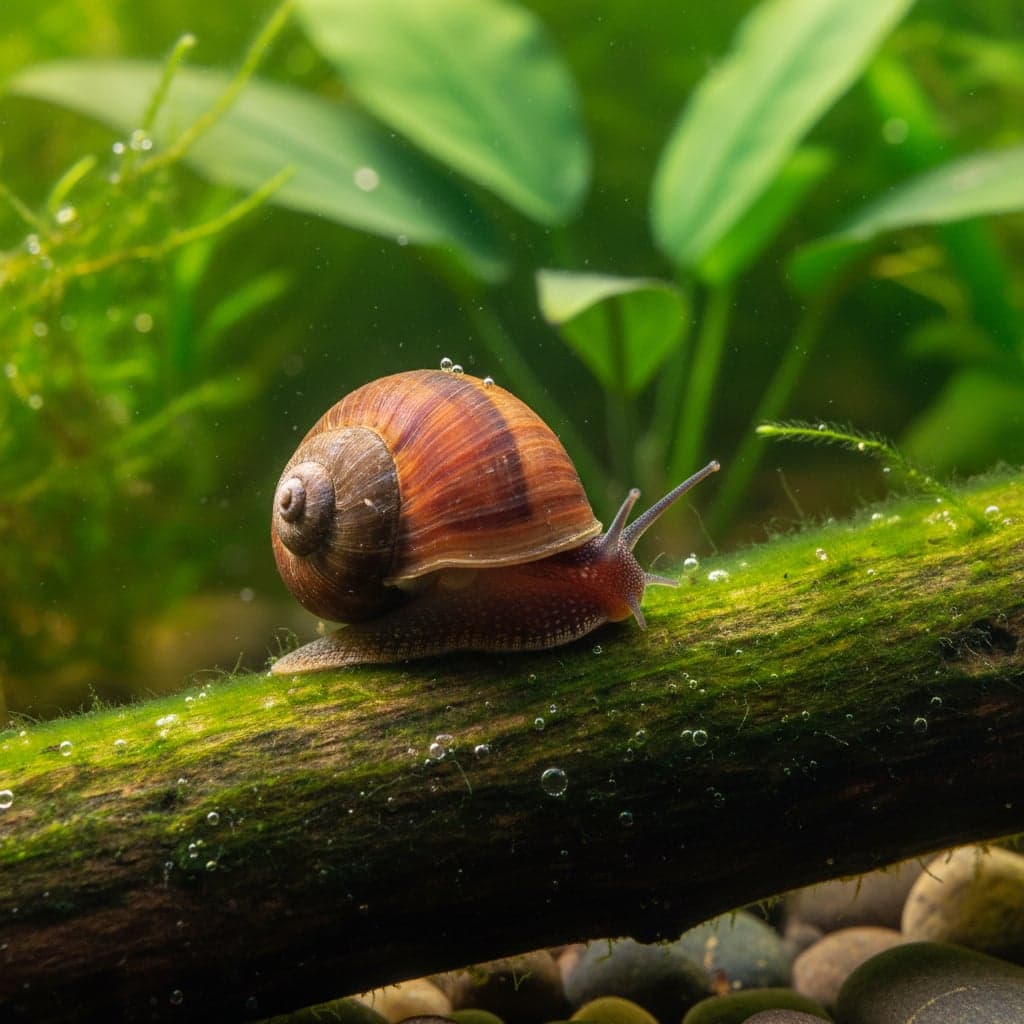
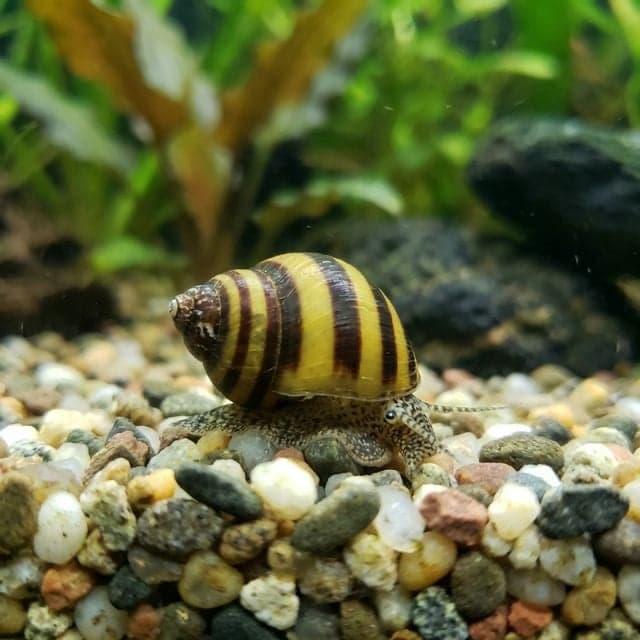
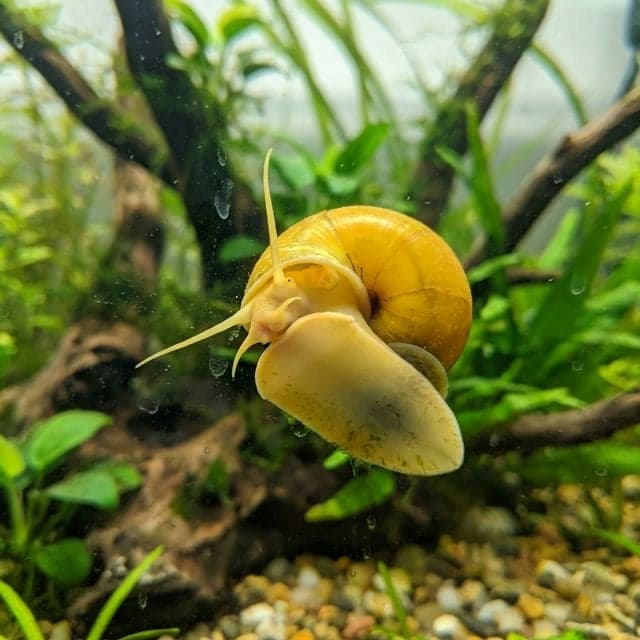
The Malaysian Trumpet Snail, scientifically known as Melanoides tuberculata, is a freshwater mollusk widely appreciated in the aquarium hobby for its distinctive coiled shell and beneficial contributions to tank environments. Characterized by its elongated, spiral shell that displays a remarkable pattern of ridges, this species presents a visually appealing addition to aquascapes, effortlessly blending in with the substrate. The color palette ranges from golden-yellow to dark brown, which provides a captivating contrast in planted tanks. Beyond their aesthetic qualities, Malaysian Trumpet Snails play a crucial role in maintaining a healthy ecosystem by aerating substrates and consuming uneaten food, decaying plant matter, and algae, thus contributing to overall tank hygiene.
Additionally, Malaysian Trumpet Snails are known for their unique behavior of burrowing into the substrate, which not only aids in aeration but also mimics their natural habitat, making them a preferred choice among both novice and experienced aquarists. Their capacity to thrive in a variety of water conditions further enhances their popularity; they provide an educational insight into how invertebrates contribute to the ecological balance within an aquarium. As a result, understanding their care and requirements can enrich the hobbyist experience, making the Malaysian Trumpet Snail a staple in many freshwater setups.
Natural Habitat & Origin
The Malaysian Trumpet Snail originates from the freshwater rivers and streams of Southeast Asia, particularly in countries like Malaysia, Thailand, and Indonesia. This species typically inhabits soft, slow-moving waters rich in plant life, where they find refuge among leaf litter and in the substrate. The natural environment often features a blackwater or clearwater system, with tannins from decomposing foliage contributing to the lower pH levels found in their habitats. Water in these areas usually maintains a temperature ranging between 22°C to 28°C (72°F to 82°F), with a moderately soft to hard hardness, creating ideal conditions for these resilient mollusks.
These snails thrive in environments that provide ample organic debris and vegetation, enabling them to flourish while simultaneously contributing to the overall health of their ecosystem. Understanding the Malaysian Trumpet Snail's natural habitat is essential for recreating suitable conditions in the home aquarium and ensuring their well-being.
Care Requirements
To maintain a healthy environment for Malaysian Trumpet Snails, certain water parameters must be met. The ideal pH range falls between 6.5 and 8.0, with temperatures ideally set between 22°C to 28°C (72°F to 82°F). The hardness should be maintained at a level of 5 to 15 dGH, facilitating optimal health and growth. Regarding tank setup, a minimum aquarium size of 20 gallons is recommended, as larger spaces promote better water quality and stability.
A substrate consisting of fine gravel or sandy material is preferred to allow for easy burrowing and scavenging. It is essential to provide plenty of hiding spots through dense planting and decorations, as these snails feel more secure in well-structured environments. Lighting requirements are relatively undemanding, with moderate lighting being sufficient for plant growth while ensuring the snails feel comfortable. A well-planted tank will not only benefit the snails but also create a serene and beautiful aquatic landscape for aquarists to enjoy.
Diet & Feeding
Malaysian Trumpet Snails are classified as omnivores and have a diverse diet that can include algae, detritus, and decaying organic matter. In a captive environment, they will benefit from a varied diet comprising high-quality algae wafers, sinking pellets, and blanched vegetables such as zucchini or spinach. While they often scavenge for leftover food particles, it is essential to provide them with a consistent source of nutrition to support their health and growth.
In addition to commercial feeds, incorporating occasional frozen food such as bloodworms or brine shrimp can enhance their diet, providing them with vital nutrients. It is important to avoid overfeeding, as excess food can lead to water quality issues, which can be detrimental to the tank's inhabitants, including Malaysian Trumpet Snails.
Behavior & Temperament
Malaysian Trumpet Snails are generally peaceful creatures, exhibiting a non-aggressive temperament that makes them suitable for community tanks. They are not schooling fish; however, they do prefer to be kept in groups, given their social nature. These snails often spend their time scavenging for food on the substrate and may be seen extending their siphons to graze on algae on tank surfaces.
Their behavior is characterized by a primarily nocturnal lifestyle, as they tend to be more active during the night and seek shelter during daylight hours. They occupy the bottom strata of the aquarium, utilizing their burrowing prowess to create a healthy substrate environment while cohabitating peacefully with many tank mates.
Tank Mates
Malaysian Trumpet Snails are great additions to community aquariums and can be kept with a variety of compatible species. Ideal tank mates include smaller fish species such as Tetras, Guppies, and Rasboras, as well as other peaceful invertebrates. Larger fish that might view them as food should be avoided, such as Cichlids and certain types of aggressive or predatory fish.
Additionally, care should be taken with species that may uproot plants or disturb the substrate, which could impact the snails' habitat. Providing a diverse community setup will enhance the visual appeal of the aquarium while ensuring a harmonious environment for all its inhabitants.
Breeding
Breeding Malaysian Trumpet Snails in captivity is relatively straightforward, as they are prolific and do not require specific spawning triggers. They are livebearers, giving birth to live young instead of laying eggs, which contributes to their rapid population growth. To promote successful breeding, maintain stable water parameters as outlined in earlier sections, including a well-balanced ecological environment.
Under favorable conditions, females can give birth to numerous baby snails, often taking place in safe areas throughout the tank, such as among plants or rocks. Providing ample hiding spots is crucial, allowing young snails to evade potential predators and thrive independently.
Common Health Issues
While Malaysian Trumpet Snails are generally hardy, they can occasionally suffer from a few health issues. One common concern is shell erosion, often caused by poor water quality or inappropriate pH levels. Maintaining excellent water conditions and regular tank maintenance can help prevent this issue.
They can also fall victim to parasites or opportunistic infections if introduced into an environment with poor care. Regularly inspecting snails for any visible signs of distress or shell abnormalities and ensuring optimal tank conditions will help to prevent these issues. If any health problems arise, consider isolating affected individuals and consulting with an aquarist experienced in mollusk treatment for tailored advice.