Marmalade Cat Cichlid: OB Cichlid
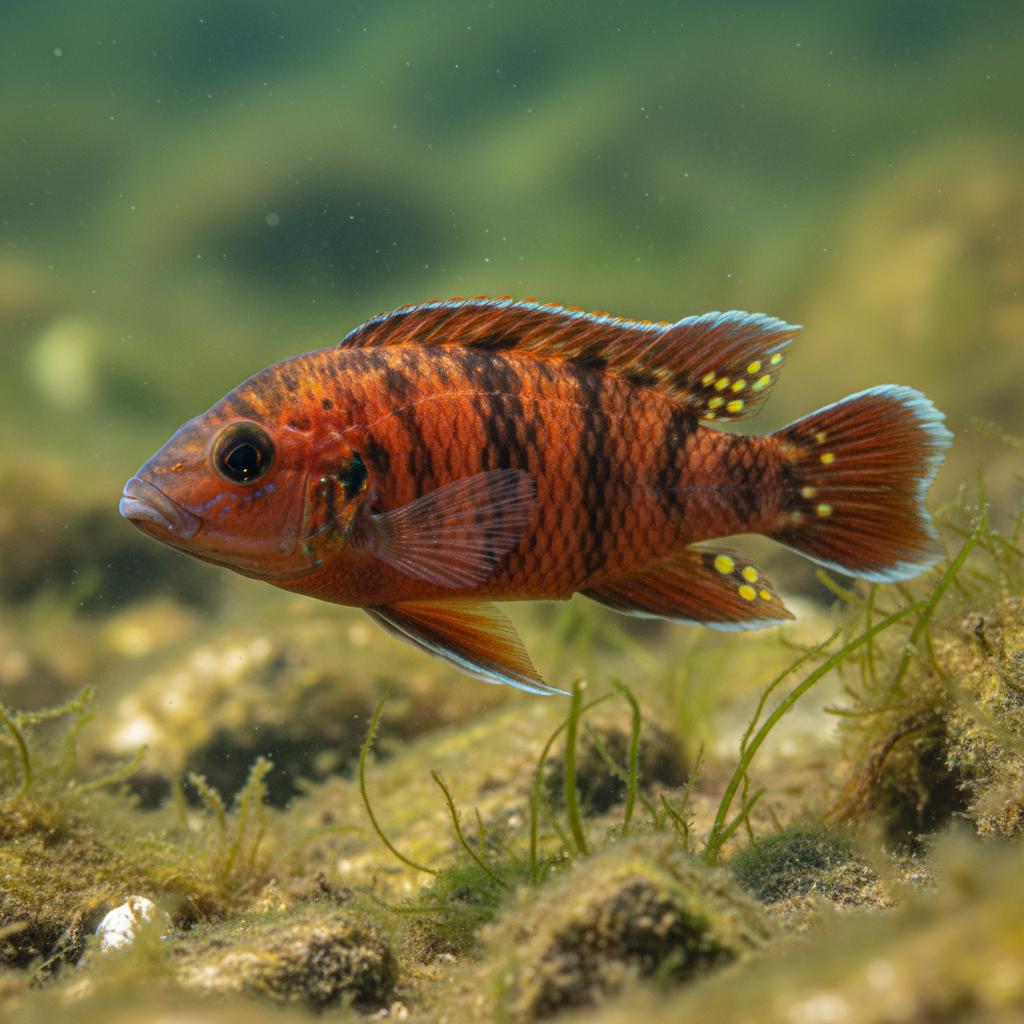
A striking, mottled "Orange Blotch" color morph found among various Lake Malawi Mbuna.
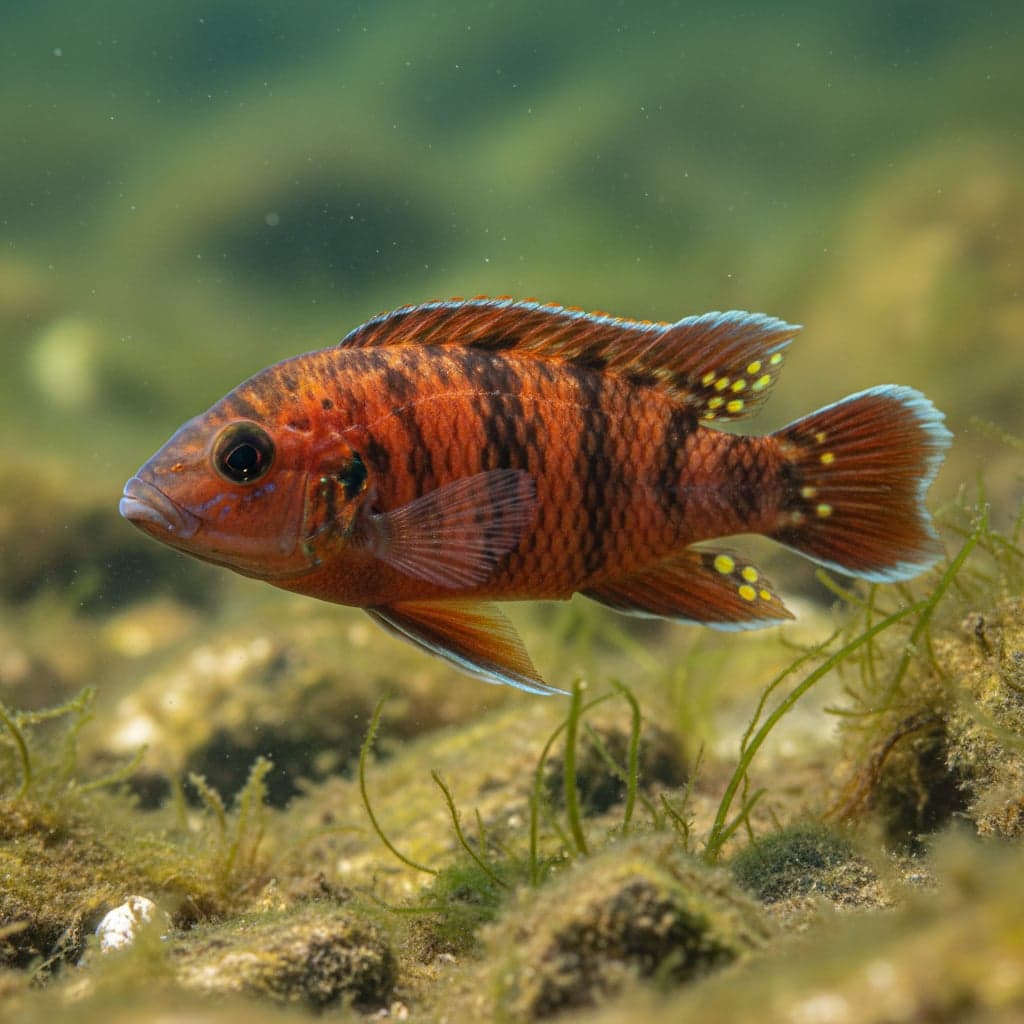
Marmalade Cat Cichlid
The Marmalade Cat Cichlid, often referred to as the OB Cichlid, is a visually captivating freshwater fish native to Lake Malawi in East Africa. These cichlids are renowned for their vibrant orange-brown bodies adorned with unique black spots, resembling the markings of a marmalade. This striking coloration makes them an enticing choice for aquarium enthusiasts looking to add a splash of color to their tanks. The rich patterns can vary significantly among individual fish, as they are known to exhibit a diversity of hues and spotting configurations, making each fish a unique piece of art underwater.
Marmalade Cat Cichlids are not just visually appealing; they also hold a significant role in the aquarium hobby due to their engaging behavior and relative ease of care. Their territorial nature and intriguing interactions can add a dynamic atmosphere to a community tank, attracting hobbyists of all skill levels to explore the captivating world of cichlids. As an ornamental fish, they highlight the importance of species conservation, particularly as overfishing and habitat loss threaten their wild populations.
Natural Habitat & Origin
The Marmalade Cat Cichlid hails from the rocky substrates of Lake Malawi, which spans the borders of Malawi, Mozambique, and Tanzania. This diverse ecosystem is characterized by its clear, mineral-rich waters, primarily alkaline in nature. The cichlids thrive in areas with significant shelter provided by rocks and caves, which not only serve as hiding spots but also are essential for breeding. Their natural habitat features a variety of substrates, including sandy areas and rocky outcrops, allowing them to display their biological adaptations to their environment.
Typically found at depths of up to 30 meters, Marmalade Cat Cichlids prefer stable water conditions, including moderate light penetration that fosters the growth of essential algae and microorganisms. As a species adapted to these unique geological features, they rely on a balanced environmental context, which is crucial when culturing them in an aquarium setting.
Care Requirements
To successfully keep Marmalade Cat Cichlids, it's essential to replicate their natural habitat within an aquarium. These cichlids thrive best in water with a pH range of 7.8 to 8.6, temperature between 76°F to 82°F (24°C to 28°C), and hardness levels between 10-20 dGH. A well-filtered tank setup is crucial to maintain water quality because cichlids are sensitive to fluctuations in their environment.
A minimum tank size of 55 gallons is recommended for keeping Marmalade Cat Cichlids, as they can exhibit territorial behavior, especially during breeding. The substrate should consist of fine sand or smooth gravel to prevent injuries. Incorporating ample rock formations, caves, and hiding spots will create a structured environment that provides security and encourages natural behaviors. Lighting should be moderate to high to support plant growth, while live plants can be included; however, cichlids may uproot or disturb them, so sturdy choices are advisable.
Diet & Feeding
Marmalade Cat Cichlids are omnivorous, which means they will consume a wide variety of foods. A balanced diet is crucial for their health and vibrant coloration. High-quality cichlid pellets and flakes should form the foundation of their diet, providing essential nutrients. Additionally, incorporating frozen or freeze-dried foods like bloodworms, brine shrimp, and daphnia can enhance their protein intake and stimulate natural hunting behavior.
Live foods, such as small insects or daphnia, can be offered occasionally, but it is important to ensure these are sourced from reputable suppliers to prevent the introduction of diseases. Feeding should occur two to three times a day, with the amount being sufficient for the fish to consume within a few minutes, thus minimizing waste.
Behavior & Temperament
The Marmalade Cat Cichlid exhibits a generally inquisitive and territorial demeanor, particularly as they mature. They actively explore their environment and often claim territory, especially during breeding periods. These cichlids typically prefer vertical tank space rather than horizontal swimming, making the use of height with decorations or structures essential to their tank design.
While they may show aggression towards their own species, resulting in displays of dominance or competition, providing adequate space and hiding spots can help mitigate conflicts. Overall, Marmalade Cat Cichlids can coexist well with other species, provided they are chosen wisely and properly acclimated.
Tank Mates
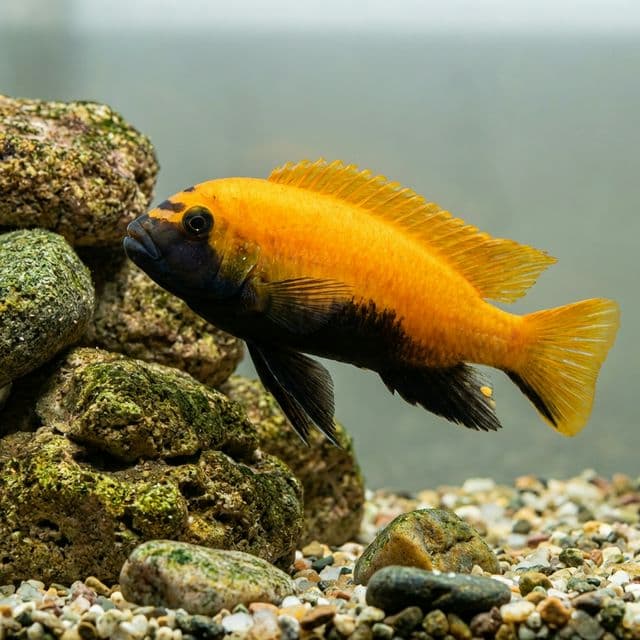
Finding suitable tank mates for Marmalade Cat Cichlids requires careful selection. Ideal companions include other Malawi cichlids, such as Yellow Labs and Electric Yellows, which can tolerate similar water conditions and share a similar temperament. Other compatible species might include certain types of plecos, synodontis catfish, and larger tetras.
Species to avoid in a community tank include more passive or smaller fish, as they may become targets of aggression. Additionally, it is advisable to steer clear of fish with long fins, as they may provoke territorial disputes. Always ensure that selected tank mates can thrive within the same water chemistry and environmental conditions as the Marmalade Cat Cichlid.
Breeding
Breeding Marmalade Cat Cichlids in captivity is a rewarding experience for aquarists. These cichlids are mouthbrooders, meaning the female carries and incubates fertilized eggs in her mouth until they hatch. To encourage breeding, provide a spacious aquarium with plenty of hiding spots and a clear, flat surface for the female to deposit her eggs.
Optimal spawning conditions involve maintaining stable water parameters that mimic their natural habitat, including slightly elevated temperatures around 78°F to 82°F. Once the female lays eggs—typically in clusters on a flat rock—the male fertilizes them, after which the female collects the eggs into her mouth. She will keep them there for about 2-3 weeks until the fry are ready to swim freely.
Common Health Issues
While generally hardy, Marmalade Cat Cichlids may be prone to specific health issues. Common ailments include ich (white spot disease), fin rot, and cichlid bloat. To prevent these issues, it's crucial to maintain excellent water quality through regular monitoring and partial water changes.
Additionally, ensuring a varied diet and avoiding overfeeding can significantly reduce the risk of diseases. Observing the behavior and physical condition of these fish regularly can also aid in early diagnosis and treatment of any potential health problems. Always consult an experienced aquarist or veterinarian if health issues arise to implement effective interventions promptly.