Fish

Maroon Clownfish

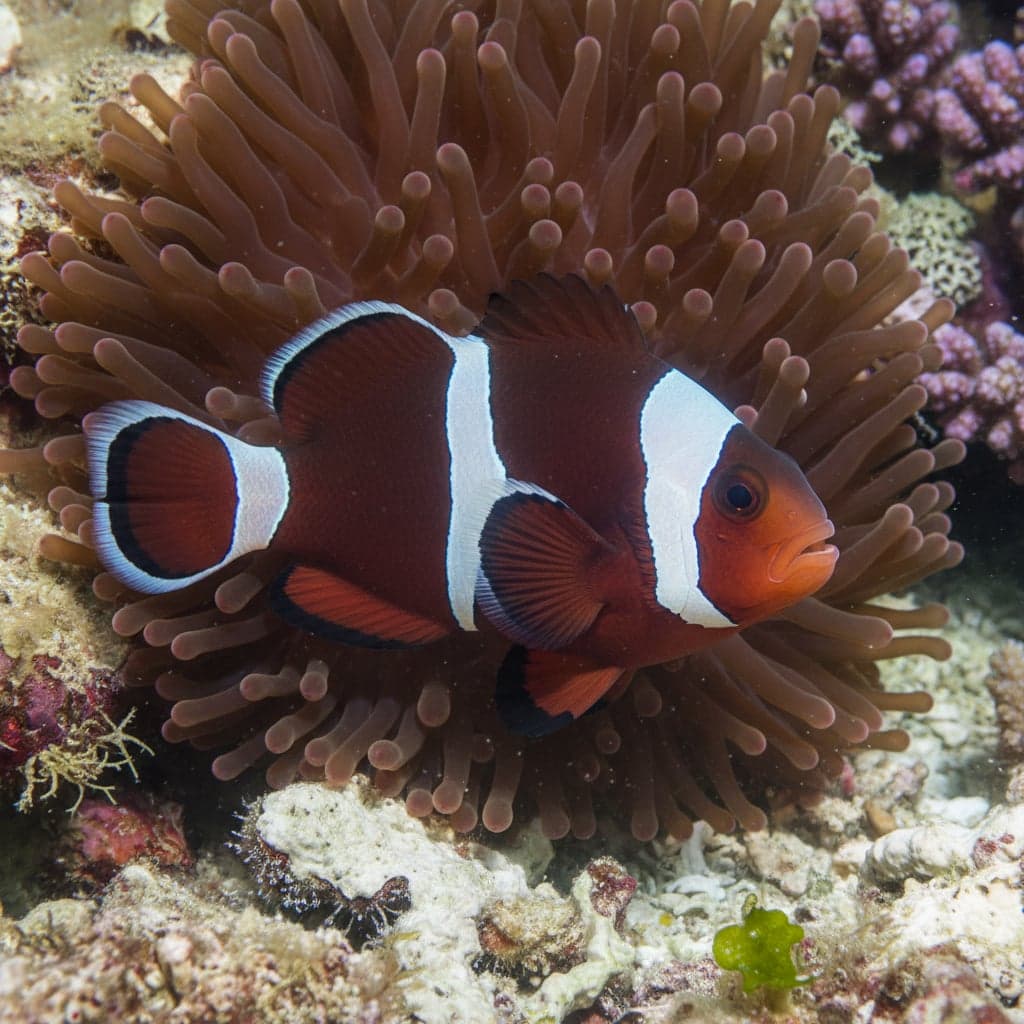
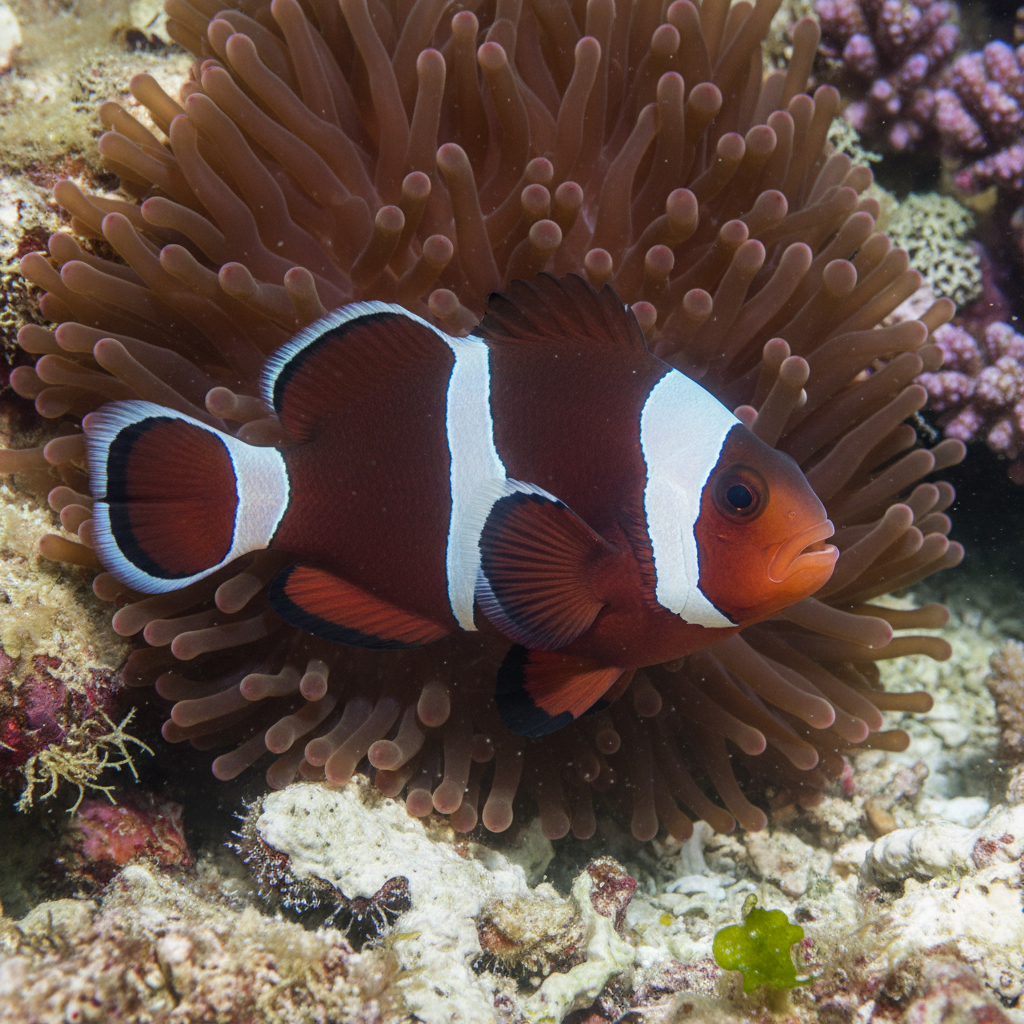
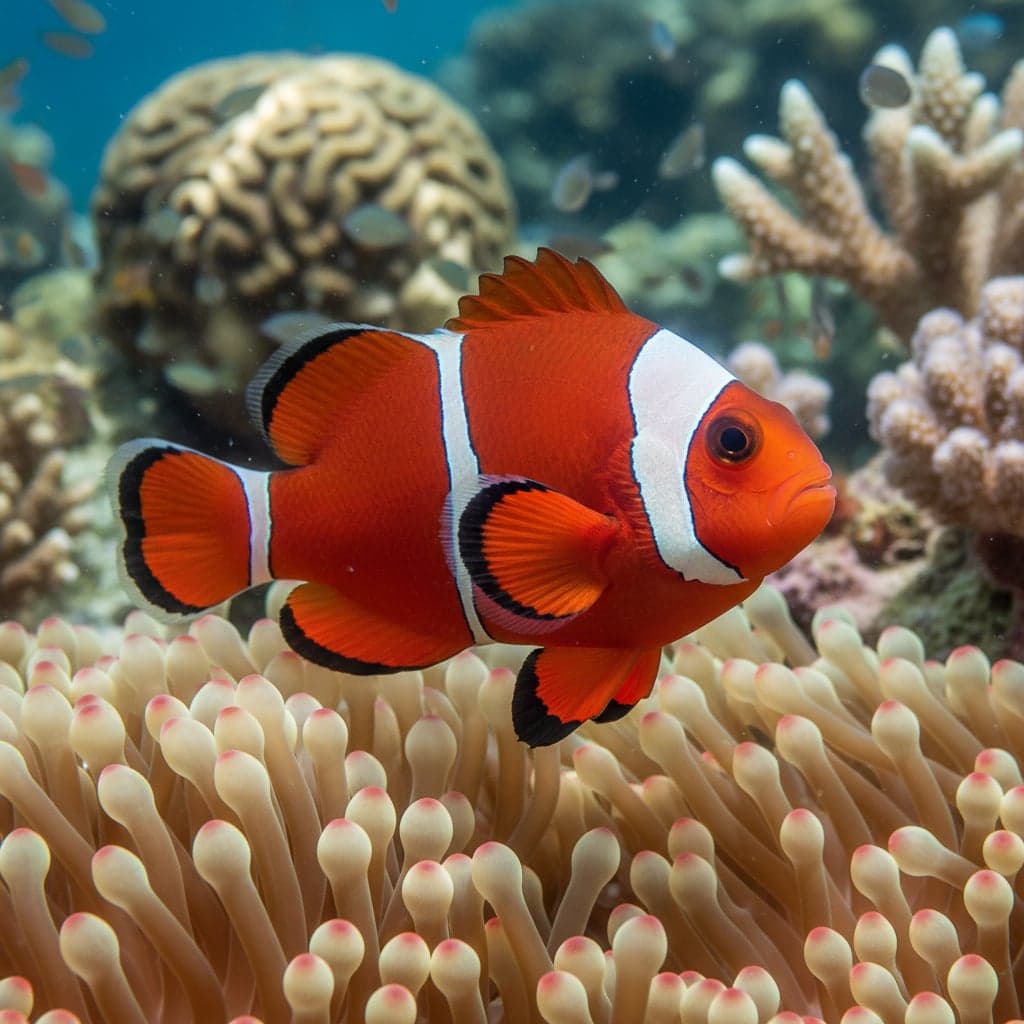
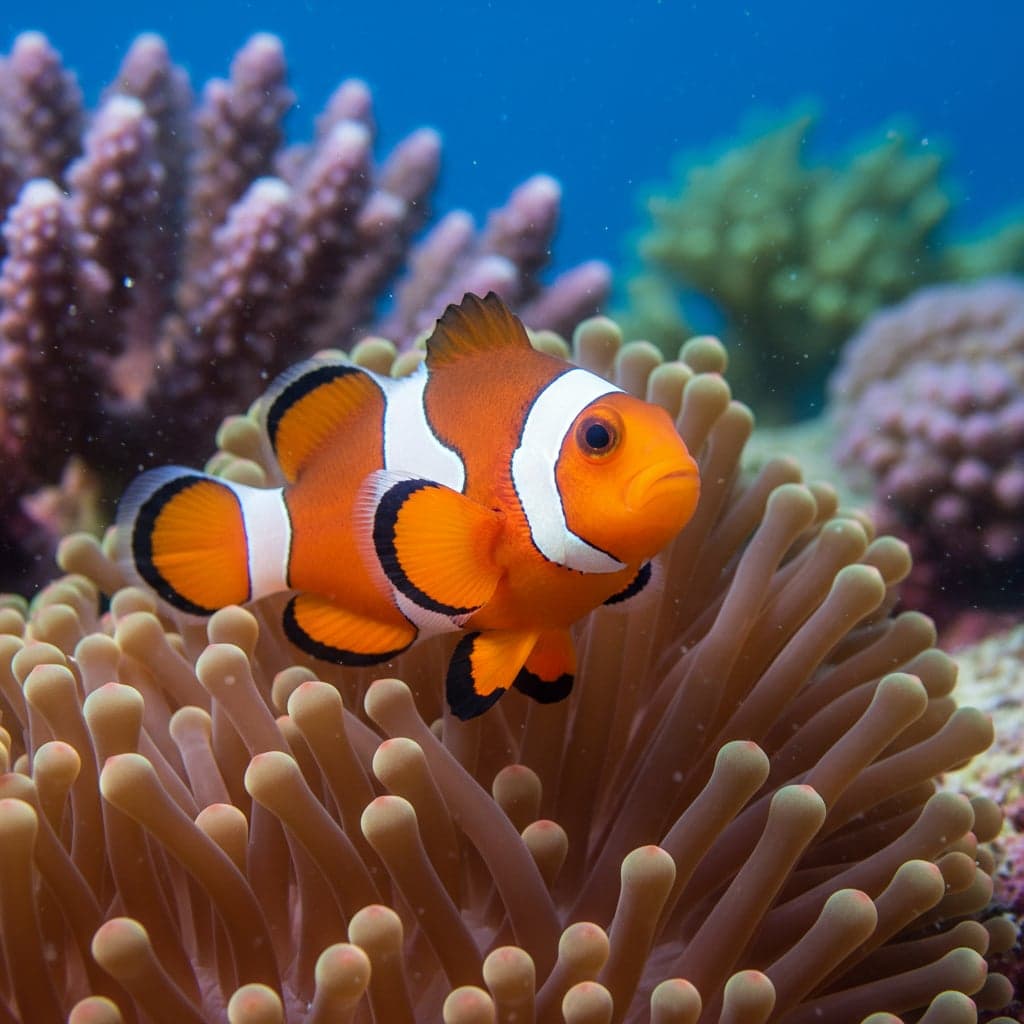
The Maroon Clownfish (Amphiprion biaculeatus) is a stunning saltwater fish known for its unique appearance and behavior.

Studio Scaped
Maroon Clownfish

Maroon Clownfish

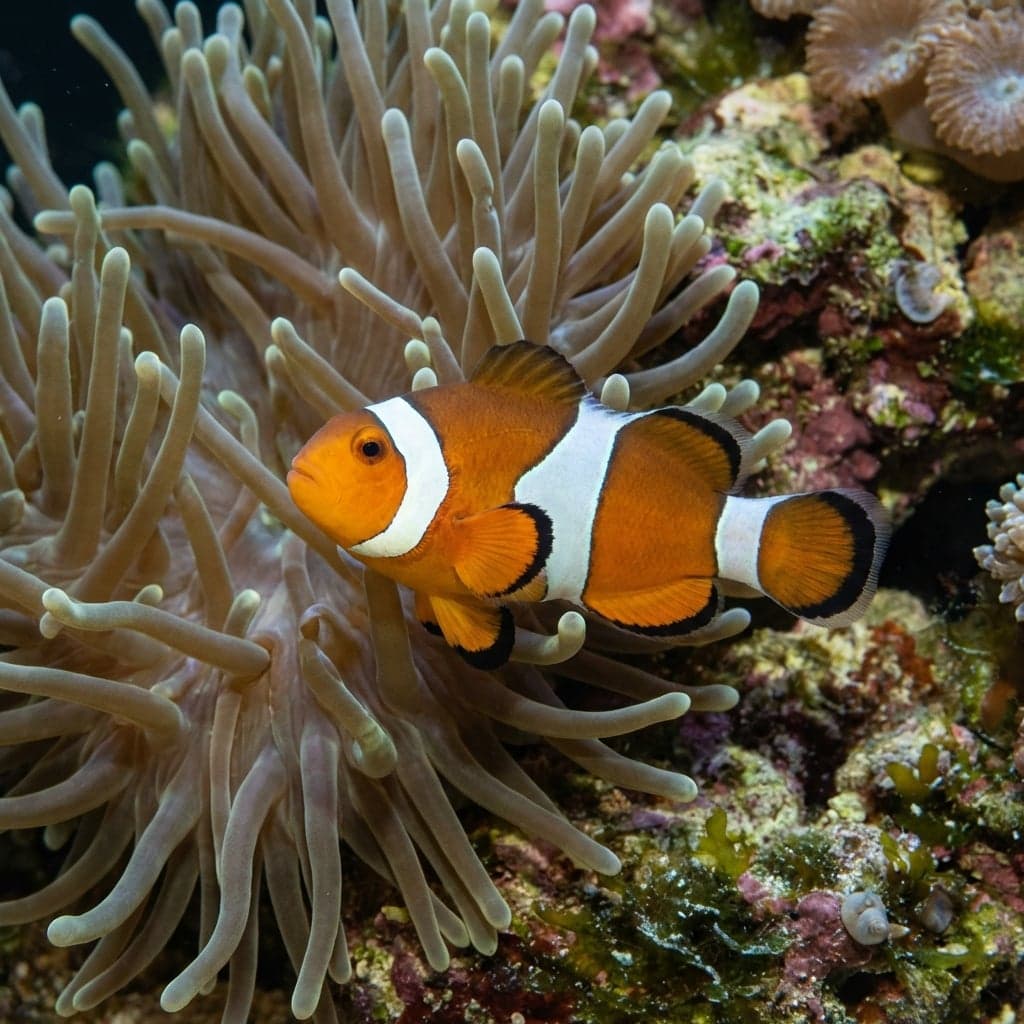
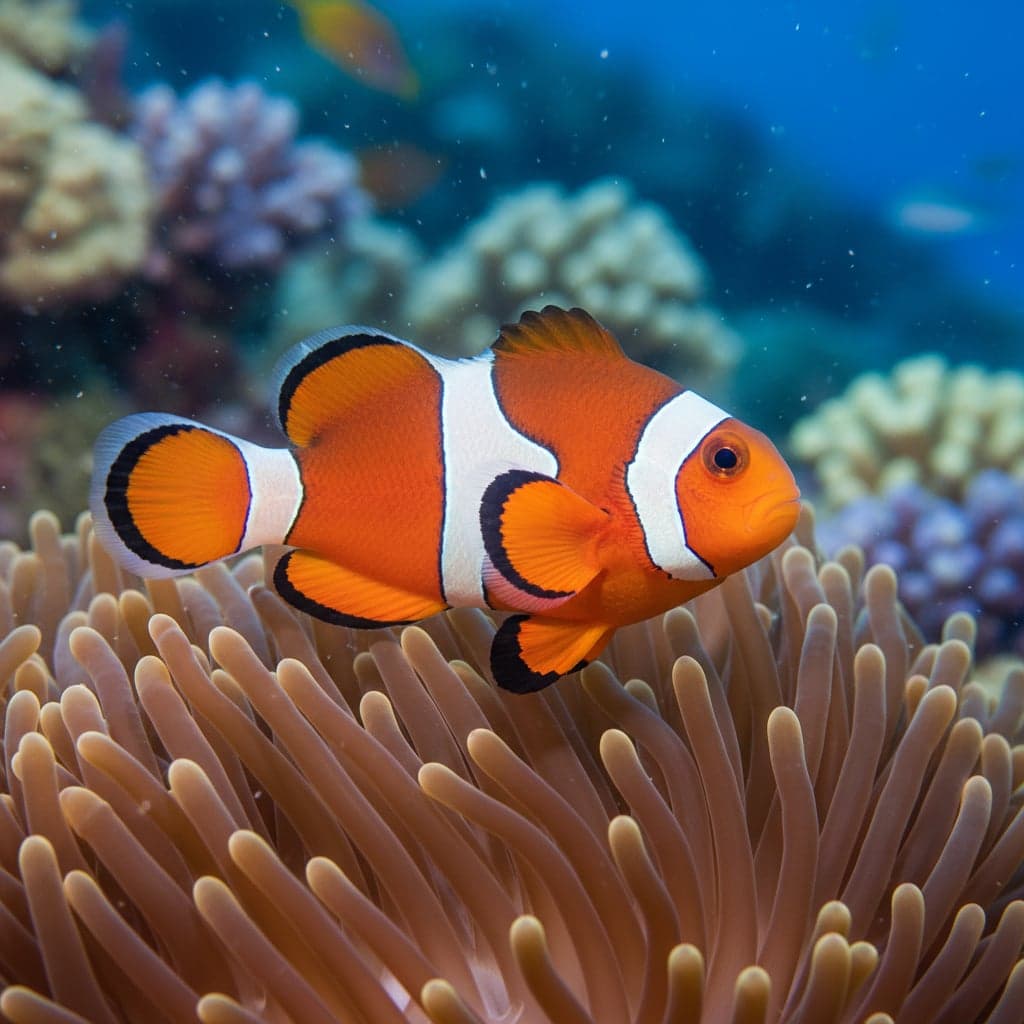
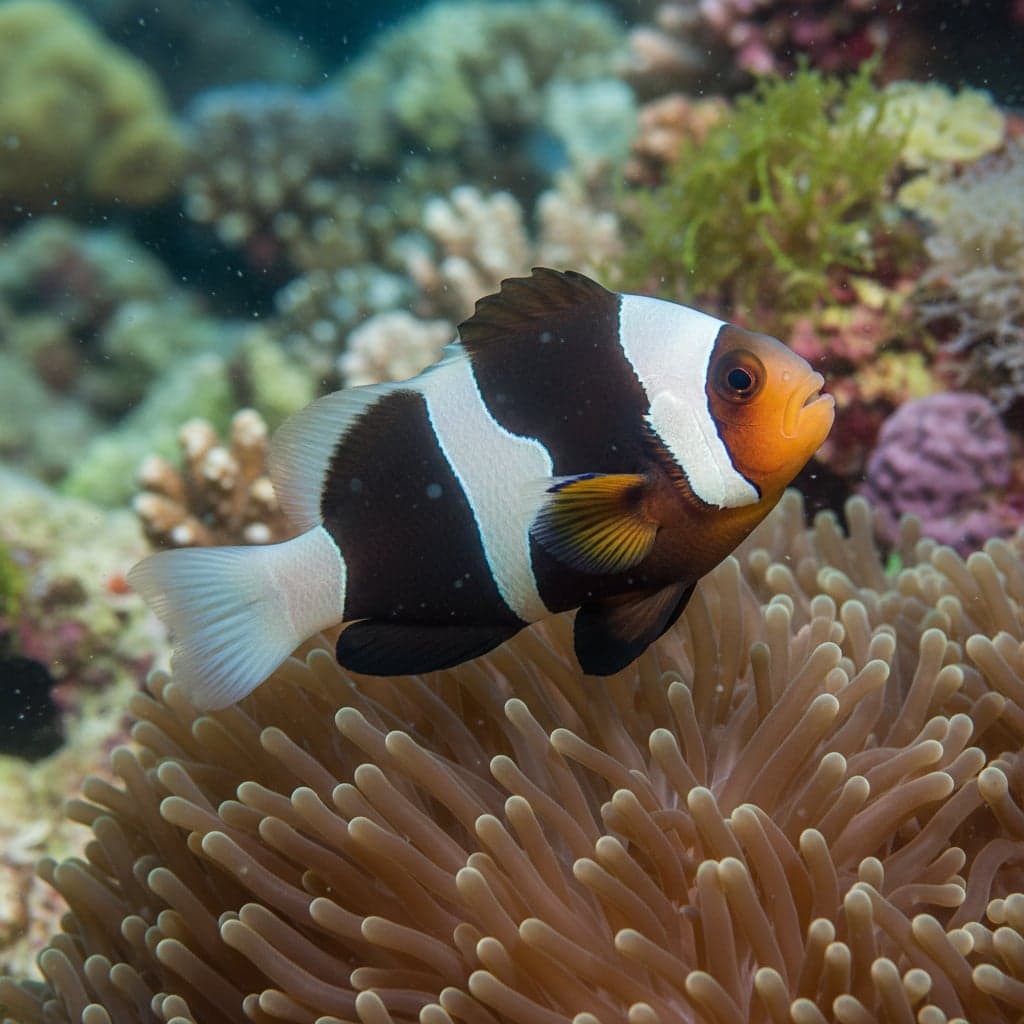
The Maroon Clownfish, scientifically known as Premnas biaculeatus, is a remarkable species that has captured the hearts of aquarists worldwide. Renowned for its vibrant coloration, this fish displays a striking reddish-brown body adorned with bright white bands, creating a stunning visual appeal that enhances any aquarium setting. As one of the largest species in the clownfish family, Maroon Clownfish can reach sizes of up to 5 inches in length. Their bold colors and distinctive patterns make them not only visually captivating but also an iconic representation of marine biodiversity.

In addition to its aesthetic value, the Maroon Clownfish holds significant importance in the aquarium hobby. Its hardy nature and resilient temperament allow it to thrive in a variety of tank conditions, making it an ideal choice for both novice and experienced aquarists. Furthermore, this species has a symbiotic relationship with sea anemones, providing a fascinating example of mutualism in marine environments. The Maroon Clownfish's adaptability and striking appearance contribute to its popularity, making it a frequent choice for reef tanks and community aquariums alike.

Natural Habitat & Origin

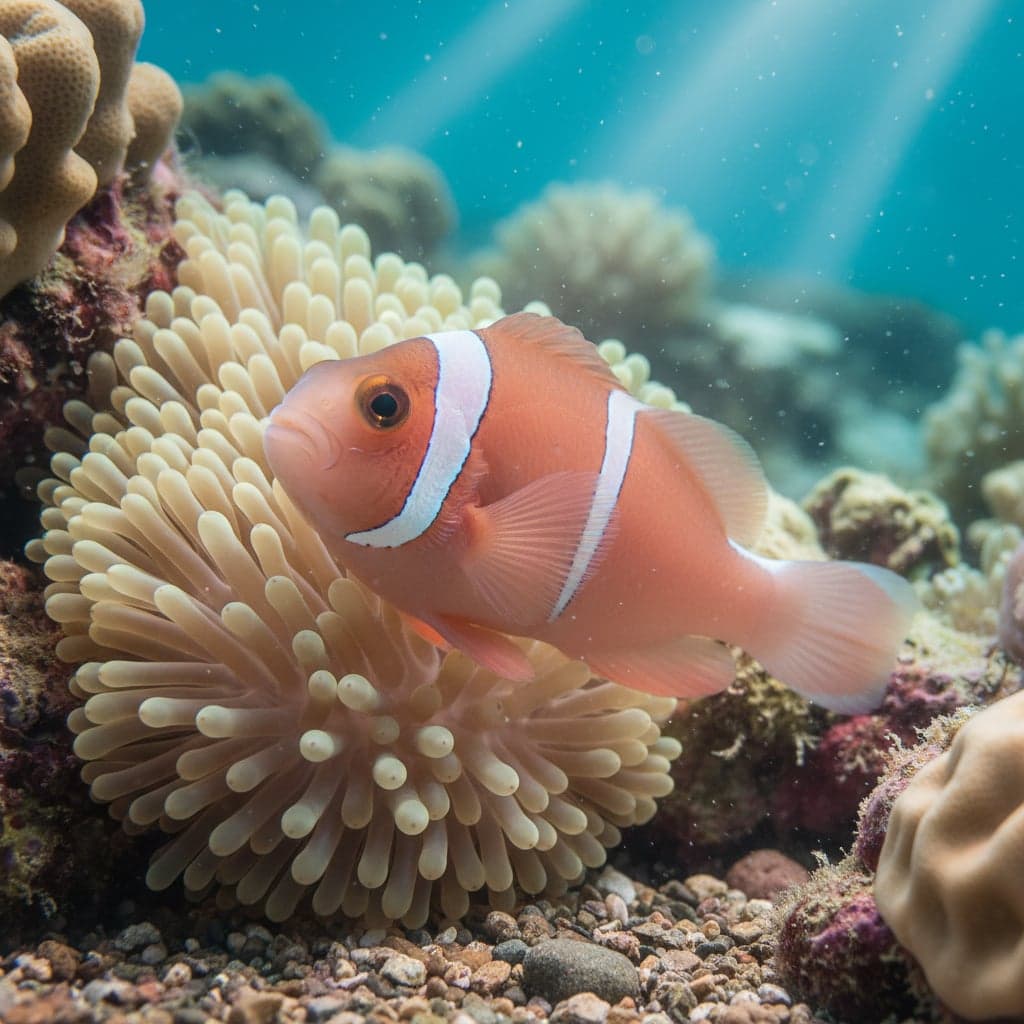
The Maroon Clownfish is indigenous to the warm coastal waters of the Indo-Pacific region, including the Red Sea, the Great Barrier Reef, and parts of Southeast Asia. It primarily inhabits shallow, protected lagoons and reef slopes, where it can find its symbiotic partner—the anemone. Preferring clear waters, the Maroon Clownfish is often found residing among the tentacles of sea anemones, which provide shelter and protection from predators. This environment not only supports a rich biodiversity but also offers an ideal setting for the Maroon Clownfish to thrive.

In its natural habitat, the Maroon Clownfish typically prefers temperatures ranging from 75°F to 82°F (24°C to 28°C) and a pH level of approximately 8.1 to 8.4. The substrate tends to be sandy or rocky, facilitating the establishment of both the fish and its host anemone. Understanding this natural habitat is crucial for replicating the ideal conditions in captivity, ensuring the health and longevity of the Maroon Clownfish in aquariums.

Care Requirements

Providing optimal care for the Maroon Clownfish involves maintaining consistent water parameters that closely mirror its natural environment. The recommended pH level should range from 8.1 to 8.4, while temperatures should be maintained between 75°F and 82°F (24°C to 28°C). Ideal water hardness is typically between 8 and 12 dGH. Additionally, the aquarium should be a minimum of 20 gallons to accommodate this species' territorial nature, especially as it matures.

When setting up the tank, a substrate of fine sand or small pebbles is recommended to mimic its natural habitat. Including rock formations is essential as they provide hiding spots and surfaces for coralline algae to grow. Proper lighting is also necessary to support photosynthetic coral growth if included in a reef setup. Live plants can also be introduced, though care must be taken to ensure compatibility with the fish's tankmates. Providing these conditions not only promotes the health of the Maroon Clownfish but also creates a visually engaging aquatic environment.

Diet & Feeding

The Maroon Clownfish is primarily an omnivore, thriving on a well-balanced diet that includes both animal-based and plant-based foods. In captivity, they can be fed a variety of high-quality flakes, pellets, and frozen foods to ensure they receive the necessary nutrients daily. Options such as brine shrimp, mysis shrimp, and chopped seafood are ideal sources of protein. Additionally, incorporating algae-based foods and spirulina can provide essential vitamins and minerals.

To ensure optimal health, it is advisable to feed the Maroon Clownfish small amounts multiple times a day, as they possess a high metabolism. Regular dietary variety is crucial to prevent nutritional deficiencies and promote vibrant coloration. This diverse diet not only supports their health but also simulates the natural foraging behavior seen in the wild.

Behavior & Temperament

The Maroon Clownfish is known for its unique social structure and territorial behavior, often exhibiting aggressive tendencies, particularly towards its own kind. In most cases, a pair should be kept together, as they form a strong bond. However, caution is advised when introducing additional specimens to the tank, as they may exhibit aggression to establish dominance.

This species typically occupies the lower or middle levels of the tank, often staying close to their host anemone or rock formations for security. They are not considered schooling fish and tend to prefer a more solitary existence, making it essential to carefully choose tankmates that are equally compatible.

Tank Mates

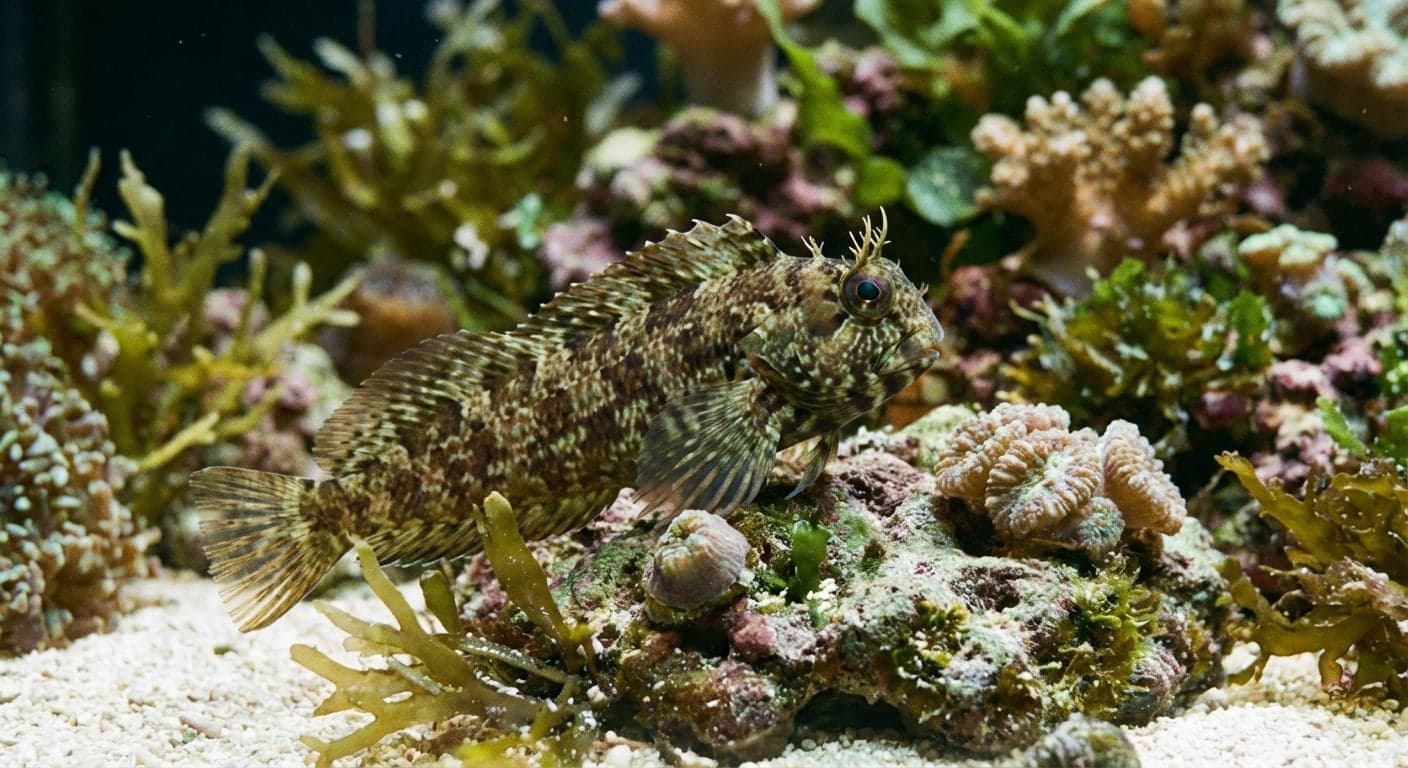
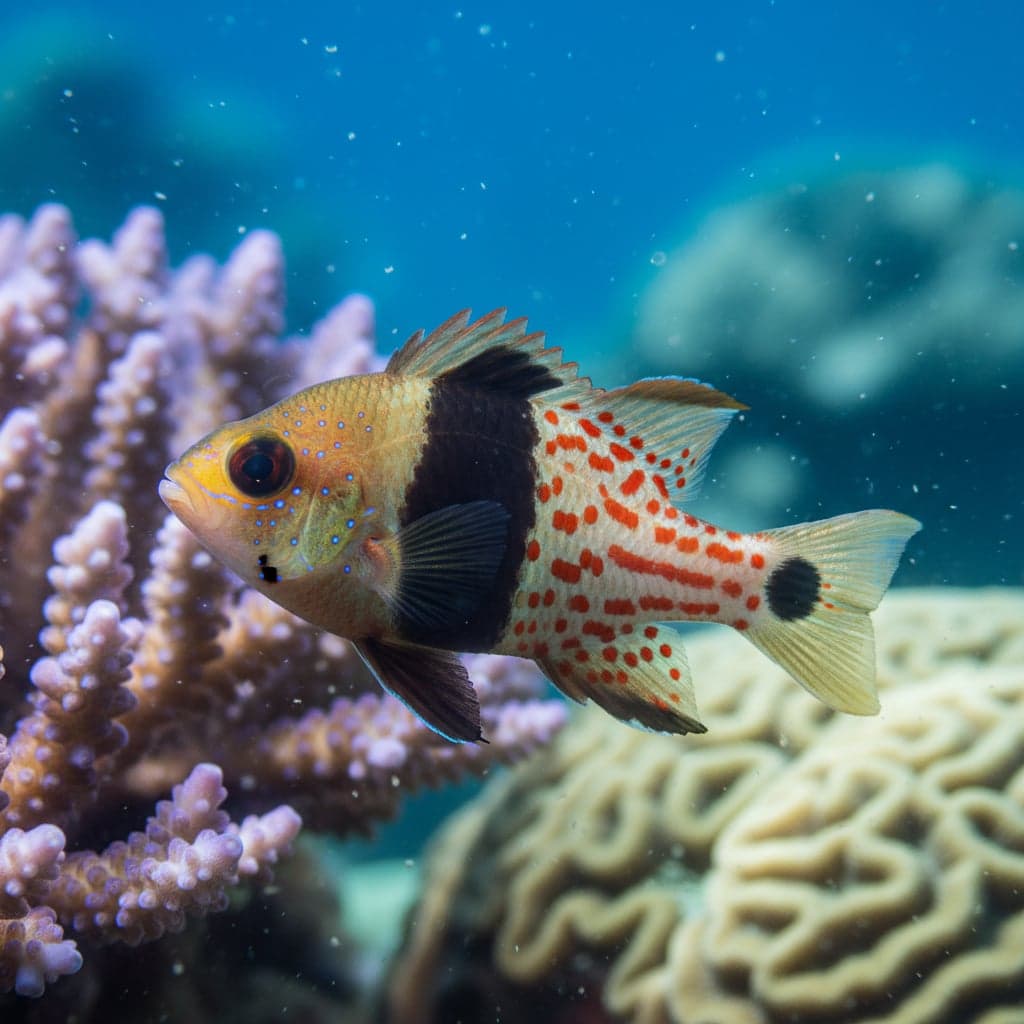
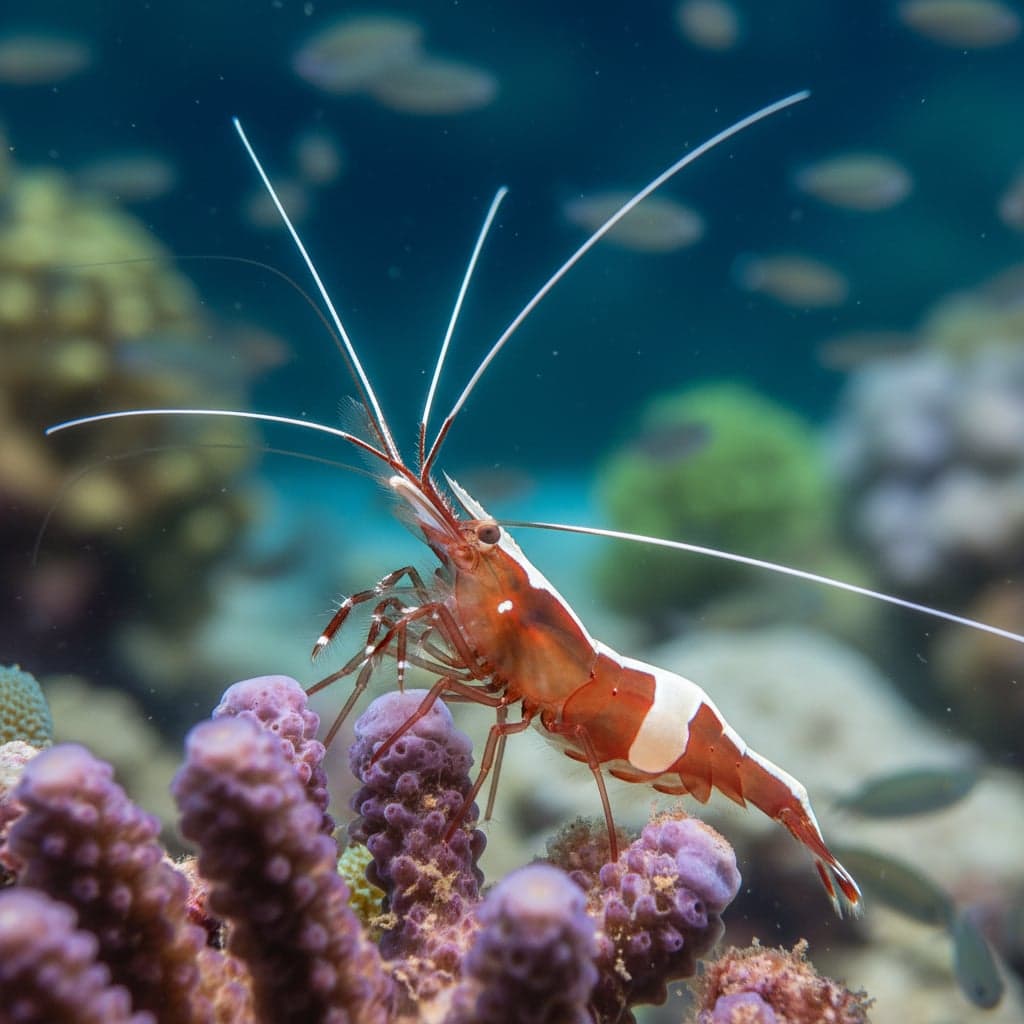
When selecting tank mates for the Maroon Clownfish, it is crucial to consider species compatibility and temperament. Suitable companions include peaceful fish such as gobies, blennies, wrasses, and certain damselfish. Additionally, they can thrive with invertebrates like shrimp and snails, provided that there is ample hiding space.

However, potential tank mates to avoid include other clownfish species, as well as larger, more aggressive fish like angelfish, triggers, or larger lionfish, as those can pose a threat or compete for territory. Both the size of the tank and the manner in which species interact can significantly influence overall community harmony.

Breeding

Breeding Maroon Clownfish in captivity can be a rewarding experience for aquarists, as they are known to exhibit unique spawning behaviors. To increase the chances of successful breeding, it is vital to provide them with a proper environment, which includes a stable, mature tank with suitable anemones or flat surfaces for egg laying. The female typically lays eggs every two weeks, usually on a clean surface adjacent to their host anemone.

The male will tend to the eggs, ensuring they are aerated and protected from potential threats. Successful breeding conditions include stable water parameters, adequate hiding spots, and minimal disturbances. Once the eggs hatch—typically in about 7 to 10 days—the fry should be provided with specialized foods such as rotifers or liquid fry food until they are large enough to consume larger particles. Implementing these measures enhances the likelihood of raising healthy Maroon Clownfish fry in the aquarium.

Common Health Issues

While generally hardy, the Maroon Clownfish may be susceptible to a few common aquatic health issues. Ich (Ichthyophthirius multifiliis) is one of the most prevalent diseases, characterized by white spots on the fish’s body. This stress-induced parasite can be managed through tank isolation and treatment with copper-based medications or salt baths.

Another health concern is marine velvet disease (Oodinium), which can be detrimental if not addressed promptly. Regular monitoring of water quality, maintaining appropriate parameters, and ensuring a stress-free environment are crucial for preventive care. For maintaining fish health, consistent feeding habits, stable water conditions, and minimizing aggressive interactions with tank mates are the best strategies for ensuring the well-being of the Maroon Clownfish.

ADA
Aqua One
Chihiros
Dennerle
EHEIM
Fluval
Oase
Seachem
Tropica
Twinstar
UNS
ADA
Aqua One
Chihiros
Dennerle
EHEIM
Fluval
Oase
Seachem
Tropica
Twinstar
UNS
ADA
Aqua One
Chihiros
Dennerle
EHEIM
Fluval
Oase
Seachem
Tropica
Twinstar
UNS
ADA
Aqua One
Chihiros
Dennerle
EHEIM
Fluval
Oase
Seachem
Tropica
Twinstar
UNS