Mexican Tetra (Blind Cavefish): Astyanax mexicanus
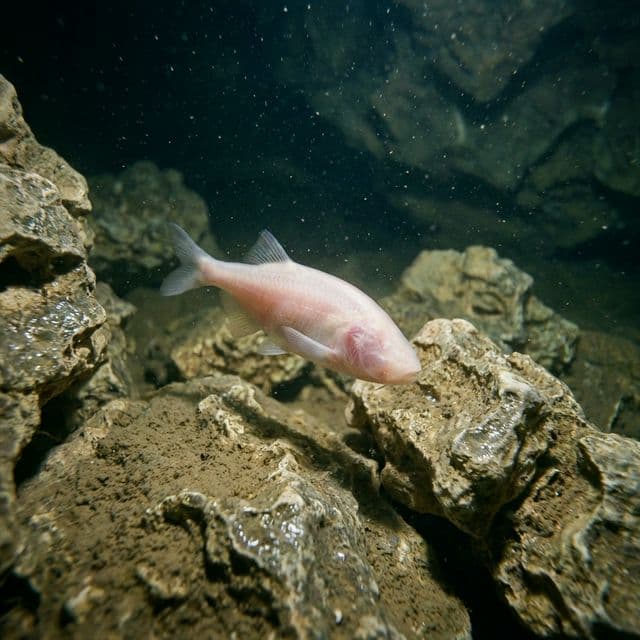
An incredible oddball fish that has evolved completely without eyes or pigmentation to survive in pitch-black caves.
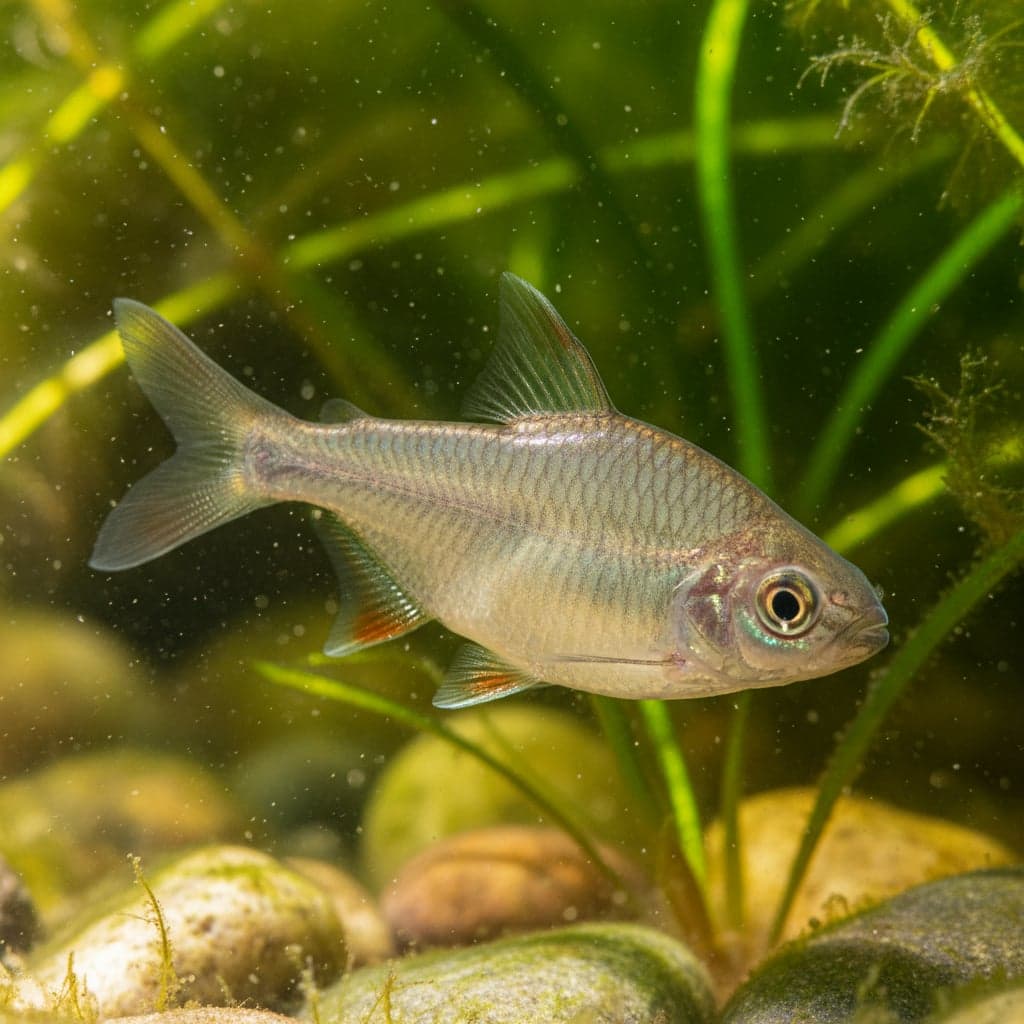
Mexican Tetra
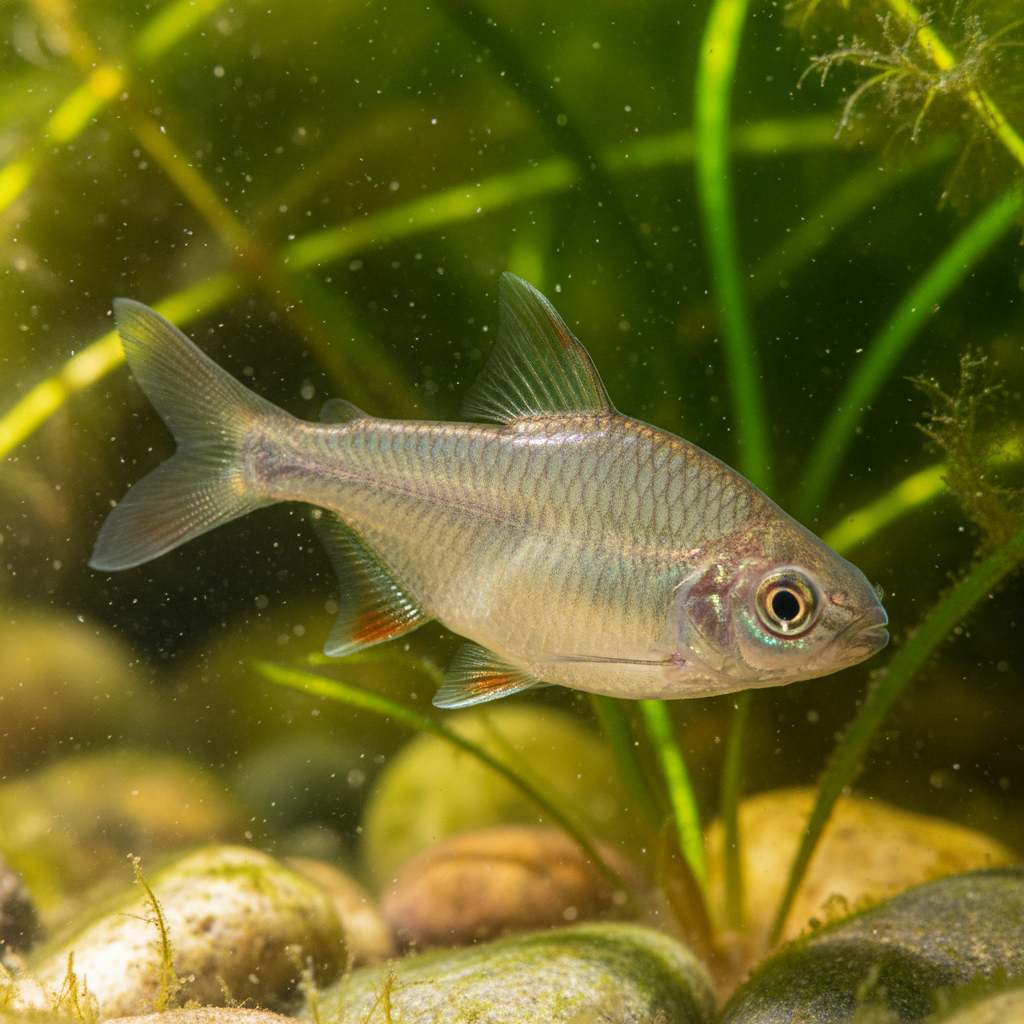
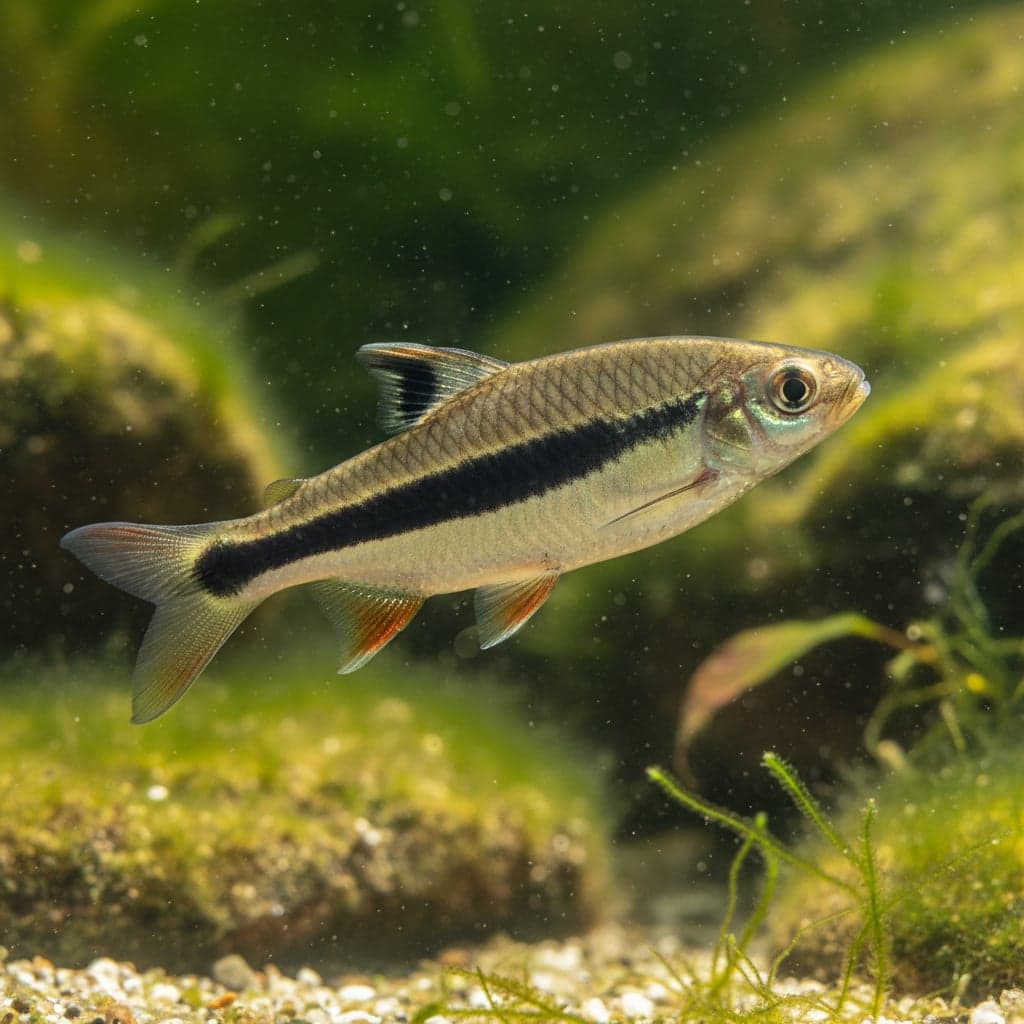
The Mexican Tetra, scientifically known as Astyanax mexicanus, is a captivating fish species found primarily in freshwater environments in Mexico and the southern United States. Recognized by its unique adaptations, particularly the cave-dwelling variant, the Mexican Tetra has become a fascinating subject for both aquarists and researchers. Their distinct appearance includes a streamlined body, with the typical wild-type exhibiting a silvery hue and iridescent scales, while the cave-dwelling variant lacks pigmentation and eyesight, enhancing their appeal due to their unusual characteristics. Whether in a home aquarium or as part of a research study, the Mexican Tetra serves as an important reminder of evolutionary biology in action.
In the aquarium hobby, the Mexican Tetra’s visual charm and adaptability make it a popular choice for both novice and experienced aquarists. Their aesthetic appeal is not limited to their physical attributes; the species also exhibits lively behavior, often displaying playful interactions when kept in a well-thought-out group. This social nature combined with their relatively low maintenance needs, makes the Mexican Tetra a wonderful addition to community tanks. Enthusiasts appreciate their historical significance as a model organism in studies of evolution and environmental adaptation, enriching the understanding of biodiversity.
Natural Habitat & Origin
The Mexican Tetra is endemic to a range of freshwater habitats throughout Mexico, particularly in the rivers and streams of northeastern Mexico. They thrive in both clear and slightly turbid waters, where vegetation provides cover and spawning sites. The species is naturally found in varying environments, including pools, rivers, and subterranean caves, highlighting their remarkable adaptability. These fish flourish in blackwater conditions characterized by low visibility, high organic content, and slightly acidic pH levels, which shape their evolutionary traits, particularly in the cave-dwelling variants that now rely on non-visual cues for navigation and hunting.
In their natural habitat, these fish coexist with a diverse array of flora and fauna, which influences their feeding behavior and social interactions. The presence of submerged plant life creates essential shelter and breeding grounds, enabling the Mexican Tetra to exhibit their instinctive schooling behavior and predatory prowess on smaller aquatic organisms. Understanding their natural habitat aids aquarists in replicating optimal conditions in captivity, ensuring these fascinating fish can thrive in an aquarium environment.
Care Requirements
To ensure the well-being and longevity of the Mexican Tetra in captivity, certain water parameters must be maintained. Ideal water conditions include a pH range of 6.0 to 7.5, a temperature of 22°C to 26°C (72°F to 78°F), and moderate hardness (5 - 20 dGH). These parameters closely approximate the conditions of their native habitats, creating an environment that promotes health and vigor.
When it comes to tank setup, a minimum aquarium size of 20 gallons is recommended, allowing adequate swimming space for this active species. Substrates such as sand or fine gravel simulate their natural riverbeds, while ample hiding spots created with rocks, caves, and expansive plant cover promote secure breeding conditions and social interaction. Moderate lighting favorable for plant growth will not only enhance the visual appeal of the tank but also help maintain stability in water chemistry. Including live or artificial plants contributes to their overall happiness and reduces stress levels.
Diet & Feeding
The Mexican Tetra is classified as an omnivore, making it relatively easy to feed in captivity. They thrive on a balanced diet that includes high-quality flake foods, pellets, frozen foods such as brine shrimp and Daphnia, and occasional live foods to mimic their natural feeding habits. An adult Mexican Tetra typically benefits from multiple feedings per day, providing a variety of nutritional options to support their health and color vibrancy.
When selecting food, it's essential to choose options that are finely crushed or small in size, as their smaller mouths may struggle with larger particles. Supplementing their diet with occasional vegetables like blanched peas or spinach can also promote digestive health. Offering a diverse diet not only encourages optimal growth and coloration but also enhances their overall activity levels and immune system strength.
Behavior & Temperament
Mexican Tetras are social creatures that thrive when kept in groups of at least six individuals, which encourages their natural schooling behavior. They exhibit a peaceful temperament, making them ideal candidates for community tanks alongside other non-aggressive fish. While they are generally commensal and harmonious, they may display occasional nipping among themselves if not in sufficient numbers or if stressed.
In terms of vertical placement in the tank, the Mexican Tetra is a mid-water dweller, primarily swimming at various depths depending on factors like light and time of day. They do enjoy exploring all levels of the aquarium, forming intricate social dynamics through their complex interactions. This behavior adds a dynamic to the tank, creating a mesmerizing display for observers while promoting a balanced ecosystem within the aquarium.
Tank Mates
Choosing compatible tank mates for the Mexican Tetra is essential to maintain a peaceful community environment. Recommended companions include small to medium-sized fish such as Neon Tetras, Guppies, Corydoras Catfish, and Otocinclus. These species share similar water conditions and social tendencies, ensuring harmonious interactions.
It’s important to avoid housing Mexican Tetras with overly aggressive or large species, such as Cichlids or larger Barbs, as they may become stressed or preyed upon. Also, avoid fin-nipping species that could pose threats to the Mexican Tetra's delicate fins. Maintaining a balanced mix of peaceful fish promotes a thriving aquarium community, benefiting all inhabitants.
Breeding
Breeding Mexican Tetras in captivity can be a rewarding experience for aquarists, though it requires specific conditions to succeed. To inspire breeding behavior, aquarists should set up a separate breeding tank with slightly acidic water, ideally within a pH range of 6.0 to 6.5. The tank should include a fine-leaved spawning medium such as Java moss or spawning mops, which provides a safe area for eggs to adhere after spawning.
The breeding process typically involves the male displaying courtship behaviors, which includes flashing and darting near the female. Once the female is ready, she will lay eggs, usually scattering them across the spawning medium. After spawning, it's advisable to remove the adults to prevent them from eating the eggs. Under optimal conditions, the eggs will hatch within 24 to 36 hours, and fry should be fed infusoria or powdered fry food for their early stages of development. Monitoring water quality closely during this phase is crucial for the health and survival of the young fish.
Common Health Issues
Mexican Tetras are generally hardy fish; however, they can fall prey to common aquatic diseases if not properly cared for. Frequent health issues include Ich (White Spot Disease), Fin Rot, and various parasitic infections. Maintaining stable water parameters, ensuring adequate filtration, and performing regular water changes are essential preventive measures.
Stress can contribute to susceptibility to disease, so providing an enriched environment with plenty of hiding spots and schooling opportunities is vital. Quarantining new arrivals before introduction to the main tank can also help prevent the spread of pathogens. Additionally, observing fish for early signs of illness, such as abnormal swimming behavior or changes in appetite, enables prompt intervention, ensuring a healthy aquarium ecosystem.