Midnight Catfish: Auchenipterichthys coracoideus
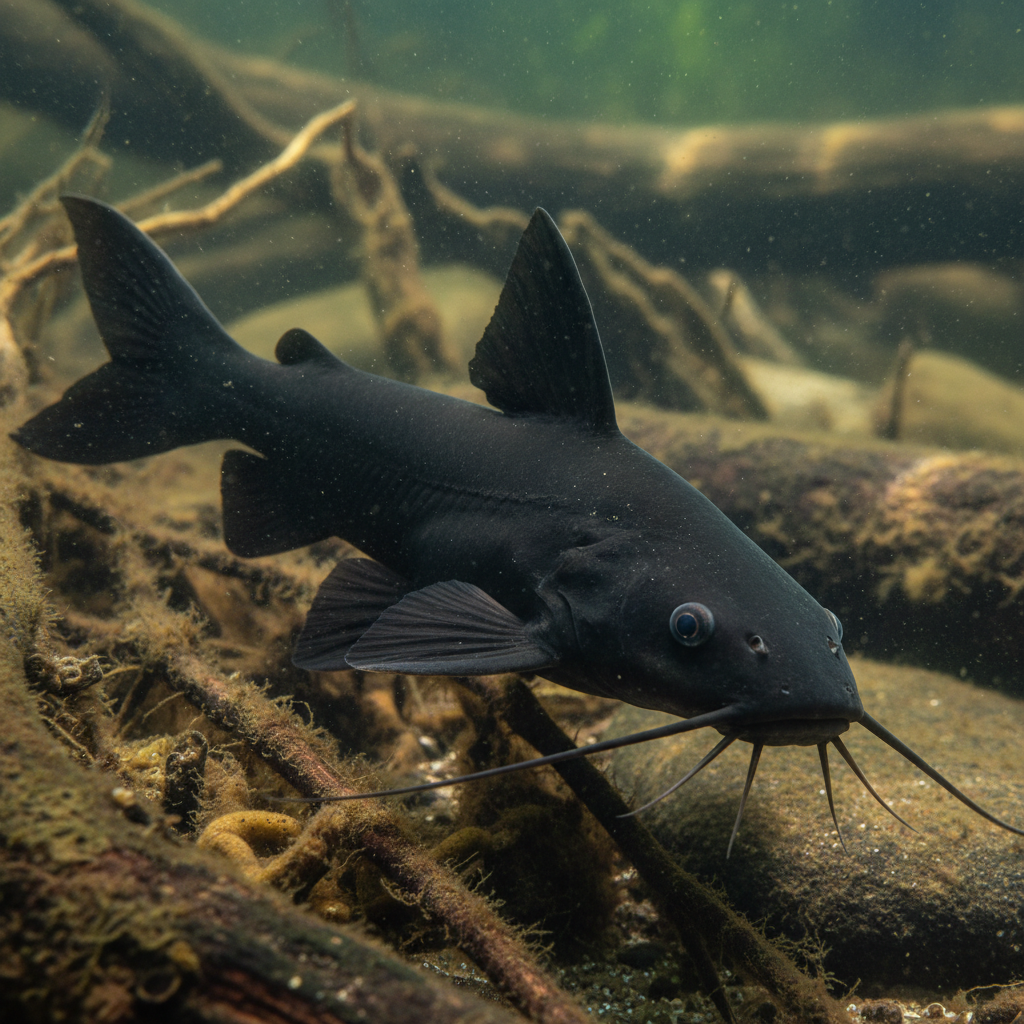
A peculiar, intensely nocturnal driftwood catfish that appears almost entirely jet-black.
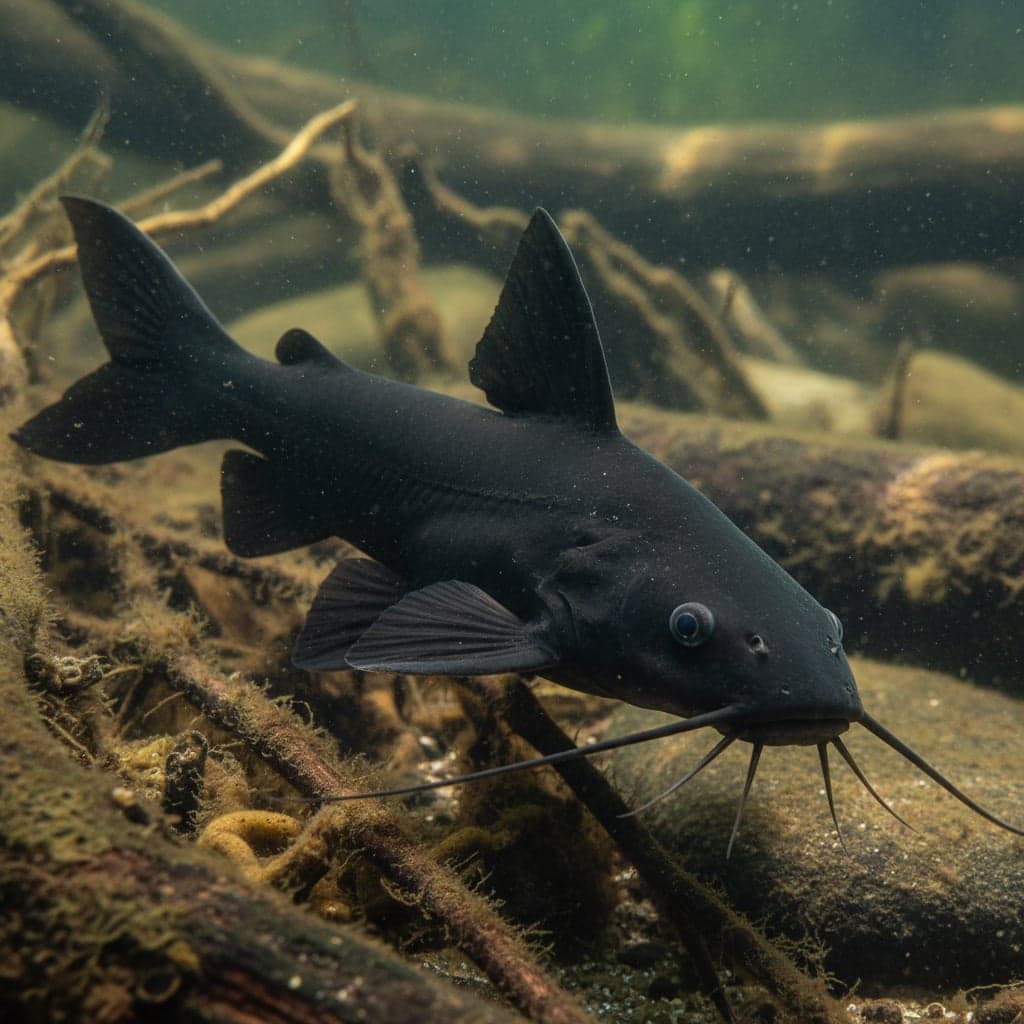
Midnight Catfish
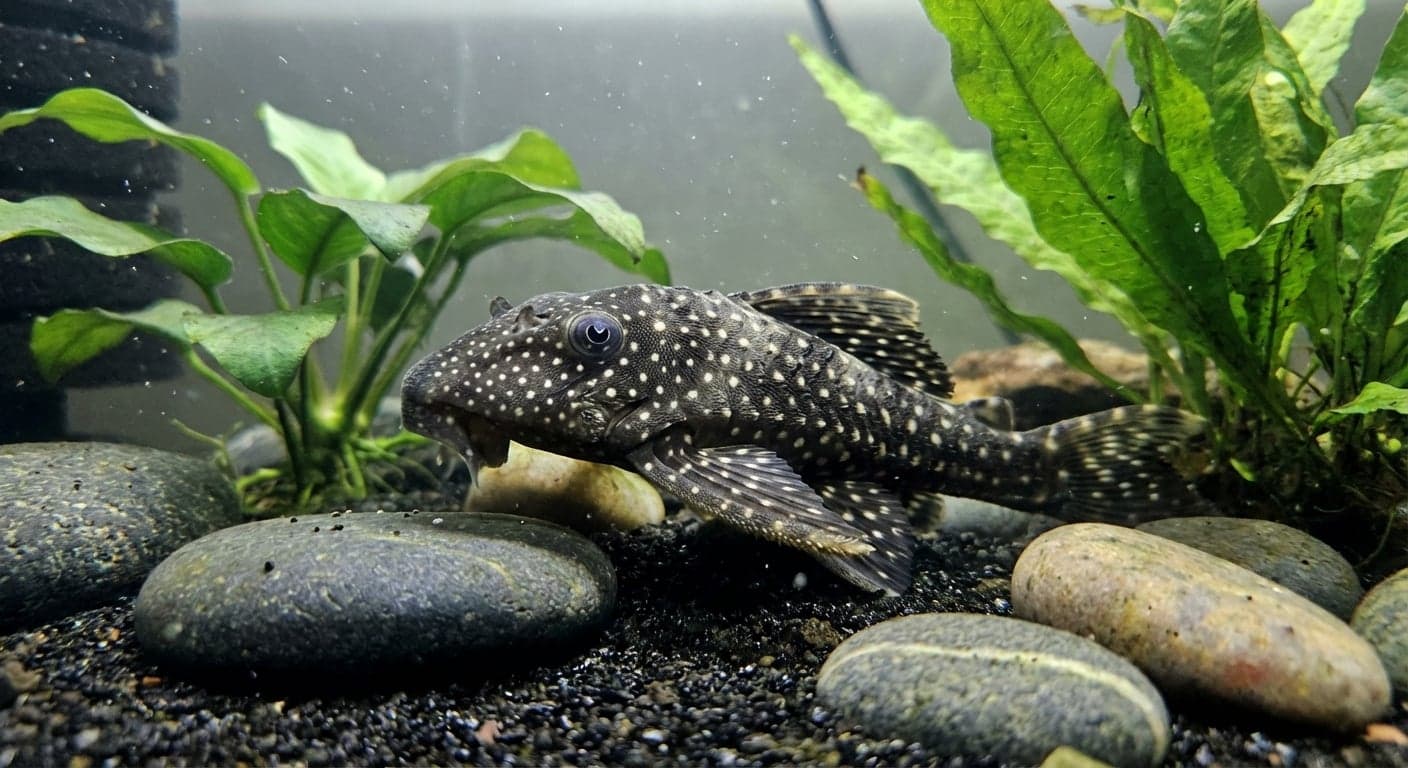
The Midnight Catfish, scientifically known as Auchenipterichthys coracoideus, is a captivating freshwater species that has gained popularity among aquarists due to its striking appearance and unique behavior. This species boasts a deep, rich black body adorned with distinct copper or golden spots, adding to its allure in aquascapes. Typically reaching a size of around 6 inches (15 cm), the Midnight Catfish is not only visually appealing but also boasts a fascinating array of adaptations that allow it to thrive in varied environments. Its potential to exhibit playful behaviors and inquisitiveness makes it a delightful addition to community tanks.
In the aquarium hobby, the Midnight Catfish holds significant importance not just for its aesthetics but also for its ecological role. As a bottom-dweller, it helps maintain tank cleanliness by scavenging on uneaten food and detritus. Its unique adaptations, such as a flattened body shape, allow it to maneuver easily through submerged vegetation and debris, emulating its natural habitat. This adaptability, combined with its striking coloration, makes the Midnight Catfish an essential species for both experienced aquarists and those new to the hobby, promoting the appreciation of biodiversity within aquatic environments.
Natural Habitat & Origin
The Midnight Catfish originates from the rivers and floodplains of the Amazon Basin, primarily found in countries like Brazil and Colombia. This geographical region is characterized by thick vegetation and a labyrinth of waterways that create an intricate ecosystem. The Midnight Catfish thrives in blackwater environments, where its natural habitat features slow-moving waters with high levels of organic material. The waters are often stained dark due to tannins leaching from decaying plant matter, providing both an essential protective environment and camouflage against predators.
In the wild, the Midnight Catfish inhabits densely vegetated areas along riverbanks and within submerged roots, where it seeks refuge and foraging opportunities. The water chemistry in this part of the world typically exhibits low pH levels and soft water, making it essential for aquarists to replicate these conditions to ensure the health and well-being of this intriguing species. The environmental context of the Midnight Catfish underscores the importance of providing a suitable habitat mimicking its natural surroundings in captivity.
Care Requirements
To provide an optimal environment for the Midnight Catfish, specific water parameters must be adhered to. The ideal pH level for this species ranges from 6.0 to 7.5, with a temperature preference between 24°C to 28°C (75°F to 82°F). Additionally, the water hardness should remain low, ideally between 2 to 12 dGH, to simulate their natural habitat. A good filtration system is essential to maintain water quality while mimicking the gentle flow of their native waters.
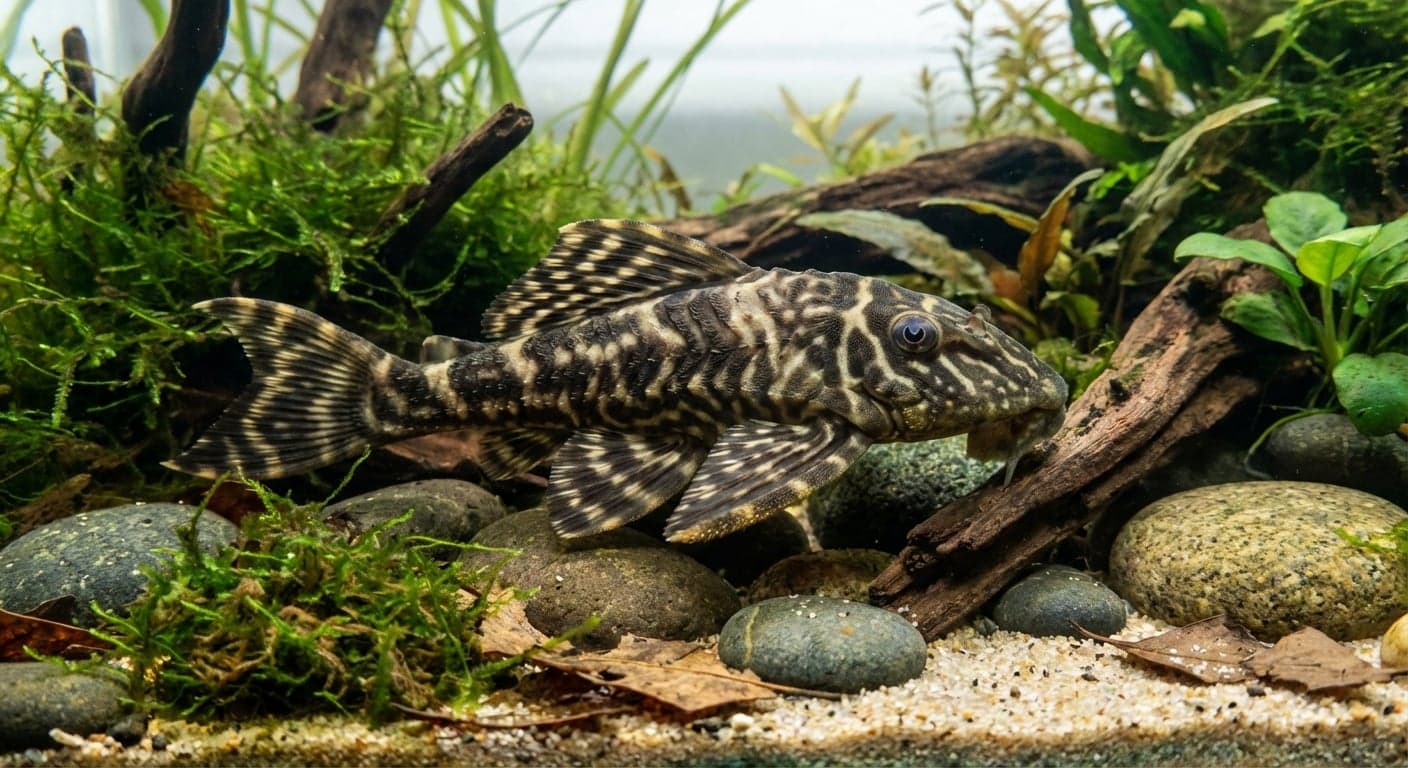
In terms of tank setup, a minimum tank size of 30 gallons is recommended to accommodate this active species comfortably. The substrate should be soft and sandy, allowing the Midnight Catfish to sift through it without any injury. The lighting should be low to moderate to replicate the dim lighting of its natural habitat, while plants such as Java moss, and floating plants provide cover and security. Incorporating driftwood and rock formations can also create hiding spots, essential for both stress relief and enriching their environment.
Diet & Feeding
The Midnight Catfish is classified as an omnivore, which means it thrives on a varied diet that includes both plant and animal matter. In captivity, it is essential to provide a balanced diet that caters to its nutritional needs. High-quality flakes and pellets specifically designed for catfish can be a staple in their diet. However, it's highly recommended to complement their diet with occasional live or frozen foods such as bloodworms, brine shrimp, and daphnia to encourage natural foraging behaviors and provide essential nutrients.
In addition to these dietary options, incorporating blanched vegetables, such as zucchini or spinach, can also contribute to their dietary variety. Feeding smaller amounts multiple times a day helps mimic their natural feeding habits and ensures they receive their required nutrition while minimizing waste in the tank. Observing your Midnight Catfish during feeding times can also provide insights into their dietary preferences, enhancing their care experience.
Behavior & Temperament
The Midnight Catfish is known for its active and curious nature, which can bring a lively dynamic to the aquarium environment. It tends to be semi-aggressive and should be housed with other peaceful tank mates that share similar size and temperament to prevent bullying. Notably, this species exhibits schooling behavior, often thriving in small groups when kept with others of its kind, which can help reduce stress and enhance their overall well-being.
When in a tank, the Midnight Catfish typically occupies the bottom to mid-level zones, making them excellent scavengers of leftover food and debris. They are inherently shy; thus, providing ample hiding spots is crucial for their comfort. This bottom-dwelling behavior helps maintain a balanced ecosystem within the aquarium while showcasing their unique characteristics and interactions with other aquatic life.
Tank Mates
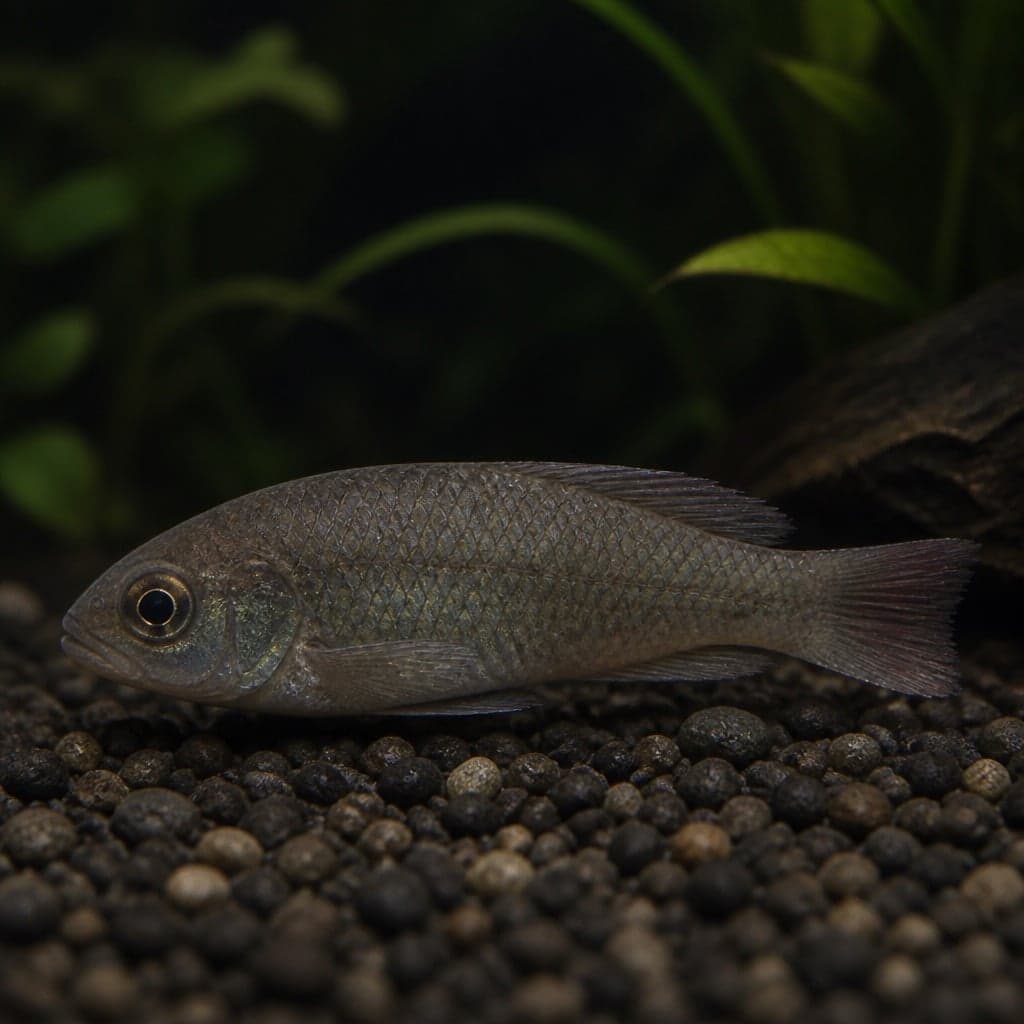
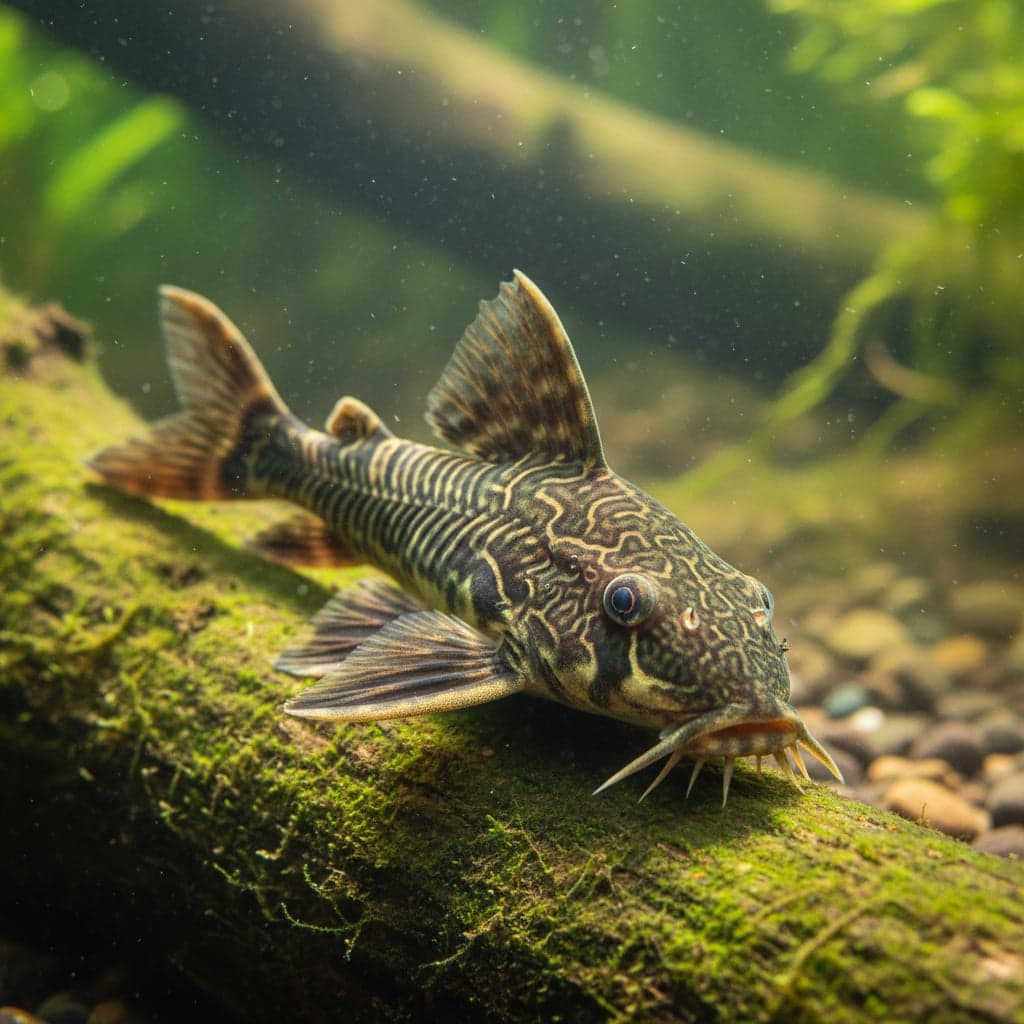
Choosing compatible tank mates for the Midnight Catfish is key to creating a peaceful community aquarium. Ideal companions include smaller, peaceful species such as Tetras, Rasboras, and various types of Shrimp (like Cherry or Amano Shrimp). Other suitable tank mates include Corydoras Catfish and small Dwarf Cichlids, which can coexist with the Midnight Catfish without posing a threat.
However, certain species should be avoided due to their territorial or aggressive nature. Fish such as Cichlids (especially larger or more aggressive varieties), Barbs, and large Tetras may inadvertently harass or outcompete the Midnight Catfish for food and space. Keeping water parameters consistent and ensuring all species have similar environmental needs is vital for fostering harmony in a community tank.
Breeding
Breeding the Midnight Catfish in captivity can be a challenging but rewarding endeavor. Commonly, spawning occurs during the rainy season in their natural habitats, which is often triggered by rising water levels and increased food availability. To replicate these conditions in the aquarium, it's important to induce a breeding environment that mimics seasonal changes, including changing water parameters to a slightly lower temperature, increased water flow, and providing ample hiding spots for the female to deposit her eggs.
During the breeding process, males will often engage in courtship displays to attract females. Typically, after spawning, the eggs will adhere to vegetation or the substrate, and it’s generally recommended to separate the adult fish from the eggs to prevent them from being consumed. The eggs typically hatch within 3 to 5 days depending on water temperature. Once the fry are free-swimming, they should be fed with infusoria or specialized fry food to ensure their proper growth and development.
Common Health Issues
Despite their hardiness, Midnight Catfish can be prone to a few common health issues, especially when stressed or housed in unsatisfactory conditions. One of the primary diseases they may encounter is ich (Ichthyophthirius multifiliis), a parasitic infection often caused by poor water quality. To prevent ich, maintaining a stable environment with clean, well-filtered water is essential.
Other health concerns may include fin rot, which often arises from bacterial infections due to injuries or poor water conditions. Routine water quality checks, along with regular tank maintenance practices, can significantly reduce the risk of health issues. Quarantine new fish before introducing them to the main tank is another best practice that can help prevent the introduction of pathogens into an established community. Watch for white spots, frayed fins, clamped fins, or sudden lethargy, and treat promptly with aquarium-safe medications in a quarantine setup. Offer a varied sinking diet and keep strong, oxygen-rich filtration so Midnight Catfish remain hardy, nocturnal scavengers that thrive for years in a peaceful South American or community aquarium with soft substrate and plenty of hiding places.