Mochoki Catfish: Mochokidae family
A broad family of African squeaker and upside-down catfishes, known for their vocalizations when caught.
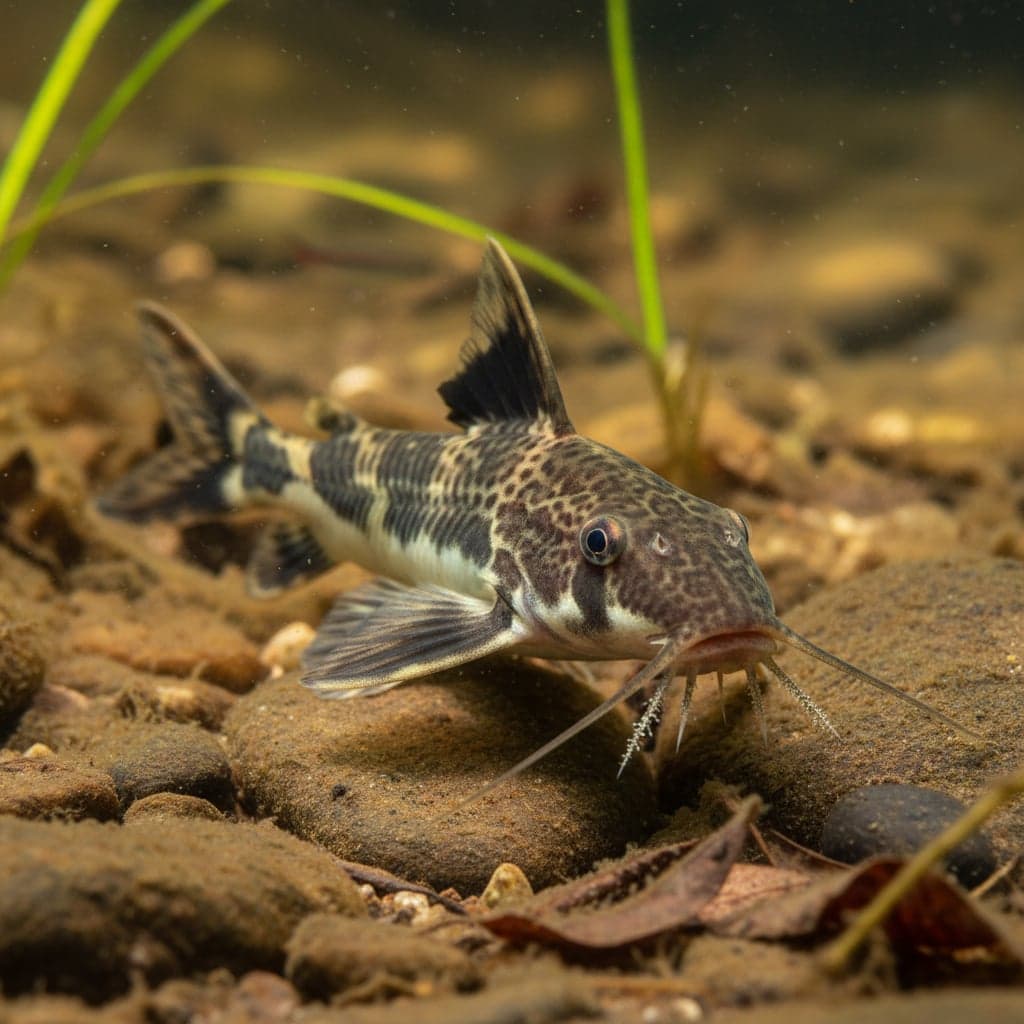
Mochoki Catfish
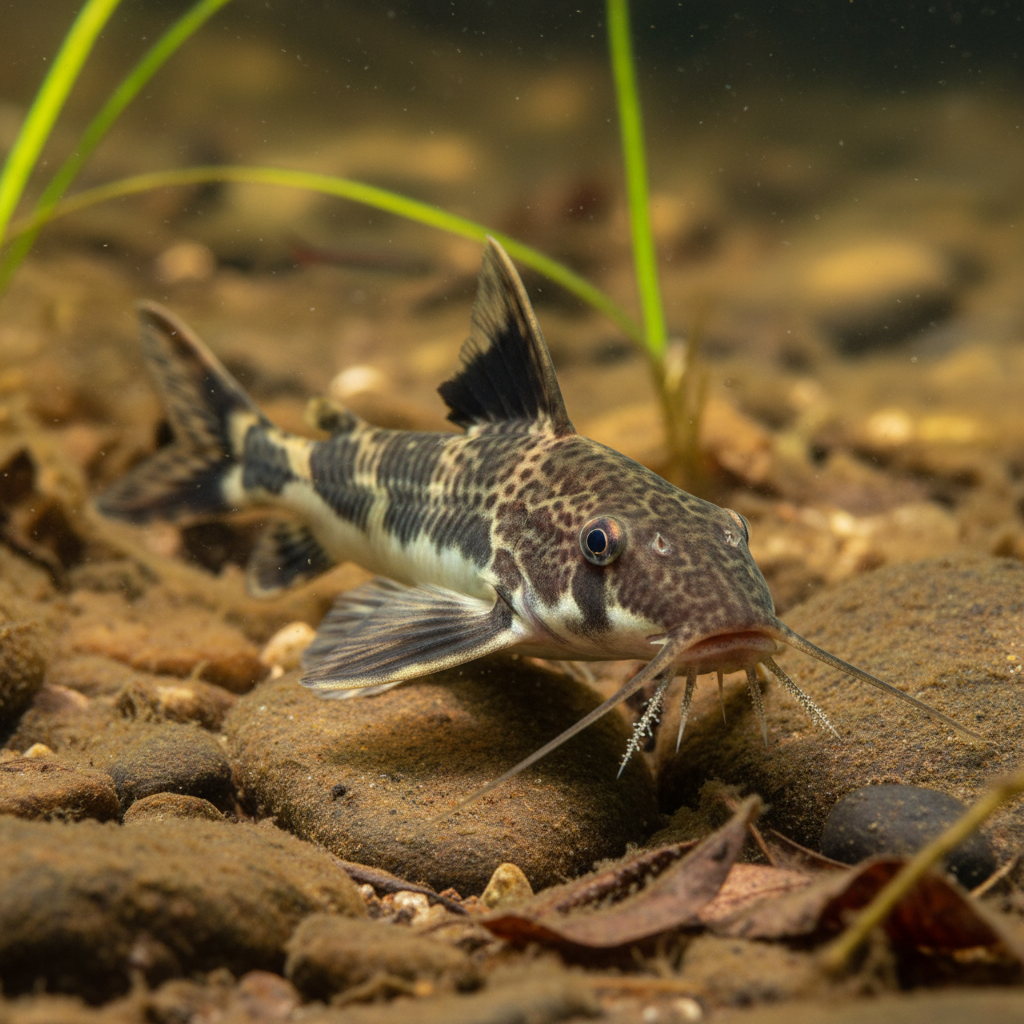
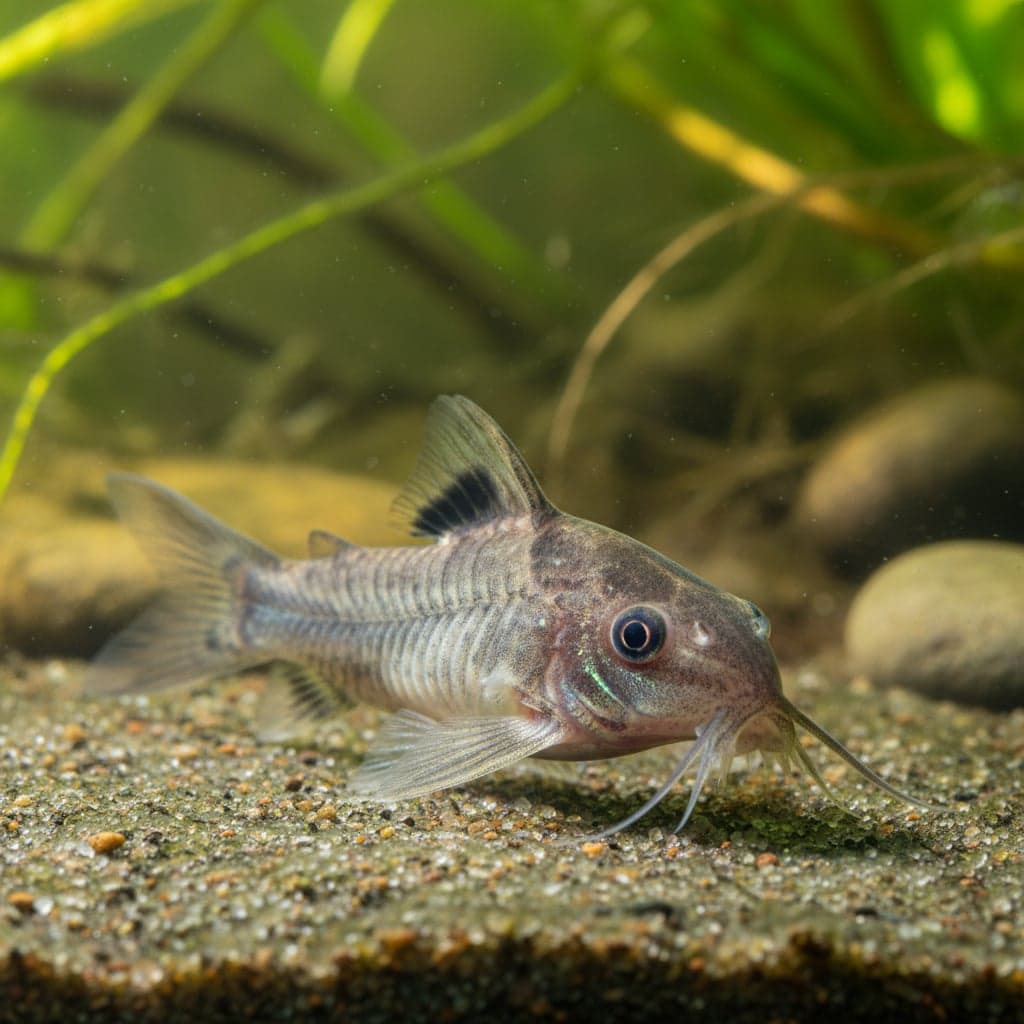
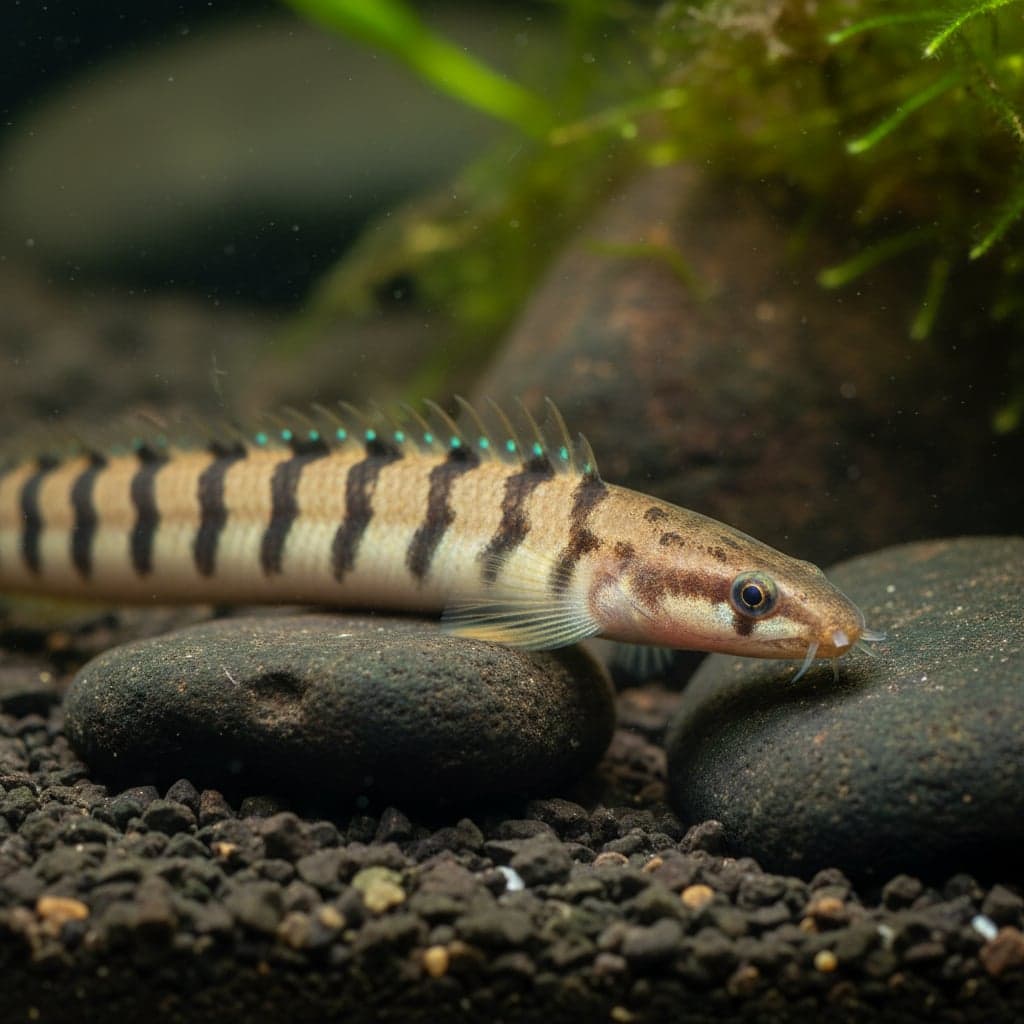
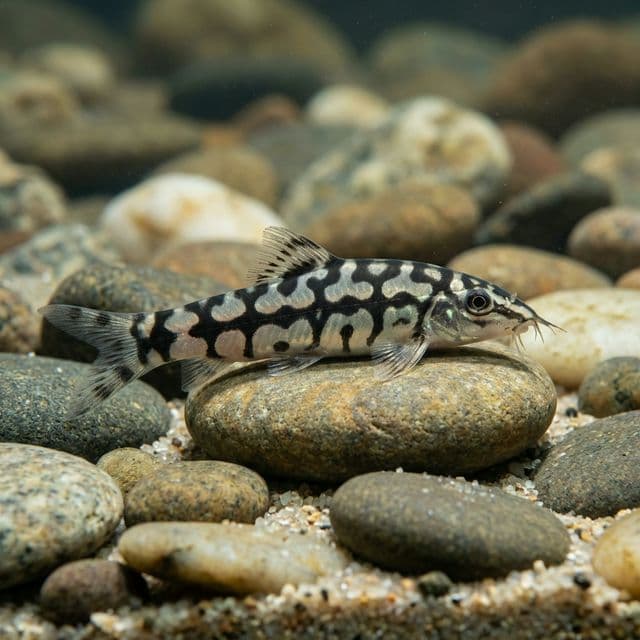
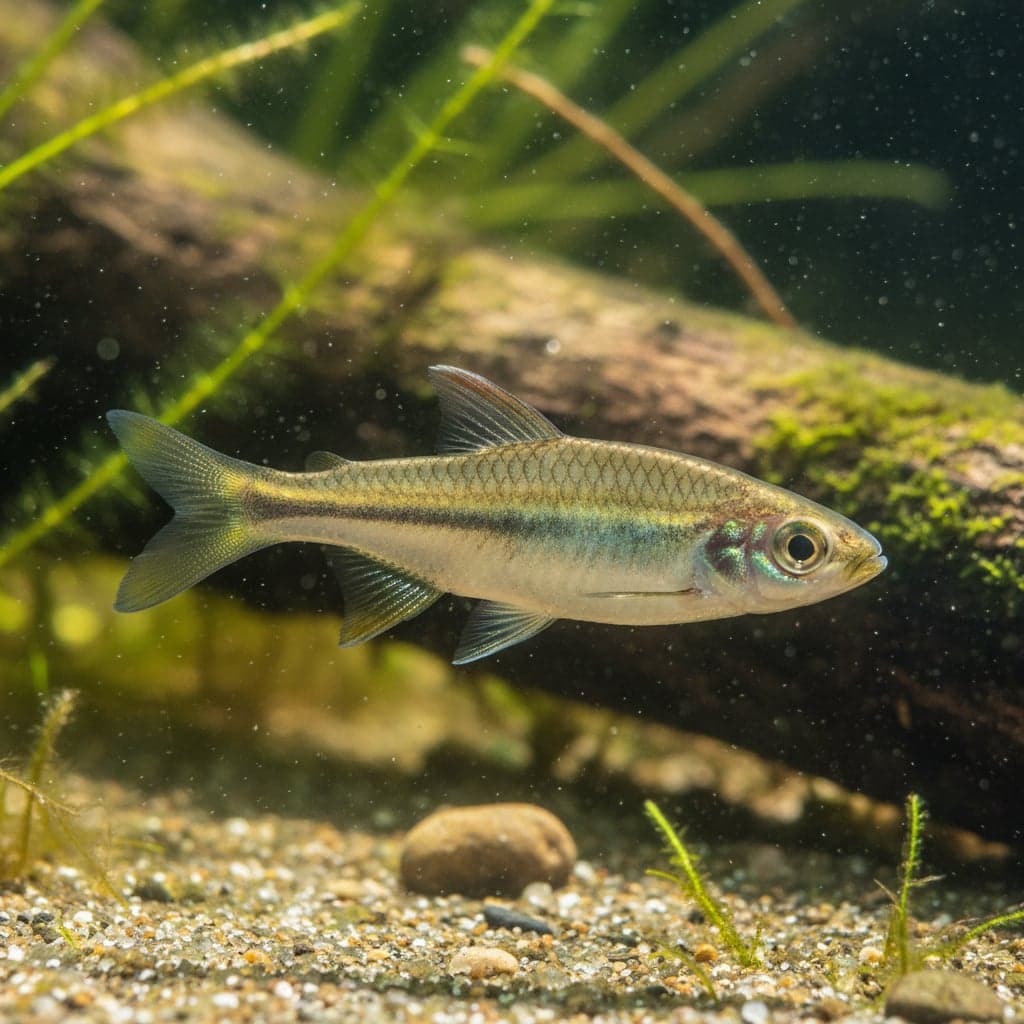
The Mochoki Catfish, belonging to the Mochokidae family, is a captivating aquatic species that enchants aquarists and fish enthusiasts alike. Known for its unique physical attributes, including elongated bodies, distinctive whisker-like barbels, and a sleek, streamlined silhouette, this catfish commands attention in any aquarium setup. The Mochoki Catfish displays a range of coloration—from pale silver to deep browns—often adorned with dark patterns that act as natural camouflage in their native habitats. Its striking appearance is not only visually appealing but also signifies the ecological adaptability of this species as it thrives in various freshwater environments.
In the aquarium hobby, the Mochoki Catfish holds significance for both its ecological role and its engaging behavior. As a bottom-dweller, it plays an essential part in the ecosystem by scavenging for detritus and leftover food, thereby contributing to the overall health of the aquatic environment. Its hardy nature and adaptability make it a sought-after species for both novice and experienced aquarists. Keeping these catfish can enhance the biodiversity of a tank, promoting a balanced ecosystem where the Mochoki Catfish can flourish alongside compatible tank mates.
Natural Habitat & Origin
The Mochoki Catfish hails from the rivers and floodplains of Central and West Africa, specifically the Congo River Basin and its tributaries. These regions are characterized by rich, biodiverse ecosystems that experience seasonal flooding, creating a complex web of aquatic environments ranging from slow-flowing rivers to stagnant pools. The waters where Mochoki Catfish are found often exhibit blackwater characteristics, with stained waters caused by decomposing plant matter and organic material. This type of habitat provides the fish with essential cover and a multitude of food sources, nurturing their growth and development.
Environmentally, the Mochoki Catfish thrives in warm waters with a variety of environments, including areas with submerged logs and dense vegetation where they can hide from predators. As these catfish are accustomed to low light levels due to the thick vegetation and tannins present in their natural habitat, they prefer dimly lit tanks that mimic their originating waters, thus making them more comfortable in captivity.
Care Requirements
Maintaining a suitable environment for the Mochoki Catfish requires adherence to specific water parameters. The ideal pH level for these fish is between 6.0 and 7.5, ensuring that conditions mimic their natural acid-neutral waters. The temperature should be maintained within the range of 24°C to 28°C (75°F to 82°F) to promote optimal health and activity. Additionally, water hardness should ideally be kept between 5 and 15 dGH for successful acclimatization.
When setting up a tank for the Mochoki Catfish, it is recommended to have a minimum tank size of 100 liters (approximately 26 gallons) to provide ample swimming space and hiding spots. A sandy substrate is preferable, as it is gentle on their delicate barbels. Incorporating driftwood, rocks, and dense plants can create natural hiding spots that reflect their native habitat. Lighting should be kept low to moderate, contributing to the overall comfort of the fish and encouraging natural behaviors.
Diet & Feeding
The Mochoki Catfish is classified as an omnivore, exhibiting a diverse diet that encompasses both plant and animal matter. In a captive environment, offering high-quality flakes and pellets specifically formulated for bottom feeders is essential. Additionally, various frozen foods such as bloodworms, brine shrimp, and daphnia should be included to ensure a balanced diet that mimics their natural feeding habits. Live foods can also be provided as an occasional treat to enhance their dietary variety and stimulate their natural hunting instincts.
To maintain optimal health, it is advisable to feed adult Mochoki Catfish 2-3 times a week, while younger individuals may require more frequent feedings to support their growth. It is essential to monitor feeding times and quantities carefully to avoid overfeeding, which can lead to water quality issues and health complications in the long run.
Behavior & Temperament
In terms of behavior, the Mochoki Catfish is somewhat reclusive yet engaging, typically favoring the bottom layers of the tank where they feel more secure. These catfish often benefit from a social environment, displaying a preference for keeping in groups of 3-5 individuals. They exhibit gentle interactions within their species and are generally peaceful with other compatible tank mates. However, they may show territorial behaviors when provided with inadequate space or hiding spots, so careful planning during tank setup is crucial.
Due to their natural instincts, Mochoki Catfish are mainly nocturnal. They tend to be more active during twilight hours, utilizing their excellent sensory barbels to explore the substrate in search of food. Placing them in a tank with ample vertical structure ensures that they feel safe, as these fish will often occupy lower levels while occasionally making short excursions to higher levels, especially when sensing less competition or disturbance.
Tank Mates
When selecting compatible tank mates for the Mochoki Catfish, it is essential to consider species that share similar environmental needs and temperament. Ideal companions should include peaceful fish such as tetras, rasboras, and other small to medium-sized community fish. Fish known for their calm demeanor, like guppies and certain types of barbs, also coexist harmoniously with Mochoki Catfish.
Conversely, it is advisable to avoid aggressive or large species that may outcompete or dominate the catfish. Larger cichlids, aggressive barbs, and fast-moving species like larger danios may stress the Mochoki Catfish or lead to territorial disputes. Maintaining a tranquil and balanced tank environment is crucial for the well-being of all species involved.
Breeding
Breeding Mochoki Catfish in captivity presents challenges, as they often require specific conditions for successful spawning. These catfish typically engage in a unique spawning behavior where pairs form during specific seasons, primarily during the rainy season in their native habitat. To encourage breeding, it is essential to replicate these conditions by providing slightly elevated temperatures (around 28°C or 82°F) and soft, acidic water (pH levels between 6.0 and 6.5).
Creating breeding caves, such as small driftwood hollows or ceramic pots, can facilitate the females during the egg-laying process, allowing them to deposit eggs that the males will subsequently fertilize. After laying, it’s crucial to remove adult fish from the breeding tank to prevent them from eating the eggs or fry. However, it may take several attempts to achieve successful breeding, so patience and consistent water quality management are key factors to consider.
Common Health Issues
In the aquarium setting, Mochoki Catfish are susceptible to various health issues, primarily due to stress or poor water quality. Common diseases include ich (white spot disease), fin rot, and various parasitic infections. It is essential to maintain a clean tank, routinely monitor water parameters, and quickly address any spikes in ammonia, nitrites, or nitrates, which can compromise their immune systems.
Preventing health issues can often be achieved through consistent maintenance practices, such as regular water changes, proper filtration, and a balanced diet. Additionally, ensuring the tank is free of sharp objects and maintaining good water movement can help reduce the risk of physical injuries that may lead to infections. By cultivating a healthy and stable environment, aquarists can help ensure a long and vibrant life for their Mochoki Catfish.