The Moonlight Gourami: Trichogaster microlepis
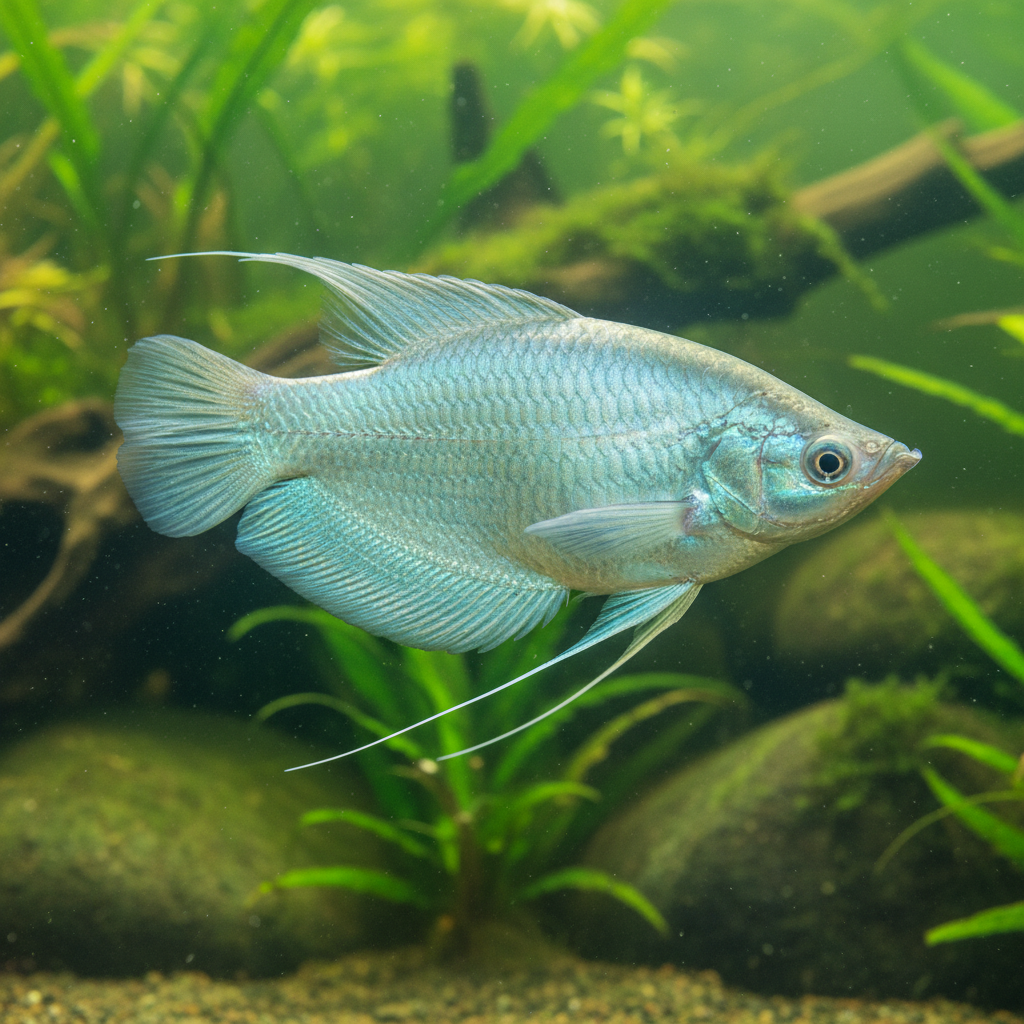
A shimmering silver masterpiece. The Moonlight Gourami gets its name from its iridescent, moon-like sheen. Elegant, long-finned, and peaceful.

Moonlight Gourami
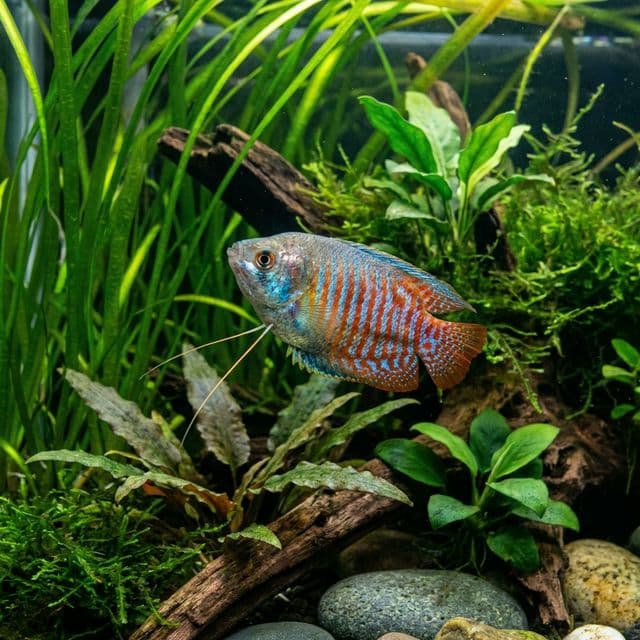
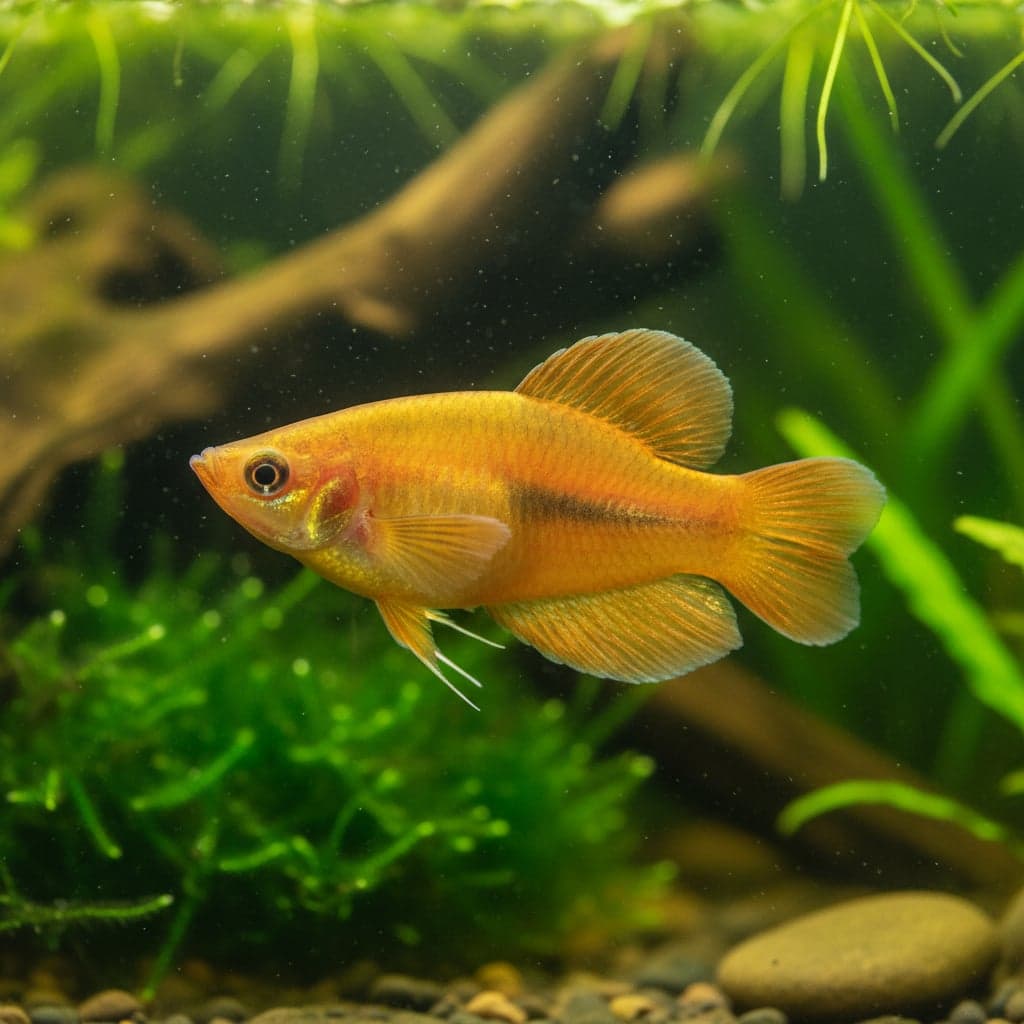
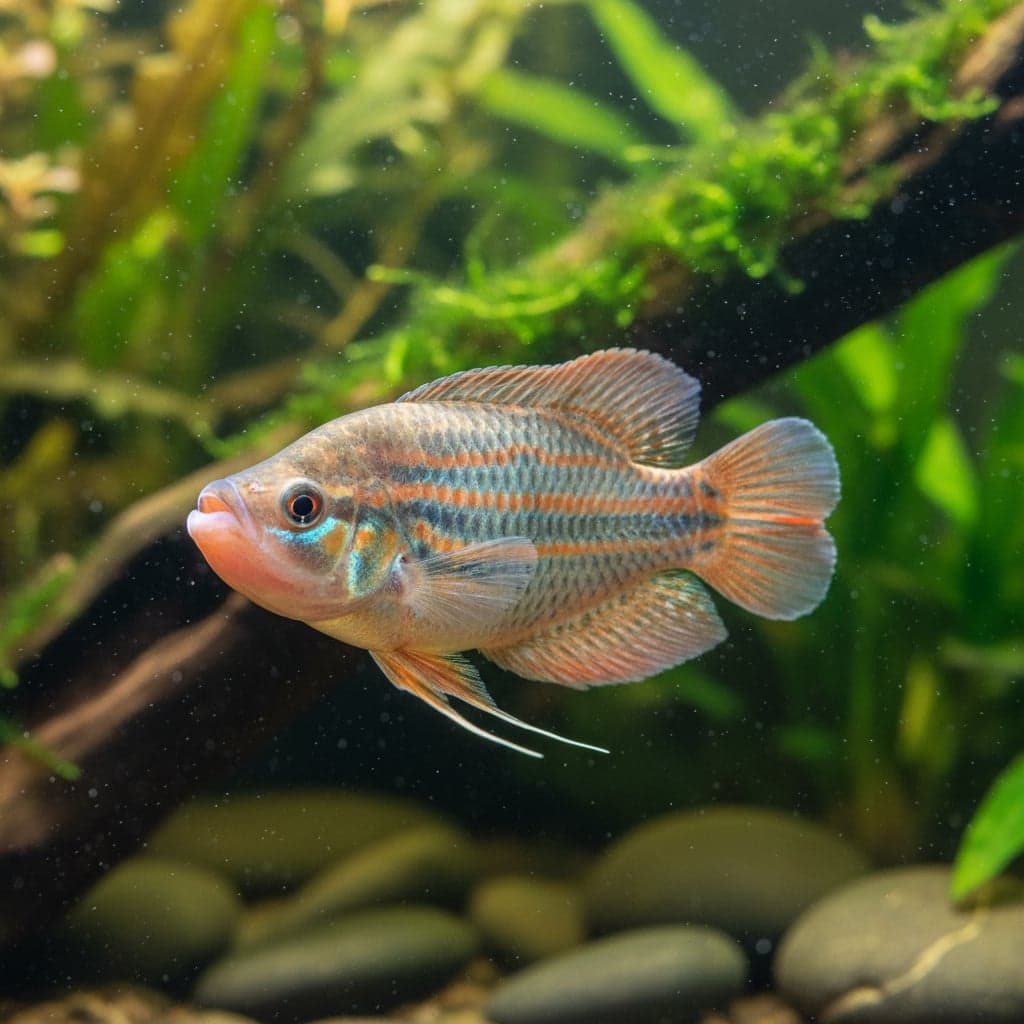
The Moonlight Gourami (Trichogaster microlepis) is an enchanting freshwater fish native to the rivers and floodplains of Southeast Asia, particularly in areas of Thailand, Laos, and Cambodia. Recognized for its stunning appearance, this fish features a unique, iridescent body that glimmers like the surface of a moonlit ocean—hence its name. With a mix of soft blue and silver hues, the Moonlight Gourami exhibits a captivating sheen that can vary based on lighting conditions. The elongated body and delicate fins further enhance its visual appeal, making it a prized addition to aquariums.
As an engaging species within the aquarium hobby, the Moonlight Gourami is not only appreciated for its beauty but also its personality. They are known for their calm demeanor and often interact with their surroundings, making them an interesting choice for both novice and experienced aquarists. Their adaptability to various water conditions further solidifies their status as a popular freshwater fish that contributes to the overall aesthetic of community tanks.
Natural Habitat & Origin
The Moonlight Gourami originates from the shallow waters of Southeast Asia, thriving in rivers, streams, and swampy areas. Its natural habitat can include blackwater regions characterized by stained waters from decaying organic material, as well as areas with clearwater. The presence of dense vegetation is typical, providing cover and breeding sites, as well as a rich source of food for these fish. Given its origins, the Moonlight Gourami has adapted well to the slow-moving waters of its native environment, where the temperature remains stable and the water is often slightly acidic to neutral.
These aquatic ecosystems are typically rich in dissolved organic carbon and nutrients, making them fertile grounds for various microorganisms, which form an essential part of the Moonlight Gourami's diet. The surrounding flora plays a crucial role in their life, offering both shelter from predators and hunting grounds for smaller prey.
Care Requirements
To successfully keep Moonlight Gouramis, attention to water parameters is paramount. The ideal pH level for their habitat ranges from 6.0 to 7.5, while the temperature should be maintained between 24°C to 28°C (75°F to 82°F). Water hardness should be relatively soft to moderate, ideally between 5-15 dGH. The aquarium should be spacious, with a minimum tank size of 20 gallons to provide ample swimming space.
For the tank setup, a substrate of fine gravel or sand mimics their natural environment, allowing for comfortable movement and foraging. Aquatic plants such as Java fern, Anubias, and floating vegetation like Water Sprite encourage the fish to feel secure. Gentle lighting is recommended to replicate the natural dim conditions of their native waters; utilizing LED lights with adjustable intensity can create the ideal atmosphere.
Diet & Feeding
Moonlight Gouramis are omnivorous and thrive on a varied diet. They primarily feed on small invertebrates, plant materials, and algae in the wild. For optimal health in captivity, a balanced diet that includes high-quality flake foods, pellets specifically formulated for gouramis, and live or frozen options such as brine shrimp and bloodworms is recommended. It’s important to occasionally supplement their diet with blanched vegetables like spinach or zucchini to ensure they receive essential nutrients. Feeding small amounts two to three times per day is best, as Moonlight Gouramis have relatively small mouths and prefer smaller particles.
Behavior & Temperament
Moonlight Gouramis are generally peaceful, making them excellent community fish. They exhibit mild social behavior, often swimming in pairs or small groups rather than large schools. Though they are not known to be aggressive, males can display territorial tendencies, especially during breeding periods. As they prefer upper and middle levels of the tank, it's essential to offer floating plants and structures that provide shade and hiding places. This not only offers comfort but also allows them to navigate their environment and establish their territories.
Tank Mates
When selecting tank mates for the Moonlight Gourami, it's essential to choose compatible species that also thrive in similar water conditions. Suitable tank mates include:
- Neon Tetras
- Guppies
- Corydoras Catfish
- Danios
- Rasboras
- Other small peaceful gourami species
Species to avoid include more aggressive fish such as Oscar fish, Cichlids, or larger tetras that may stress or bully the Moonlight Gourami. Keeping non-territorial, peaceful fish helps maintain a harmonious aquarium environment.
Breeding
Breeding Moonlight Gouramis requires specific environmental conditions. To encourage spawning, ensure that the water temperature is between 26°C to 28°C (78°F to 82°F) and the water is slightly acidic. A separate breeding tank may be beneficial, with a substrate that allows for easy egg collection, such as marbles or fine gravel.
The male Moonlight Gourami displays courtship behavior by executing elaborate swimming patterns, and following successful mating, he will construct a bubble nest at the water's surface. After spawning, the female should be removed to prevent her from eating the eggs. The fry will typically hatch in 24-48 hours, and once free-swimming, they should be fed infusoria or finely crushed flakes to support their growth.
Common Health Issues
While Moonlight Gouramis are relatively hardy, they can be prone to specific health issues, including:
- Ich (Ichthyophthirius multifiliis)
- Fin rot
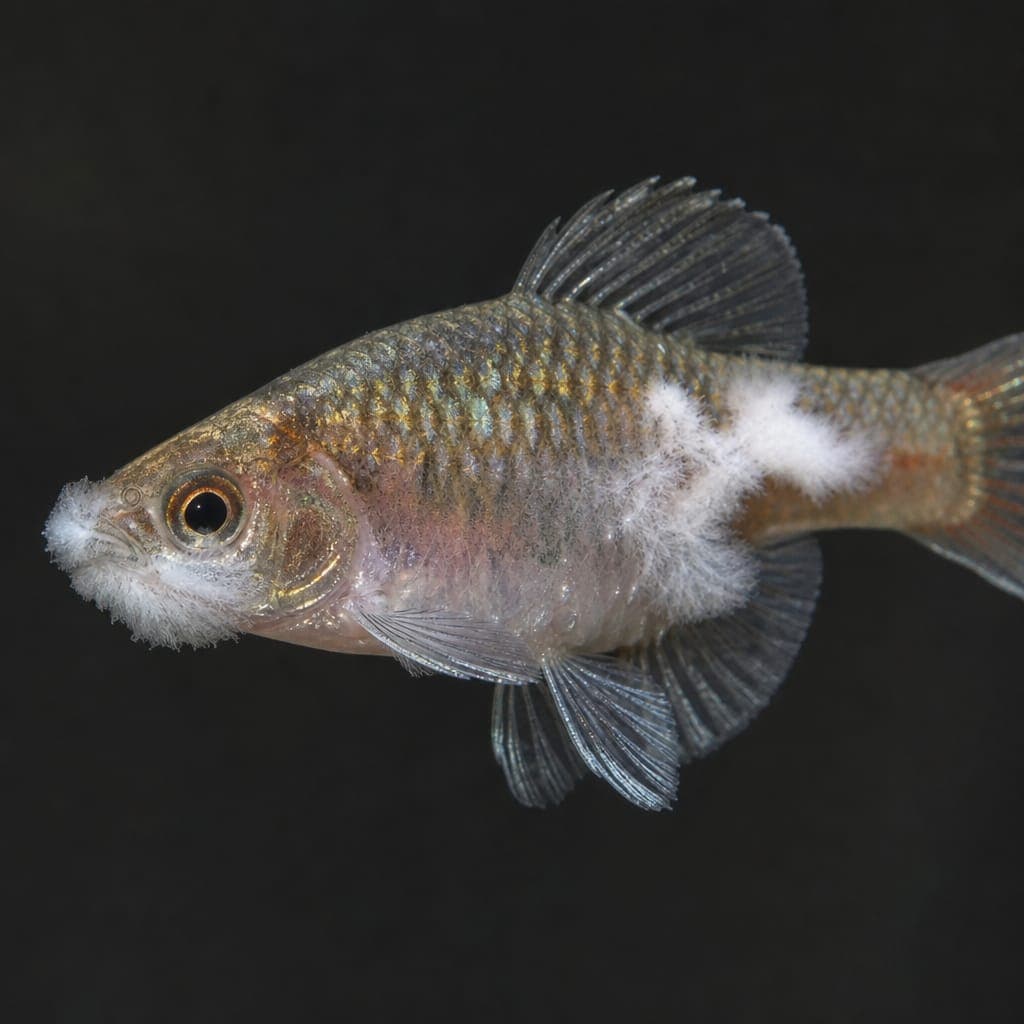
- Fungal infections
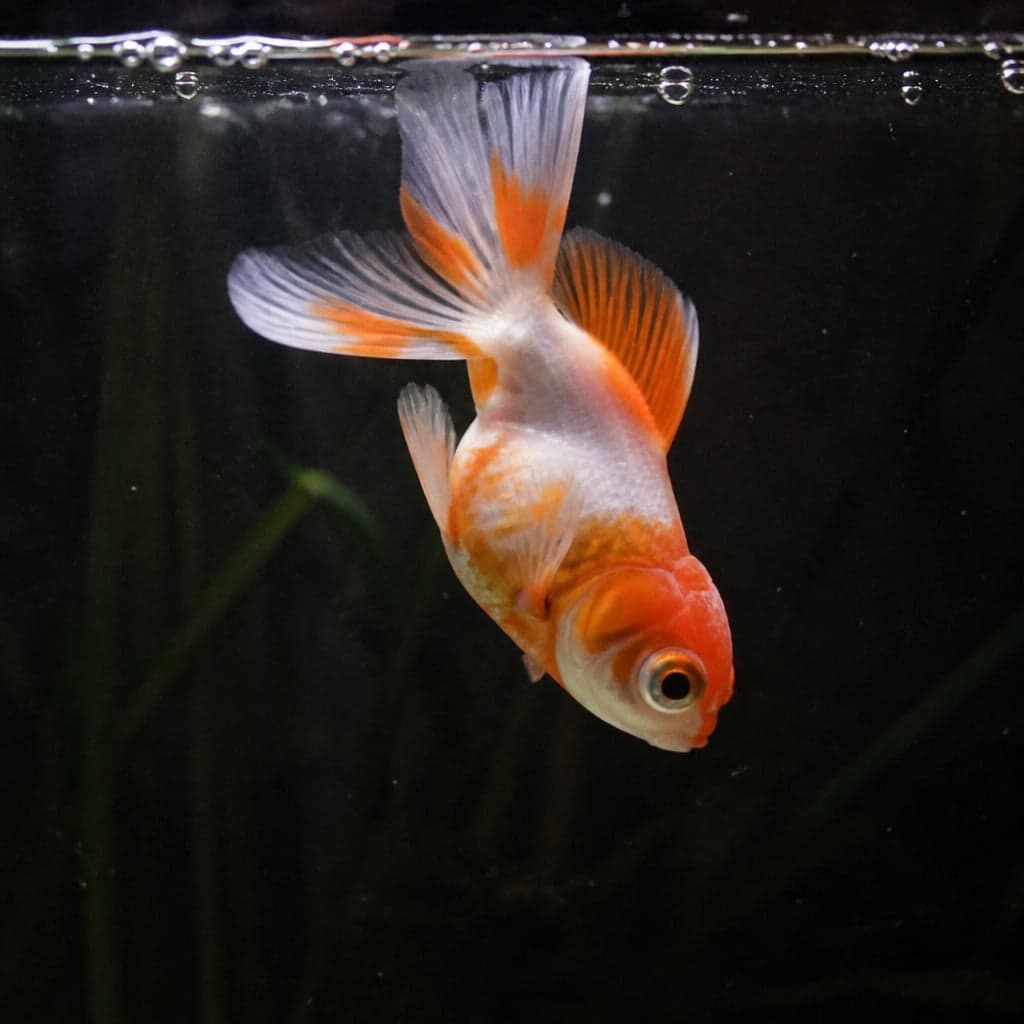
- Swim bladder disease
Maintaining optimal water quality through regular testing and frequent water changes will significantly reduce the risk of these ailments. Additionally, observing the fish for any signs of stress or illness can facilitate early treatment. Providing a balanced diet supports their immune system, further preventing health complications.