The Mosquito Rasbora: Boraras brigittae
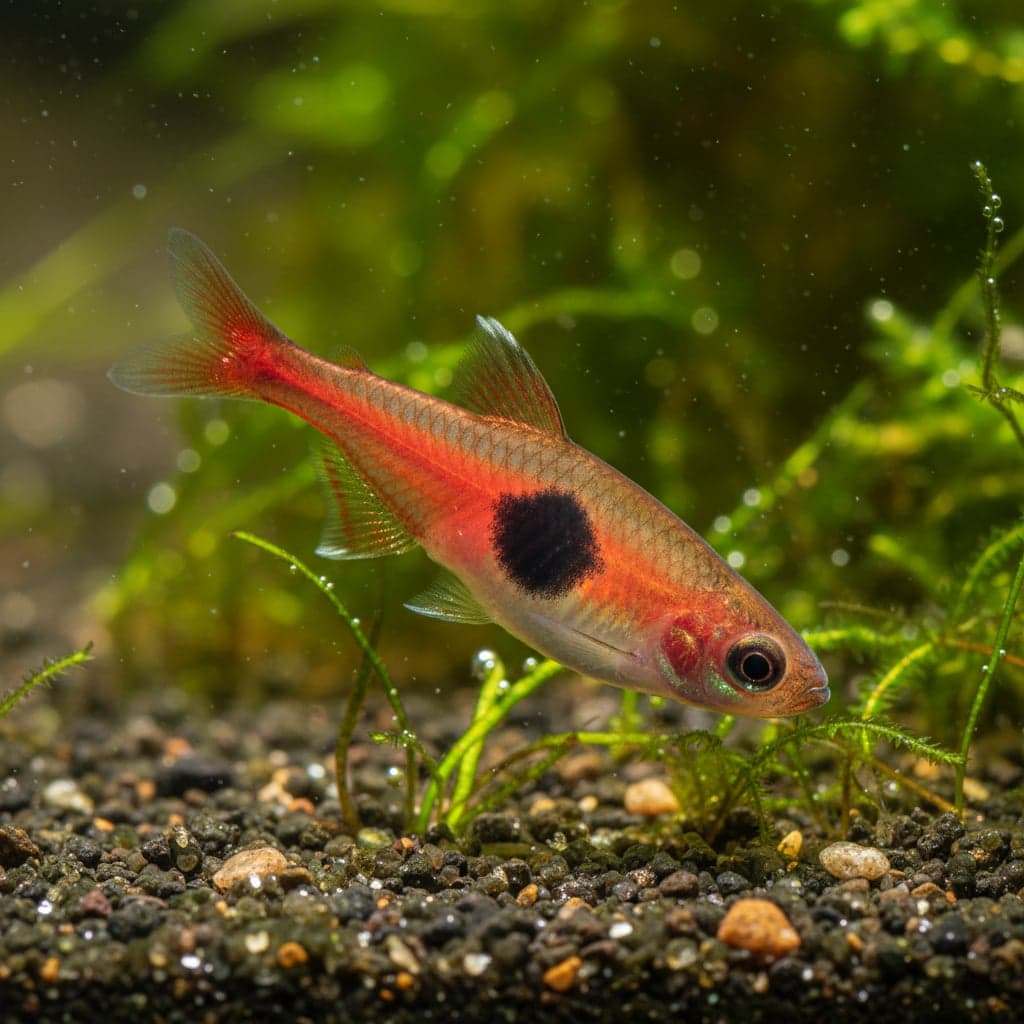
Also known as the Chili Rasbora. One of the smallest aquarium fish in the world, with a fiery red body. The ultimate choice for nano setups.

Mosquito Rasbora
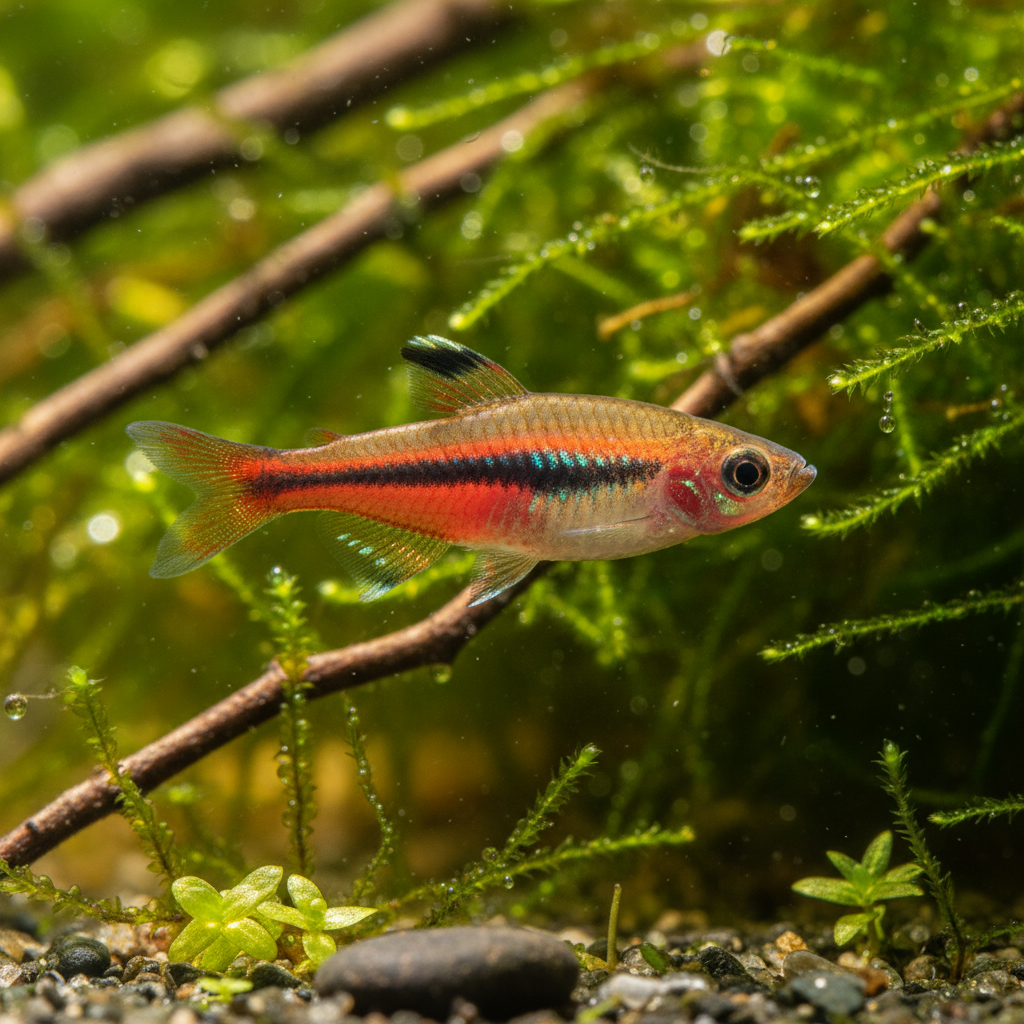
The Mosquito Rasbora (Boraras brigittae) is a captivating and diminutive species native to Southeast Asia, specifically found in the waters of the Indonesian islands, particularly Sumatra. This tiny fish typically grows to a maximum length of about 0.8-1 inches (2-2.5 cm) but is known for its vibrant coloration and unique appearance. The Mosquito Rasbora showcases a striking red to orange hue on its body, complemented by a contrasting rich black line that runs from its nose to the base of the caudal fin. These characteristics, along with its lively and playful demeanor, make it a beloved addition to many aquarists' collections and community tanks alike.
Significance in the aquarium hobby stems not only from its aesthetic appeal but also from its peaceful nature, making it an excellent choice for community aquariums. The Mosquito Rasbora thrives in well-planted tanks where their colorful bodies can dart in and out of vegetation, creating an immersive and dynamic viewing experience for aquarists. With its relatively easy care requirements and compatibility with various species, it represents an excellent starter fish for novice aquarists and a delightful addition for more experienced aquarium enthusiasts.
Natural Habitat & Origin
The Mosquito Rasbora hails from the blackwater streams and peat swamps of Sumatra, Indonesia. These natural habitats are characterized by their acidic, soft water and abundant organic matter that contributes to the dark coloration of the water. The presence of decomposing leaf litter, submerged wood, and dense plant growth provides the Mosquito Rasbora with a rich environment that replicates its natural surroundings. This backdrop not only offers shelter and foraging opportunities but also influences the fish's coloration and behavior.
These habitats often experience minimal light penetration due to the dense vegetation above. As a result, Mosquito Rasboras are adapted to low-light conditions, highlighting their need for a well-planted aquarium that mimics these natural environments. The tranquil yet complex ecosystem of their native blackwater ensures that they thrive in similar conditions within the aquarium.
Care Requirements
To maintain the health and well-being of the Mosquito Rasbora, it is crucial to replicate its natural habitat. The ideal water parameters for this species are a pH level of 5.5 to 7.0, a temperature range of 72°F to 78°F (22°C to 26°C), and soft to moderately hard water, preferably with a hardness of 2 to 12 dGH. Providing stable water conditions is vital, as fluctuations can lead to stress and health issues.
For tank setup, a minimum tank size of 10 gallons is recommended to ensure adequate swimming space and security for shoaling. A sandy or fine substrate will mimic their natural environment, while a dark bottom can enhance their beautiful coloration. Including floating plants and dense vegetation will not only provide cover but also reduce light levels similar to their wild habitat. Low to moderate lighting will help establish a calm environment where Mosquito Rasboras can feel secure and thrive.
Diet & Feeding
The Mosquito Rasbora is an omnivorous species that benefits from a well-balanced diet to maintain its vibrant coloration and health. In captivity, it’s essential to offer a variety of foods, including high-quality flake and micro-pellets specifically designed for nano fish. Additionally, supplementing their diet with frozen or live foods, such as daphnia, brine shrimp, and finely crushed bloodworms, will contribute to their nutritional needs and encourage natural foraging behavior.
Feeding should be done in small portions that can be consumed within a few minutes, as this species may struggle if overfed. Their small mouths require finely crushed food, making specialized small fish flakes a great option. A varied diet not only maintains their health but also enhances their coloration and activity levels.
Behavior & Temperament
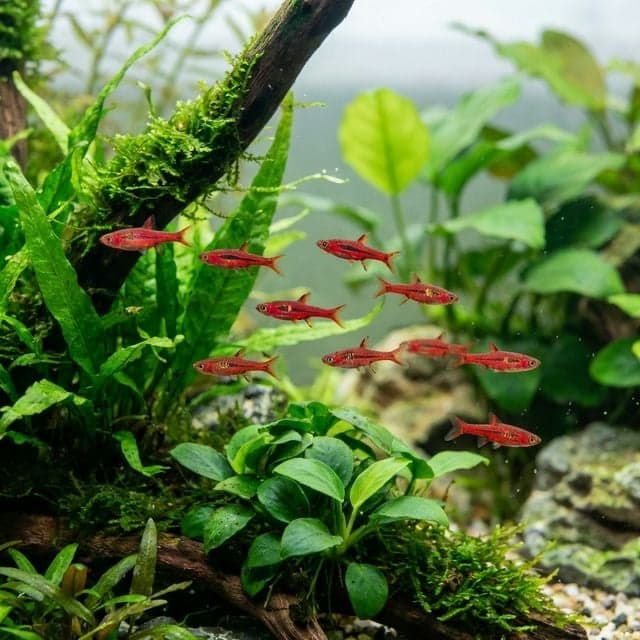
Socially, Mosquito Rasboras are known for their peaceful disposition, thriving in small schools of five or more individuals. This schooling behavior provides them with a sense of security and helps reduce stress, as they feel more confident among a group. They are often seen darting through the water column, primarily occupying the mid-level of the tank, though they may venture slightly higher or lower while exploring their environment.
Their gentle nature makes them an excellent choice for community tanks, as they exhibit minimal aggression towards other species. However, it is important to avoid housing them with overly boisterous tank mates that could intimidate them or restrict their free movement.
Tank Mates
When selecting tank mates for the Mosquito Rasbora, it is essential to choose small, non-aggressive species that complement their peaceful demeanor. Some compatible species include:
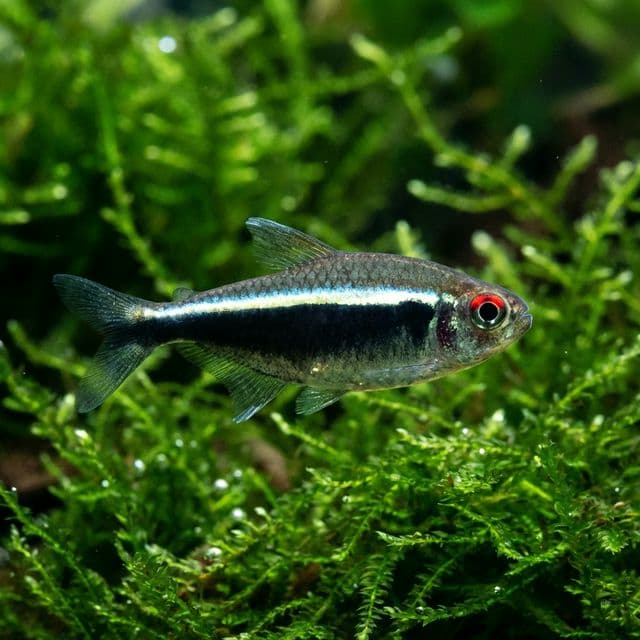
- Neon Tetras
- Ember Tetras
- Corydoras Catfish
- Small Rasboras (like the Harlequin Rasbora)
- Endler's Guppies
Species that should be avoided due to their potential for aggression or their larger size include:
- Cichlids (especially more aggressive species)
- Larger barbs (such as Tiger Barbs)
- Betta Fish
- Gouramis (larger species)
Creating a harmonious environment will enhance the overall health and vitality of Mosquito Rasboras and their tank mates.
Breeding
Breeding Mosquito Rasboras in captivity can be a rewarding experience, though it requires specific conditions to encourage spawning. The ideal breeding setup comprises a separate spawning tank with clean, soft, acidic water, with a pH around 6.0 and a temperature between 76°F and 80°F (24°C to 27°C). Providing fine-leaved plants, such as Java Moss or spawning mops, will offer suitable laying sites for the eggs.
To stimulate breeding, a conditioned diet rich in live foods is recommended. Once spawning occurs, the female Mosquito Rasbora can lay up to 200 eggs, which will adhere to the plants. It is crucial to remove the adult fish after spawning, as they are known to eat their eggs. The eggs generally hatch within 24 to 48 hours, with the fry needing infusoria or crushed flakes for nourishment until they grow large enough to accept larger food items.
Common Health Issues
While the Mosquito Rasbora is generally resilient, it can become susceptible to a few health issues, including:
- Ichthyophthirius multifiliis (Ich)
- Fin Rot
- Velvet Disease (Oodinium)
- Bacterial Infections
Preventative measures include maintaining stable water parameters, ensuring proper filtration and aeration, and avoiding overstocking the aquarium. Quarantining new arrivals and regular monitoring for signs of stress or disease can also promote a healthier environment. When treated promptly, common ailments can often be managed effectively, leading to a longer, healthier life for your Mosquito Rasboras.