Fish

Multibarred Angelfish

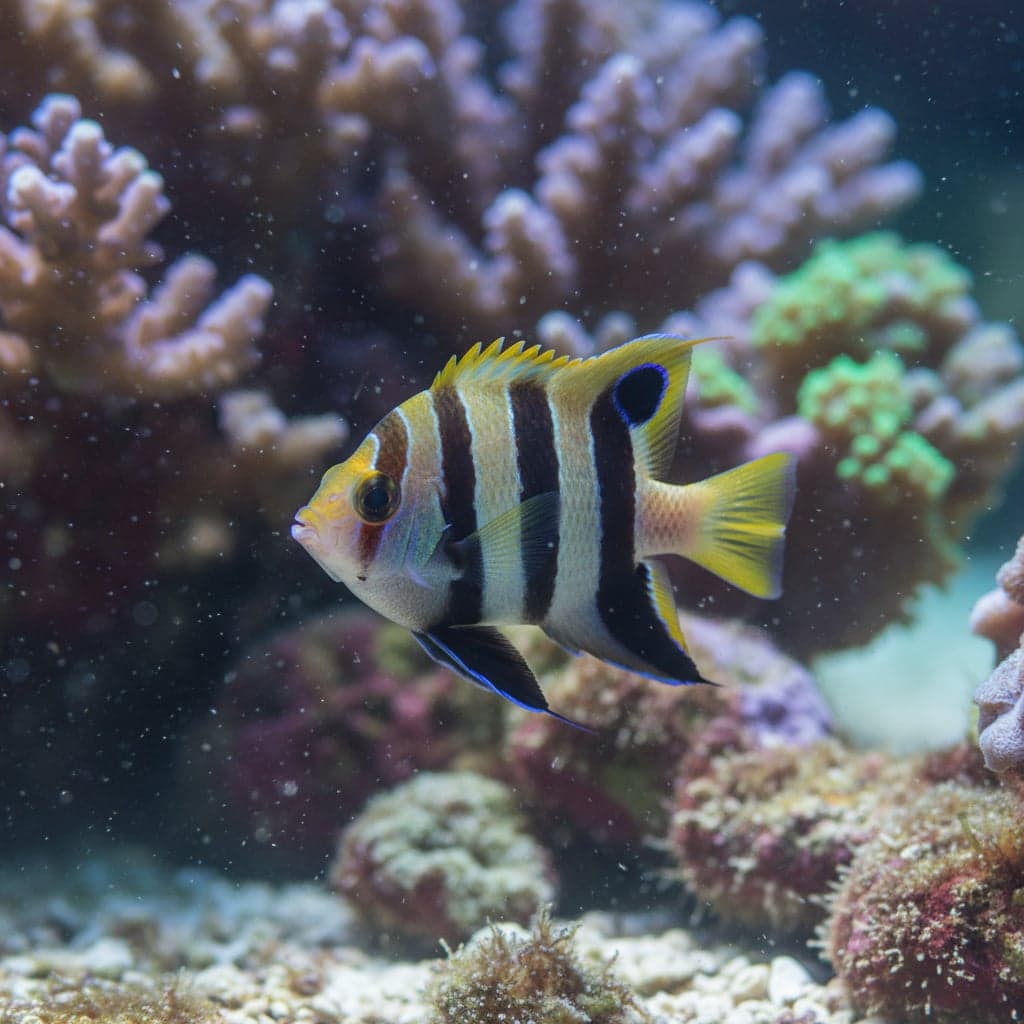
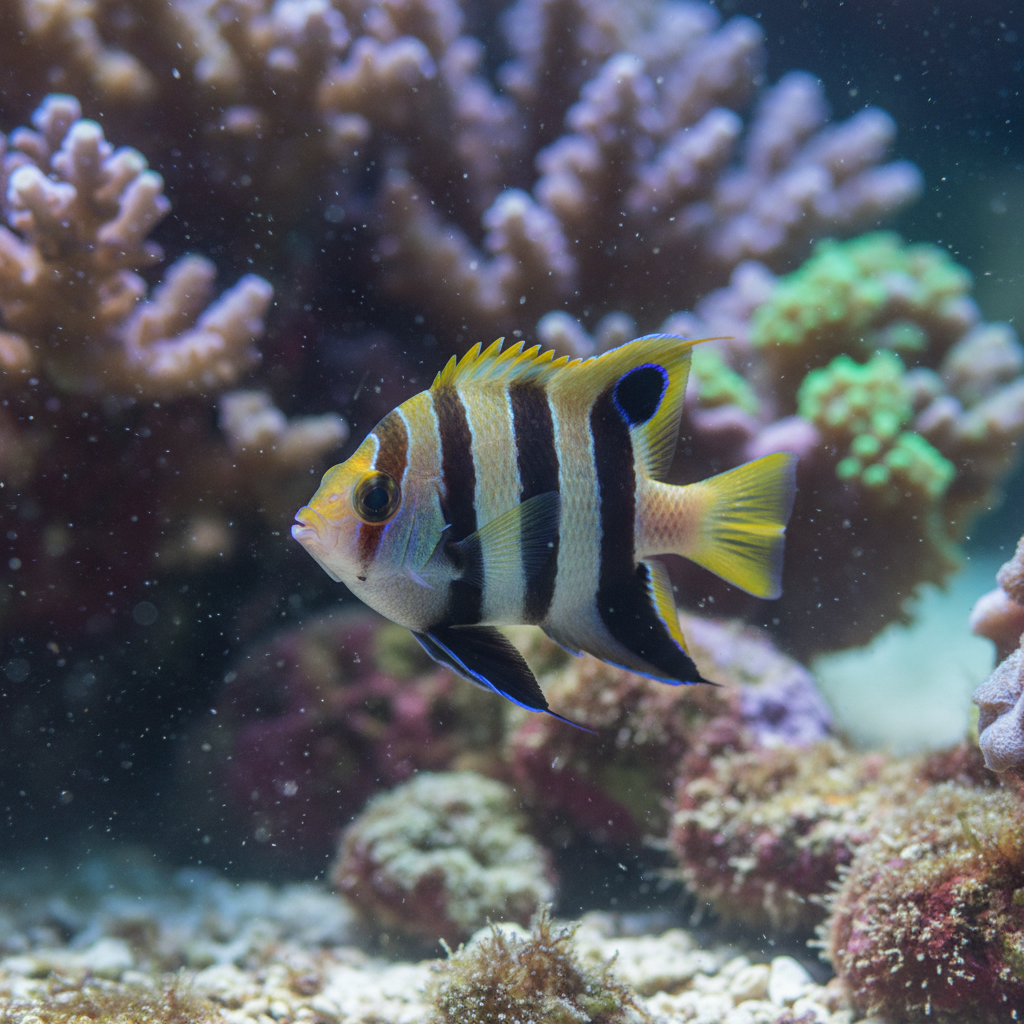
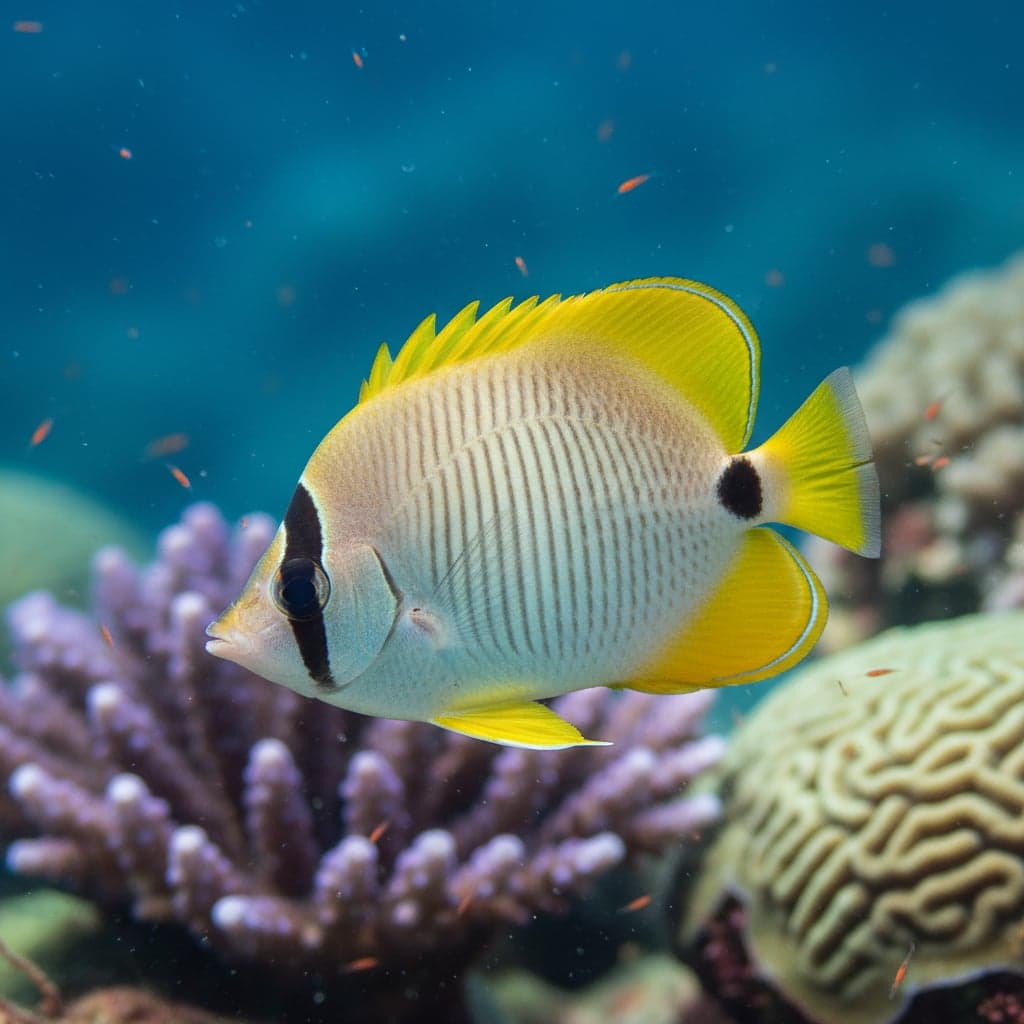
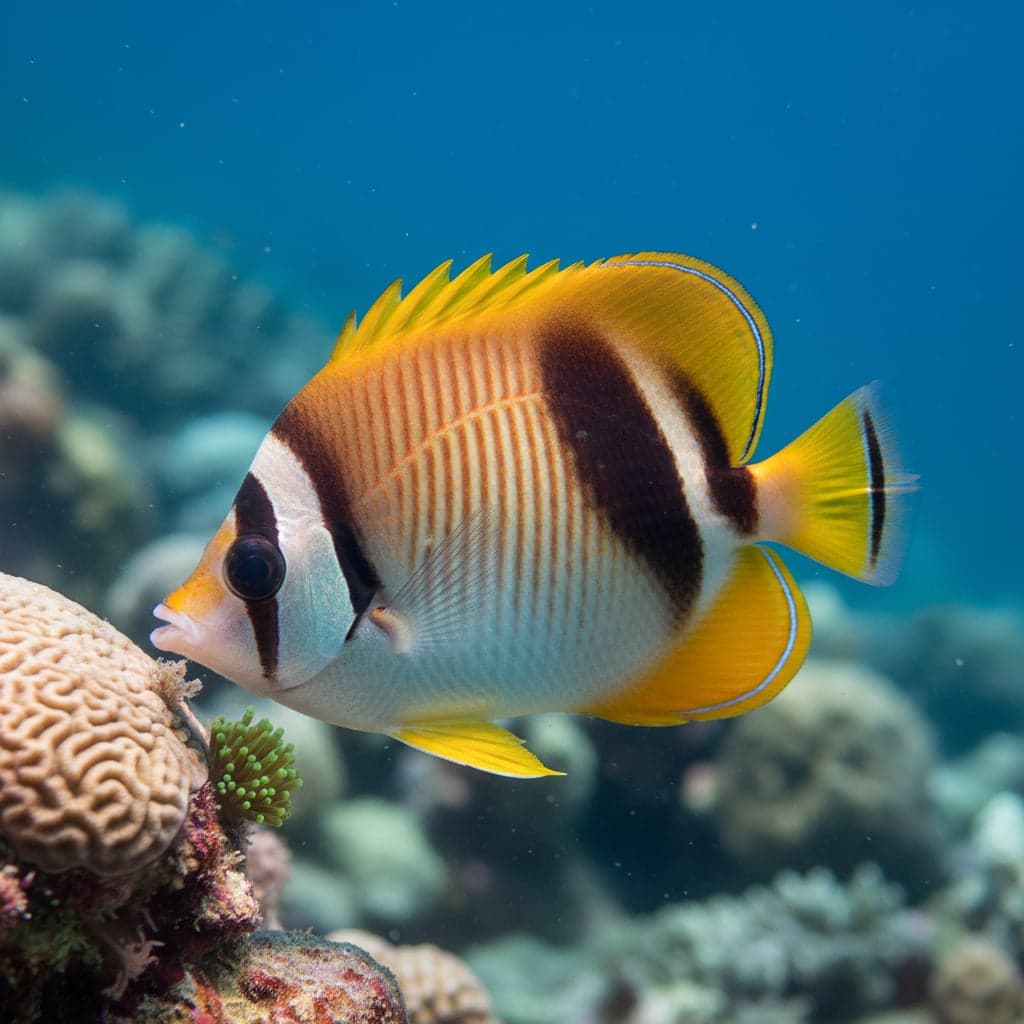
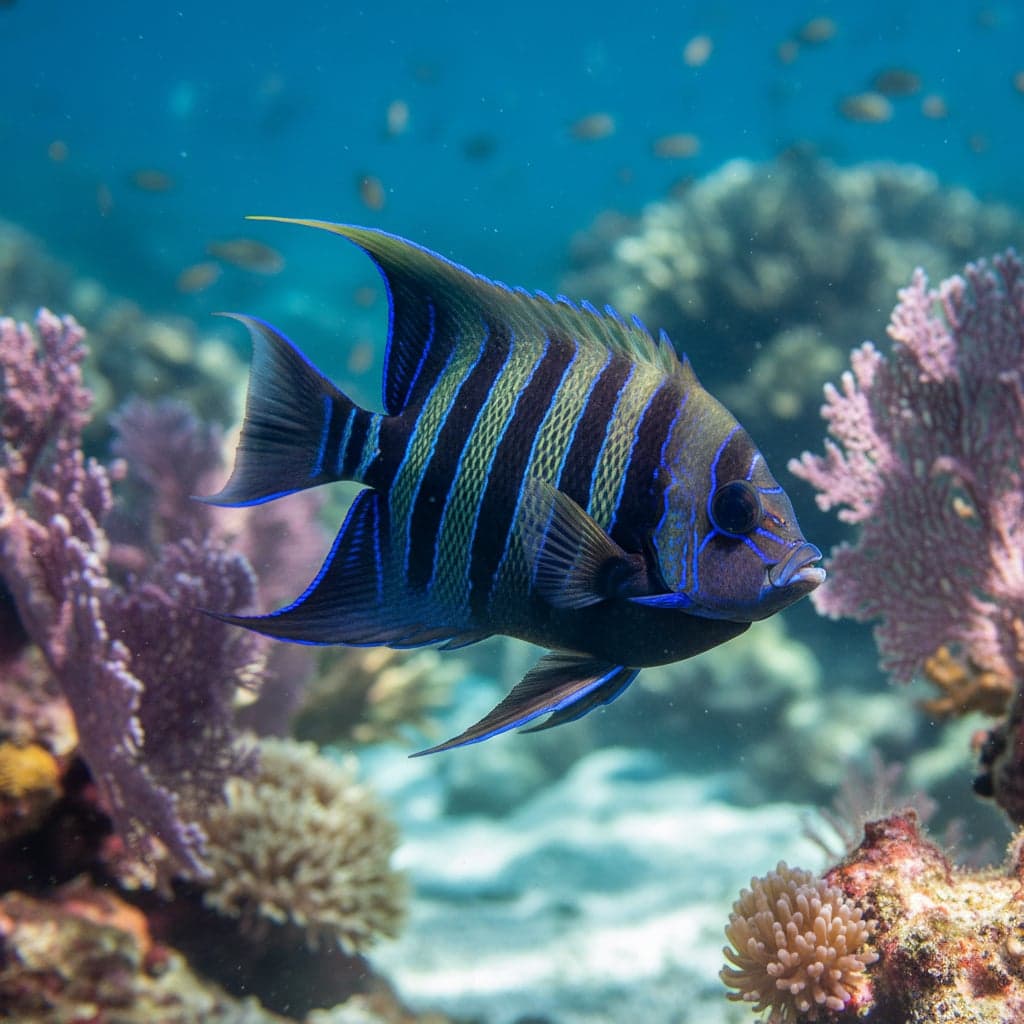
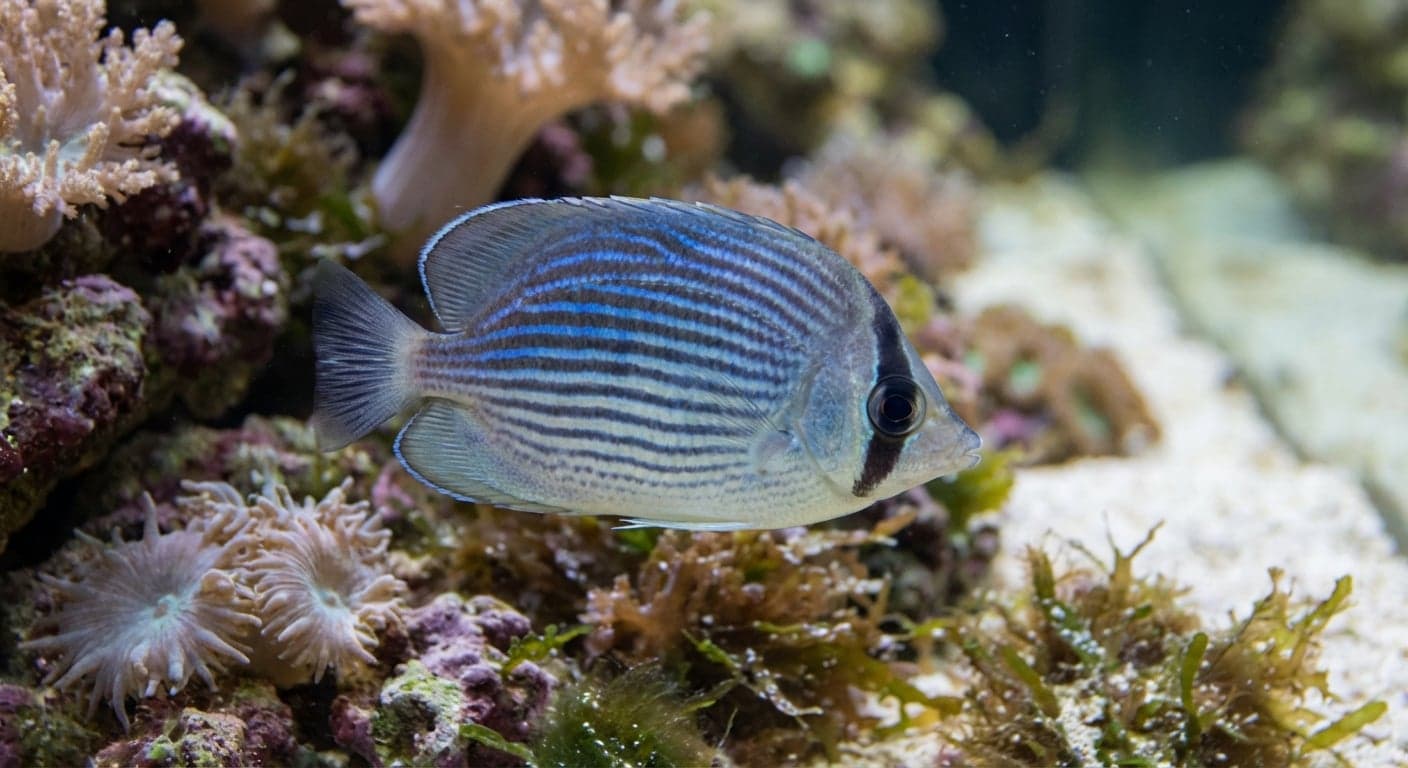
The Multibarred Angelfish (Paracentropyge multifasciata) is a stunning saltwater fish known for its unique appearance and behavior.

Studio Scaped
Multibarred Angelfish

Multibarred Angelfish

The Multibarred Angelfish, scientifically known as Centropyge multifasciata, is a small and strikingly beautiful marine fish that has gained popularity among aquarists for its vibrant colors and unique patterns. This species is characterized by a series of vertical bars that adorn its body, providing an eye-catching contrast against its bright yellow to orange background. As an adult, it typically exhibits a maximum length of around 4 inches, making it suitable for home aquariums. With its stunning visual appeal and engaging behaviors, the Multibarred Angelfish embodies the allure of reef-keeping, drawing in both novice and experienced aquarium enthusiasts alike.

In addition to its aesthetic charm, the Multibarred Angelfish holds significant value within the aquarium hobby. Its bright coloration, coupled with its relatively small size, makes it an ideal candidate for community tanks or smaller reef aquariums. However, due to its natural behavior as a territorial and social species in the wild, it requires careful selection of tank mates and a well-structured environment to thrive. Found in the coral-rich waters of the Pacific, this fish plays a crucial role in the ecosystem, maintaining the balance of reef communities through its foraging habits. Understanding its needs and behavior is key to providing a suitable habitat that mirrors its natural habitat.

Natural Habitat & Origin

The Multibarred Angelfish is native to the coral reefs of the Indo-Pacific region, with its geographical range encompassing areas such as the Solomon Islands, Vanuatu, and parts of the Great Barrier Reef. This species primarily inhabits shallow waters, typically between depths of 10 to 40 meters, where it can find shelter among the crevices of corals and rocky formations. The preferred environment of the Multibarred Angelfish consists of clear, warm waters, often influenced by strong currents that provide a rich supply of plankton and algae—its primary food sources.

These fish inhabit the upper and mid-water column of their environment, frequently utilizing their immediate surroundings for both foraging and evasion from predators. The presence of live rock and coral is crucial for their lifestyle, as it offers necessary hiding spots and grazing areas. Moreover, the water conditions in their habitats are commonly stable, with temperatures ranging from 24°C to 28°C (75°F to 82°F) and a salinity level around 1.023 to 1.025 specific gravity. Such conditions not only support their health but also enhance their vivid colors, making them a prized addition to aquarists seeking to replicate a slice of the ocean.

Care Requirements

To successfully care for the Multibarred Angelfish, specific water parameters and tank setups are fundamental. Ideally, the pH should be maintained between 8.1 and 8.4, with a temperature range of 24°C to 28°C (75°F to 82°F). The water hardness should remain around 8 to 12 dKH. These stable parameters are crucial for the fish’s overall health and well-being. When setting up the tank, a minimum size of 30 gallons is recommended, allowing ample swimming space and territories to establish.

As for tank setup, fine sand or crushed coral substrate is ideal, mimicking its natural environment on the reef. Incorporating plenty of live rock not only provides hiding places and grazing areas but also helps maintain water quality through the live bacteria necessary for biological filtration. Lighting should be moderate to bright, simulating shallow reef conditions without causing stress to the fish. Additionally, the introduction of various aquatic plants can enhance the visual aesthetics of the tank, although it’s essential to remember that Multibarred Angelfish are more drawn to swimming and exploration than to heavy plant cover.

Diet & Feeding

The Multibarred Angelfish is classified as an omnivore, enjoying a varied diet that mimics what it would consume in its natural habitat. In captivity, it is essential to provide a balanced diet that includes high-quality marine flakes and pellets, specifically formulated for small reef fish. Supplementing its diet with frozen or live foods such as brine shrimp, mysis shrimp, and spirulina will contribute to its vibrant colors and overall health.

Feeding should be conducted multiple times a day, in small quantities, to prevent overfeeding and maintain water quality. It is also beneficial to diversify its diet further with algae clips or dried seaweed, which enriches its nutrient intake and helps promote natural grazing behavior. A well-rounded diet not only ensures the Multibarred Angelfish remains healthy and visually stunning but also enhances its immune system, allowing it to thrive in an aquarium setting.

Behavior & Temperament

The Multibarred Angelfish exhibits a fascinating mix of behaviors, characterized by its inquisitive and active nature. While it is generally considered semi-aggressive, especially during feeding or territorial disputes, it tends to be less aggressive than some of its larger angelfish relatives. Socially, this fish can be kept in pairs or small groups, as long as they are introduced to the tank simultaneously to curb territorial issues. Providing adequate space and hiding spots can ease any aggressive tendencies and foster a more harmonious environment.

In terms of tank placement, the Multibarred Angelfish is a swimmer that enjoys occupying the mid-to-upper layers of the aquarium. They often patrol their territory and interact with other fish, displaying lively and engaging behaviors that contribute to the overall dynamic of the community tank. However, it is essential to monitor their interactions closely, especially with other similar-shaped fish, as conflicts can arise. Understanding their behavior is key to ensuring they are comfortable and secure within the confines of a home aquarium.

Tank Mates

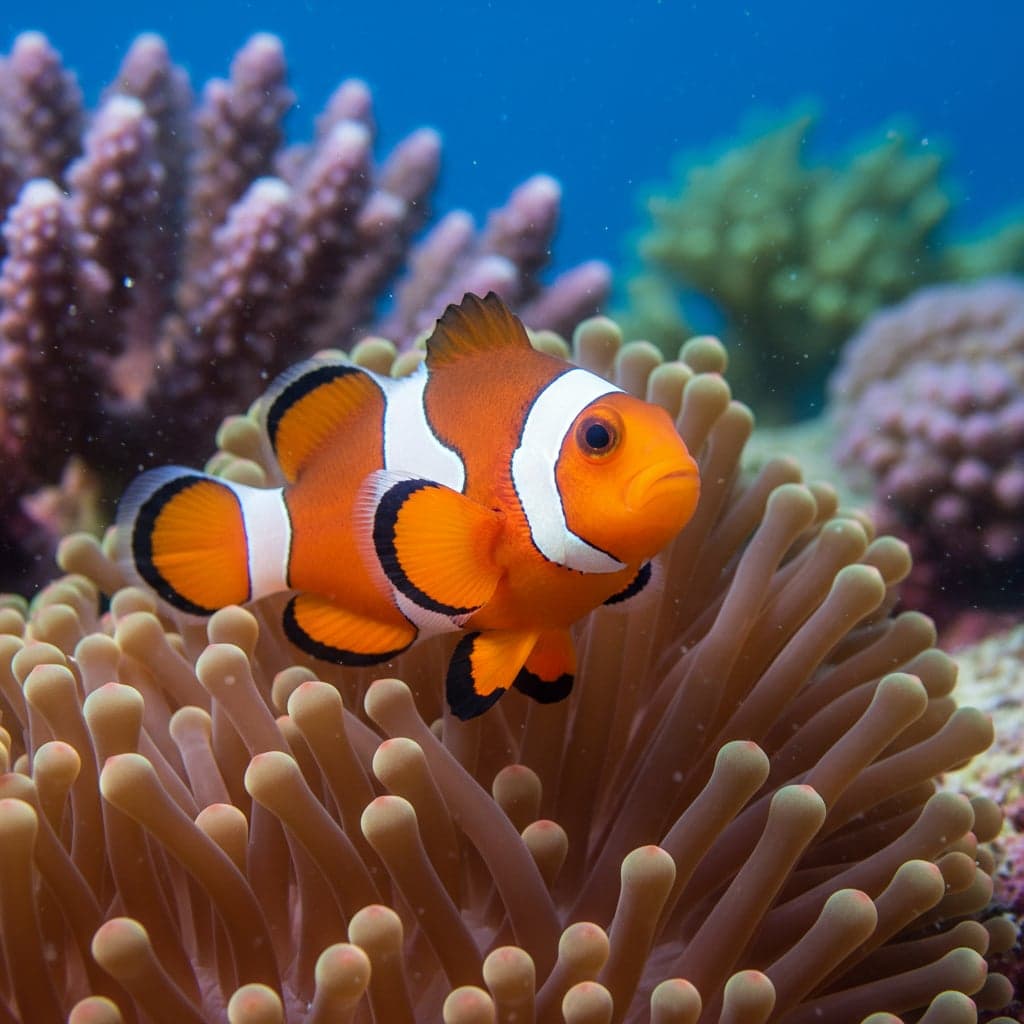
When selecting tank mates for the Multibarred Angelfish, it is important to consider the species' characteristics and interactiveness. Compatible tank mates include smaller, peaceful fish such as clownfish, gobies, blennies, and certain species of wrasses. Additionally, invertebrates like shrimp and snails can coexist peacefully with the Multibarred Angelfish, contributing to a well-rounded reef environment.

Conversely, it is advisable to avoid housing the Multibarred Angelfish with larger or overly aggressive species like triggers, tangs, or larger angelfish. These fish may harass or bully the Multibarred Angelfish, disrupting the tank’s harmony. Furthermore, other angelfish of similar shapes and sizes should also be approached with caution, as they may trigger territorial disputes, resulting in stress and potential injury. A carefully curated community tank will enhance the Multibarred Angelfish’s well-being and create a vibrant aquatic display.

Breeding

Breeding the Multibarred Angelfish in captivity can be a challenging yet gratifying endeavor. These fish are known to be monogamous in pairs once they establish a bond. Spawning typically occurs at dusk, facilitated by a specific set of conditions that mimic natural breeding environments—such as stable water temperature, increased water movement, and appropriate feeding conditions leading up to breeding events.

For successful breeding, it is essential to provide a separate breeding tank or designate a specific area within the main aquarium, rich in hiding spots and suitable spawning substrates like flat rocks or coral. Males will often display courtship behaviors, including swimming in circles around the female and nipping at her fins. After spawning, the female will lay her eggs, which the male

ADA
Aqua One
Chihiros
Dennerle
EHEIM
Fluval
Oase
Seachem
Tropica
Twinstar
UNS
ADA
Aqua One
Chihiros
Dennerle
EHEIM
Fluval
Oase
Seachem
Tropica
Twinstar
UNS
ADA
Aqua One
Chihiros
Dennerle
EHEIM
Fluval
Oase
Seachem
Tropica
Twinstar
UNS
ADA
Aqua One
Chihiros
Dennerle
EHEIM
Fluval
Oase
Seachem
Tropica
Twinstar
UNS