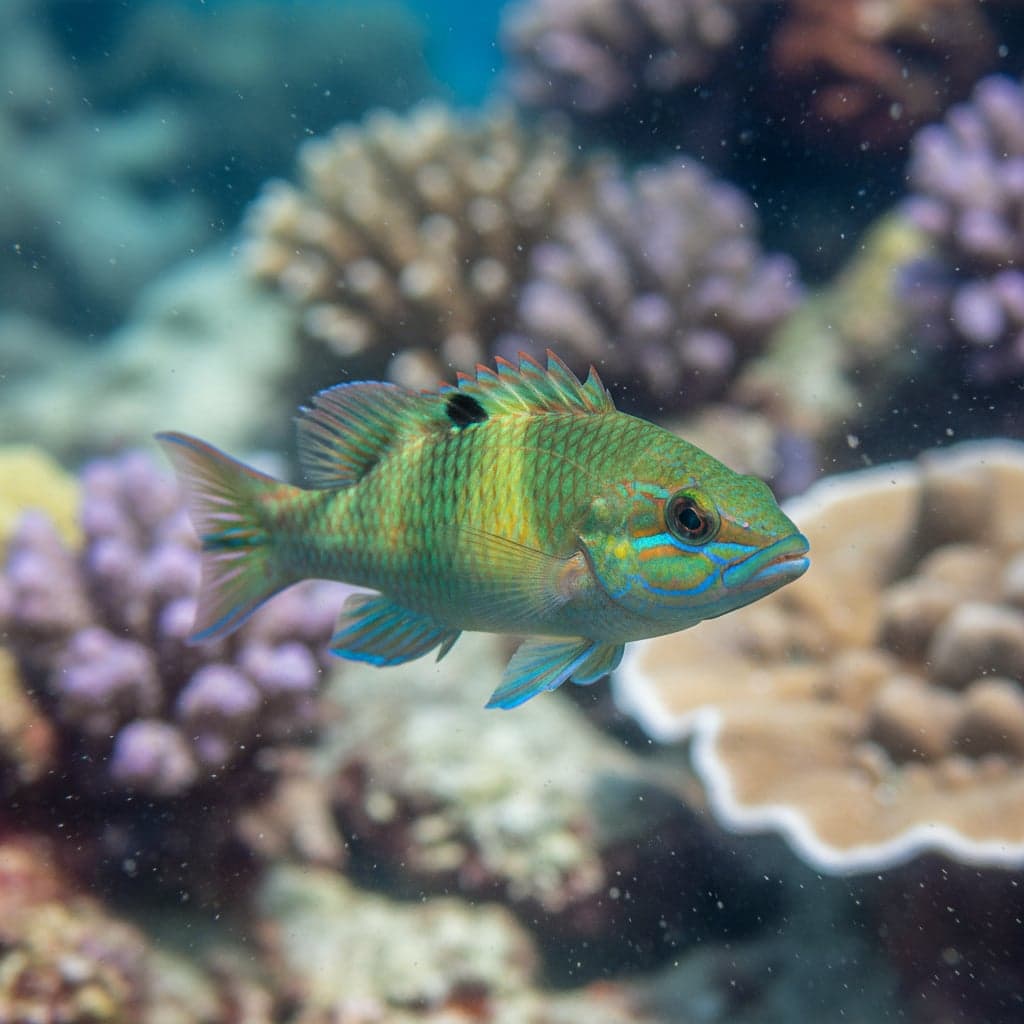
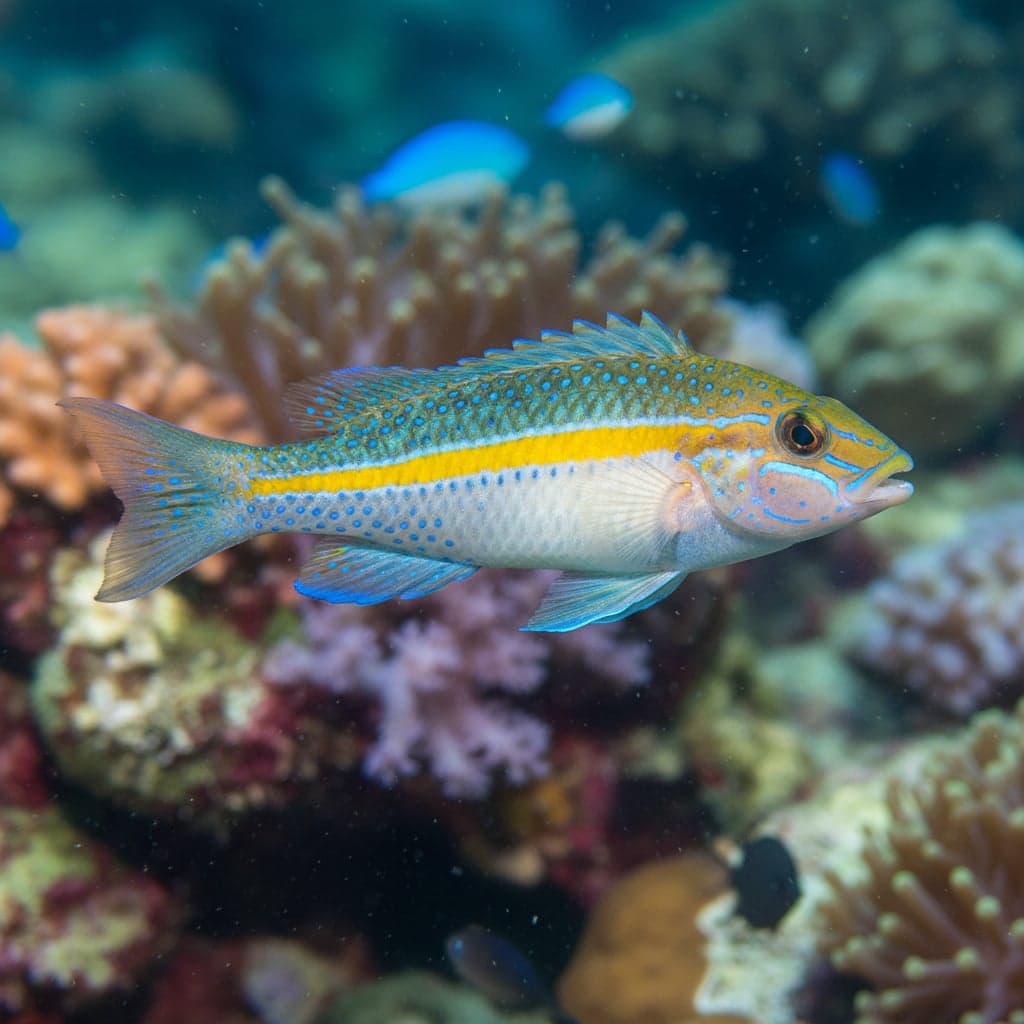
Multicolour Wrasse
A 10cm wrasse, orange over blue, that hunts pests across the rockwork. Reef safe, sleeps buried in sand, and it jumps.

Multicolour Wrasse
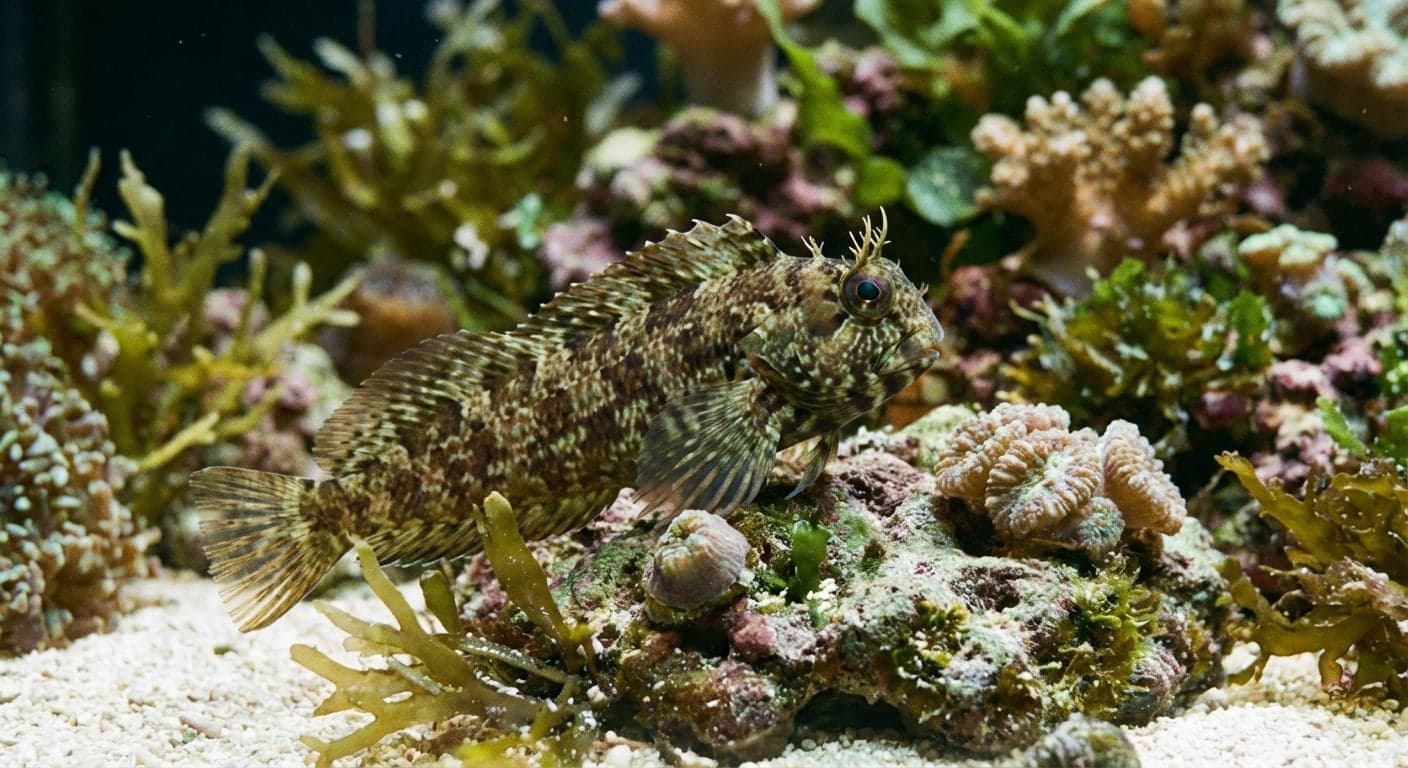
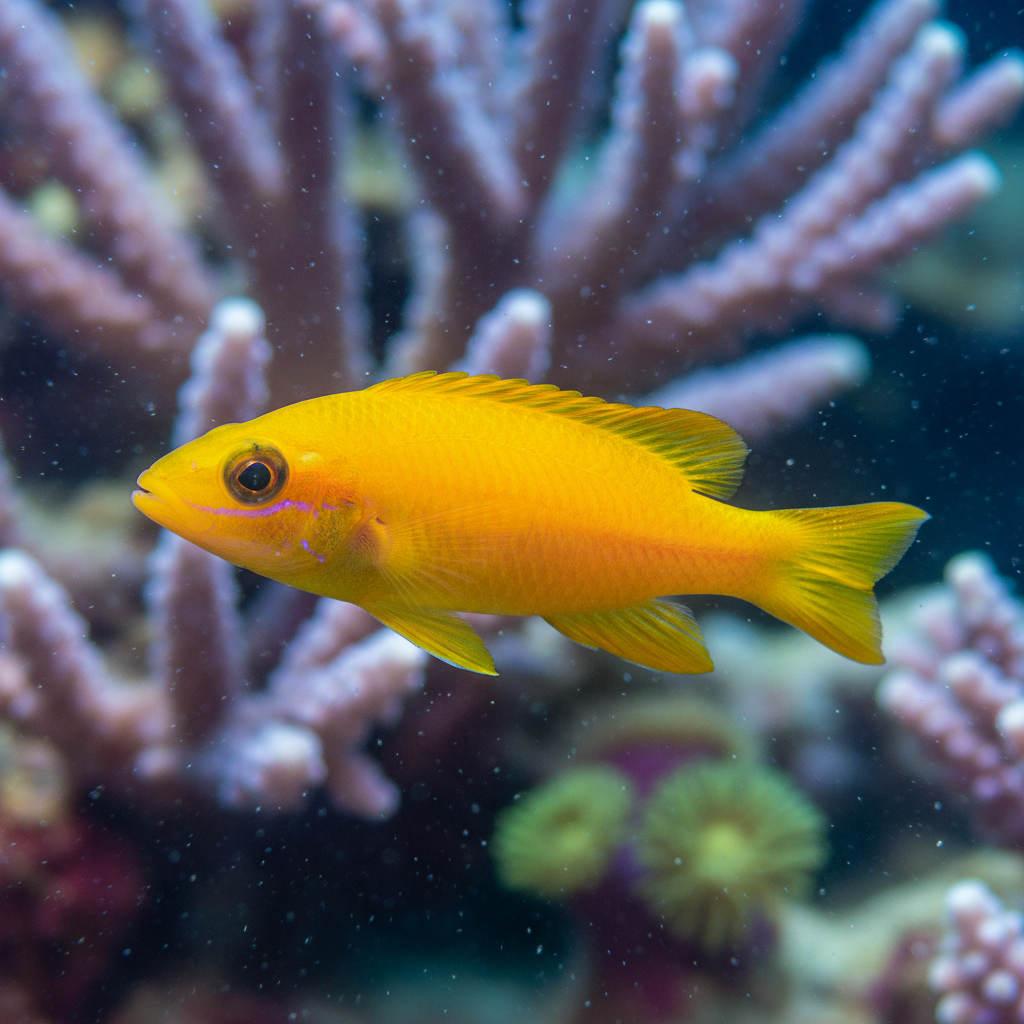
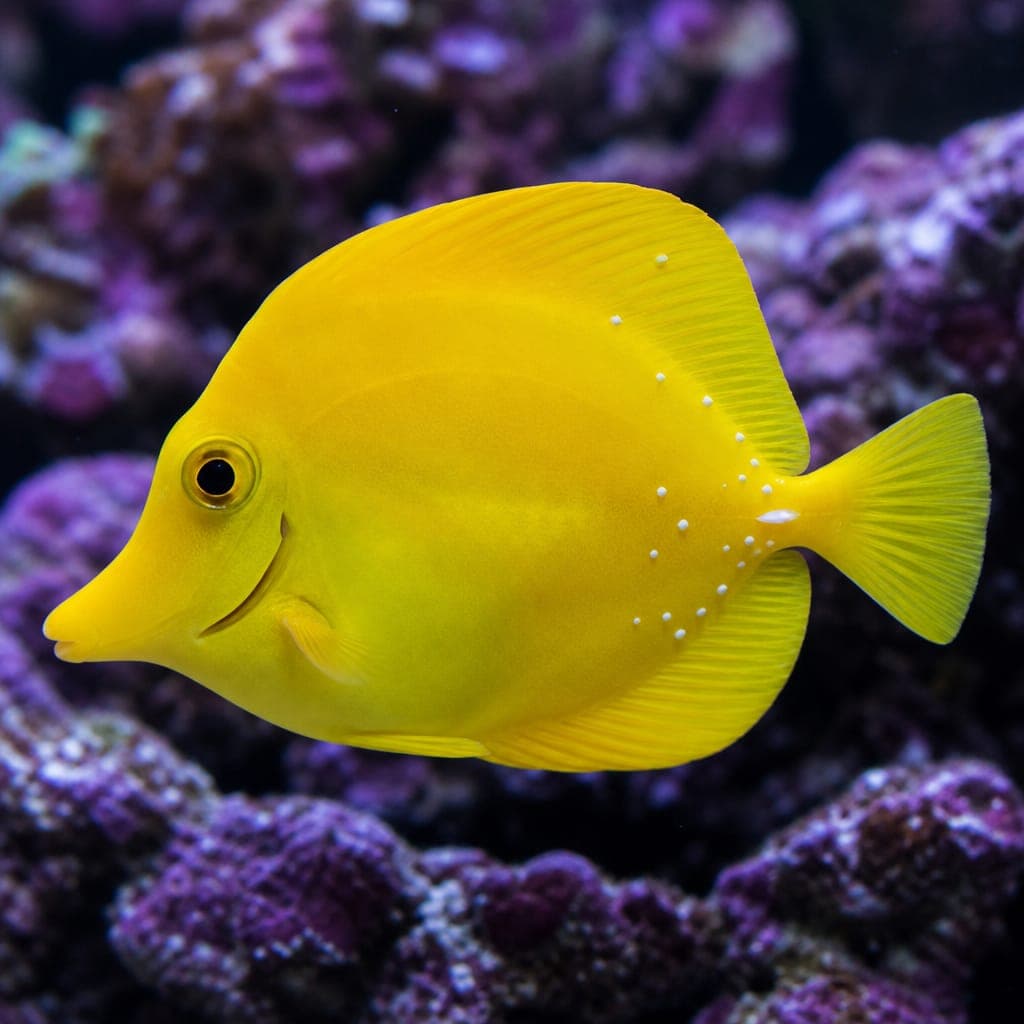
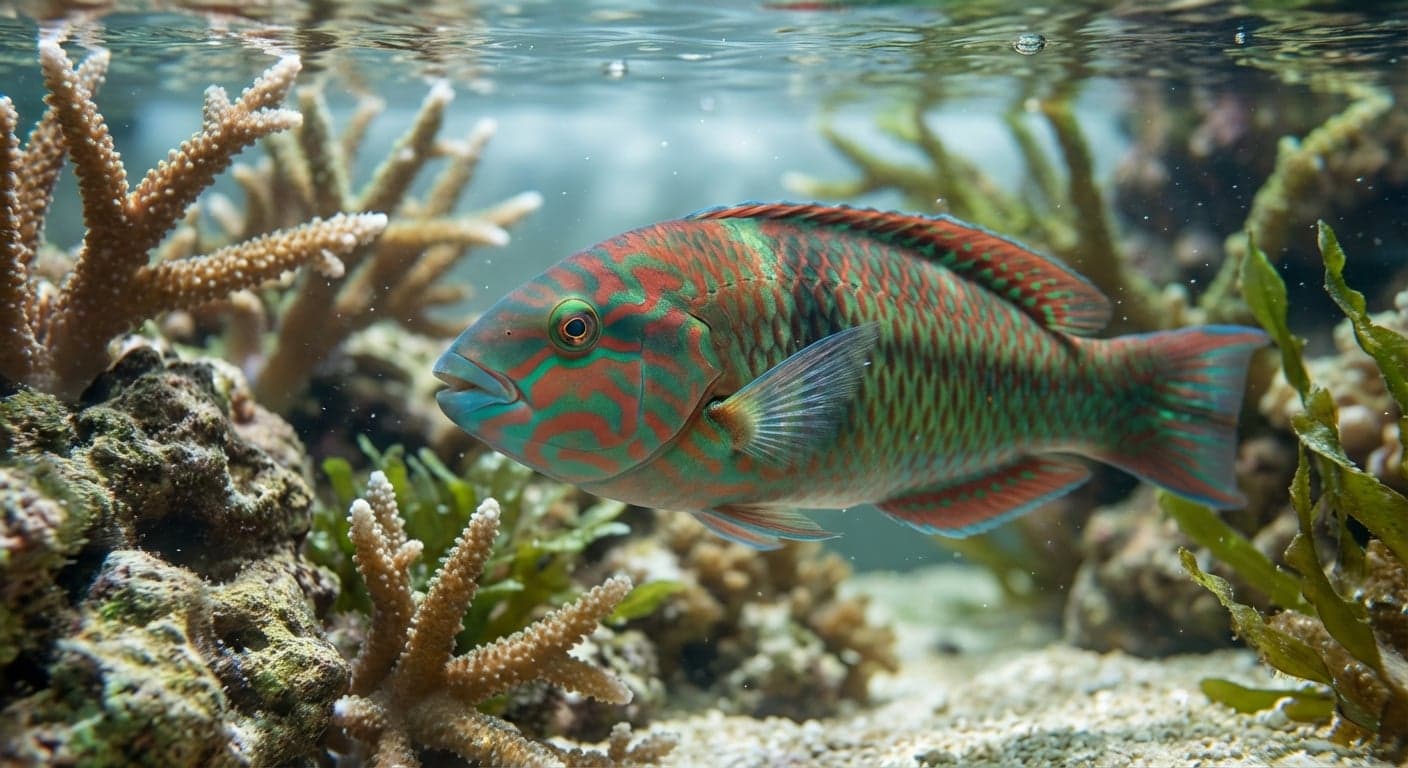
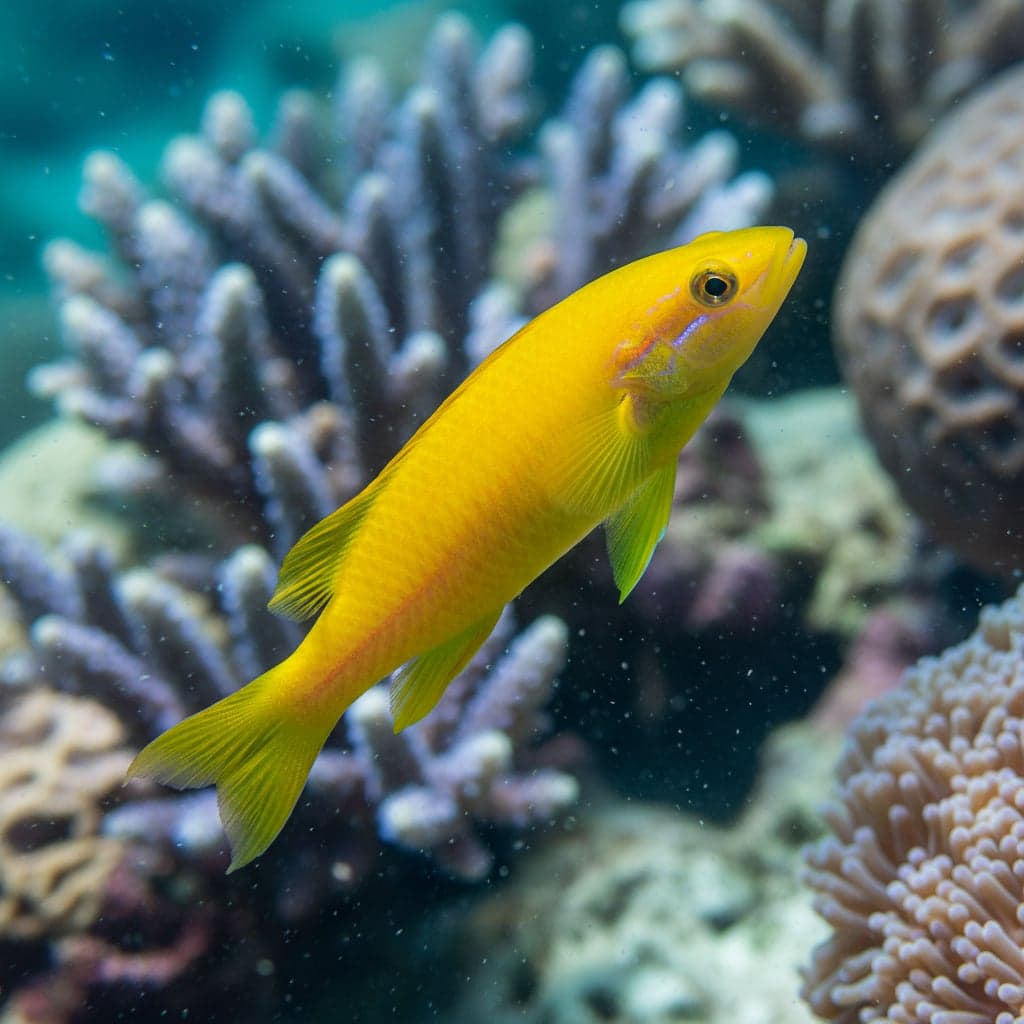
The Multicolour Wrasse, known scientifically as Pseudocheilinus spp., is a vibrant and eye-catching fish that has captured the hearts of aquarists around the world. This species showcases a stunning array of colors, with shades that can include bright blues, yellows, and greens, often accented by bold patterns and markings. Their striking appearance makes them an excellent focal point in any reef aquarium. As a part of the Labridae family, Multicolour Wrasses are known for their active swimming behavior and inquisitive nature, providing not only aesthetics but also interactive entertainment in an aquarium setting.
Known for their significance in the aquarium hobby, Multicolour Wrasses are often sought after for their utility in pest control. They are natural predators of unwanted algae and small invertebrates, making them beneficial additions for maintaining a healthy aquarium ecosystem. These fish are also relatively hardy when given the right care, making them suitable for both beginner and experienced aquarists. With their lively personalities and visual appeal, Multicolour Wrasses embody the elegance and dynamism of marine life, enhancing the vibrancy of any aquatic environment they inhabit.
Natural Habitat & Origin
The Multicolour Wrasse hails predominantly from the coral reefs of the Indo-Pacific region, particularly in areas around the Great Barrier Reef, Fiji, and the Solomon Islands. These habitats are rich in biodiversity, characterized by clear, warm waters that range from 24°C to 28°C (75°F to 82°F). Living among the crevices of coral, these fish thrive in environments where there is plenty of cover and ample opportunities to hunt for small prey. The reefs provide them with both a food source and a protective environment, which is crucial for their survival in the wild.
Multicolour Wrasses are typically found in shallow water, often at depths of 1 to 20 meters (3 to 65 feet). They prefer areas with established coral structures that offer spaces for foraging and hiding. The stability of these ecosystems contributes to the health and vibrancy of the Multicolour Wrasse, making awareness of their natural habitat essential for successful care in captivity.
Care Requirements
To keep a Multicolour Wrasse healthy, it's essential to replicate their natural water conditions. Ideal water parameters include a pH level of 8.1 to 8.4, a temperature between 24°C to 28°C (75°F to 82°F), and a water hardness of 8 to 12 dGH. Given their active lifestyle, a minimum aquarium size of 120 litres (32 gallons) is recommended for this 10cm Halichoeres iridis jumper — a secure lid matters more than volume; 75 gallons is oversized for its body size. substrate choices like fine sand allow them to exhibit natural foraging behaviors, while providing a comfortable base.
Regarding tank setup, incorporating live rock structures and caves for hiding spots will mimic their natural habitat and reduce stress. Multicolour Wrasses thrive in well-lit conditions, so providing moderate to high lighting will promote coral health and encourage natural behaviors. Additionally, introducing live plants can help create a balanced ecosystem, though they should be chosen carefully since some wrasses may uproot them during their excursions.
Diet & Feeding
Multicolour Wrasses are primarily carnivorous but are considered omnivores, thriving on a varied diet. In captivity, they readily consume high-quality flakes and pellets designed for marine fish. However, supplementing their diet with frozen or live foods such as brine shrimp, mysis shrimp, and chopped seafood is crucial to ensuring that they receive essential nutrients. These varied food sources not only support their health but also stimulate their natural hunting instincts.
For optimal well-being, it’s advised to feed Multicolour Wrasses several small meals throughout the day rather than one large feeding. This lifestyle mimics their natural foraging behavior and contributes to a balanced diet. Additionally, adding spirulina and other vegetable matter occasionally can further enhance their nutritional intake, helping maintain their vibrancy and overall health.
Behavior & Temperament
Multicolour Wrasses are known for their dynamic behavior and inquisitive nature, often displaying playful characteristics in the aquarium. They tend to be semi-aggressive and territorial, particularly as they establish their space within the tank. While they do enjoy social interactions, they thrive in environments where they can claim territory without excessive competition from aggressive fish.
In terms of tank placement, Multicolour Wrasses are generally mid to upper column swimmers; hence, providing multiple levels of structure within the tank can accommodate their swimming habits. They may come out to interact with other fish while also being actively engaged in foraging along the substrate and among the rocks. However, due to their potential for aggression towards similar species, careful selection of tank mates is necessary.
Tank Mates
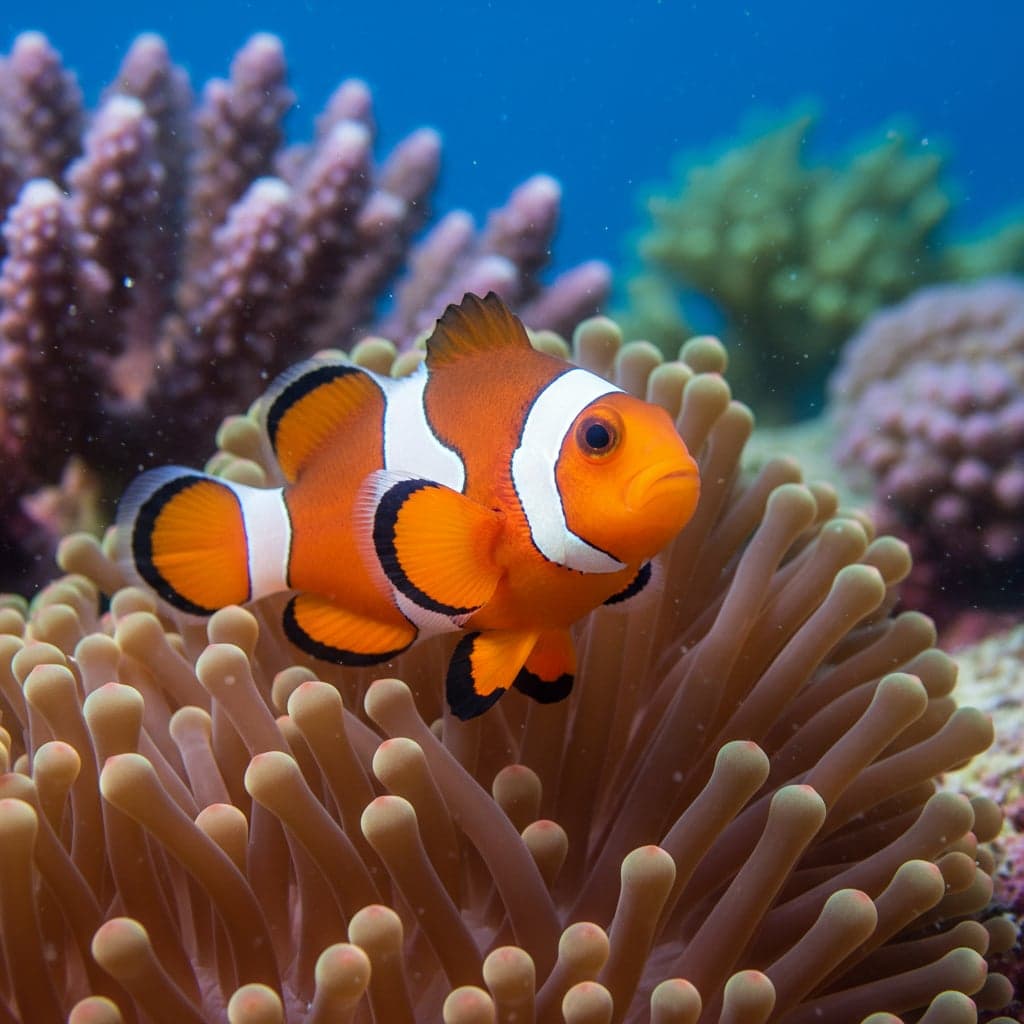
When choosing tank mates for the Multicolour Wrasse, it's crucial to select peaceful species that do not compete aggressively for territory or food. Compatible species include small gobies, clownfish, and other non-aggressive wrasses. Additionally, schooling fish like anthias can provide movement and liveliness in the tank without overwhelming the Multicolour Wrasse.
Conversely, it's advisable to avoid pairing Multicolour Wrasses with large, aggressive species, particularly those from the same family, as they may lead to territorial disputes. Fish like triggers, larger parrotfish, or overly aggressive damselfish can pose a threat and create stress within the tank environment.
Breeding
Breeding Multicolour Wrasses in captivity can be challenging as they exhibit complex spawning behaviors. Typically, these fish are monogamous and exhibit pronounced courtship displays prior to spawning. In optimal conditions, such as larger tanks that mimic their natural reef environments, they may spawn during dawn or dusk, with males performing intricate dances to attract females.
Creating suitable breeding conditions includes maintaining stable water parameters similar to their natural habitat and providing ample hiding places and structures to encourage natural behaviors. Offering high-quality foods to them prior to breeding can also aid in successful spawning. However, given that Multicolour Wrasses are not known to be easy spawners in captivity, a dedicated breeding setup may be necessary to encourage successful mating.
Common Health Issues
Multicolour Wrasses, while generally hardy, can be susceptible to certain health issues if proper care is not maintained. Common problems include ich (Ichthyophthirius multifiliis) and marine velvet (Oodinium), both of which can cause significant stress and even mortality if left untreated. Additionally, they can be prone to skin flukes and bacterial infections.
Preventative measures include maintaining excellent water quality through regular water changes, monitoring water conditions, and avoiding overcrowding. Quarantining new arrivals before introducing them to the main aquarium can also help reduce the spread of disease. Lastly, providing a stress-free environment with adequate hiding spaces will enhance their immune response and overall well-being.