Murray River Rainbowfish: Melanotaenia fluviatilis
A beautiful, cool-water tolerant rainbowfish from southeastern Australia.
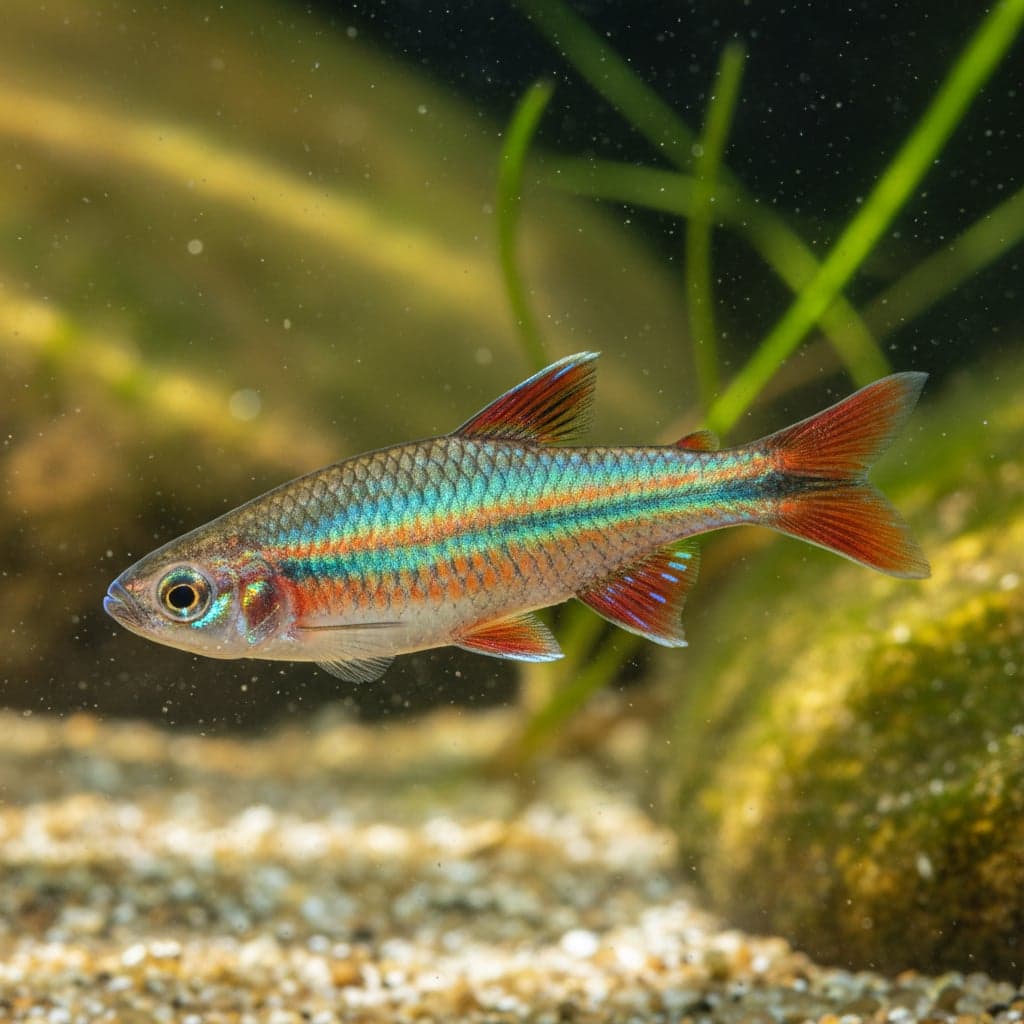
Murray River Rainbowfish
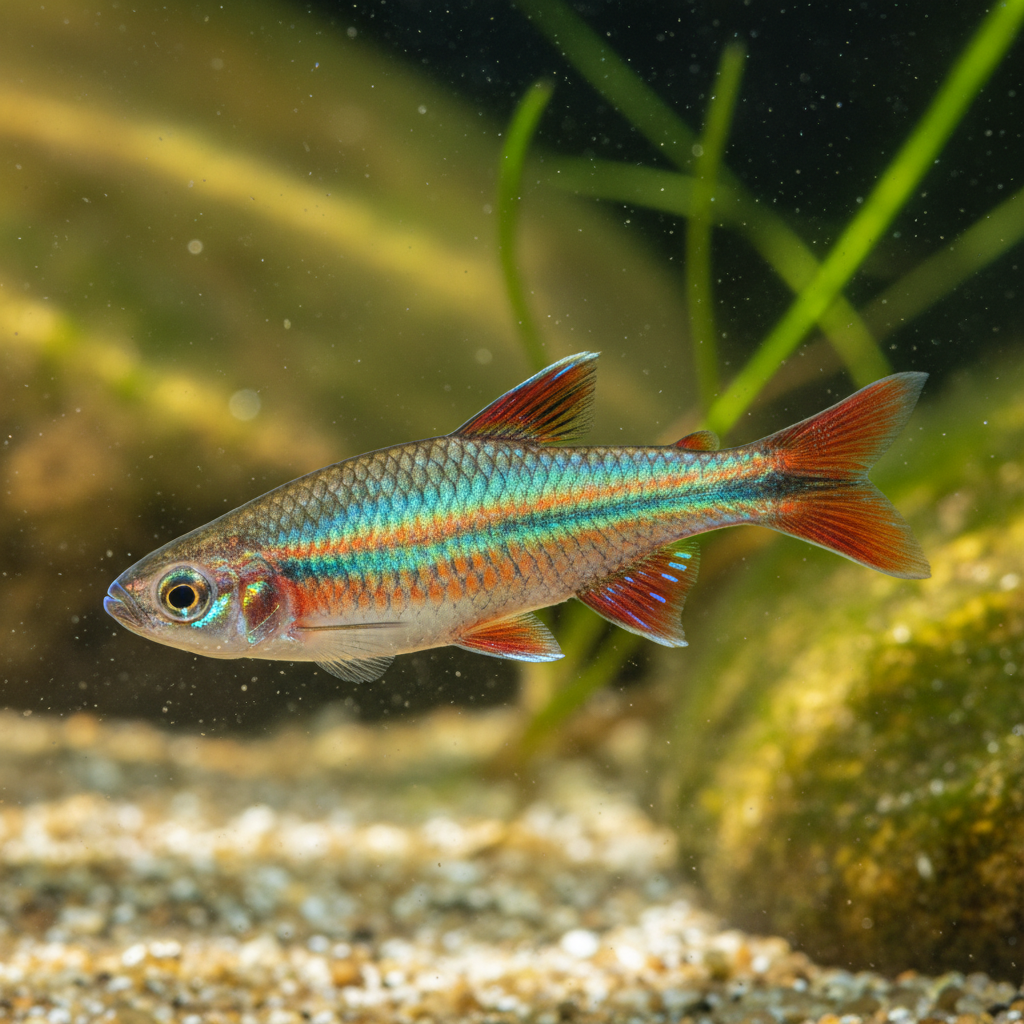
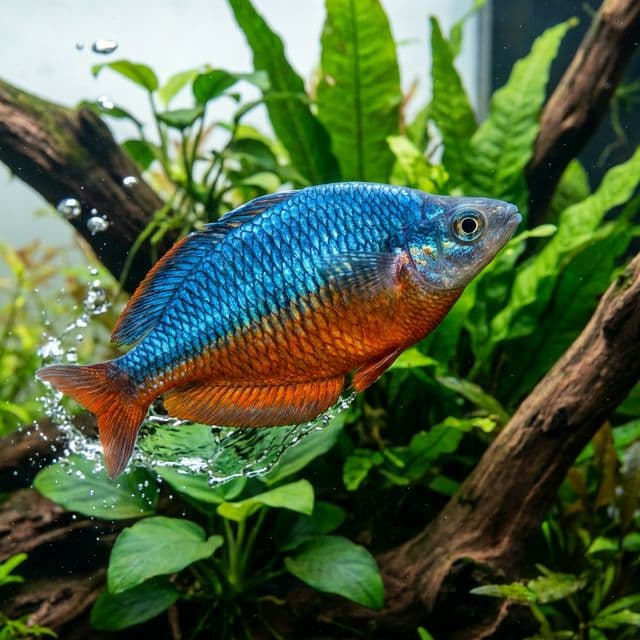
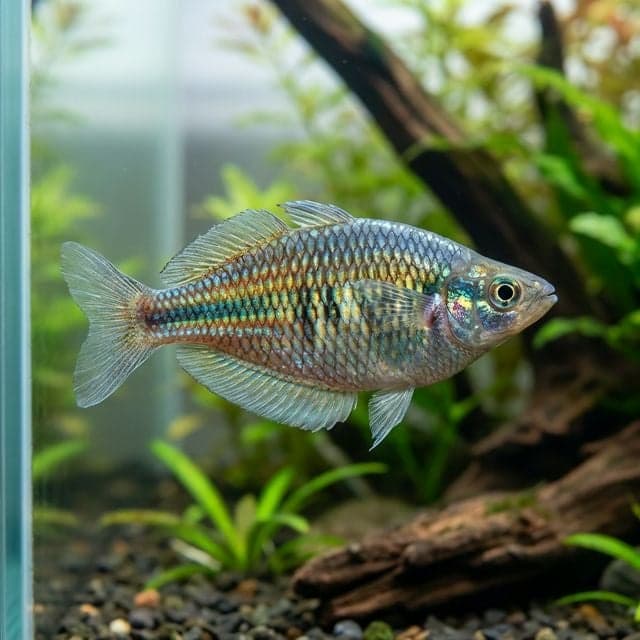
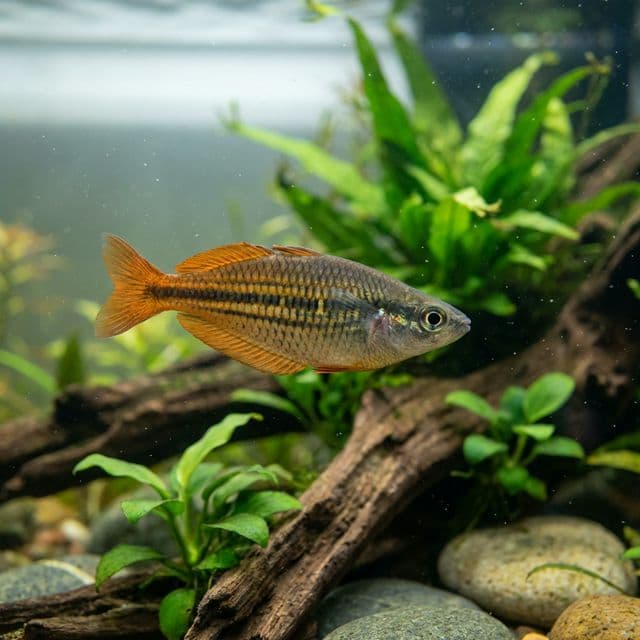
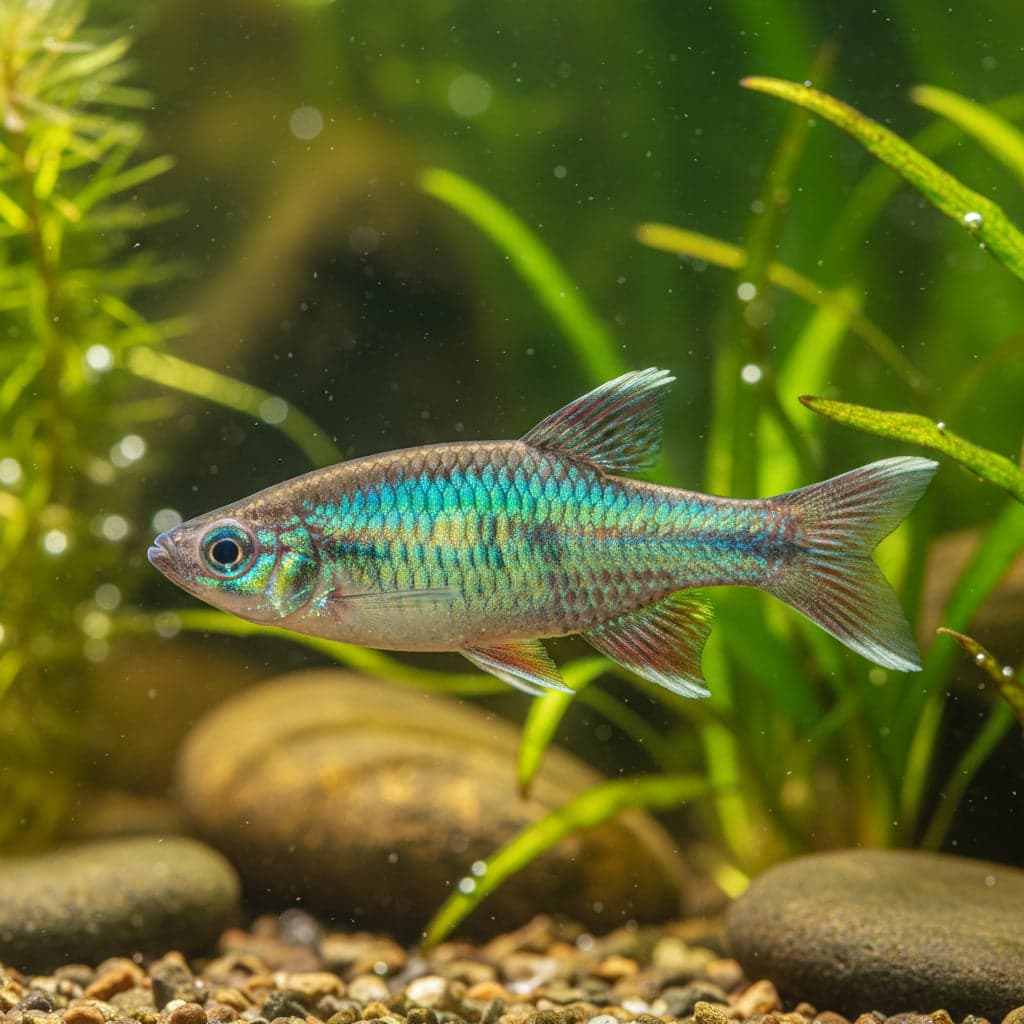
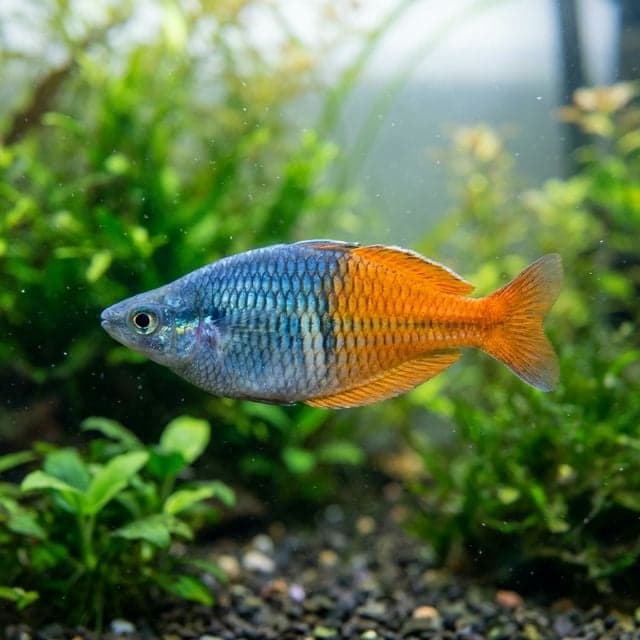
The Murray River Rainbowfish, scientifically known as Melanotaenia fluviatilis, is an eye-catching fish popular in the aquarium hobby due to its vibrant colors and lively behavior. This species exhibits a stunning array of hues, typically displaying shades of blue, green, and yellow, depending on their mood and health. Their elongated bodies and flowing fins provide a graceful swimming motion, making them a delightful addition to any community tank. This fish is not only admired for its beauty but also for its hardiness, which makes it an excellent choice for both novice and experienced aquarists. With a lifespan of up to five years or more, Murray River Rainbowfish can significantly contribute to the aesthetics of an aquarium for years.
In addition to their visual appeal, Murray River Rainbowfish hold ecological significance in their native habitats. Endemic to Australia, they are often found in large schools, which aids in their survival against predators. Their behavior and adaptability have made them a symbol of the diverse aquatic life found in the Murray-Darling Basin, a crucial ecosystem in Australia. By keeping these fish in captivity, hobbyists can help raise awareness about the importance of this ecosystem and the need for its conservation. Plus, breeding them in suitable environments can help maintain their population, contributing to their overall sustainability.
Natural Habitat & Origin
The Murray River Rainbowfish is native to the waterways of southeastern Australia, particularly the Murray-Darling River system. This region features a range of habitats, including slow-moving rivers, streams, and lagoons, where the fish thrive in warm, freshwater environments. The water in these regions tends to be clear with low to moderate mineral content, making it ideal for the growth of vegetation, which provides cover and breeding grounds for the fish. The ecosystem is rich in biodiversity, and the Murray River Rainbowfish plays a key role in this intricate web of life by feeding on insects and smaller crustaceans.
These fish are accustomed to comparatively stable water conditions, which means an aquarium replicating their natural habitat should focus on providing similar parameters. They typically thrive in waters that are soft to moderately hard, with a pH ranging from 6.5 to 7.5, and temperatures between 22°C to 28°C (72°F to 82°F). The natural habitats often feature ample aquatic and terrestrial vegetation, which highlights the importance of mimicking such an environment in captivity for optimal health and behavior.
Care Requirements
To ensure the Murray River Rainbowfish flourishes in an aquarium setting, specific water parameters should be maintained. Ideal conditions include a temperature range of 22°C to 28°C (72°F to 82°F) and a pH level between 6.5 and 7.5. The hardness of the water should be moderately soft to hard, ideally within the range of 5-15 dGH. For tank setup, a minimum tank size of 100 liters (around 26 gallons) is recommended to provide ample swimming space for a small school of these fish, as they thrive in groups of 6 or more.
The substrate can vary, but a fine gravel or sandy base closely resembles their natural environment. Providing plenty of plant coverage with aquatic plants like Vallisneria, Cryptocoryne, and Java Ferns will offer hiding spots and breeding grounds. Additionally, moderate lighting will simulate the dappled sunlight found in their natural setting while promoting plant health. Incorporating driftwood and rocks can further enhance the aesthetic and functional aspects of their aquarium.
Diet & Feeding
Murray River Rainbowfish are omnivorous, requiring a balanced diet to maintain their vibrant colors and health. They benefit from a varied diet that includes high-quality flakes or pellets specifically designed for community fish. In addition to dry foods, incorporating frozen or freeze-dried options, such as brine shrimp, daphnia, and bloodworms, enhances their nutritional intake. Supplementing their diet with occasional live foods can stimulate natural behaviors and keep them actively engaged.
It’s crucial to feed them small amounts several times a day rather than a single larger feeding to avoid overfeeding, which can lead to water quality issues. Regularly observing their feeding habits can also help ensure that all individuals in the school receive adequate nutrition, which is essential for their overall health and well-being.
Behavior & Temperament
Murray River Rainbowfish are known for their social and peaceful nature, making them an excellent addition to a community aquarium. These fish are schooling species and should be kept in groups of 5 or more to encourage natural behaviors and minimize stress. When housed in appropriate schools, they exhibit lively swimming patterns and display playful interactions, which contribute to a dynamic tank environment.
In terms of vertical placement, these fish can generally be found swimming in the mid to upper levels of the tank. Their active swimming nature means they will frequently move about the tank, adding movement and life to the aquarium. Aggression is minimal, making them compatible with various tank mates, provided those species can also handle similar water parameters.
Tank Mates
Murray River Rainbowfish can coexist with several species, enriching the community aspect of an aquarium. Compatible tank mates include other peaceful fish such as:
- Tetras (e.g., Neon Tetra, Rummy Nose Tetra)
- Corydoras Catfish
- Danios (e.g., Zebrafish)
- Gouramis (e.g., Sparkling Gourami)
- Rasboras (e.g., Harlequin Rasbora)
However, it is crucial to avoid keeping them with aggressive or territorial species that may stress them, such as certain Cichlids or larger, more boisterous fish. Ensuring plenty of swimming space and hiding spots further helps maintain peace within the community tank, allowing all species to thrive.
Breeding
Breeding Murray River Rainbowfish can be a rewarding experience for aquarists. To encourage spawning, it is important to replicate their natural breeding conditions. This can be achieved by providing a separate breeding tank with gentle filtration and a substrate of fine-leaved plants or spawning mops where female fish can lay their eggs. The water parameters should include slightly softer water with a pH of around 6.5 and a temperature of about 25°C (77°F).
Males will court females through vibrant displays, and after successful mating, the female will scatter fertilized eggs among the plants. After spawning, the adults should be removed to prevent them from consuming the eggs. Fry will typically hatch within a week, and they can be fed infusoria or finely crushed flakes until they are large enough for more substantial food options.
Common Health Issues
Murray River Rainbowfish are generally robust fish, but they can be susceptible to certain health issues, especially if kept in suboptimal conditions. Common problems include:
- Ich (Ichthyophthirius multifiliis): This parasite can occur in poor water quality. Prevention involves maintaining stable water parameters and minimizing stress.
- Fin Rot: Often a result of poor water conditions or injuries from aggressive tank mates. Ensuring good water quality and a peaceful environment can help prevent this issue.
- Swim Bladder Disease: Often caused by overfeeding, it can affect the buoyancy of the fish. Regular feeding schedules and observing portion sizes can mitigate this condition.
Regular water testing, a clean tank environment, and a balanced diet are key preventive measures for maintaining healthy Murray River Rainbowfish long term. Quarantine newcomers, keep nitrates low, and avoid sudden temperature swings that invite ich or fin rot. A varied diet and open swimming space further support immunity. Watch for white spots, clamped fins, or listing from swim bladder issues, and correct feeding and water quality promptly. Stable cool-to-temperate conditions and strong filtration keep these rainbowfish colourful and active for years.