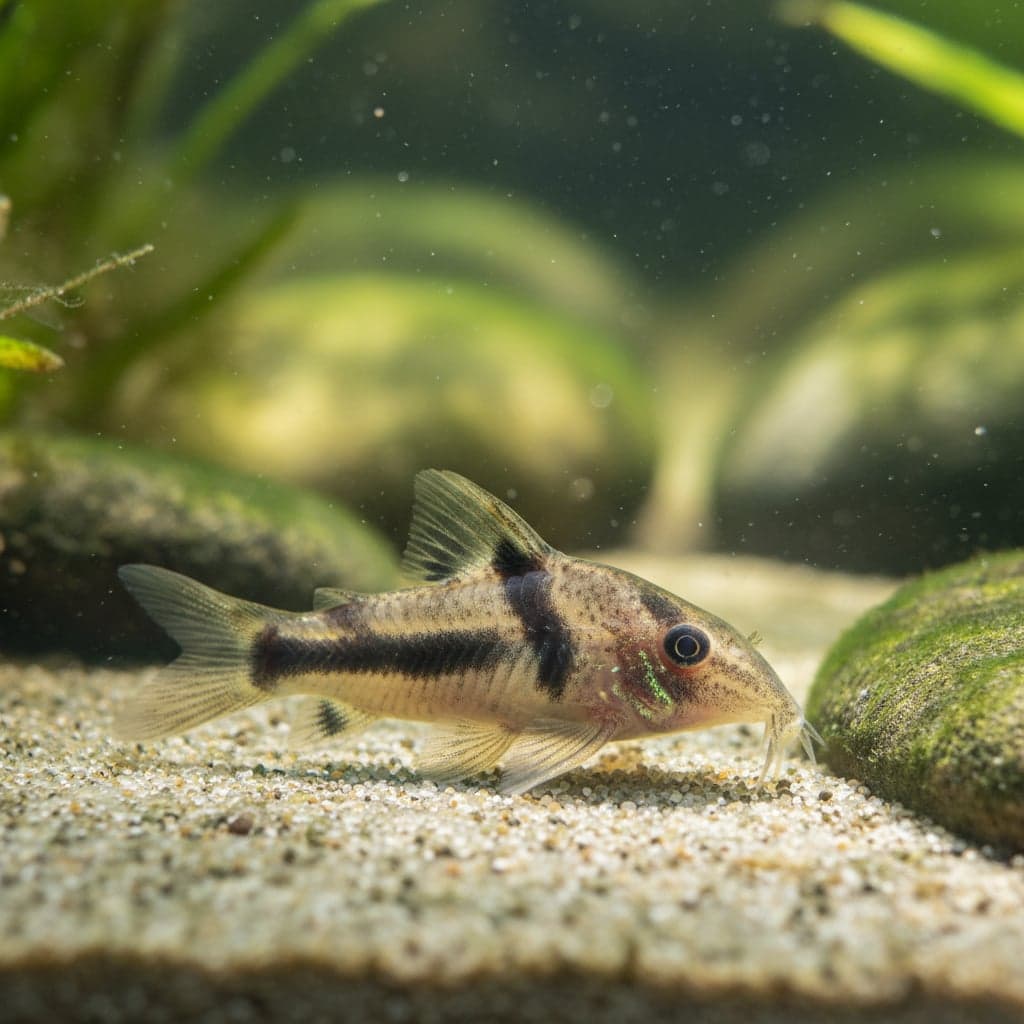
Narcisso Cory (CW006): Corydoras narcissus
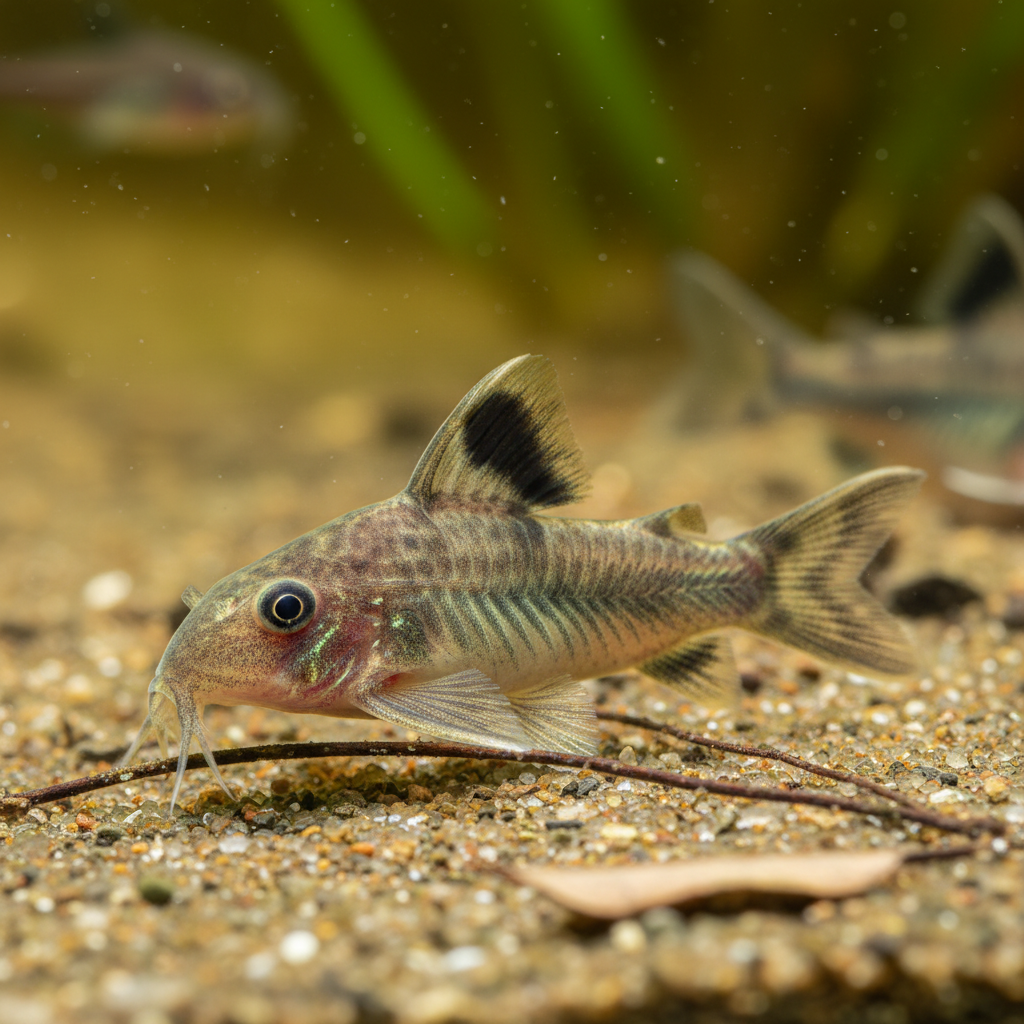
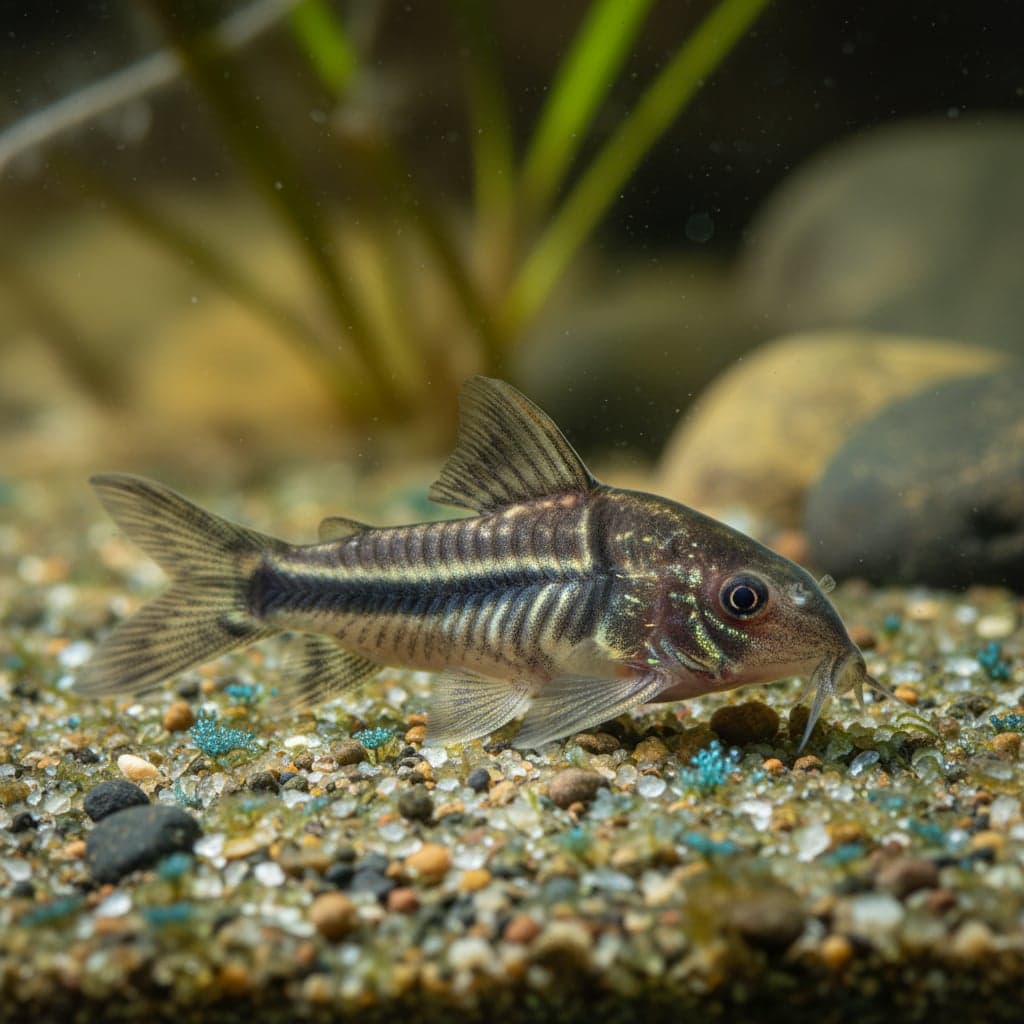
An impressively large, long-snouted corydoras featuring a stark white body and a single unbroken black stripe.
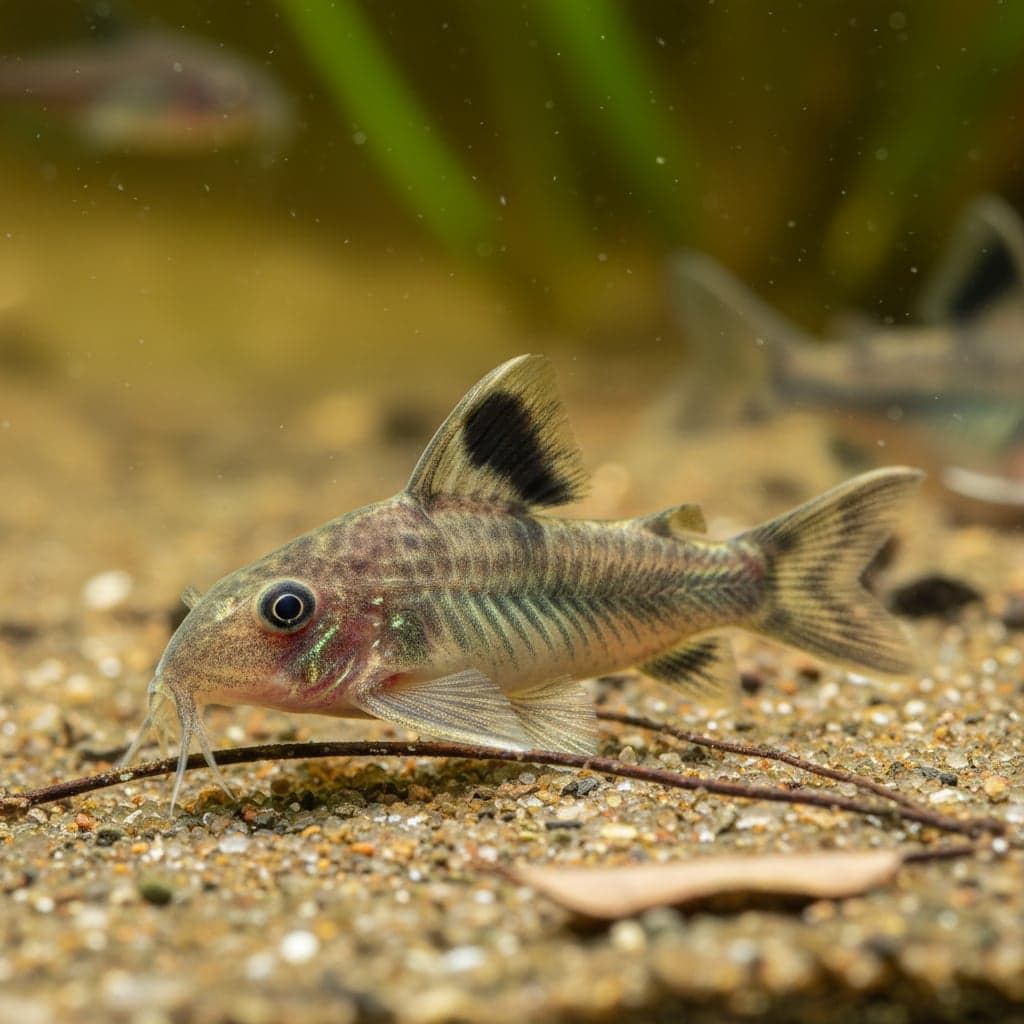
Narcisso Cory
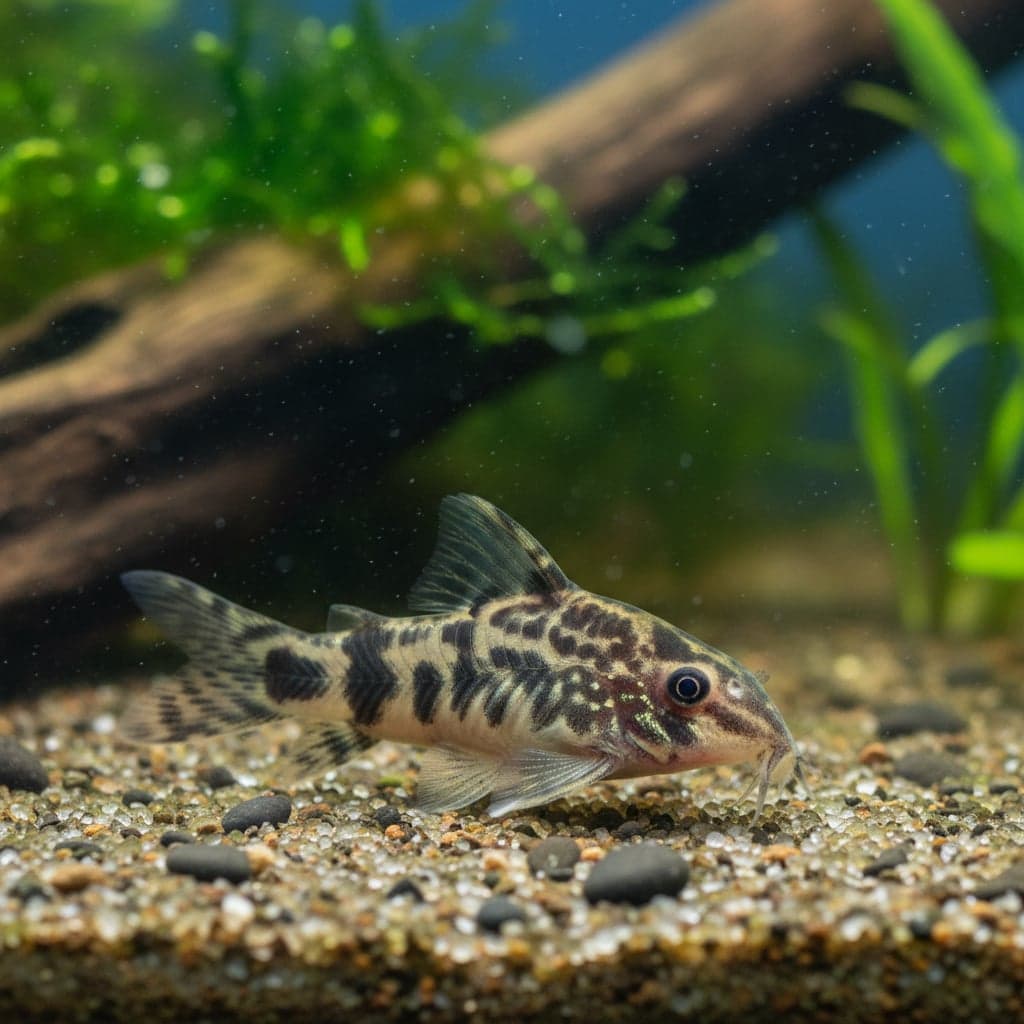
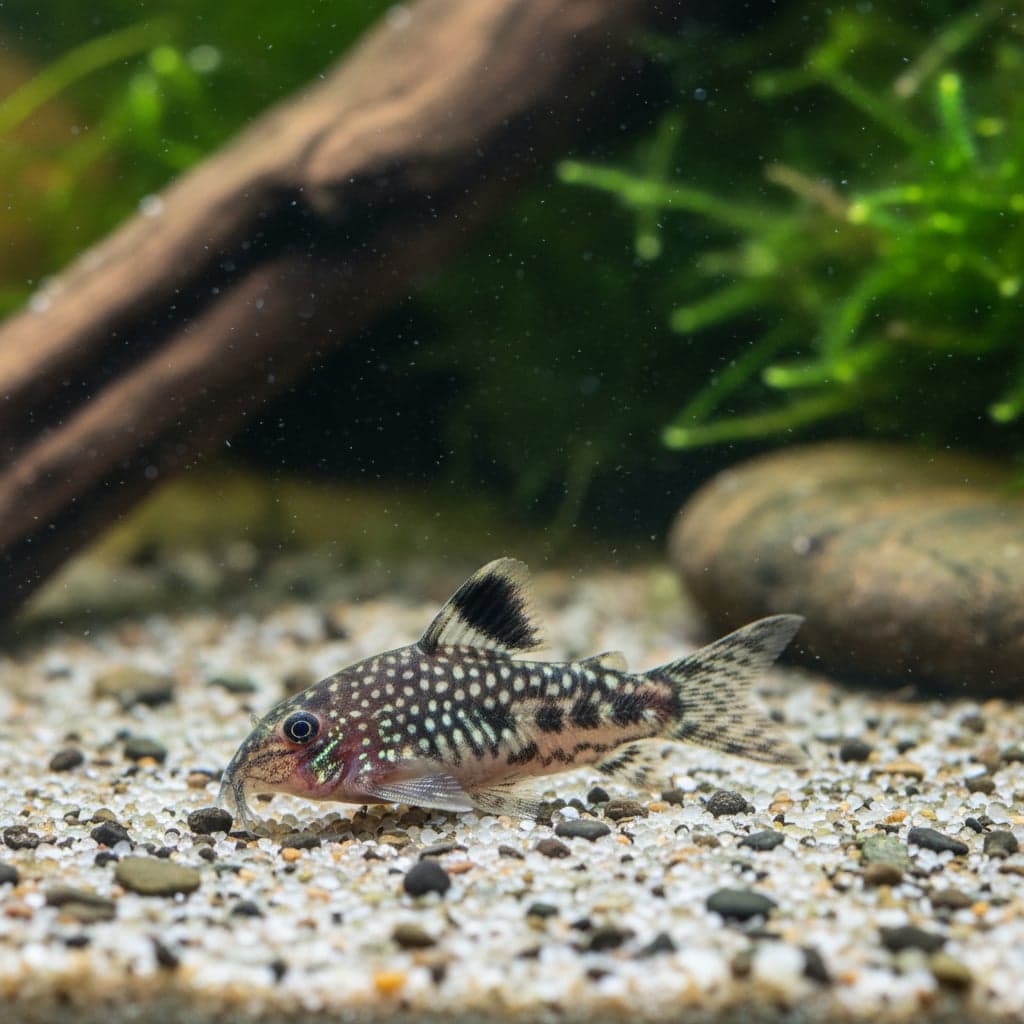
The Narcisso Cory, scientifically known as Corydoras narcissus, is a captivating species of catfish that is highly sought after in the aquarium hobby. With its intriguing patterns and distinctive coloration, it adds both visual appeal and biological diversity to community tanks. This small fish typically exhibits an elegant combination of light to medium grayish bodies adorned with striking black or dark brown spots, mimicking the delicate patterns reminiscent of a spotted orchid. Their playful nature and gentle disposition make them a favorite among aquarists, especially those who appreciate schooling fish that exhibit mesmerizing social interactions.
These bottom-dwelling fish not only enhance the aesthetic of an aquarium but also play a crucial role in the ecosystem of the tank. As scavengers, Narcisso Corys help maintain the tank's cleanliness by foraging for leftover food particles and detritus, thereby contributing to the overall health of the aquatic environment. Their significance extends beyond mere aesthetics, as they provide dynamic movement and engage in busy activities alongside other tank inhabitants. The Narcisso Cory serves as an ambassador for the Corydoras genus, embodying the blend of beauty, ecological importance, and ease of care that many aquarists seek.
Natural Habitat & Origin
Narcisso Corys are native to the intricate waterways of South America, specifically found in regions surrounding the Amazon River basin in Brazil. These waters exhibit characteristics typical of blackwater ecosystems, characterized by their dark coloration due to tannins released from decomposing plant matter and organic detritus. The environment is predominantly soft and acidic, with warm temperatures ranging from 24 to 28 degrees Celsius (75 to 82 degrees Fahrenheit). These conditions create a rich biodiversity, providing an ideal habitat for a variety of aquatic species, including the Narcisso Cory.
The need for specific environmental conditions in their natural habitat is crucial for understanding how to replicate their needs in captivity. These fish prefer densely planted areas and shallow, slow-moving waters where they can easily find cover and search for food. In nature, Narcisso Corys are often seen interacting in groups, foraging in the substrate for small invertebrates, plant detritus, and other organic matter, further illustrating their role in the ecosystem and their social nature.
Care Requirements
To provide optimal care for Narcisso Corys, aquarists should ensure their water parameters are well within the recommended ranges. The ideal pH for these fish is between 6.0 and 7.5, with a temperature range of 24 to 28 degrees Celsius (75 to 82 degrees Fahrenheit) and a water hardness of 2 to 15 dGH. It’s essential to maintain stable water conditions, as fluctuations can lead to stress and health issues. Regular water changes (about 25% weekly) will help keep the water clean and free of harmful toxins.
In terms of tank setup, a minimum size of 20 gallons is recommended to accommodate a small group of Narcisso Corys (at least 4 to 6 individuals). They thrive best with a soft, sandy substrate that allows them to root around comfortably while foraging. Incorporating plenty of plants, driftwood, and hiding spots will replicate their natural habitat, giving them a space to feel secure. Lighting should be moderate to low, as overly bright lighting can be stressful. Additionally, a gentle filter is preferable, aiming to create a calm water flow suitable for these serene fish.
Diet & Feeding
The Narcisso Cory is an omnivore, requiring a balanced diet to thrive in captivity. Their primary diet consists of high-quality sinking pellets and flakes as staples, along with a variety of supplementary foods. This can range from freeze-dried or frozen foods like bloodworms, brine shrimp, and daphnia, to live foods when available. It’s essential to provide a diverse diet to ensure their nutritional needs are met, promoting overall health, vibrant coloration, and robust growth.
Feeding should be done multiple times a day but in small amounts, ensuring that all food is consumed within a few minutes to avoid water quality issues. Offering a mix of vegetable-based foods, such as spirulina and blanched greens (e.g., zucchini or spinach), can also enhance their health and mimic their natural foraging behavior. Proper nutrition is key to a successful and thriving population of Narcisso Corys in your aquarium.
Behavior & Temperament
Narcisso Corys are known for their peaceful demeanor and sociable nature, making them ideal candidates for community aquariums. They exhibit fascinating schooling behavior; thus, they should be kept in groups of at least four to six individuals to promote comfort and reduce stress. This schooling behavior encourages healthy social interactions and reduces the likelihood of skittishness, leading to a more active and visible display.
In a typical tank setup, Narcisso Corys are bottom dwellers, spending much of their time scavenging and exploring the substrate. They are not aggressive; however, they may demonstrate some territorial behaviors if kept with larger or more boisterous species. Placing them in the lower regions of the tank will allow them to explore their environment freely while providing room for more active species above. Their engaging interactions and peaceful nature make them a valuable addition to any community aquarium.
Tank Mates
When selecting tank mates for Narcisso Corys, it is essential to choose species that share compatible temperaments and habitat requirements. Ideal companions include other small, peaceful fish such as Neon Tetras, Harlequin Rasboras, and Guppies. Additionally, smaller cichlids like Apistogramma or peaceful loaches such as the Butler Loach can coexist harmoniously. These fish typically inhabit different water levels in the tank, minimizing territorial disputes and fostering a serene environment.
On the contrary, avoiding aggressive or larger species is crucial when establishing community tanks. Fish that are known to be nippers, such as some species of barbs, and larger predatory fish, such as angelfish or oscars, should not be housed with Narcisso Corys. Such combinations can lead to stress or injury for the smaller, more delicate Corydoras. By mindfully selecting appropriate tank mates, aquarists can create a dynamic and peaceful underwater community.
Breeding
Breeding Narcisso Corys in captivity can be a rewarding endeavor, provided the correct conditions are met. The first step is to ensure a well-maintained, stable tank environment, including parameters within the ideal range for both pH and temperature. Typically, a separate breeding tank may be established for this purpose, featuring only a few breeding pairs and minimal décor to create a conducive environment.
Narcisso Corys engage in typical spawning behavior, often laying fertilized eggs on flat surfaces or plant leaves. Male Corys will perform a courtship display to attract females, leading to the spawning process. It is advisable to provide plenty of flat surfaces and fine-leaved plants for the females to deposit their eggs. Successful fertilization often requires slight changes in water conditions, such as a slight increase in temperature and the addition of fresh, clean water, which mimics the rainy season in their natural habitat. After a few days, the eggs will hatch, and it is important to Ensure the fry are fed high-quality powdered food or infusoria for optimal growth and health.
Common Health Issues
While Narcisso Corys are relatively hardy, they can be prone to common health issues that affect many freshwater fish. One of the most common is ich, which appears as white spots when fish are stressed or water quality declines. Soft sand, regular water changes, and a proper group of six or more help prevent barbel infections and fin rot. Quarantine newcomers and avoid copper when possible. Watch for clamped fins, gasping, or eroded barbels, and treat promptly. Stable soft-water parameters keep Narcisso Corys healthy, social bottom-dwellers for years.