Nassarius Snail: Nassarius vibex
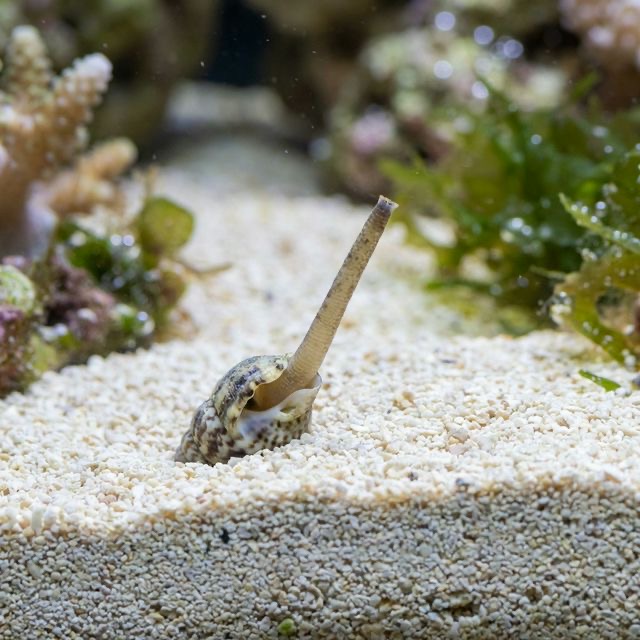
The submarine of the sandbed. Nassarius snails bury themselves in the sand and erupt like zombies when they smell food in the water column.

Nassarius Snail
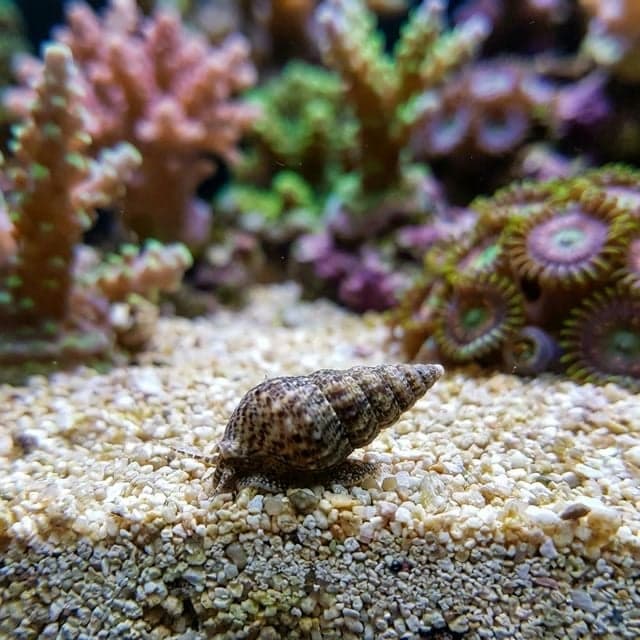
The Nassarius Snail, scientifically known as Nassarius vibex, is a popular gastropod within the aquarium hobby, renowned for its distinct appearance and beneficial role in maintaining a healthy tank ecosystem. Characterized by its elongated, conical shell adorned with small ridges and a creamy white color, the Nassarius Snail is not only a visual treat but also an intriguing creature that spends a significant amount of time burrowing into the substrate. Their unique scavenging behavior makes them an excellent addition to any aquarium, especially for established systems where they can help clean up uneaten food and organic detritus, promoting a balanced environment and preventing harmful waste accumulation.
In addition to their attractive features, Nassarius Snails are often viewed as ecosystem engineers. They contribute positively to the tank's health by aerating the substrate and breaking down organic matter. Their presence is particularly essential in sandy substrates, where they thrive and play a vital role in the overall cleanliness of the aquarium. With their fascinating burrowing habits and the ability to adapt to various environments, the Nassarius Snail has become a favorite among aquarists, offering both aesthetic value and ecological benefits.
Natural Habitat & Origin
Nassarius snails are predominantly found in the shallow waters of the Caribbean and the Gulf of Mexico, often residing in sandy substrates along the coastline. They favor a brackish to slightly saline environment, which provides the ideal conditions for their growth and reproduction. These snails can typically be spotted in areas with moderate to strong currents, where they bury themselves in the sand, emerging primarily during feeding times. The natural habitat varies from clear waters that allow for ample light penetration to murkier areas where organic matter settles, showcasing their adaptability to different aquatic environments.
In terms of specific ecological conditions, the Nassarius Snail thrives best in areas rich in detritus and decomposing matter. They prefer temperatures ranging from 72°F to 78°F (22°C to 26°C) and a pH level between 7.5 and 8.5, which closely mimics their natural habitat. Ensuring that these parameters are maintained in an aquarium setting is crucial for their health and vitality.
Care Requirements
Caring for Nassarius Snails requires attention to several key water parameters to ensure their well-being. The ideal pH level for keeping these snails ranges between 7.5 and 8.5, with a temperature preference of 72°F to 78°F (22°C to 26°C). A general hardness (dH) between 8 and 12 degrees is suitable, providing a conducive environment for their growth. In terms of tank setup, a minimum aquarium size of 20 gallons is recommended, allowing enough space for these snails to thrive and explore.
The substrate is a significant factor in creating a suitable habitat for Nassarius Snails, as they benefit from a soft, sandy bottom that allows for easy burrowing. Lighting in the tank should be moderate, as excessive brightness may stress these snails. Plant life is beneficial as well, with options like seagrasses and low-light aquatic plants providing coverage and contributing to the overall aesthetic of the aquarium. A well-aerated environment with appropriate filtration is recommended to maintain water quality, crucial for the health of these snails.
Diet & Feeding
Nassarius Snails are primarily scavengers, considered omnivores with a penchant for detritus and decomposing organic material. Their diet in captivity should reflect their natural feeding habits, including a combination of high-quality flakes, pellets, frozen, and live foods. They will readily consume leftover fish food, making them excellent companions in a community tank where other fish are present. It’s essential to ensure that adequate food is available since these snails primarily feed when the lights are off, scavenging the substrate for any uneaten debris.
Scheduled feedings should include sinking pellets or specialized snail food to ensure they receive the necessary nutrients. They also benefit from the occasional treat of blanched vegetables like zucchini or spinach, which can enhance their diet and provide additional nutrition. Care should be taken to avoid overfeeding, as uneaten food can contribute to poor water quality, impacting not only the snails but the overall health of the aquarium.
Behavior & Temperament
Nassarius Snails exhibit fascinating behavior, characterized by their scavenging and burrowing tendencies. They are social creatures and generally thrive in groups, which contributes to their natural behavior patterns. While they do not exhibit schooling habits like fish, they prefer to be with other snails, which can help create a visually dynamic and engaging aquarium environment. Their peaceful nature means they pose no threat to other tank inhabitants, making them ideal tank mates for community setups.
In terms of vertical placement, Nassarius Snails primarily inhabit the substrate, often burrowing themselves in the sand during the day and emerging at night to feed. This nocturnal behavior makes them less visible during the day, but their activity level increases after the lights go out, making them an interesting feature of an aquarium’s nighttime ecosystem.
Tank Mates
Nassarius Snails are generally compatible with a wide range of fish and invertebrate species, as their peaceful demeanor makes them amicable to community tanks. Suitable tank mates include small schooling fish species like Tetras, Rasboras, and Danios, as well as other peaceful bottom dwellers such as Corydoras Catfish and other snails, as long as space allows for their coexistence. Additionally, they can thrive alongside various shrimp species, like Cherry Shrimp or Ghost Shrimp, enhancing the diversity of a well-maintained aquarium.
However, there are certain species that should be avoided when housing Nassarius Snails due to their potential for aggression or predatory behavior. Larger, more aggressive fish like Cichlids and certain species of Puffers may pose a threat to the snails, either by aggression or by preying on them. It's essential to curate a peaceful community and choose tank mates wisely to ensure a harmonious aquarium environment.
Breeding
Breeding Nassarius Snails in captivity can be a challenging endeavor, as they are dioecious, meaning there are distinct male and female snails, and successful spawning requires both. They generally lay their eggs on hard surfaces of the aquarium, such as glass or decorations, typically depositing them in small clusters. For successful breeding, the water conditions must be optimal; a temperature range of approximately 75°F to 80°F (24°C to 27°C) and a stable pH between 7.5 and 8.5 are vital.
Creating an environment that mirrors their natural habitat with plentiful food and hiding spots can encourage breeding behavior. However, keeping the eggs safe can be trickier, as many fish may eat them. It is recommended to use a breeding tank or provide a gamete-friendly section of the aquarium where snails can lay eggs safely away from potential predators. Once the eggs hatch, baby snails should be fed finely crushed food or liquid fry food, ensuring they receive the nutrition they need to grow.
Common Health Issues
Nassarius Snails are generally hardy creatures, but they can be prone to specific health issues in captivity. One common concern is shell degradation, which can occur if the snails do not receive sufficient calcium in their diet. To prevent shell-related health issues, it's crucial to supplement their diet with calcium-rich foods and ensure that the aquarium water maintains adequate alkalinity and calcium levels. Low calcium or acidic pH can lead to shell thinning, pitting, and erosion over time. Like all marine invertebrates, Nassarius snails are extraordinarily sensitive to copper and copper-based treatments, which are lethal even in trace amounts. Maintaining stable salinity, pristine water parameters, and ensuring they have sufficient organic leftovers to forage will keep your sandbed cleanup crew healthy and actively burrowing for years.