Nicaragua Cichlid: Hypsophrys nicaraguensis
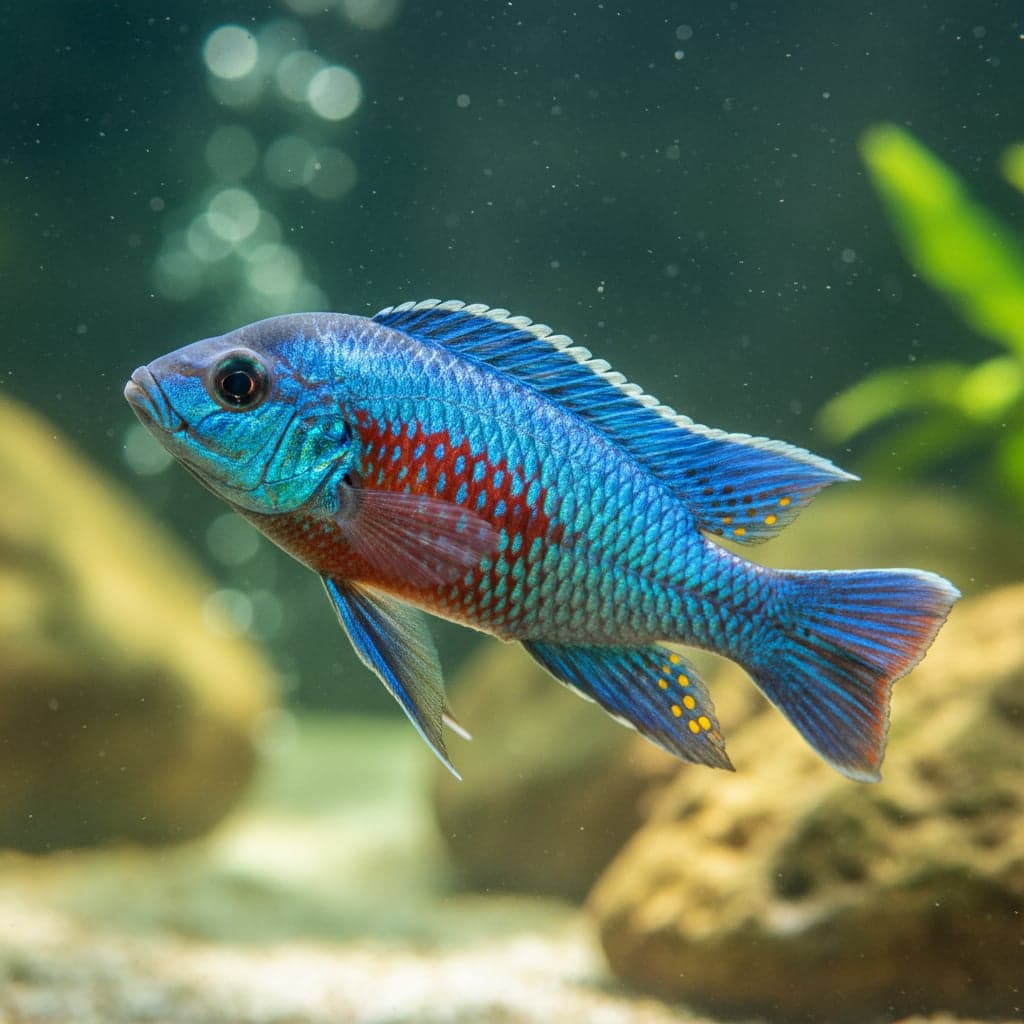
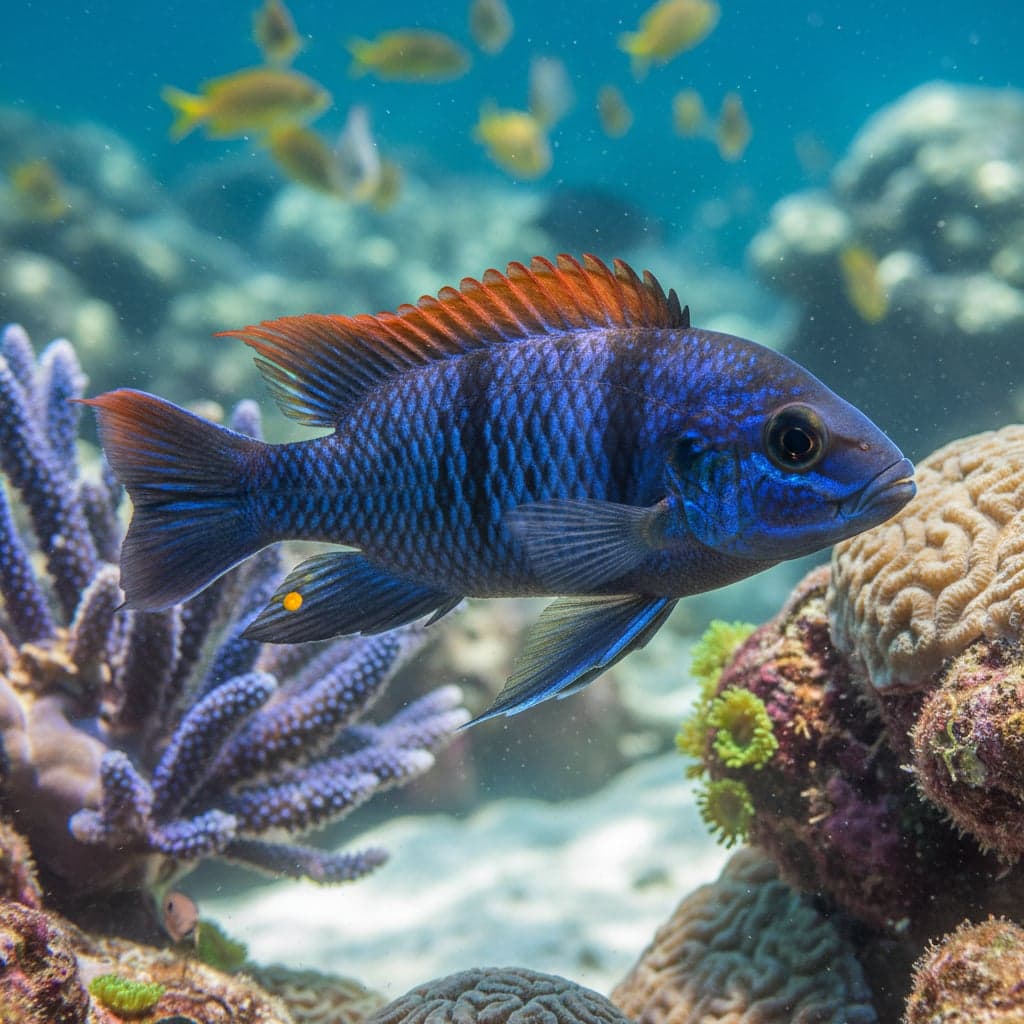
A spectacularly colored Central American cichlid known as the "Macaw Cichlid" for its bright greens, blues, and oranges.

Nicaragua Cichlid
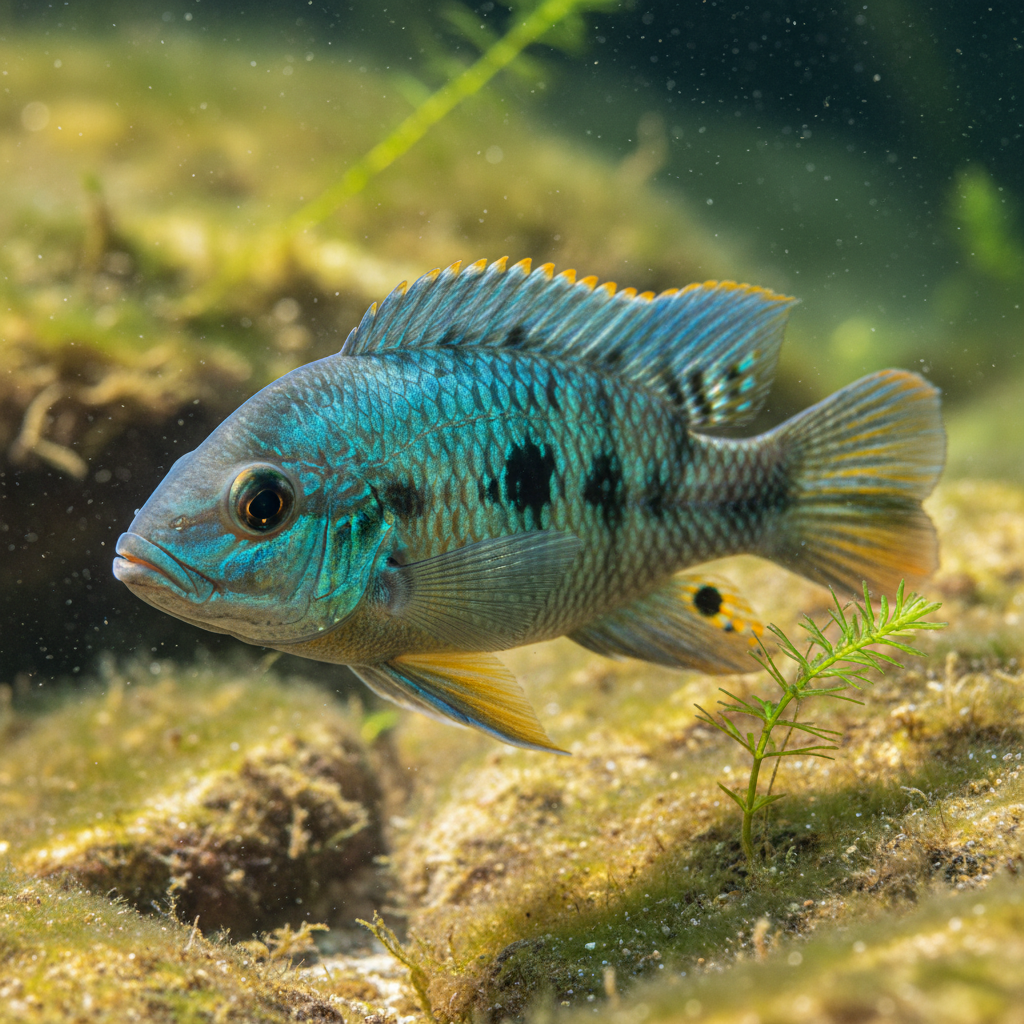
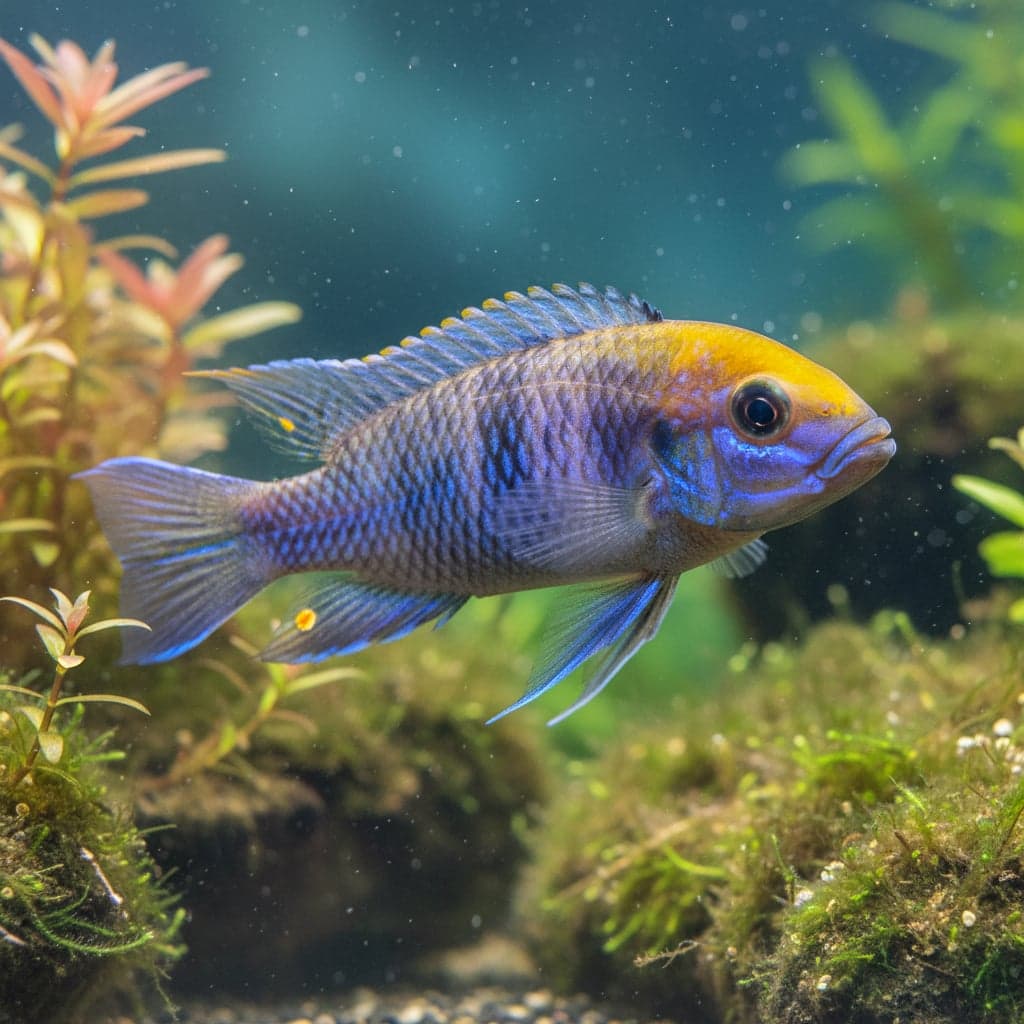
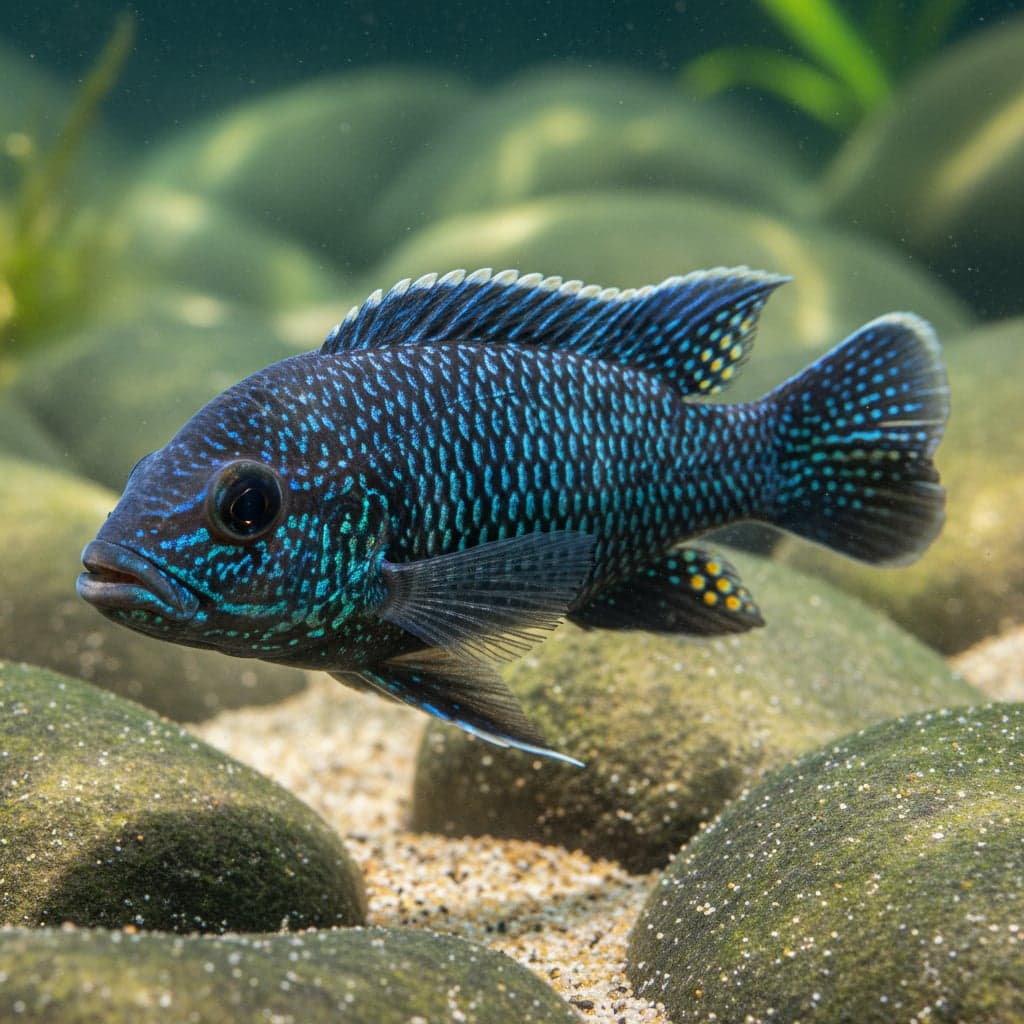
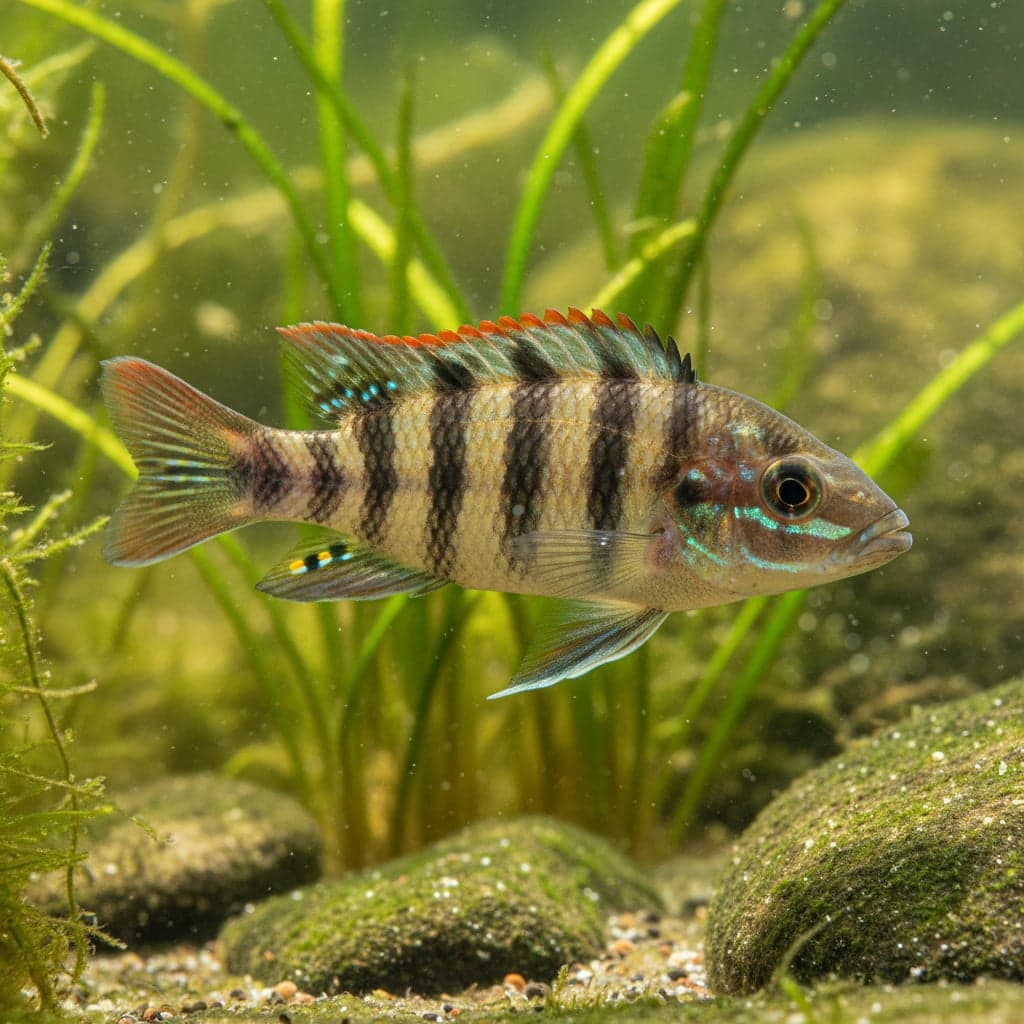
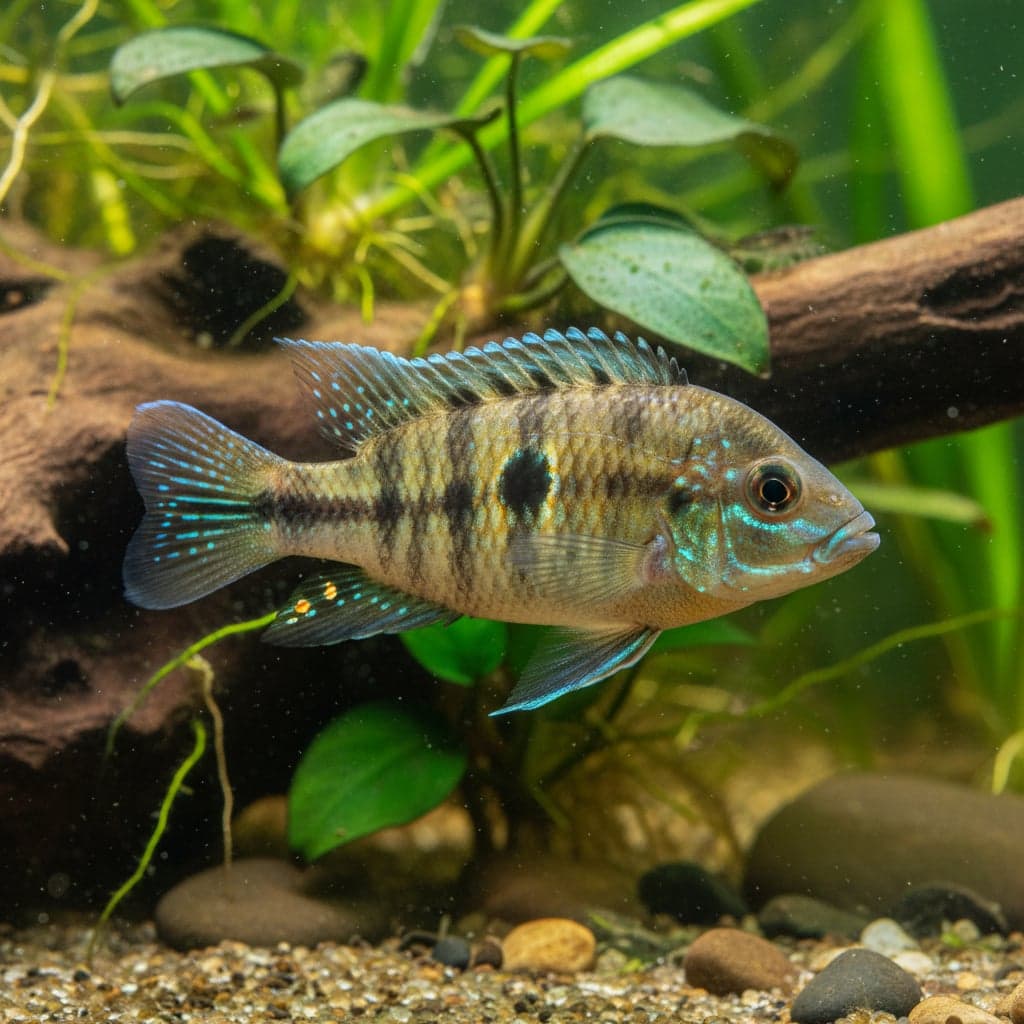
The Nicaragua Cichlid, scientifically known as Hypsophrys nicaraguensis, is an enchanting freshwater fish revered in the aquarium hobby for its striking coloration and dynamic personality. This species exhibits a blend of vibrant blues, greens, and yellows, often illuminated by shimmering iridescence that captivates fish enthusiasts. Nicaragua Cichlids possess a distinctive elongated body shape, showcasing crucial features such as vibrant horizontal stripes and expressive fins that add to their visual appeal. As they mature, their colors become more pronounced, making them not only fascinating to observe but also a sought-after addition to many aquarium collections.
Beyond aesthetics, the Nicaragua Cichlid holds cultural and ecological significance. Originally found in Central America, particularly Nicaragua and parts of Costa Rica, this species is an important player in its native ecosystems, where it helps maintain a balanced aquatic environment. As a popular choice among aquarists, their charming behavior and vibrant colors contribute to the hobby's diverse offerings. Understanding their natural history and care requirements is essential for both novice and seasoned aquarists who wish to keep these beautiful cichlids in their tanks.
Natural Habitat & Origin
The Nicaragua Cichlid is native to the freshwater lakes and river systems of Nicaragua and parts of Costa Rica, thriving primarily in tranquil environments. These fish inhabit a range of water types, predominantly found in slow-moving rivers and lakes characterized by clear waters with submerged vegetation. The natural habitat presents a mix of sandy and rocky substrates, adorned with fallen logs and plant material. The water conditions in their environment are typically soft with a slightly acidic to neutral pH, often reflecting the blackwater ecosystem where organic materials decompose and release tannins, painting the water rich amber hues.
Nicaragua Cichlids prefer stable environments where they can establish territories, making knowledge of their natural habitat essential for reproducing suitable conditions in captivity. Understanding these geographical and environmental specifics enhances an aquarist’s ability to create a thriving habitat that mimics their wild surroundings, fostering better health and well-being for the fish.
Care Requirements
To successfully care for Nicaragua Cichlids, specific water parameters must be maintained to replicate their natural habitat. Ideal water conditions include a pH level of 6.6 to 7.6, a temperature range of 75°F to 82°F (24°C to 28°C), and a hardness of 5 to 15 dGH. It is crucial to regularly test water parameters to ensure a safe living environment for these fish.
Tank setups should ideally be a minimum of 50 gallons to allow for adequate swimming space and territorial establishment. A sandy substrate is recommended, as it mimics their natural environment and allows for digging behaviors. Providing hiding spots using driftwood, rocks, and caves is essential for their comfort and security. Moderate lighting with floating plants can diffuse the light, creating an environment similar to their native blackwater habitats. Regular water changes and filtration are necessary to maintain water quality, ensuring the well-being of the Nicaragua Cichlid.
Diet & Feeding
The Nicaragua Cichlid is an omnivorous species, which allows for a diverse diet in aquariums. In their natural habitat, their diet consists of small invertebrates, plant matter, and detritus. In captivity, it is crucial to provide a balanced diet to ensure optimal health. High-quality pellets designed for cichlids can serve as a staple diet, supplemented by flakes packed with vitamins.
Frozen or live foods such as brine shrimp, bloodworms, and daphnia are excellent options to offer variety and encourage natural hunting behavior. Additionally, incorporating blanched vegetables—such as zucchini or spinach—can aid in fulfilling their dietary needs, helping to mimic their foraging habits in the wild.
Behavior & Temperament
Nicaragua Cichlids exhibit intriguing behavior, characterized by their dynamic and sometimes territorial nature. They are semi-aggressive, particularly during breeding periods or when establishing territory within the aquarium. While they can display dominant behaviors towards tank mates, they also possess a curious and interactive temperament, often engaging with their environment and owners.
Social behaviors can vary; while they may not necessarily school, they do benefit from being housed with compatible tank mates that provide stimulation without excessive competition. Nicaragua Cichlids generally inhabit the mid to lower levels of the tank, and setting up specific territories will help minimize aggression and create a peaceful environment.
Tank Mates
When selecting tank mates for Nicaragua Cichlids, it is vital to consider both temperament and size. Compatible species include larger cichlids like the Jack Dempsey or other Central American cichlids that can coexist peacefully with these fish. Other options may involve robust, larger-bodied fish such as rainbowfish, larger barbs, and certain species of catfish that can withstand the Nicaragua Cichlid's semi-aggressive nature.
Species to avoid include smaller, more docile fish that can easily become targets for bullying, as well as fish that inhabit similar niches, which may lead to territorial disputes. Careful selection of tank mates is necessary to prevent stress and ensure a harmonious community tank.
Breeding
Breeding Nicaragua Cichlids in captivity is a rewarding endeavor, but specific conditions must be met to encourage successful spawning. They are substrate spawners, typically laying eggs on flat surfaces, rocks, or even within caves. A separate breeding tank with appropriate water parameters (pH around 7.0, temperature at 80°F) and ample hiding spaces is often advantageous.
When ready to breed, the female will exhibit pronounced coloration and may engage in courting displays to attract a mate. After laying eggs, usually numbering in the hundreds, both parents tend to the eggs, guarding them against intruders. Ensuring a nutritious diet and stable water conditions will enhance the chances of fry survival once the eggs hatch, typically in 2 to 4 days.
Common Health Issues
Nicaragua Cichlids are relatively healthy fish; however, they can be prone to common ailments like ich and fin rot, especially if stressed or kept in suboptimal conditions. Regular monitoring of water quality, maintaining a clean tank, and minimizing stress through proper environmental setups will help prevent these health issues.
Quarantine procedures for newcomers and routine health checks on existing fish are essential preventive measures. Additionally, observing feeding habits and general behavior can serve as early indicators of potential health problems, allowing for prompt intervention where necessary.