Nudiceps Dwarf Cichlid: Nanochromis parilus
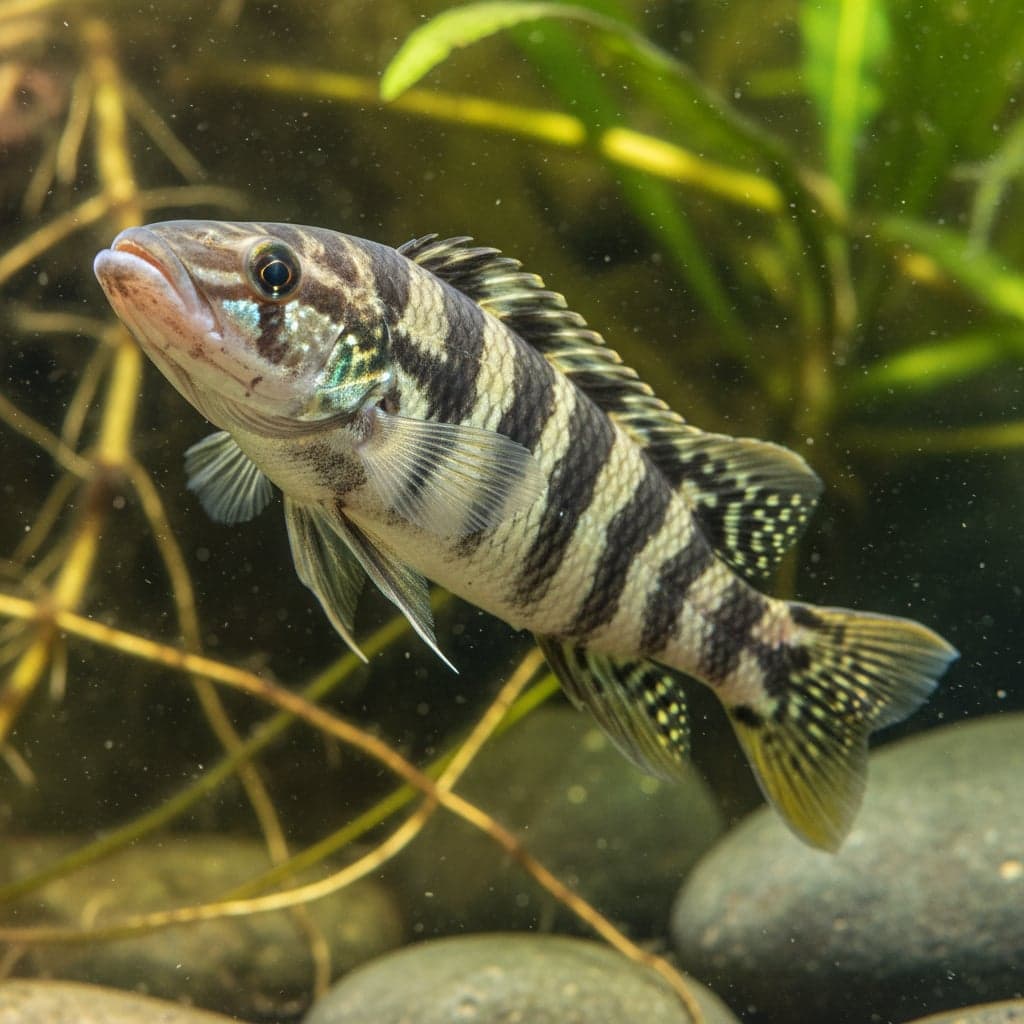
A strikingly beautiful, highly aggressive dwarf cichlid from the insanely fast-flowing rapids of the Congo River.
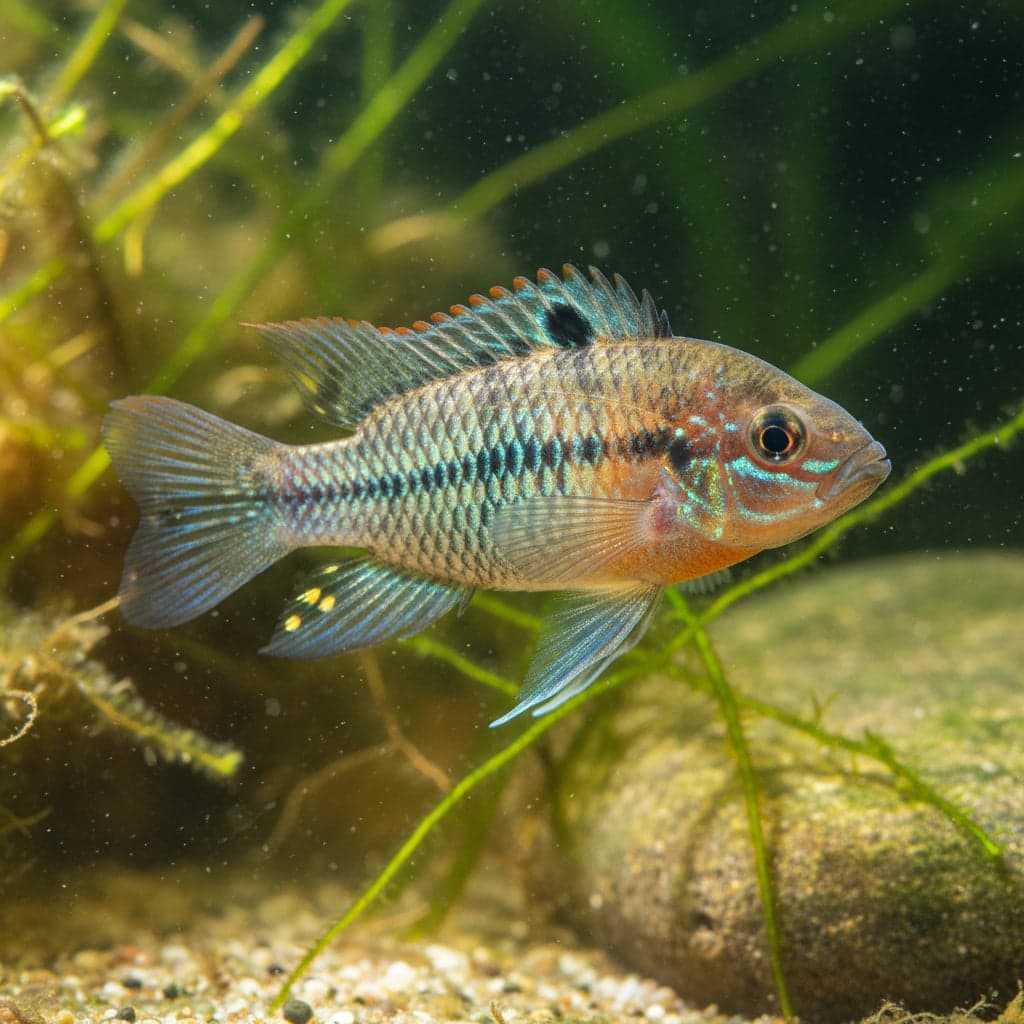
Nudiceps Dwarf Cichlid
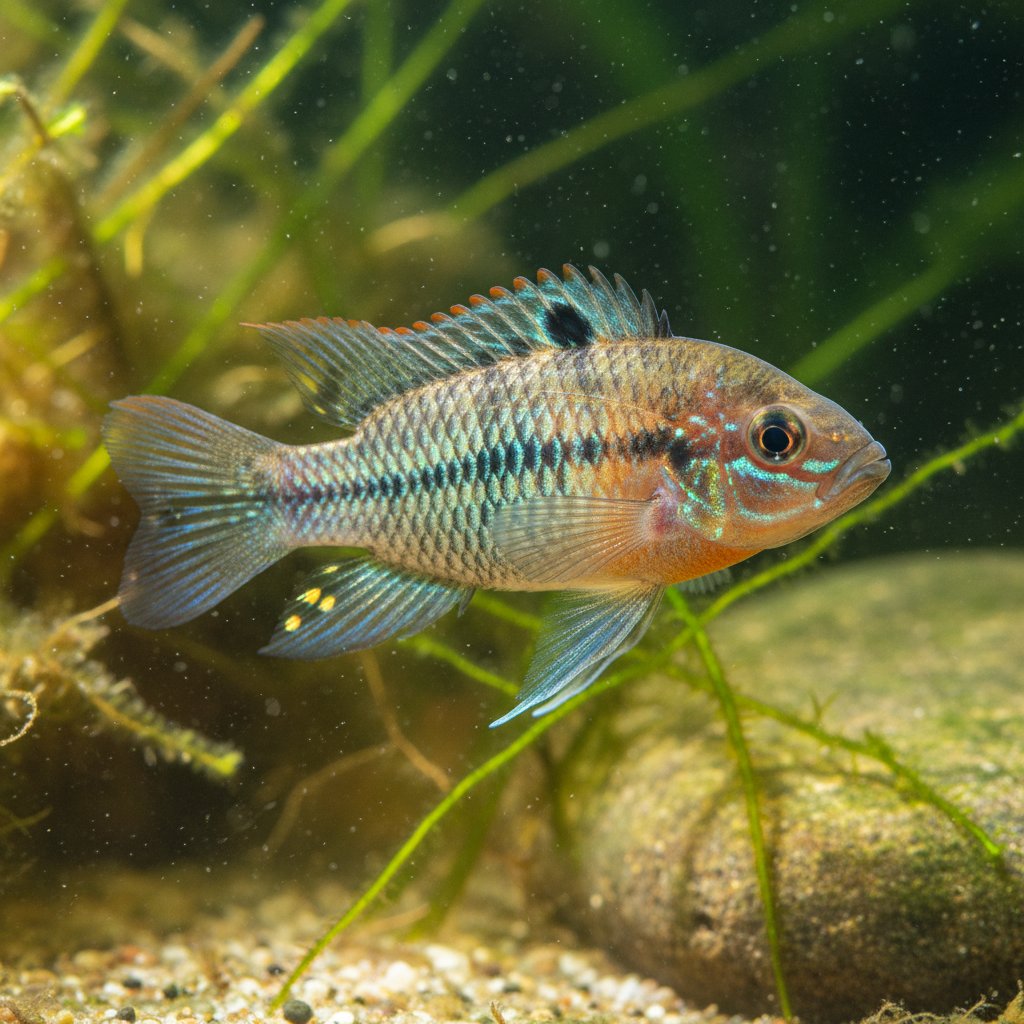
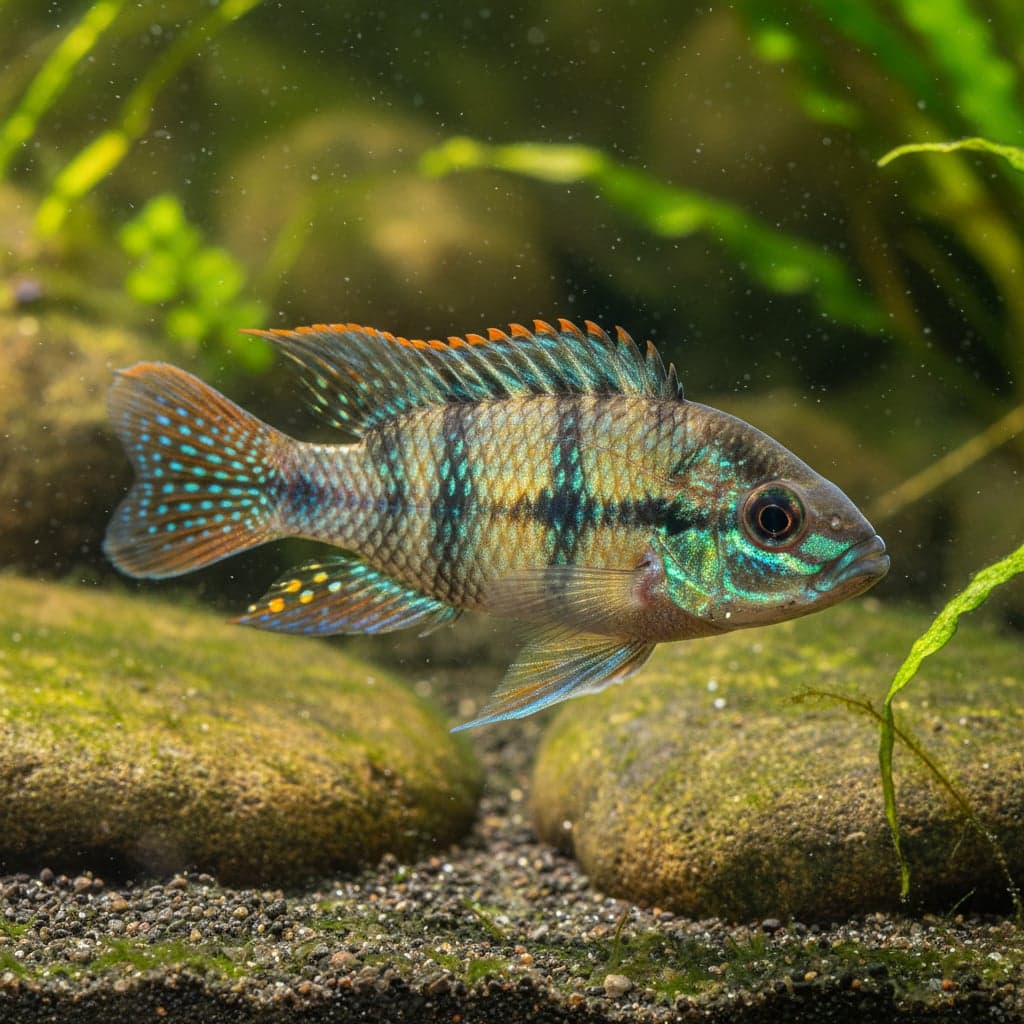
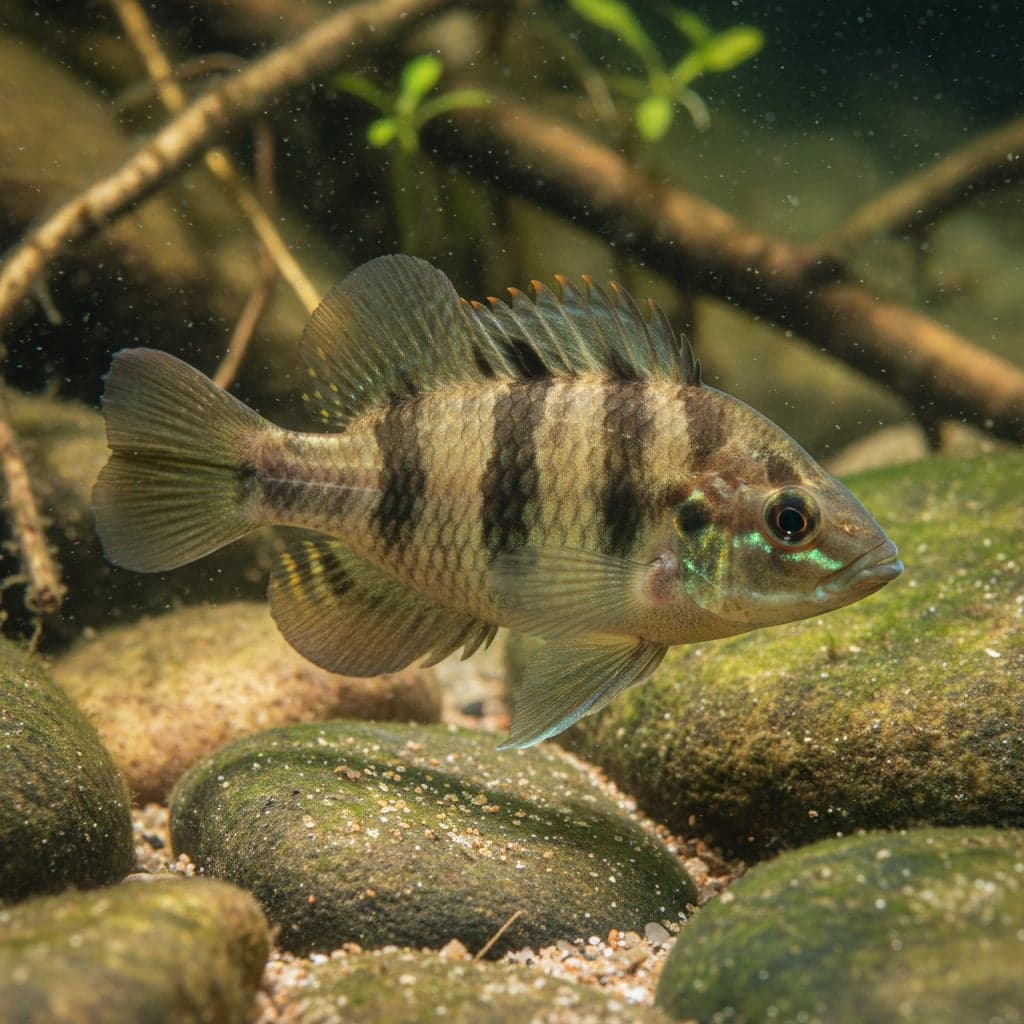
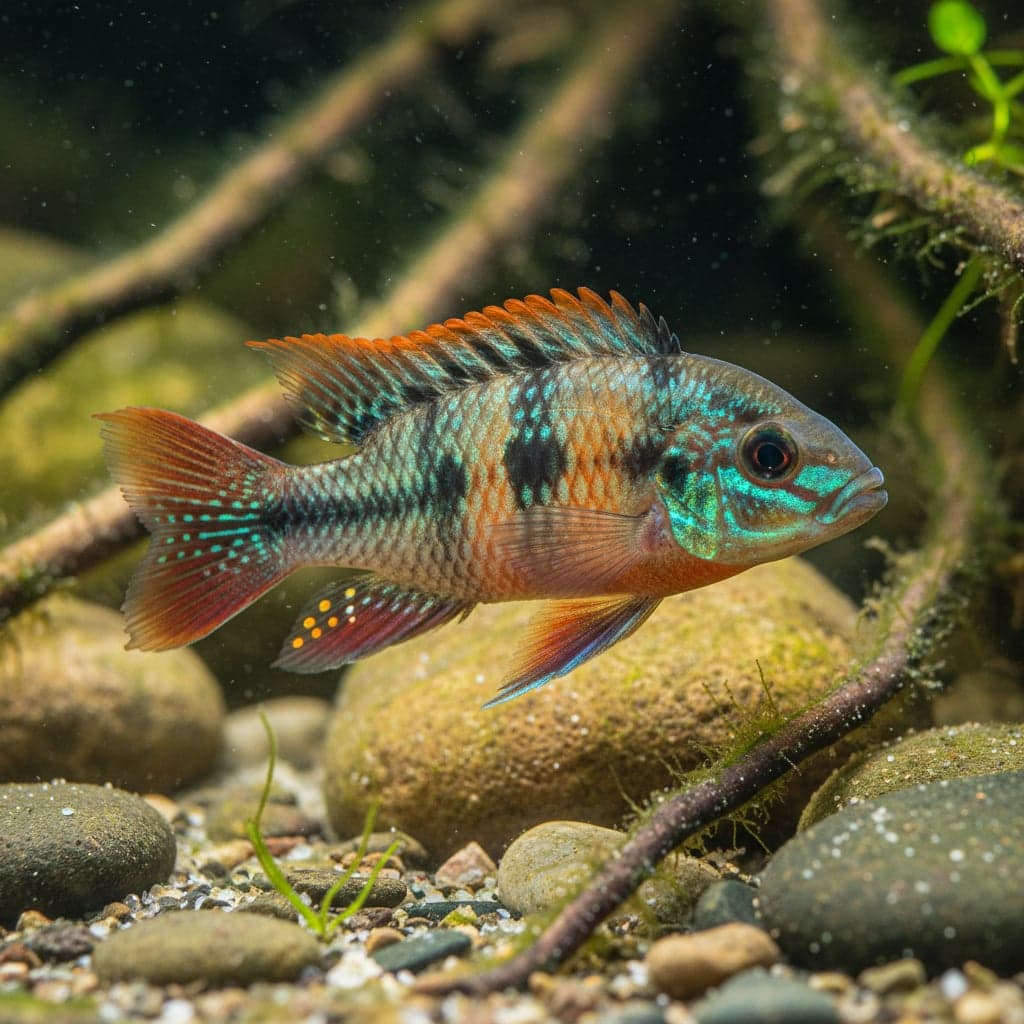
The Nudiceps Dwarf Cichlid, scientifically known as Nanochromis parilus, is a captivating freshwater fish that has gained immense popularity among aquarists due to its stunning coloration and unique behaviors. This small cichlid typically reaches a length of around 2 to 3 inches, making it a perfect candidate for nano tanks. The Nudiceps exhibits an array of hues, including bright blues, yellows, and iridescent greens, particularly in mature males. Its striking appearance not only enhances the aesthetic appeal of any aquarium but also brings a dynamic presence that encourages aquarists to create specialized biotope environments to mimic its natural habitat.
Significantly, the Nudiceps Dwarf Cichlid plays a crucial role in the aquarium hobby, not just because of its visual charm, but due to its relatively peaceful nature, making it suitable for community tanks. As a dwarf cichlid, it brings complexity to tank dynamics while offering educational opportunities for hobbyists interested in breeding and caring for various cichlid species. This fish is a testament to the diversity and beauty of aquatic life, representing the exciting exploration that comes with maintaining a healthy and vibrant aquarium.
Natural Habitat & Origin
The natural habitat of the Nudiceps Dwarf Cichlid primarily spans the river basins of the Congo in Central Africa. These fascinating fish inhabit slow-moving waters characterized by their blackwater environment, enriched with decaying plant materials and organic matter that creates a dark, tea-like coloration in the water. These conditions contribute to a soft, slightly acidic quality of the water, where the Nudiceps thrives. The dense vegetation found in its native habitat, including floating plants, submerged roots, and structures for hiding, are vital for its survival, providing shelter and breeding grounds.
In the wild, the Nudiceps Dwarf Cichlid is often found around the edges of rivers and lakes where they can forage among submerged debris and plants. Due to this specialized environment, the fish has adapted to specific water conditions that replicate these natural habitats. Understanding this context is essential for aquarists who wish to create a successful living environment for their Nudiceps.
Care Requirements
To provide optimal care for the Nudiceps Dwarf Cichlid, specific water parameters must be maintained. Ideally, the pH should range from 6.0 to 7.5, with a temperature between 73°F to 82°F and a hardness range of 5 to 10 dGH. Maintaining these conditions will promote health and longevity in this species. For tank setup, a minimum tank size of 20 gallons is recommended to ensure ample swimming space and territory to reduce aggression among males and promote natural behavior.
When setting up the tank, use a dark substrate to enhance the fish's vibrant colors, and incorporate plenty of hiding spots with rocks, driftwood, and plants such as Amazon swords and Java ferns. Lighting should be moderate, allowing for shaded areas to mimic their natural habitat. Including floating plants can also diffuse lighting and create a more serene setting for these cichlids.
Diet & Feeding
The Nudiceps Dwarf Cichlid is classified as an omnivore, exhibiting a flexible diet that consists primarily of live and frozen foods. In captivity, it thrives on a varied diet including high-quality pellets, flakes, and live or frozen options such as brine shrimp, bloodworms, and daphnia. While they are not picky eaters, it is essential to provide a balanced diet that includes both plant-based and protein-rich foods to promote growth and vibrant coloration.
Feeding should be carried out multiple times a day in small amounts to ensure that all fish receive adequate nutrition while preventing water quality issues caused by excess food. It's important to observe their feeding behavior and adjust the diet according to individual preferences and health.
Behavior & Temperament
In terms of behavior, the Nudiceps Dwarf Cichlid is generally peaceful but can exhibit territorial tendencies, especially during breeding periods. They are known to display unique social structures, often forming pairs or small groups, but do best in larger spaces with plenty of hiding spots to establish territories. While they are not schooling fish in the traditional sense, they engage in social interactions and can coexist with other species when adequate space is provided.
In the aquarium, the Nudiceps prefers to occupy the lower and mid-levels of the tank, often darting between hiding spots and structures. Monitoring their interactions is vital, especially in community setups, to reduce stress and aggression levels.
Tank Mates
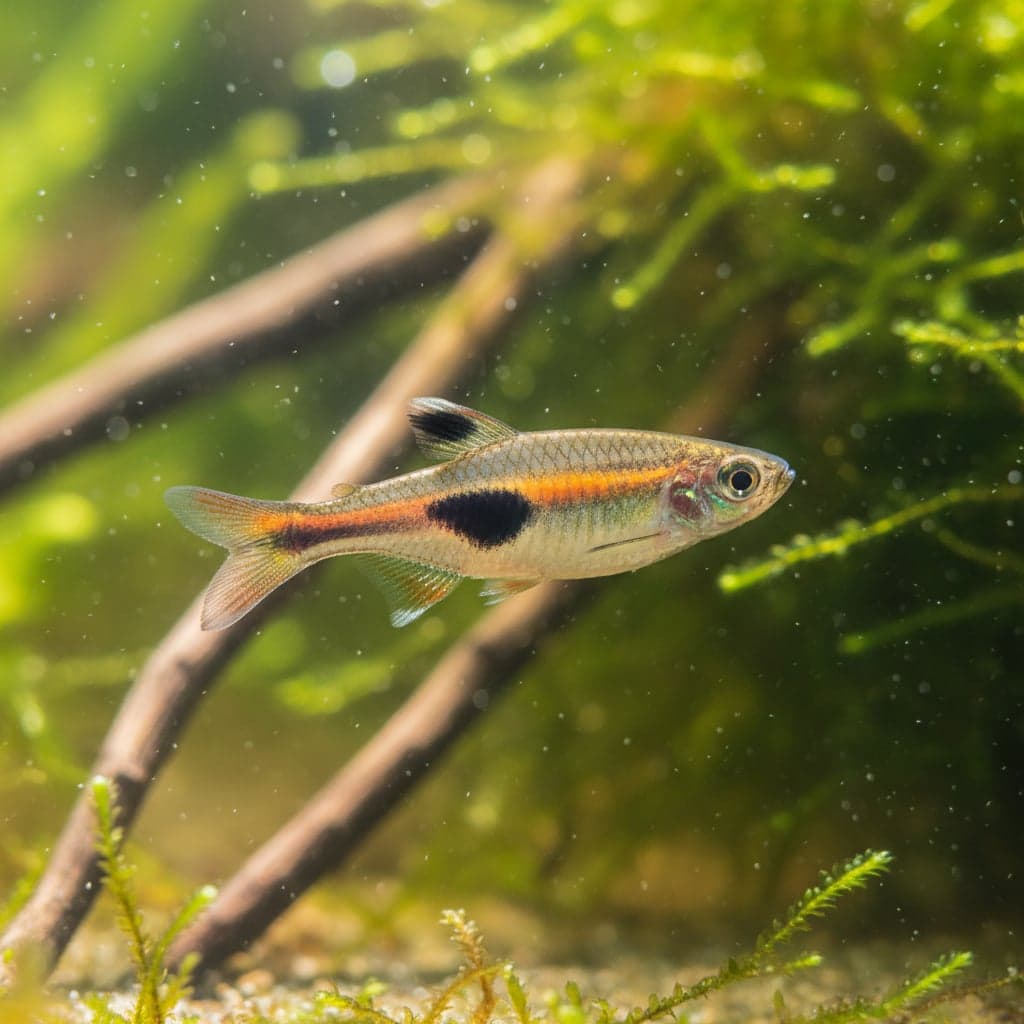
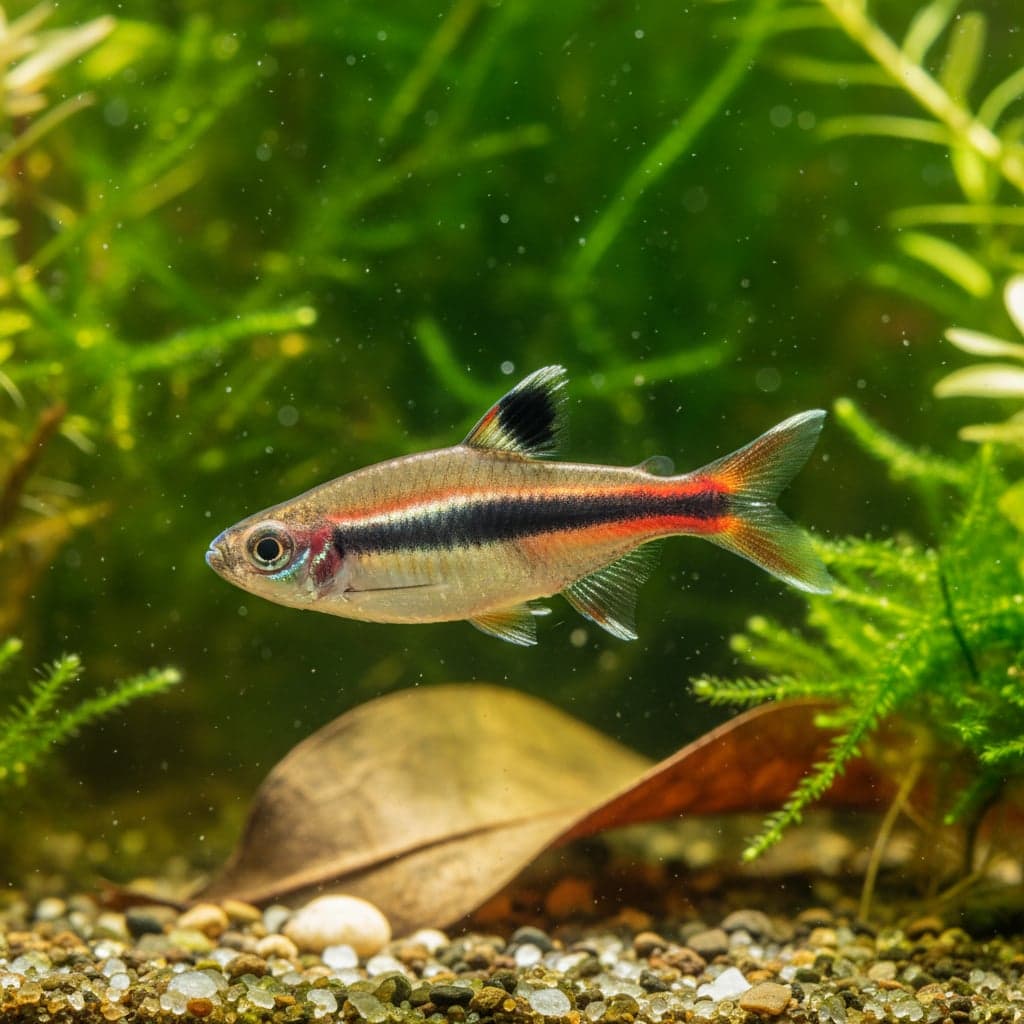
Finding suitable tank mates for the Nudiceps Dwarf Cichlid can enhance the community aspect of your aquarium. Compatible species include small to medium-sized, non-aggressive fish such as Rasboras, Tetras, and Guppies. Ideally, tank mates should share similar water requirements and be peaceful to ensure the well-being of the Nudiceps. Additionally, consider adding bottom-dwellers like Corydoras catfish, which can help maintain tank cleanliness without competing for the same space.
However, it's best to avoid larger, more aggressive species or other cichlids that may outcompete the Nudiceps for territory or food. Species such as bettas or aggressive barbs should also be excluded, as their temperament can disrupt the harmony of the tank environment.
Breeding
Breeding the Nudiceps Dwarf Cichlid in captivity is an exciting challenge that many aquarists undertake, requiring specific conditions to encourage spawning behavior. This species typically breeds in caves or small crevices, so providing flat rocks or hiding places within the tank is essential. Condition the breeding pair with a high-quality diet and ensure stable water parameters to stimulate mating behavior.
Once courtship is successful, the female will lay eggs (usually around 50-100) on a flat surface, which the male will fertilize. The male usually guards the area diligently while the female cares for the eggs. After hatching, will typically remain close to their parents for protection, though it is recommended to separate the fry after a few weeks to minimize predation from the parents.
Common Health Issues
While the Nudiceps Dwarf Cichlid is generally resilient, like any fish, they can be prone to some common health issues. These may include diseases such as ich, fin rot, and bacterial infections. Maintaining proper water quality and parameters is critical to preventing these ailments. Regular water changes, appropriate tank maintenance, and a balanced diet can significantly enhance the immune system of your fish.
Additionally, stress from overcrowding, sudden temperature changes, or aggressive tank mates can weaken their health. It is crucial to monitor your fish closely for any signs of distress or illness and act quickly by consulting a knowledgeable aquarist or veterinarian if necessary. Preventative measures, such as quarantine for new arrivals and routine health checks, can foster a thriving community for your Nudiceps Dwarf Cichlid.