Ocellaris Clownfish: Amphiprion ocellaris
The most recognizable saltwater fish in the world. Known for its symbiotic bond with anemones, its "wobbling" swim style, and its role in Finding Nemo.
Also known as: false percula clownfish · Amphiprion ocellaris
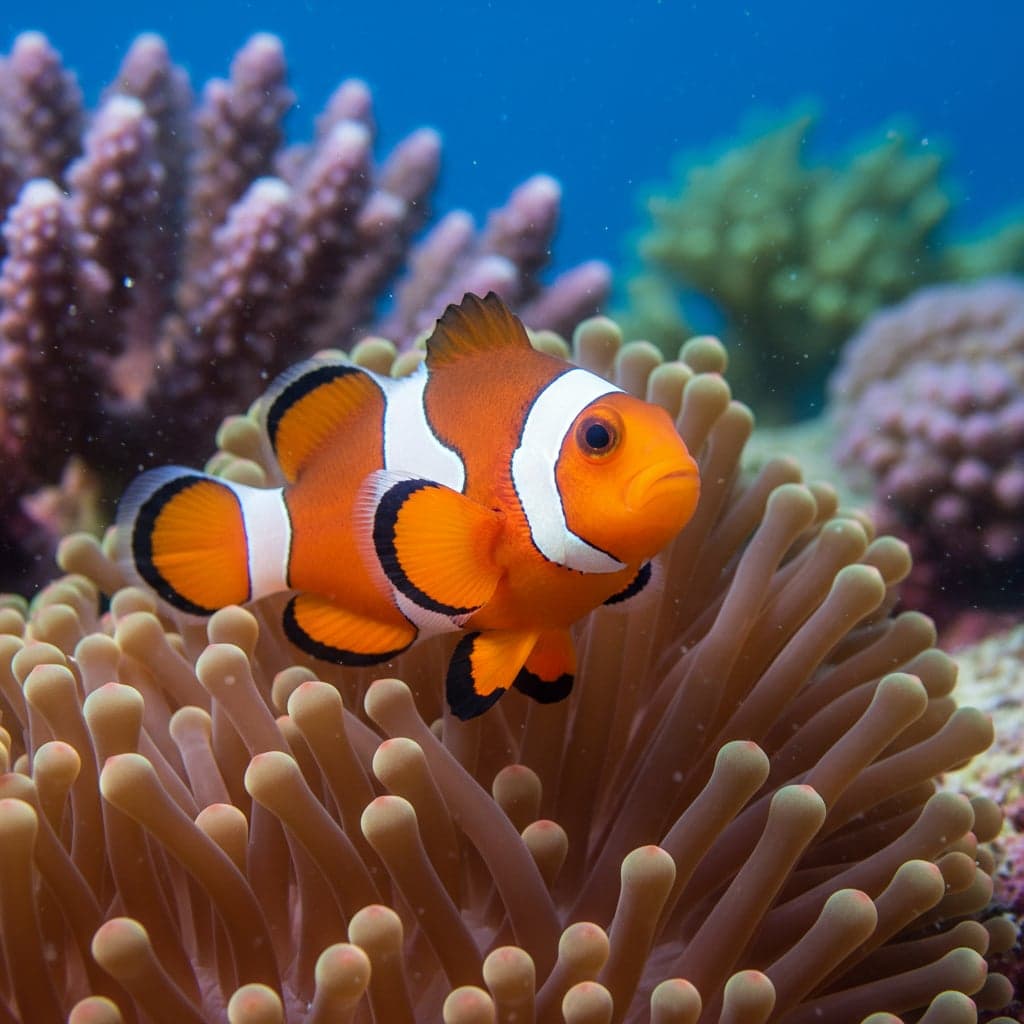
Ocellaris Clownfish
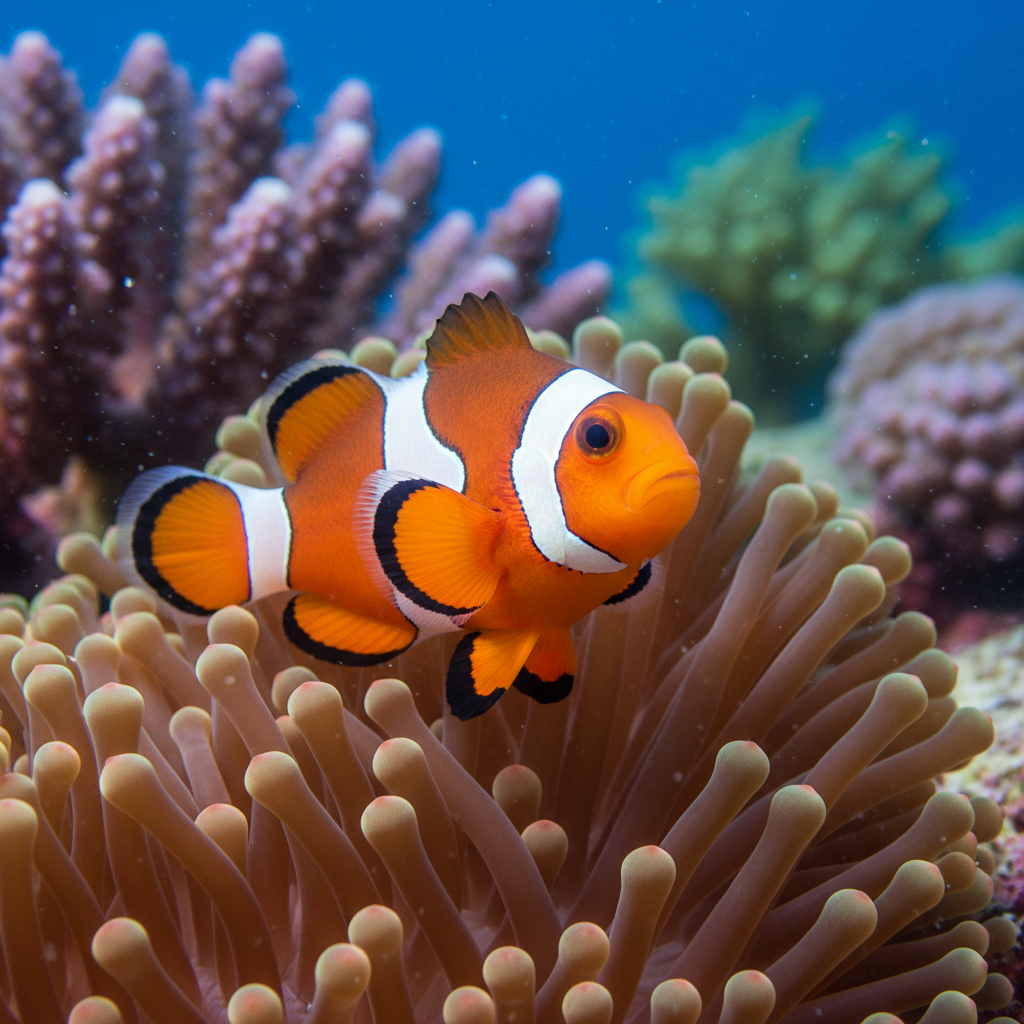
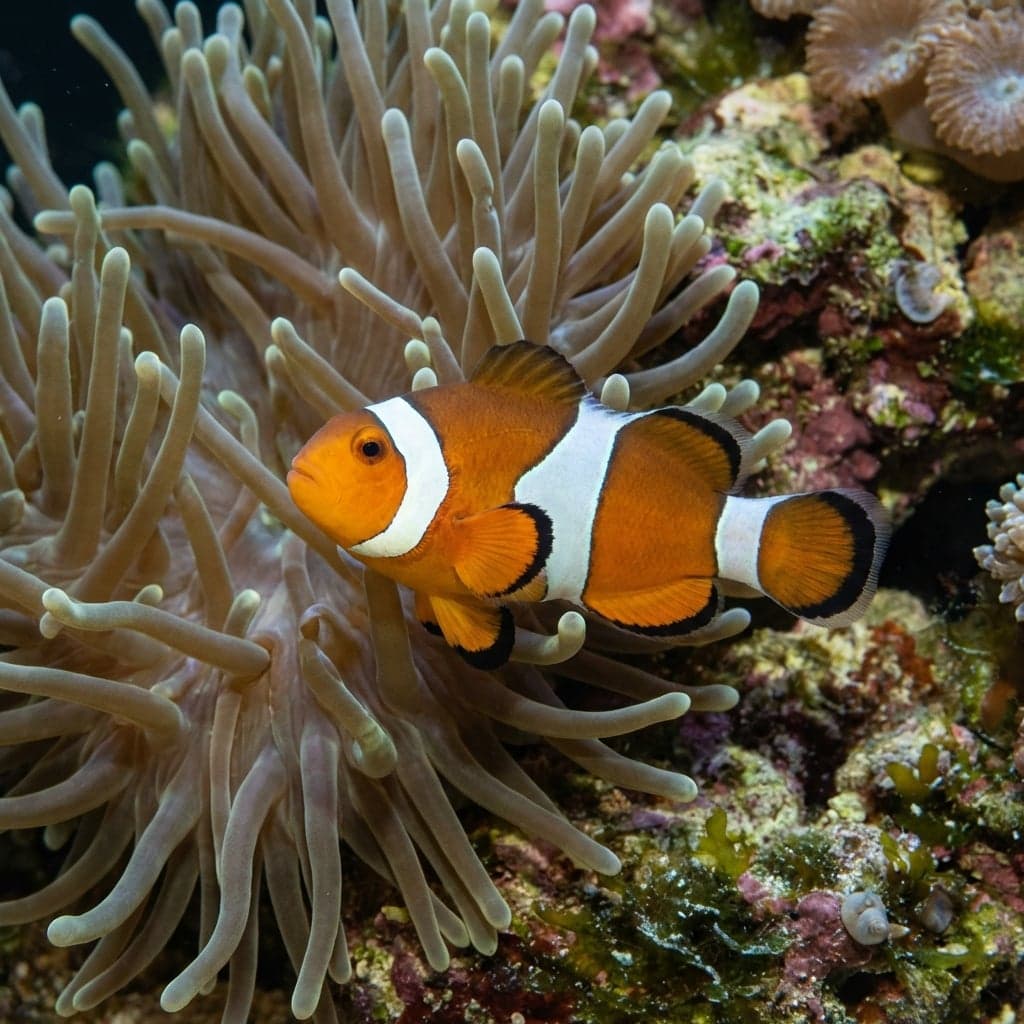
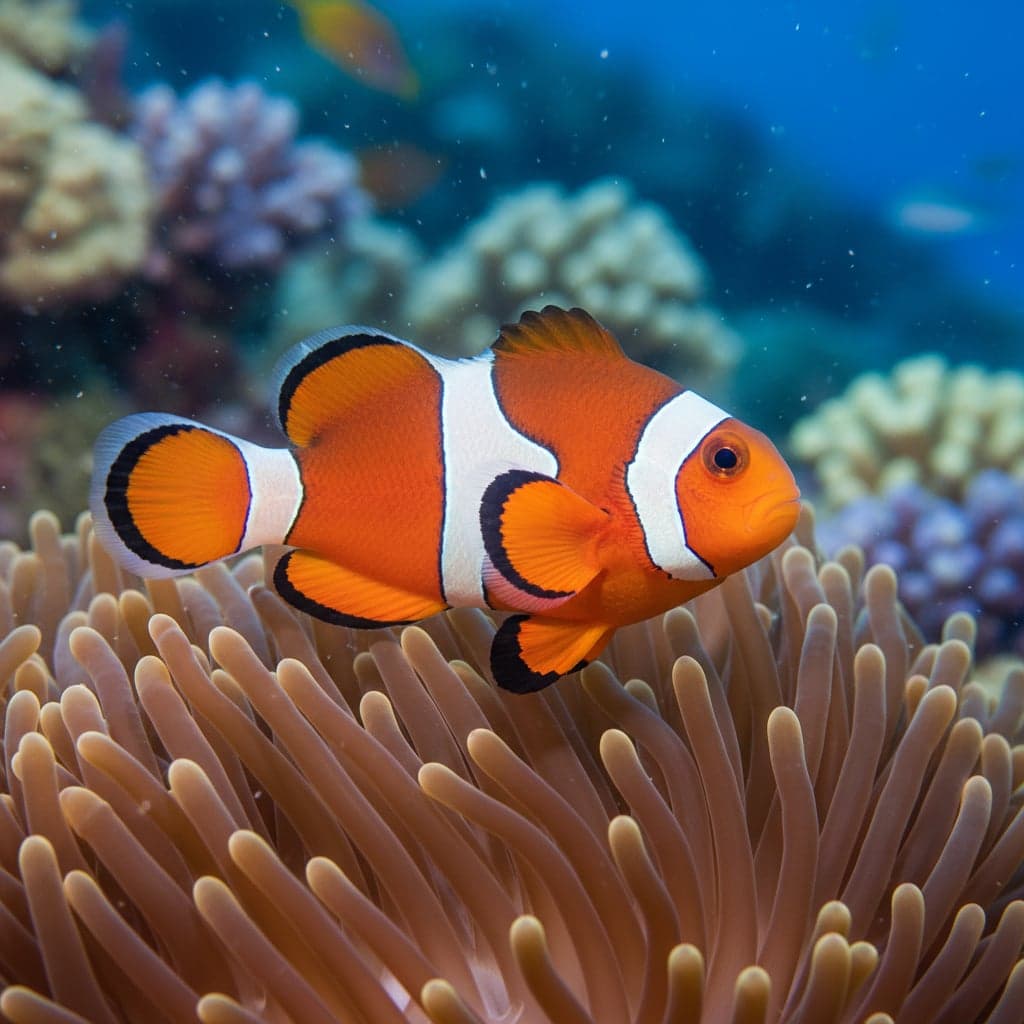
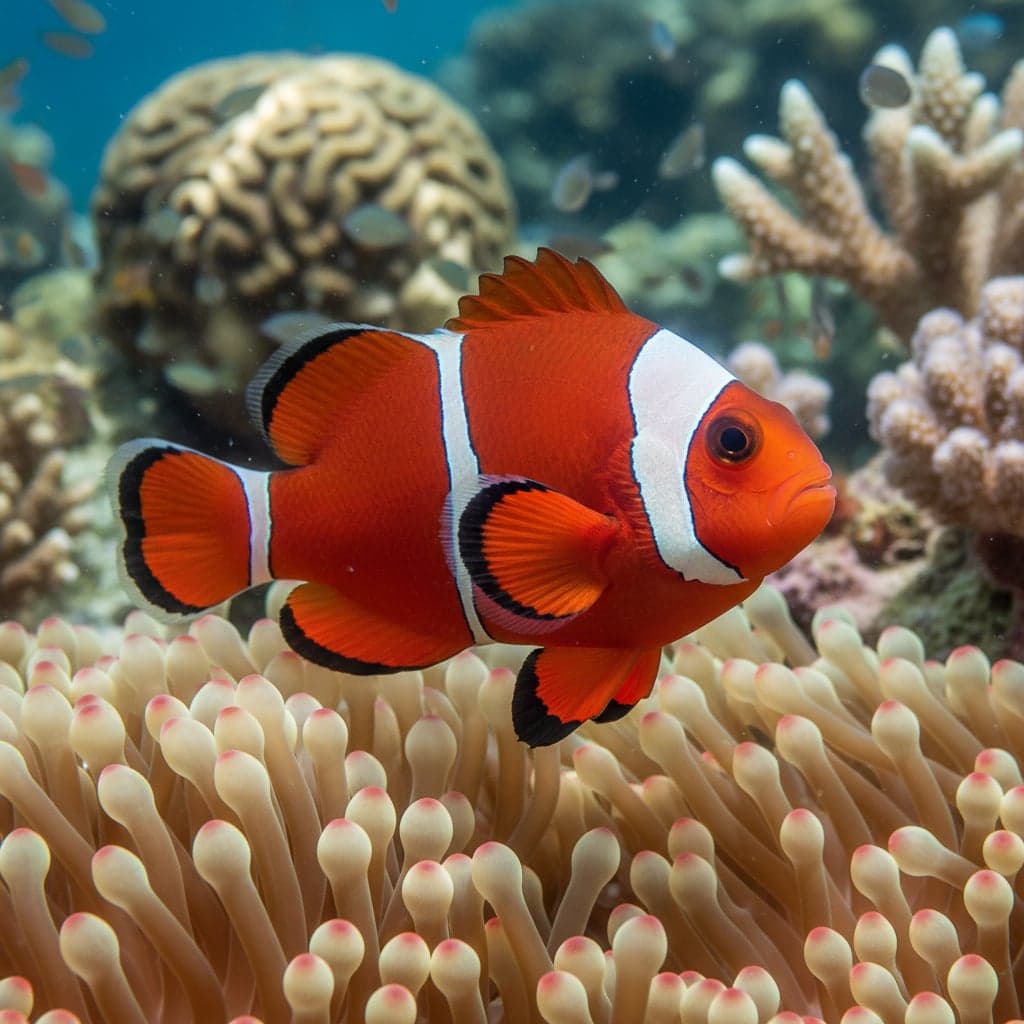
The Ocellaris Clownfish, scientifically known as Amphiprion ocellaris, is one of the most recognizable and beloved marine fish in the aquarium hobby. Known for its vibrant orange coloration paired with stark white bands, the Ocellaris Clownfish features a striking visual appeal that captures the hearts of both novice and experienced aquarists alike. This species stands out not only for its aesthetic qualities but also for its fascinating behavior, particularly its symbiotic relationship with sea anemones. As a result, the Ocellaris Clownfish has become iconic, often considered a staple in marine aquariums, showcasing colorful beauty and intriguing social dynamics.
Significantly, the Ocellaris Clownfish holds a special place in marine ecology and aquarium culture. In the wild, it plays a crucial role in maintaining the health of coral reef ecosystems by providing mutualistic interactions with anemones. This fish is often a symbol of marine conservation efforts, reminding hobbyists of the intricate relationships that exist beneath the ocean’s surface. Its popularity surged in recent years, particularly due to the animated film "Finding Nemo," highlighting its playful demeanor and strong attachment to its host anemone. Cultivated both through wild collections and captive breeding, the Ocellaris Clownfish remains highly sought after due to its resilience and adaptability in aquarium environments.
Natural Habitat & Origin
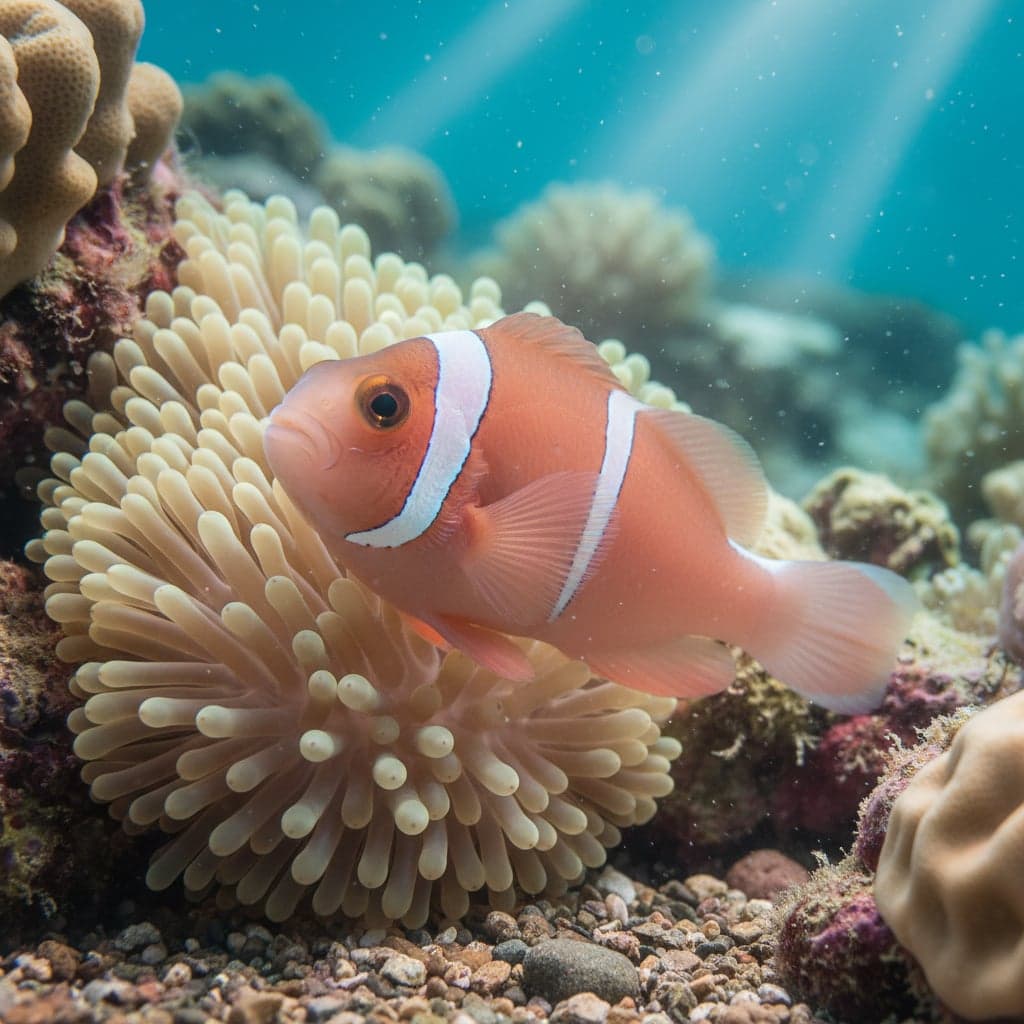
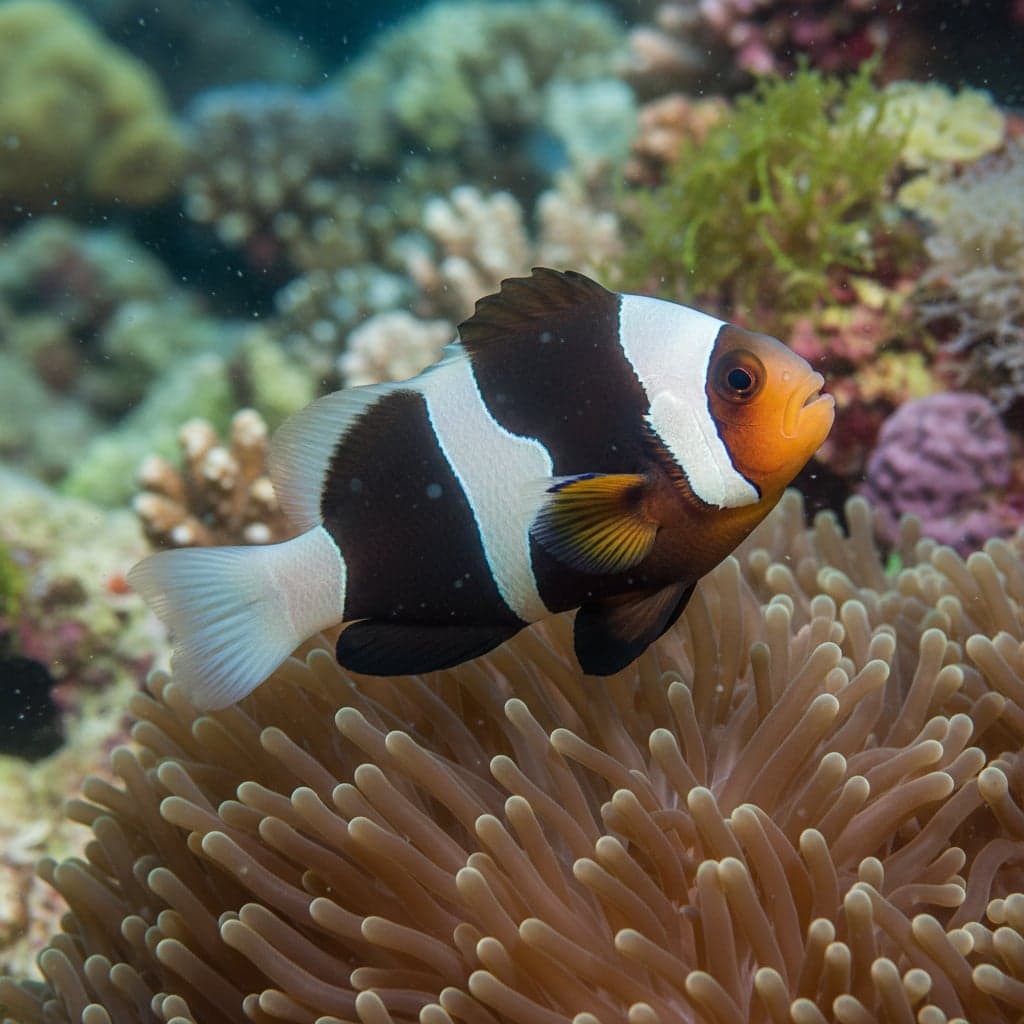
The Ocellaris Clownfish is natively found in the warm, shallow waters of the Pacific and Indian Oceans, particularly around the reefs of the Great Barrier Reef, the Red Sea, and the Solomon Islands. These fish inhabit coastal waters ranging from depths of just a few meters to about 10 meters deep. They prefer environments characterized by coral reefs, where they can find their symbiotic partners—various species of sea anemones. The relationship between the Ocellaris Clownfish and anemones not only provides protection for the fish but also grants the anemone access to nutrients from the clownfish's waste, demonstrating the symbiotic nature of their existence.
In terms of water type, Ocellaris Clownfish thrive in clear, warm waters with good water quality. Unlike some freshwater species that may reside in blackwaters or turbid settings, Ocellaris Clownfish prefer stable, clear waters that allow for optimal light penetration. Their environment typically includes diverse structures and nooks created by coral formations, which provide shelter and breeding sites. Understanding their natural habitat is pivotal for replicating the ideal conditions in a home aquarium.
Care Requirements
Maintaining optimal care for Ocellaris Clownfish involves replicating the specific water parameters that characterize their natural habitat. A suitable pH range is between 6.8 and 7.8, with a preferred water temperature of 24 to 27 degrees Celsius (75 to 81 degrees Fahrenheit). Additionally, water hardness should ideally be maintained between 8 to 12 dGH to ensure the well-being of these fish. Regular water testing and filtration are essential to uphold these parameters, as Ocellaris Clownfish are sensitive to fluctuations in water quality.
When it comes to tank setup, the minimum recommended size is 20 gallons, allowing for sufficient swimming space and stable water parameters. A sandy substrate mimics the ocean floor and provides a natural environment for the fish. Lighting should be moderate to high to promote the growth of live plants and corals if included. Although Ocellaris Clownfish do not require live plants, adding some decorative elements like rocks and coral can imitate their natural habitat while offering hiding spots. A well-maintained aquarium will not only ensure the health of the Ocellaris Clownfish but also enhance their vibrant coloration and lively behavior.
Diet & Feeding
The Ocellaris Clownfish is classified as an omnivore, and its diet consists of a wide range of foods in the wild. In captivity, a balanced diet will help maintain optimal health. It is essential to provide high-quality marine flakes or pellets as a staple food, ensuring that the nutritional needs are met. Additionally, including occasional treats such as frozen or live foods—like brine shrimp, mysis shrimp, and finely chopped seafood—will enrich their diet and stimulate natural foraging behaviors.
Feeding Ocellaris Clownfish two to three times a day in small amounts is recommended to prevent overfeeding and maintain water quality. Care should be taken to avoid food waste in the tank, as decomposing food can lead to poor water conditions. A varied diet not only improves the health and coloration of the Ocellaris Clownfish but also enhances its longevity and resilience against potential diseases.
Behavior & Temperament
Ocellaris Clownfish are known for their active and social nature, exhibiting playful behavior that enchants aquarium enthusiasts. They typically form monogamous pairs and can often be seen swimming together, displaying territory-marking behaviors around their host anemones. Unlike some other clownfish species, Ocellaris Clownfish are relatively peaceful and not very aggressive, making them suitable for community tanks. They are also noted for their curious nature, often interacting with the tank environment, including the presence of the aquarist.
In terms of vertical placement, Ocellaris Clownfish prefer the lower and midwater sections of the tank. However, they will often hover around their chosen anemone or coral structure, making them ideally visible for observation. Their social structure and behavior make them fascinating additions to a marine tank, but caution is warranted when introducing new fish or changing tank dynamics to prevent any territorial disputes.
Tank Mates
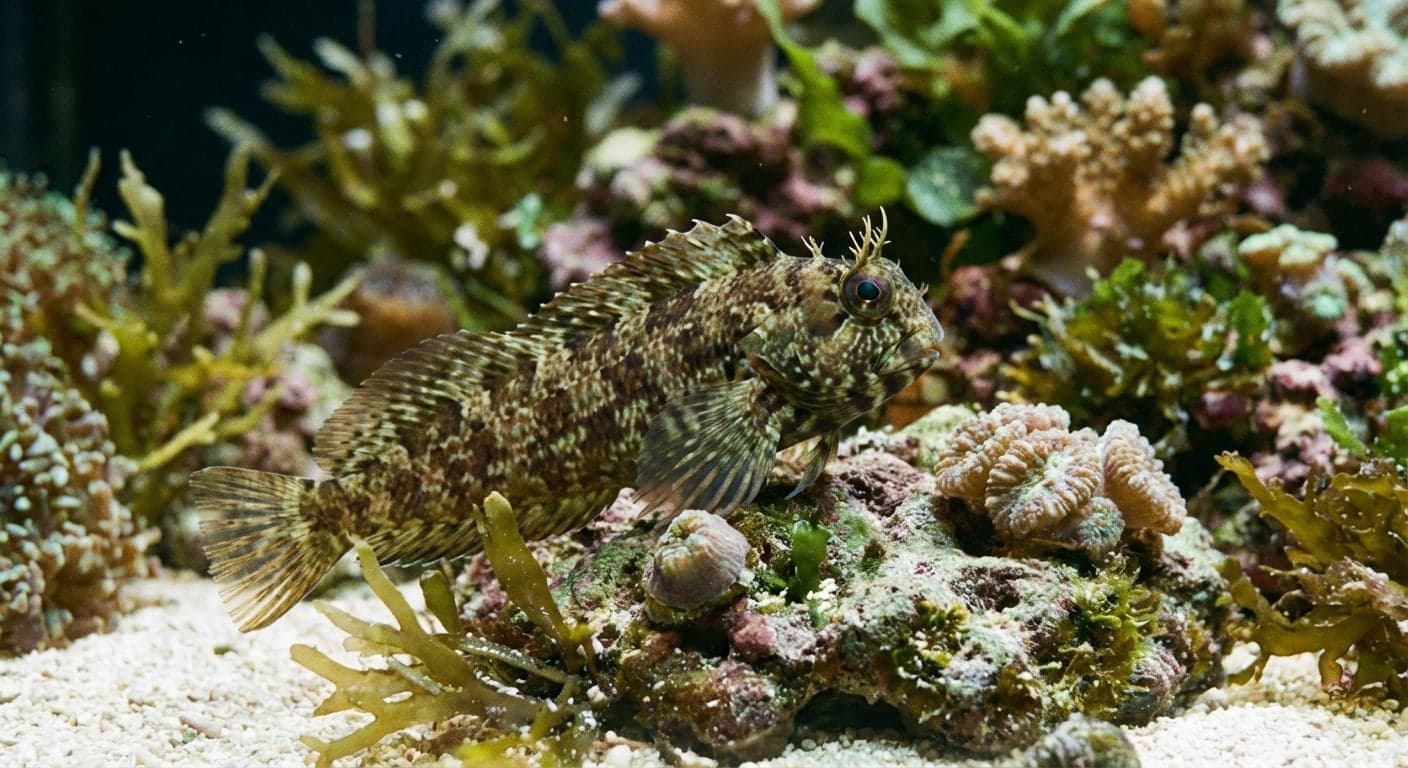
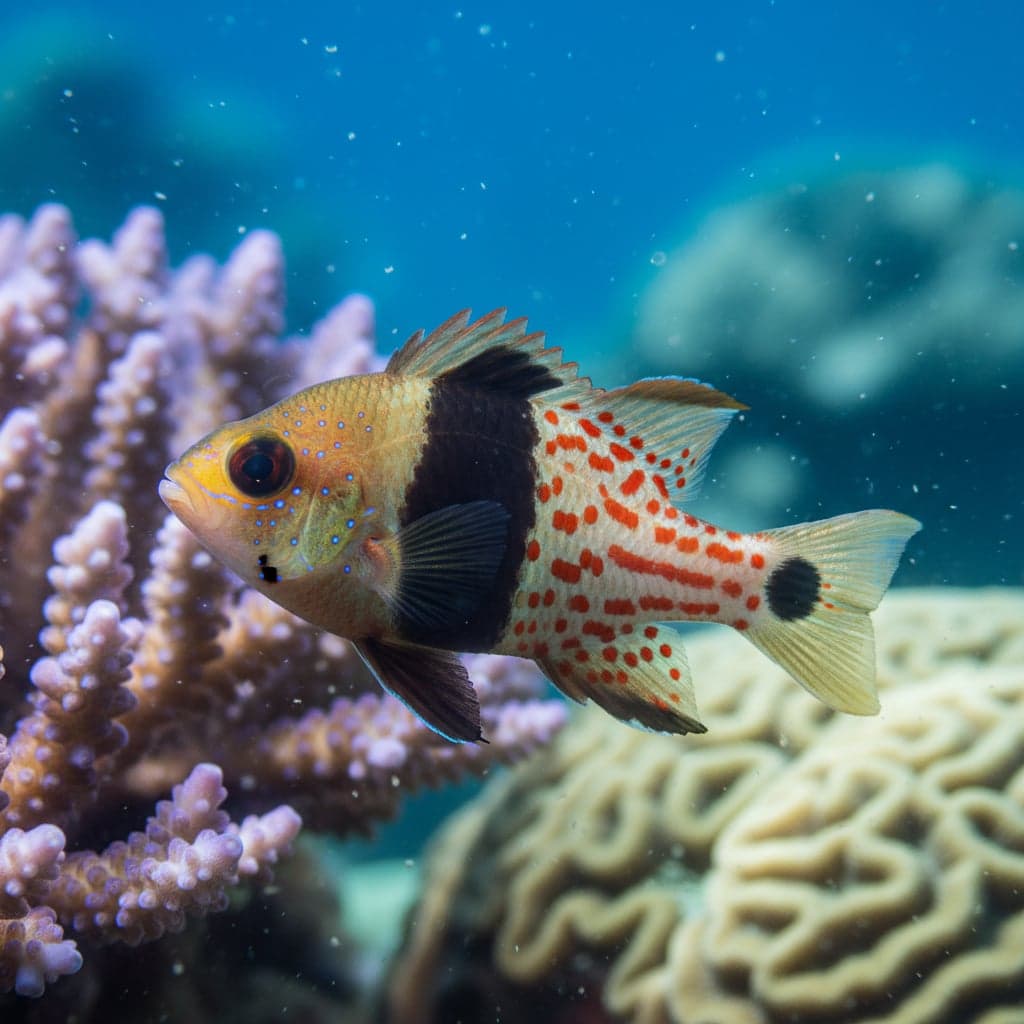
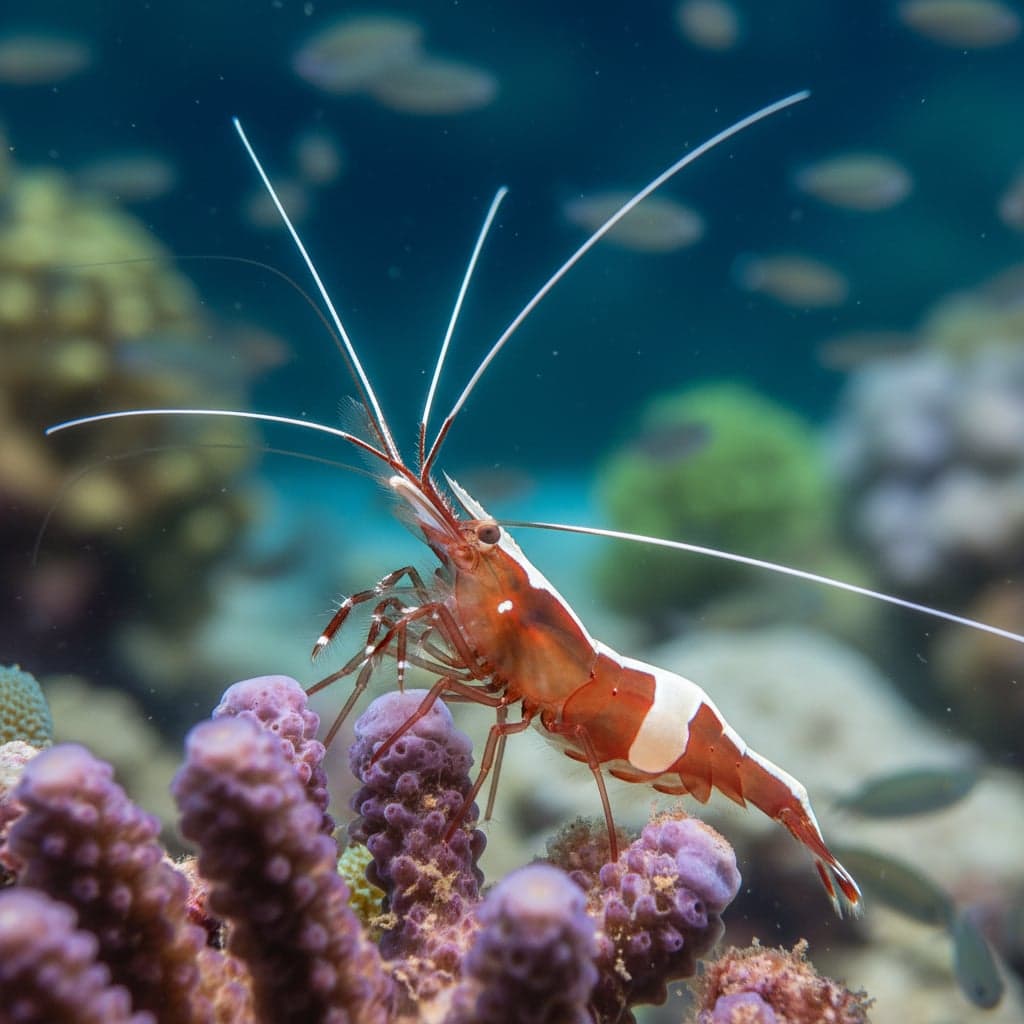
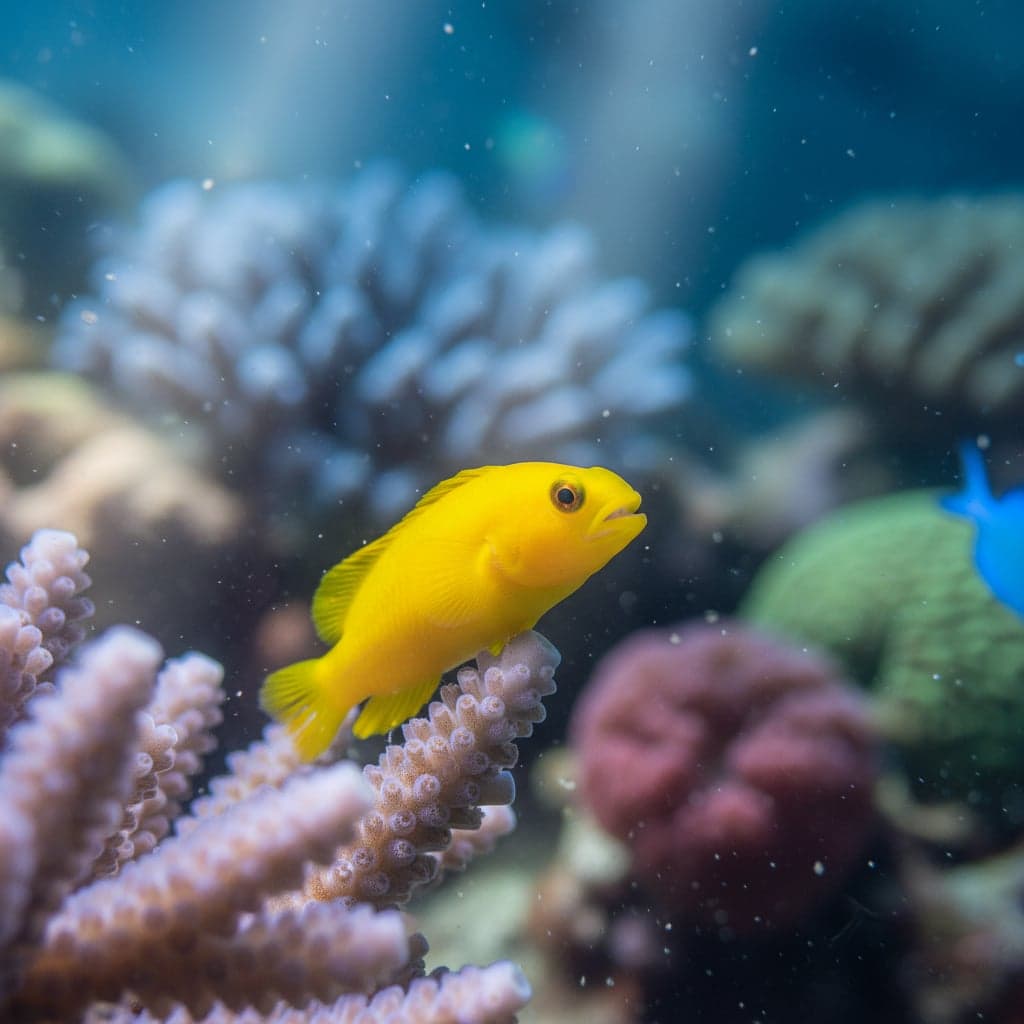
Selecting appropriate tank mates for Ocellaris Clownfish is crucial to ensuring a harmonious aquarium environment. Compatible species include small, peaceful fish such as certain damselfish, gobies, and blennies. Other community-friendly fish like the Royal Gramma or smaller wrasses usually coexist well with Ocellaris Clownfish without causing aggression. Additionally, invertebrates such as shrimp and snails can thrive alongside these lively clowns, as long as their tank conditions remain optimal.
Conversely, certain species should be avoided when keeping Ocellaris Clownfish. Larger or more aggressive fish, such as lionfish or triggerfish, may view them as prey or competitors, creating undue stress in the tank. Other territorial species, particularly those in the same family as clownfish, such as other types of anemonefish, may also provoke aggressive behavior. Careful consideration of tank mates is essential to promote a peaceful and thriving aquarium setup.
Breeding
Breeding Ocellaris Clownfish in captivity is a rewarding experience that requires specific conditions and attention to detail. These fish typically exhibit a strong nesting behavior, with a female choosing a clean, flat surface—often near their host anemone or a designated area in the tank—for laying eggs. The male will then guard and fan the eggs, which usually take around 6 to 10 days to hatch into larvae.
For successful breeding, it is essential to maintain stable and excellent water quality, along with providing a separate breeding tank if necessary. The breeding tank should have appropriate filtration and moderate lighting to mimic natural conditions. Once fertilized, it’s crucial to provide suitable food for the larvae after they hatch, with infusoria or specially designed larval foods to support their growth. With the right conditions and patience, breeding Ocellaris Clownfish can be a rewarding, if demanding, long-term project. Raise larvae with suitable live foods and pristine water until they metamorphose and settle.
Common Health Issues
Ocellaris Clownfish can develop marine ich, brooklynella, or bacterial infections when salinity swings or stress rises. Quarantine new arrivals, keep parameters stable, and avoid overcrowding around host anemones or substitutes. Watch for white spots, excess mucus, rapid breathing, or loss of appetite, and treat in quarantine. A meaty varied diet and clean marine water keep them healthy and colourful for years.