Royal Gramma
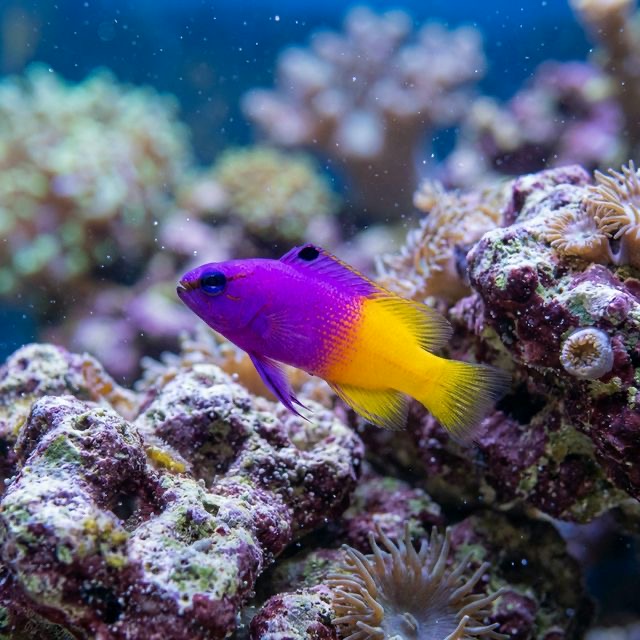
An 8cm purple-and-gold basslet that hovers upside down beneath overhangs. Peaceful, hardy and reef-safe — one of the best first marine fish.

Royal Gramma
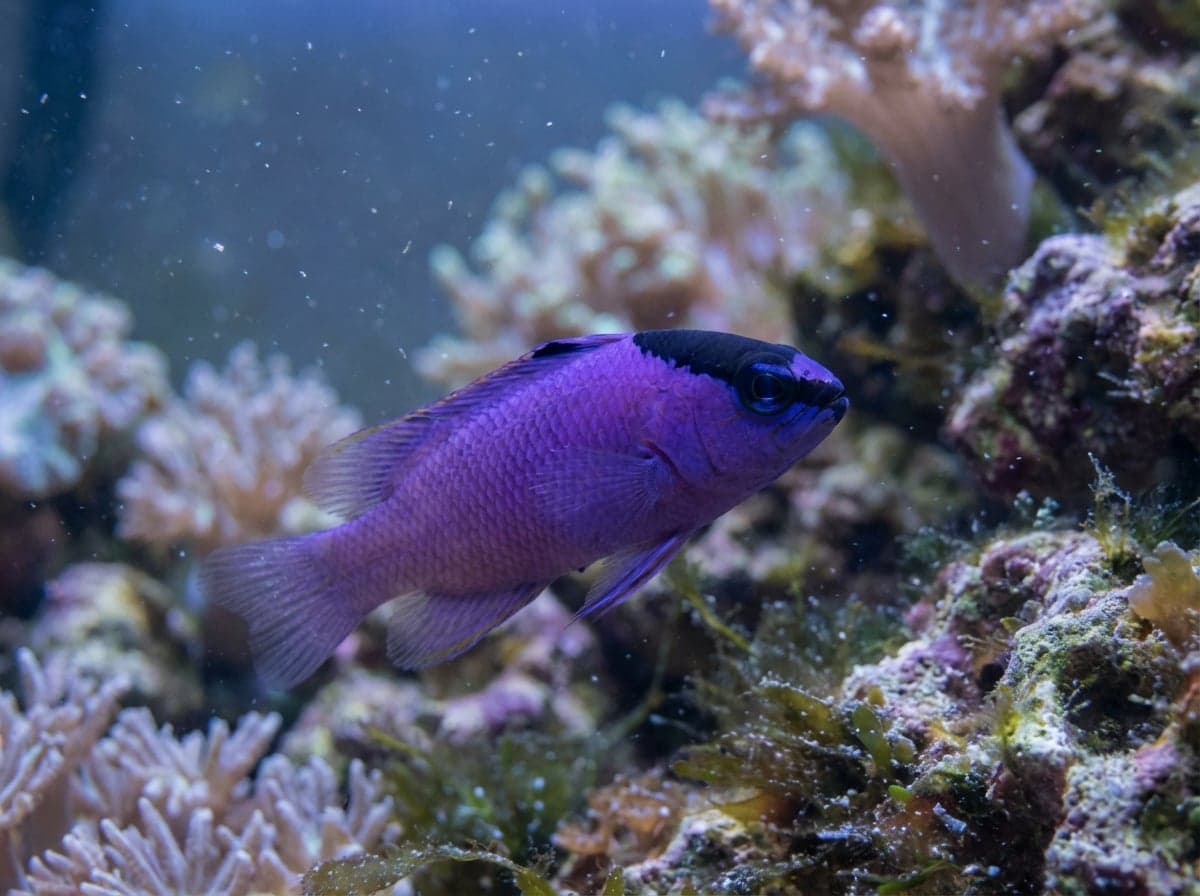
The Royal Gramma (Gramma loreto) is a stunning reef dweller renowned for its vibrant coloration and unique shy demeanor. Sporting a striking purple hue that gracefully transitions to a golden-yellow tail, this small fish typically reaches around 2 to 3 inches in length. It stands out not only for its visual appeal but also for its captivating behavior, making it a favorite among aquarists. Its vivid colors and lively movements evoke a sense of wonder, capturing the essence of a healthy marine ecosystem, which is pivotal in enhancing the aesthetic beauty of any aquarium.
In the aquarium hobby, the Royal Gramma is celebrated for its hardiness and distinct personality. This species is incredibly popular due to its relatively easy care requirements and compatibility with various tank setups. Its peaceful nature makes it a viable addition to community tanks, while its exquisite coloration adds a splash of vibrancy to the underwater landscape. As aquarists seek to recreate a miniaturized version of a thriving reef system, the Royal Gramma's significance becomes even more pronounced, representing not only the beauty of marine life but also the responsibilities of conservation and responsible aquarium keeping.
Natural Habitat & Origin
The Royal Gramma is native to the warm waters of the Caribbean, particularly thriving around coral reefs and rocky habitats in areas like the Bahamas, Puerto Rico, and the Virgin Islands. This fish favors shallow waters, typically residing at depths of 15 to 40 feet but can occasionally be spotted in shallower coral areas. The substrate in their natural habitat often consists of sand and rubble, providing numerous hiding spots where these secretive fish can retreat when threatened.
The environmental context for Royal Grammas includes clear waters filled with abundant marine flora and fauna. They thrive in areas that offer plenty of shelter, such as crevices and ledges formed by rocks and corals. This adaptability to their surroundings is vital for their survival, as it not only helps them evade predators but also allows them to establish their territories in a vibrant ecosystem full of life.
Care Requirements
To successfully keep Royal Grammas, specific water parameters must be closely monitored. The ideal pH range is between 6.5 and 8.5, with a water temperature of 72°F to 78°F (22°C to 26°C) and a hardness level of 8 to 12 dGH. Maintaining stable conditions within these ranges is essential for the health and well-being of the Royal Gramma. Additionally, regular water changes will help maintain water quality and ensure a thriving environment.
For tank setup, a minimum aquarium size of 110 litres (30 gallons) is recommended, with ample hiding spots provided by live rock or decorations. A sandy substrate mimics their natural habitat and is preferable. Moderate lighting is sufficient as Royal Grammas typically dwell in shaded areas of coral reefs. Incorporating live plants is not necessary for this species, but decorative items that offer shelter are crucial for them to feel secure.
Diet & Feeding
Royal Grammas are omnivorous and have a varied diet that includes both meaty and vegetable-based foods. In the aquarium, they thrive on high-quality flakes, pellets, frozen foods, and even live foods. A balanced diet should consist of finely chopped mysis shrimp, brine shrimp, and marine flakes enriched with spirulina for added nutrients. Feed them two to three times a day, ensuring the portions are small and appropriate for their size, as they prefer to nibble rather than consume large meals.
When establishing a feeding routine, it’s important to avoid overfeeding, as this can lead to poor water quality and health issues. Consistently providing diverse food options will encourage natural foraging behavior and help maintain the Royal Gramma's vibrant coloration and overall health.
Behavior & Temperament
The Royal Gramma exhibits a docile yet territorial nature, making it an excellent choice for community tanks with similarly temperate species. While they are generally peaceful, males can become aggressive towards each other, particularly in smaller tanks where their territory may overlap. It is advisable to keep only one male per tank unless the aquarium is sufficiently large to accommodate multiple territories.
In terms of behavior, Royal Grammas are known to establish vertical territories within the tank, often occupying the upper and mid-water layers. They prefer to swim in and out of their hiding spots, showcasing their colors while peeking out from behind rocks or corals. Observing their playful interactions adds to the enchanting experience of maintaining a marine aquarium.
Tank Mates
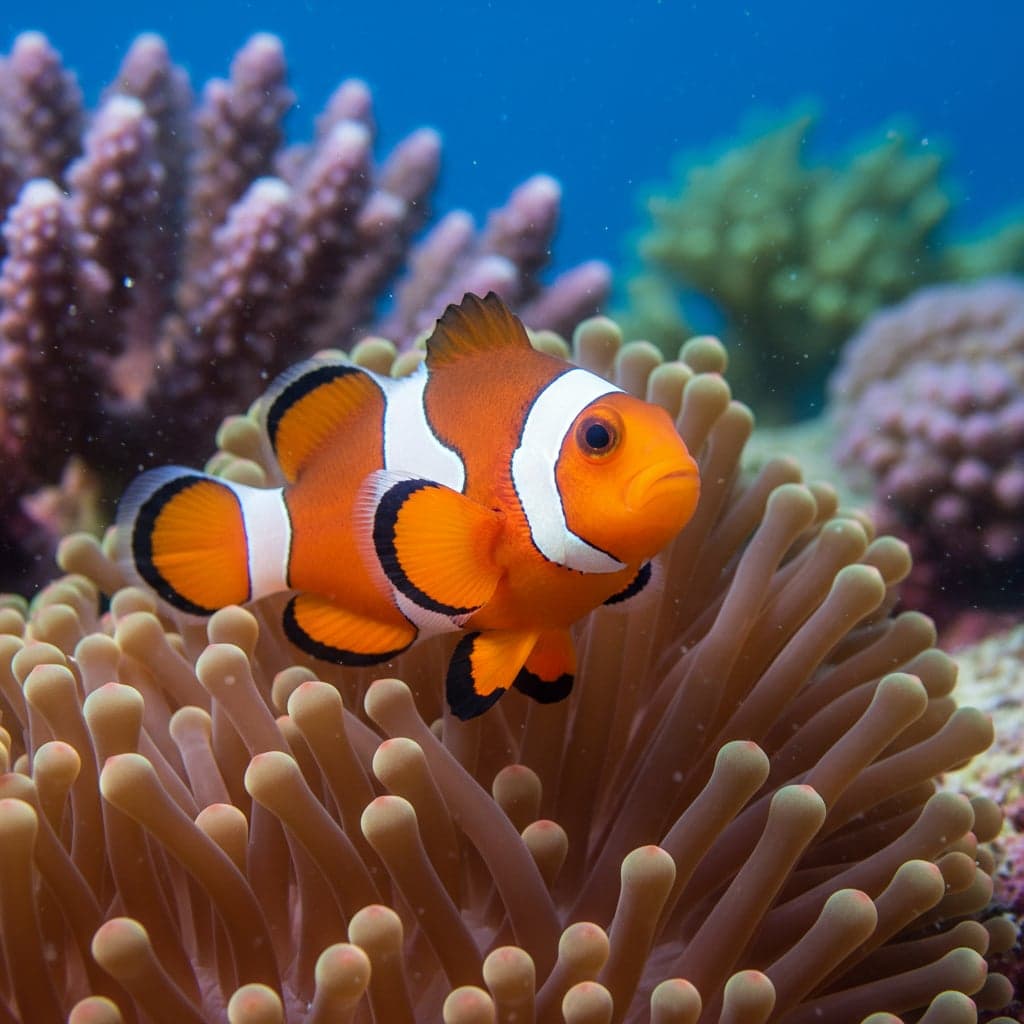
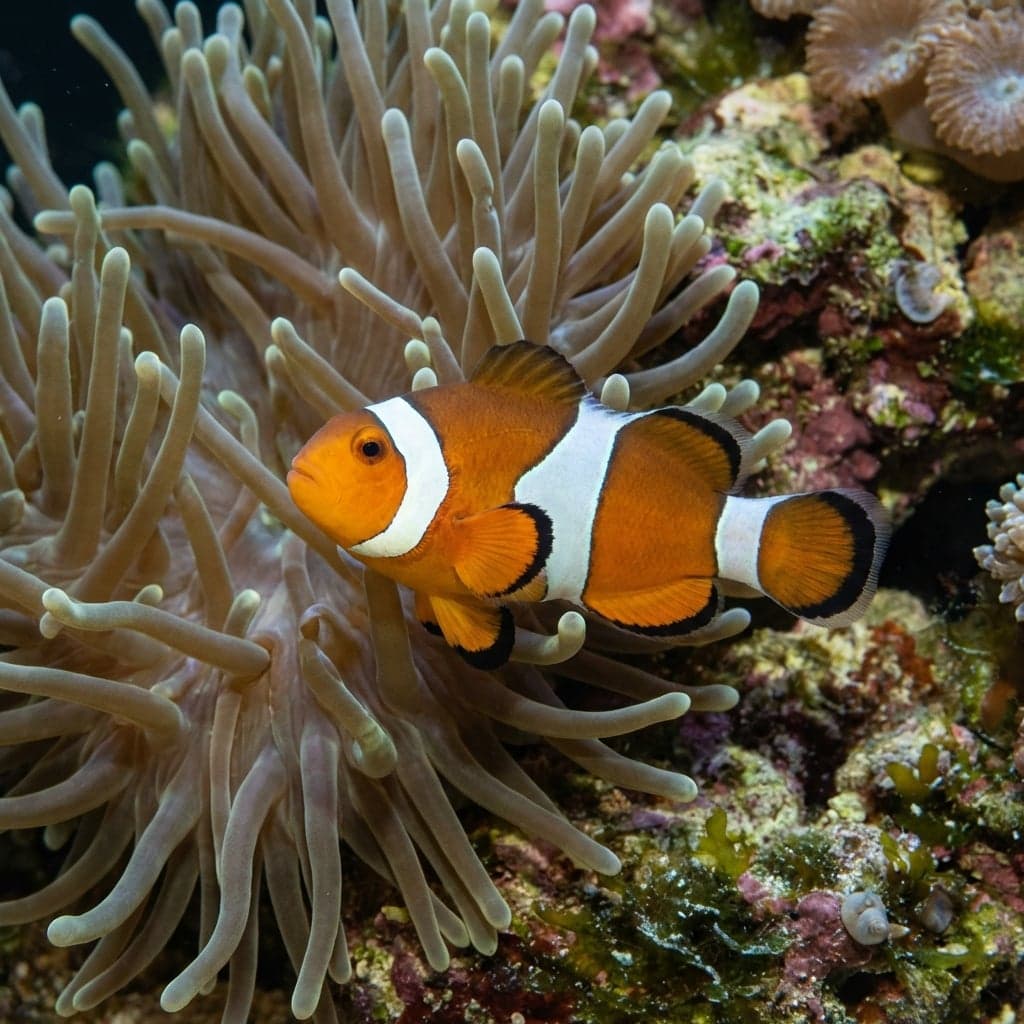
Royal Grammas can be compatible with various peaceful species, making them suitable for community tanks. Ideal tank mates include clownfish, gobies, and smaller wrasses, as these species tend to share similar temperaments. Avoid housing them with aggressive or territorial fish, as this can lead to stress and potential conflict. Fish such as damsels or larger angelfish are best avoided, as their behavior might provoke aggression in the Royal Gramma.
Creating a harmonious community tank requires careful selection of species that can coexist peacefully while ensuring there is enough space and hiding spots for all inhabitants. A well-planned aquarium with compatible species will lead to a dynamic and beautiful underwater environment.
Breeding
Breeding Royal Grammas in captivity can be rewarding but requires specific conditions to stimulate spawning behavior. These fish are typically egg layers, and males will establish a territory where they perform courtship displays to attract a female. They require a breeding setup that mimics their natural environment, including shallow areas with nesting substrates like flat rocks or caves.
To encourage spawning, maintain stable water parameters and ensure that the fish are healthy and well-fed. Once a pair has formed, the female will lay eggs in sheltered locations. The male is responsible for guarding the eggs until they hatch, usually within a few days. After hatching, the larvae require infusoria or newly hatched brine shrimp as food, presenting additional challenges for the aquarist looking to raise fry successfully.
Common Health Issues
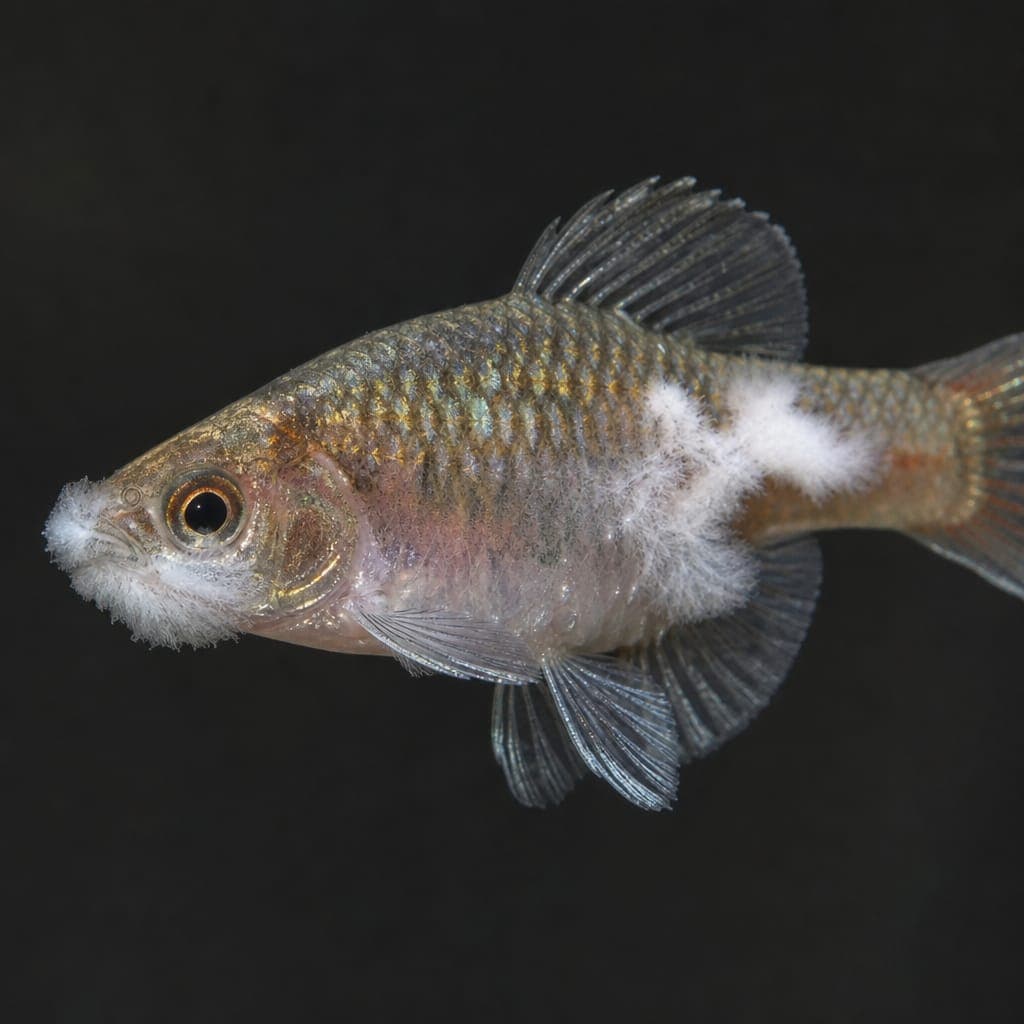
While Royal Grammas are generally hardy, they can be prone to certain health issues. Common ailments include ich (white spot disease), fungal infections, and stresses related to over-crowding or poor water quality. Preventative measures involve maintaining optimal water conditions, providing a varied and nutritious diet, and avoiding overcrowding in the aquarium.
Regular monitoring for signs of stress or disease is critical. Quarantine new arrivals before introducing them to the main aquarium, as this can help minimize the risk of disease outbreaks. Proper care and observation can ensure the Royal Gramma remains a vibrant and healthy addition to any aquarium setup.