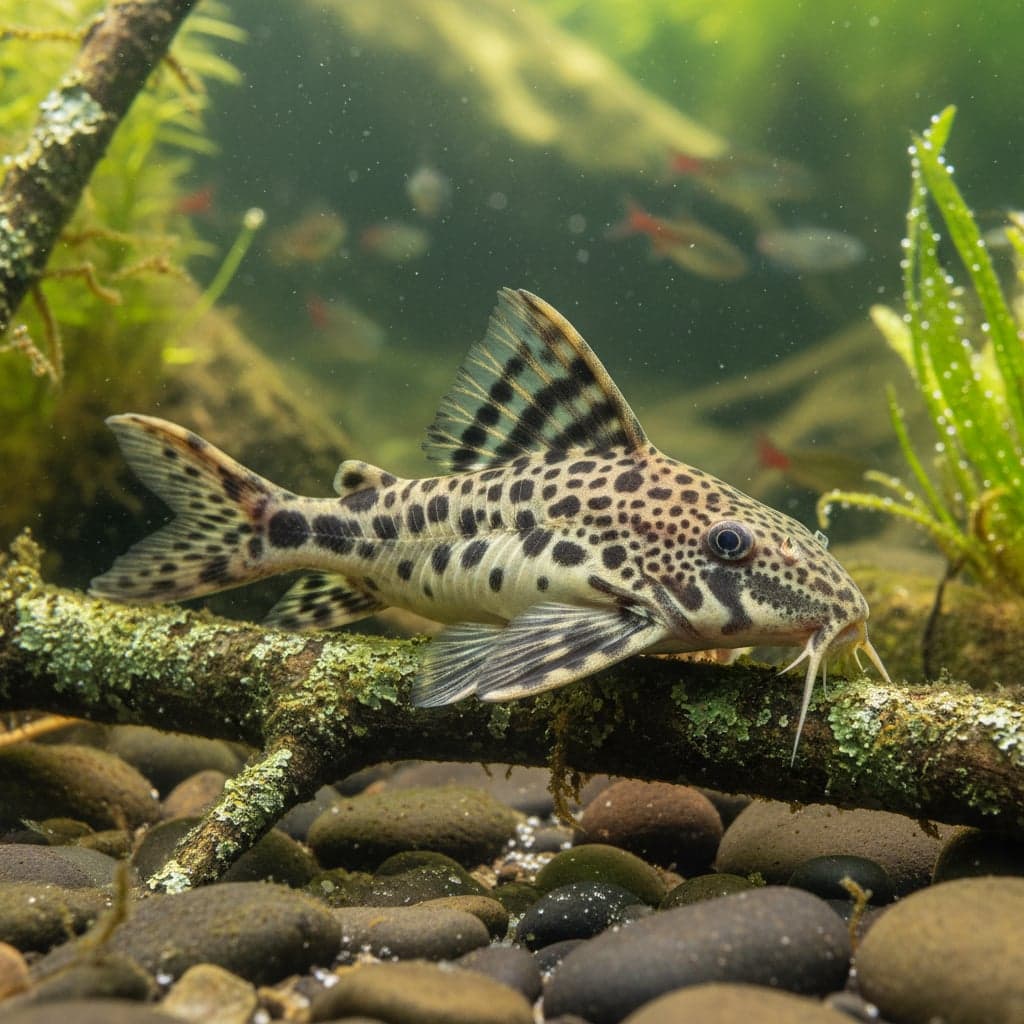
Onespot Catfish: Synodontis notatus
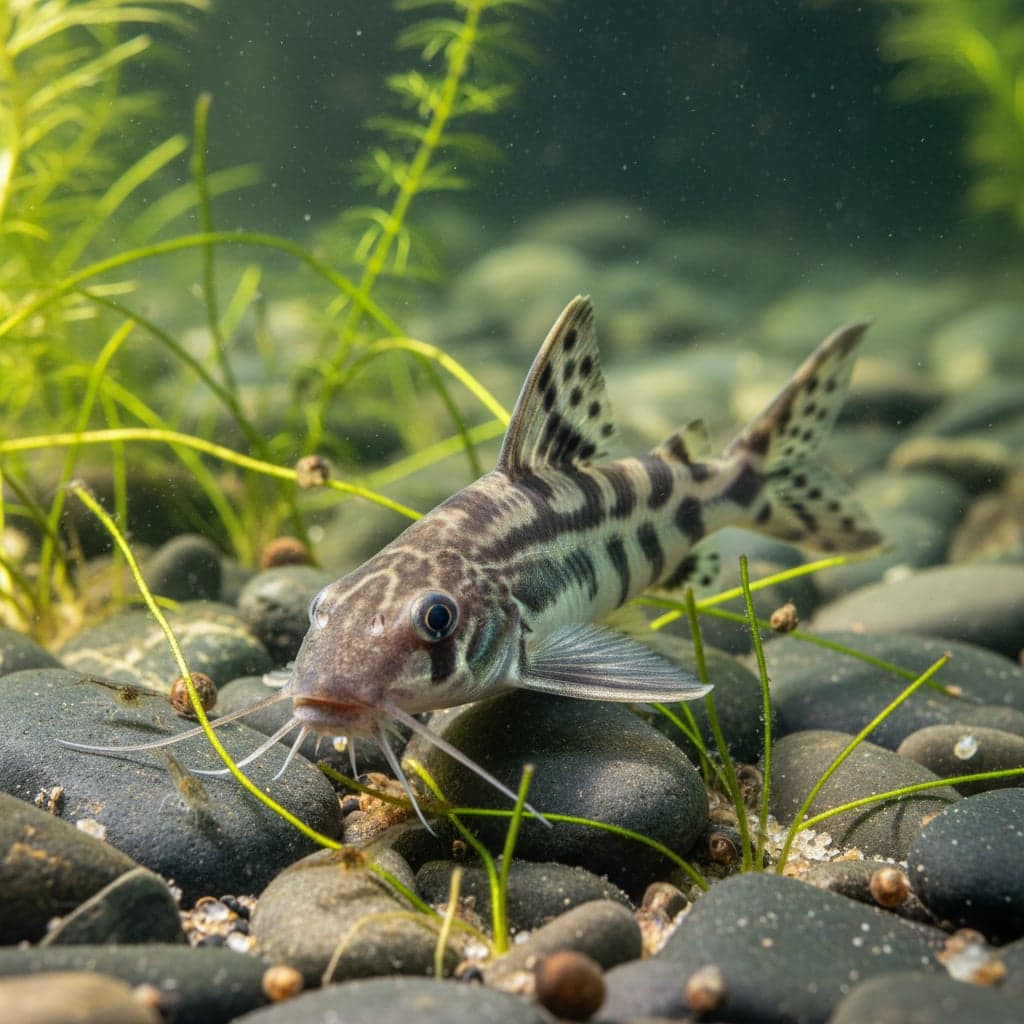
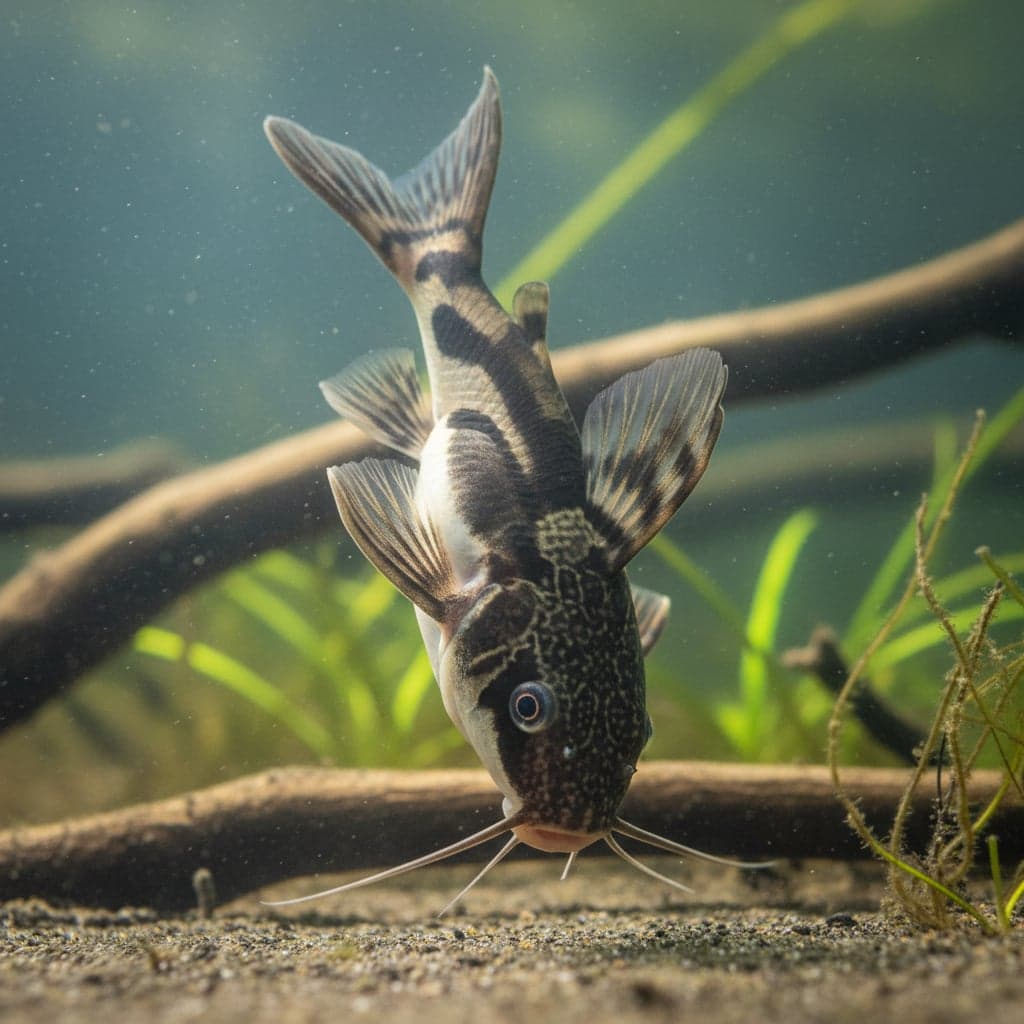
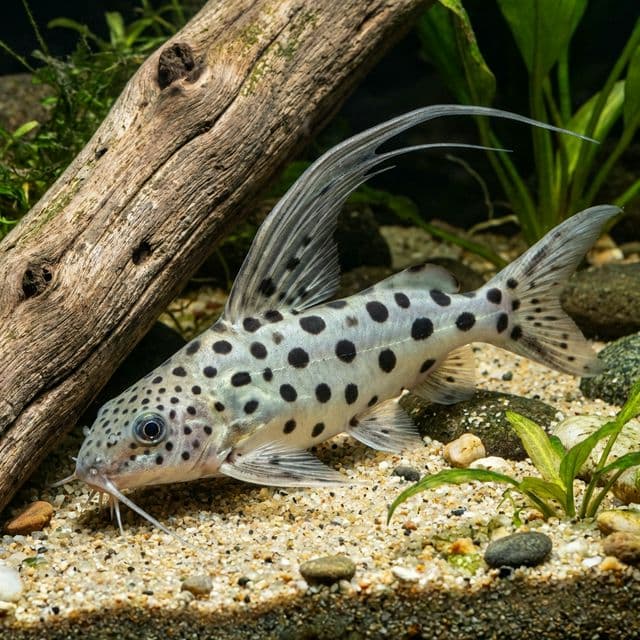
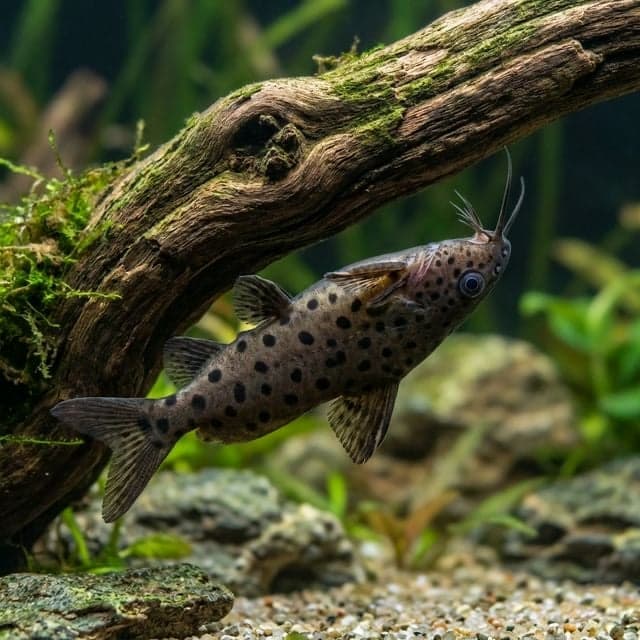
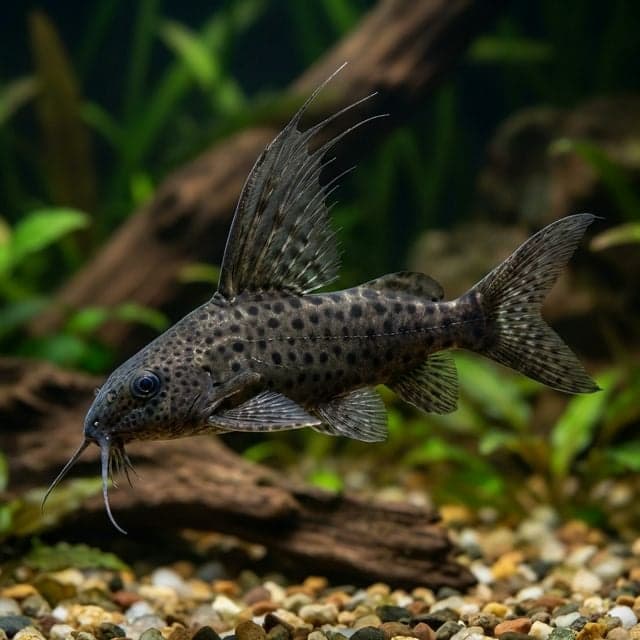
A robust, handsome African squeaker catfish featuring a single, stark black spot on each flank.
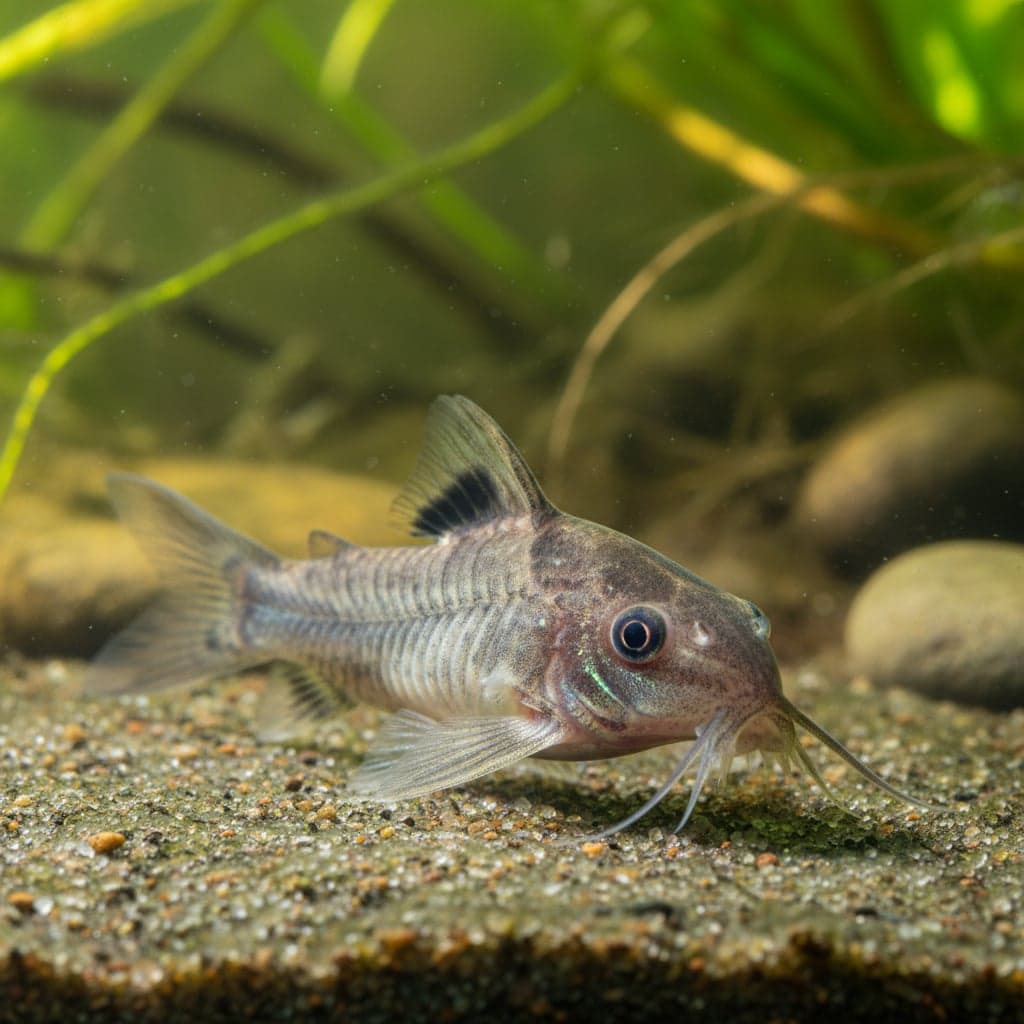
Onespot Catfish
The Onespot Catfish, scientifically known as Synodontis notatus, is a stunning freshwater species renowned for its unique appearance and active demeanor. This catfish features a streamlined body adorned with a distinct dark brown to black coloration, punctuated by a single prominent white spot near its dorsal fin. Its overall aesthetic appeal makes it a favorite among aquarists, particularly in community tanks where it can showcase its striking patterning. The Onespot Catfish is not only valued for its beauty but also serves as a natural scavenger, contributing to the biological balance within an aquarium setting by consuming leftover food and detritus.
In the aquarium hobby, the Onespot Catfish holds significant importance due to its hardy nature and adaptability. This species is ideal for both novice and experienced aquarists, as it thrives in various water conditions and tank setups. Its engaging behavior adds dynamism to community displays, often interacting socially with other tank inhabitants. Whether you're creating a biotope or a lively community tank, the Onespot Catfish makes a delightful addition, bringing both aesthetic and functional value to your aquatic environment.
Natural Habitat & Origin
The Onespot Catfish hails from the rivers and lakes of Central Africa, particularly the Congo River Basin. This region is characterized by its rich biodiversity and varied aquatic ecosystems, where the Onespot Catfish thrives in slow-moving waters rich in organic matter. The environmental conditions include soft, acidic blackwater that is high in tannins, often shaded by overhanging vegetation. Such habitats play a crucial role in the fish's development, influencing its coloration and temperament.
In its natural habitat, the Onespot Catfish is typically found in areas with plenty of hiding spots among fallen leaves, submerged wood, and dense plant life. This environment not only provides shelter from predators but also encourages natural foraging behavior, as the fish scours the substrate for food particles. Understanding its natural habitat can significantly enhance the ability of aquarists to replicate similar conditions in captivity, promoting the fish’s health and well-being.
Care Requirements
When it comes to care, the Onespot Catfish has specific water parameters that should be adhered to for optimal health. Ideally, the pH should be maintained between 6.5 and 7.5, with temperatures ranging from 24°C to 28°C (75°F to 82°F). Soft to moderately hard water (dGH 2-12) is also recommended. The tank should have a minimum size of 75 gallons to allow for ample swimming space and territory establishment.
The setup of the tank should mimic the Onespot Catfish's natural habitat by incorporating sandy or fine gravel substrate, which is gentle on its delicate barbels. To enhance the social and hiding aspects, include plenty of caves, driftwood, and dense plants around the tank’s perimeter. The lighting should be moderate, as the Onespot Catfish prefers dimly lit environments that resemble its native waters. Creating such an environment not only supports the fish's health but also encourages natural behaviors.
Diet & Feeding
The Onespot Catfish is an omnivore with a broad diet that allows for flexibility in feeding practices. In captivity, it can thrive on a varied diet, including high-quality flakes or pellets designed for bottom feeders, as well as algae wafers. Supplementing its diet with occasional live or frozen foods, like bloodworms, brine shrimp, and daphnia, helps ensure optimal nutrition and enhances its color.
It is recommended to feed the Onespot Catfish once or twice a day, offering small quantities that can be consumed within a few minutes. This ensures the fish can forage naturally, as it would in the wild, and also helps to maintain water quality by reducing waste. Overall, providing a well-rounded diet will contribute significantly to the Onespot Catfish's health, activity levels, and longevity in the aquarium.
Behavior & Temperament
The Onespot Catfish exhibits a generally peaceful demeanor, making it an excellent addition to community tanks. It is a social species that often enjoys the company of its own kind and will engage in non-aggressive interactions with other fish species. While they are primarily bottom dwellers, Onespot Catfish benefit from the presence of companions; keeping them in groups of three or more is advisable to minimize shyness and promote natural behaviors.
However, their behavior does change slightly during feeding times, where they may exhibit territoriality. Placing food in multiple locations can help reduce competition among tank mates. In terms of tank placement, the Onespot Catfish tends to occupy the lower levels of the aquarium, seeking shelter in caves or amidst rocks during the day, emerging more actively during the evening and night.
Tank Mates
When selecting tank mates for the Onespot Catfish, it's essential to choose species that share similar water parameters and temperamental traits. Compatible tank mates include peaceful community fish such as tetras, barbs, rasboras, and medium-sized cichlids. Strongly territorial or overly aggressive fish, particularly larger cichlids or notorious fin-nippers, should be avoided to ensure the safety and comfort of the Onespot Catfish.
In designing a community aquarium, consider including both mid-level and surface-dwelling fish to utilize the vertical space of the tank effectively. This strategy helps to distribute the social dynamics amongst different species while providing a balanced environment that adds interest and complexity to your aquatic setup.
Breeding
Breeding the Onespot Catfish in captivity can be challenging, primarily due to their specific spawning requirements. These fish typically spawn during seasonal rains in their natural environment, where water levels rise and conditions become optimal. To encourage breeding in captivity, it is crucial to simulate these conditions through water changes that slightly lower the temperature, making water more acidic and soft.
Spawning can occur in well-planned breeding setups with caves or spawning nets where the male can entice the female. After a successful spawning, the fertilized eggs are usually placed in hidden spots within the cave. The parents may exhibit protective behavior toward their eggs, but it is generally recommended to remove them to a separate tank to prevent any potential parental issues and to ensure higher survival rates of the fry.
Common Health Issues
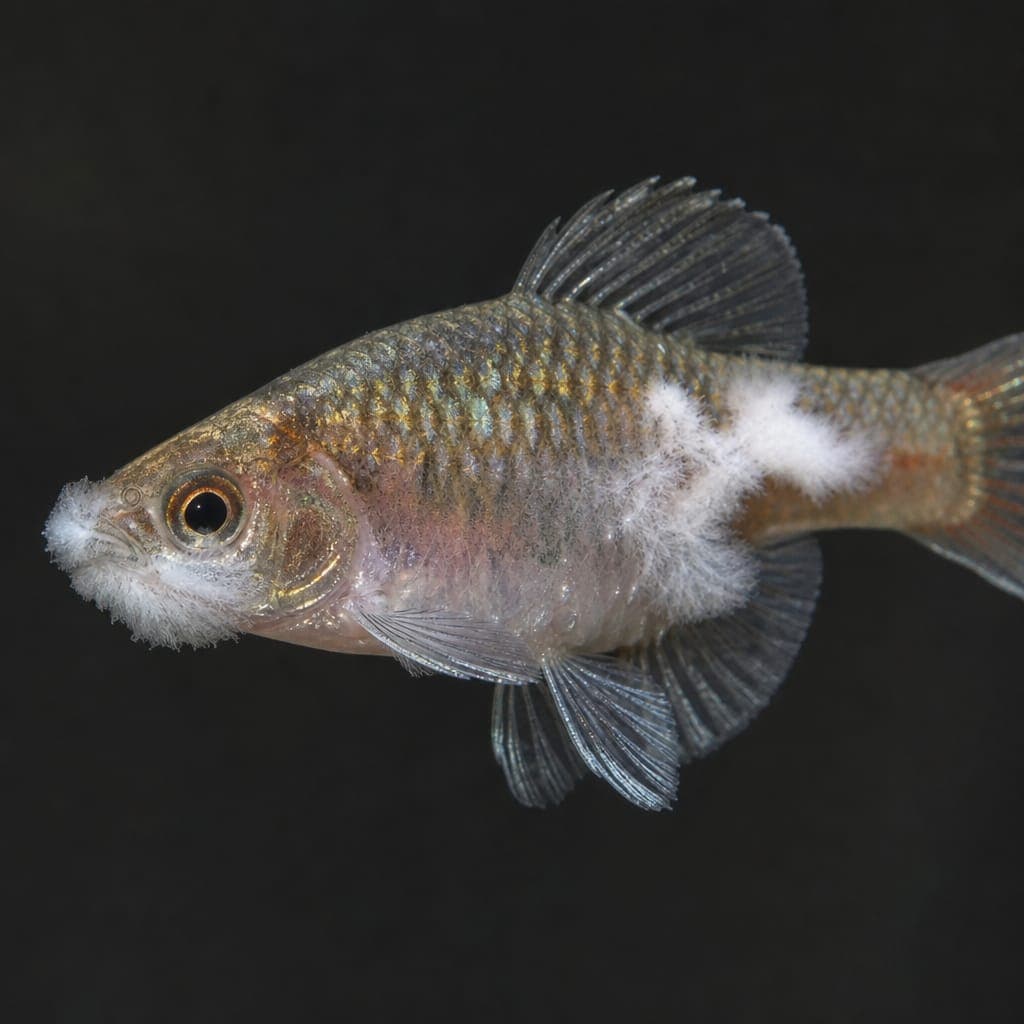
The Onespot Catfish is generally hardy; however, it can be susceptible to several common freshwater diseases. These include ich (Ichthyophthirius multifiliis), fin rot, and various parasitic infections. Prevention primarily revolves around maintaining stable water conditions and avoiding overstocking in the aquarium. Routine water changes and good tank hygiene are essential to prevent the development of bacterial and fungal infections.
To help prevent disease, observe your fish regularly for signs of distress or abnormal behavior. Early detection can facilitate prompt treatment and recovery. Additionally, quarantining new fish before introducing them into an established tank can minimize the risk of introducing pathogens that could harm your Onespot Catfish and other inhabitants of your aquarium.