Trichopodus trichopterus var.: Opaline Gourami
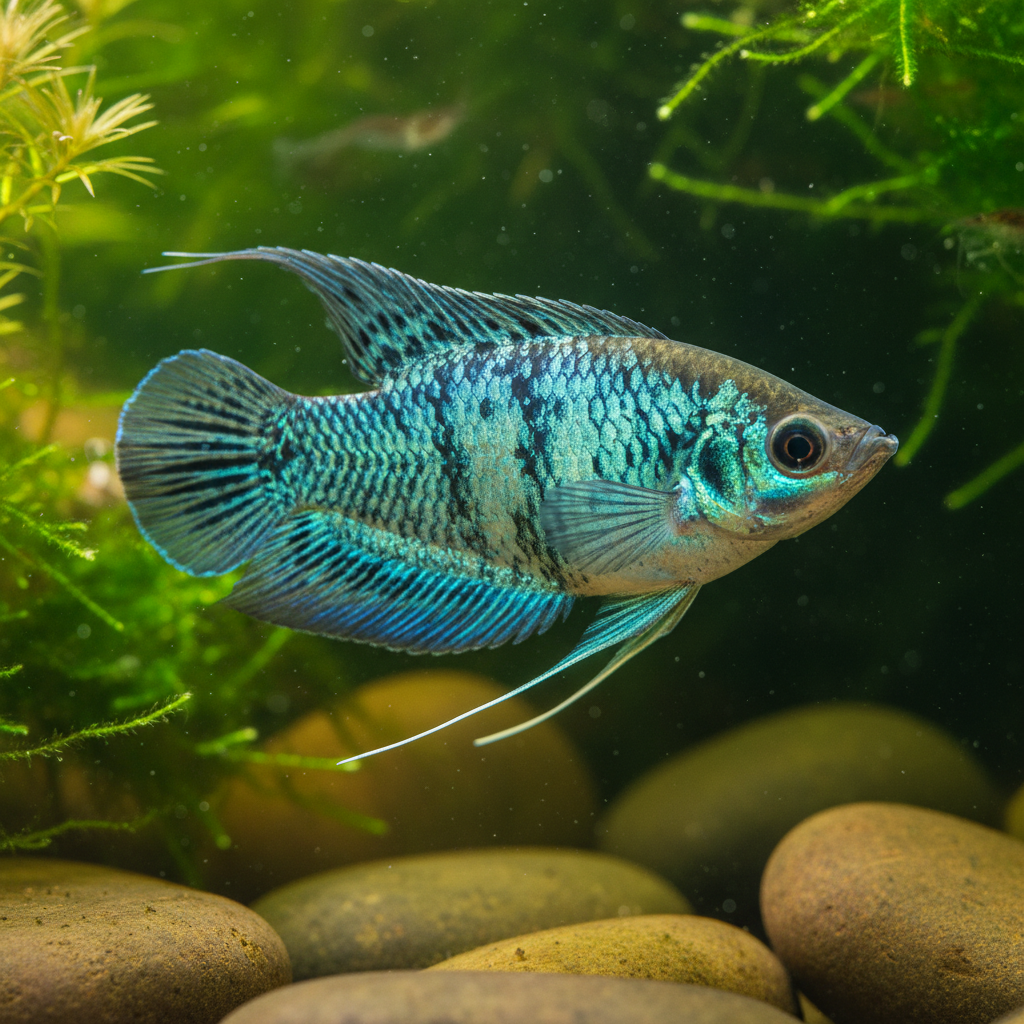
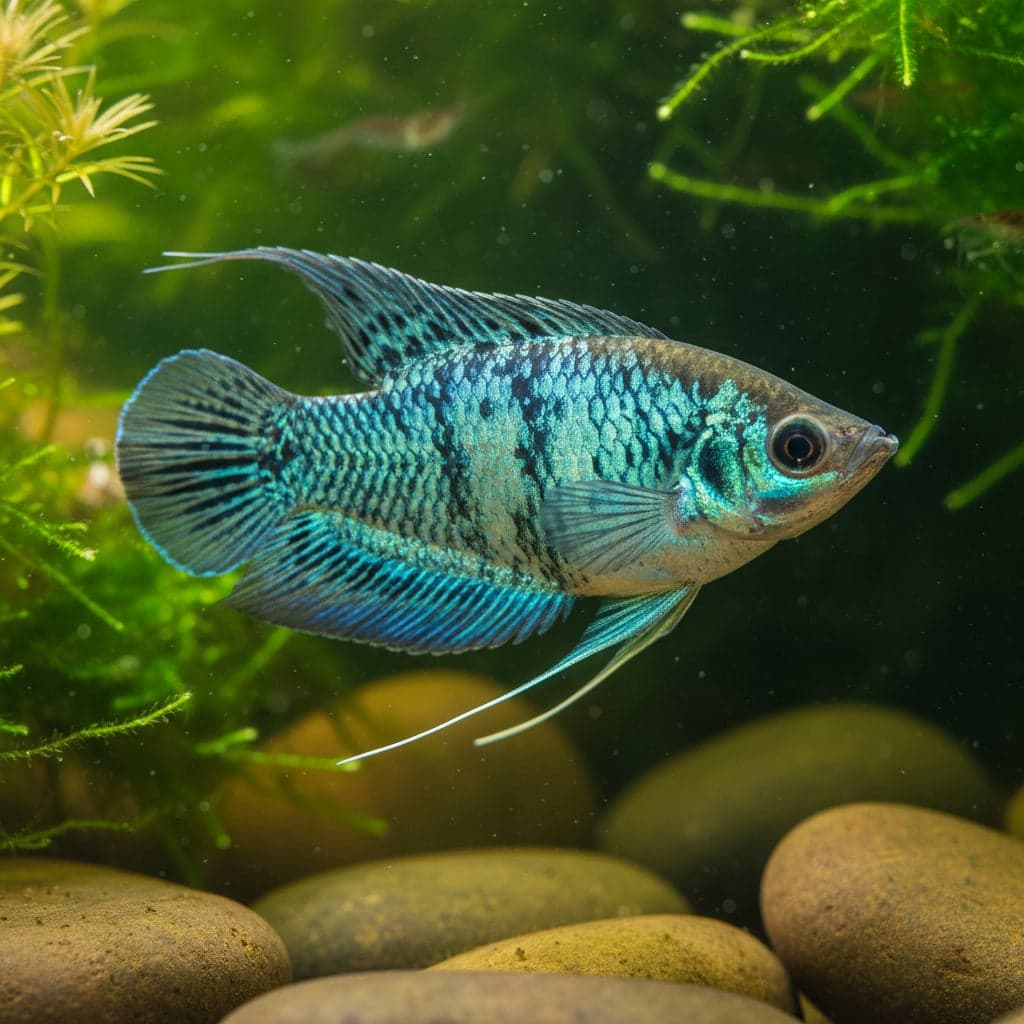
A dazzling, selectively bred color morph of the Three Spot Gourami featuring an intricate, marbled blue pattern.
Trichopodus trichopterus var.
The Trichopodus trichopterus var., commonly known as the Opaline Gourami, is a captivating freshwater fish admired for its striking appearance and calm demeanor. This variety of the Three-Spot Gourami showcases a beautiful blend of shimmering blue and opalescent hues, which can shift in intensity under different lighting. This iridescence combined with its elongated fins creates a graceful presence in any aquarium setup. Besides its aesthetic appeal, the Opaline Gourami is significant in the aquarium hobby due to its hardiness and adaptability, making it an excellent choice for both beginners and experienced aquarists alike.
Besides visual appeal, the Opaline Gourami also introduces a sense of tranquility to a tank, as they are generally peaceful fish. Their gentle nature and ability to thrive in a range of aquascapes contribute to their popularity among hobbyists. Not only does this fish enrich the biodiversity of an aquarium, but its vibrant colors and distinctive swimming style also enhance the overall aesthetic and dynamic, making it a valuable asset in community tanks.
Natural Habitat & Origin
The Opaline Gourami is originally from Southeast Asia, primarily found in the waters of Thailand, Vietnam, and Myanmar. It inhabits slow-moving rivers, swamps, and floodplains, where it thrives in warm, slightly acidic conditions characteristic of its native blackwater environments. The natural waters are often stained yellow or brown due to the presence of tannins from decaying organic matter, providing both shelter and nutritional resources for the fish.
In these habitats, the Opaline Gourami prefers shallow areas rich in vegetation, where it can seek refuge and spawn. The dense plants provide cover from potential predators and create a complex environment that supports a variety of micro-organisms, which form an essential part of their diet. As such, replicating these natural conditions in an aquarium setting is crucial for the well-being of this species.
Care Requirements
To provide a comfortable environment for the Trichopodus trichopterus var., maintain water parameters that closely mimic its natural habitat. The ideal temperature range is between 24°C and 28°C (75°F - 82°F), with a pH level between 6.0 to 7.5. Soft water with a hardness of 5 to 15 dGH is preferable, keeping in mind their native blackwater conditions.
When setting up the tank, a minimum size of 10 gallons is recommended for one Opaline Gourami; larger tanks are better for housing multiples or community setups. Utilize a fine substrate, such as sand or soft gravel, to simulate its natural bottom environment. Incorporate plenty of live plants, preferably floating varieties like Java Moss, to provide cover and create a sense of security. The lighting should be moderate, allowing the plants to flourish while maintaining a serene atmosphere that mimics the dimly lit waters of its natural habitat.
Diet & Feeding
Opaline Gouramis are omnivorous and have a diverse diet that includes both plant and animal matter. In captivity, they thrive on high-quality flakes, pellets, and specifically formulated fish food, which should be supplemented with frozen or live foods such as daphnia, brine shrimp, and bloodworms. It's essential to provide a varied diet to ensure they receive all necessary nutrients for optimal health.
Feeding should occur two to three times a day, with small portions that can be consumed within a few minutes to avoid water pollution. Moreover, incorporating blanched vegetables, such as zucchini or spinach, once or twice a week can enhance their diet and mimic their natural feeding habits.
Behavior & Temperament
The Opaline Gourami is known for its peaceful temperament, making it an excellent addition to community tanks. They are relatively social fish, often found alone or in small groups in the wild. While they are not considered schooling fish, keeping them in groups of three or more can enhance their confidence and reduce stress, as they exhibit more natural behaviors.
Due to their tranquil nature, aggression levels are generally low, though males can display territorial behavior, especially during breeding periods. In a tank, you might observe them swimming at various levels, often gliding gracefully near the surface or among plants. Keeping these gentle giants with compatible species ensures a harmonious aquarium environment.
Tank Mates
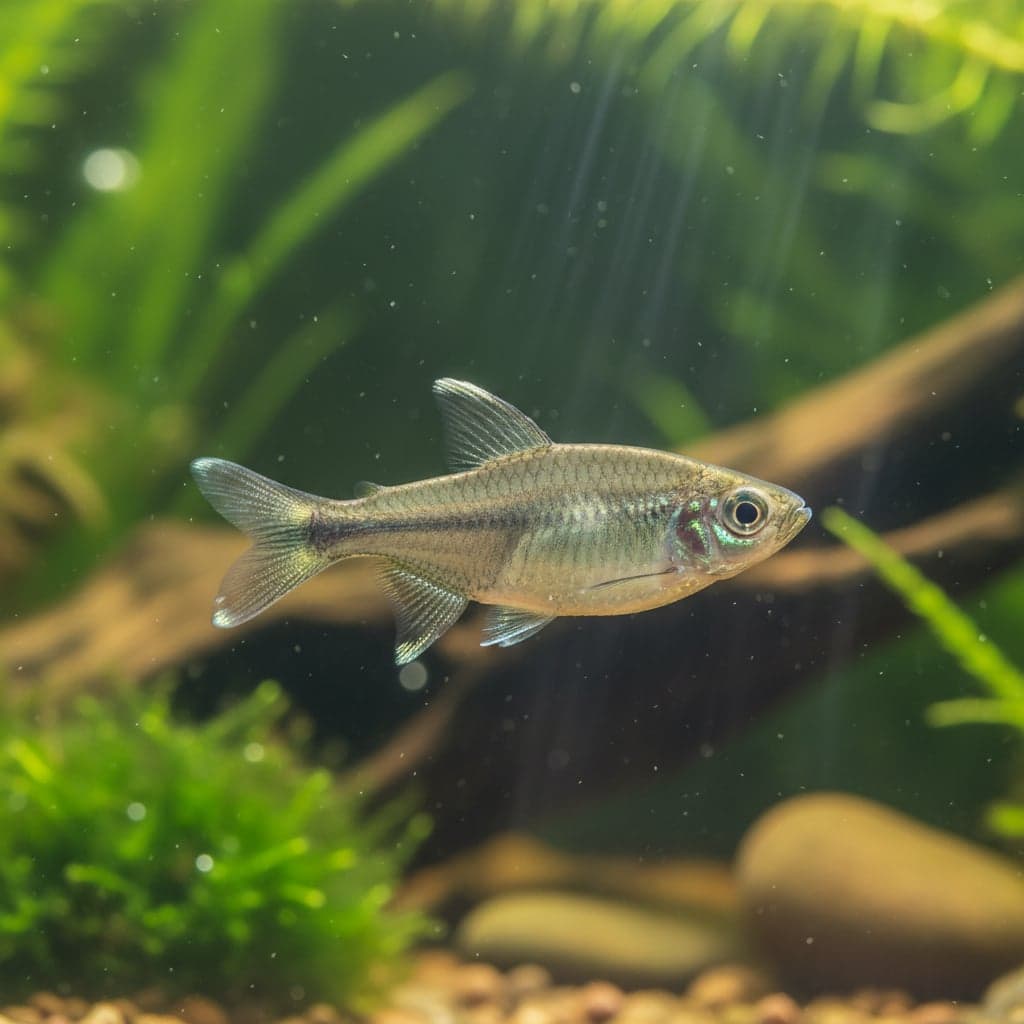
When selecting tank mates for the Trichopodus trichopterus var., aim for peaceful species that inhabit similar water conditions. Suitable companions include small to medium-sized fish such as tetras (e.g., Neon Tetra and Rummy Nose Tetra), Rasboras, and peaceful barbs (e.g., Cherry Barbs), as well as other calm species like corydoras catfish and various types of shrimp.
Avoid keeping Opaline Gouramis with aggressive or boisterous species like large cichlids or certain barbs that may outcompete them for food or harass them. Paying attention to tank size and ensuring adequate hiding spots will help maintain peace among the tank inhabitants.
Breeding
Breeding the Opaline Gourami in captivity can be a rewarding experience, though it requires specific conditions for successful spawning. Males are known to build bubble nests at the water's surface, which are essential for breeding. To encourage spawning, provide a separate breeding tank that mimics their natural habitat with soft, slightly acidic water.
During the breeding process, the male will court the female by displaying his colors and dancing around her. After successful mating, the female will lay eggs in the bubble nest. Post-spawning, it's crucial to separate the female from the male to prevent potential aggression. The eggs will hatch in approximately 24-48 hours, and the fry will require infusoria or specially formulated fry food for initial feeding.
Common Health Issues
Opaline Gouramis are generally hardy fish, but they can be prone to specific health issues such as ich (whitespot disease), fin rot, and other stress-related conditions, particularly if water quality is poor or if they are housed in inappropriate tank conditions. To prevent these issues, maintain high water quality through regular water changes, proper filtration, and monitoring parameters.
Regular observation of the fish for any unusual behaviors, such as changes in appetite or appearance, can help catch potential health problems early. Quarantining new fish before introducing them to an established tank can also minimize the risk of introducing diseases.