Maylandia zebra var. OB: Orange Blotched Zebra
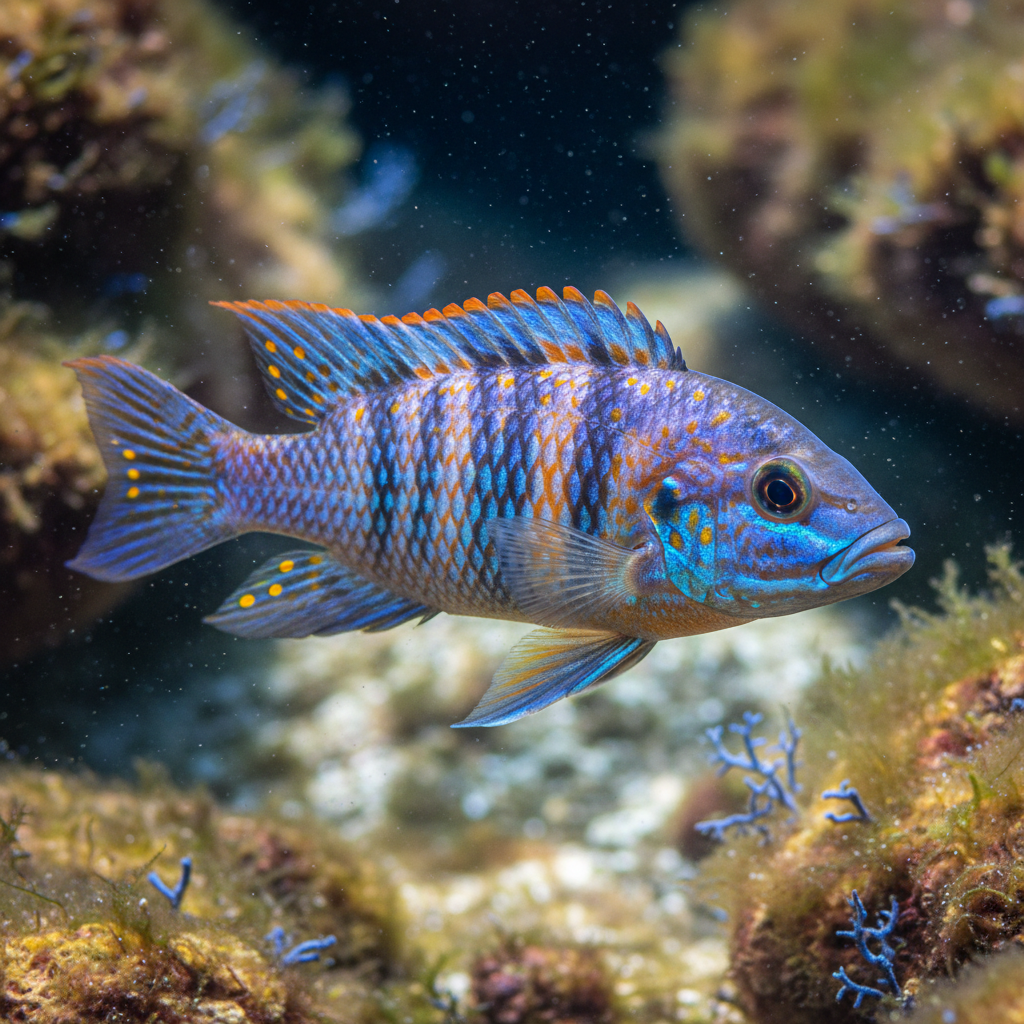
A stunning, highly variable color phase of the Zebra Mbuna featuring mottled patches of orange, pink, black, and blue.
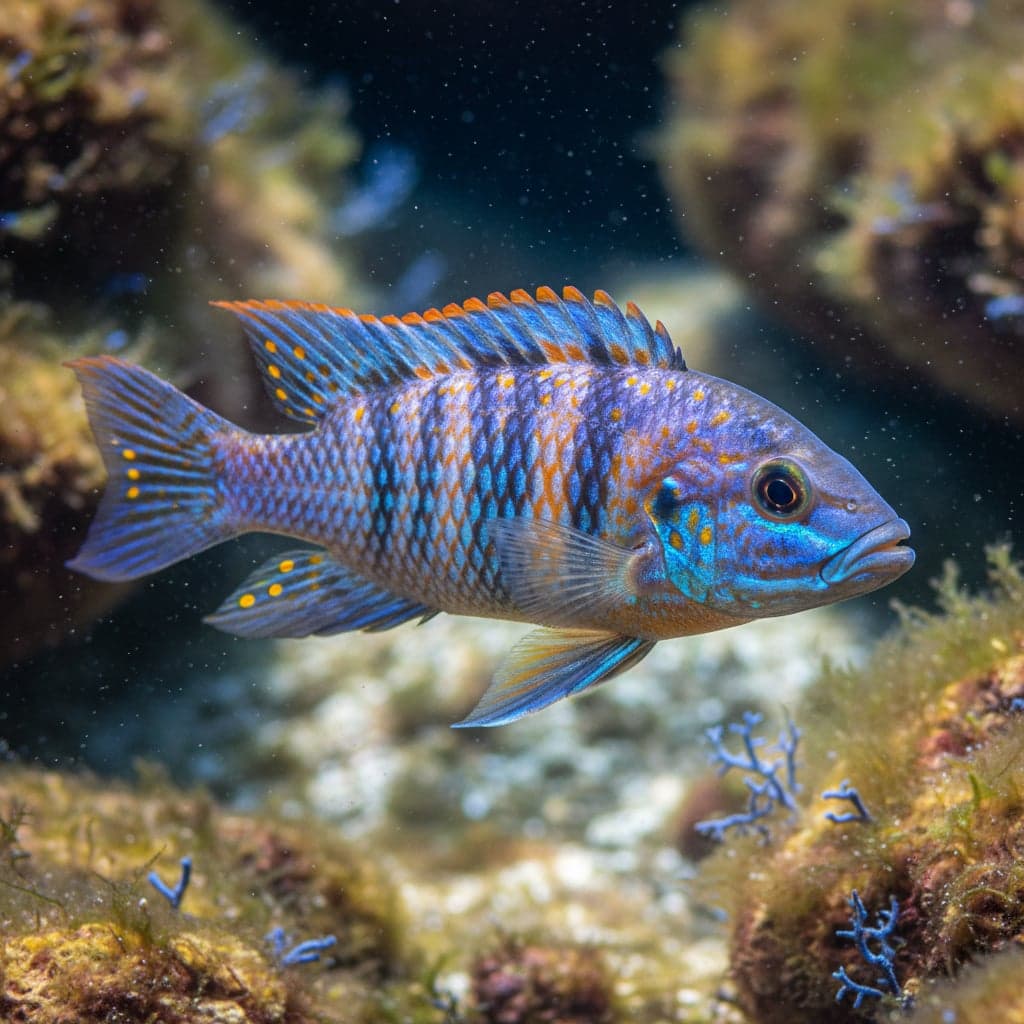
Maylandia zebra var. OB
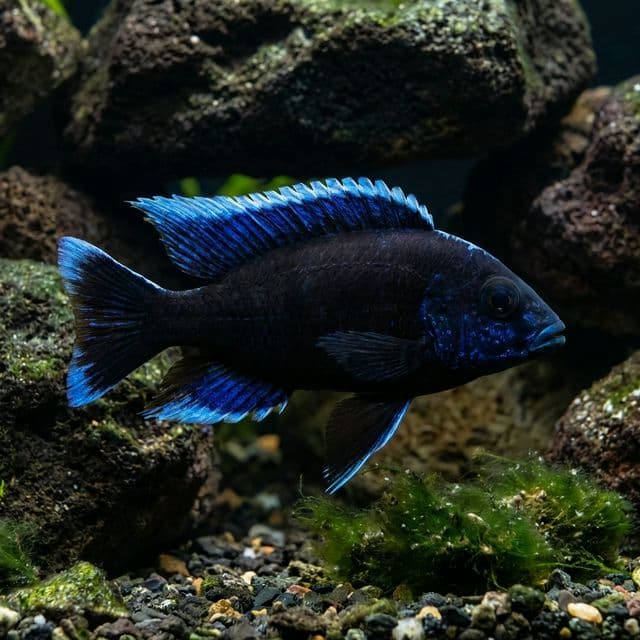
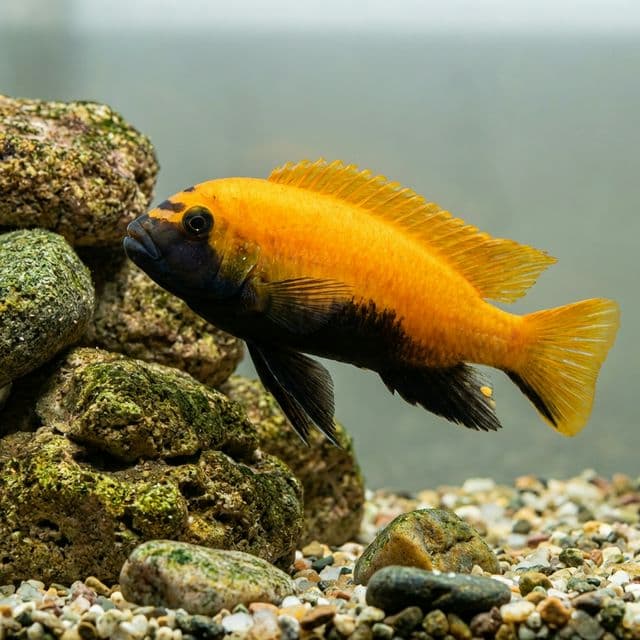
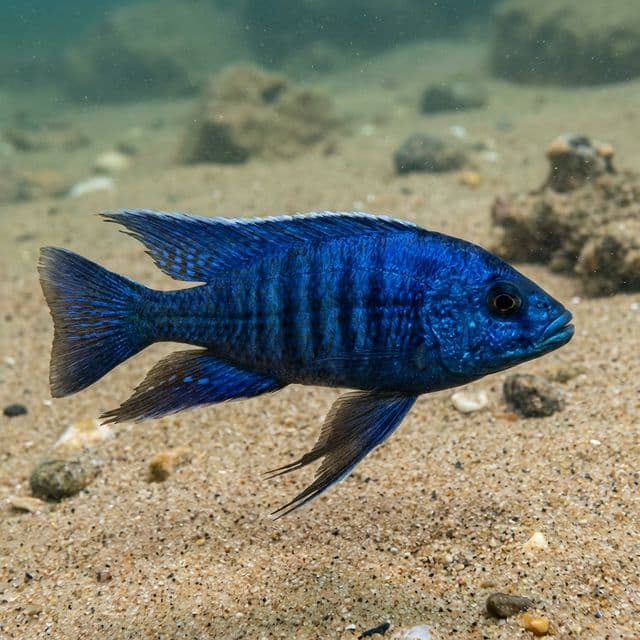
Maylandia zebra var. OB, commonly known as the Orange Blotched Zebra, is a visually striking freshwater species that belongs to the Cichlidae family. Renowned for its vibrant orange blotches scattered across a base of shimmering blue or grey, this fish is often the centerpiece in many African cichlid aquariums. These visual attributes not only enhance the aesthetic value of aquarium setups but also symbolize the thriving diversity of African cichlids, making Maylandia zebra var. OB a popular choice among aquarium enthusiasts. Its bold coloring combined with a captivating behavior contributes to its significant role in the aquarium hobby, attracting both novices and seasoned aquarists.
This species is part of the larger "Mbuna" group from Lake Malawi, renowned for their striking colors and dynamic personalities. As social fish originating from rocky habitats, Maylandia zebra var. OB displays distinct characteristics, including territoriality and breeding behavior, that parallels the rich biodiversity of their natural environment. Their appeal in the aquarium trade is bolstered by their active nature and relatively manageable care requirements, making them an attractive option for both community tanks and specialized African cichlid displays.
Natural Habitat & Origin
Maylandia zebra var. OB is native to the rocky substrates and rocky shorelines of Lake Malawi in East Africa. The geographical region is characterized by clear waters that can vary in depth and temperature, creating a unique habitat ideally suited for cichlids. In its natural environment, this species thrives in a specific ecological niche, often found among boulders and crevices, where it can seek shelter from both predators and rivals. The overall water quality is crucial, as these fish inhabit environments with stable temperatures and moderate currents that provide the necessary oxygenation.
The water in Lake Malawi is typically alkaline, with a pH ranging between 7.7 to 8.6, and moderate hardness due to the minerals leached from the surrounding limestone. This unique combination of water chemistry and physical environment contributes significantly to the vibrant colors and health of Maylandia zebra var. OB. Understanding their natural habitat helps aquarists replicate the necessary conditions in captivity for optimal growth and behavior.
Care Requirements
To ensure the health and vitality of Maylandia zebra var. OB, certain water parameters must be met. The ideal pH level is between 7.7 and 8.6, with a temperature range of 75°F to 82°F (24°C to 28°C). Hardness should be around 10-20 dGH, mimicking their natural lake conditions. A minimum tank size of 30 gallons is recommended, providing ample swimming space and shelter for territorial behavior.
For tank setup, a substrate of coarse sand or gravel should be used, complementing the natural environment of rocky landscapes. Incorporating decorations such as caves, rocks, and ledges is critical as these provide hiding spots and territories which the fish actively defend. Lighting should be moderate, allowing for some shadowed areas—this promotes not only comfort for the fish but also encourages natural behaviors. Live plants can be added, but be aware that Maylandia zebra var. OB's digging behavior may disturb softer rooted specimens, so it's often advisable to select hardy varieties or focus on decor that mimics their natural habitat.
Diet & Feeding
Maylandia zebra var. OB is an omnivorous cichlid, requiring a balanced diet to maintain its vibrant coloration and health. In captivity, a high-quality staple pellet designed for African cichlids is ideal. Additionally, they benefit from a varied diet comprising spirulina flakes, vegetable matter, and occasional protein-rich snacks, such as frozen or live brine shrimp and daphnia. Providing diverse food sources not only promotes optimal growth but also enhances their natural behavior.
Feeding should occur 2 to 3 times a day, with portions small enough for the fish to consume within a few minutes. This feeding regimen mimics their natural hunting and foraging behavior, ensuring they remain active and healthy. Additionally, regular observation during feeding can help aquarists gauge each fish's health and adjust diets as needed.
Behavior & Temperament
Maylandia zebra var. OB is known for its dynamic and sometimes aggressive behavior, particularly during mating season or when defending territory. They are generally territorial and may engage in displays of aggression towards both their own species and other tank mates. It's crucial to provide ample hiding spots and swimming space to minimize confrontations.
Socially, they do best in groups to keep aggressiveness in check. While they are not true schooling fish, keeping them in groups of at least six helps distribute aggression more evenly among their peers. They tend to occupy the middle to upper levels of the tank where they are active swimmers, frequently darting in and out of hiding spots and establishing territories.
Tank Mates
When selecting tank mates for Maylandia zebra var. OB, it is essential to consider their temperament and territorial nature. Compatible species include other African cichlids, such as Pseudotropheus, Labidochromis, and other Mbuna that display similar size and behavior patterns. These fish can generally coexist peacefully, provided the setup allows for adequate territory and hiding spots.
Species to avoid include smaller fish, which may be seen as prey, and overly docile species that could become targets for aggression. Furthermore, other territorial cichlids that do not share a similar habitat need should also be avoided to prevent excessive aggression and stress.
Breeding
Breeding Maylandia zebra var. OB in captivity can be achieved when the appropriate conditions are met. These fish exhibit mouthbrooding behavior, where females incubate fertilized eggs in their mouths. To encourage spawning, it is helpful to provide a breeding cave or flat rock surface where the female can lay her eggs.
A water temperature of around 78°F to 80°F (25°C to 27°C) and stable water chemistry that mimics their natural environment will set the stage for successful breeding. After spawning, the female will carry the eggs for about three weeks before releasing the fry, which will require separate rearing conditions to minimize predation risks from adult fish. Proper care of fry includes feeding them with finely crushed flakes and infusoria until they are large enough to consume larger food particles.
Common Health Issues
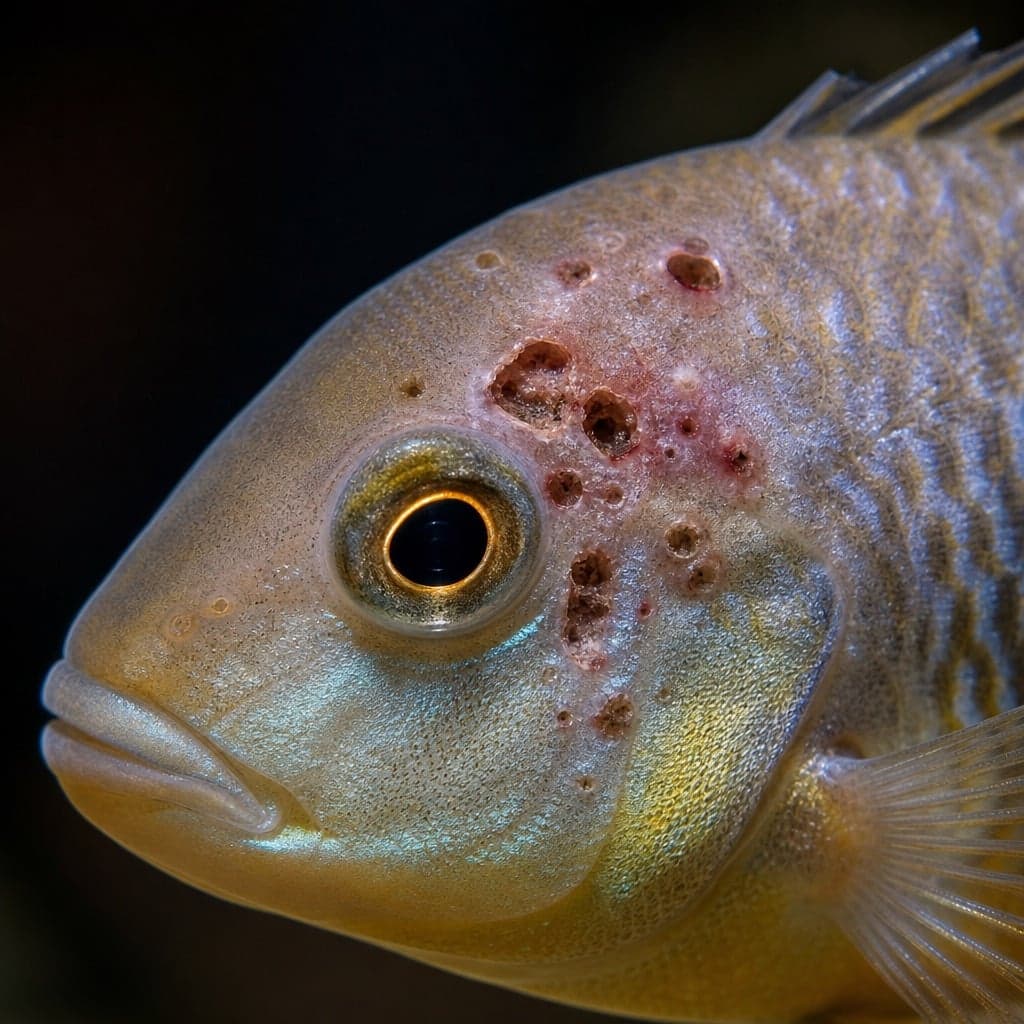
Maylandia zebra var. OB can be susceptible to several common fish diseases, particularly those linked to stress and poor water conditions. Issues such as ich (Ichthyophthirius multifiliis), fin rot, and hole-in-the-head disease are common among cichlids. Maintaining good water hygiene through regular water changes and proper filter maintenance is crucial in preventing these diseases.
Moreover, monitoring for signs of stress or illness—such as changes in behavior, loss of appetite, or visible lesions—can help classify and treat any health issues early. Implementing a balanced diet and ensuring that tank parameters remain stable can significantly mitigate the risk of these common health concerns, ensuring the longevity and well-being of your Maylandia zebra var. OB.