Orangespot Rabbitfish
A 30cm rabbitfish with venomous dorsal spines and gold spotting. Grazes algae relentlessly and needs 700L+ as an adult.
Orangespot Rabbitfish
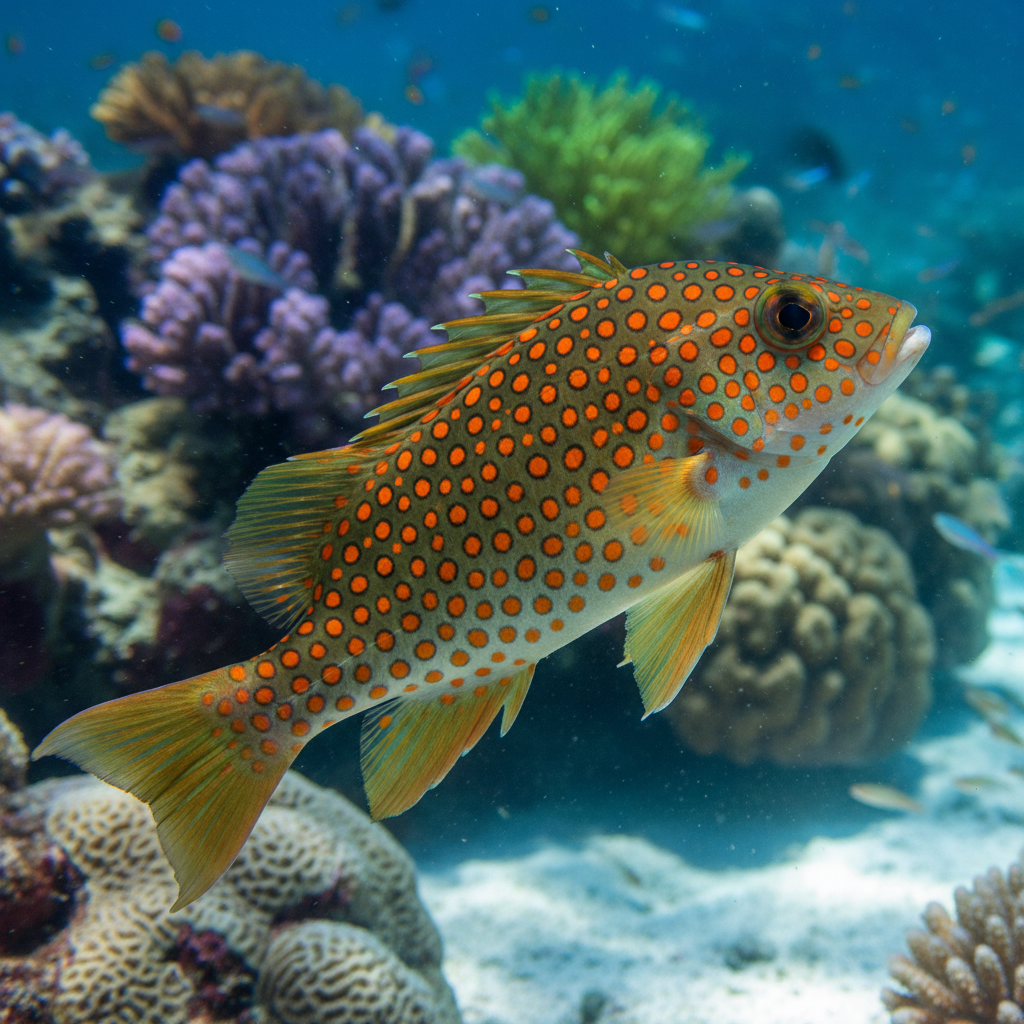
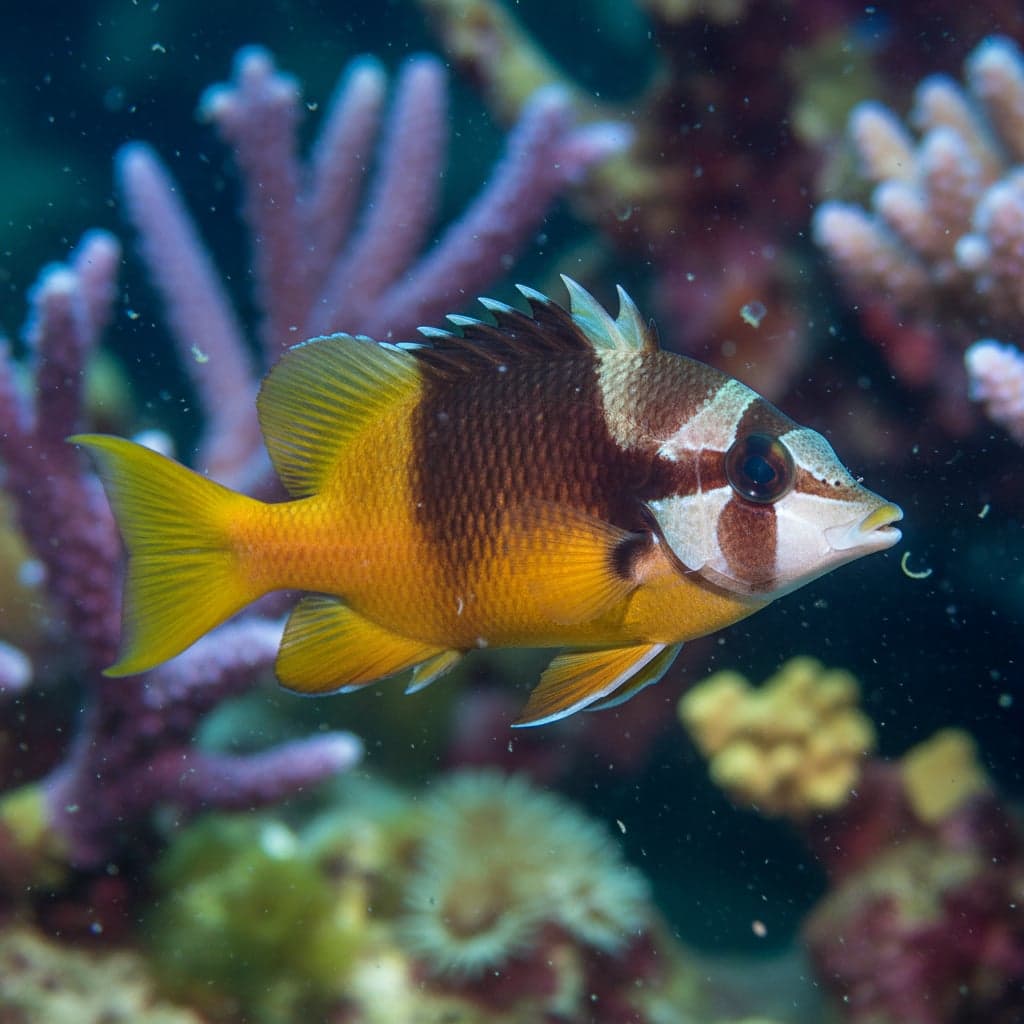
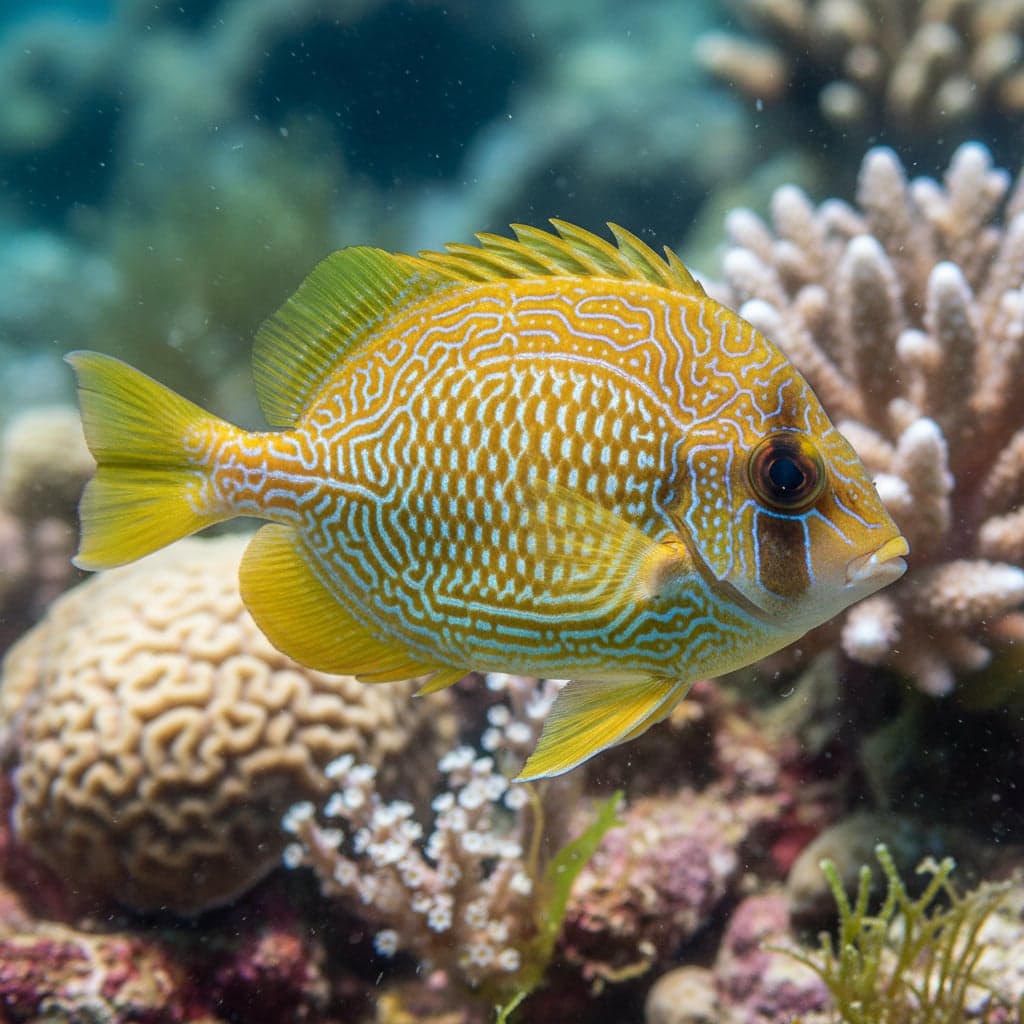
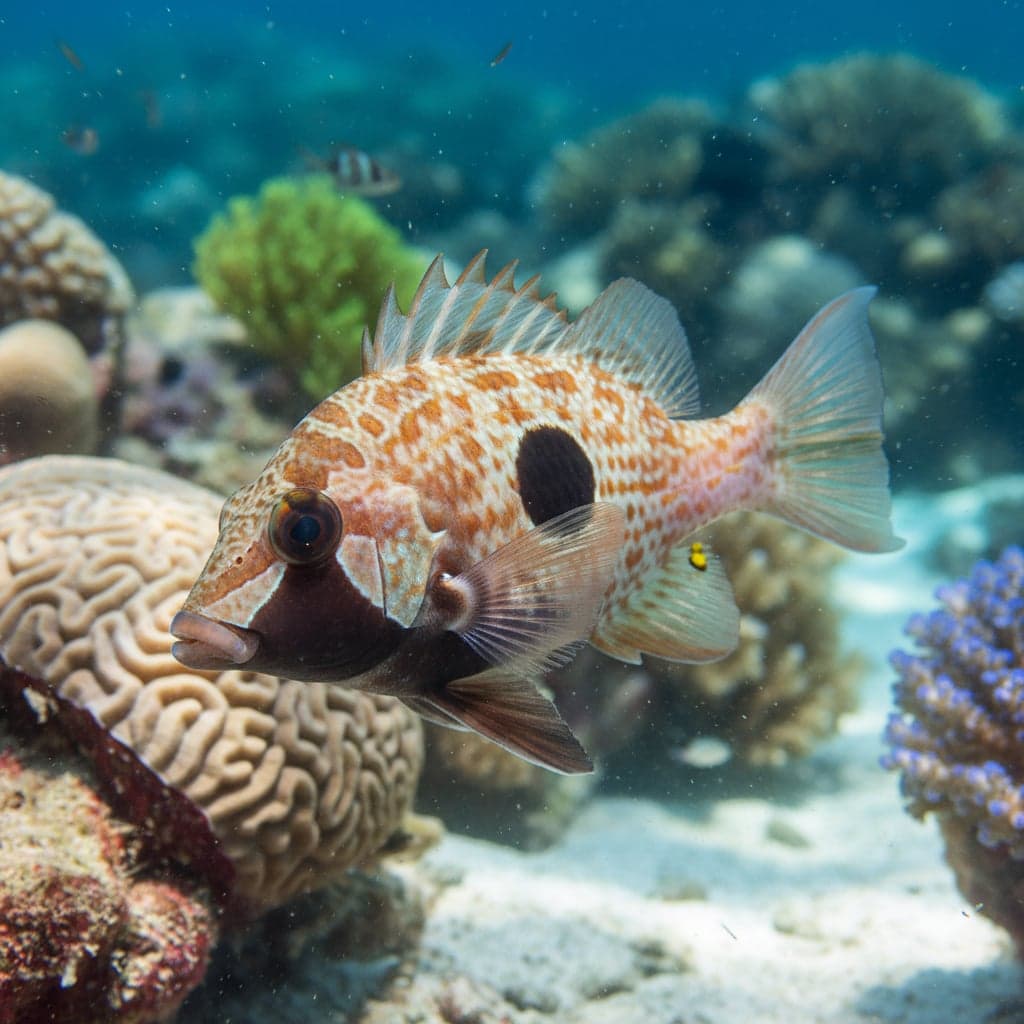
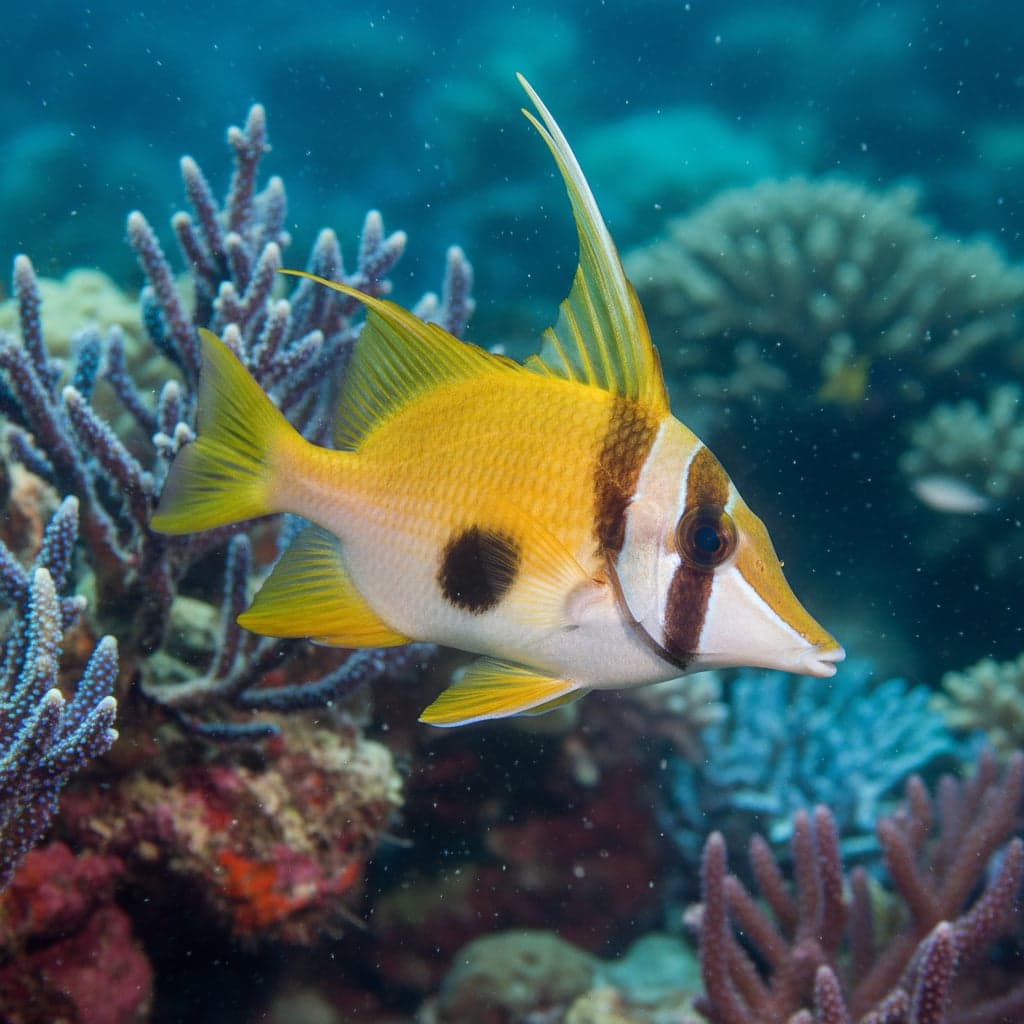
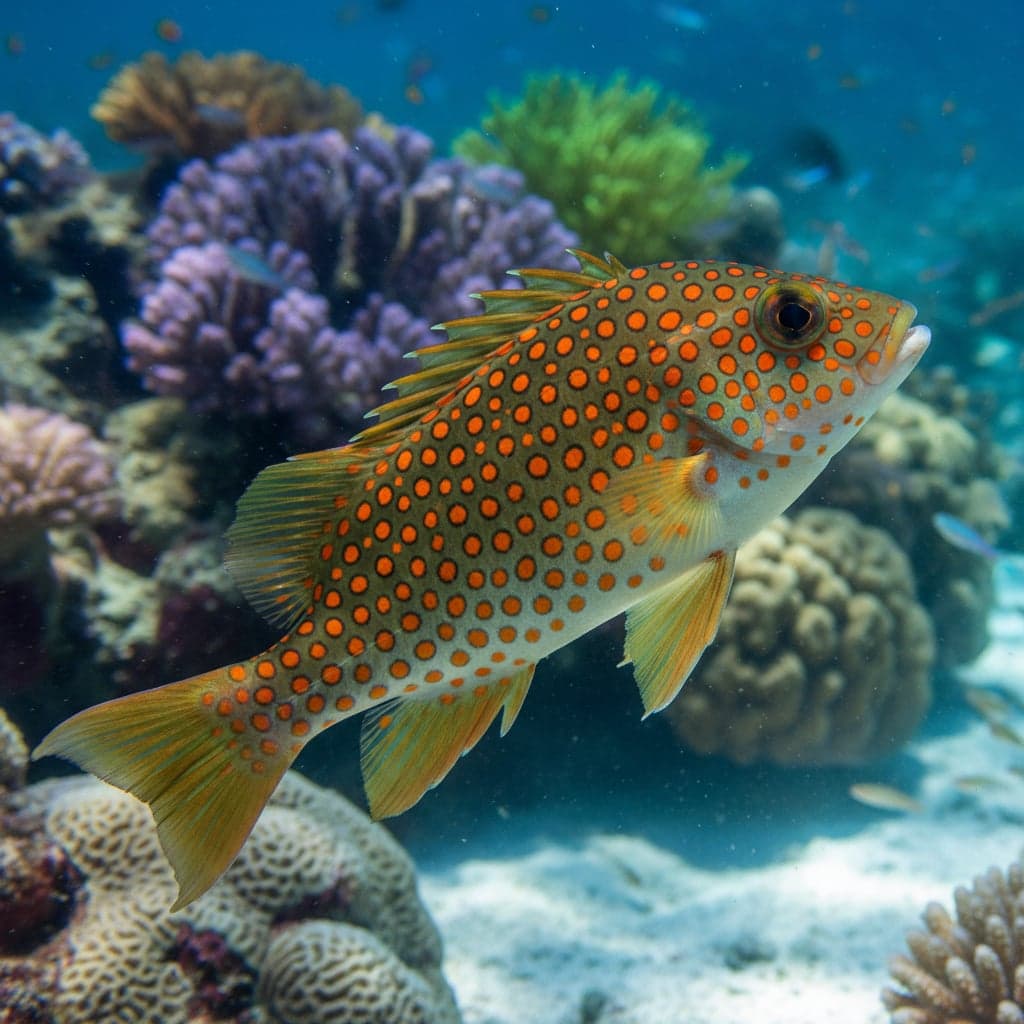
The Orangespot Rabbitfish, known scientifically as Siganus guttatus, is a fascinating species that captures the attention of aquarists with its vibrant coloration and unique body shape. Characterized by its striking yellow-orange spots against a backdrop of pale yellow to light brown, this fish exhibits a distinctive appearance that not only enhances the aesthetic value of any marine aquarium but also piques the interest of fish enthusiasts. Its elongated body, which can reach lengths of up to 12 inches, contributes to its unique silhouette, making it a standout addition in both large community tanks and species-specific displays.
Significantly, the Orangespot Rabbitfish is revered not only for its beauty but also for its role in maintaining healthy aquarium environments. These fish are primarily herbivorous, consuming algae and detritus, thus helping to manage excess growth of algae—a common challenge faced by aquarists. Their presence can promote a balanced ecosystem within the tank, making them a valuable asset for those passionate about underwater gardening and the ecological health of their aquaria.
Natural Habitat & Origin
The Orangespot Rabbitfish hails from the warm tropical waters of the Indo-Pacific region, including areas such as the Red Sea, and the coasts of East Africa, Japan, and Australia. This species typically inhabits shallow coral reefs and lagoons, where it thrives among crevices and rocky substrates. The environmental context of their natural habitat comprises clear to slightly turbid waters rich in nutrients, which support the abundant growth of algae—one of their primary food sources. This affinity for shallow waters means they often dwell in regions that are less than 30 meters deep, favoring areas where they can easily find shelter amidst the natural formations.
Care Requirements
To successfully keep the Orangespot Rabbitfish, prospective aquarists must consider several essential care requirements. The ideal water parameters for this species include a pH range of 8.1 to 8.4, a temperature range between 72°F and 78°F (22°C to 26°C), and a water hardness of around 8 to 12 dGH. Given their active nature and size, a minimum tank size of 700 litres (185 gallons) is recommended for this active 30cm Siganus — adults need swimming room and constant algae-grazing territory. The substrate should be a mix of fine sand and gravel to mimic their natural environment, while rock formations, caves, and structures are essential for creating hiding spots and territories.
Lighting for the Orangespot Rabbitfish should mimic natural conditions, with moderate intensity that will not overwhelm them. Planting options can include hardier marine plants or a few soft corals, as this species tends to nibble on algae more than on actual plants. It's advisable to create an environment that allows for both open swimming areas and protective hiding spaces to cater to their social dynamics.
Diet & Feeding
The Orangespot Rabbitfish is primarily herbivorous, requiring a diet that is rich in plant matter. They benefit from a well-rounded diet that includes high-quality marine algae, spirulina-based flakes, and pellets. Offering frozen or live foods such as brine shrimp and mysis shrimp occasionally can enhance their nutritional intake, but it is crucial to ensure the bulk of their diet consists of herbivorous materials. Aquarists should aim to feed their Orangespot Rabbitfish at least two to three times a day, adjusting the portion sizes to prevent overfeeding while meeting their nutritional needs and fostering active foraging behaviors.
Behavior & Temperament
In terms of behavior, the Orangespot Rabbitfish displays a generally peaceful demeanor, especially when housed in appropriately sized community tanks. However, they can exhibit territorial tendencies, particularly during feeding or if they feel crowded. While not typically aggressive, they may show signs of stress or aggression if housed with overly aggressive tank mates or in inadequate space. These fish prefer to swim among the mid to upper levels of the tank, although they will also venture into the bottom dwellings, especially during foraging activities. Social interactions with their own species can lead to some competition, so it is beneficial to keep them in groups, ensuring enough space for each fish to establish its territory.
Tank Mates
Choosing the right tank mates for the Orangespot Rabbitfish is crucial to maintaining harmony in a community setting. Compatible species include various types of peaceful wrasses, damselfish, and other herbivorous fish such as tangs and surgeonfish that thrive in similar conditions. Reef-safe invertebrates, such as shrimp and snails, can also coexist with this species, provided the fish are well-fed and not overly stressed. However, it is advisable to avoid housing them with aggressive species such as triggers, angelfish, or large predatory fish that could bully or harm the rabbitfish.
Breeding
Breeding the Orangespot Rabbitfish in captivity remains challenging and is rarely accomplished by hobbyists. This species is a pelagic spawner, releasing eggs into the open water column rather than in nest-like arrangements. For successful breeding, a larger breeding setup with distinct male and female individuals is essential, along with stable water parameters and suitable food resources. To promote spawning, temperature variation can be introduced to mimic seasonal changes, creating an incentive for the rabbits to engage in breeding behaviors. Professional aquarists or breeders may use techniques such as controlled lighting and dietary enhancements to stimulate readiness, but achieving sustainable success in captive breeding remains a relatively underexplored venture.
Common Health Issues
Orangespot Rabbitfish can be susceptible to certain health issues, primarily due to stress from poor water quality or incidents of aggression from tank mates. Common diseases include marine ich (Cryptocaryon irritans), a parasitic infection that can manifest as white spots on the skin and fins, and velvet disease (Oodinium), which is often characterized by a gold dust appearance. To mitigate these health problems, maintaining excellent water quality through regular testing and water changes is essential. Quarantining new arrivals before adding them to the main tank can also help prevent the introduction of diseases. Additionally, providing a varied diet rich in vitamins and maintaining an environment that meets their social and physical needs will contribute to the overall health and resilience of the Orangespot Rabbitfish.