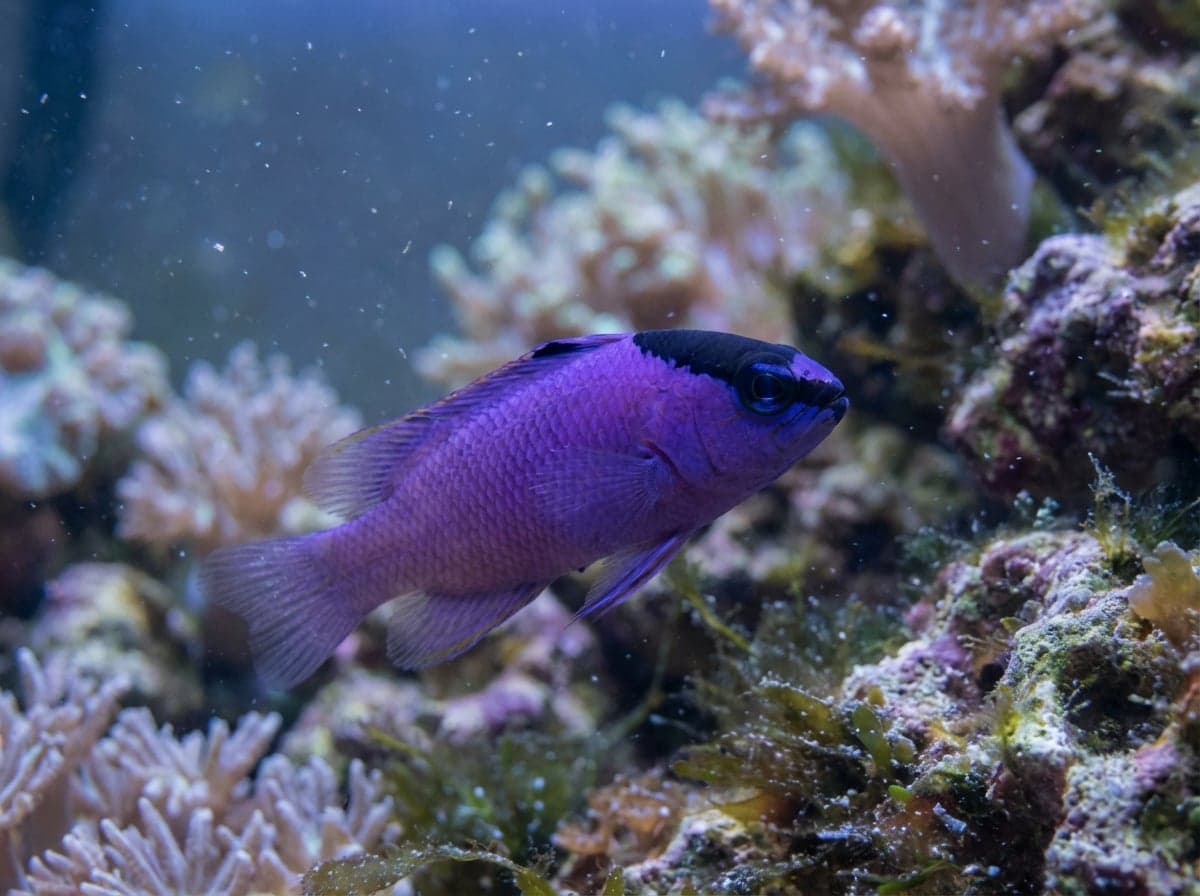
Orchid Dottyback
A 7cm captive-bred dottyback, deep purple and far more peaceful than its wild relatives. Reef safe and one of the best small marine fish.
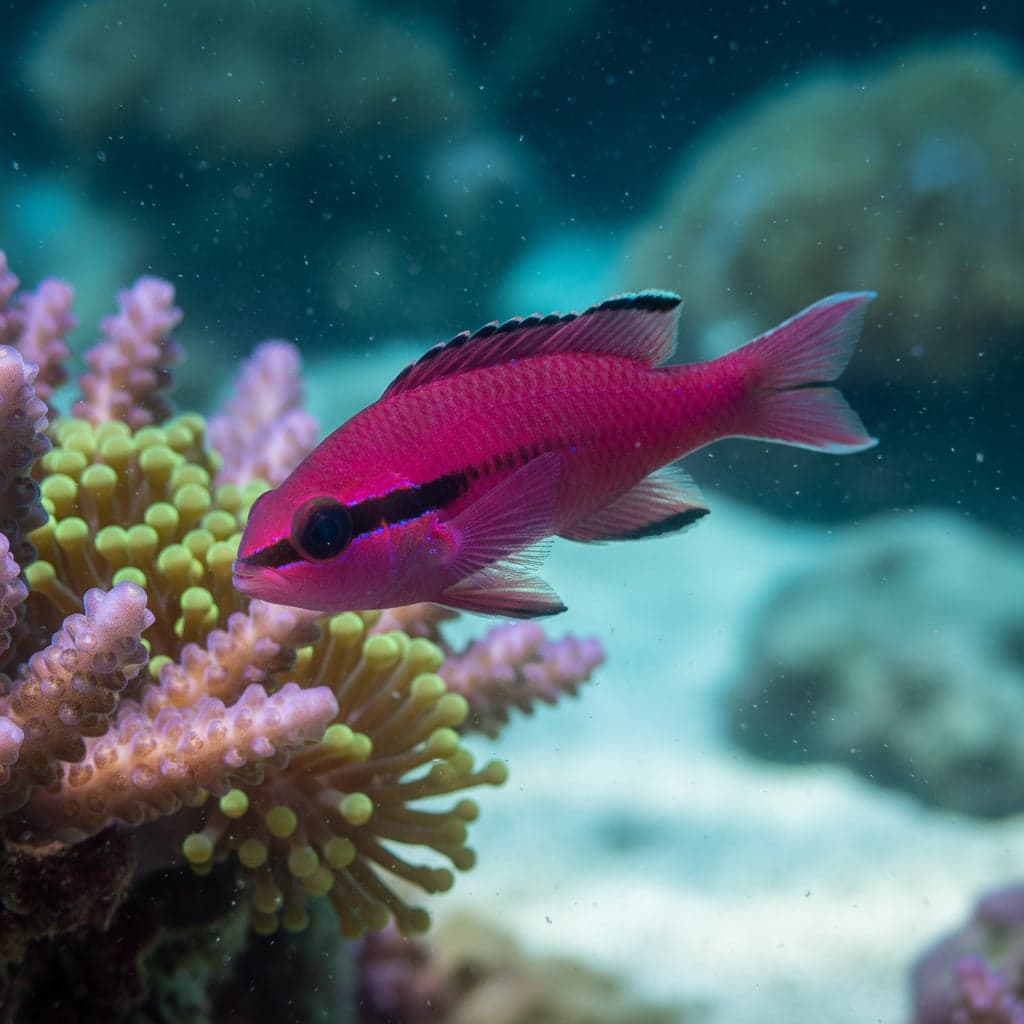
Orchid Dottyback
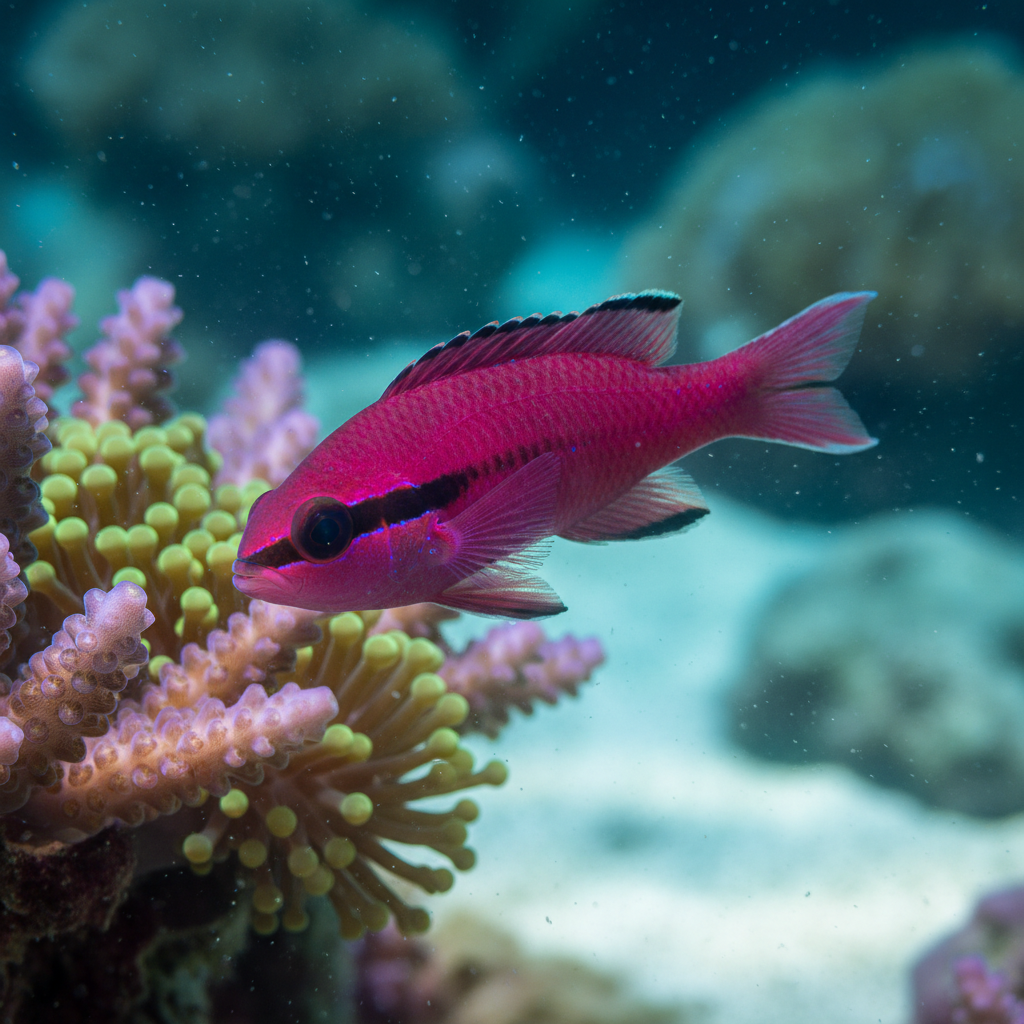
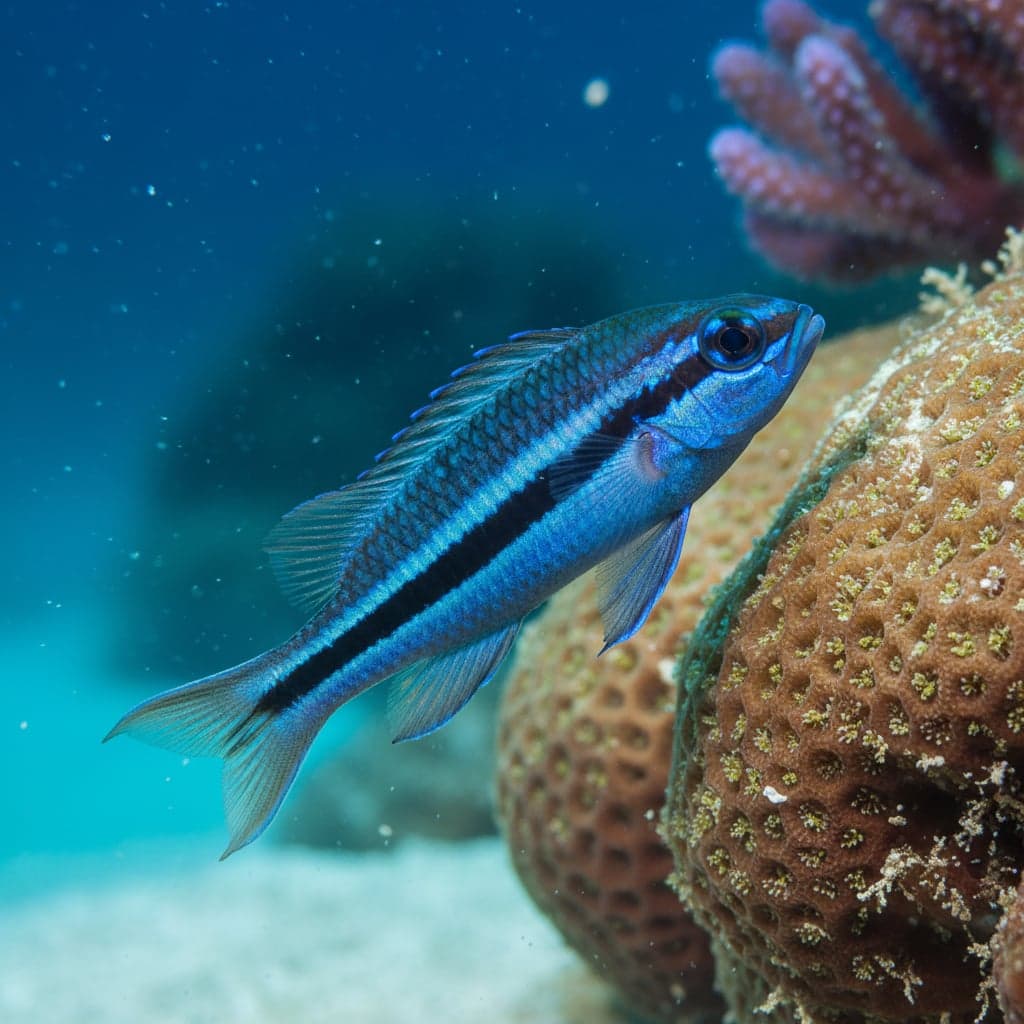
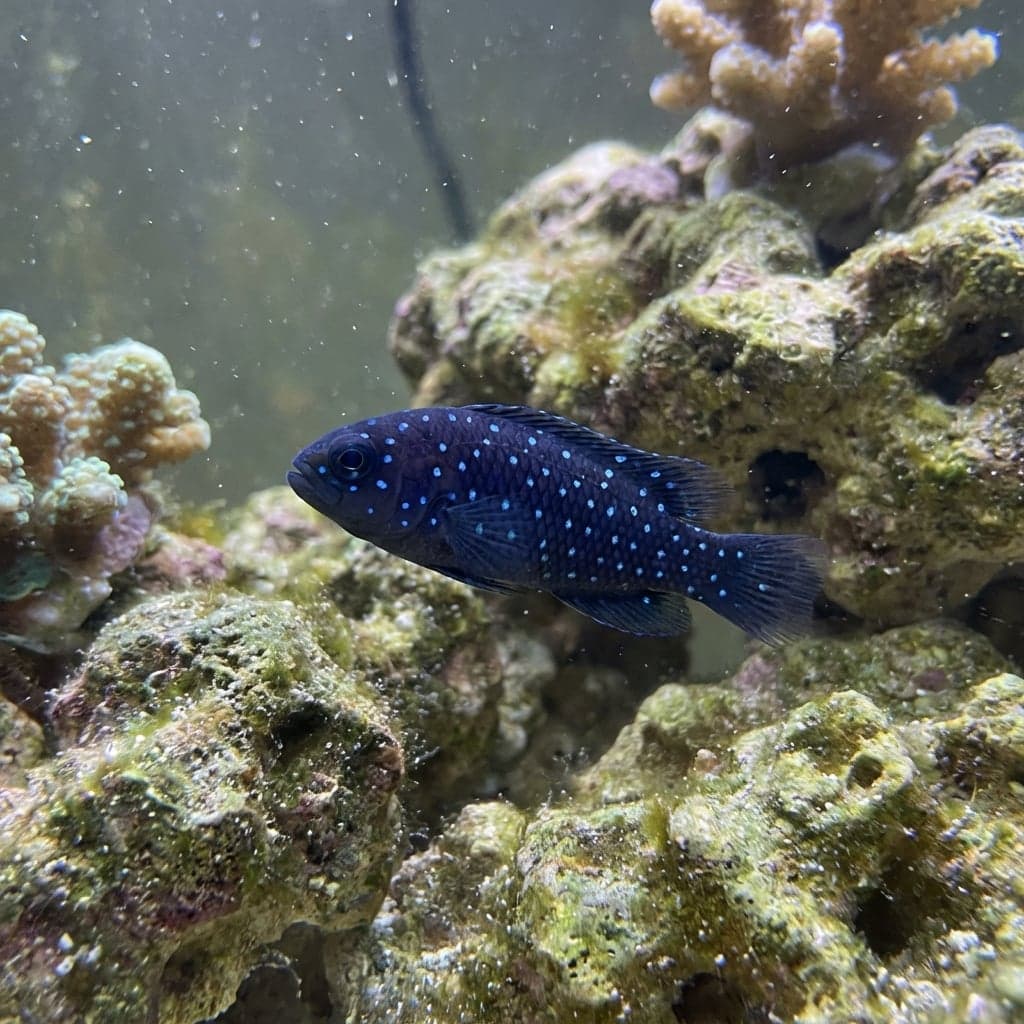
The Orchid Dottyback, scientifically known as Pseudochromis fridmani, is a strikingly beautiful marine fish cherished by aquarium enthusiasts for its vibrant coloration and captivating behaviors. This small, elongated fish typically showcases a brilliant purple body complemented by yellow or orange accents, making it a captivating addition to any reef tank. Its combination of vivid hues allows it to stand out among other species, enhancing the aesthetic appeal of the aquarium. The Orchid Dottyback is not only appreciated for its beauty but also for its role as a hardy and relatively easy-to-care-for fish, specifically favored by both new and experienced aquarists alike.
In the aquarium hobby, the Orchid Dottyback holds considerable significance due to its unique personality and adaptability. Known for its assertive nature, the Orchid Dottyback can be a bold character in a community tank, often staking its claim to territory. This spirited behavior adds a lively dynamic to aquascapes, making it an exciting species to observe. Additionally, the Orchid Dottyback's compatibility with various marine setups, including reef tanks and nano aquariums, contributes to its popularity, providing aquarists with a versatile option for creating a vibrant aquatic environment.
Natural Habitat & Origin
The Orchid Dottyback is native to the coral reefs of the Indo-Pacific region, particularly around the islands of the Maldives, Sri Lanka, and the eastern coast of Africa. It predominately inhabits shallow waters, particularly in reef environments, where it can seek shelter in crevices and anemones, showcasing its preference for vibrant marine ecosystems. The areas it inhabits usually feature clear waters filled with natural light, fostering an environment conducive to photosynthetic coral growth. This habitat not only supports a diverse range of marine life but also offers the Orchid Dottyback ample opportunities for foraging and finding hiding spots from potential predators.
These fish thrive in marine waters that exhibit stable conditions, where the salinity typically ranges from 1.020 to 1.025 specific gravity, and the water temperature is generally maintained between 75°F and 82°F (24°C to 28°C). The typical pH in their natural habitat ranges from 8.0 to 8.4, with carbonate hardness levels between 8 and 12 dKH. The stability of these water parameters is critical for the long-term health and survival of Orchid Dottybacks in captivity, emphasizing the importance of replicating their natural environment within the home aquarium.
Care Requirements
To effectively care for Orchid Dottybacks, it is essential to replicate their natural habitat as closely as possible. A minimum tank size of 110 litres (30 gallons) is recommended to provide adequate swimming space, particularly if it is kept with other species. A well-structured aquascape with live rock, hiding spots, and caves will not only accommodate its territorial nature but also promote a sense of security. The tank's substrate can consist of fine sand or small gravel, allowing for natural behavior as the fish forages for food.
In terms of water parameters, the pH should be maintained between 8.0 and 8.4, with a temperature range of 75°F to 82°F (24°C to 28°C). The hardness should ideally be between 8 and 12 dKH. Lighting should mimic a natural environment with moderate to high-intensity lighting suitable for coral growth, promoting a vibrant ecosystem. It's also crucial to maintain proper filtration and perform regular water changes to ensure a stable aquatic environment, as this helps prevent fluctuations that can adversely affect the health of the Orchid Dottyback.
Diet & Feeding
The Orchid Dottyback is primarily carnivorous but can also adapt to an omnivorous diet in captivity. In the wild, it feeds on small invertebrates, zooplankton, and larvae. Therefore, it is recommended that their diet in captivity consists of high-quality frozen or live foods, such as brine shrimp, mysis shrimp, and finely chopped seafood. Flake and pellet foods designed for marine fish are also suitable, but they should contain a significant amount of protein to promote proper health.
To ensure the best care, it’s advisable to feed the Orchid Dottyback several small servings throughout the week rather than one large feeding session. This feeding strategy not only mimics their natural foraging behavior but also prevents waste and maintains water quality. While they may accept a variety of prepared foods, ensuring a varied and nutrient-rich diet will improve their overall well-being and vibrant coloration.
Behavior & Temperament
The Orchid Dottyback is known for its active and inquisitive nature, making it a compelling species to observe in an aquarium setting. Typically, these fish prefer to dwell within the middle to lower regions of the tank, often utilizing crevices for shelter. They are territorial and exhibit aggressive behaviors, especially towards similar-sized or shaped fish. Despite their bold demeanor, they can coexist peacefully with diverse marine species provided ample space and hiding spots are available.
While Orchid Dottybacks are generally not schooling fish, they can be kept in pairs or small groups, especially if introduced simultaneously into a well-established aquarium. However, caution should be exercised when introducing them to community tanks, as their assertive behavior may lead to conflicts, particularly with passive species. Proper tank dimensions and strategic placement of decorations can mitigate aggression and ensure a balanced ecosystem.
Tank Mates
When selecting tank mates for Orchid Dottybacks, it’s vital to consider species that can tolerate their assertive temperament. Compatible tank mates include small to medium-sized fish such as Clownfish, Gobies, Blennies, and Wrasses, which can interact with the Orchid Dottyback without provoking aggression. Moreover, certain invertebrates like shrimp and snails can coexist in harmony, as long as appropriate feeding strategies are employed.
Conversely, species to avoid include other dottybacks, damsels, and any fish that exhibit similar body shapes or territorial tendencies. The Orchid Dottyback may also view small, slow-moving fish as potential threats or rivals, leading to aggressive interactions. Careful consideration of tank dynamics, combined with robust aquascaping, will enhance the likelihood of a peaceful community environment.
Breeding
Breeding Orchid Dottybacks in captivity can be a rewarding endeavor, although it often requires specific conditions to be successful. These fish exhibit monogamous breeding behavior, typically forming pairs that engage in courtship displays involving rapid swimming and color changes. Spawning usually occurs in secure areas, such as small caves or crevices where eggs can be protected.
To encourage breeding, maintaining optimal water quality, stable parameters, and sufficient hiding spots is crucial. The female may lay clusters of eggs that the male subsequently fertilizes, with both parents showing protective behavior over the eggs. Once the eggs hatch, the free-swimming larvae should be fed a diet rich in microplankton and specialized fry food to ensure their development into juvenile fish. Breeders should be prepared for potential challenges, including predation of the eggs by other tank inhabitants or environmental fluctuations.
Common Health Issues
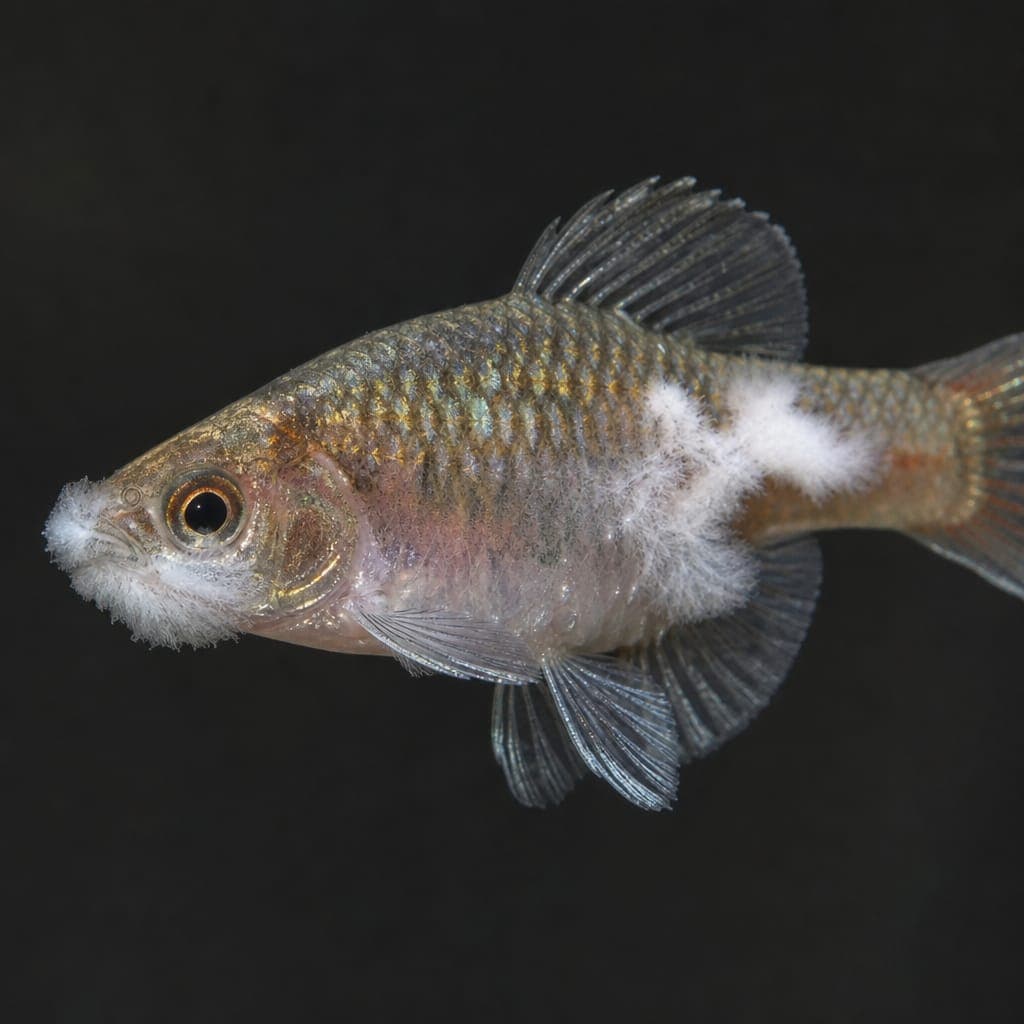
Orchid Dottybacks can be susceptible to various health issues common in marine environments, including ich (Cryptocaryon irritans), velvet disease, and fin rot. Regular monitoring of water parameters plays an essential role in disease prevention, along with maintaining high-quality tank conditions through filtration and regular water changes.
Additionally, stress from aggressive tank mates or rapid fluctuations in salinity and temperature can compromise their immune response, leaving them vulnerable to secondary bacterial and fungal infections. Maintaining consistent water chemistry (pH 8.1–8.4, specific gravity 1.020–1.025) and offering plenty of rockwork crevices significantly reduces behavioral stress. Quarantining newly acquired specimens for three to four weeks before adding them to the main display aquarium is strongly recommended to prevent introducing parasites. Providing a balanced, vitamin-enriched diet ensures strong immune resilience and helps preserve their brilliant coloration throughout their captive lifespan.