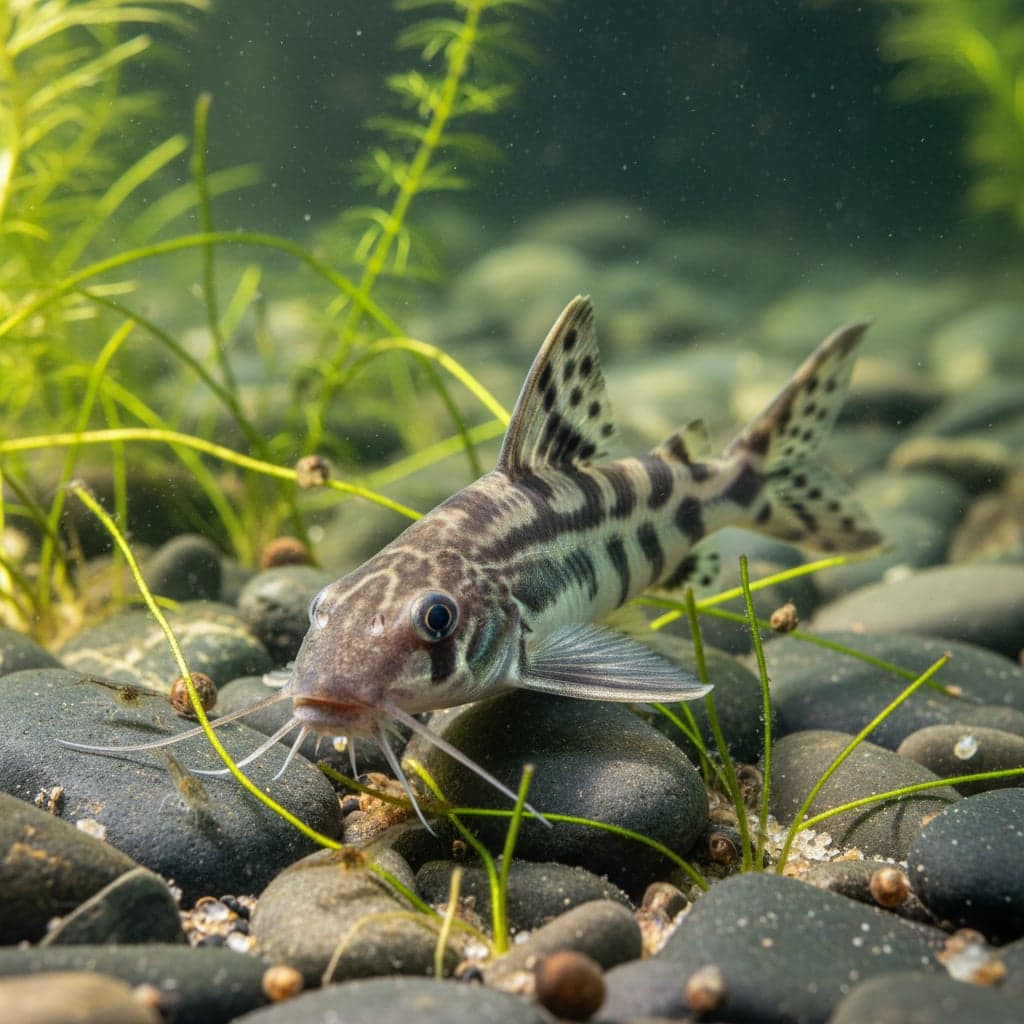
The Otocinclus Catfish: Otocinclus sp
The tiny diatom-eating superstar. A gentle algae grazer that cleans plant leaves without damaging anything—every planted tanks best friend.
Also known as: oto catfish · dwarf suckermouth

Otocinclus Catfish
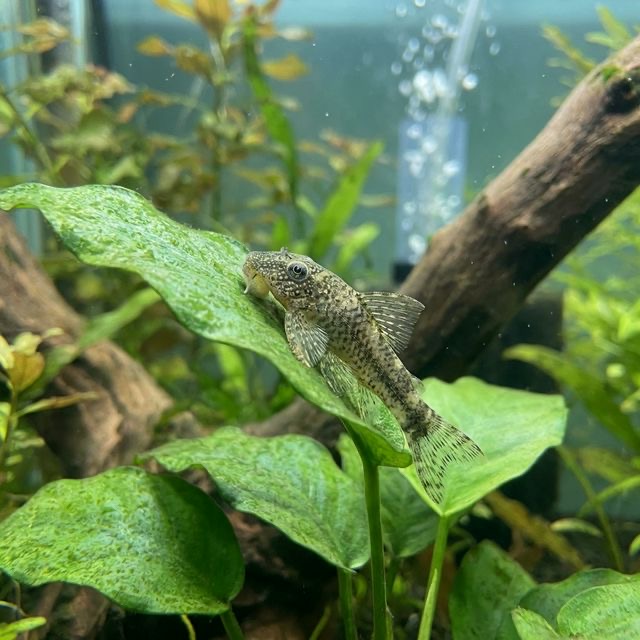
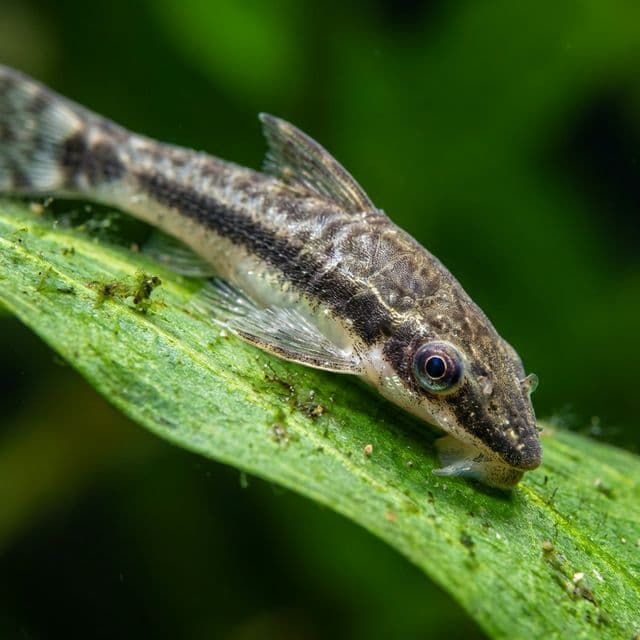
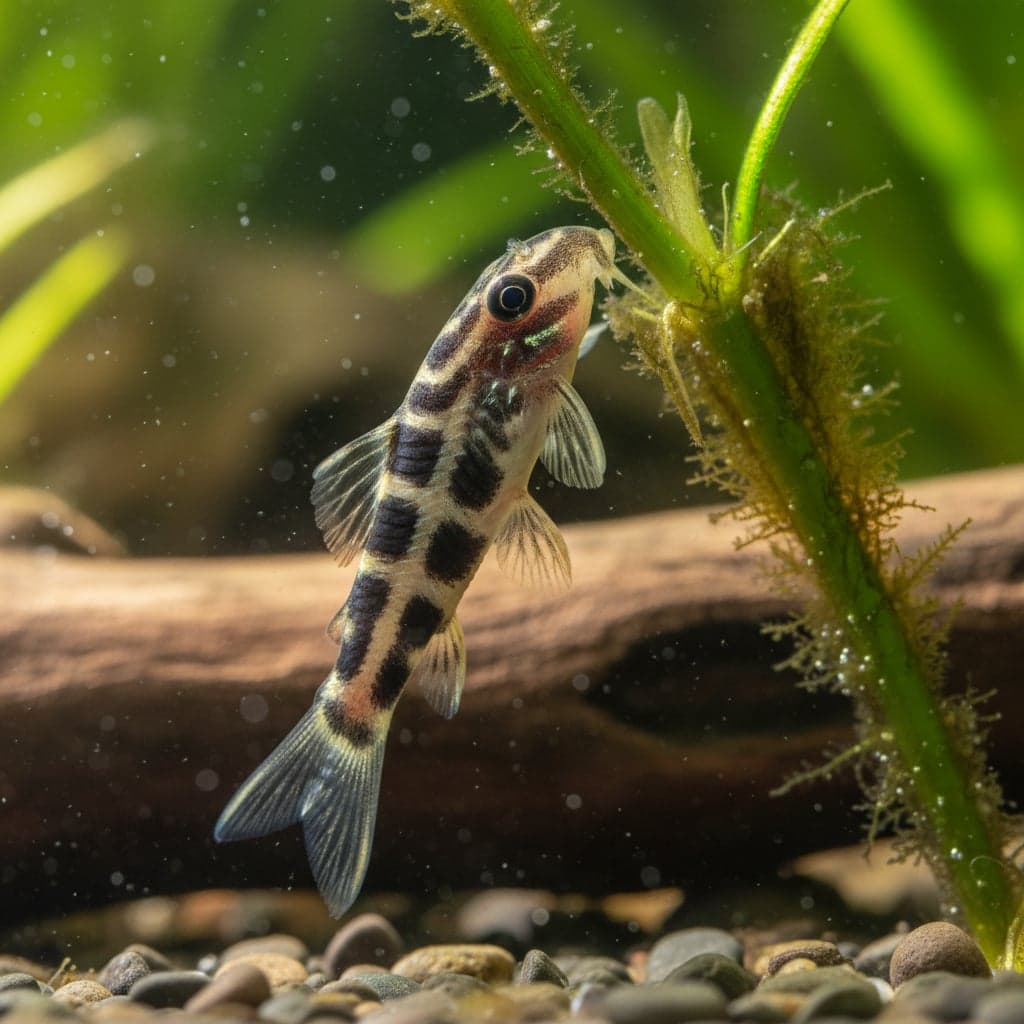
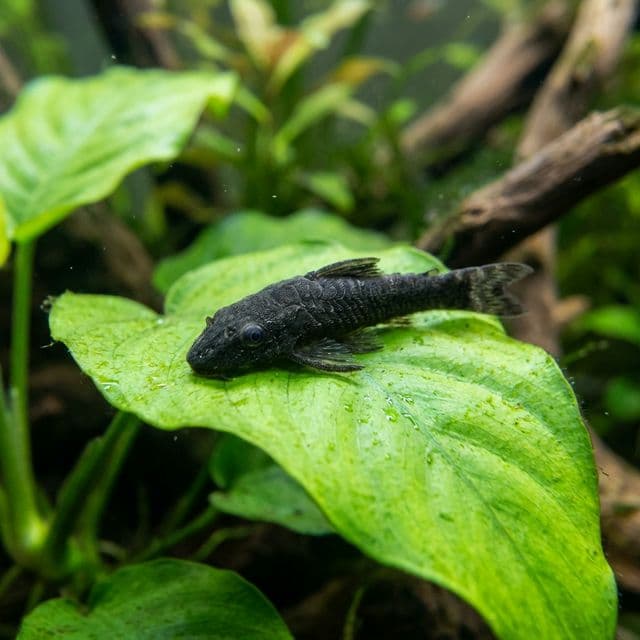
The Otocinclus Catfish, often affectionately called "Otos," is a small, peaceful freshwater fish belonging to the family Loricariidae. With its diminutive size—averaging about 1.5 to 2 inches in length—this catfish is a popular choice among aquarists, especially for nano tanks. Its streamlined body is adorned with a distinctive pattern of mottled greens and browns, providing an eye-catching presence in any aquarium setup. Not only does the Otocinclus Catfish enhance the aesthetic appeal of a tank, but it also plays a critical role in maintaining a healthy aquatic environment by consuming algae, making it a favored addition for both novice and experienced hobbyists.
These catfish are significant in the aquarium hobby due to their gentle temperament and helpful feeding habits. Unlike many other algae eaters, Otocinclus Catfish are known for their efficient foraging skills, targeting various types of algae that accumulate on glass, plants, and decorations. Their presence not only contributes to the tank's cleanliness but also creates a dynamic display as they graze actively on surfaces, often hovering in small groups or darting around. The Otocinclus Catfish serves as a functional and attractive fish that can thrive alongside a variety of species, enhancing community tank setups.
Natural Habitat & Origin
The Otocinclus Catfish originates from the slow-moving waters of South America, specifically in regions like the Amazon Basin, Paraguay, and surrounding river tributaries. Here, they inhabit a range of environments, including freshwater rivers, streams, and floodplain ponds. The water in these habitats can be soft and slightly acidic, presenting a diverse ecosystem characterized by dense vegetation, driftwood, and natural debris that these fish use for cover and foraging.
In the wild, Otocinclus Catfish thrive in blackwater and clearwater systems where they enjoy plenty of hiding spots and moderate water flow. The water temperature typically ranges from 72°F to 78°F, with a pH level between 6.0 and 7.5. This environmental context shapes their adaptability, as they prefer well-established tanks that mimic these natural conditions, providing shelter from stronger currents and plenty of surface area for grazing.
Care Requirements
Caring for the Otocinclus Catfish requires attention to specific water parameters to ensure their health and well-being. The ideal temperature range for these fish is 72°F to 78°F, with a preference for soft to moderately hard water, ideally between 2 to 15 dGH. Maintaining a slightly acidic to neutral pH level in the range of 6.0 to 7.5 is crucial for their comfort.
When setting up an aquarium for Otocinclus Catfish, a minimum tank size of 20 gallons is advisable, as larger tanks allow for better stability and accommodate schooling behavior. The substrate should be soft and sandy or finely gravelled to prevent damage to their sensitive bodies. Adequate lighting is essential; however, the tank should also include shaded areas created by plants, which they appreciate. Plants such as Java Moss, Anubias, and other slow-growing varieties will not only provide cover but also offer surfaces for algae to grow, which will supplement their diet.
Diet & Feeding
Otocinclus Catfish are primarily herbivorous, exhibiting a preference for consuming algae found in aquariums. These fish are best described as omnivores, requiring a varied diet to ensure optimal health. While they effectively graze on algae, it's essential to supplement their diet with high-quality sinking wafers, algae pellets, and blanched vegetables like zucchini, cucumber, and spinach. This array of food sources ensures that they receive the necessary nutrients, especially if algae growth is insufficient.
When selecting commercial foods, opt for those specifically designed to meet the dietary needs of bottom feeders like the Otocinclus Catfish. Flake foods may only be useful if they are finely crushed, as larger flakes can go undetected by these small fish. It is also beneficial to introduce occasional treats of frozen or live food, such as daphnia or brine shrimp, to enhance their diet and stimulate their natural foraging instincts.
Behavior & Temperament
The Otocinclus Catfish is renowned for its peaceful demeanor, making it an ideal addition to community aquariums. These fish are inherently social and thrive in small groups of at least three to six individuals, which helps reduce stress and promotes natural behaviors. They often engage in playful swimming and browsing activities, displaying a variety of interesting patterns as they interact with one another.
In terms of aggression, Otocinclus Catfish are non-aggressive and usually avoid confrontational interactions. Their placement in the tank tends to be bottom-oriented; however, they may venture into mid-tank zones when foraging for food. Given their peaceful nature, it is crucial to provide a well-planted tank to create territories and shelter, which contributes to their overall well-being and reduces stress from potential threats.
Tank Mates
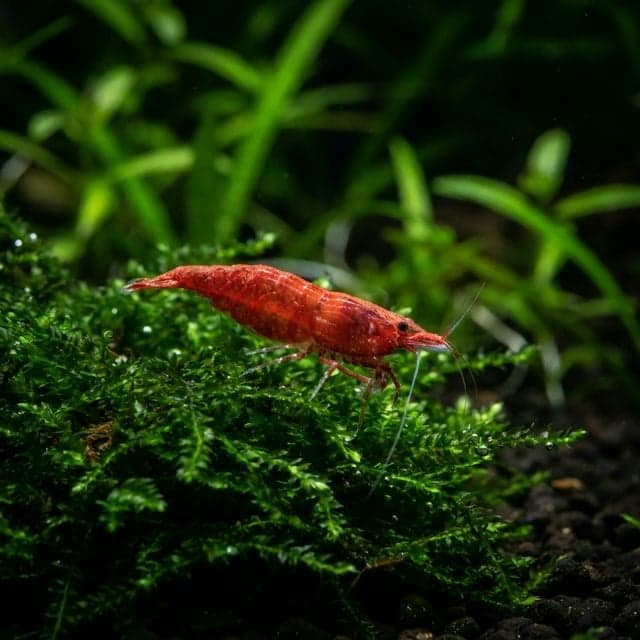
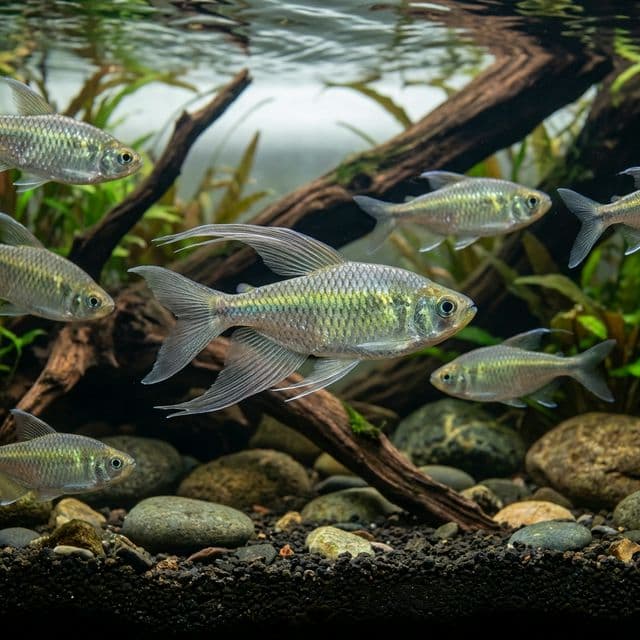
When selecting tank mates for Otocinclus Catfish, consider species that share similar water parameter requirements and have non-aggressive temperaments. Suitable companions include small tetras (like Neon and Ember Tetras), guppies, danios, rasboras, and dwarf shrimp species such as Cherry or Amano shrimp. These species not only coexist harmoniously with Otocinclus Catfish but also thrive under similar water conditions.
Conversely, it is vital to avoid larger or aggressive fish, such as cichlids, aggressive barbs, or fish known to nip fins. Such species may pose a threat to the Otocinclus Catfish, leading to stress or harm. Additionally, avoid keeping them with any predatory fish that may see the small catfish as a potential meal.
Breeding
Breeding Otocinclus Catfish in captivity can be a rewarding yet challenging endeavor. These fish are egg layers, and the conditions required for successful breeding involve replicating their natural environment. Spawning typically occurs in well-planted tanks with water parameters maintained at slightly lower temperatures, around 70°F to 74°F. A variety of spawning sites—such as broad-leaved plants—should be available, as females will lay adhesive eggs on surfaces, which the males will subsequently fertilize.
To encourage breeding, consider introducing a mature group of both sexes, ensuring that males outnumber females, which tends to stimulate spawning behavior. Once eggs are laid, it's crucial to remove the adults to prevent them from consuming the eggs. The eggs will typically hatch in 3 to 5 days, and fry will require infusoria or special fry food until they grow large enough to accept crushed flakes or finely ground pellet food.
Common Health Issues
While generally hardy, Otocinclus Catfish can be prone to several common health issues, particularly if kept in poor water conditions. One prevalent concern is "Ich," a parasitic infection that manifests as white spots on their bodies and fins. To prevent this disease, maintain stable water parameters and perform regular water changes. Additionally, ensure that the water is adequately filtered and free of ammonia and nitrites.
Other common health problems include swim bladder disorders, often caused by overfeeding or a poor diet, leading to digestive issues. Providing a varied and appropriate diet and ensuring that they are not overfed can help mitigate these risks. Regular observation of their behavior and physical condition will aid in the early detection and treatment of any health issues. Establishing a mature, algae-rich environment and keeping water clean and stable will ensure your Otocinclus lead long, healthy lives.