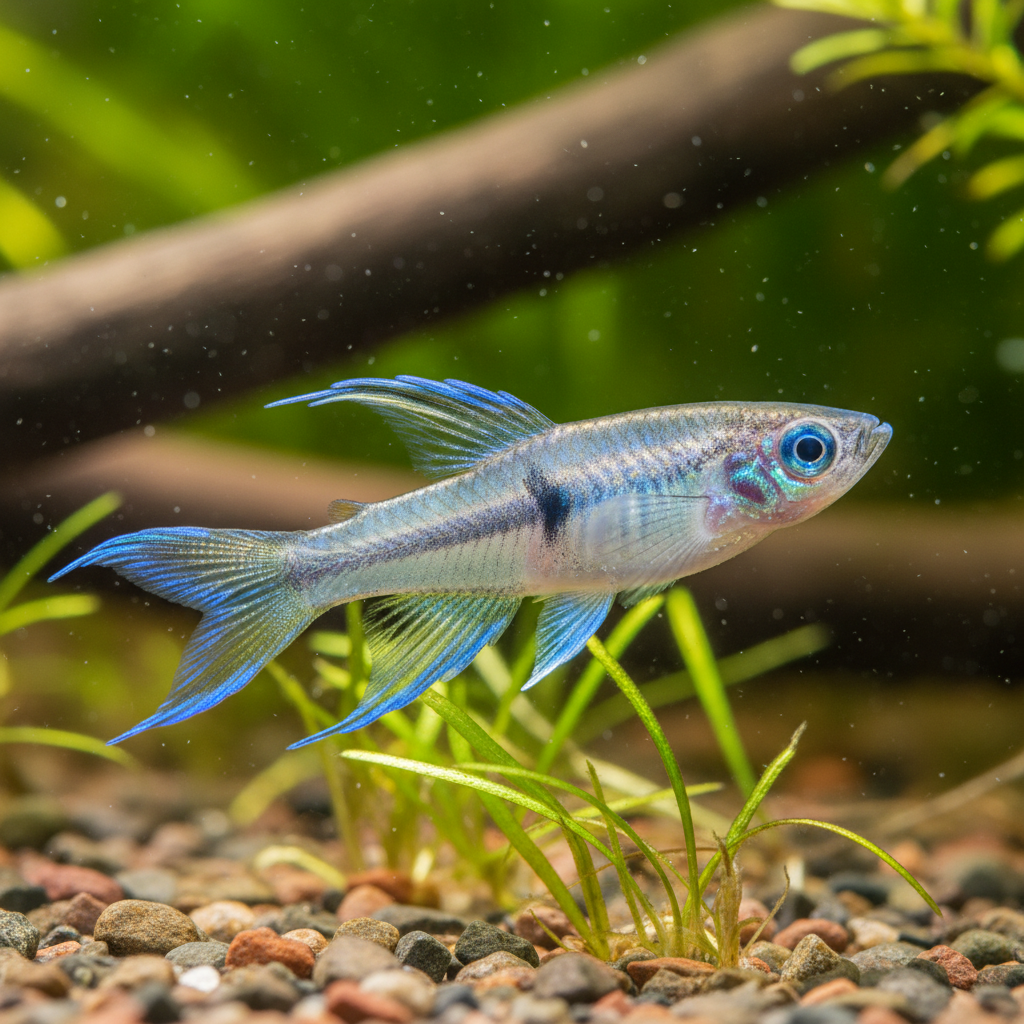
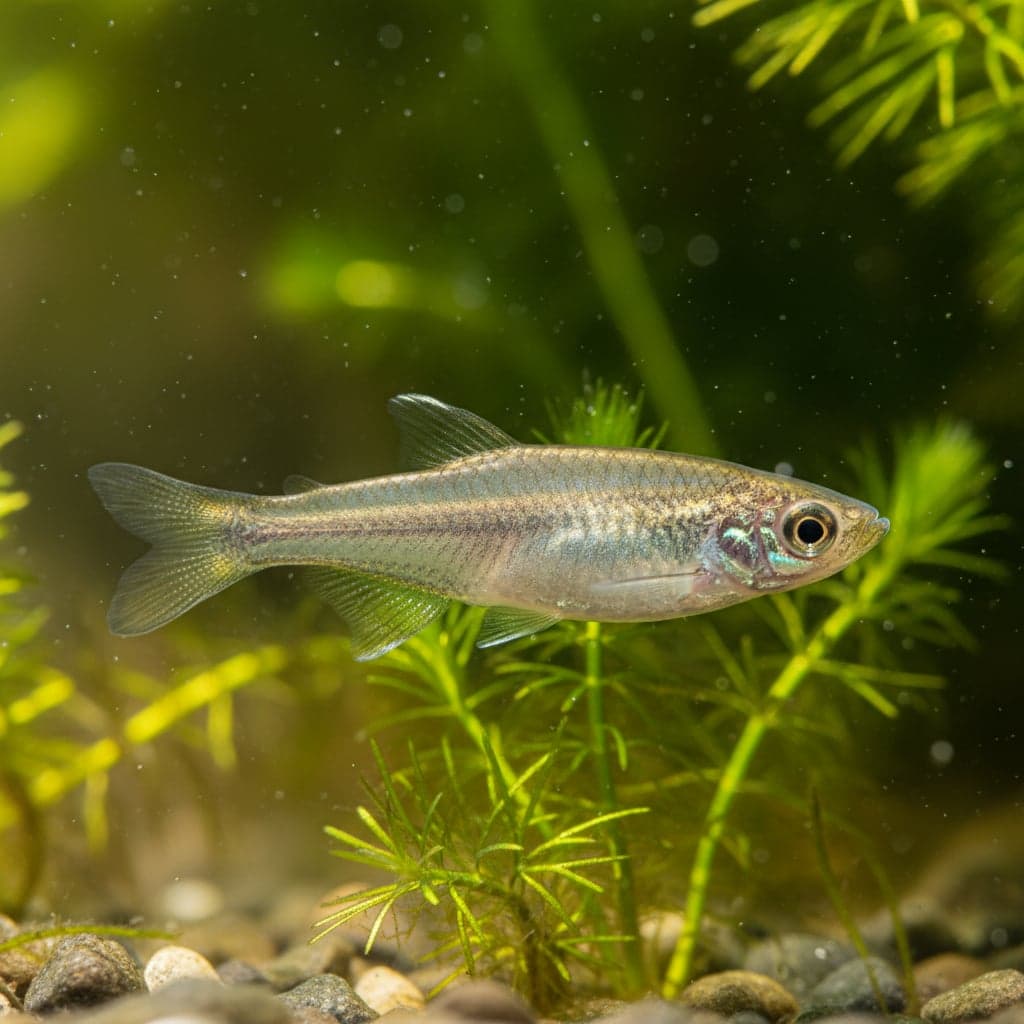
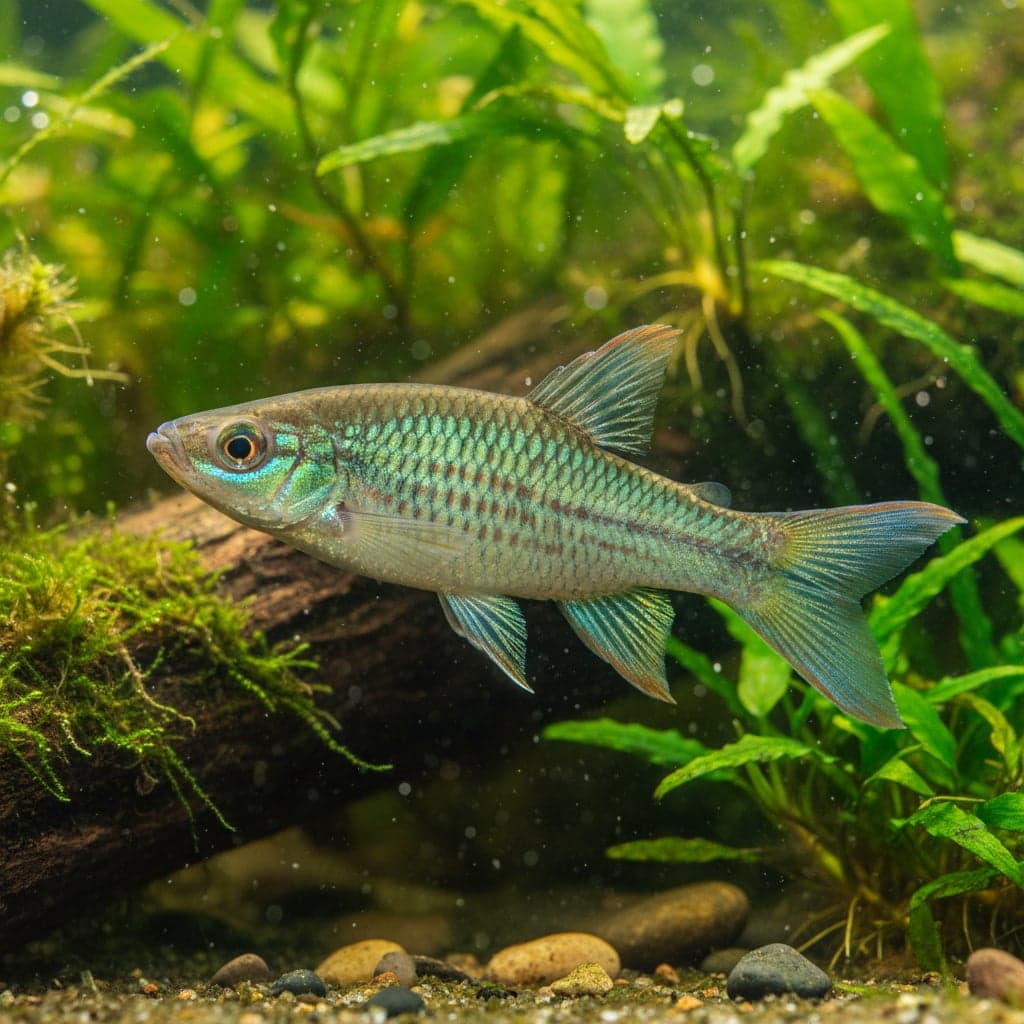
Pacific Blue-eye: Pseudomugil signifer
A tiny, brilliantly colored Australian schooling fish featuring piercing blue eyes and elaborate, flashy fins.
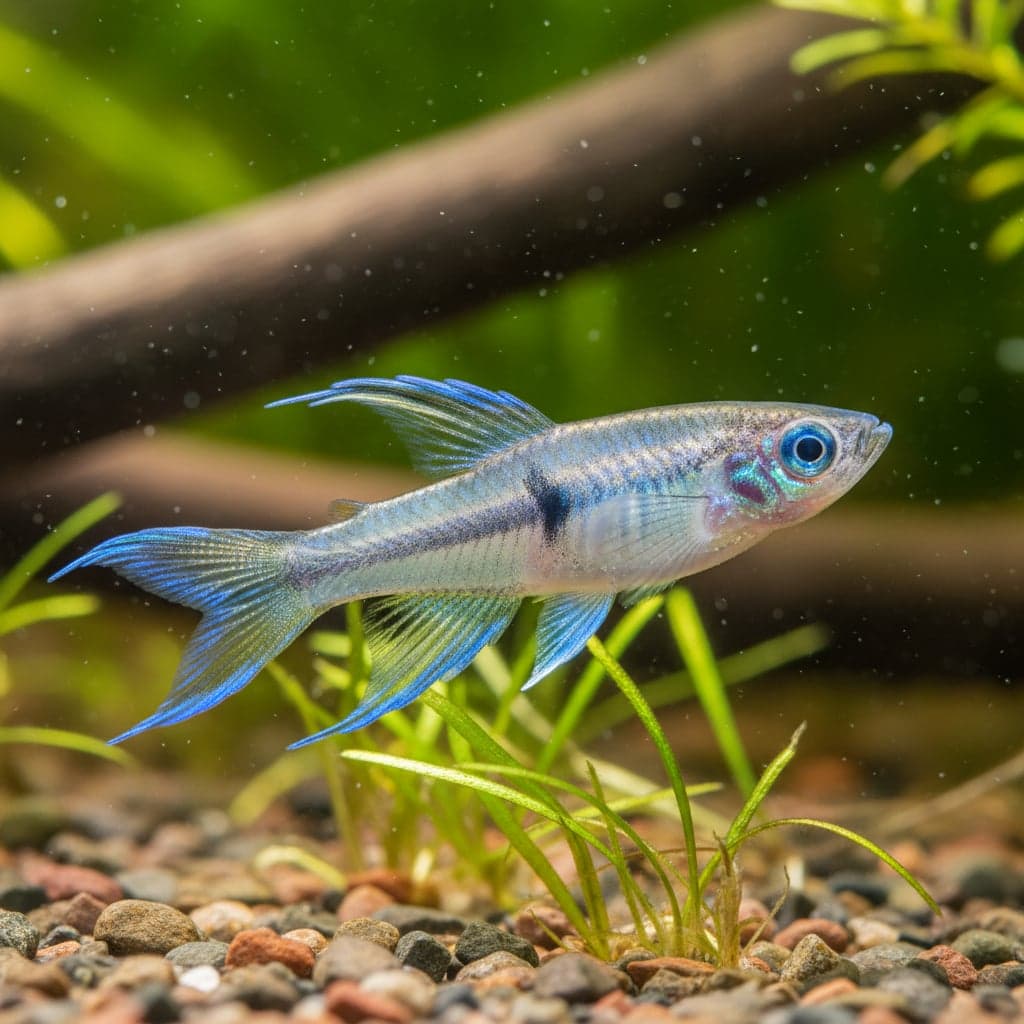
Pacific Blue-eye
The Pacific Blue-eye, scientifically known as Pseudomugil signifer, is a captivating freshwater fish that belongs to the family Pseudomugilidae. Known for its stunning iridescent blue eyes, this small species typically grows to a length of about 1.5 to 2 inches, making it an ideal choice for aquarium enthusiasts who appreciate both beauty and small size. The Pacific Blue-eye flaunts a sleek body that exhibits a mix of shimmering silvery and golden hues, creating a striking visual appeal. Its peaceful demeanor and attractive appearance have made it a favorite among aquarists, and it perfectly complements a wide variety of freshwater setups.
Significantly, the Pacific Blue-eye plays a vital role in the aquarium hobby, acting as both a social fish and a great addition to community tanks. Its active nature and compatibility with various other species provide a lively display, often seen darting just below the water's surface in small schools. This schooling behavior not only enhances the visual aesthetics of an aquarium but also contributes to the fish's overall health and well-being. For aquarists looking to create a dynamic and colorful underwater ecosystem, the Pacific Blue-eye is an excellent candidate that consistently captures the interest of hobbyists.
Natural Habitat & Origin
The Pacific Blue-eye is originally found in the coastal regions and freshwater rivers of northern Australia and New Guinea. This species typically inhabits various freshwater environments, including slow-moving streams, rivers, and lagoons, often found in areas with lush aquatic vegetation. The waters these fish occupy are primarily characterized as clear with low to moderate flow, supporting a diverse array of plant life that forms their natural habitat.
Environmental conditions in these habitats are relatively stable, with water parameters typically ranging from slightly acidic to neutral levels (pH 6.0 to 7.5). The Pacific Blue-eye prefers environments rich in foliage and natural cover that provide refuge from potential predators. These factors contribute to the overall health and coloration of the fish, making it crucial for aquarists to replicate similar conditions within a home aquarium.
Care Requirements
Caring for the Pacific Blue-eye involves ensuring they thrive in suitable water conditions and an appropriately designed aquarium. The ideal water parameters for this species include a pH level of 6.0 to 7.5, a temperature range of 75°F to 82°F (24°C to 28°C), and moderate hardness levels (3-12 dGH). For optimal health, regular water changes should be performed to maintain water quality.
In terms of tank setup, a minimum tank size of 10 gallons is recommended, with emphasis on providing horizontal swimming space. The substrate should consist of fine gravel or sand, which reflects their natural environment. Effective lighting is vital, as the Pacific Blue-eye enjoys well-lit spaces that enhance its colors. Additionally, incorporating live plants such as Java moss, Hornwort, or Anubias provides essential hiding places and promotes a natural feel. Aim for a well-structured aquarium that mimics their native habitat, integrating both open swimming areas and lush greenery.
Diet & Feeding
The Pacific Blue-eye is an omnivorous species that thrives on a varied diet. In the wild, their natural diet consists of small invertebrates, algae, and plant matter, making it crucial to replicate this feeding behavior in captivity. High-quality flake food can serve as a staple, complemented with occasional high-protein options, such as frozen or live foods like brine shrimp, daphnia, or micro worms. Supplementing their diet with vegetable-based foods, such as spirulina flakes or blanched vegetables, can also enhance their coloration and promote healthy growth.
Feeding should be done 1-2 times a day, with smaller portions to ensure all fish can easily access the food. Observing their eating habits is essential, as overfeeding can lead to water quality issues and health concerns within the aquarium.
Behavior & Temperament
The Pacific Blue-eye is known for its peaceful nature, making it an ideal candidate for community tanks. This species exhibits a social behavior and thrives best in schools of at least six individuals, as they feel more secure when in pairs or small groups. Their schooling tendencies encourage more natural behaviors, as they dart around the tank, often found near the water's surface.
In terms of vertical placement, the Pacific Blue-eye prefers upper to mid-level regions of the aquarium. This behavior can create an engaging atmosphere within the tank as they navigate between plants and open spaces. Although generally non-aggressive, they can exhibit slight territorial tendencies, especially males during breeding periods, so adequate space and cover should be provided to minimize potential conflicts.
Tank Mates
When selecting tank mates for the Pacific Blue-eye, it's crucial to choose species that share similar water requirements and temperaments. Ideal companions include other peaceful small fish such as neon tetras, guppies, rummy-nose tetras, and various rasboras. Dwarf cichlids can also coexist harmoniously if provided sufficient space and hiding spots.
Species to avoid are larger or more aggressive fish, which may pose a threat to the Pacific Blue-eye, such as bettas, cichlids (especially larger types), and certain barbs. Compatibility should always be assessed based on individual fish behavior, with careful consideration to maintain an optimal community atmosphere in the aquarium.
Breeding
Breeding the Pacific Blue-eye in captivity can be a rewarding experience, as they can be relatively straightforward to spawn under optimal conditions. To encourage spawning, it's best to maintain a well-planted aquarium with soft water (pH around 6.5) and a temperature of about 78°F (26°C). Males can often be observed displaying courtship behaviors to attract females, who will lay eggs on the leaves of plants or other surfaces.
After spawning, it's advisable to remove the adult fish, as they may consume the eggs. The eggs take about 7-10 days to hatch, depending on water temperature. As the fry emerge, they can be fed infusoria or finely powdered food until they grow large enough to accept standard flake food. With proper care and conditions, breeding Pacific Blue-eye can lead to a viable population in your home aquarium.
Common Health Issues
The Pacific Blue-eye is generally robust; however, like any freshwater fish, they can be susceptible to certain health issues. Common diseases include ich (Ichthyophthirius multifiliis), fin rot, and dropsy. To prevent these ailments, it is essential to maintain high water quality through regular testing and water changes, as well as avoiding overstocking and providing a well-balanced diet.
Quarantining new fish before introducing them to your main tank and avoiding sudden changes in water conditions can significantly minimize health risks. Additionally, keeping a close eye on behavior and appearance can help catch potential issues early, allowing for timely treatment before they escalate into severe problems. Maintaining a healthy, stable environment is the best proactive approach to ensure the long-term well-being of your Pacific Blue-eye.