Pacific Crowned Pufferfish
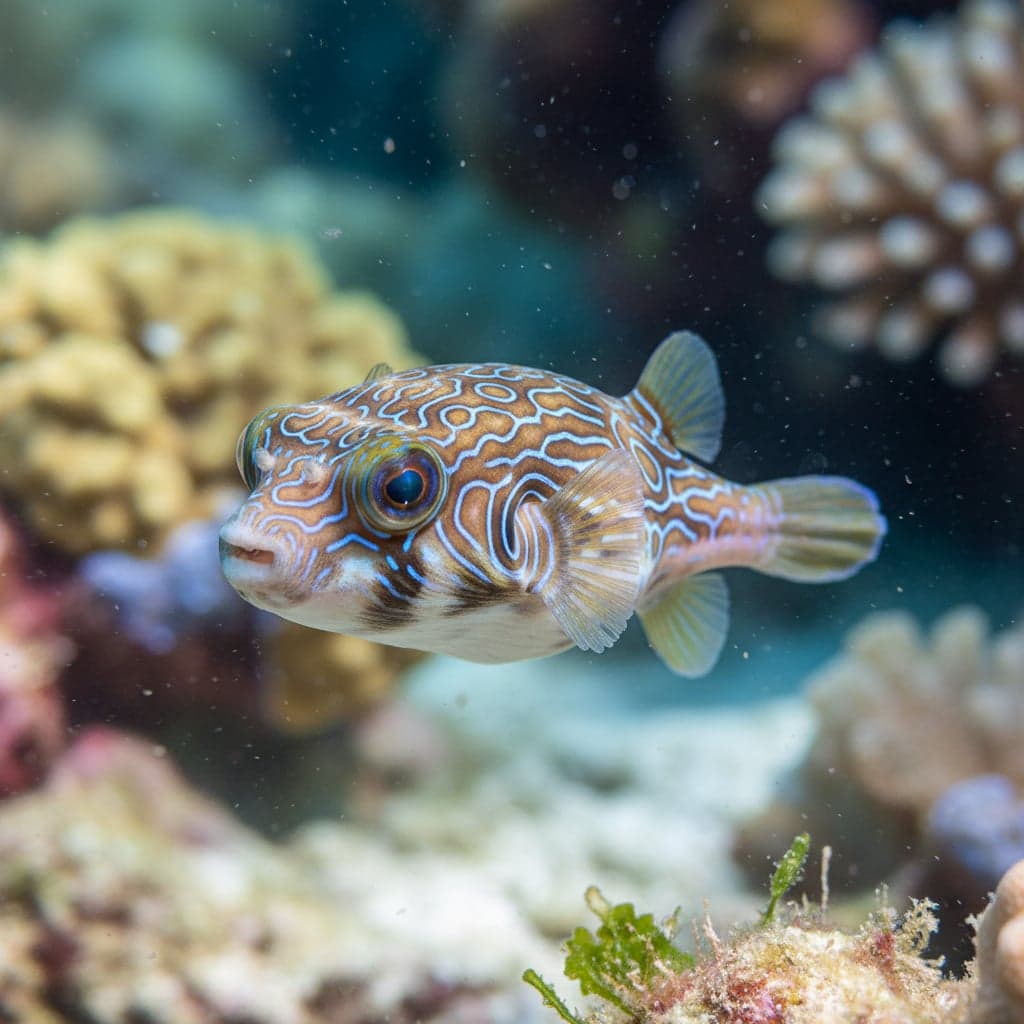
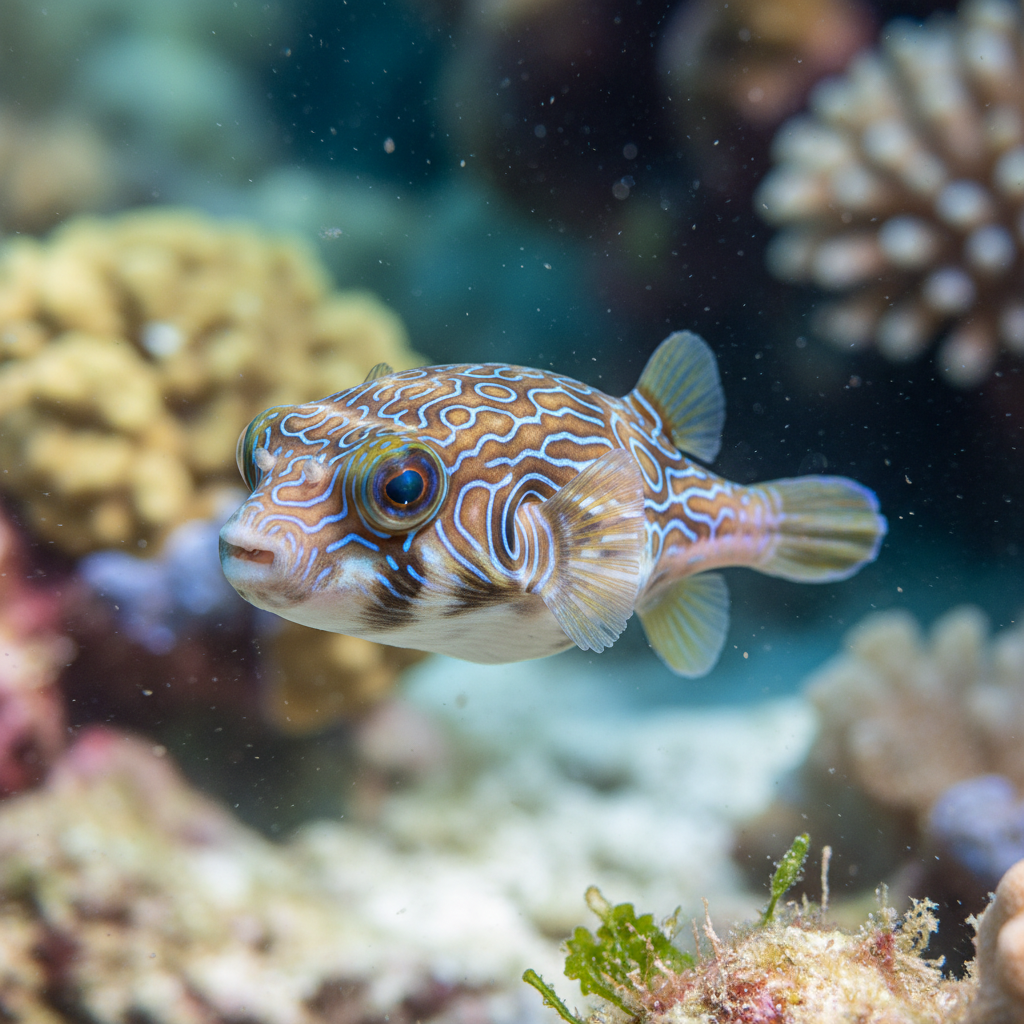
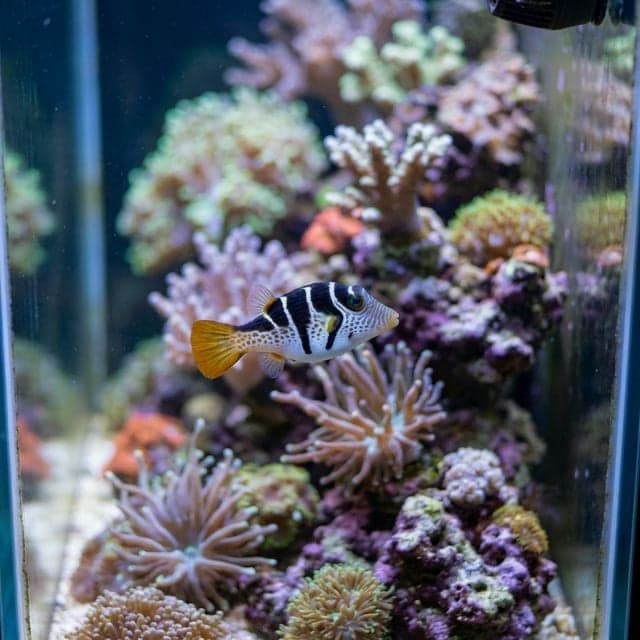
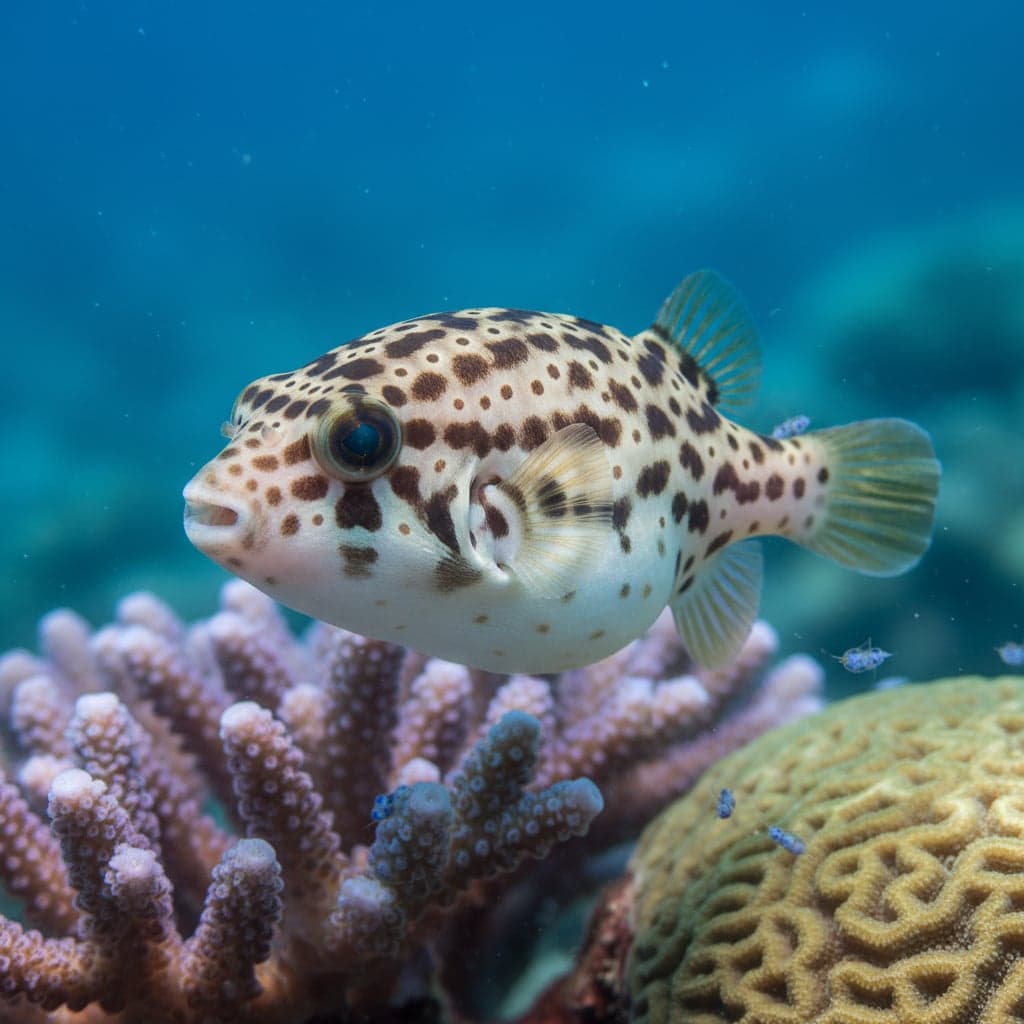
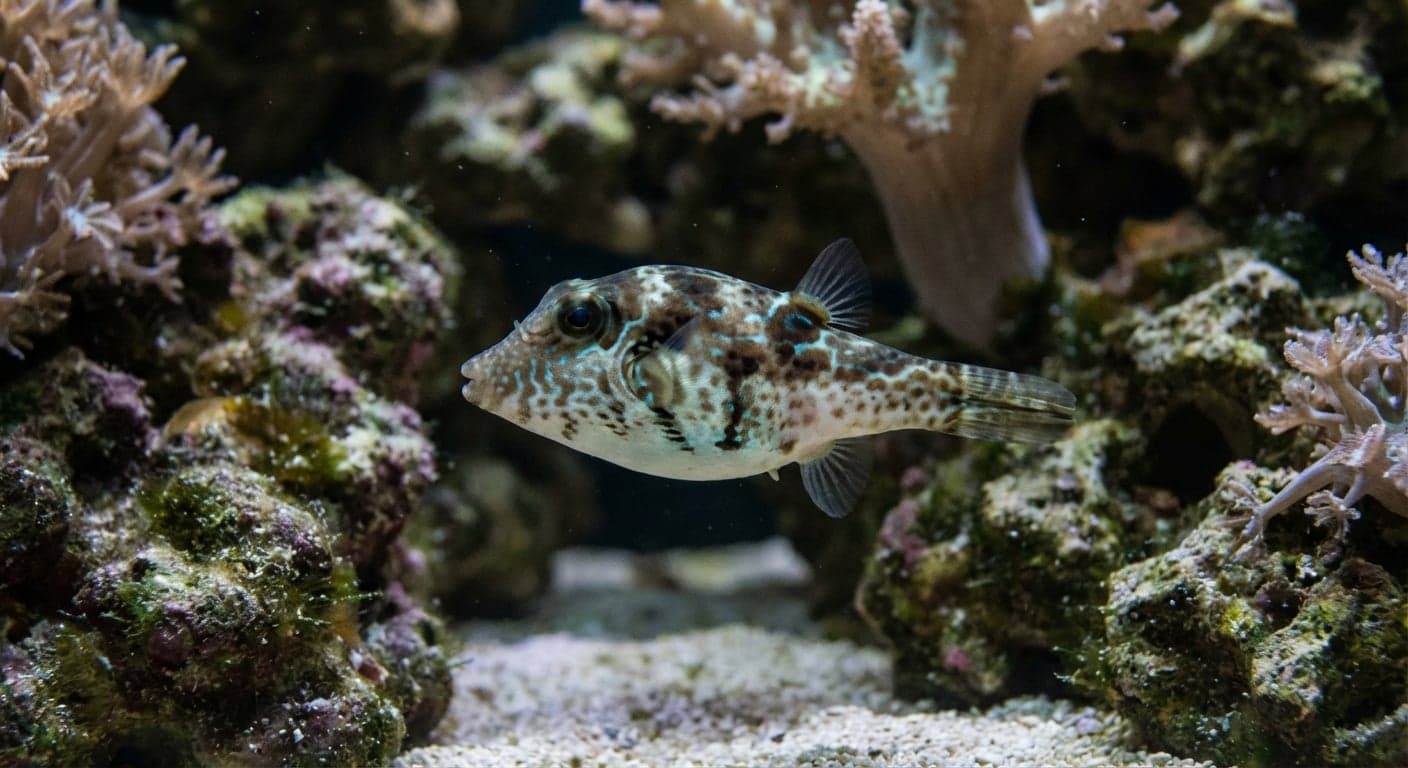
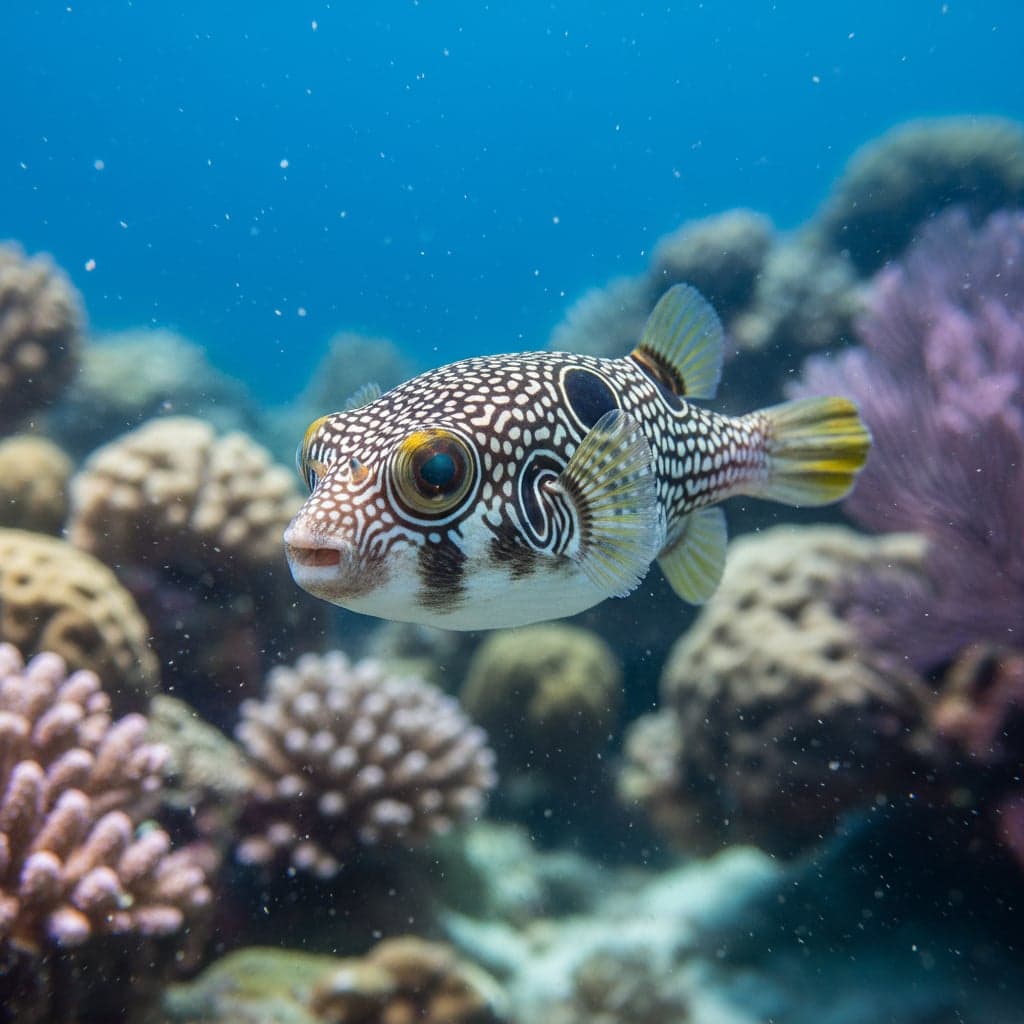
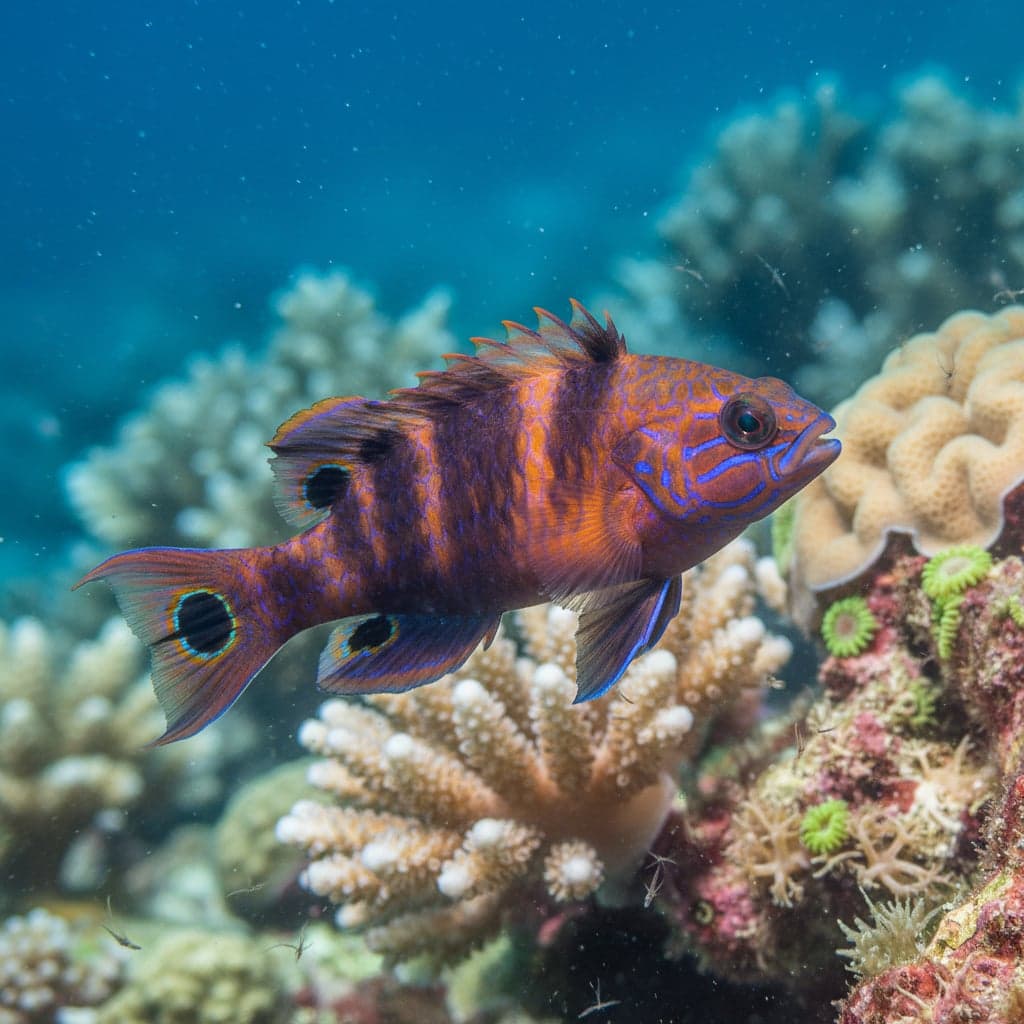
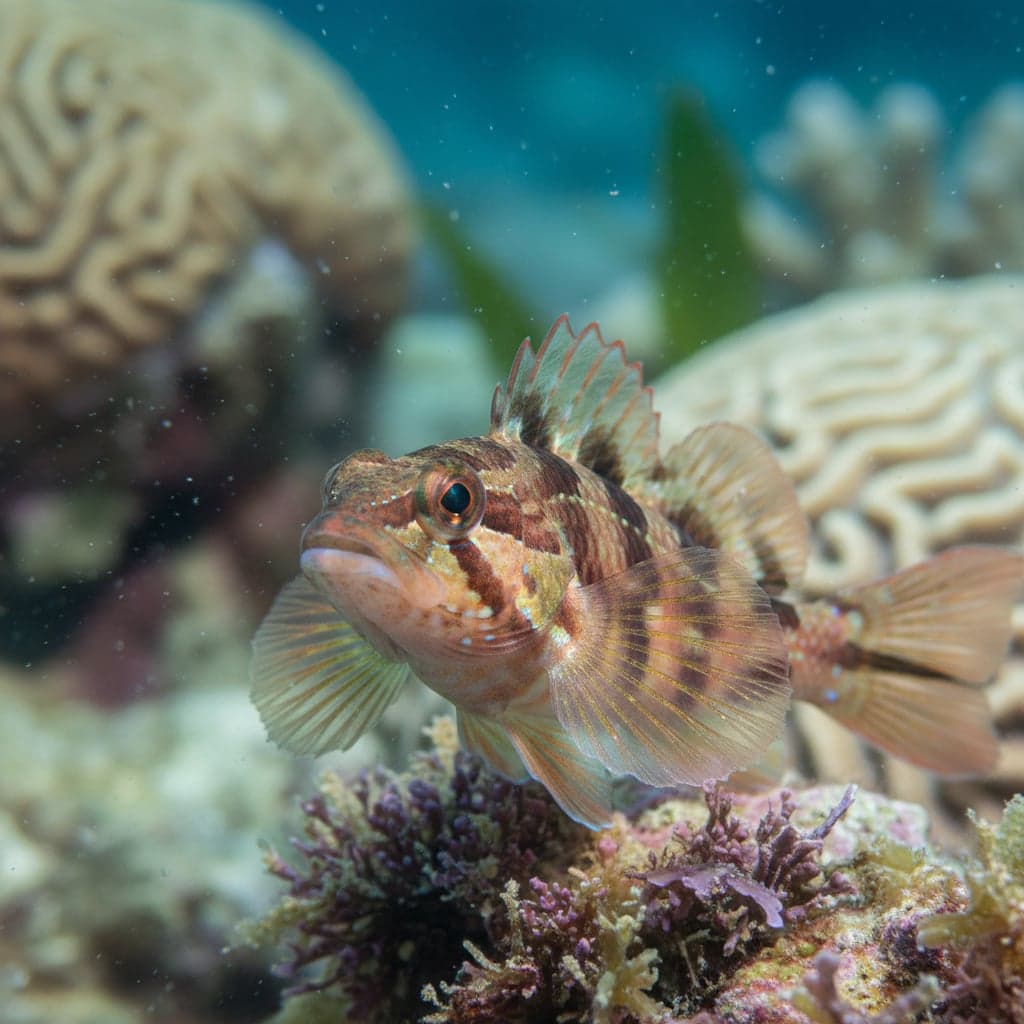
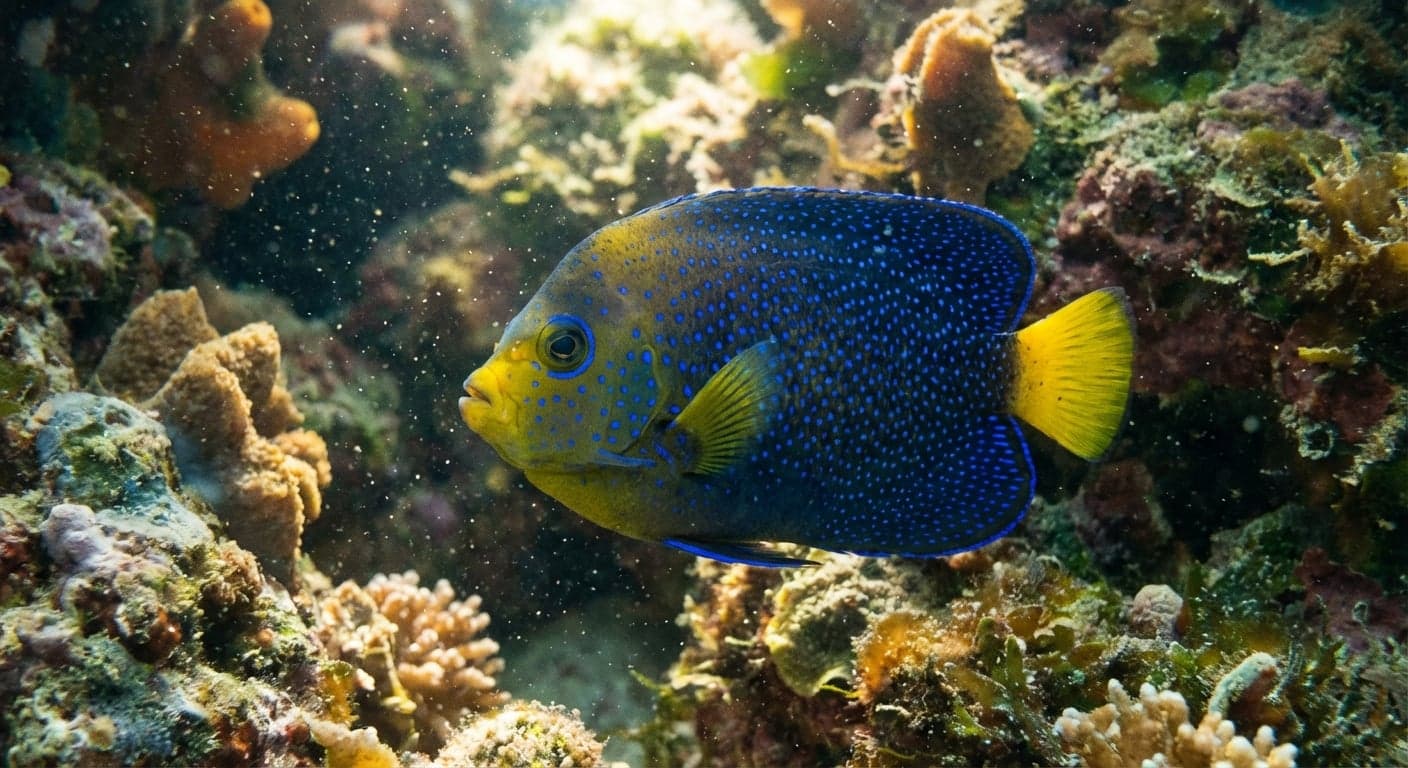
The Pacific Crowned Pufferfish (Canthigaster axiologus) is a stunning saltwater fish known for its unique appearance and behavior.

Pacific Crowned Pufferfish
The Pacific Crowned Pufferfish, known scientifically as Tetraodon species, is an intriguing addition to the aquarium hobby due to its charming appearance and unique behavioral traits. This species stands out with its distinctive crown-like pattern on its dorsal regions, adding an exotic flair to any tank. With its ability to inflate and remarkable color variations ranging from earthy browns to striking greens and yellows, the Pacific Crowned Pufferfish attracts both novice and seasoned aquarists. Additionally, it plays an essential role in maintaining a balanced ecosystem within the aquarium by controlling snail populations, thus showcasing its ecological significance.
In the aquarium setting, the Pacific Crowned Pufferfish not only serves as a visual centerpiece but also captivates owners with its quirky personality. Known for its intelligence, this species often interacts with its surroundings, displaying curiosity and a degree of playfulness. Recognizing their distinct characteristics and care needs is pivotal for ensuring their well-being and health in captivity, as they require specialized environments that mirror their natural habitat.
Natural Habitat & Origin
The Pacific Crowned Pufferfish is native to the coastal waters of the Indo-Pacific region, including areas surrounding Hawaii and parts of the Philippines. This species thrives in brackish waters—environments that are a mix of saltwater and freshwater. Typically found near lagoons, estuaries, and coral reefs, these fish prefer habitats with ample vegetation and shelter where they can forage and evade predators. The presence of both rocky and sandy substrates in their natural setting contributes to their well-being and health, making it essential for aquarists to replicate these conditions for successful captive care.
In terms of environmental context, the Pacific Crowned Pufferfish favors warmer waters, where temperatures range from 24°C to 28°C (75°F to 82°F). Understanding their natural habitat is crucial for aquarists; replicating water parameters that include gentle currents, moderate salinity levels, and adequate hiding places is vital for their adaptation and long-term health in captive settings.
Care Requirements
For optimal health and well-being, the Pacific Crowned Pufferfish requires specific water parameters. The ideal pH range is between 7.0 and 8.0, while water hardness should be maintained between 10 to 15 dGH. Regular water changes and high-quality filtration are essential to keep the water clean and stable. The recommended minimum tank size for a single Pacific Crowned Pufferfish is 50 gallons. This size grants sufficient swimming space and territory to reduce stress and aggression within the tank.
When setting up the tank, a sandy substrate is preferred as it is gentle on their delicate bodies. Incorporating natural elements, such as rocks, driftwood, and live plants, can create a stimulating environment that emulates their natural habitat. Moderate lighting is advised, allowing areas of shade for the pufferfish to retreat. It’s important to note that while live plants add aesthetic value, the Pacific Crowned Pufferfish may occasionally nibble on them, so selecting robust plant species is advisable.
Diet & Feeding
The Pacific Crowned Pufferfish is classified as a carnivorous omnivore, requiring a varied diet to maintain optimal health and vitality. In the wild, they primarily consume crustaceans, mollusks, and small fish. In captivity, it's essential to replicate this diet by offering a mix of high-quality frozen and live foods, including shrimp, clams, and snails. Pellets and flakes formulated for herbivorous and carnivorous fish can also be supplemented; however, they should not be the sole diet.
When feeding, it’s crucial to ensure that the food is appropriately sized to prevent choking, as these fish have small mouths. Furthermore, providing a varied diet is key to preventing nutritional deficiencies and maintaining a vibrant appearance. Ideally, offer feedings two to three times a day in small portions that can be consumed within a few minutes to avoid water quality issues from uneaten food.
Behavior & Temperament
The Pacific Crowned Pufferfish exhibits a range of behaviors that can be fascinating to observe. They are generally solitary fish, exhibiting territorial tendencies, which means they are best kept alone or with carefully selected tank mates. While these pufferfish display curious behaviors—often exploring their environment and interacting with their keepers—they can also be aggressive towards other fish, especially if their space is encroached upon.
In terms of vertical placement within the tank, Pacific Crowned Pufferfish primarily inhabit mid to lower levels, where they feel safest amongst structures. As they explore their surroundings, they may dart between hiding spots, illustrating their lively nature. However, it is crucial to monitor their interactions with other fish, as aggression can lead to stress and injury.
Tank Mates
Choosing compatible tank mates for the Pacific Crowned Pufferfish requires careful consideration due to its assertive behavior and potential aggression. Suitable tank mates may include larger, robust species, such as certain types of cichlids, larger danios, and certain catfish species, which can withstand the pufferfish’s more aggressive tendencies. Other potential companions include rainbowfish and some larger species of wrass.
Conversely, small, slow-moving, or delicate fish should be avoided, as they may become targets for bullying or rolling. Additionally, snails, shrimp, and smaller invertebrates are typically eaten by this species, so it's essential to avoid housing these animals with the Pacific Crowned Pufferfish to prevent unnecessary predation.
Breeding
Breeding the Pacific Crowned Pufferfish in captivity can be challenging due to specific conditions required for spawning. These fish exhibit spawning behavior typically during warmer months and in environments with ideal water conditions. To encourage breeding, a separate breeding tank should be established with parameters set to 24-26°C (75-79°F), a slightly acidic pH around 7.0, and minimal water flow.
It is crucial to provide ample hiding spots created from plants or aquarium decor where the spawning can occur. During courtship, males will display vibrant colors and perform swimming displays to attract females. Once the female lays eggs, which are adhesive and will stick to surfaces, it is advisable to separate the adults to prevent them from consuming the eggs or fry after hatching. Maintaining a quiet environment and offering a nutritious diet is key to ensuring success during this delicate breeding process.
Common Health Issues
While the Pacific Crowned Pufferfish is generally robust, it is still susceptible to several common health issues. One notable concern is ich, a parasitic infection characterized by white spots that appear on the fish's body and fins. Prevention through maintaining consistent water quality and temperature stability is crucial, as well as avoiding stressors such as overcrowding or abrupt changes in their environment.
Another health issue is fin rot, often caused by poor water quality or physical injury. Ensuring a clean tank and monitoring the fish for any signs of physical damage can help mitigate such ailments. Additionally, vitamin deficiency can occur if the diet is inadequate, so providing a varied and nutritious feeding regimen is essential. Regular health checks and prompt action at the first sign of illness can assist in treating these conditions effectively.