Panda Garra: Garra flavatra
A goofy, highly entertaining, and beautiful algae-grazing fish from the fast-flowing streams of Myanmar.
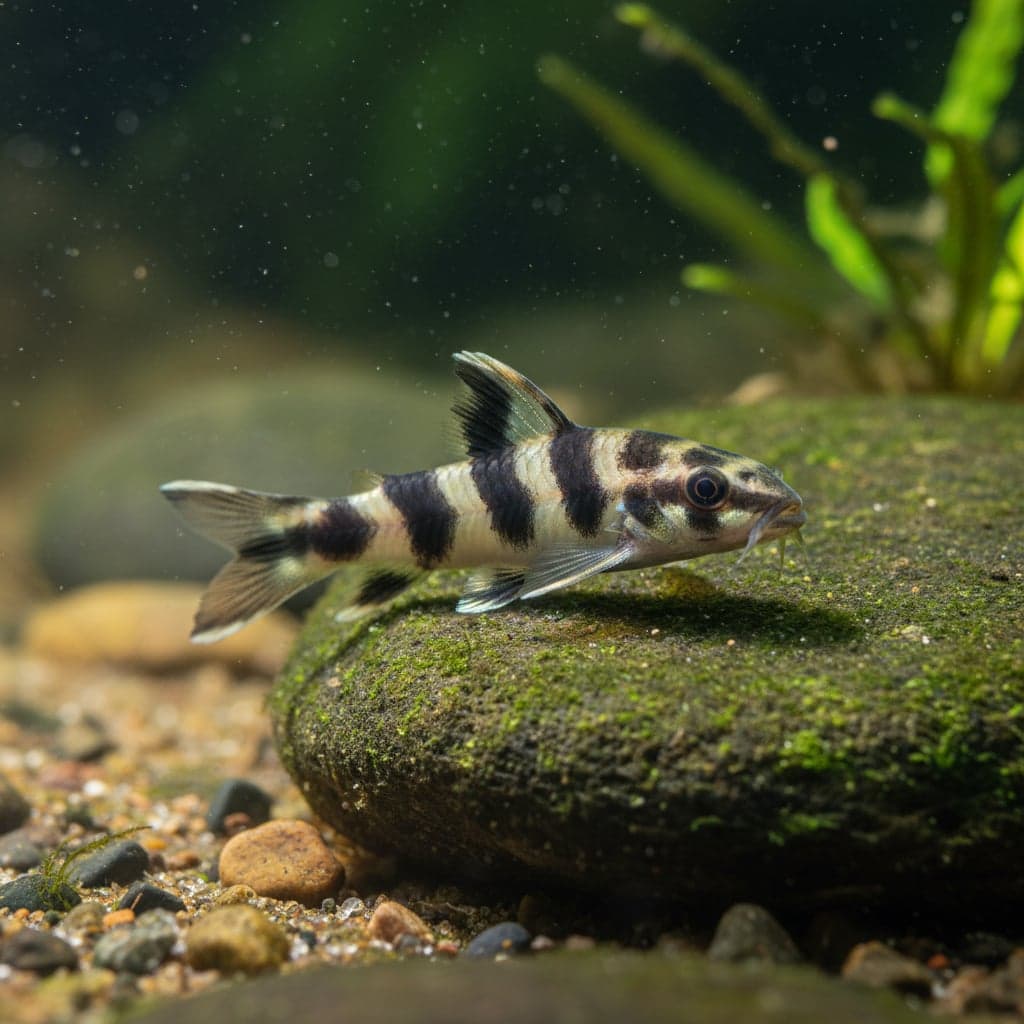
Panda Garra
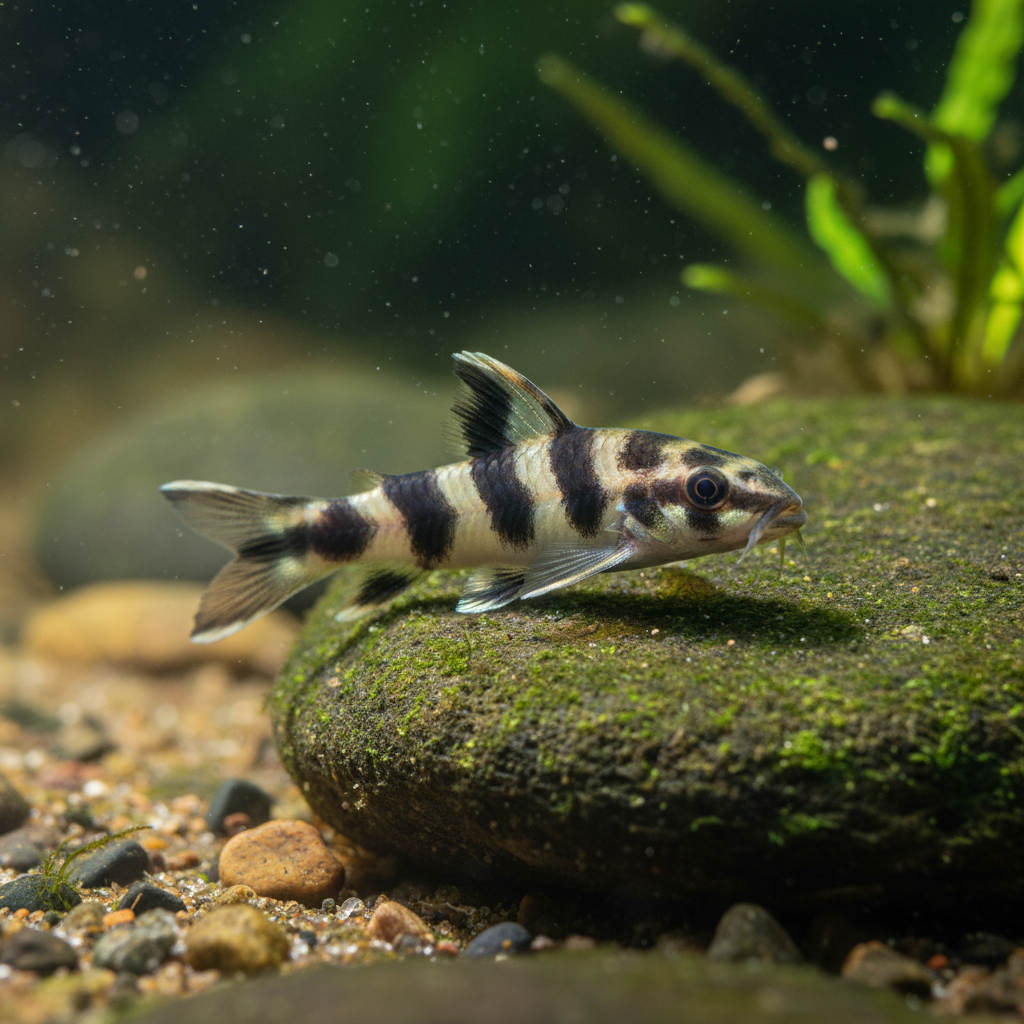
The Panda Garra, scientifically known as Garra flavatra, is a visually striking freshwater fish that has garnered significant attention within the aquarium hobbyist community. Distinguished by its captivating black-and-white markings reminiscent of a panda, this fish offers an enchanting presence in any aquarium. The contrasting color patterns not only provide a visual treat but also serve as a conversation starter among aquarists. Being a relatively small fish, reaching up to 4 inches in length, the Panda Garra is perfect for both community tanks and aquascaping setups.
In the hobby, the Panda Garra is celebrated not just for its aesthetic appeal but also for its unique behaviors and ecological role. This fish is often utilized in aquariums for its natural algae-eating capabilities, making it an efficient and pleasing addition to balanced aquarium ecosystems. As a peaceful and social species, they thrive in well-maintained environments, offering the potential for dynamic interactions and showcasing interesting social behaviors, particularly when kept in groups.
Natural Habitat & Origin
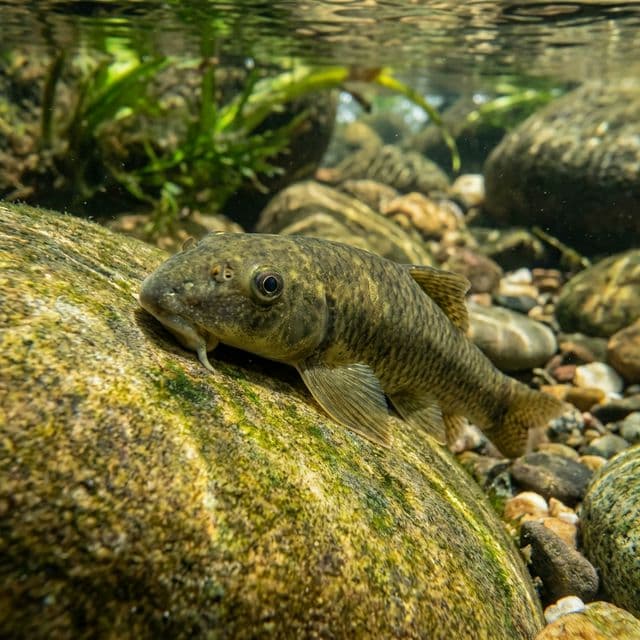
Panda Garra is native to the freshwater streams and rivers of Southeast Asia, with a prominent presence in regions such as India, Myanmar, and Bangladesh. These waters typically flow through lush landscapes rich in biodiversity, providing a varied ecological context for the species. The natural habitat is characterized by clear, flowing waters often rife with fine substrates and abundant vegetation, contributing to a complex ecosystem where Panda Garra can flourish.
In the wild, the water conditions where Panda Garra is found generally exhibit soft to moderately hard water, and they adapt well to slightly acidic to neutral pH levels. The temperature of their natural habitat ranges from 22 to 28 degrees Celsius (72 to 82 degrees Fahrenheit). This environmental context reflects the importance of replicating similar conditions in captivity, ensuring these fish remain healthy and exhibit their natural behaviors.
Care Requirements
To successfully keep Panda Garra, it’s crucial to replicate their natural environmental parameters as closely as possible. The ideal water pH for these fish should be maintained between 6.5 and 7.5, with a temperature between 22 to 28 degrees Celsius (72 to 82 degrees Fahrenheit). Additionally, a water hardness (dGH) range of 4 to 12 dGH is ideal for optimal health.
When setting up a tank for Panda Garra, a minimum aquarium size of 20 gallons is recommended, allowing sufficient swimming space and room for social interactions. The substrate should be smooth and fine-grained to prevent any injuries, and it should be complemented by live plants to mimic their natural environment. Incorporating driftwood and rocks helps create hiding spots and territories, while moderate lighting will help maintain plant growth and overall tank aesthetics.
Diet & Feeding
The Panda Garra is an omnivorous species, exhibiting diverse dietary preferences that should be mirrored in captivity. In addition to grazing on algae, they also benefit from quality flake foods and pellets designed for herbivorous fish. To promote optimal health, feed them a varied diet containing frozen or live foods such as bloodworms, brine shrimp, and daphnia occasionally.
It’s important to ensure their diet includes high-fiber content, as it contributes to their digestion and overall well-being. A balanced diet not only supports their growth but also enhances their colors and physical condition. Keeping a consistent feeding schedule with small amounts of food a couple of times daily is recommended for optimal health.
Behavior & Temperament
Panda Garra fish are known for their peaceful demeanor and social behavior, making them ideal residents for community aquariums. They thrive in groups and display a natural tendency to shoal, which can accentuate their fascinating social interactions. This species exhibits minimal aggression, allowing them to coexist alongside other non-aggressive fish.
In terms of tank behavior, Panda Garra usually occupies the middle to lower levels of the aquarium, frequently foraging near the substrate and enjoying leisurely swims. Their calm and active nature contributes to a vibrant and lively aquarium atmosphere, promoting the right environment for both themselves and other tank inhabitants.
Tank Mates
When selecting tank mates for Panda Garra, it’s essential to choose species that are similarly peaceful to avoid aggression and stress. Compatible species include small community fish such as neon tetras, rasboras, guppies, and otocinclus. Additionally, bottom-dwelling species like Corydoras catfish complement the Panda Garra’s natural behavior, enhancing the interaction within the tank.
Species to avoid include aggressive or territorial fish, such as cichlids, which may pose a threat to the peaceful nature of the Panda Garra. Ensuring proper tank size and only including compatible species will help maintain a harmonious aquarium environment, promoting healthy social dynamics among the fish.
Breeding
Breeding Panda Garra in captivity can be both delightful and challenging. These fish typically spawn during the rainy season in their natural habitat, where they seek out shallow areas of flowing water. In captivity, mimicking these conditions can facilitate successful breeding. A separate breeding tank with stable water parameters is recommended, as well as the inclusion of spawning mops or fine-leaved plants where the eggs can adhere.
During the breeding process, females usually produce a significant number of eggs, which the males will fertilize. After laying, it is advised to remove the adult fish to prevent them from consuming the eggs. The eggs will hatch within a few days, and fry can be fed infusoria until they are large enough to accept finely crushed flakes or specialized fry food.
Common Health Issues
While Panda Garra is relatively hardy, they may still be susceptible to various health issues. Common ailments include ich (white spot disease), fin rot, and velvet disease, primarily resulting from poor water quality or stressful living conditions. To prevent these problems, maintaining a clean and stable environment is paramount, alongside regular water changes and monitoring water parameters.
Quarantining new fish before introducing them to the established tank can help prevent the spread of disease. Additionally, proper nutrition and maintaining optimal tank conditions can significantly reduce the risk of health issues, promoting longevity and well-being in your Panda Garra. Regular observation of their behavior and physical condition will also help catch any signs of illness early, ensuring prompt treatment.