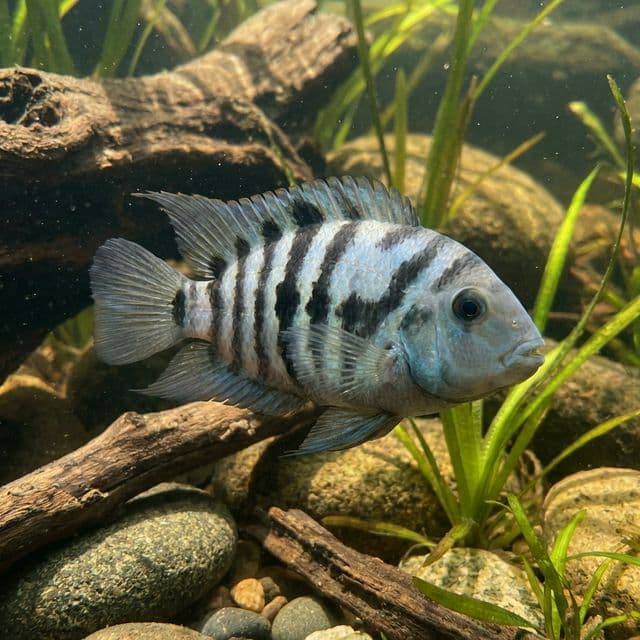
The Paradise Fish: Macropodus opercularis
One of the very first aquarium fish in history. Cold-water tolerant, brilliantly colored, but notoriously aggressive.
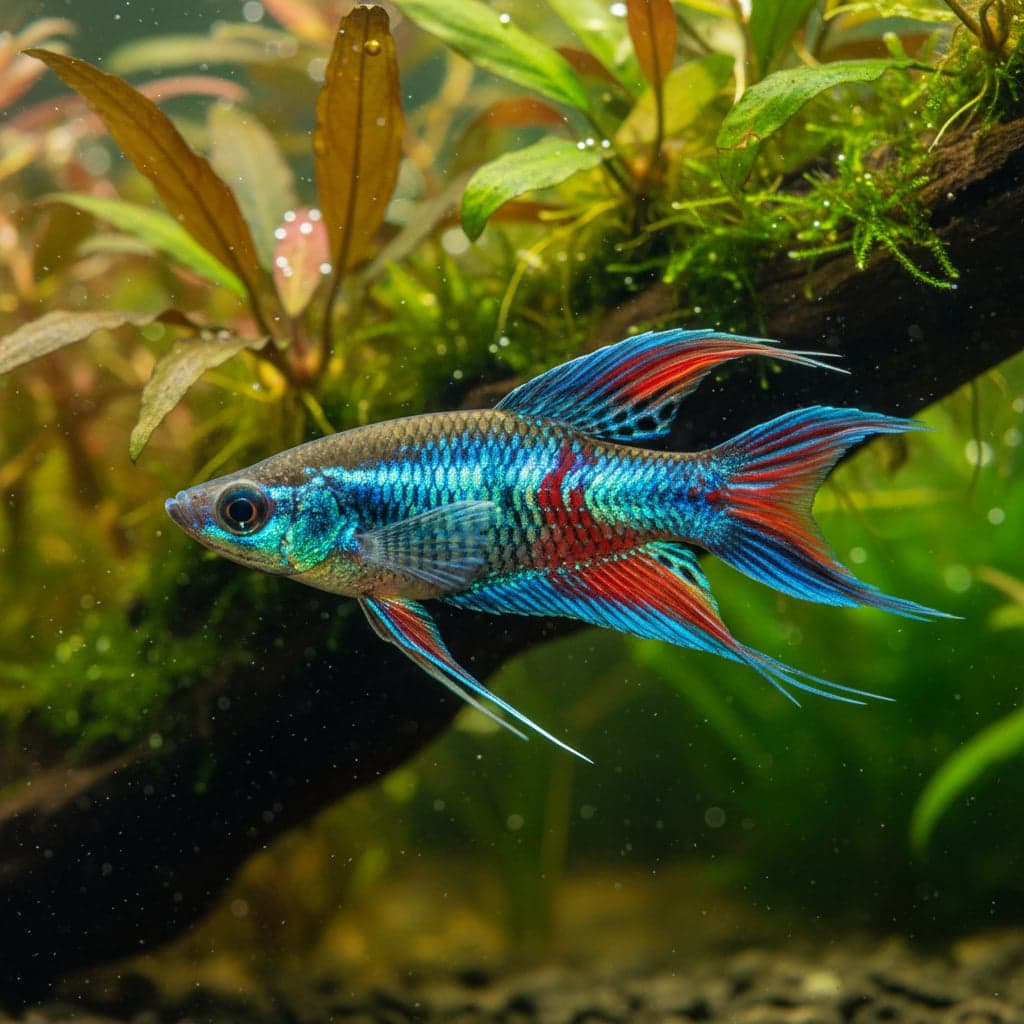
Paradise Fish
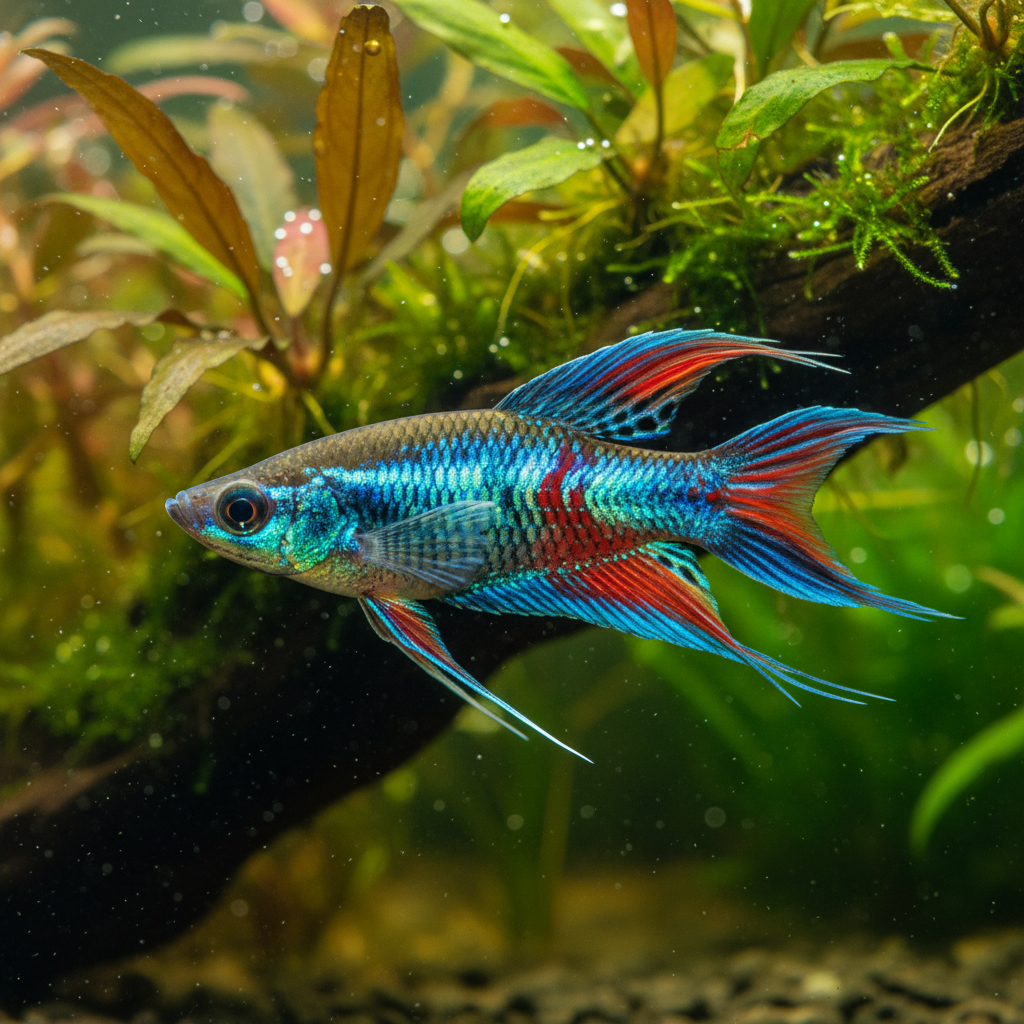
The Paradise Fish, known scientifically as Macropodus opercularis, is a captivating species well-recognized in the aquarium trade for its striking appearance and vibrant colors. This freshwater fish is distinguished by its elongated body, flowing fins, and vivid iridescent hues, typically exhibiting shades of blue, green, red, and yellow. These aesthetic features make the Paradise Fish a favorite among aquarists seeking to enhance the visual allure of their tanks. Beyond its beauty, the Paradise Fish holds significant historical importance in the aquarist community, often being one of the first tropical fish to be bred in captivity, leading to an increased interest in aquatic lifestyles.
In addition to its captivating physical traits, the Paradise Fish is also notable for its uniqueness in behavior and adaptability. As a labyrinth fish, it possesses a specialized organ that allows it to breathe atmospheric oxygen, which enables it to thrive in environments with low oxygen levels. This adaptability has made Paradise Fish popular among hobbyists who appreciate their resilience and ease of care. Over the years, they have been utilized in educational settings to teach about aquatic ecosystems and the importance of water quality, further underscoring their significance in both natural and aquarium environments.
Natural Habitat & Origin
Paradise Fish originate from the freshwater lakes, ponds, and slow-moving waters of Southeast Asia, particularly in countries such as China, Vietnam, and Thailand. They inhabit a range of aquatic environments, including blackwater and clearwater ecosystems, offering insights into their adaptability to varying conditions. In their natural habitats, they are often found among dense vegetation, where they utilize the dense plant life for breeding and shelter from predators. The lush vegetation and still waters create a tranquil environment ideal for their spawning behaviors and survival.
These fish prefer warm, slightly acidic waters that are rich in organic material, often exhibiting a pH range of 6.0 to 7.5, and temperatures between 22°C to 28°C (72°F to 82°F). Their native habitats typically experience seasonal changes, leading to fluctuations in water levels, which in turn impact their breeding cycles and feeding patterns. This environmental context is essential for any hobbyist aiming to recreate a similar ecosystem within their aquarium.
Care Requirements
To provide the best care for Paradise Fish, it’s crucial to maintain specific water parameters that mimic their natural environment. Ideal water conditions include a pH range of 6.0 to 7.5, with a temperature preference between 22°C and 26°C (72°F to 78°F). A water hardness of 5 to 15 dGH is optimal, as it closely resembles their native habitats. Keeping the tank clean and performing regular water changes will help maintain these parameters and promote overall fish health.
In terms of tank setup, a minimum aquarium size of 20 gallons is recommended to give these fish ample swimming space. A soft substrate, such as sand or fine gravel, is ideal to replicate their natural bottom environment. Incorporating live plants, such as Java fern, Anubias, or floating plants, provides cover and mimics their natural habitat. Moderate lighting is suitable, and adding floating plants can diffuse the light, creating a comfortable ambiance for the Paradise Fish. Regular filtration is essential, but care should be taken to avoid strong currents, as these fish prefer calmer waters.
Diet & Feeding
As omnivores, Paradise Fish thrive on a varied diet, which is key to their health and well-being. They will readily accept high-quality flakes, pellets, and freeze-dried foods. To ensure a balanced diet, it's advisable to incorporate a mixture of both plant-based and protein-rich options. Supplementing their diet with occasional live foods, such as brine shrimp, daphnia, or bloodworms, will stimulate their natural hunting behaviors and enhance their coloration.
Feeding should be done in small portions, several times a day, to prevent overfeeding and maintain water quality. It's important to observe your fish during feeding times to ensure that all individuals are getting enough nutrition and to adjust food amounts as needed. Overall, a diverse diet will keep the Paradise Fish vibrant and active, contributing to a thriving aquarium environment.
Behavior & Temperament
The Paradise Fish is known for its dynamic and curious nature. While they can exhibit territorial tendencies, particularly during breeding, they are generally peaceful and can coexist with other species if provided sufficient space. They are not true schooling fish, preferring to establish their territories; however, they do enjoy interaction with others of their species when maintained in appropriate numbers. It's crucial to monitor their behavior, especially when introducing new tank mates, to prevent any unnecessary aggression.
In terms of tank placement, Paradise Fish tend to occupy the middle to the upper levels of the aquarium. They appreciate the presence of vertical structures and plants, allowing them to explore their environment while feeling secure. Observing their behaviors can provide insight into their health and stress levels; signs of aggression or stress should be addressed promptly by adjusting tank conditions or re-evaluating their companionship with other fish in the aquarium.
Tank Mates
Choosing compatible tank mates for Paradise Fish requires consideration of their temperament and space needs. Suitable companions include peaceful species such as neon tetras, rasboras, guppies, and mystery snails. Caution should be exercised when pairing them with larger or more aggressive fish like cichlids and barbs, as well as smaller species that could be seen as prey. It is typically best to keep them with similarly-sized and non-aggressive fish to ensure a peaceful community.
The addition of live plants and hiding spots can help reduce territorial disputes as these fish establish their social hierarchy. It's also advisable to keep them in groups of at least three to four of their kind, as this can help distribute territorial aggression and promote natural school behavior. With the right combination of tank mates, Paradise Fish can thrive, contributing to a harmonious aquarium environment.
Breeding
Breeding Paradise Fish in captivity can be an exciting and rewarding experience for hobbyists. They are bubble-nesters, meaning the male constructs a nest of bubbles at the water's surface, typically positioned near floating plants or stable structures. To trigger spawning behavior, maintain elevated temperatures (around 26°C to 28°C / 78°F to 82°F) and provide a well-planted layout with ample hiding spots. When ready to spawn, the male will charge at the female, enticing her to release eggs, which he then fertilizes and collects in the bubble nest.
After spawning, it's generally advised to remove the female from the tank to prevent aggression and ensure her safety. The male will continue to care for the eggs until they hatch in about 24-36 hours. Once the fry are free-swimming, they can be fed infusoria or finely crushed flakes. A separate fry tank is ideal for their development, as they are prone to being eaten by larger fish if left in the main aquarium.
Common Health Issues
Paradise Fish are generally hardy, but they can be prone to certain health issues typical in aquariums. Common ailments include fin rot, ich (white spot disease), and swim bladder disorders. Maintaining stable water parameters and ensuring regular cleaning and maintenance of the aquarium can help prevent these issues. Additionally, providing a varied diet and monitoring for signs of stress or aggression can contribute to overall health.
Preventive measures include quarantining new arrivals before introducing them to your main tank, closely observing existing fish for any early behavioral changes or skin lesions, and keeping tank covers securely in place. As labyrinth breathers, Paradise Fish take gulps of ambient air from the surface, making them susceptible to respiratory chills or bacterial infections if the air above the water is significantly cooler than the tank temperature. Fitting a tight-fitting aquarium lid preserves warm, humid air above the waterline and prevents jumping. Prompt treatment with appropriate anti-parasitic or antibacterial remedies when symptoms first appear ensures a rapid, full recovery.