Parkinson's Rainbowfish: Melanotaenia parkinsoni
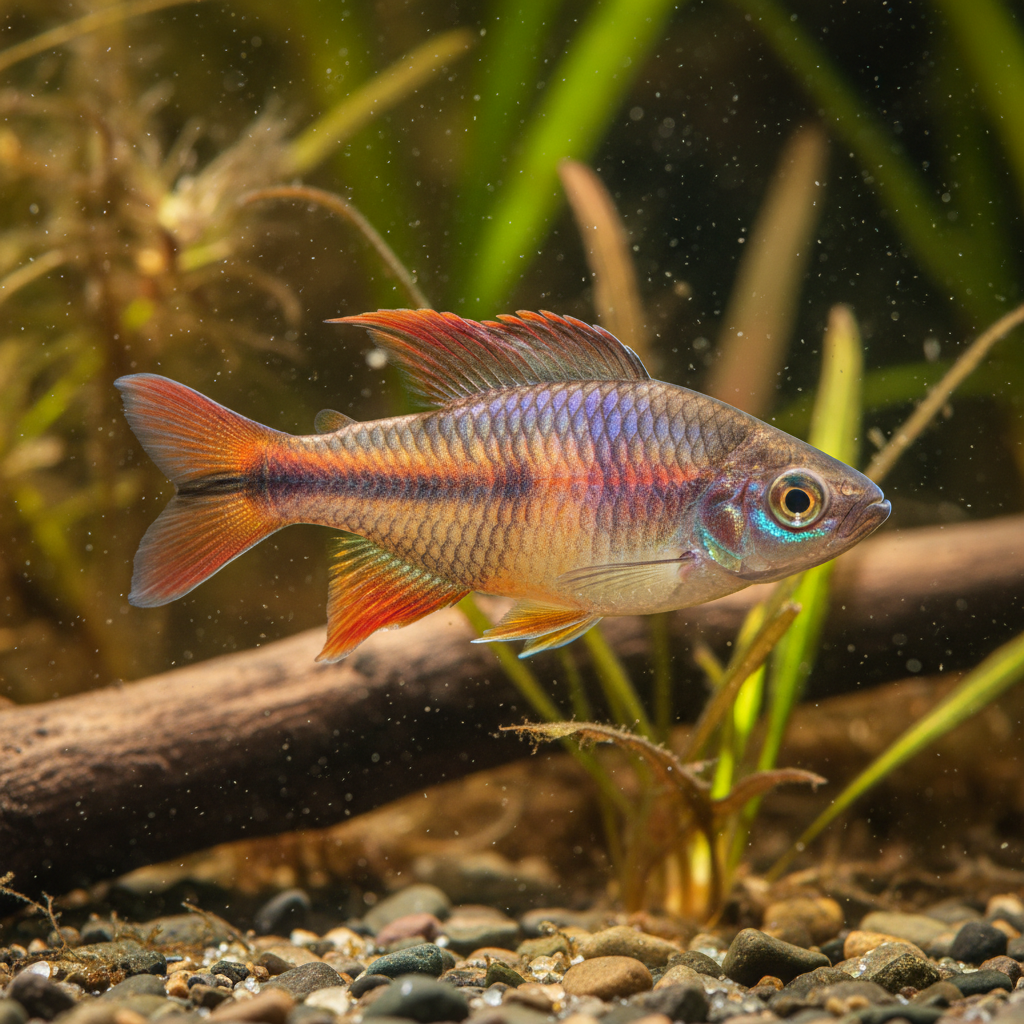
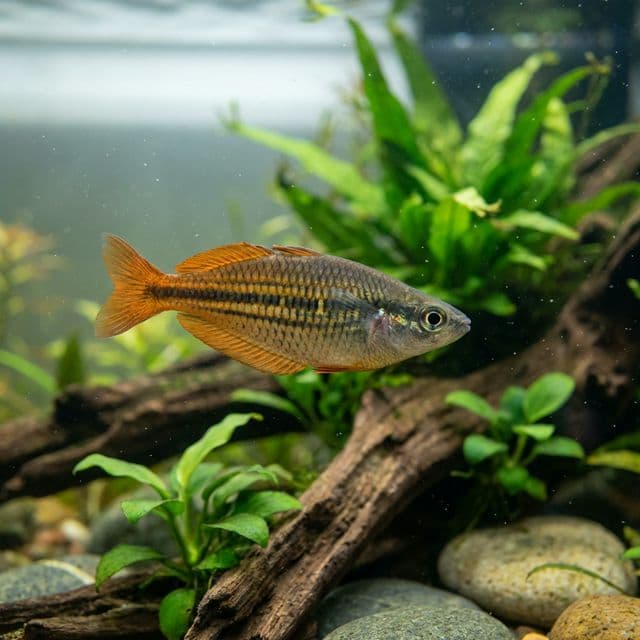
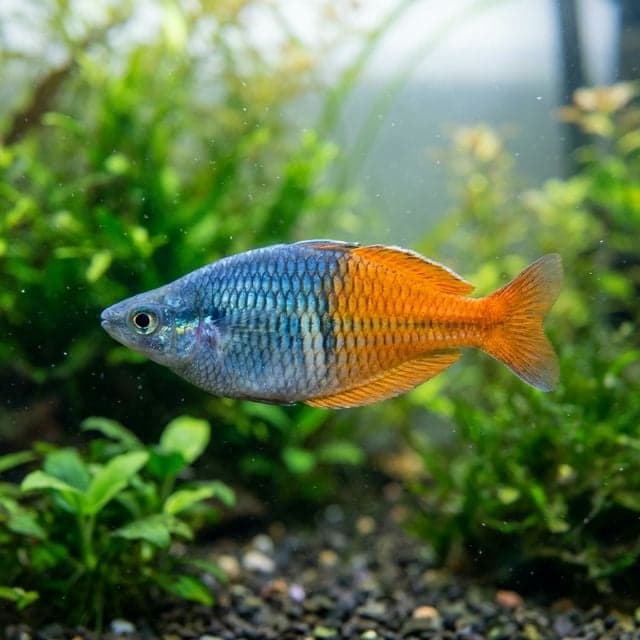
A large, incredibly vibrant rainbowfish where mature males appear as if they were heavily splattered with glowing orange paint.
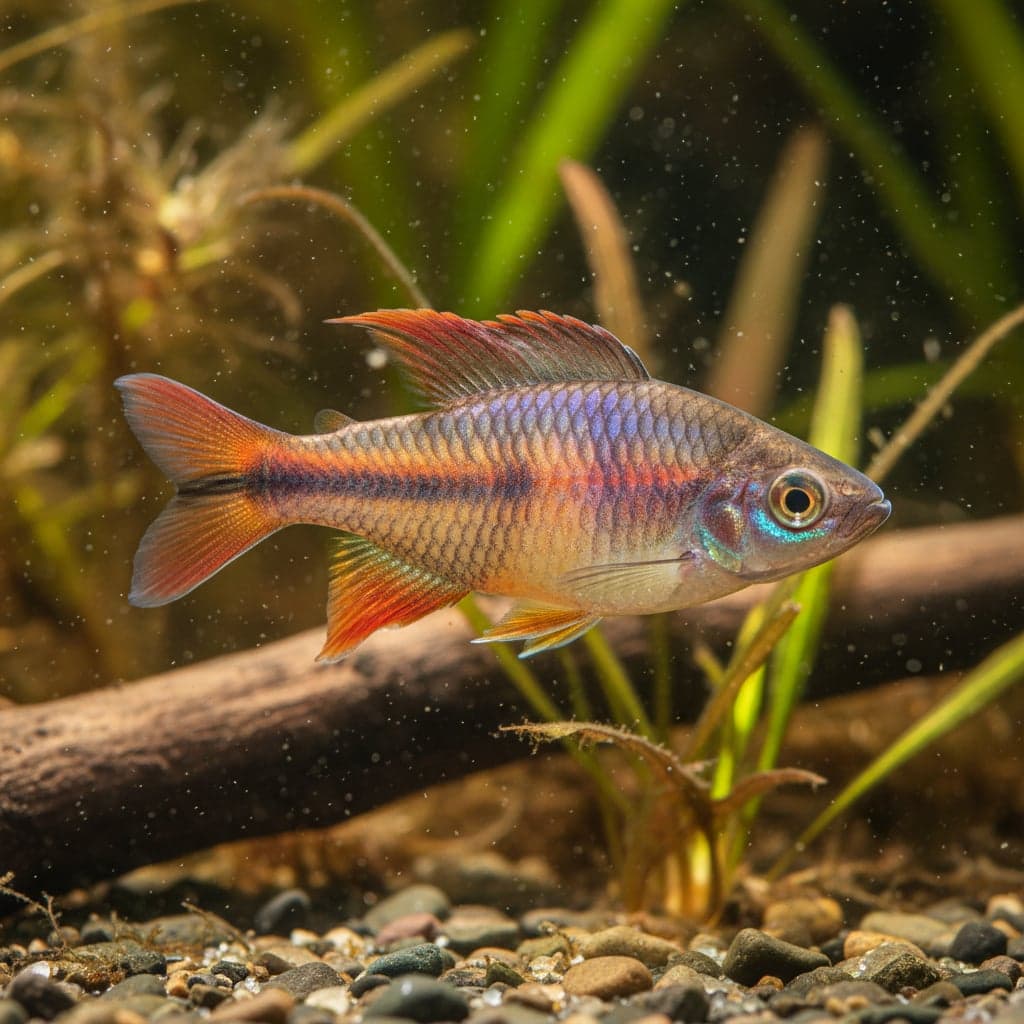
Parkinson's Rainbowfish
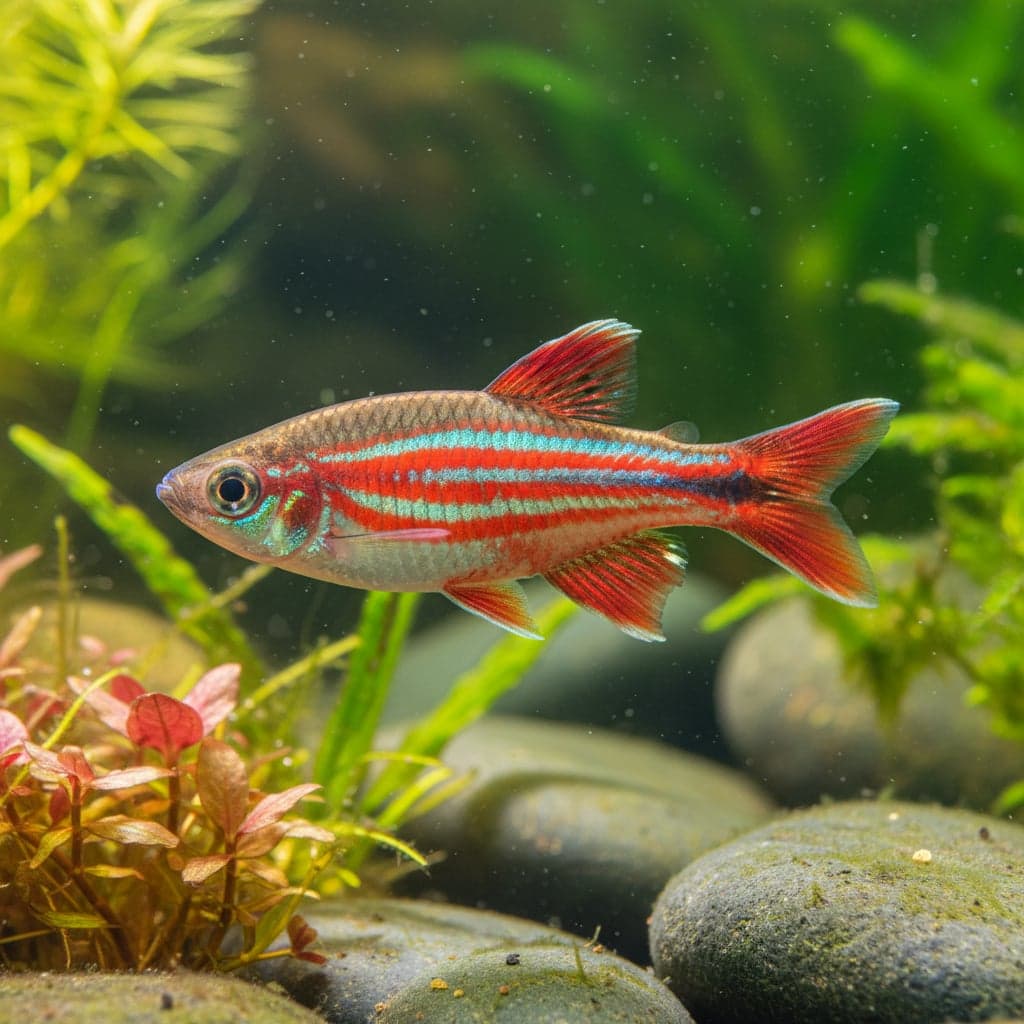
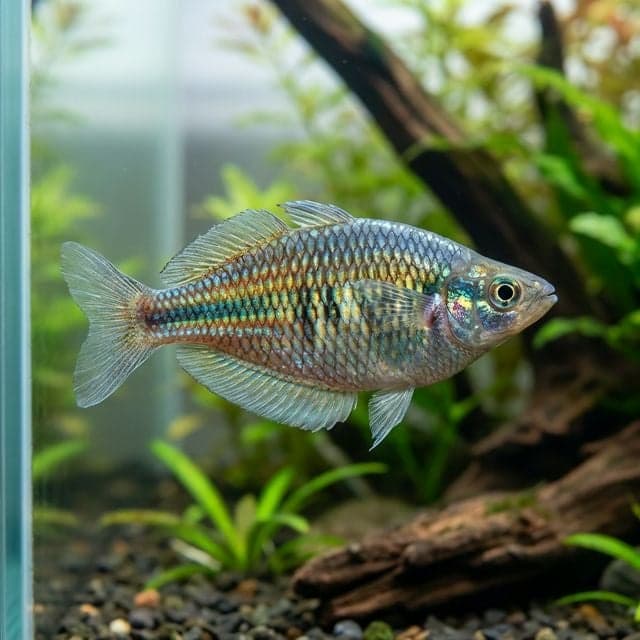
The Parkinson's Rainbowfish, scientifically known as Melanotaenia parkinsoni, is a strikingly colorful freshwater fish that has gained immense popularity among aquarium enthusiasts. This species is native to the freshwaters of Papua New Guinea, where it thrives in lush aquatic environments. Its visual appeal is highlighted by a spectacular array of colors that change with the angle of light, displaying hues of blue, green, and yellow, punctuated with vibrant red and orange accents. These brilliant colors make the Parkinson's Rainbowfish a standout choice for both novice and experienced aquarists looking to create a stunning underwater display.
In addition to its aesthetic allure, the Parkinson's Rainbowfish is significant in the aquarium hobby for its sociable nature and ease of care. This species often thrives in community tanks, adding liveliness and movement to aquarium settings. Its adaptability to various water conditions and peaceful demeanor make it an ideal candidate for beginners, while its vibrant coloration will enthrall seasoned fish keepers. Alongside its beauty, it plays a role in educational and conservation discussions, particularly concerning the preservation of its natural habitat in Papua New Guinea.
Natural Habitat & Origin
The Parkinson's Rainbowfish is indigenous to the rivers and streams of Papua New Guinea, particularly in the regions of the upper Fly River basin. It inhabits various aquatic environments, from slow-moving to moderate currents in clearwater streams. The natural habitat often consists of densely vegetated areas where submerged plants provide shelter and breeding grounds. The water in these habitats typically has a pH ranging from 6.5 to 7.5 and sees variations in hardness, but soft to moderately hard water is preferred.
In its natural environment, the Parkinson's Rainbowfish is often found where the water is rich in organic materials, such as fallen leaves and plant debris, contributing to a nutrient-rich ecosystem. The clarity of the water coupled with ample plant life creates an aesthetically pleasing habitat that not only supports the fish but also a variety of other aquatic organisms, making it a key ecological player in its ecosystem.
Care Requirements
To provide adequate care for Parkinson's Rainbowfish, it is essential to replicate its natural environment as closely as possible. The recommended minimum tank size is 20 gallons, which allows for ample swimming space and social interaction within groups of 6 or more individuals. The ideal water parameters for maintaining healthy specimens include a pH of 6.5 to 7.5, a temperature range of 24°C to 28°C (75°F to 82°F), and moderate hardness levels of 5 to 15 dGH.
When setting up the tank, choose a substrate such as fine gravel or sand, which allows for easy cleaning and simulates its native environment. The lighting should be moderate to bright to support the growth of aquatic plants, which are integral to the tank's landscape. Furthermore, incorporating plenty of plants—both floating and rooted—can provide hiding spots and improve the aesthetic value of the aquarium, mimicking the lush, vegetative surroundings of their natural habitat.
Diet & Feeding
The Parkinson's Rainbowfish is an omnivorous species that thrives on a varied diet, which should comprise high-quality flakes, pellets, and live or frozen foods. A balanced diet should include both plant-based and protein-rich items to cater to their nutritional needs. High-quality flakes or pellets specifically formulated for tropical fish can serve as a staple food source, while occasional offerings of live worms, daphnia, or brine shrimp will enhance their diet and promote vibrant color expression.
To ensure optimal health, it is best to feed the Parkinson's Rainbowfish two to three times daily, providing only as much food as they can consume within a few minutes. Varying their diet on a weekly basis not only prevents nutritional deficiencies but also stimulates their natural foraging instincts.
Behavior & Temperament
Parkinson's Rainbowfish exhibit peaceful and sociable behavior, making them well-suited for community aquariums. They are schooling fish by nature and thrive in groups, with a minimum of six individuals recommended to promote their natural social behaviors. This schooling habit not only encourages their natural behaviors but also brings out their vibrant coloration, especially during active swimming periods.
While generally peaceful, these fish may display some territorial tendencies, particularly during breeding. However, aggression is not common among this species if kept in appropriate numbers and provided with sufficient space. They predominantly occupy the mid to upper levels of the aquarium, often flashing their colors as they dart around, making them a lively addition to any tank.
Tank Mates
When selecting tank mates for Parkinson's Rainbowfish, it is essential to choose species that share similar water parameter preferences and temperament. Ideal companions include other peaceful schooling fish such as Tetras (e.g., Neon Tetra, Rummy Nose Tetra), Corydoras Catfish, and other types of Rainbowfish. It is also beneficial to introduce species that occupy different levels of the tank to minimize territorial behavior.
Species to avoid include larger cichlids and aggressive fish, like Oscars or Jack Dempseys, as they may see Parkinson's Rainbowfish as competition or prey. Compatibility extends to avoiding particularly fin-nipping species, which could stress or injure the Rainbowfish.
Breeding
Breeding Parkinson's Rainbowfish in captivity can be a rewarding endeavor, although it requires specific conditions to be successful. They are egg scatterers, meaning they do not prepare nests but instead lay eggs among plants or substrate during spawning. To encourage breeding, it is advisable to condition a group of fish with high-quality foods, and then place them in a separate tank equipped with gentle filtration, plants, and spawning mops.
Water conditions should mimic their natural habitat, maintaining slightly acidic pH levels (around 6.5) and a temperature in the breeding range of 26°C to 28°C (78°F to 82°F). After spawning occurs, parents should be removed to prevent them from consuming their eggs. The eggs usually hatch within 7 to 10 days, depending on the water temperature, and the fry can be fed infusoria or finely crushed flakes until they grow large enough for standard fry food.
Common Health Issues
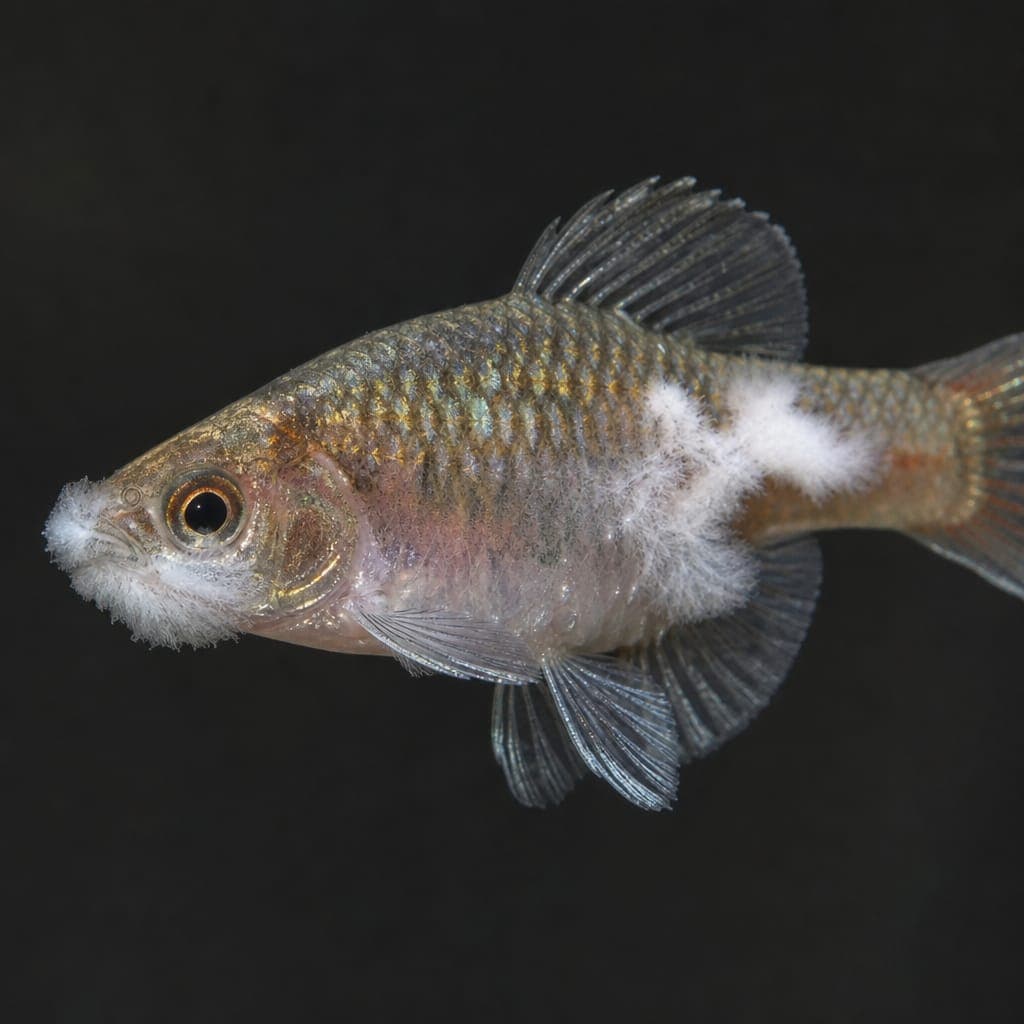
Parkinson's Rainbowfish are generally resilient, yet they can still be susceptible to certain health issues typical in aquarium fish. Common diseases include Ich (Ichthyophthirius multifiliis), fin rot, and fungal infections. Keeping water quality high by performing regular water changes and ensuring appropriate filtration is vital for prevention.
Additionally, providing a stress-free environment by keeping appropriate tank mates and avoiding overcrowding can significantly reduce their susceptibility to illness. Observing fish closely for any signs of distress or illness will facilitate early detection and treatment, ensuring that the Parkinson's Rainbowfish remains healthy and vibrant. Regular maintenance and proactive health measures are key to enjoying these remarkable fish for years to come.