Passer Angelfish
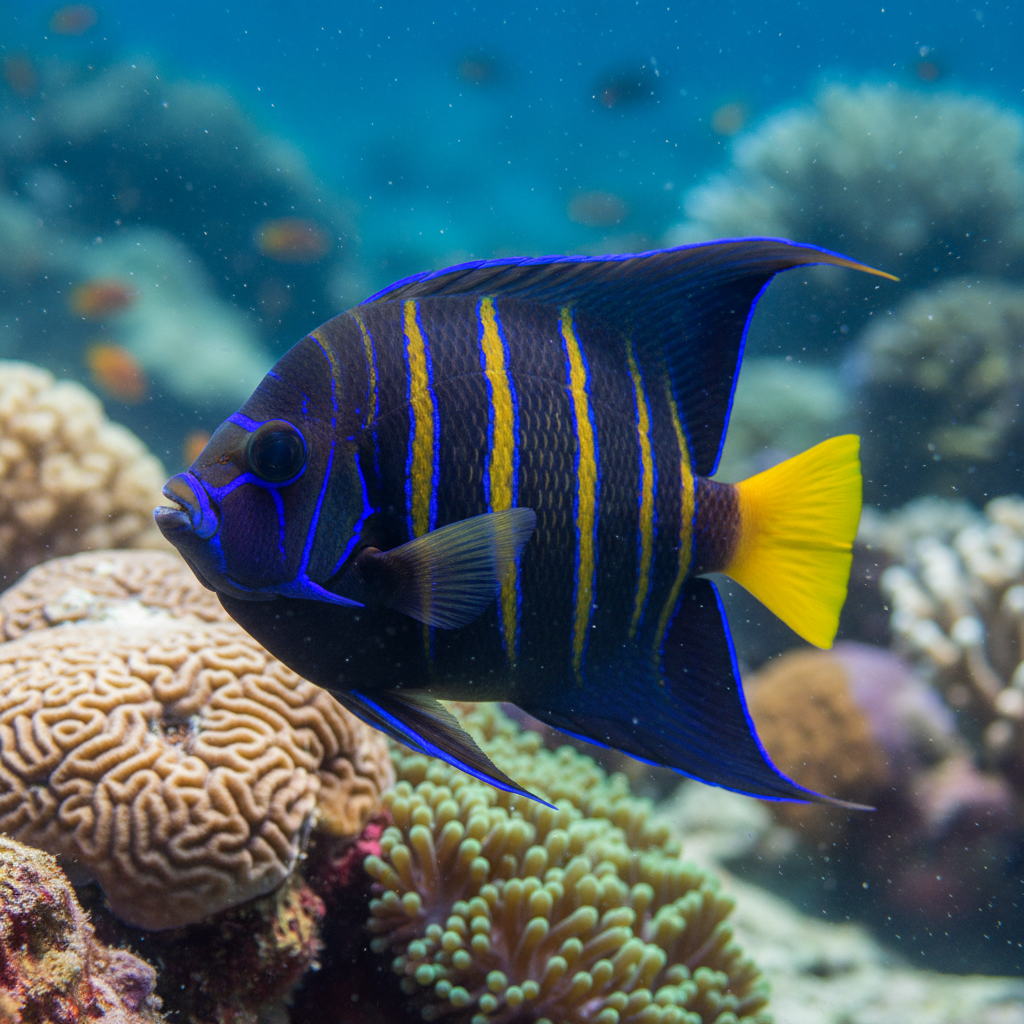
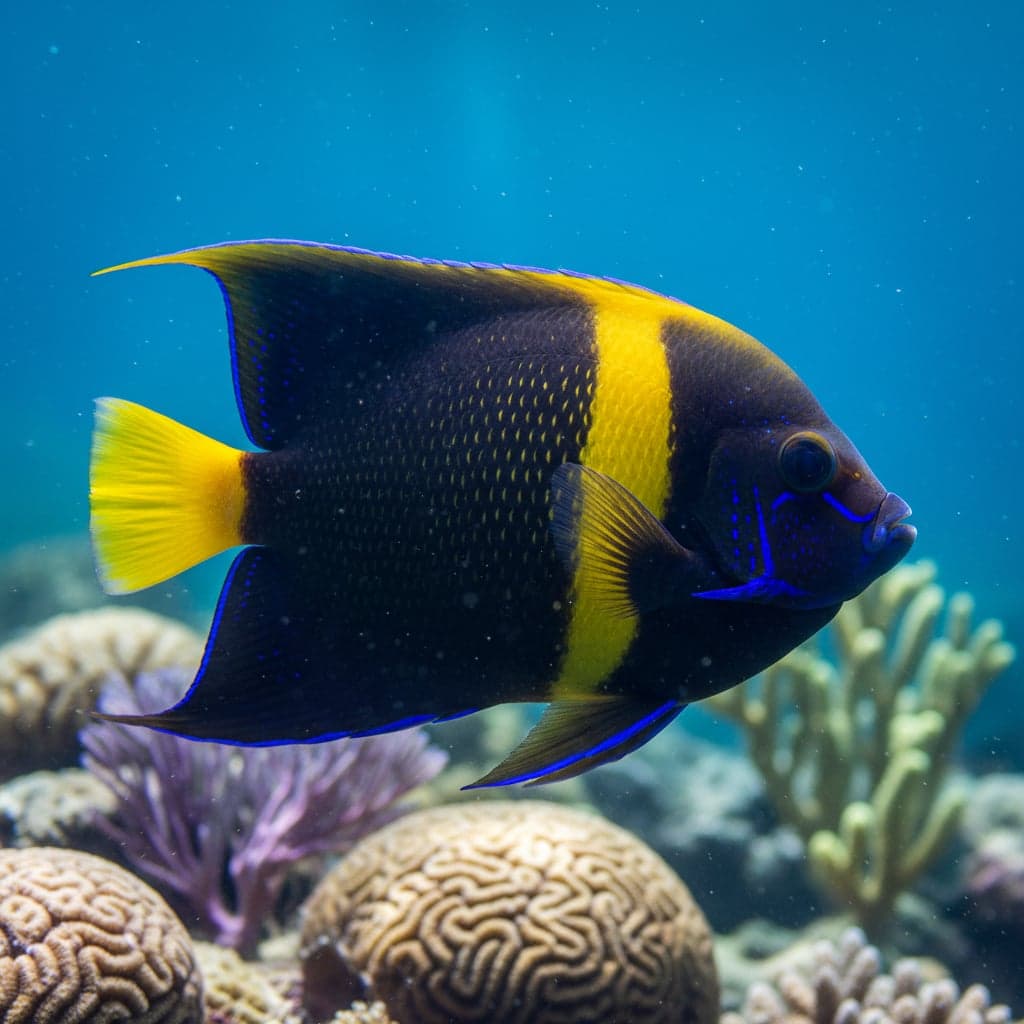
The Passer Angelfish (Holacanthus passer), or king angelfish, is a large, hardy Eastern Pacific marine angel — a striking but coral-nipping fish for big systems.
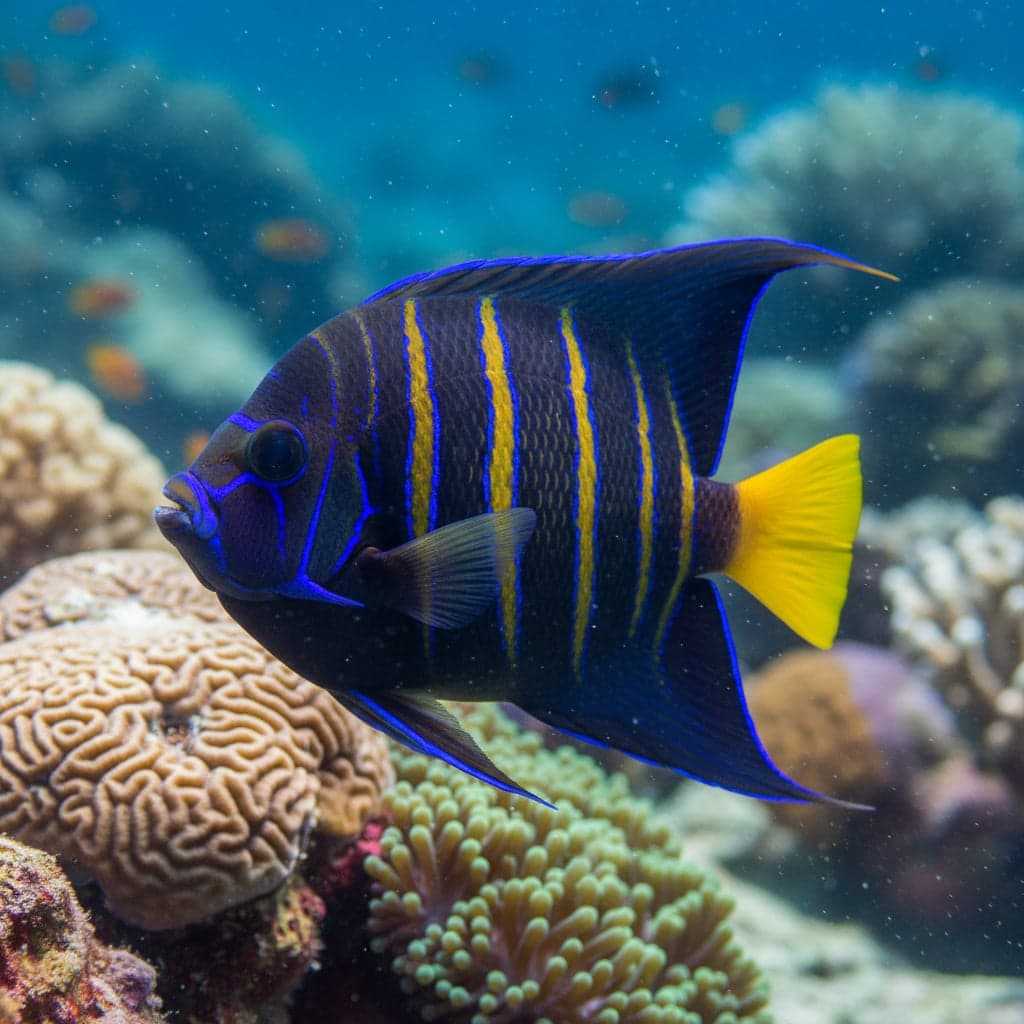
Passer Angelfish
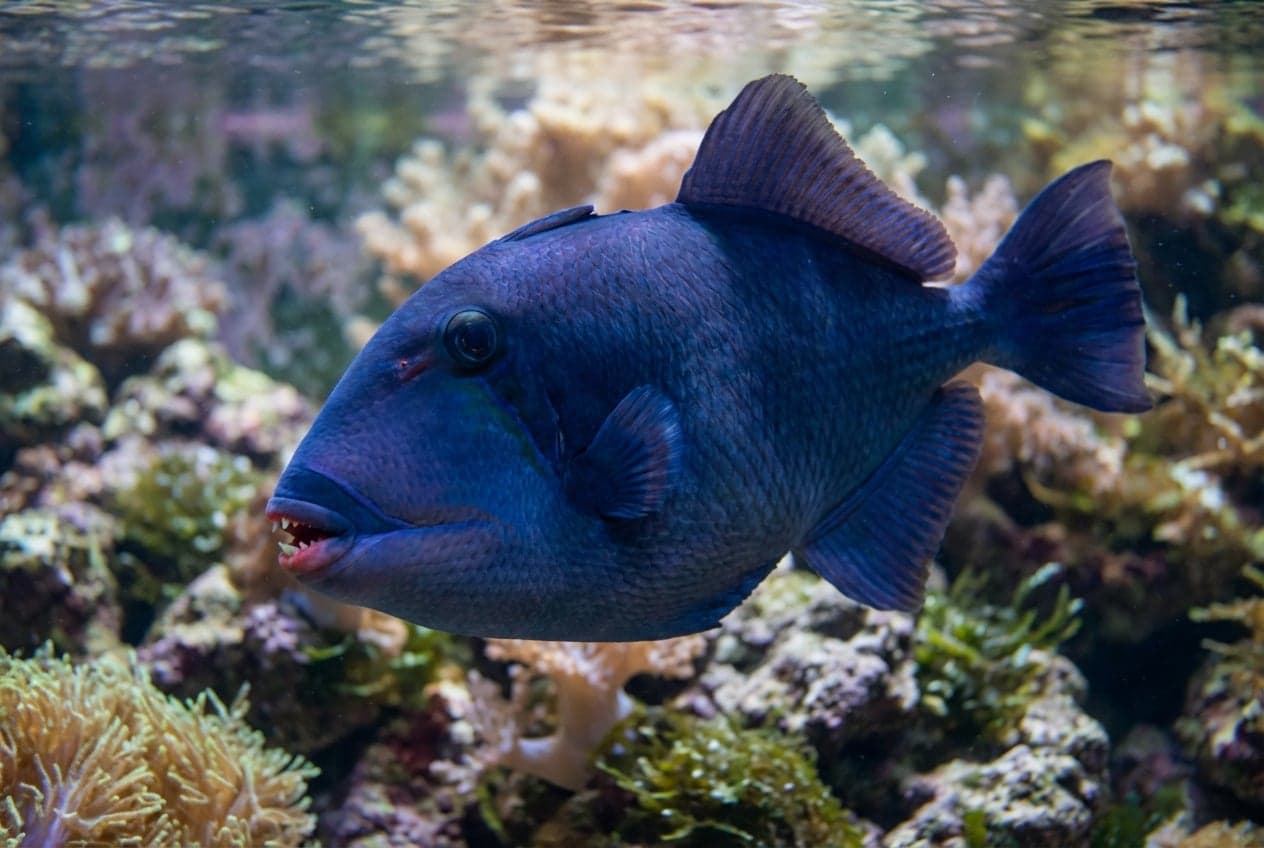
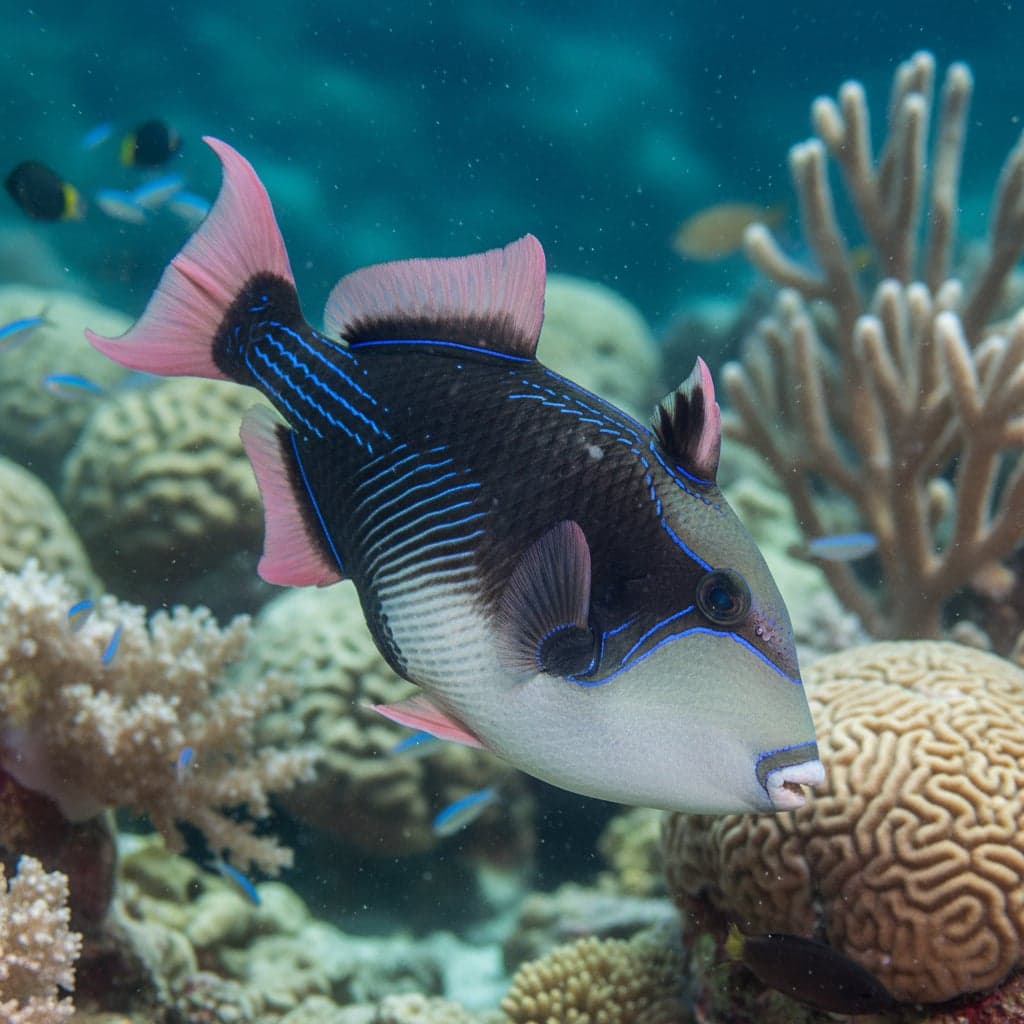
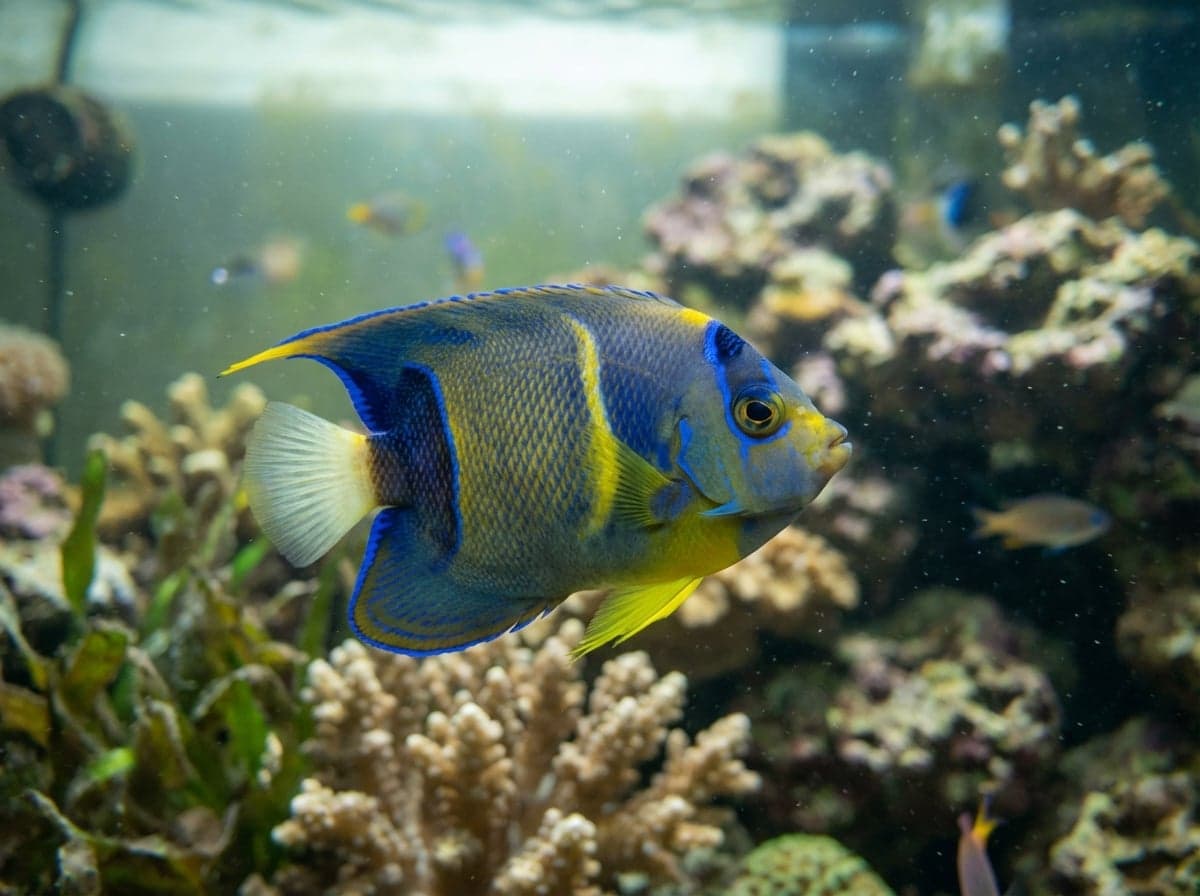
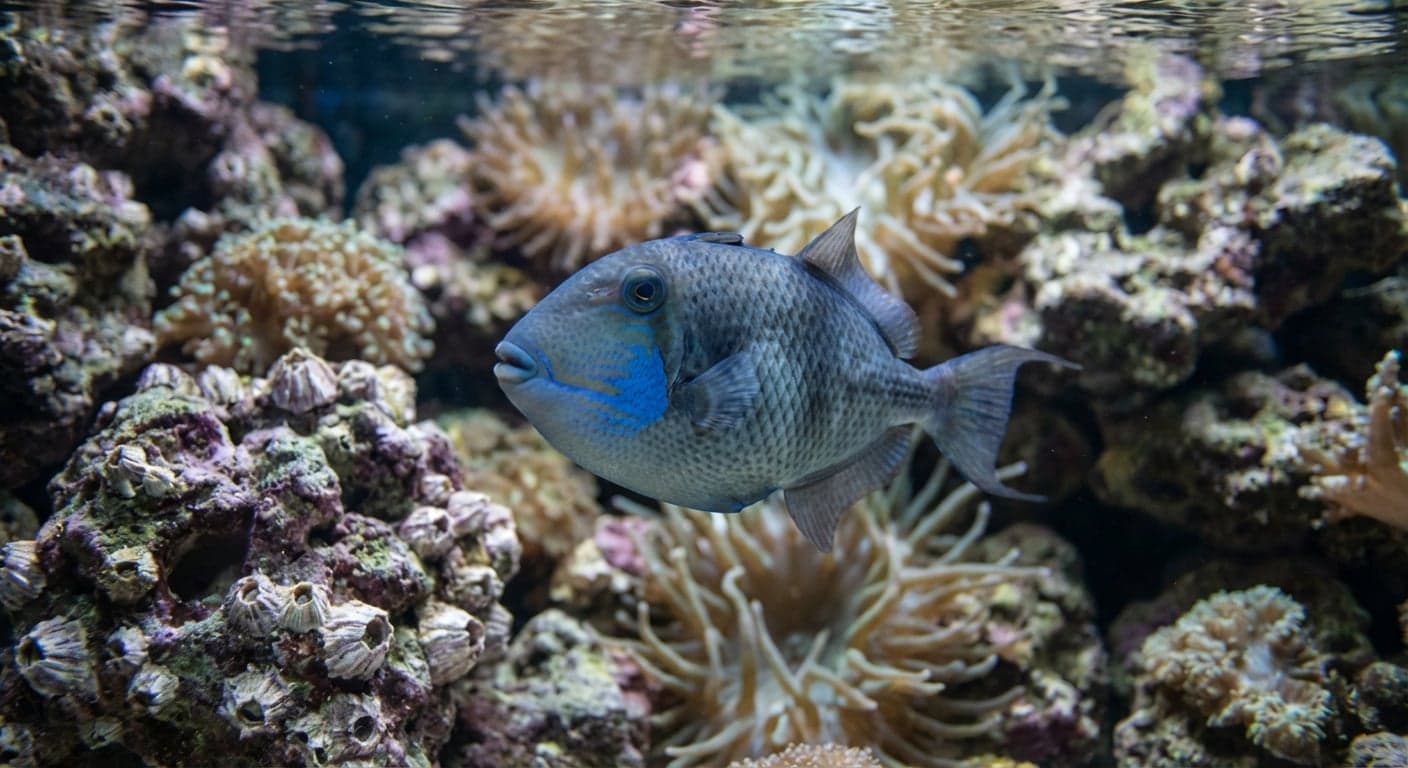
The Passer Angelfish (Holacanthus passer), widely called the king angelfish, is a large Eastern Pacific Holacanthus with serious presence. Adults are deep blue-grey with a bold vertical white bar behind the head, bright yellow caudal and pelvic fins, and orange accents; juveniles carry extra bright bars and often act as cleaners on the reef. It is the Pacific counterpart in spirit to big Atlantic angels such as the queen angelfish (Holacanthus ciliaris): hardy, long-lived, visually dominant, and a poor choice for a coral garden.
Cooler, productive Eastern Pacific water is home. Plan for slightly lower temperatures than a typical 26–28°C Indo-Pacific reef default, and for an adult that can top 36 cm.
Frontmatter lists Solitary because one large passer is the honest stocking plan for almost every home system. Wild adults may be seen in pairs or small groups on rocky reefs; in captivity same-genus and same-size angel aggression makes “a pair of kings” a specialist project in an exceptionally large tank, not a shop impulse.
Natural Habitat & Origin
Holacanthus passer ranges the Eastern Pacific from the Gulf of California south along Central and South American coasts on rocky reefs and adjacent habitats, often in cooler, nutrient-rich water compared with clear tropical atolls. Juveniles clean parasites from other fishes; adults graze sponges, tunicates, algae and other invertebrate matter over hard structure.
In the aquarium that means substantial live rock for grazing and territory, strong filtration for a heavy bioload, and temperature stability in the cooler band. A sterile bare rockscape plus pellet-only feeding is how large angels lose condition and start picking at whatever is left — including corals you hoped they would ignore.
Care Requirements
Salinity about 1.024–1.026, pH 8.1–8.4, temperature about 22–25°C (72–77°F). Holding this species at constant high-20s °C to match SPS lighting charts works against its origin. Adults approach 36 cm (14 inches). Frontmatter minimum is on the order of 570 litres (around 150 US gallons) — and long, well-filtered systems beat tall show cubes. Buy a cute barred juvenile only if the adult footprint already exists on the floor plan. A 200-litre “grow-out” with no upgrade path is how king angels end up paced, coral-nipping and for sale again.
Strong flow and high oxygenation help a large omnivore’s metabolism; stagnant warm corners invite disease even when the fish looks bulletproof. Leave territorial caves and broad grazing faces in the rock — an open swimming lane plus private structure reduces pointless midwater wars with other heavies.
Quarantine is mandatory. Large angels ship under stress and are classic importers of marine ich and velvet. Complete a quarantine protocol before display life; keep copper and related medications off sessile invertebrates.
Use the Aquarium Tracker to log salinity, temperature and nitrate. Heavy eaters advertise neglect as dull colour, HLLE-type erosion risk and rising aggression long before they stop swimming.
Diet & Feeding
Omnivore with a wild emphasis on sponges, algae and invertebrate matter. Base the captive diet on quality marine angelfish preparations that include sponge, plus herbivore foods, spirulina-rich items, frozen mysis, and enriched marine blends. Offer several small meals daily and leave mature rock for grazing between feeds.
A passer that only receives meaty foods without sponge/algae content often looks fine for weeks, then starts sampling coral and clam tissue. Variety is husbandry, not enrichment theatre. Watch body depth behind the head — a pinched large angel in a big tank is usually diet or parasite stress, not “still growing into the volume.”
Behavior & Temperament
Semi-aggressive and territorial, especially toward other angelfish. Keep one large angel per typical system. Introduce thoughtfully among robust tankmates; a shy new arrival can become the dominant fish once settled and may rearrange the social order. Net and handle with care — large angels thrash and spike stress responses that invite disease.
Crowding and hunger turn manageable assertion into relentless chasing. The “magnificent display fish” description assumes space and food; without them it is simply a large bully with a yellow tail.
Tank Mates
Suitable companions are other large, robust marine fish that tolerate cooler water: tangs in appropriately huge systems, large wrasses, triggers (with care), groupers or similar predators in fish-only setups, and other assertive community fish that will not fit in the angel’s mouth. Avoid small, timid fish and delicate invertebrates. Cooler Eastern Pacific targets also rule out some heat-loving livestock that thrives only at 27–28°C — match the community to the temperature band, not the other way around.
Not reef-safe in the usual sense. Like most large Holacanthus, it is likely to nip stony corals, soft corals and clam mantles. Fish-only or fish-with- selected hardy corals is the realistic framing. If the tank’s purpose is SPS or a clam collection, choose a planktivorous Genicanthus instead.
Breeding
Pelagic spawner; not a home-aquarium breeding project. Trade specimens are wild-collected. Juvenile cleaning behaviour and adult pair bonds on the reef do not translate into reliable captive spawning for hobbyists.
Common Health Issues
Hardy when given space, cooler stable water and a sponge-inclusive diet; still vulnerable to ich and velvet after shipping, and to head-and-lateral-line style problems when diet and water quality slip. The most common failure mode is underestimating adult size and buying for a “temporary” tank.
Quarantine, keep temperature honest to 22–25°C, feed angel preparations with sponge and greens, and only stock this king if 570+ litres is already the plan. Done right, the Passer Angelfish is a long-lived Eastern Pacific showpiece. Done as a coral-tank impulse buy, it is an expensive coral pruner with a yellow tail.