Peacock Bass: Cichla ocellaris
A massive, dazzling apex predator sporting explosive greens and golds, famous in both the aquarium and sport-fishing worlds.
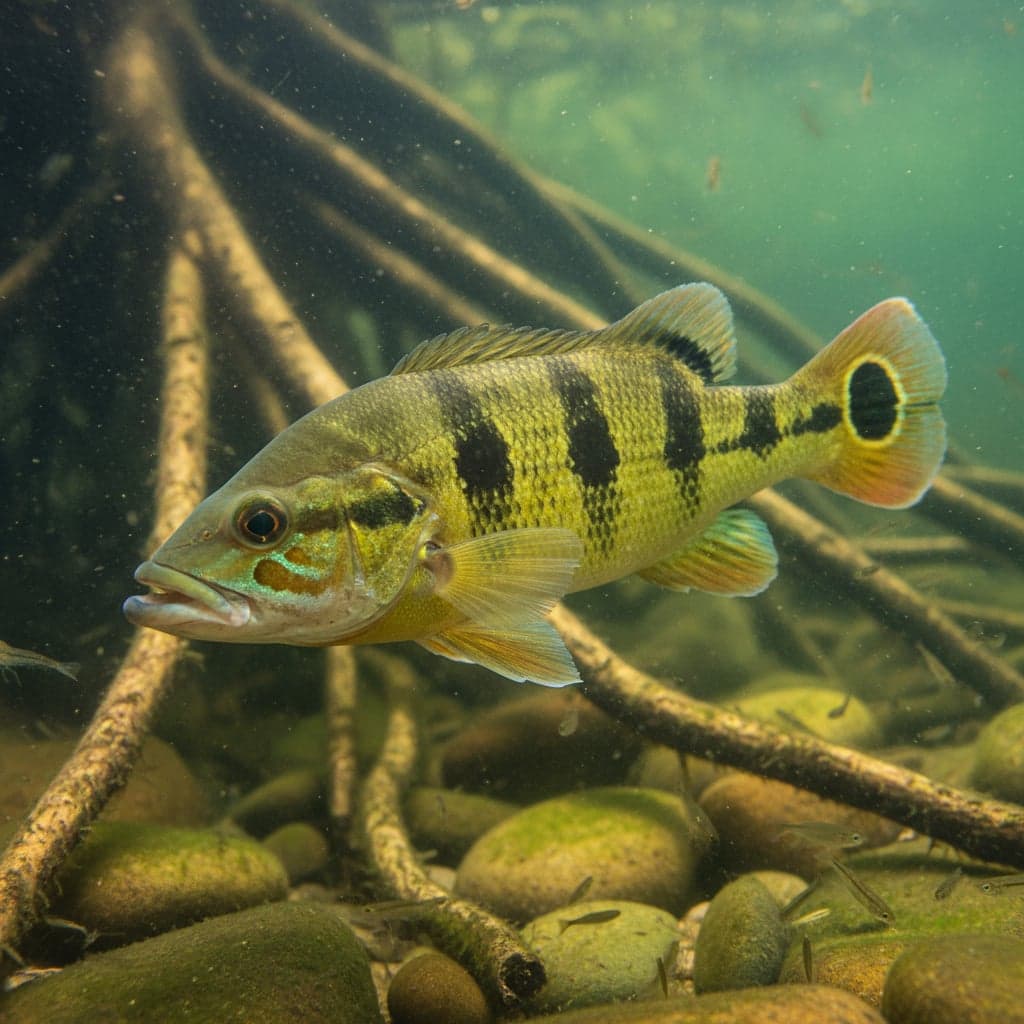
Peacock Bass
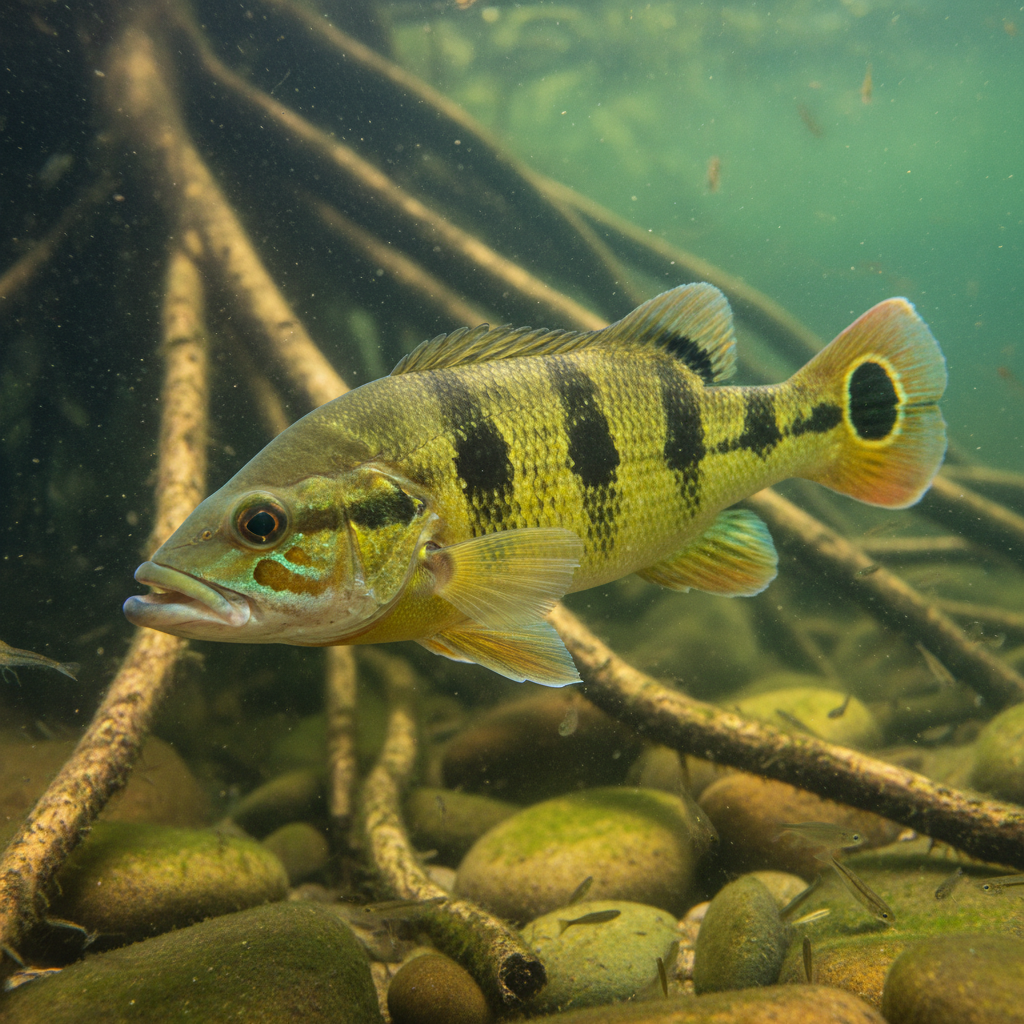
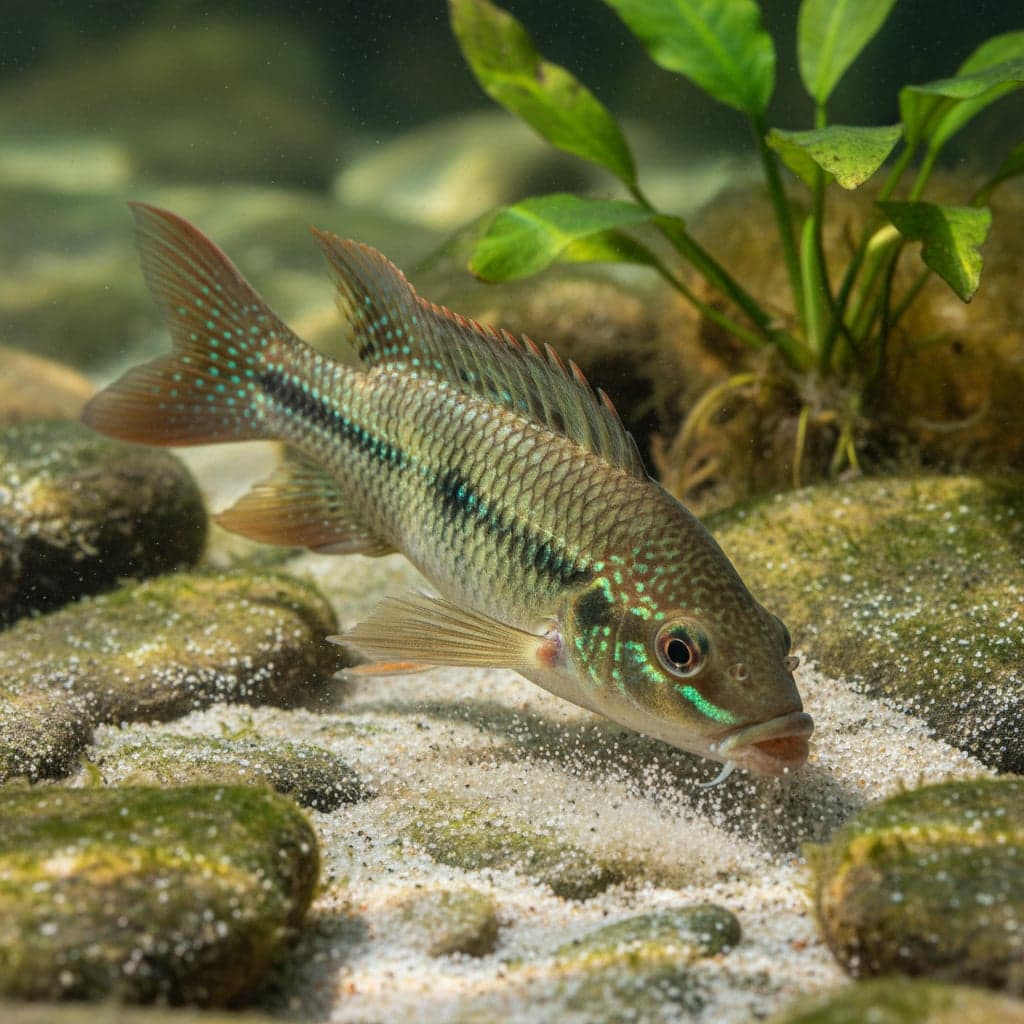
The Peacock Bass (Cichla ocellaris) is a stunning freshwater fish that has captivated the hearts of aquarium enthusiasts worldwide. Known for its vibrant coloration, featuring rich greens and yellows adorned with striking blue and black circles along its flanks, this cichlid epitomizes the term "living jewel" in the aquarium hobby. Its impressive size—often reaching up to 3 feet in length in the wild—adds an awe-inspiring presence to aquariums, making it a sought-after species for serious aquarists looking to showcase a magnificent display. In addition to its striking appearance, the Peacock Bass is a dynamic and intelligent species, exhibiting a personality that adds life and excitement to any aquatic environment.
Significantly, the Peacock Bass not only serves as a visually appealing addition to aquariums but also plays a role in the ecosystem where it originates. As a predator, it helps control populations of smaller fish in its natural habitat, ensuring a balanced ecosystem. Its popularity within the aquarium industry has also highlighted conservation concerns, as this species faces threats from habitat destruction and overfishing in its indigenous waters, particularly in the Amazon basin. This dual appeal—both ecological and aesthetic—further elevates the status of the Peacock Bass in the aquarium community, prompting aquarists to learn more about its requirements and care.
Natural Habitat & Origin
The Peacock Bass is native to the tropical river systems of South America, primarily found in the Amazon River basin, including Brazil, Colombia, and Venezuela. These waters are typically characterized by their clear to slightly tinted coloration, supporting a variety of aquatic flora and fauna. Interestingly, the Peacock Bass thrives in both blackwater and clearwater environments, adapting to the specific conditions found in these diverse habitats. The natural ecosystem includes submerged logs, rocks, and vegetation, providing hiding places and spawning sites that the fish depend on for refuge and breeding.
In these environments, the water quality is paramount—often acidic to neutral pH levels, with soft to moderately hard water conditions. The temperature range in which the Peacock Bass flourishes is typically between 24°C to 30°C (75°F to 86°F). Understanding the natural habitat of the Peacock Bass aids in replicating optimal conditions within a home aquarium, ensuring the health and longevity of this captivating species.
Care Requirements
To ensure a healthy environment for the Peacock Bass, maintaining proper water parameters is crucial. The ideal pH for this species generally lies between 6.0 to 7.5, while the water temperature should be maintained within the 24°C to 30°C range. The hardness of the water can vary from 5 to 15 dGH, facilitating a comfortable environment reflective of their native habitat.
When it comes to tank setup, a minimum aquarium size of 150 gallons is recommended due to the Peacock Bass's potential size and territorial nature. The tank should be decorated with a sandy or smooth substrate to mimic their natural swimming conditions, while providing ample space for swimming. Carefully selected decorations, such as driftwood, rocks, and aquatic plants, can create hiding spaces and enhance the overall aesthetic appeal. Bright, moderate lighting is usually favorable, simulating the sunlit conditions found in their natural environments while also supporting plant growth if the aquarist chooses to include live greenery.
Diet & Feeding
The Peacock Bass is primarily a carnivorous fish, with a diet that typically consists of smaller fish, invertebrates, and various aquatic organisms in the wild. In captivity, it can thrive on a well-rounded diet consisting of high-quality pellets or flakes, specifically formulated for cichlids. It is essential to include a variety of foods such as frozen or live options, including bloodworms, brine shrimp, and feeder fish, to mimic their natural feeding habits and maintain their vibrant coloration.
An important aspect of feeding behavior is to provide smaller, more frequent meals rather than a single large feeding, as this aligns with their instincts and can prevent overfeeding. Regular protein-rich offerings will not only promote healthy growth and coloration but also enhance overall vitality, enabling the Peacock Bass to flourish in the aquarium setting.
Behavior & Temperament
The Peacock Bass exhibits interesting social behavior, often demonstrating territorial and semi-aggressive tendencies, especially as it matures. While they can be housed with other species, it’s essential to ensure that tank mates are of similar size and temperament to avoid conflicts. The fish are noted for their inquisitive nature and active swimming patterns, making them a dynamic presence in any aquarium.
When arranged in the tank, the Peacock Bass typically occupies the mid to upper levels of the water column, patrolling its territory and observing surroundings. Regular interaction with its environment can lead to entertaining displays; however, aquarists must ensure that the fish has enough space to establish its own territory to mitigate aggressive behaviors.
Tank Mates
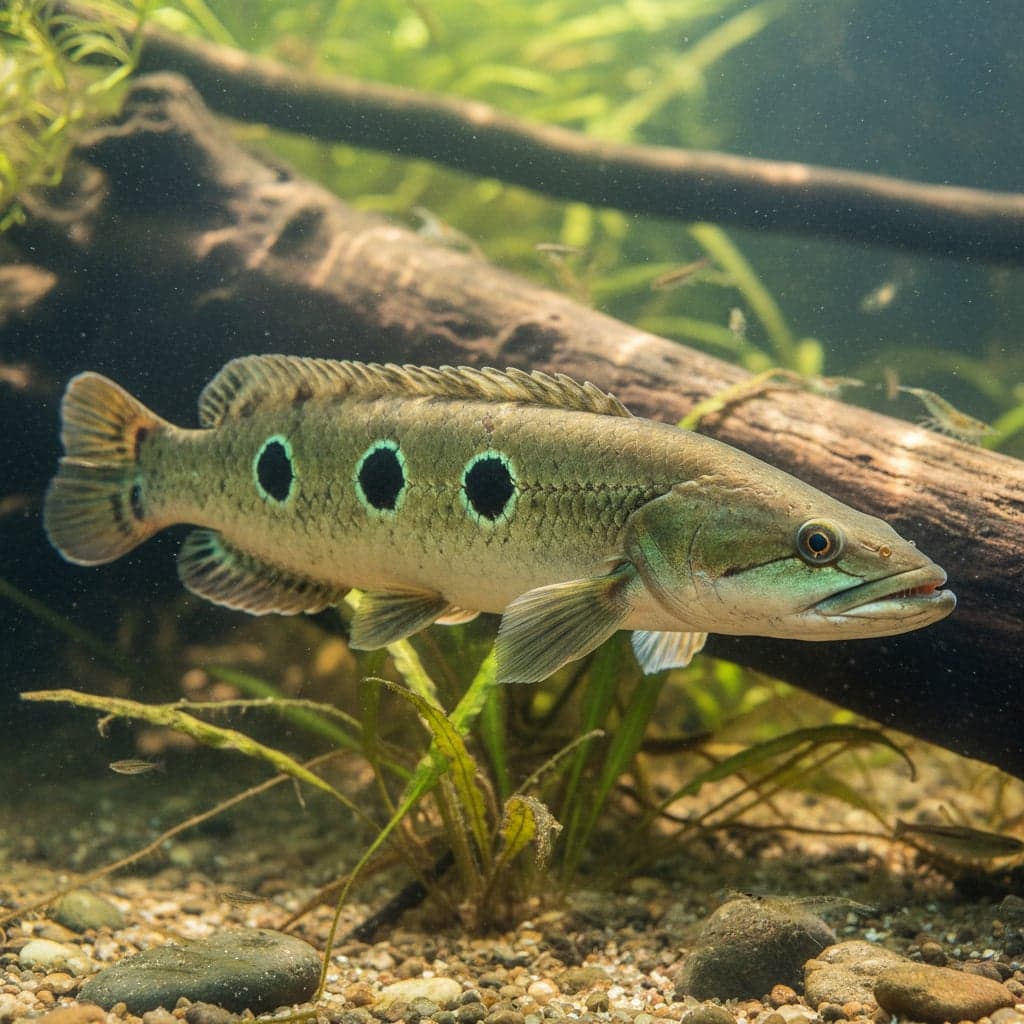
Choosing compatible tank mates for the Peacock Bass is crucial due to its territorial and predatory nature. Ideal companions include larger cichlids such as the Jaguar Cichlid and Red Devil Cichlid, as well as other robust fish like Tinfoil Barbs and Silver Dollars. These species can coexist harmoniously, provided they also have ample swimming space and appropriate hiding spots.
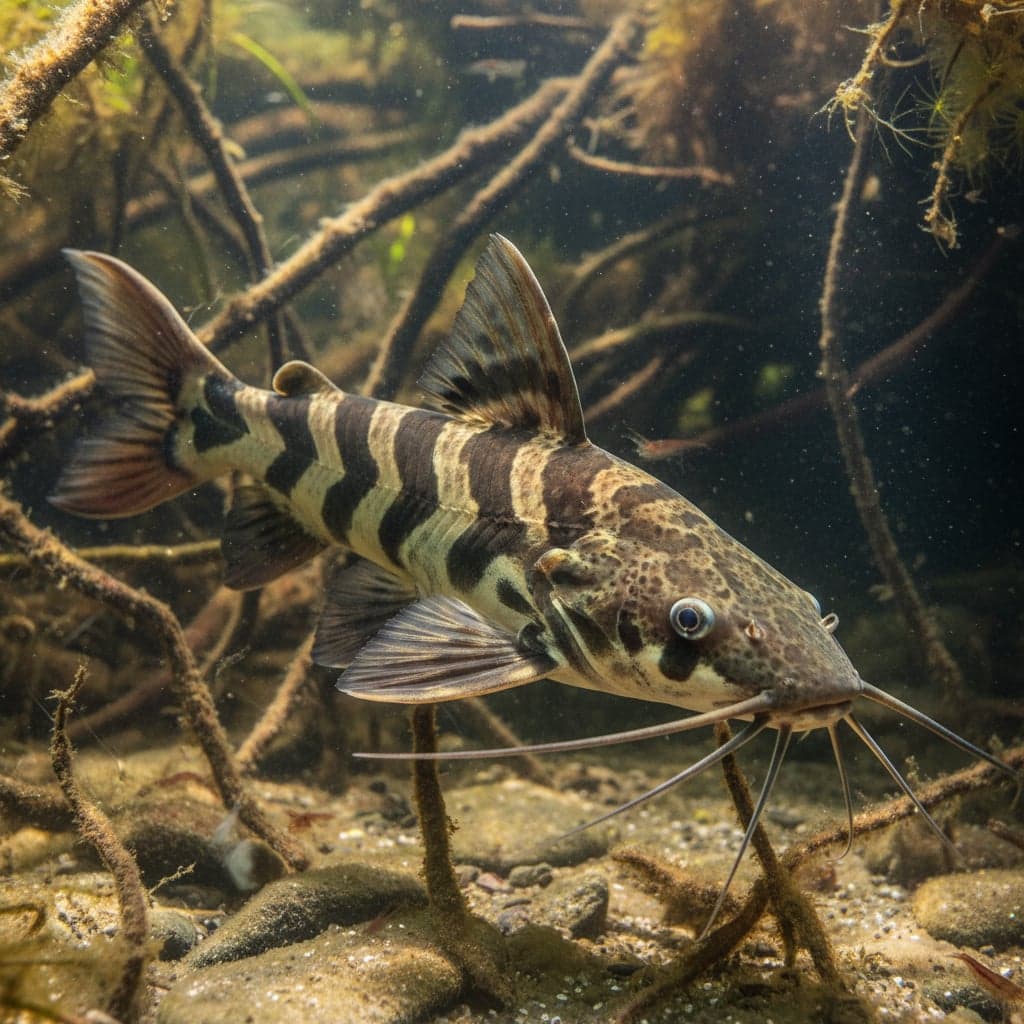
Conversely, smaller or more peaceful species should be avoided, as they can become targets for the predatory instincts of the Peacock Bass. Examples of unsuitable tank mates include neon tetras, guppies, and small catfish. The key to a successful community tank is pairing the Peacock Bass with other robust fish that can handle its moderately aggressive behavior.
Breeding
Breeding the Peacock Bass in captivity can be a rewarding challenge, requiring specific conditions to encourage spawning. Typically, they are cave spawners, inclined to select flat surfaces in the aquarium for laying eggs. Breeding may occur when the temperature is a bit elevated, around 28°C to 30°C (82°F to 86°F), and water conditions are optimal.
To promote a conducive breeding environment, aquarists should provide plenty of flat stones or slates where the female can lay her eggs. Once the eggs are fertilized, both parents usually exhibit caring behavior, guarding the eggs and fry diligently. If conditions are right, and the parents are well cared for, fry hatching can occur within a couple of days, joining the parent(s) in the shared territory for protection and nourishment.
Common Health Issues
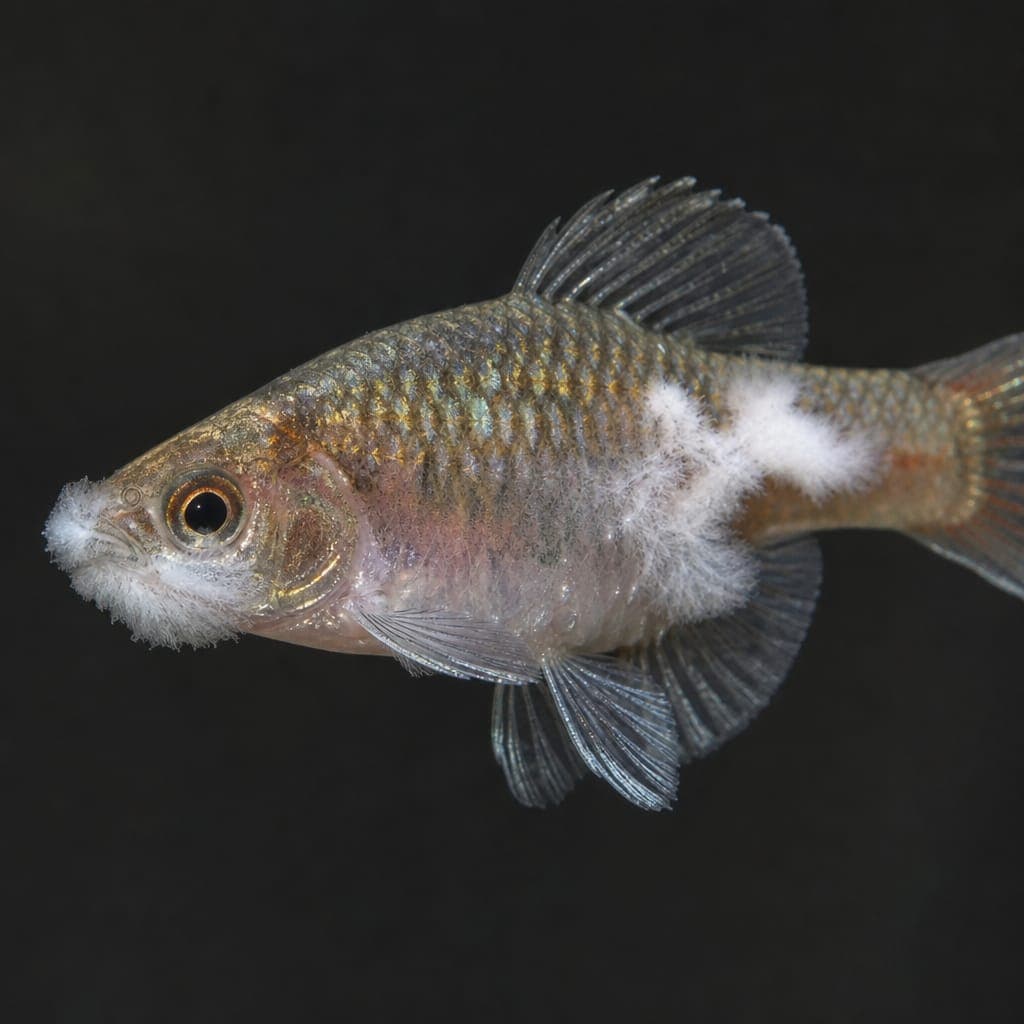
Despite their robust nature, Peacock Bass can be prone to various health issues, primarily if not adequately cared for. Common ailments include ich, fin rot, and fungal infections, often arising from poor water quality or stress. To prevent these health issues, maintaining pristine water conditions through regular water changes, proper filtration, and an appropriate feeding schedule is essential.
Routine monitoring of water parameters, careful observation of behavior, and providing a balanced diet can help minimize the likelihood of diseases. Additionally, when introducing new fish or plants to the tank, quarantining them first can prevent the introduction of pathogens, thereby safeguarding the health of the Peacock Bass.