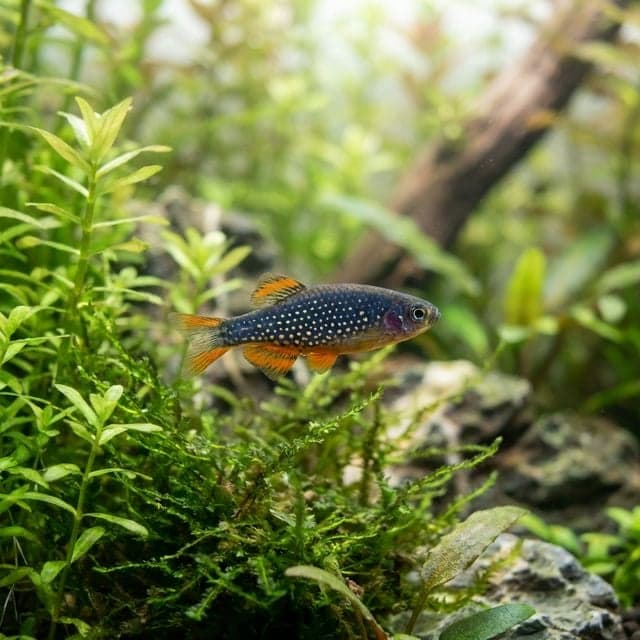
The Pearl Danio: Danio albolineatus
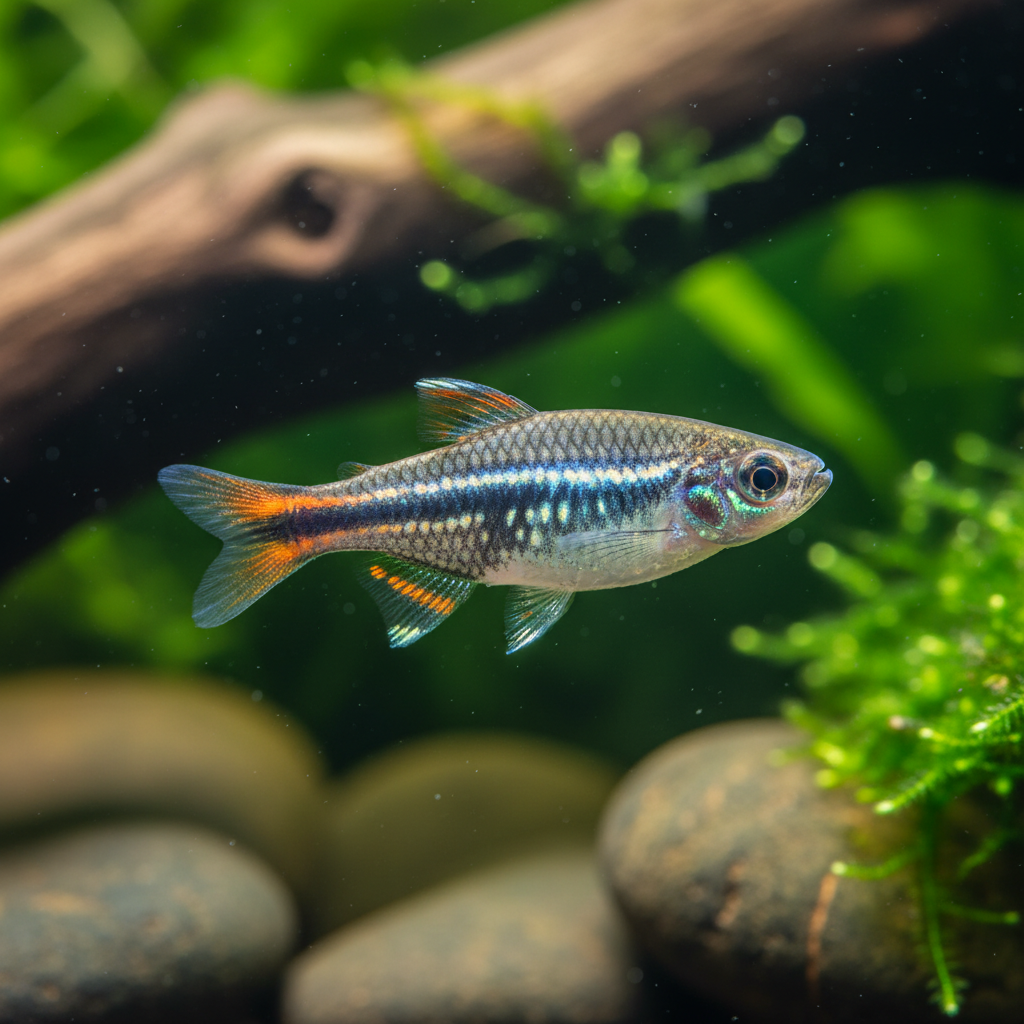
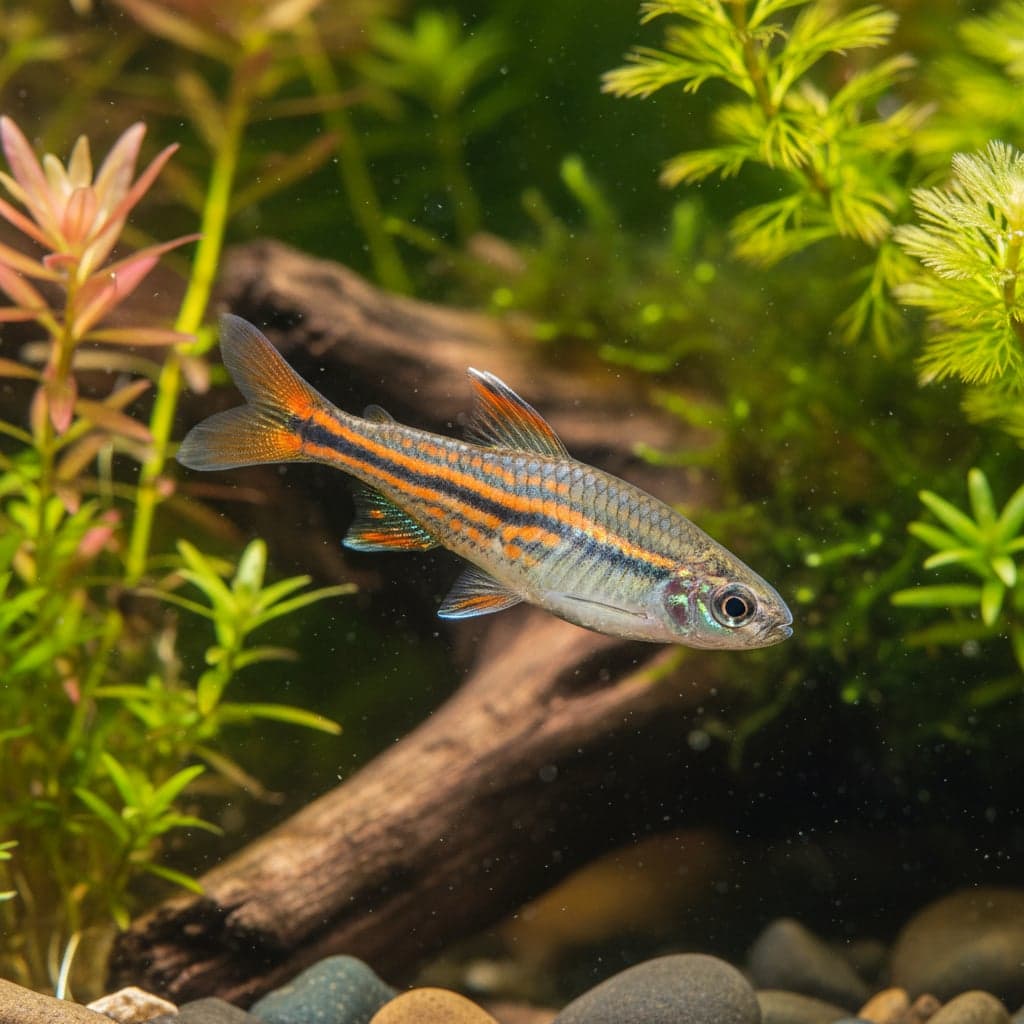
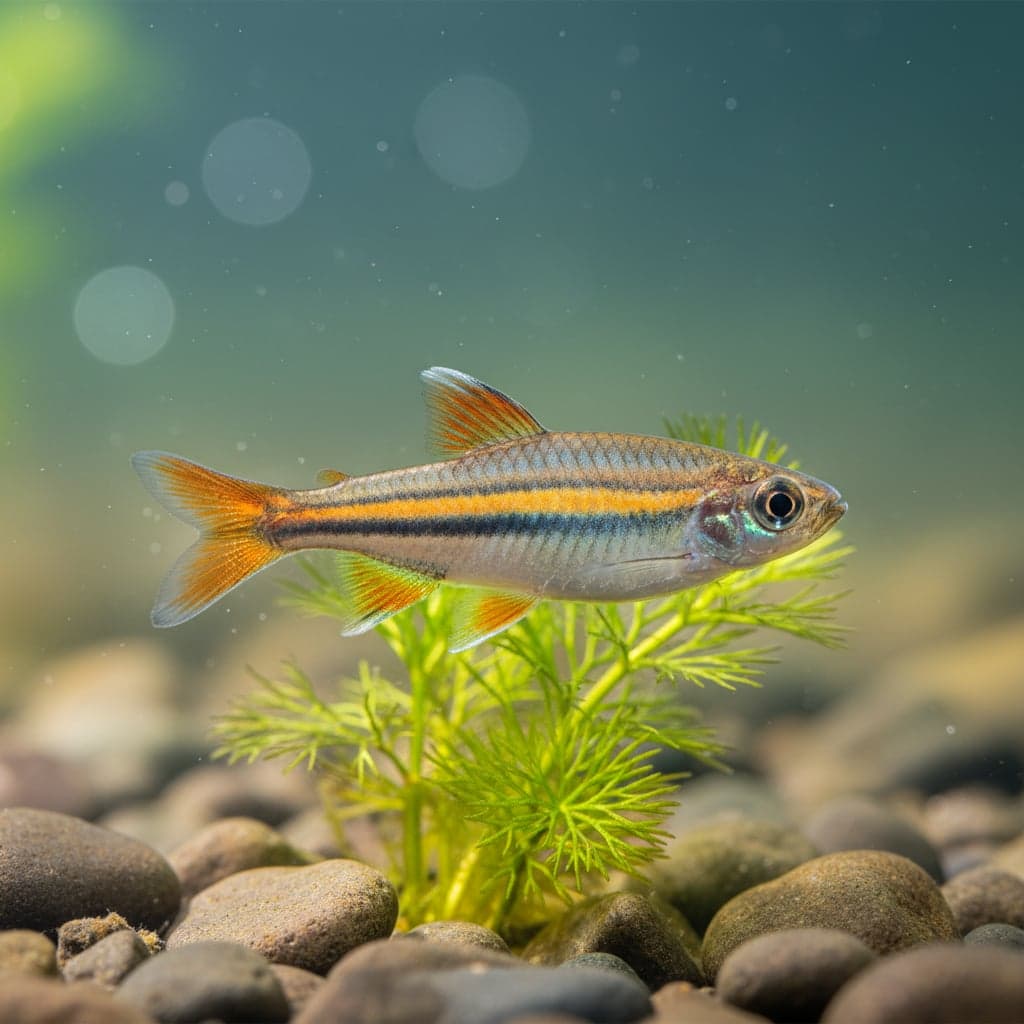
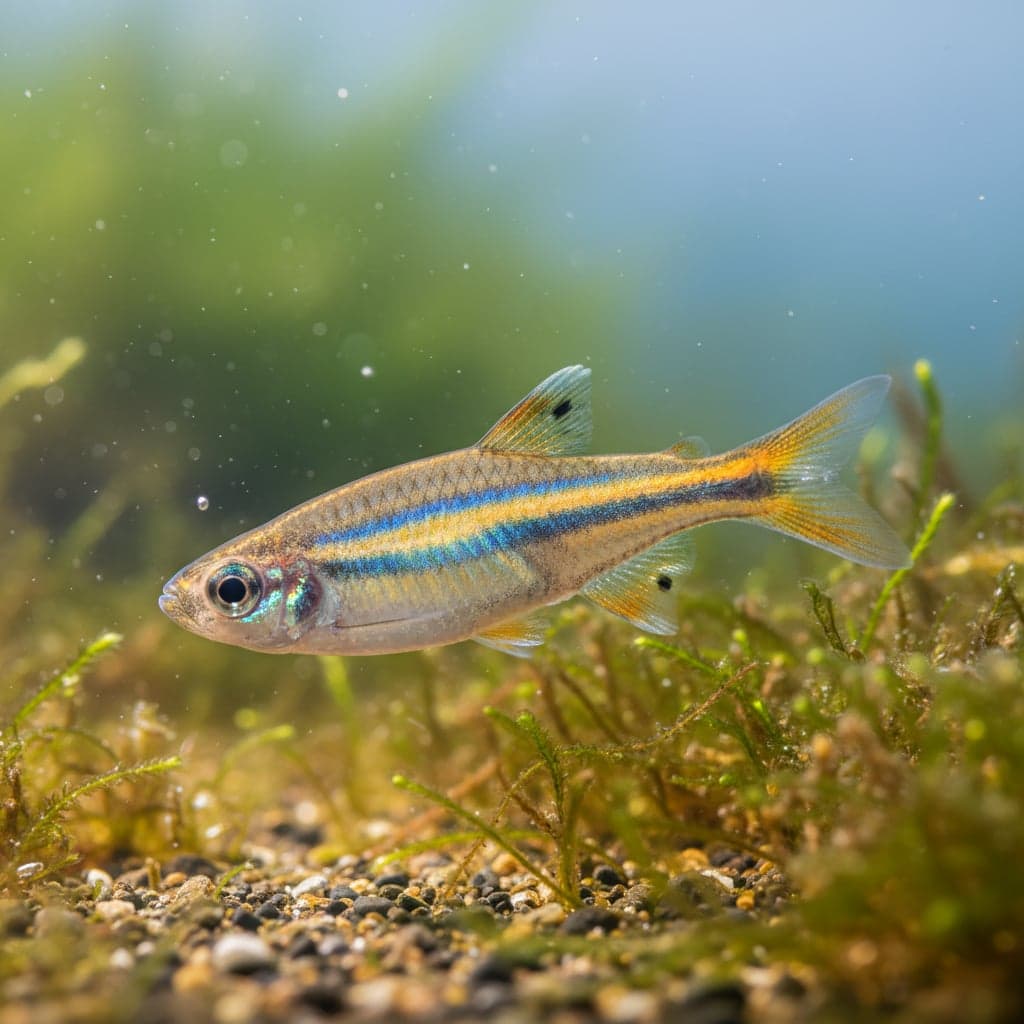
A subtle beauty. Pearlescent pink/blue iridescence glows under aquarium lights. A hardy, active, and underrated species.
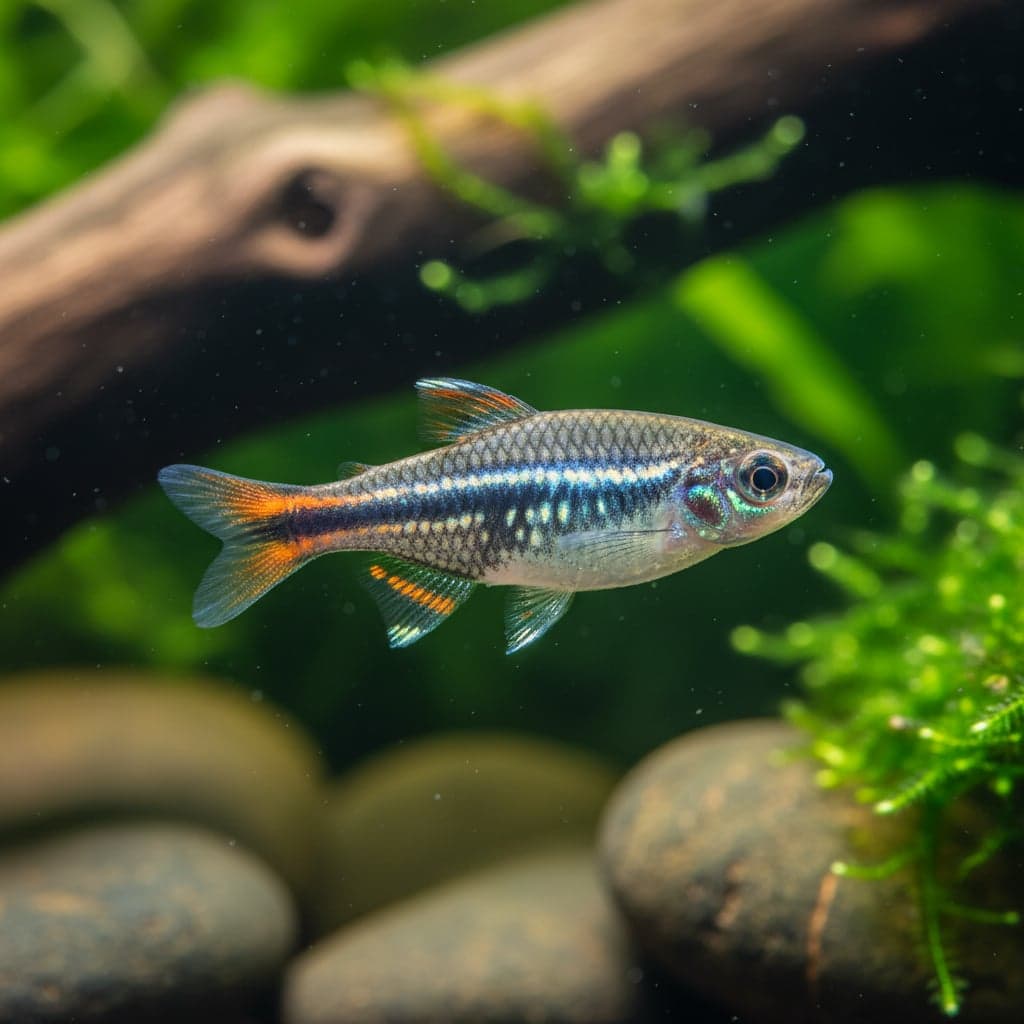
Pearl Danio
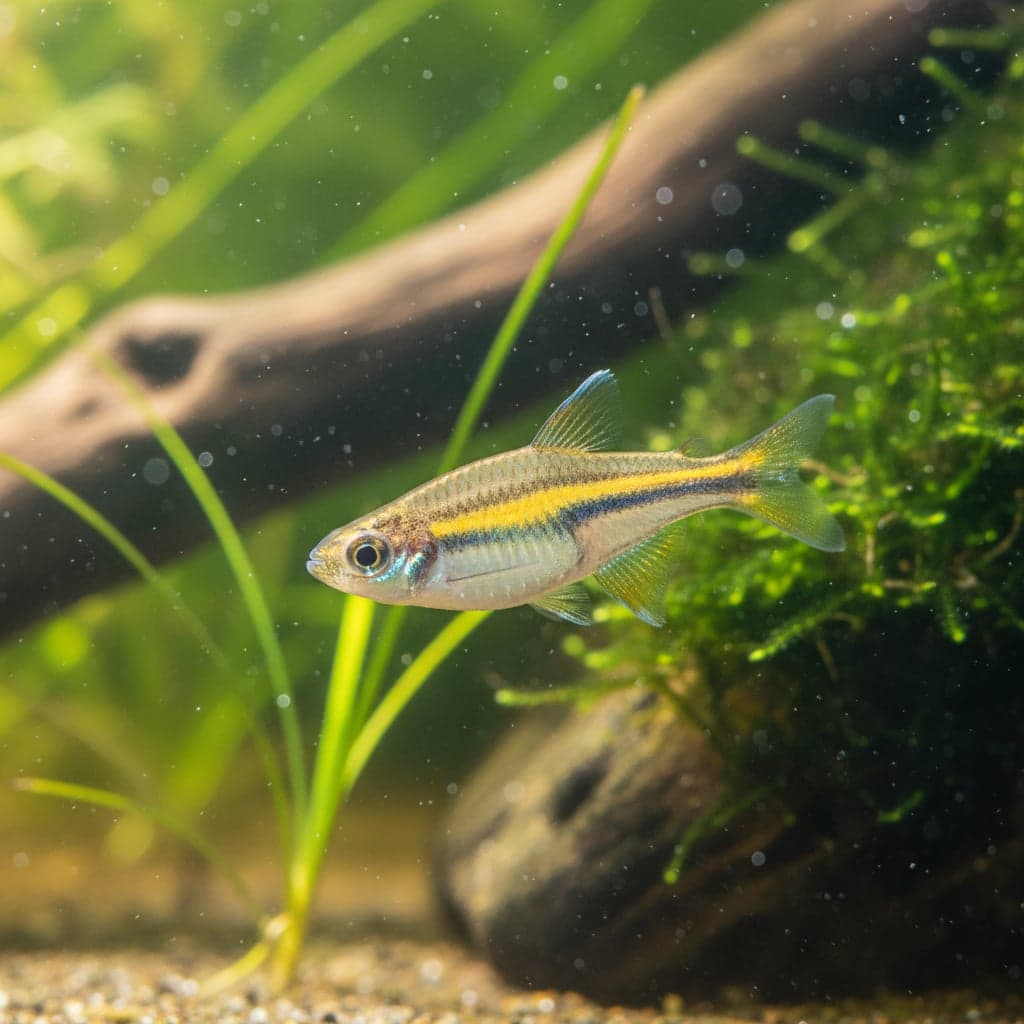
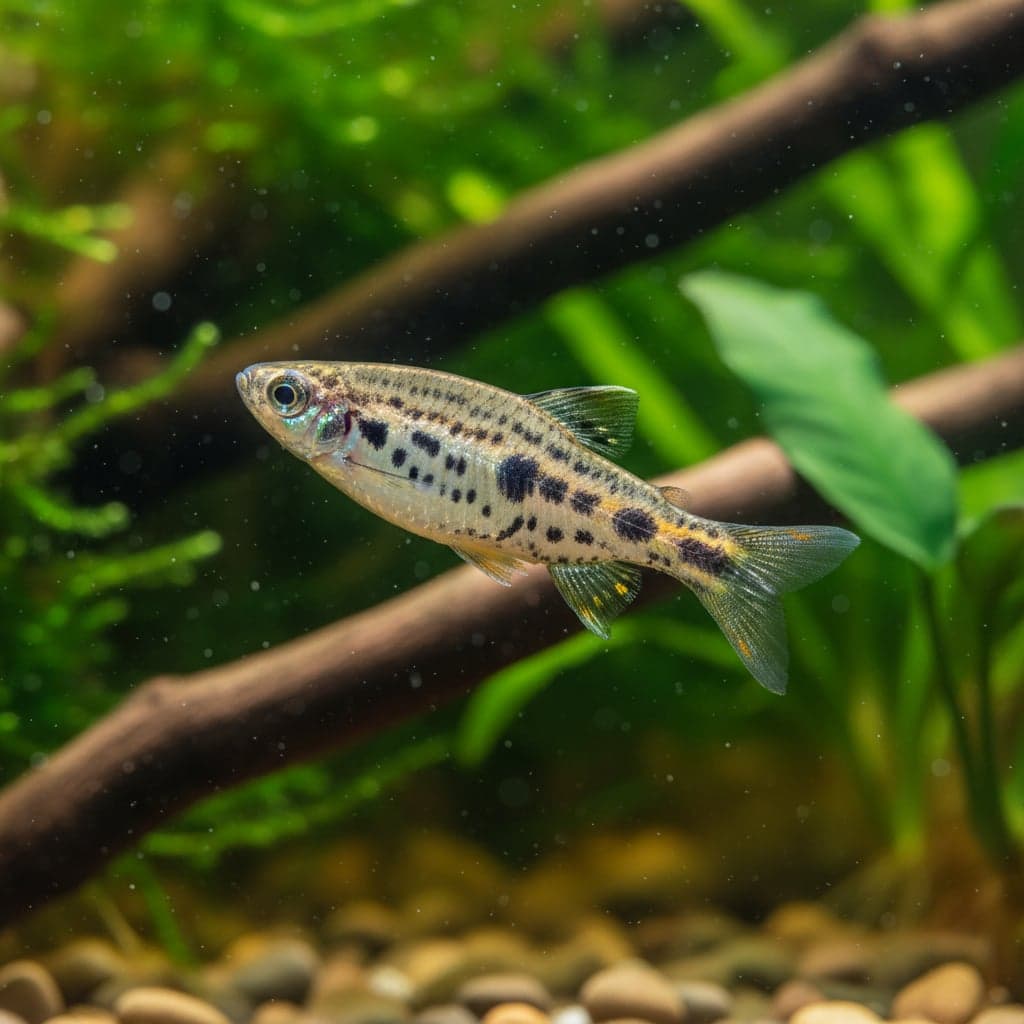
The Pearl Danio, scientifically known as Danio albolineatus, is a small and captivating freshwater fish that has gained immense popularity within the aquarium hobbyist community. With its iridescent body that shimmers in hues of blue and silver, complemented by pearl-like spots along its sides, the Pearl Danio is a striking addition to any aquarium. These visually appealing features—not only contribute to its aesthetic charm but also make it an excellent choice for aquarists looking to create a vibrant and lively aquatic environment. Its active swimming behavior and resilience in various water conditions add to its allure, making it a favorite among both novice and experienced aquarists.
Significantly, the Pearl Danio has become emblematic of community tanks due to its peaceful demeanor and compatibility with a wide range of other species. As a hardy fish that tolerates different water parameters and environmental conditions, it serves as a gateway species for those new to the hobby. Beyond aesthetics and beginner-friendliness, the Pearl Danio's role in educational settings, such as schools and aquaria, helps to raise awareness about aquatic ecosystems and the importance of conservation. Its vibrant appearance and endearing behavior exemplify the beauty that freshwater organisms can bring to our lives, creating a deeper connection to nature.
Natural Habitat & Origin
The Pearl Danio is native to several freshwater habitats in Southeast Asia, primarily found in the clear streams and rivers of Myanmar, Thailand, and Laos. In its natural environment, this species thrives in warm, slow-moving waters filled with lush aquatic vegetation. The geographical landscapes where the Pearl Danio resides are characterized by abundant plant life, providing shelter and breeding grounds while promoting an ecosystem rich in biodiversity. The waters are typically soft, filtered through dense vegetation, offering a balance of clarity and tranquility that enhances the fish's natural beauty.
In terms of water parameters, the Pearl Danio is usually found in areas with a pH ranging from 6.5 to 7.5 and temperatures averaging between 22°C to 28°C (72°F to 82°F). The inclusion of light to moderate flow in these environments encourages the natural schooling behavior of the Pearl Danio, further emphasizing the importance of replicating such conditions for optimum health and well-being in an aquarium setting.
Care Requirements
To successfully maintain the Pearl Danio in captivity, a few key care requirements must be met. Ideally, the tank should be at least 20 gallons in size, accommodating a small group of these active swimmers, as they thrive in schools of at least six or more individuals. The substrate can vary but a fine sandy or gravel base is preferred, particularly to mimic their natural environment. Ample space for swimming combined with strategically placed decorations, like smooth stones and driftwood, will create a more enriched habitat.
Lighting should be moderate to promote plant health, as well as to provide a natural day/night cycle that simulates its native habitat. Planting the tank with hardy species such as Java Fern, Anubias, or Hornwort can enhance not only the aesthetic value but also the vital hiding spots for the Pearl Danio. Lastly, maintaining water parameters at a temperature of 22°C to 28°C (72°F to 82°F), a pH of 6.5 to 7.5, and a hardness range of 4 to 12 dKH will ensure the longevity and health of these charming fish.
Diet & Feeding
The Pearl Danio is an omnivorous species, requiring a diverse diet to thrive in an aquarium setting. A balanced feeding regimen should consist of high-quality flake foods, micro-pellets, and frozen or live options to provide essential nutrients. They particularly enjoy small live foods such as brine shrimp and daphnia as treats, which encourages natural hunting behavior and promotes their overall health.
When feeding, it is essential to offer portions that can be consumed within a few minutes to avoid water contamination. Offering a varied diet is crucial, not only for maintaining vibrant coloration but also for overall health and well-being. Flake food rich in spirulina and other protein sources can contribute to brighter and healthier fish. Remember to consult specific dietary guidelines, as this can vary based on the life stage of the Pearl Danio.
Behavior & Temperament
The Pearl Danio is known for its social and friendly nature, making it an ideal choice for community tanks. They exhibit schooling behavior and thrive in groups, often swimming together in perfect harmony. Typically regarded as peaceful fish, they can be kept alongside a variety of other non-aggressive species without significant conflicts. By establishing a proper school of six or more, their natural tendencies for social interaction become evident, resulting in playful and lively displays.
In terms of vertical placement within the tank, Pearl Danios are mid-water swimmers. They commonly occupy the central layers of the aquarium, darting between plants and tank decorations, which also highlights the importance of ample swimming space. Observers will often notice their energetic and inquisitive nature, which can bring a vibrant touch to any aquatic display.
Tank Mates
Selecting suitable tank mates for the Pearl Danio is essential for creating a harmonious aquarium community. Compatible species include other small to medium-sized peaceful fish such as Tetras (e.g., Neon Tetras and Rummy Nose Tetras), Corydoras Catfish, Rasboras, and certain types of Gouramis. Additionally, keeping in mind that they are active swimmers, avoid keeping them with overly aggressive or territorial species, such as Cichlids or very large fish that may cause stress or harm.
It’s also wise to steer clear of slow-moving species or those prone to fin-nipping, as the Pearl Danio's active nature may inadvertently provoke aggression. When establishing a community tank, ensure a well-balanced environment and introduce new fish gradually to allow for the establishment of a peaceful dynamic.
Breeding
Breeding the Pearl Danio in captivity can be rewarding, although it does require specific conditions to encourage successful spawning. These fish are egg-layers, and breeding typically occurs in a dedicated breeding tank that mimics their natural spawning environment. A separate tank of at least 10 gallons, filled with mature plants or spawning mops, is recommended to facilitate breeding.
To encourage spawning, maintain slightly cooler water temperatures around 20°C to 24°C (68°F to 75°F) and provide a well-planted space for the female to deposit her eggs. Once the eggs are laid, it is crucial to remove the parents as they may eat the fertilized eggs. After a few days, the eggs will hatch, and the fry can be fed infusoria or finely crushed flakes until they grow large enough for more substantial food options.
Common Health Issues
Like many aquarium fish, the Pearl Danio can be susceptible to certain health issues, though they are generally robust. Common diseases include Ich (white spot disease), fin rot, and swim bladder disorders. Prevention is largely mitigated through proper water quality maintenance, routine tank cleanings, and ensuring a stress-free environment with appropriate tank mates.
Regular observation of the Pearl Danio for signs of illness, such as behavioral changes, unusual swimming patterns, or physical anomalies, is highly recommended. If any health issues arise, early detection and immediate treatment can significantly improve recovery outcomes. Implementing a healthy, varied diet and maintaining stable water parameters will greatly enhance their overall health and well-being, ensuring that you enjoy their lively schooling display for many years. Quarantine new fish before adding them to the community, keep the school at a proper size, and maintain gentle current with stable temperatures. Respond quickly to white spots, clamped fins, or unusual swimming patterns so Pearl Danios remain robust, colourful community favourites.