The Pearl Gourami: Trichopodus leerii
A larger, elegant gourami covered in pearly white dots. Known for its beauty, hardiness, and surprisingly gentle nature despite its size.
Also known as: lace gourami · Trichopodus leerii
Pearl Gourami
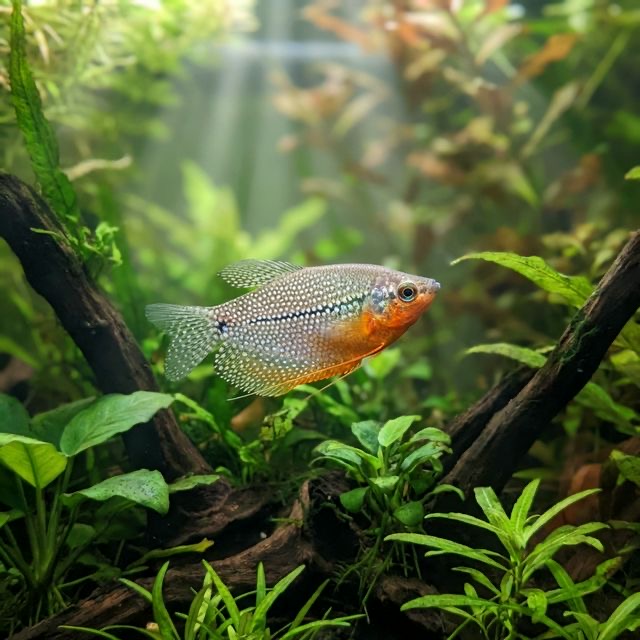
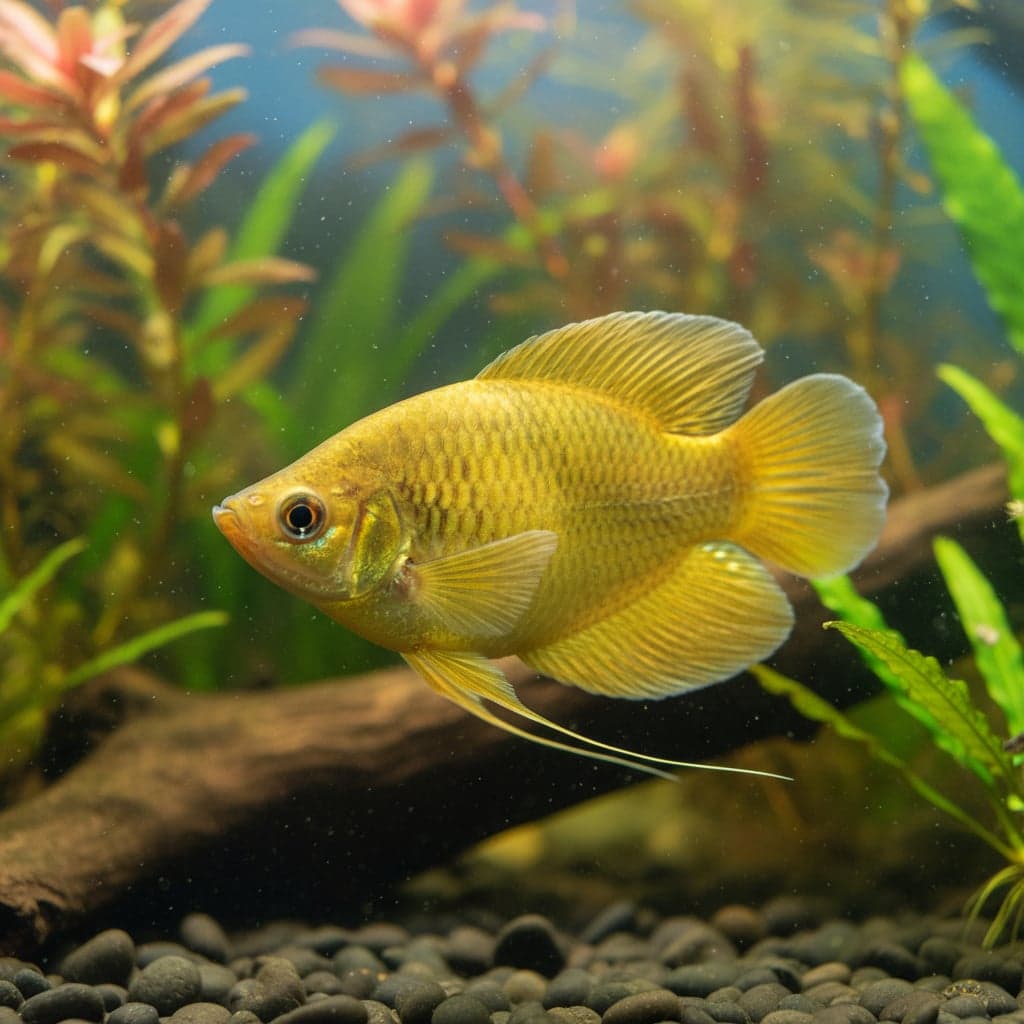
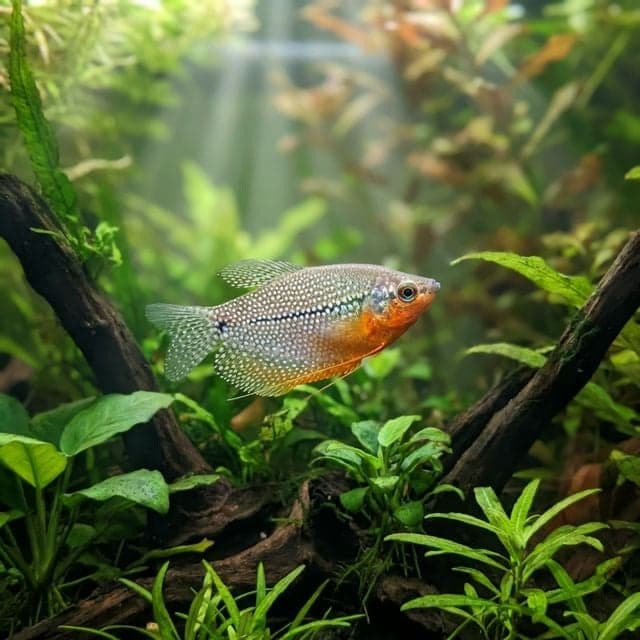
The Pearl Gourami (Trichopodus leerii) is a stunning freshwater fish that captivates aquarium enthusiasts with its mesmerizing beauty and gentle demeanor. This species is characterized by its iridescent silver-blue body adorned with distinct pearl-like spots, which gives it its common name. The males exhibit a fan-shaped dorsal fin that is more pronounced than that of females, contributing to their visual charm. The delicate coloration paired with the calm, flowing movements of the Pearl Gourami makes it a centerpiece in community tanks, offering both aesthetic appeal and a serene presence.
In addition to its visual allure, the Pearl Gourami holds significant importance in the aquarium hobby. It is a popular choice among aquarists due to its peaceful nature and adaptability to various water conditions. This fish not only thrives in well-planted aquariums but also helps create a harmonious atmosphere, making it an ideal species for both novice and advanced hobbyists. Its attractive appearance and gentle behavior contribute to its status as a staple in many aquariums, solidifying its place within the global fish-keeping community.
Natural Habitat & Origin
The Pearl Gourami is native to the lush freshwater environments of Southeast Asia, specifically found in countries such as Thailand, Cambodia, and Vietnam. These fish are commonly encountered in slow-moving rivers, swamps, and flooded forests, where the water is often tinted brown from decaying vegetation—commonly referred to as blackwater. The natural habitat of the Pearl Gourami features dense aquatic vegetation that provides cover and breeding grounds, as well as soft, acidic waters that are crucial for their well-being. Understanding this environmental context is essential for recreating a suitable habitat in captivity.
In their natural surroundings, Pearl Gouramis are accustomed to a variety of conditions, but they thrive best in slightly acidic waters with plenty of dissolved organic matter. The presence of floating plants in their environment not only provides shelter but also contributes to the complex ecosystem in which they live. Replicating these elements in an aquarium setup will help ensure the health and longevity of Pearl Gouramis in captivity.
Care Requirements
To create a healthy environment for Pearl Gouramis, maintaining proper water parameters is crucial. The ideal pH should be kept between 6.0 and 7.5, with a temperature range of 24°C to 28°C (75°F to 82°F). Additionally, the water hardness should be on the lower side, ideally between 5 to 15 dGH, to mimic the soft waters they naturally inhabit. An aquarium size of at least 20 gallons is recommended, allowing ample swimming space and promoting a stable environment.
When setting up a tank for Pearl Gouramis, it’s essential to use a substrate that allows for plant growth, such as fine gravel or sand. Lighting should be moderate, with some shaded areas provided by floating plants or taller aquatic vegetation, as Pearl Gouramis prefer a slightly dimmed environment. Including dense plants like Java fern, Water Wisteria, and Anubias not only enhances the visual appeal of the aquarium but also provides hiding spots and promotes the comfort of these shy fish.
Diet & Feeding
As omnivores, Pearl Gouramis have a varied diet that includes both plant-based and protein-rich foods. In captivity, a balanced diet can be achieved by offering high-quality flakes or pellets designed for tropical fish, which should form the staple of their nutrition. Supplementing their diet with occasional frozen or live foods—such as brine shrimp, daphnia, or bloodworms—can enhance their coloration and overall health. Plant matter, like blanched spinach or zucchini, should also be included to satisfy their herbivorous tendencies.
Feeding should be done 2-3 times a day in small portions that can be consumed within a few minutes to prevent water quality issues. Pearl Gouramis are known to be surface feeders, so ensuring that food is available at multiple levels in the tank will encourage their natural foraging behavior. This variety in diet not only keeps them healthy but also contributes to their vibrancy and energy levels.
Behavior & Temperament
The Pearl Gourami is well-known for its peaceful and placid nature, making it a favorite in community tanks. While they can exhibit social behavior, they are generally not schoolers; they prefer to swim in pairs or small groups. These fish tend to occupy the middle to upper levels of the aquarium and demonstrate a serene demeanor, which adds a sense of tranquility to any setup. Pearl Gouramis are relatively non-aggressive and can often coexist with many other species in a community tank.
However, it’s important to note that male Pearl Gouramis can occasionally display territorial behavior, particularly during breeding or when confined in smaller spaces. Providing ample hiding spots and adequate room for swimming can help mitigate any potential aggression. Overall, their gentle temperament allows them to thrive in community settings, contributing to a balanced aquatic ecosystem.
Tank Mates
When selecting tank mates for Pearl Gouramis, it is essential to choose peaceful species that will not provoke aggression. Ideal companions include smaller and similarly temperate fish such as:
- Neon Tetras
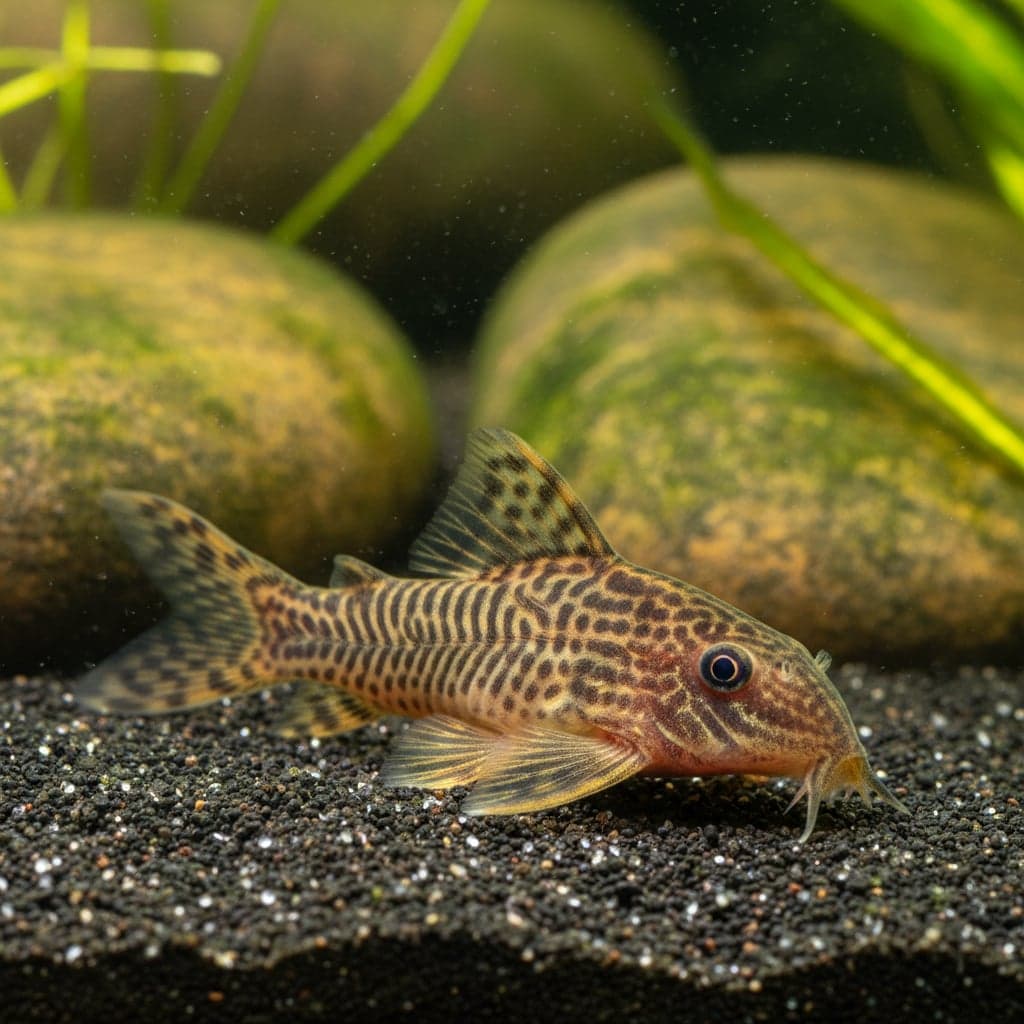
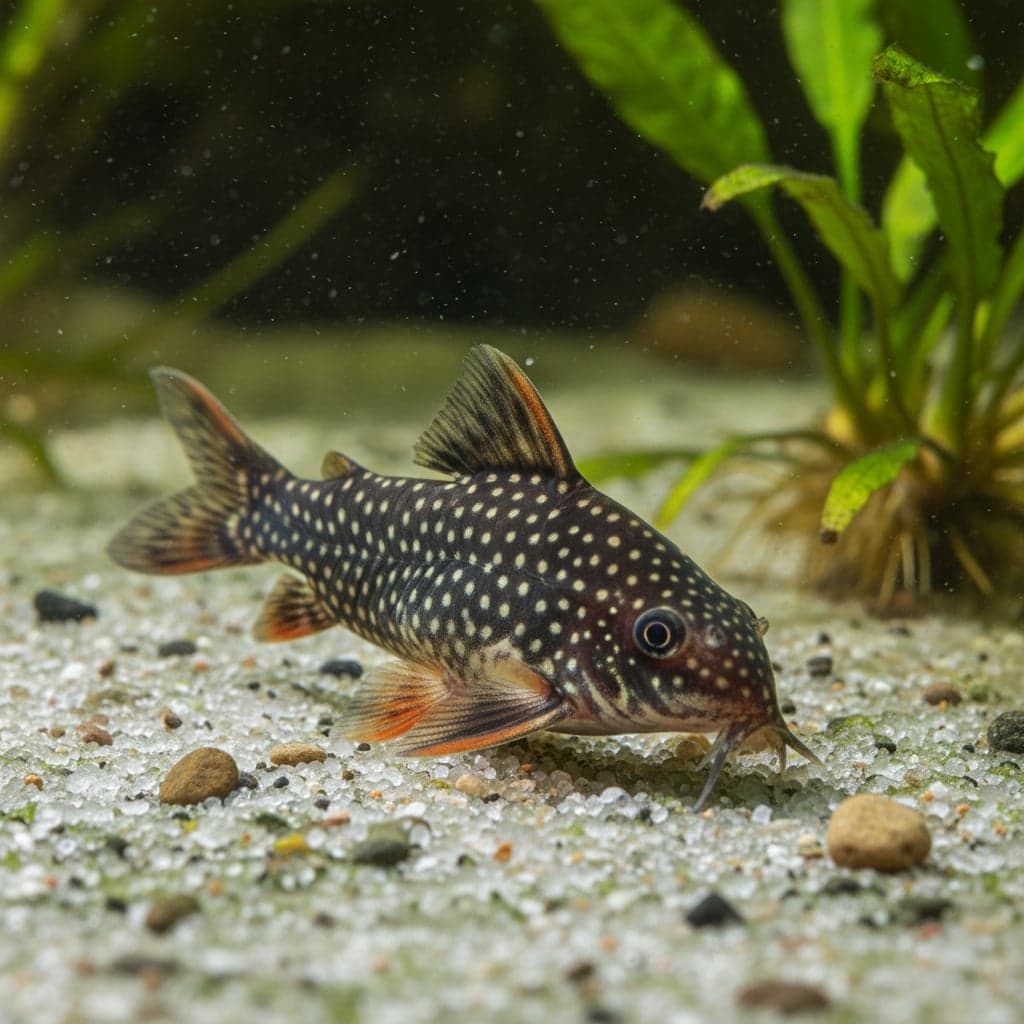
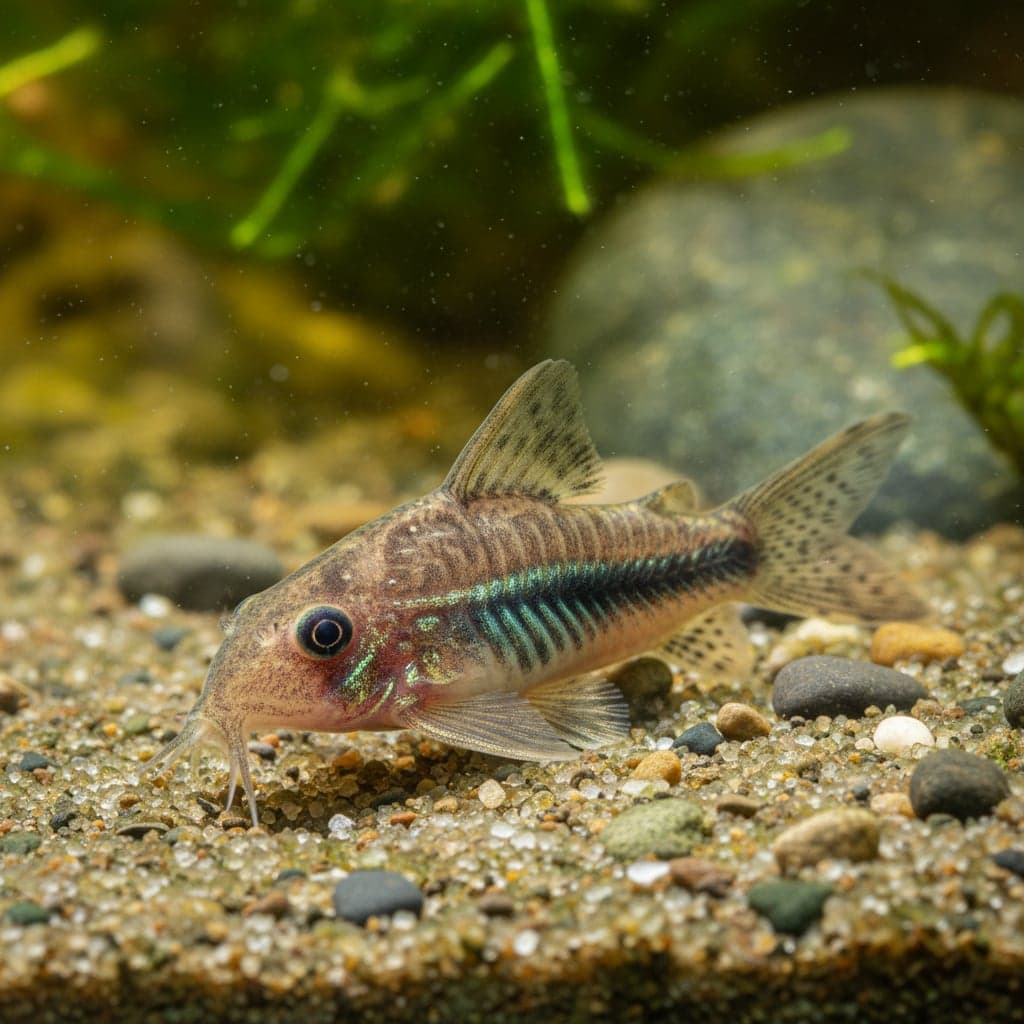
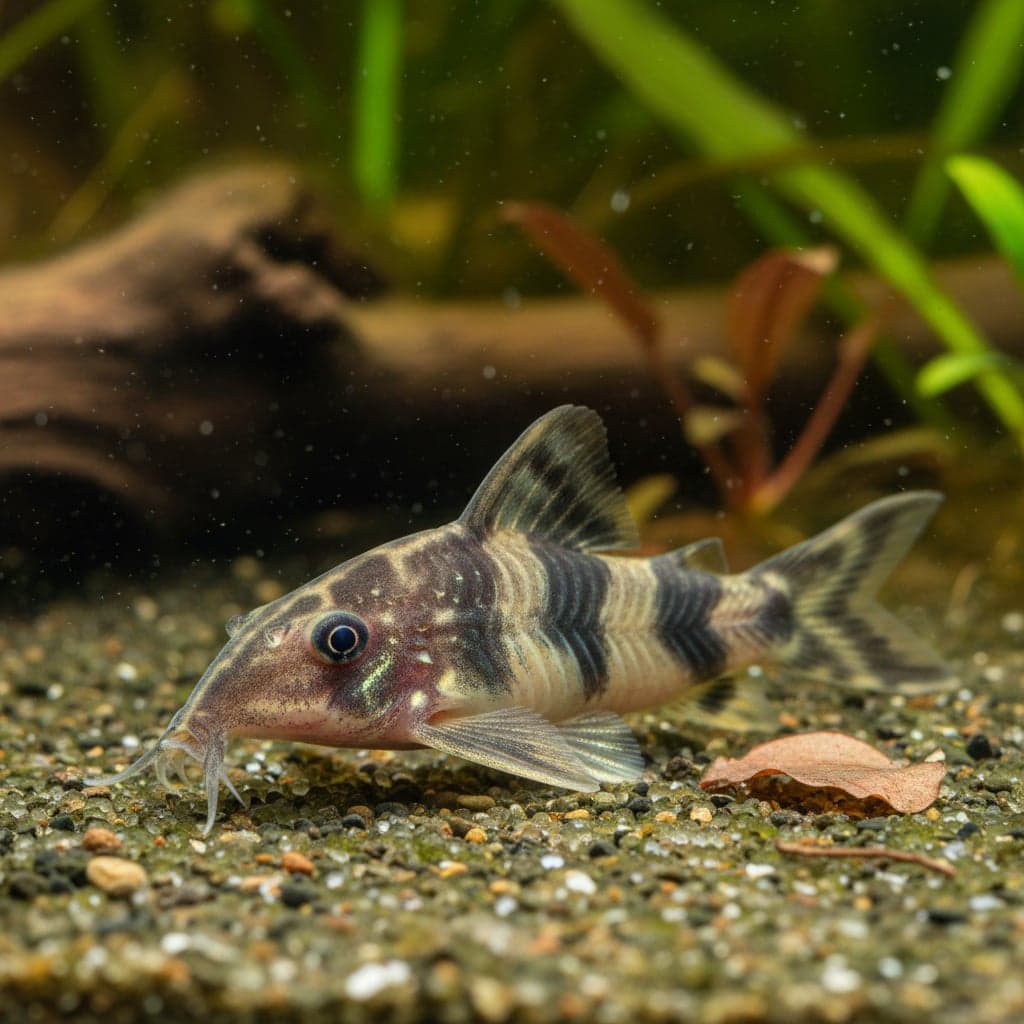
- Corydoras Catfish
- Harlequin Rasboras
- Guppies
- Other peaceful dwarf gouramis
However, it's advisable to avoid larger or more aggressive species like cichlids, which may view the Pearl Gourami as a target. Additionally, fin-nipping species, such as some types of barbs, should also be avoided to ensure the safety and well-being of the Pearl Gourami. By carefully selecting compatible tank mates, aquarists can foster a harmonious aquatic environment.
Breeding
Breeding Pearl Gouramis in captivity can be a rewarding experience, although it does require proper conditions to encourage spawning. The male will construct a bubble nest at the water’s surface, which he uses to attract a female. Ensuring that the breeding tank has warm, slightly acidic water and plenty of floating plants will facilitate this process. Conditions such as a temperature of about 27°C (80°F) and a pH between 6.0 and 6.5 will promote spawning behavior.
Once the female is ready, she will join the male in the bubble nest to lay eggs, which he will protect after fertilization. After a few days, the fry will hatch, and it’s important to ensure they have access to infusoria or finely crushed flakes for adequate nutrition in the initial stages of their development. Separating the adults from the fry post-spawning is crucial, as the parents may consume the young if they remain in the same environment.
Common Health Issues
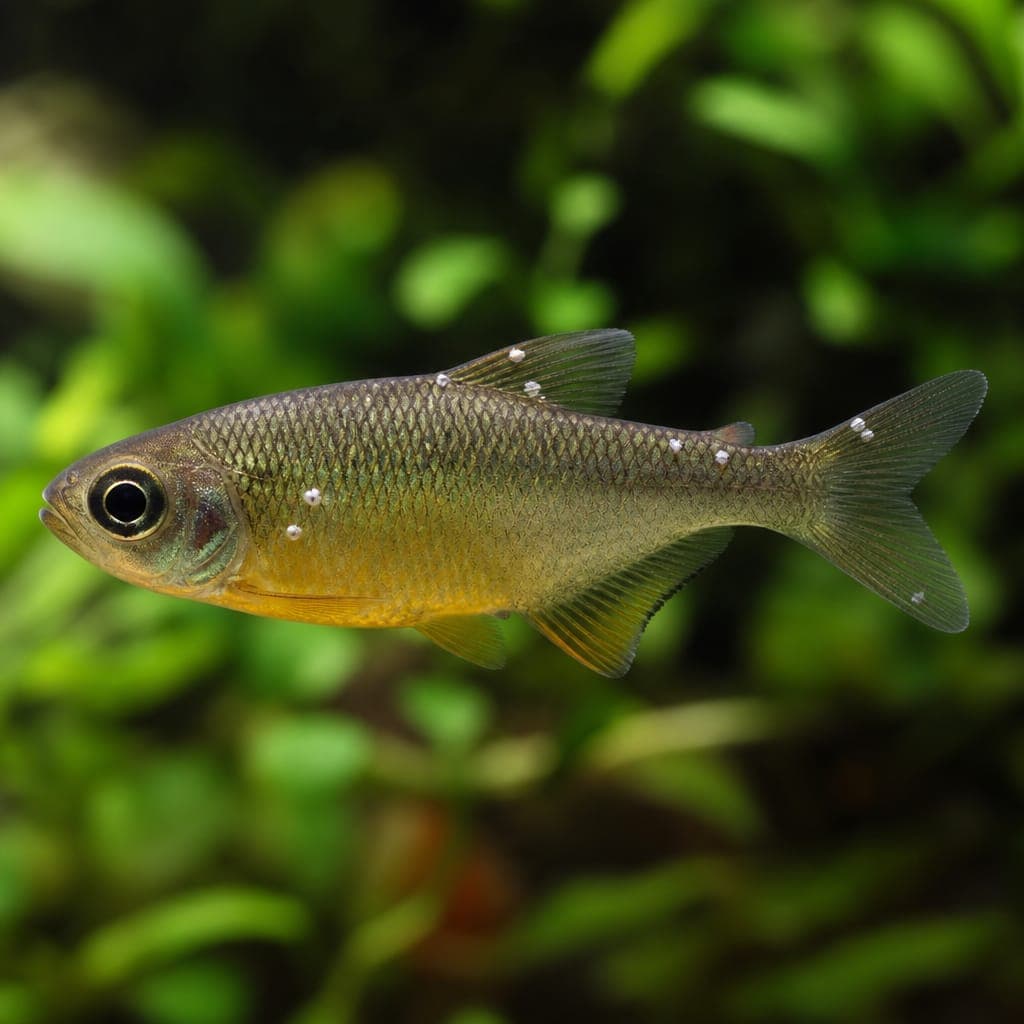
Though generally hardy, Pearl Gouramis can be susceptible to specific health issues. Common concerns include ich (white spot disease), fin rot, and velvet disease, often stemming from poor water quality or stress. Preventative measures involve maintaining clean water conditions, conducting regular water changes, and avoiding overcrowding in the tank.
Additionally, ensuring a balanced diet and avoiding sudden changes in the aquarium environment can help reduce the risk of stress-related health problems. Monitoring the fish regularly for any signs of illness or distress is essential, allowing for prompt treatment if necessary. By adhering to proper care and management practices, aquarists can enjoy the company of healthy Pearl Gouramis for years to come.