Pearlscale Butterflyfish
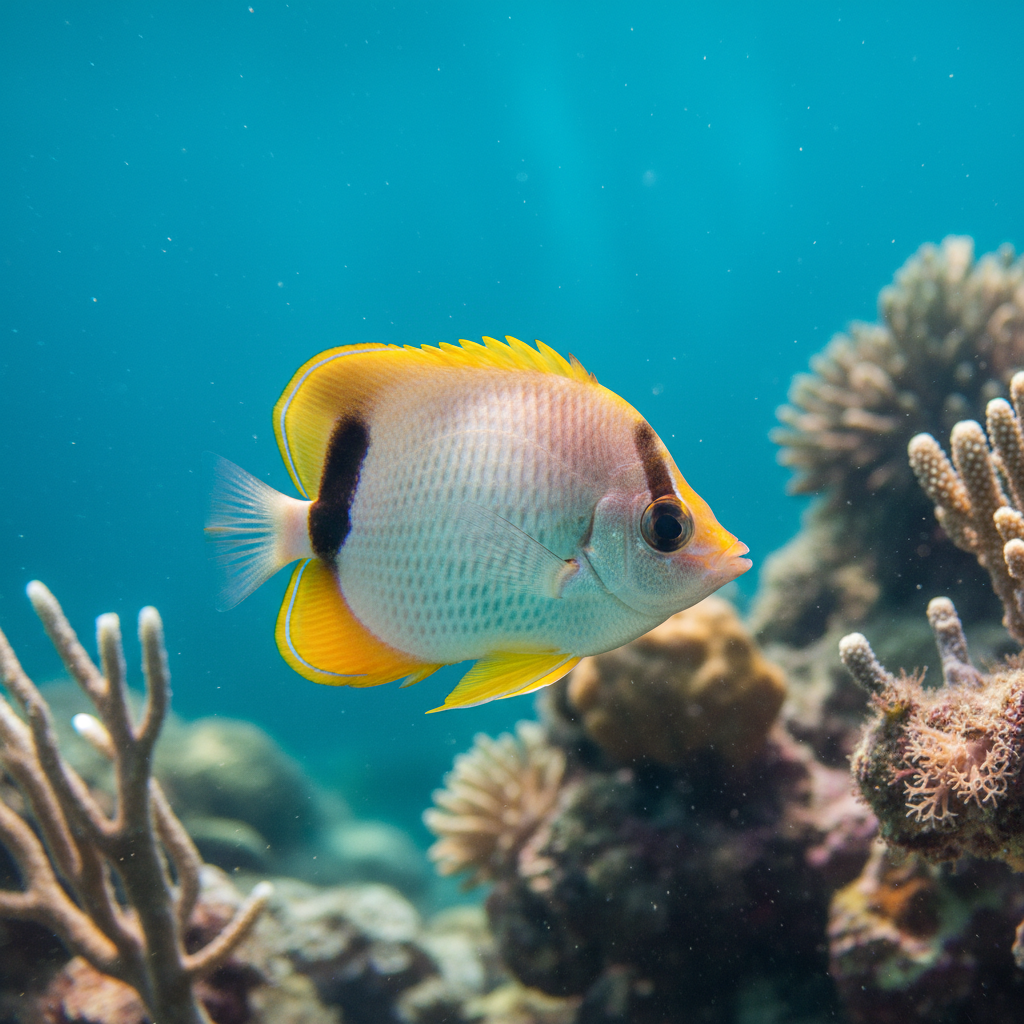
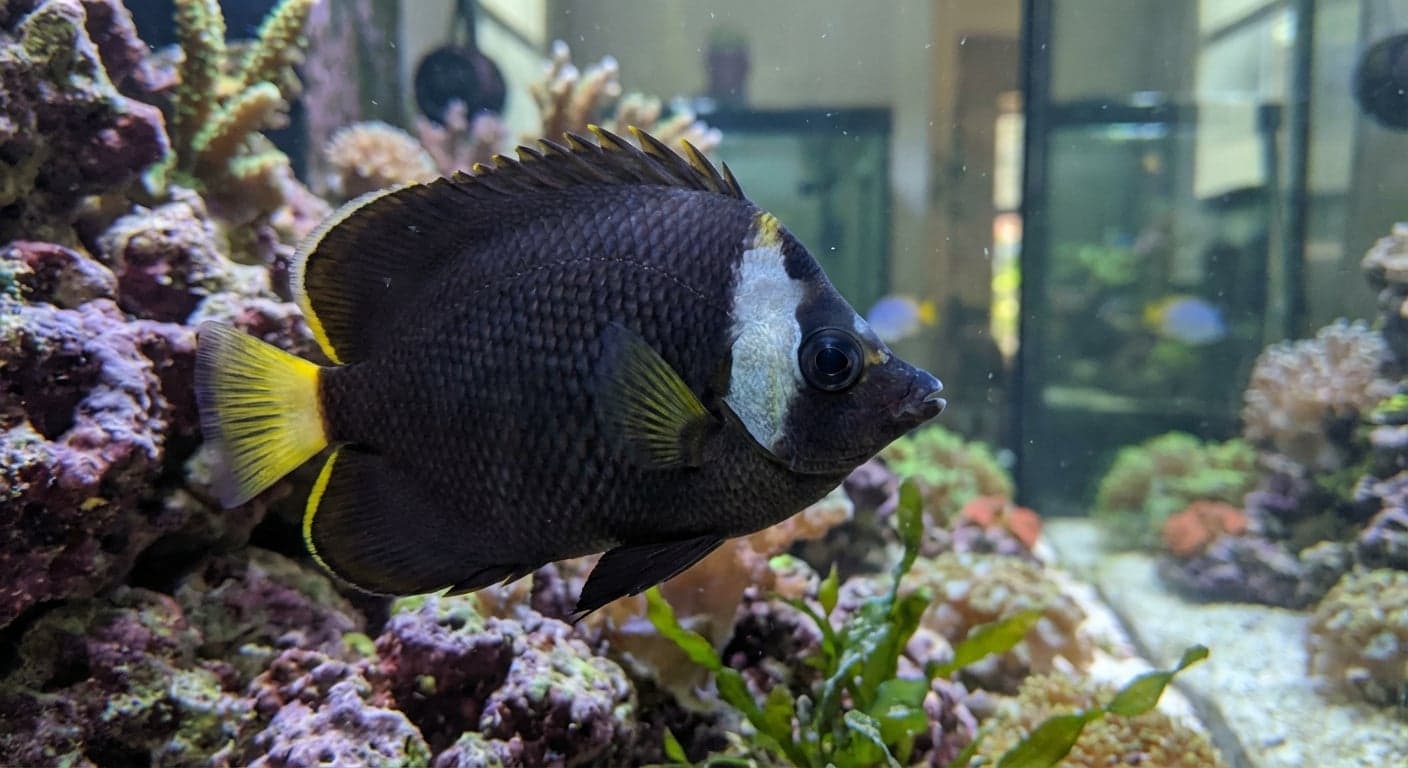
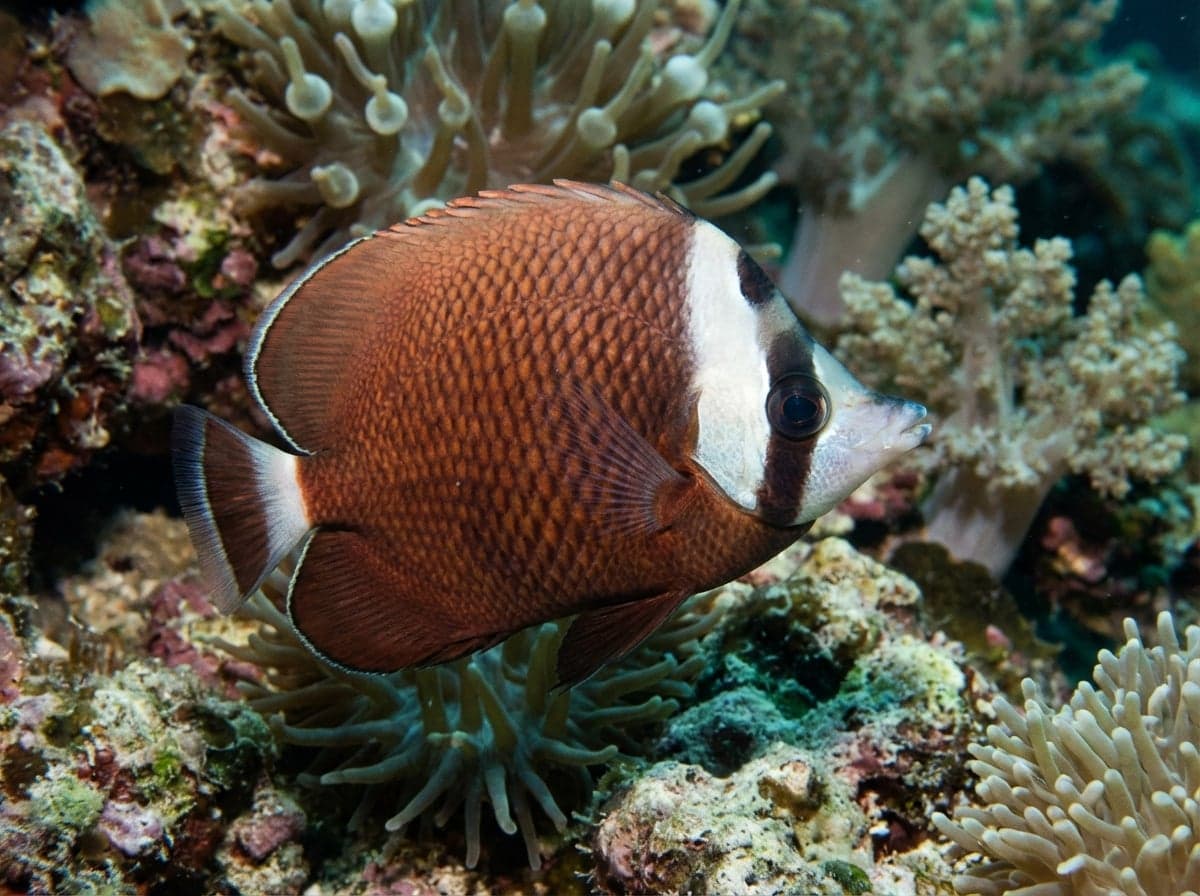
A 14cm butterflyfish with fine crosshatched scaling. Among the more manageable of its family, but it still picks at coral polyps.
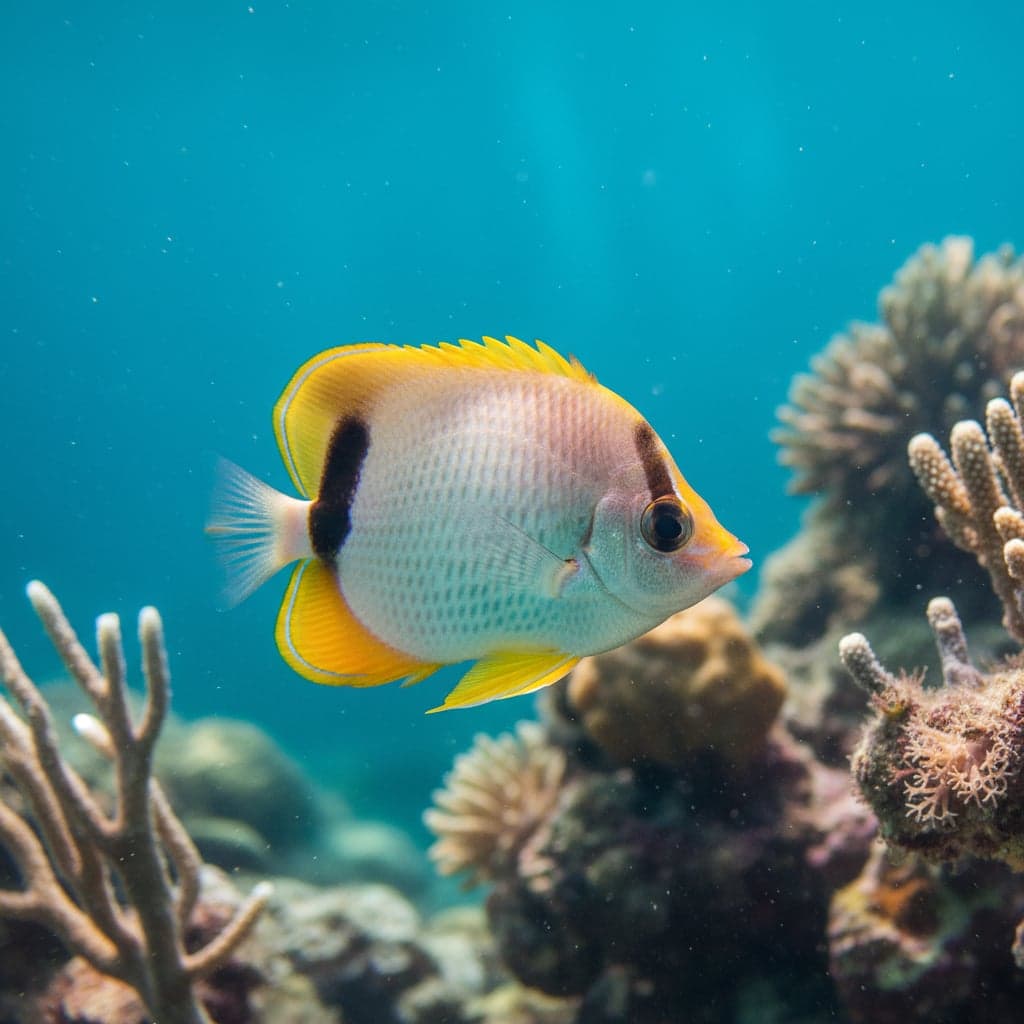
Pearlscale Butterflyfish
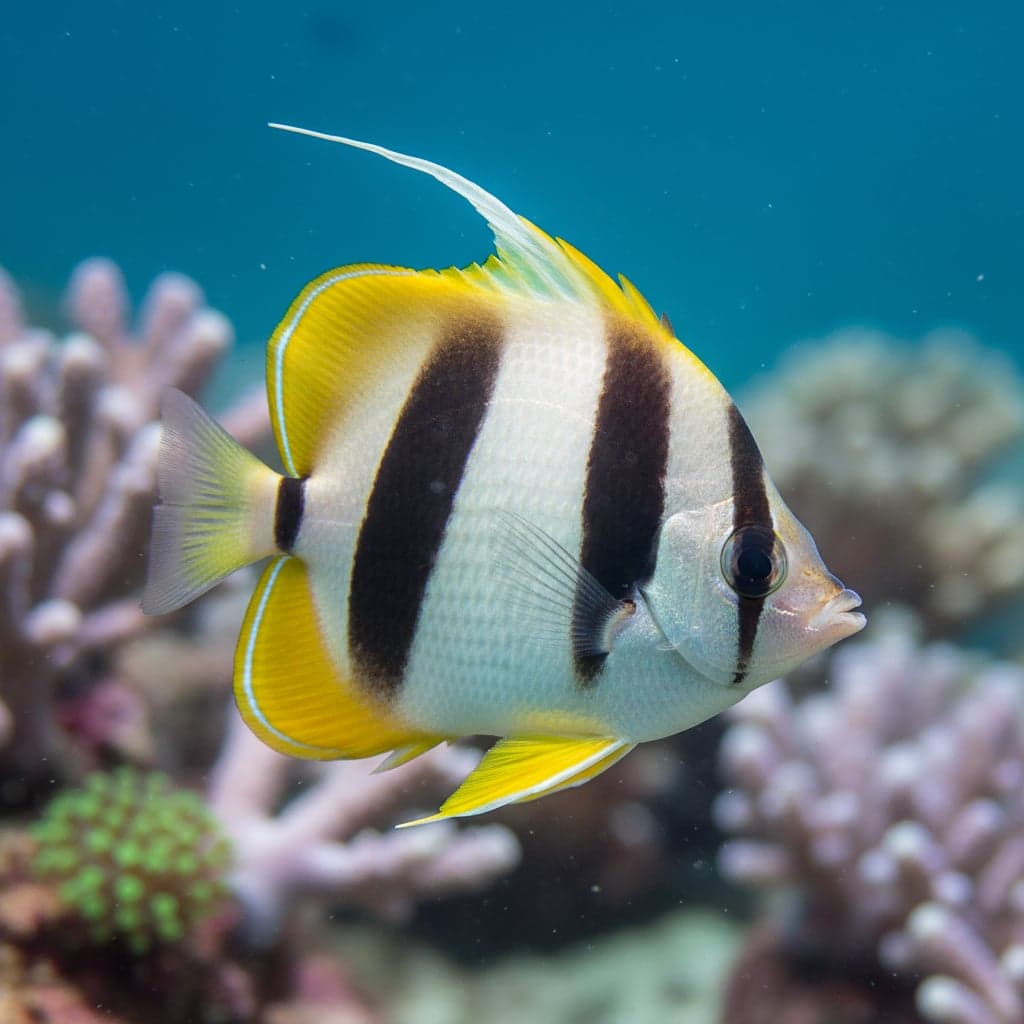
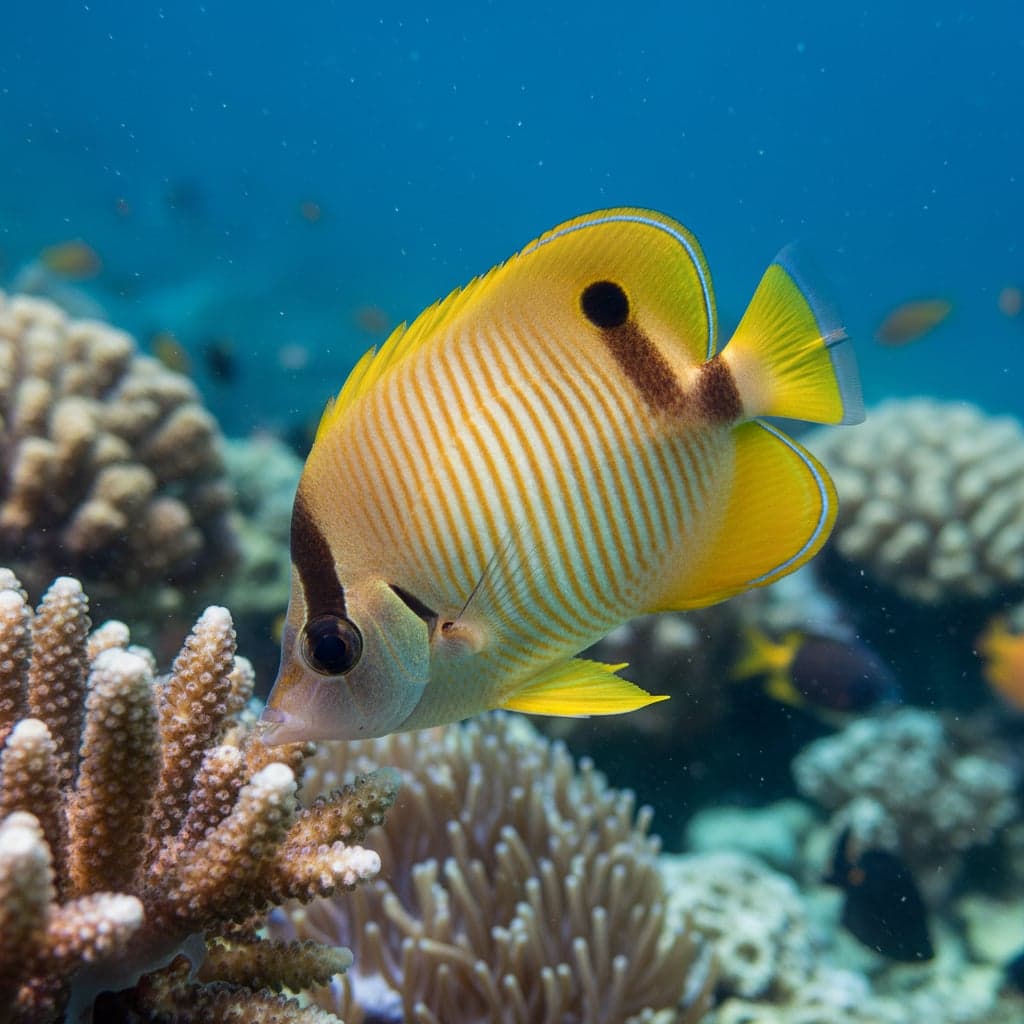
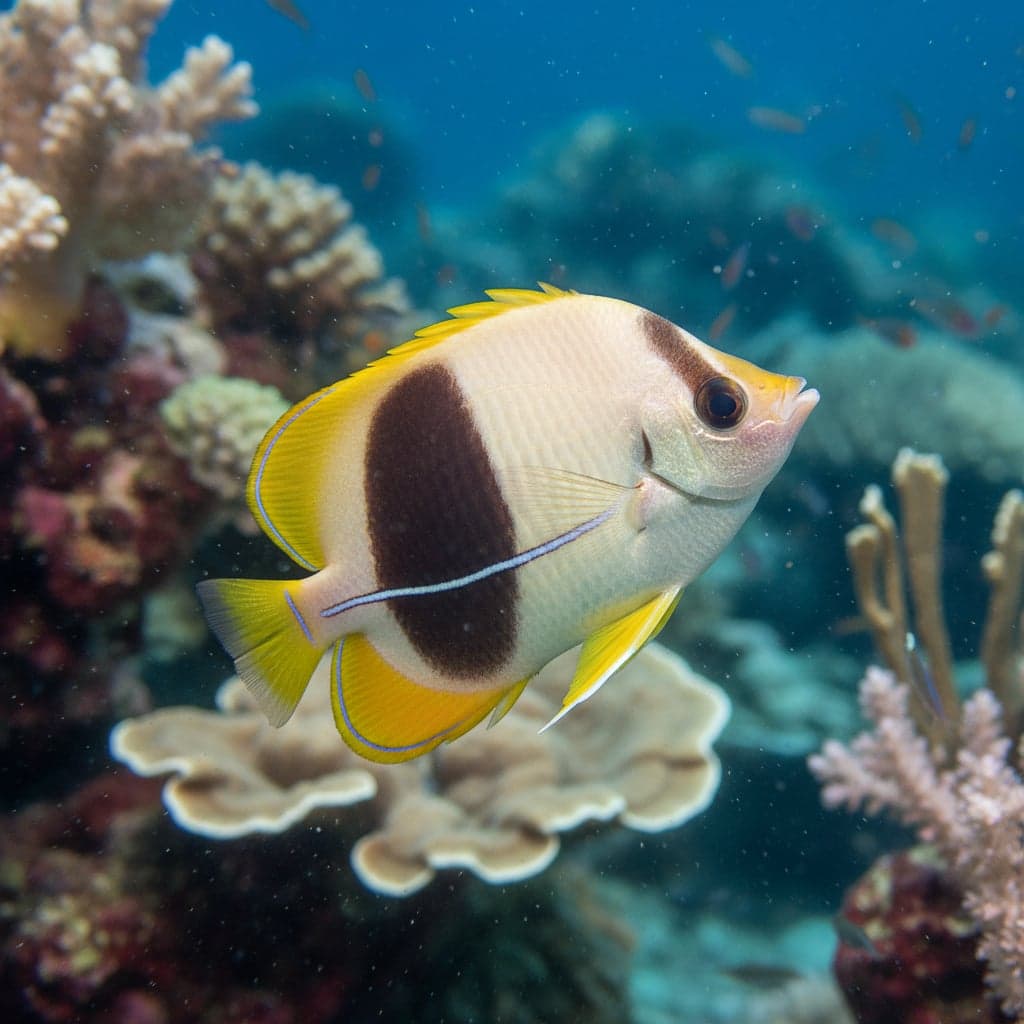
The Pearlscale Butterflyfish (Chaetodon xanthurus) is a captivating species known for its striking beauty and unique characteristics that thrill both novice and experienced aquarists alike. They boast a robust, oval body adorned with a mosaic of mesmerizing colors—ranging from deep yellows to shimmering blues and accented by distinctive black markings. This vivid coloration not only makes them a stunning addition to reef aquariums but also serves various functions in their natural habitat, including camouflage and mate attraction. In the aquarium hobby, the Pearlscale Butterflyfish is often sought after for its aesthetic appeal and its relatively hardy nature, making it an exceptional candidate for display tanks.
Significant within the aquarium trade, the Pearlscale Butterflyfish represents a symbol of marine biodiversity and conservation awareness. As a part of the diverse butterflyfish family, which consists of over 120 species, the Pearlscale Butterflyfish is often considered a prime example of effective adaptation among marine organisms. Its unique adaptations, such as specialized feeding mechanisms and social behaviors, provide valuable insights into the ecological balance of coral reef ecosystems. Thus, in addition to their visual impact, Pearlscale Butterflyfish play a vital role in emphasizing the importance of preserving our oceans and their inhabitants.
Natural Habitat & Origin
The Pearlscale Butterflyfish is primarily found in the warm tropical waters of the Indo-Pacific region, including coral reefs surrounding areas such as the Red Sea, the Philippines, and the Great Barrier Reef. Preferring shallow depths, they typically inhabit depths of up to 30 meters, where they can find plentiful food sources and suitable shelter. These fish thrive in clear waters rich in biodiversity, often residing in reef systems where coral formations provide both safety and feeding opportunities.
As inhabitants of diverse marine environments, Pearlscale Butterflyfish favor areas with abundant coral cover. They are most commonly found in both fringing and barrier reefs, where the water is warm and well-oxygenated. Due to their preference for clean, clear water, maintaining similar conditions in captivity is crucial for their health and longevity. The environmental dynamics of the regions they inhabit also contribute to their dietary habits and social behaviors, reinforcing the need for aquarists to replicate these conditions in home aquaria.
Care Requirements
Caring for Pearlscale Butterflyfish in a home aquarium necessitates careful attention to water parameters to mimic their natural habitat. Ideal conditions include a water temperature of 75-82°F (24-28°C), a pH range of 8.1-8.4, and moderate to high hardness levels of 8-12 dGH. Given their affinity for stable environments, fluctuations in these parameters can lead to stress and health issues, hence regular monitoring is essential.
When setting up a tank for Pearlscale Butterflyfish, it is recommended to use a minimum tank size of 280 litres (75 gallons) for this 14cm Chaetodon xanthurus — active midwater swimming without the oversized footprint once claimed for larger butterflies. The substrate should ideally consist of fine sand or small gravel to replicate their natural ocean floor. Employing subdued lighting will help create a comfortable environment alongside ample hiding spots using rocks and corals. Engaging plants or decorations will not only enhance the aesthetic appeal but also provide essential cover for the fish, emphasizing an engaging and stress-free habitat.
Diet & Feeding
The Pearlscale Butterflyfish is primarily a carnivore, dining on various small invertebrates and crustaceans in their natural habitat. In captivity, it is essential to provide a well-rounded diet that replicates their natural feeding behavior. A combination of high-quality flakes and pellets specifically formulated for marine fish can serve as a staple, while supplemental feeding with frozen or live foods such as brine shrimp, mysis shrimp, and small pieces of seafood will ensure optimal health.
For best results, feed Pearlscale Butterflyfish several small meals throughout the day, as they are prone to overindulgence. An ideal feeding schedule would entail multiple feedings divided across breakfast, lunch, and dinner to meet their nutritional requirements and encourage natural foraging behavior. Regularly varying their diet with different types of food will help prevent any potential dietary deficiencies, promoting longevity and vibrant color.
Behavior & Temperament
When it comes to behavior, Pearlscale Butterflyfish are mostly peaceful but can exhibit territorial tendencies, especially when kept in smaller aquariums or with similar-looking species. They are generally social creatures that thrive in environments where they can interact with their surroundings, including fellow fish. Although they can be seen swimming in pairs, it’s recommended to keep them in groups to reduce aggressive behavior and provide a more natural social structure.
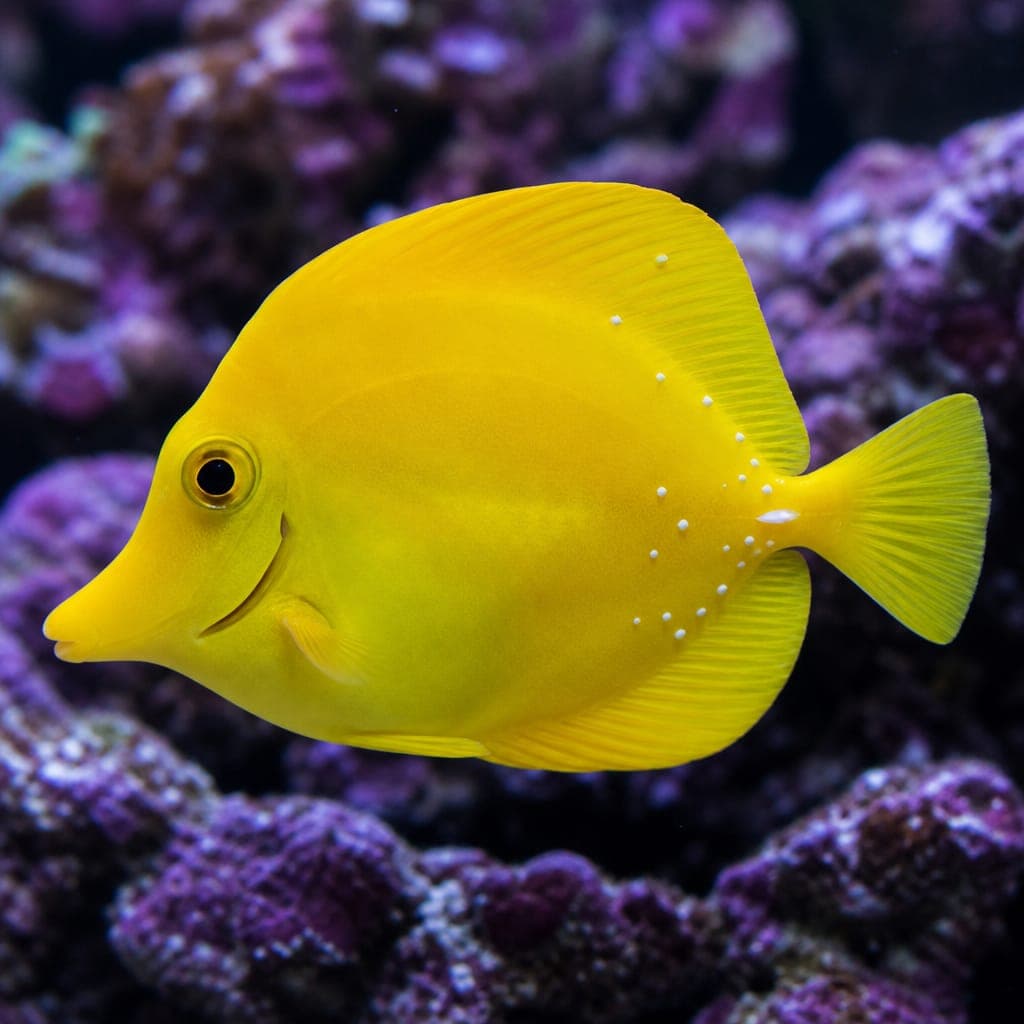
In terms of vertical placement in the tank, Pearlscale Butterflyfish tend to inhabit the mid to upper levels but do venture near the substrate when foraging for food or exploring. Observations show that these fish enjoy swimming near tangs and other peaceful reef inhabitants, yet they should be monitored during interactions, as their territorial nature may lead to disputes, especially in confined spaces.
Tank Mates
Finding suitable tank mates for Pearlscale Butterflyfish is crucial for a harmonious aquarium environment. Compatible species include peaceful reef fish such as clownfish, cardinalfish, tangs, and other docile butterflyfish. Larger community tanks or mixed reef environments work exceptionally well, as the inclusive space allows multiple species to thrive without territorial disputes.
However, caution is advised when selecting tank mates, as aggressive or overly territorial species can pose a threat to Pearlscale Butterflyfish. Avoid pairing them with large, aggressive fish such as groupers or triggers, as well as smaller, more timid species that might become stressed. Ultimately, a well-considered selection of tank mates will lead to a more stable and enjoyable aquarium ecosystem.
Breeding
Breeding Pearlscale Butterflyfish in captivity can be a challenging but rewarding endeavor. These fish practice external fertilization and display specific spawning behaviors, typically initiating courtship displays that include dancing and swimming circles around one another prior to spawning. It is essential to provide a mature, stable aquarium that replicates their natural conditions to encourage successful breeding.
To facilitate breeding, it is recommended to keep both male and female Pearlscale Butterflyfish together, ideally in a separate breeding tank that is at least 55 gallons in size. Provide numerous flat surfaces, such as tiles or smooth rocks, where eggs can be laid. Maintaining excellent water quality and stable environmental conditions is vital during this process, as newly hatched larvae are highly sensitive and require ample food sources like rotifers or brine shrimp nauplii for proper growth.
Common Health Issues
Like many marine fish, Pearlscale Butterflyfish can be susceptible to various health issues if not properly cared for. Common ailments include ich (Cryptocaryon irritans), marine velvet disease (Amyloodinium ocellatum), and fin rot. Stress from poor water quality, aggressive tank mates, and fluctuations in tank parameters exacerbate these diseases.
To prevent health issues, regular water changes, proper filtration, and maintaining stable tank conditions are paramount. Quarantine procedures should be in place for new arrivals to the aquarium, ensuring they are free from disease before introduction. Consistent observation of Pearlscale Butterflyfish for abnormal behavior or physical symptoms will aid in early detection and treatment of potential health problems, thus promoting overall well-being in your aquatic environment.