Percula Clownfish
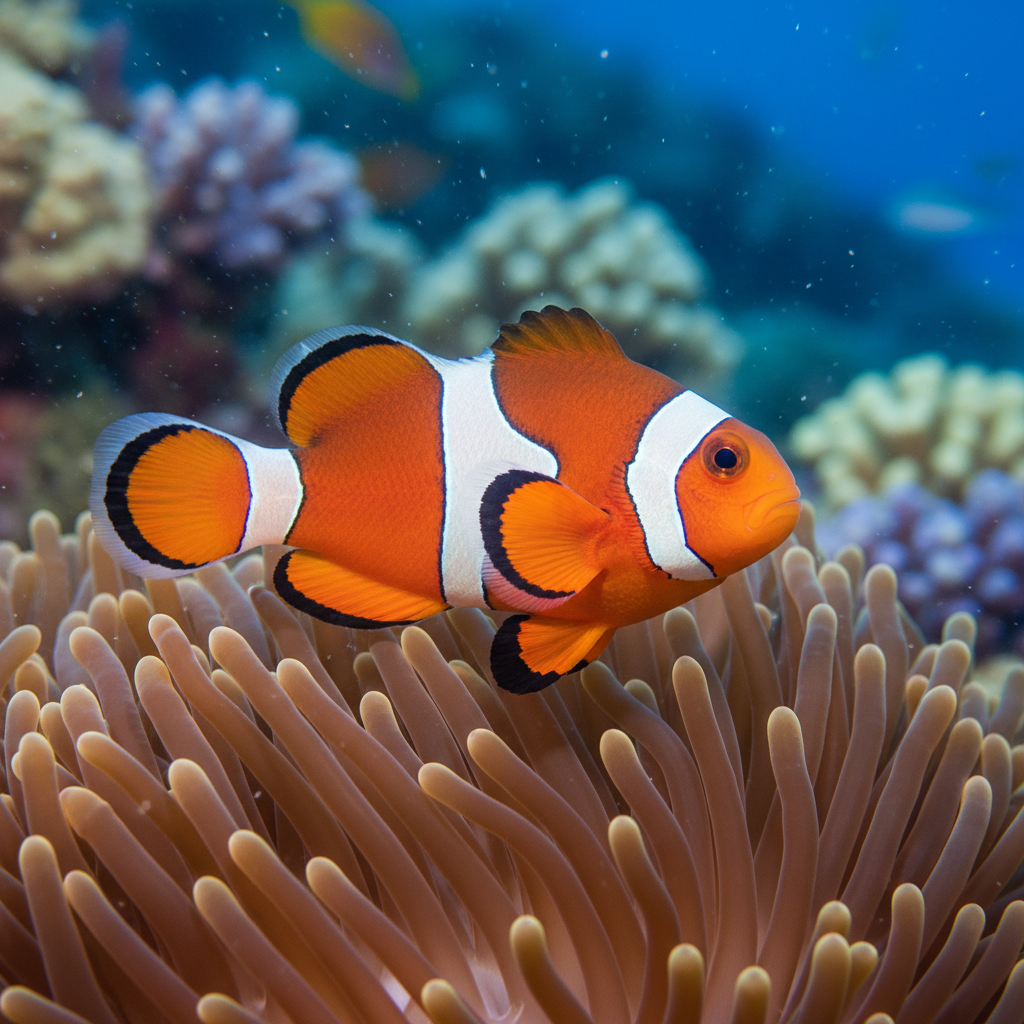
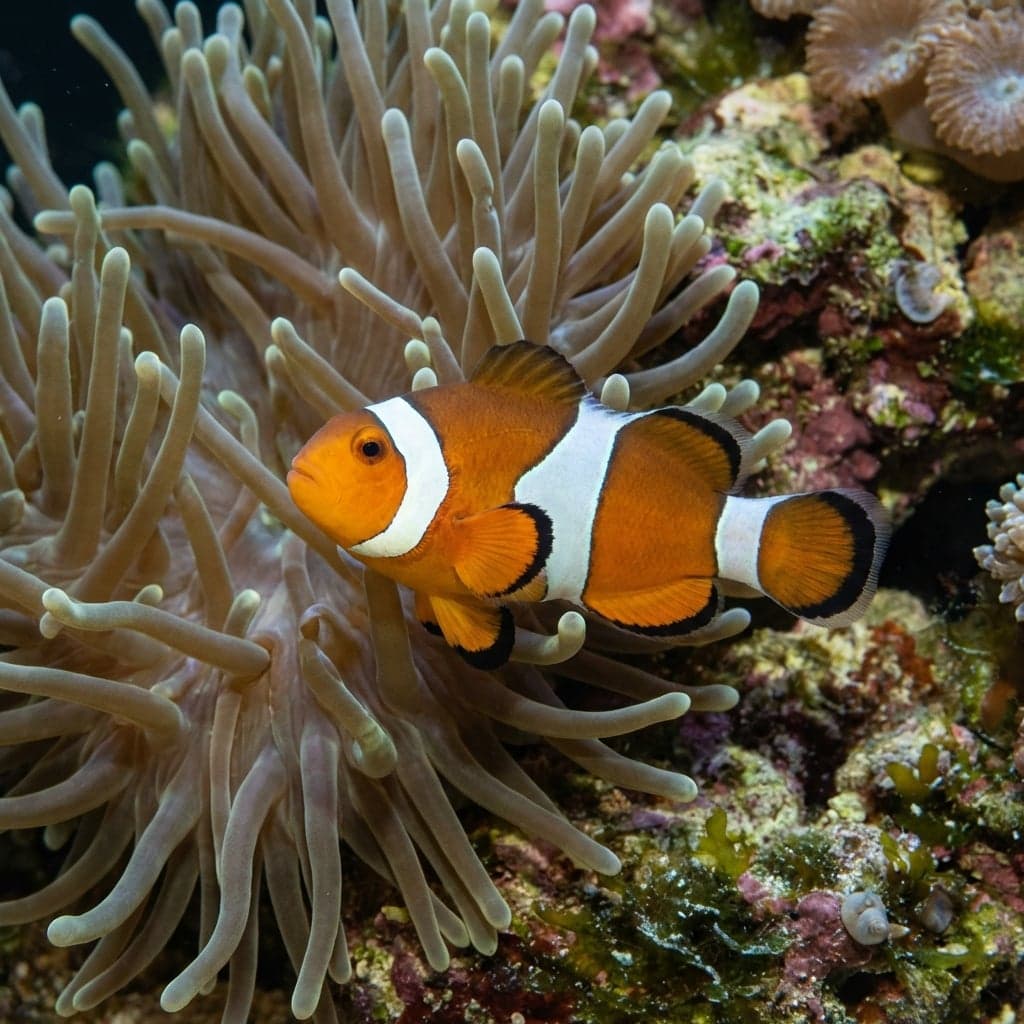
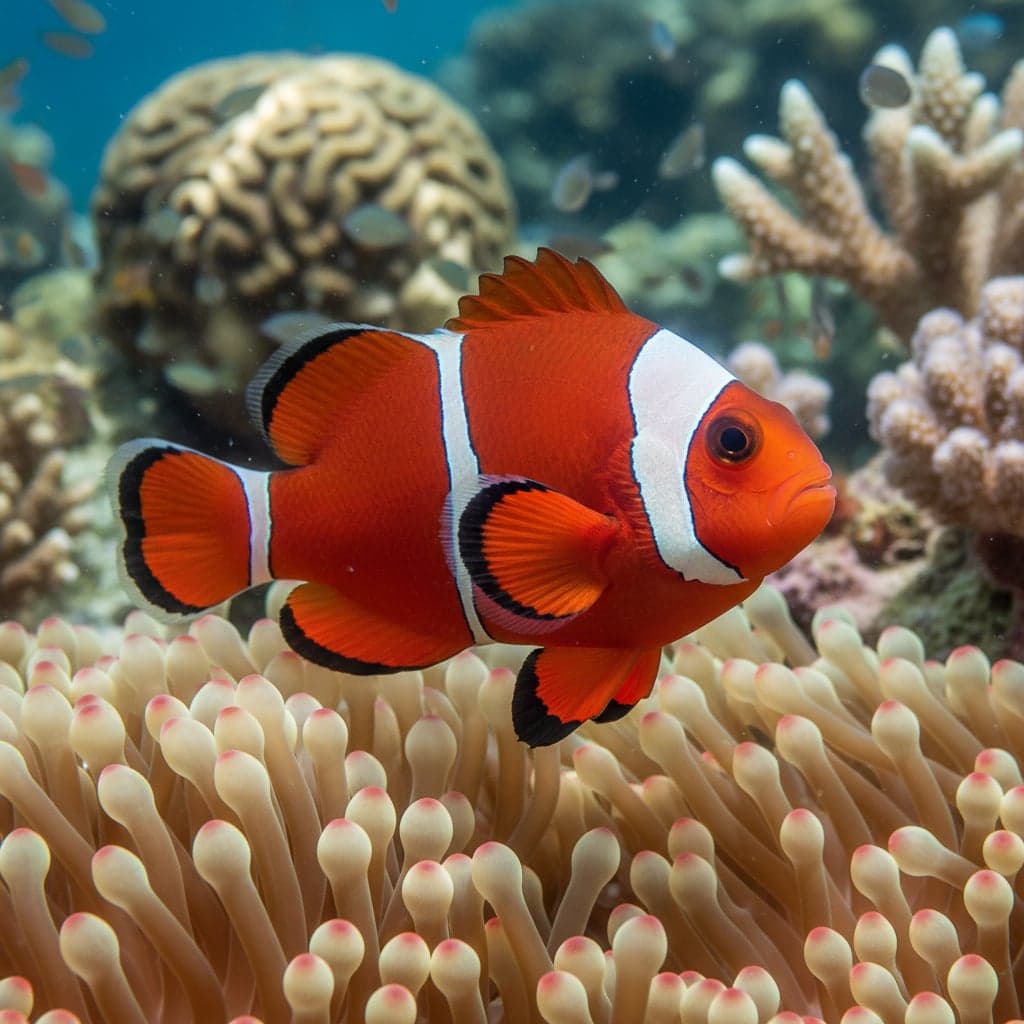
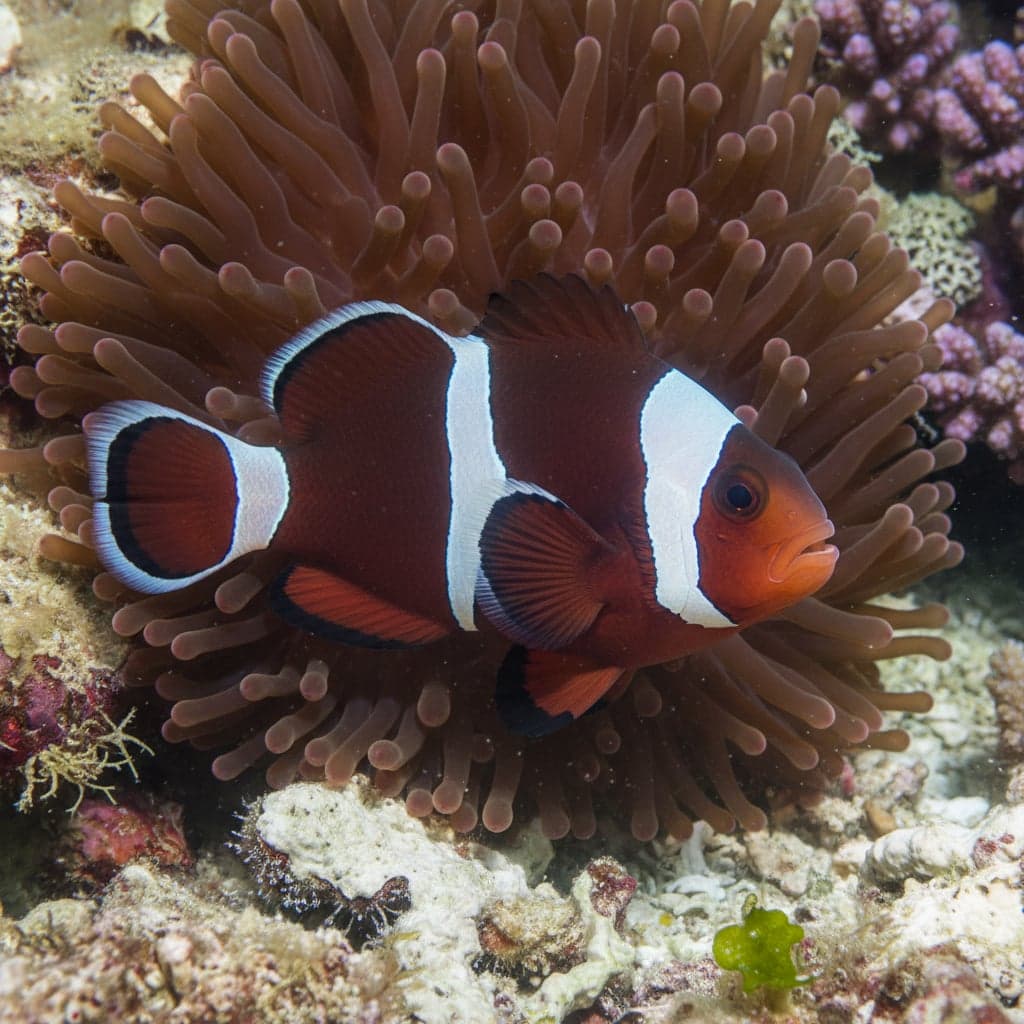
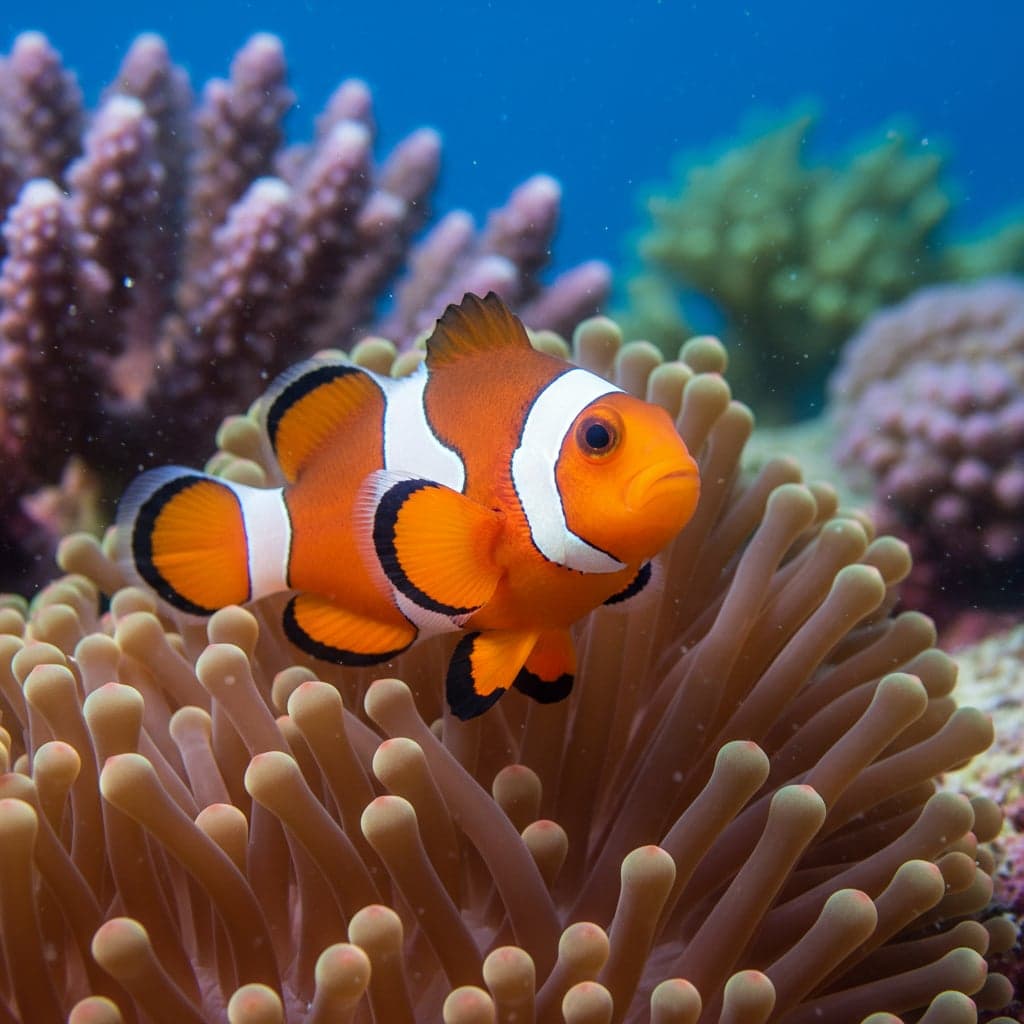
An 8cm clownfish, thicker-banded than the ocellaris it is confused with. Captive-bred stock is hardy and needs no anemone.
Percula Clownfish
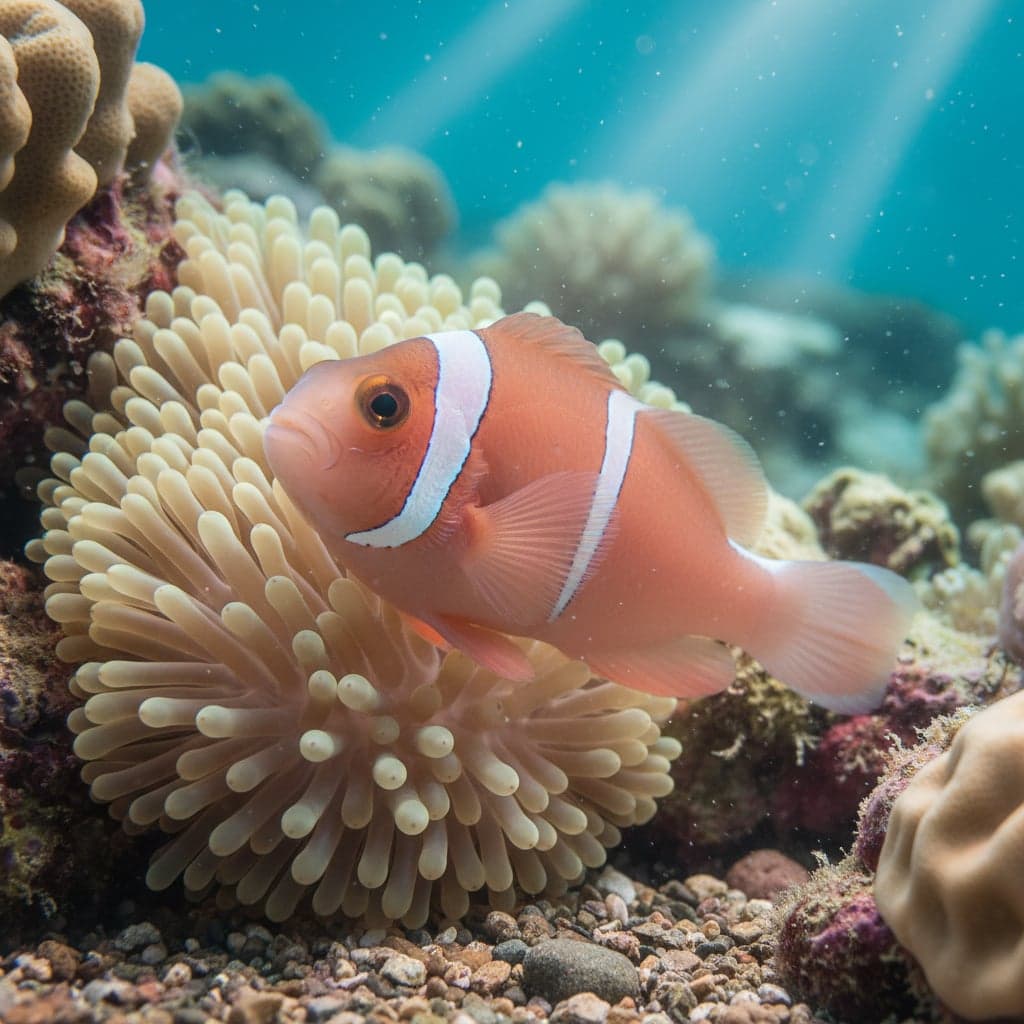
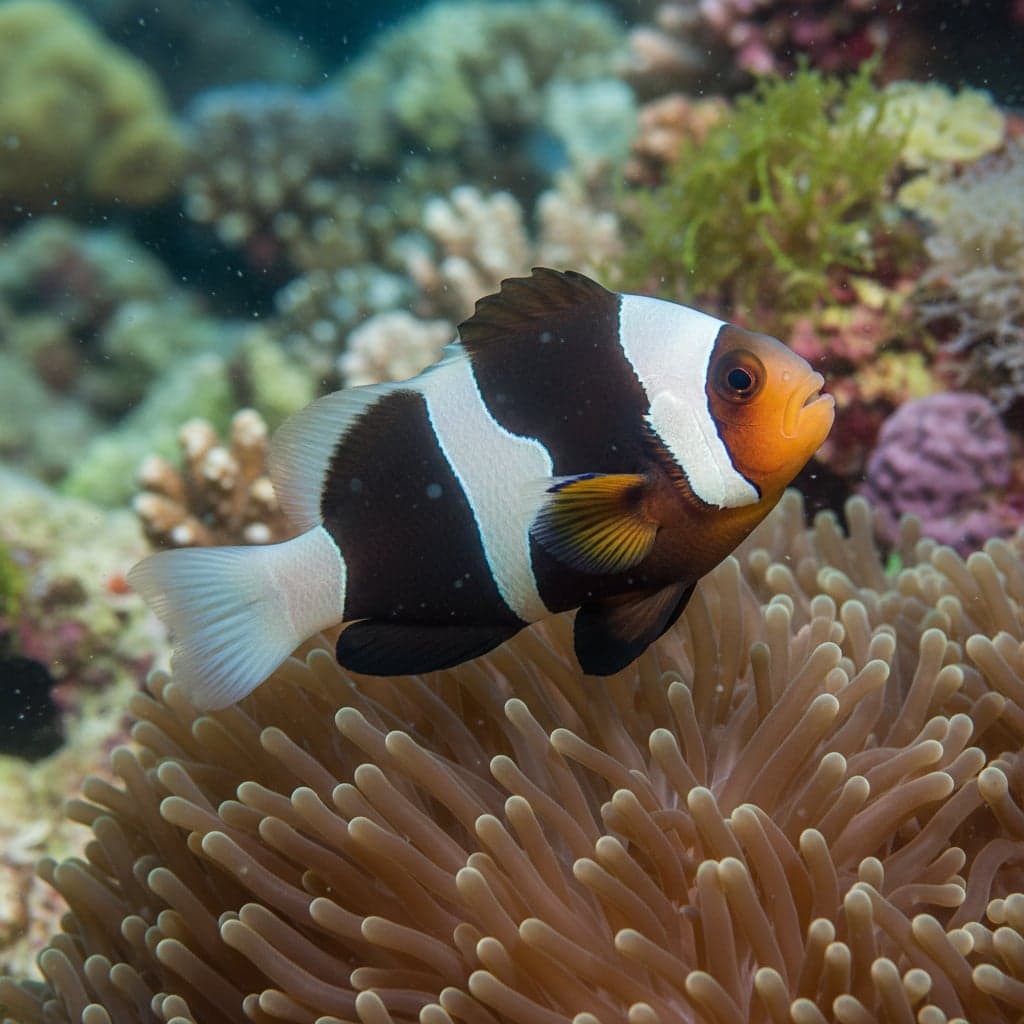
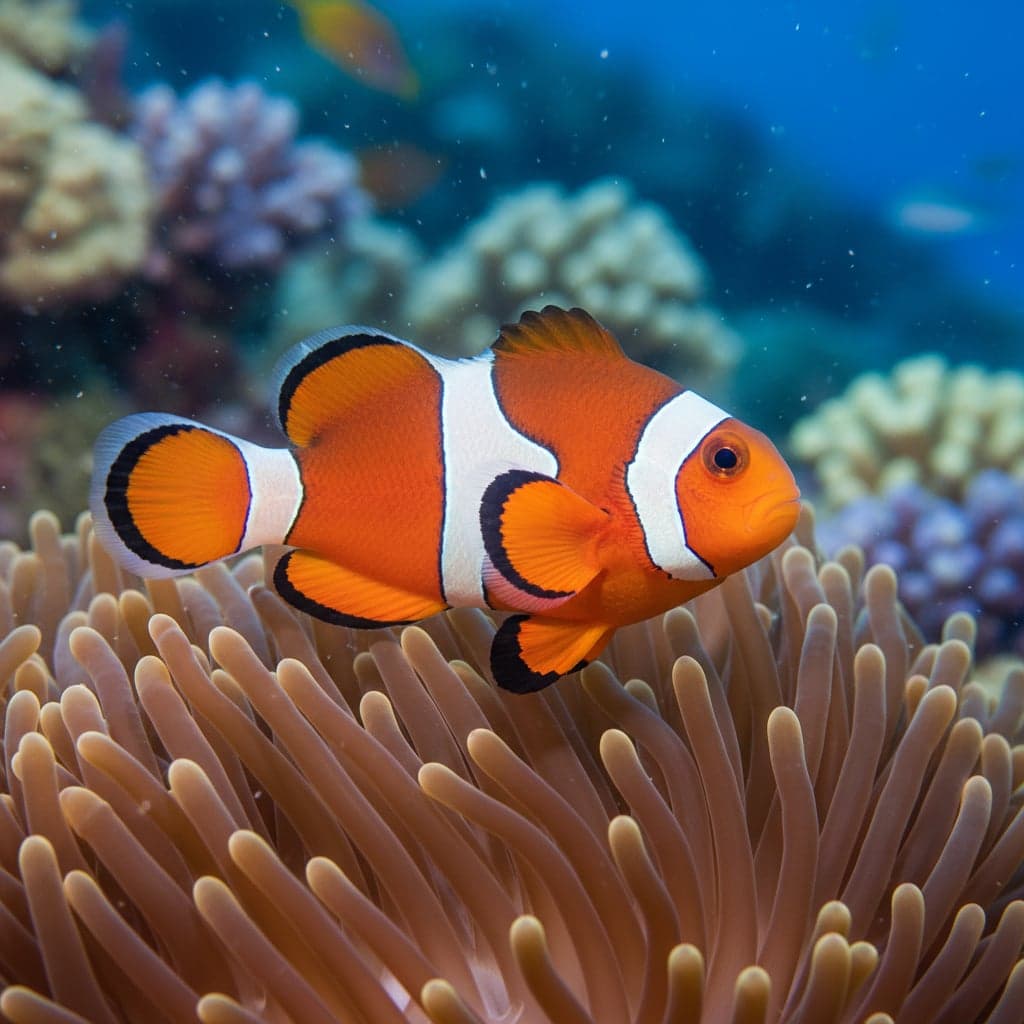
The Percula Clownfish, scientifically known as Amphiprion percula, is a highly popular species among aquarists, celebrated for its vibrant coloration and engaging personality. This small, marine fish features a distinctive orange body adorned with striking black bands, which provides it with a visually appealing look that enhances any home aquarium. Its eye-catching appearance is complemented by its symbiotic relationship with sea anemones, where it finds refuge and safety from predators. As a hallmark of the marine aquarium hobby, the Percula Clownfish captivates fish enthusiasts with its playful behavior and unique adaptations.
Significant not just for its aesthetics, the Percula Clownfish also plays a crucial role in marine ecosystems. By forming partnerships with anemones, it contributes to the health of coral reefs and helps maintain biodiversity. This relationship allows the clownfish to thrive in its natural habitat while offering the anemone protection and nutrients. Its popularity in the aquarium trade has also sparked interest in conservation efforts, emphasizing the need to protect natural habitats and ensure the sustainability of marine fish populations.
Natural Habitat & Origin
Percula Clownfish are native to the warm, shallow waters of the Western Pacific Ocean. They are predominantly found in areas such as the Great Barrier Reef and the coral reefs surrounding New Guinea, Indonesia, and the Solomon Islands. Preferring environments with a rich biodiversity, these clownfish inhabit coral reefs, which provide a safe haven and abundant feeding opportunities. The natural waters they dwell in are typically characterized by clear, warm conditions that support a vibrant marine ecosystem, essential for their survival and reproduction.
The Percula Clownfish exclusively associates with specific species of sea anemones, such as Heteractis magnifica, where it can find protection from predators. The mutualistic relationship formed between the clownfish and anemones is vital, as the clownfish provides food scraps for the anemone while gaining shelter from harmful predators. This ecological interaction represents a critical component of the marine habitat, demonstrating the intricacies of marine life and the importance of preserving coral reef ecosystems.
Care Requirements
Maintaining optimal water parameters is essential for the health of Percula Clownfish in an aquarium setting. Ideal pH levels range from 7.8 to 8.4, with a temperature between 74°F to 78°F (23°C to 26°C). The hardness of the water should fall within 8 to 12 dGH to mimic their natural environment effectively. When setting up their habitat, a minimum tank size of 75 litres (20 gallons) is recommended for a bonded pair of these 8cm clownfish — enough swimming room and territory without needing a large reef system.
For the tank setup, a sandy substrate works best, as it mimics their natural coral reef environment. Including live rock structures can help recreate hiding spots and feeding areas. Lighting should be moderate, ideally using LED or T5 fixtures that replicate natural sunlight, sustaining live plants and corals within the tank. While Percula Clownfish do not require heavy plant cover, incorporating live corals and anemones can enhance their comfort and well-being, allowing them to exhibit their natural behaviors.
Diet & Feeding
Percula Clownfish are omnivorous, thriving on a balanced diet that consists of both plant and animal matter. In an aquarium environment, it is recommended to provide high-quality flakes, pellets, and various other foods such as frozen or live offerings. A well-rounded diet should include nutrient-rich foods like spirulina pellets, marine algae, and frozen brine shrimp or mysis shrimp. Ensuring a balanced diet is vital for their overall health and vibrant coloration, contributing to their longevity in captivity.
To prevent any dietary deficiencies, it's best to offer a varied menu that encourages natural feeding behaviors. Ideally, feed them small portions two to three times a day, ensuring they consume the food promptly. Providing specialty clownfish and marine mixes can also enhance their nutrition and stimulate their appetite, promoting active swimming and health.
Behavior & Temperament
Percula Clownfish are known for their lively and energetic behavior. They exhibit a unique personality that often includes playful interaction with their environment and tank mates. While they are generally peaceful, they can display territoriality, especially if they have found a host anemone or a specific area they consider their home. To maintain harmony within the aquarium, experienced aquarists recommend keeping only one pair of Percula Clownfish per tank.
In terms of social behavior, these fish are best kept in pairs or small groups, as they thrive with companionship and can become stressed in solitary conditions. They typically occupy the mid to upper regions of the tank and prefer vertical placement, often darting in and out of their chosen anemone or coral, showcasing their dynamic character.
Tank Mates
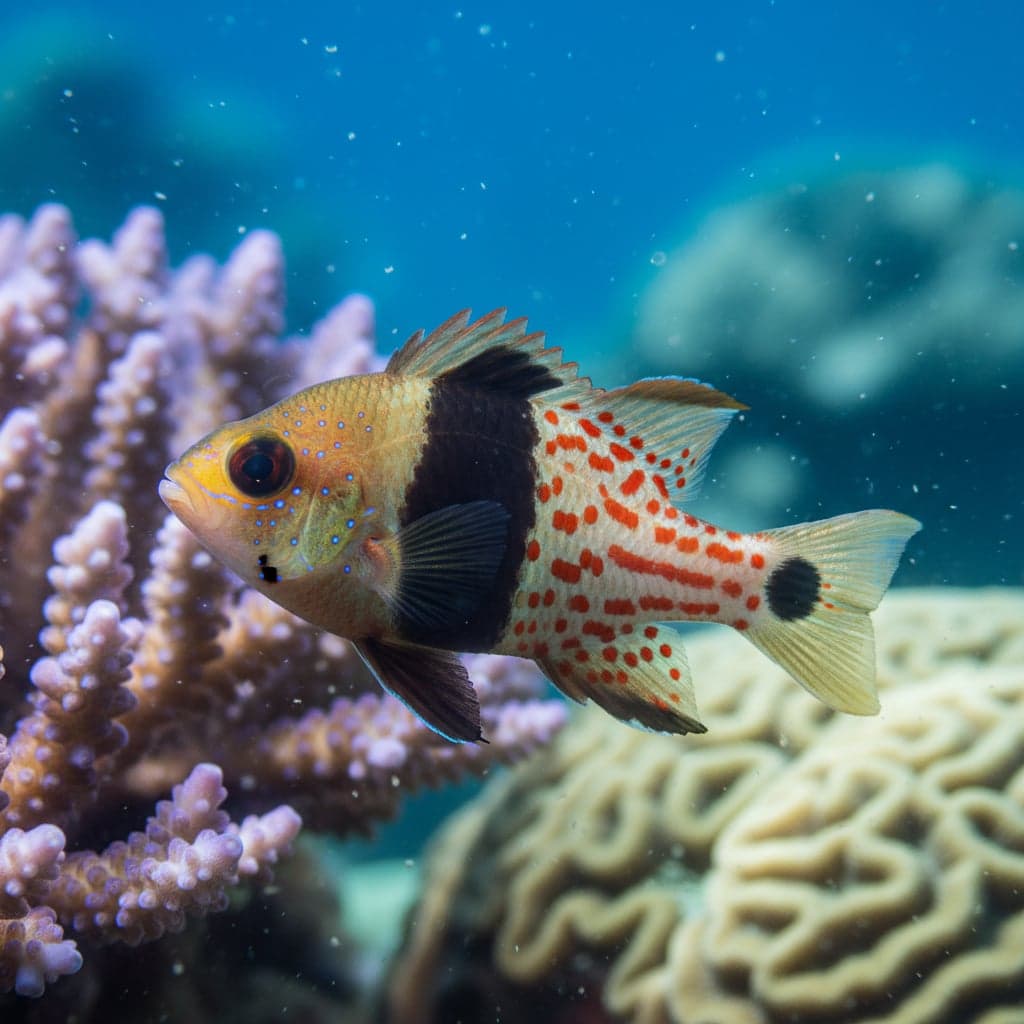
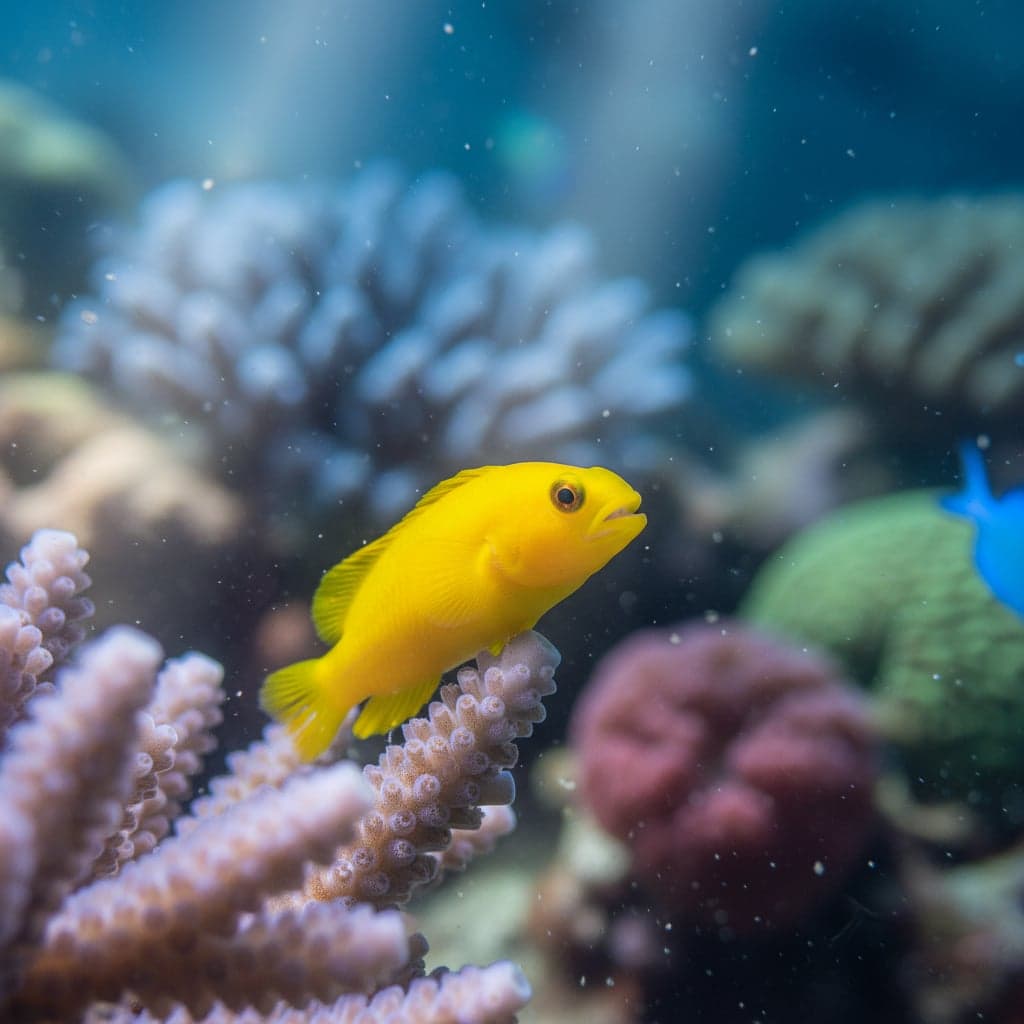
When choosing tank mates for the Percula Clownfish, it is essential to consider species that are compatible in terms of temperament and habitat requirements. Ideal companions include peaceful reef fish such as Royal Gramma, Cardinalfish, and various Gobies. Including small wrasses that exhibit gentle behavior can also promote a enriching community tank environment.
However, it is vital to avoid aggressive species, which may stress or bully the clownfish. Fish such as larger Damselfish, Angelfish, and certain Triggerfish are generally unsuitable tank mates, as their territorial instincts can lead to conflicts. Generally, community tanks with diverse yet compatible species create a flourishing ecosystem that allows the Percula Clownfish to thrive.
Breeding
Breeding Percula Clownfish in captivity can be a rewarding endeavor for experienced aquarists. In preparation for spawning, a breeding pair typically requires a well-established tank with ample hiding spots and a host anemone. They prefer to lay their eggs on flat surfaces near the anemone, often choosing bases of rocks or tank decorations. The breeding process begins when the female lays numerous small orange eggs, which the male will subsequently fertilize and guard diligently.
To create favorable breeding conditions, maintaining stable water parameters, a warm temperature of around 78°F (25°C), and regular water changes will encourage spawning behaviors. After about 7 to 10 days, the eggs will hatch, revealing tiny clownfish larvae. Successful rearing of the fry requires specialized care, including live food options like rotifers or baby brine shrimp until they mature. Captive breeding contributes to conservation and offers a sustainable source of these beloved fish for aquarium enthusiasts.
Common Health Issues
While Percula Clownfish are generally hardy, they can be susceptible to various health issues if not properly cared for. Common diseases include Ich (Ichthyophthirius multifiliis), marine velvet, and bacterial infections such as Marine Columnaris. Prevention is critical: maintaining good water quality, providing a balanced diet, and ensuring they are not stressed by aggressive tank mates can help mitigate health risks.
Regular observation is vital for early detection of health issues. Symptoms, such as abnormal swimming patterns, loss of appetite, or discoloration, should be addressed immediately to ensure the well-being of the fish. Quarantine new arrivals before adding them to the main tank can effectively reduce potential disease transmission and support a healthy, thriving aquarium environment.