The Pictus Catfish: Pimelodus pictus
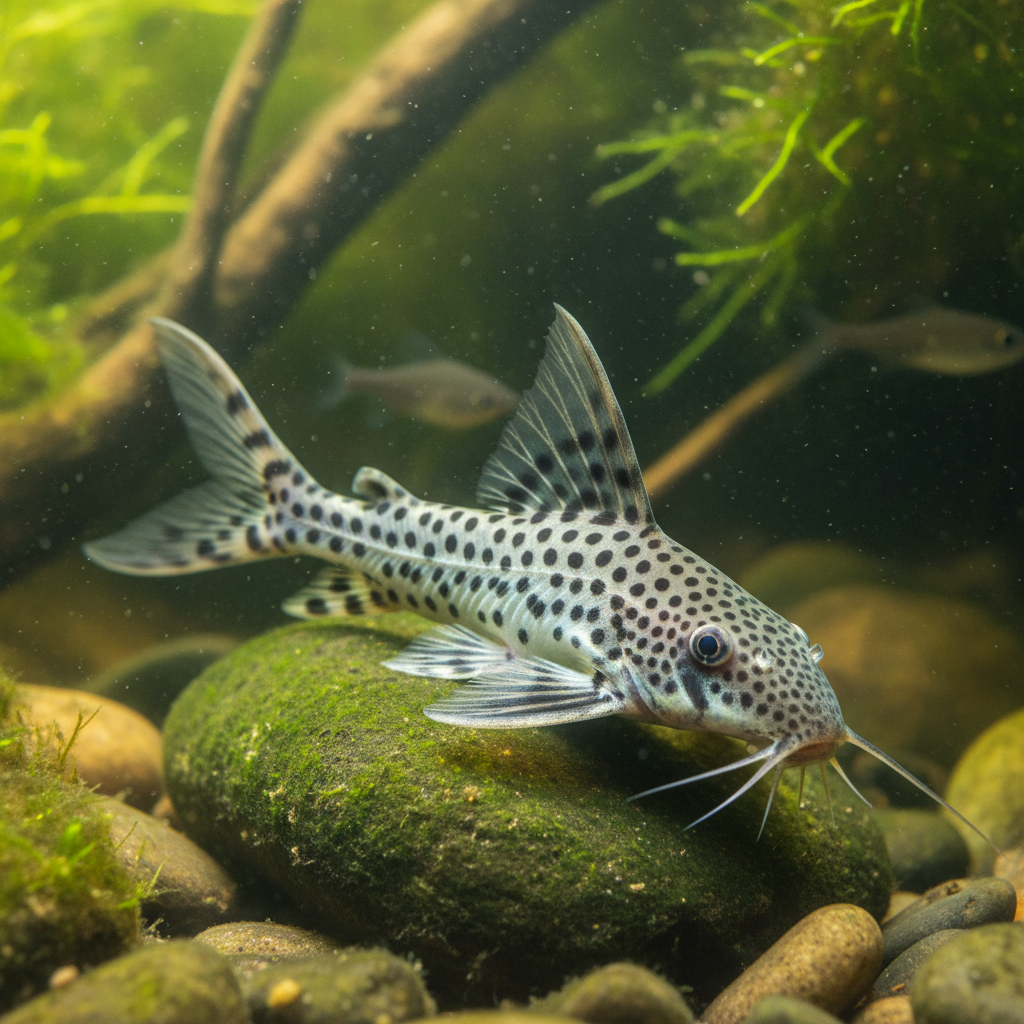
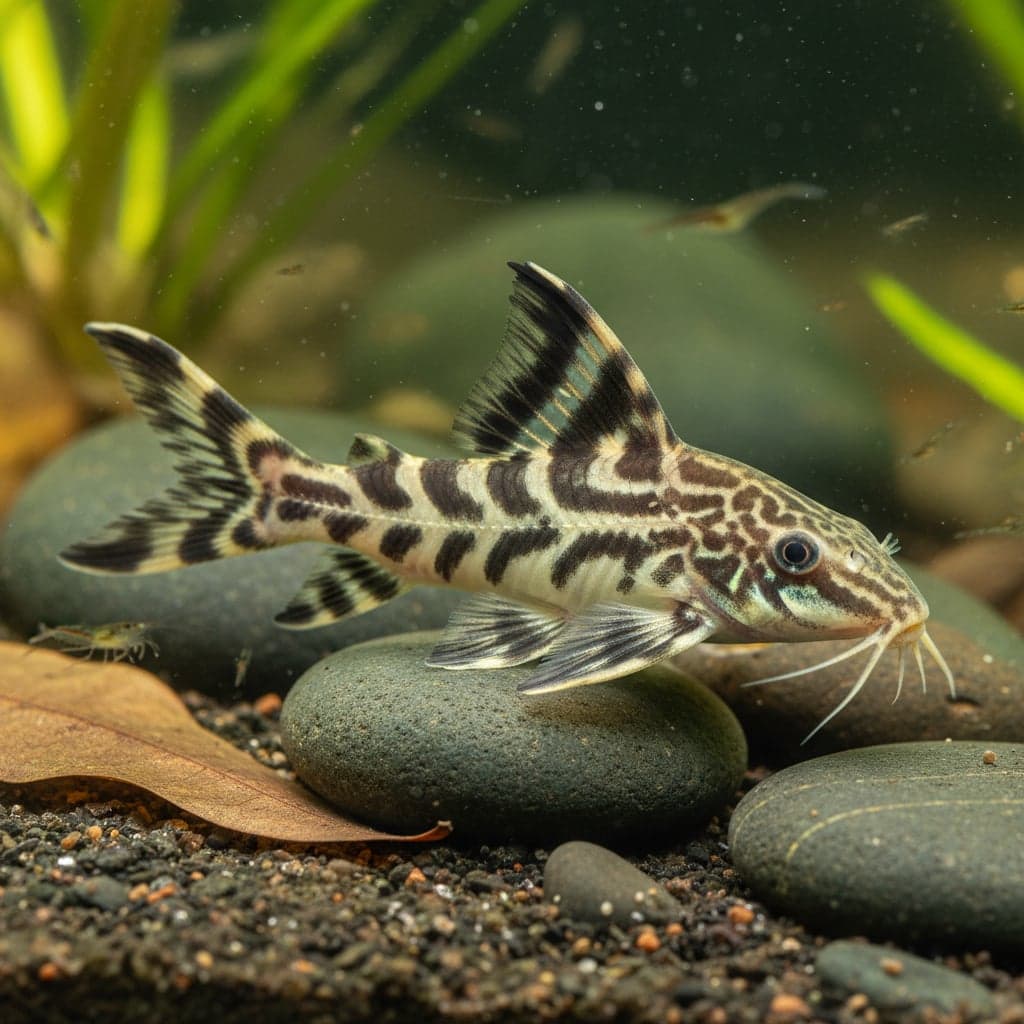
A sleek, silver catfish with black spots and incredibly long barbels. Active, shoaling, and a beautiful addition to larger community tanks.
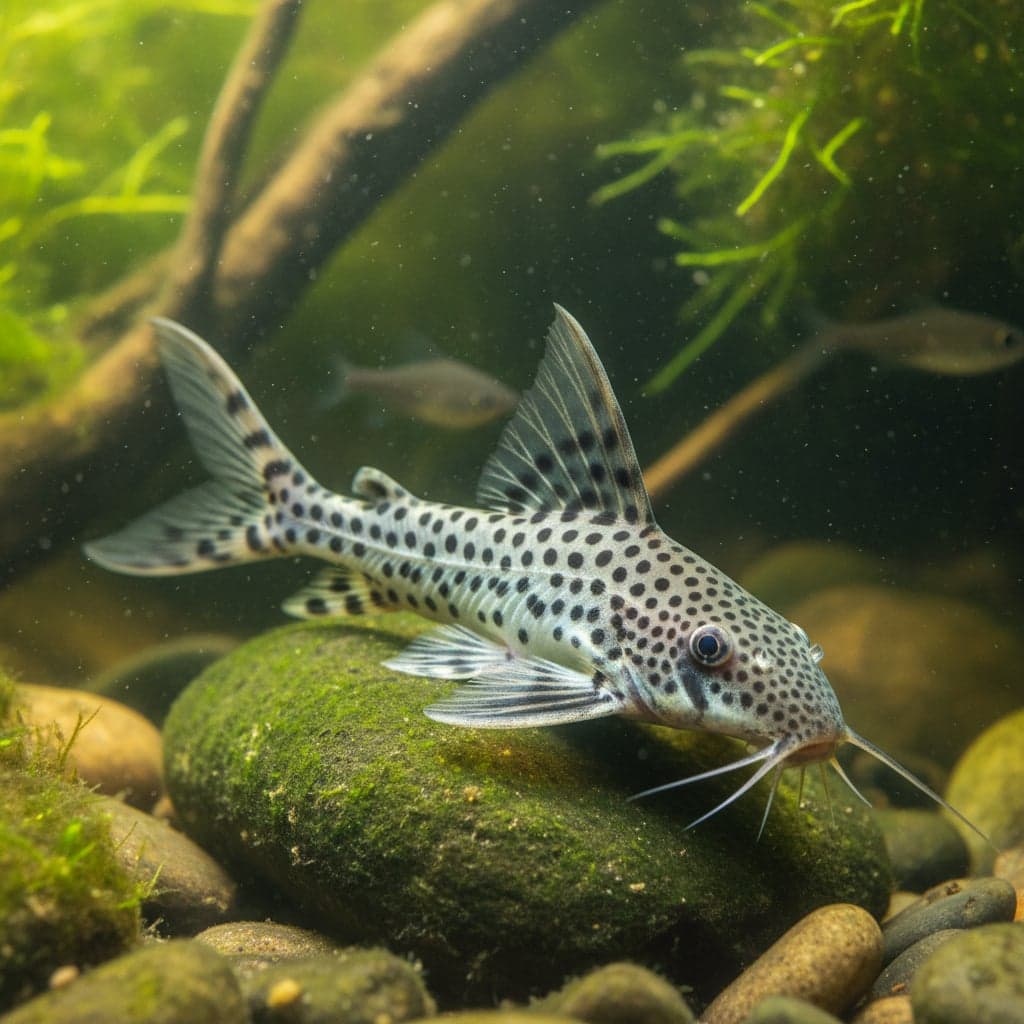
Pictus Catfish
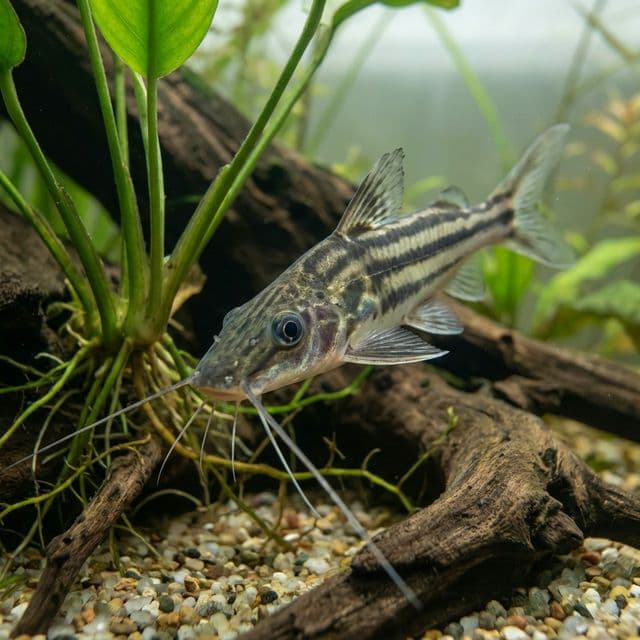
The Pictus Catfish (Pimelodus pictus) is a stunning addition to the home aquarium, widely cherished for its striking appearance and engaging behavior. This species showcases a sleek, elongated body adorned with a unique pattern of silver and black spots, combined with long, flowing fins that create an elegant swimming motion. Its captivating look, coupled with its active nature, makes it a favorite among both novice and experienced aquarists. The Pictus Catfish exhibits an insatiable curiosity, often exploring its environment and interacting with fellow tank mates, further enhancing its appeal in the aquarium hobby.
Moreover, the Pictus Catfish holds significance in the aquarium world not only for its visual allure but also for its ecological role and social behavior. Originating from the rivers of South America, particularly the Amazon and Orinoco basins, this fish thrives in diverse aquatic environments. As a schooling species, the Pictus Catfish is often observed swimming in groups in the wild, which contributes to its charming social dynamics and has prompted aquarists to keep them in schools, reflecting their natural behavior. The combination of their fascinating traits and the enriching experiences they provide makes the Pictus Catfish a beloved choice for hobbyists.
Natural Habitat & Origin
The natural habitat of the Pictus Catfish is primarily found in the warm, slow-moving rivers and tributaries of South America, especially within the Amazon and Orinoco basins. These waters are characterized by conditions that vary from clear to slightly stained, often influenced by surrounding vegetation and organic matter decomposition. The Pictus Catfish typically thrives in blackwater rivers, which are characterized by dark, tea-colored waters filled with humic acids from decaying vegetation. This unique environment supports a rich biodiversity, making the Pictus Catfish an integral part of the aquatic ecosystem as it contributes to the breakdown of organic matter.
In their natural context, Pictus Catfish favor environments with ample hiding spots such as submerged logs, aquatic plants, and rocky crevices. These features provide not only shelter from predators but also contribute to their search for food. The structure of their habitat is vital for their social structure and feeding habits, and replicating similar conditions in an aquarium is essential for their well-being.
Care Requirements
To ensure the health and happiness of the Pictus Catfish, it is crucial to maintain optimal water parameters. The ideal pH range is between 6.0 to 7.5, with a water temperature maintained between 75°F to 82°F (24°C to 28°C). Hardness should be kept between 2 to 15 dGH, with softer water preferred. A minimum tank size of 75 gallons is recommended, as these fish appreciate ample space to swim and explore.
For tank setup, choose a sandy or fine-gravel substrate, as these fish naturally forage along the bottom for food. Incorporate dense vegetation with fast-growing plants like Java fern and Amazon sword, along with driftwood and rocks to create hiding spots. Moderate lighting works well — aim for natural daylight patterns to mimic their natural environment. Therefore, replicating the biotope conditions can significantly enhance their quality of life and overall vitality in captivity.
Diet & Feeding
Pictus Catfish are omnivorous by nature, requiring a varied diet to thrive. In the home aquarium, their diet can be supplemented with high-quality pellets, flakes, and frozen foods like brine shrimp, bloodworms, and daphnia. While they are efficient foragers in their natural habitat, in an aquarium setting, it is essential to provide ample variety. Therefore, offering live foods occasionally can stimulate their hunting instincts and benefit their nutritional intake.
When feeding, it is advisable to provide multiple smaller feedings throughout the day rather than one large meal to ensure they consume sufficient nutrients and prevent overfeeding. Floating pellets or flakes should be sufficient for their upper feeding tendency, but also ensure some sinking foods to allow bottom feeders a chance to participate. This mixed approach not only caters to their dietary needs but also keeps their environment engaging.
Behavior & Temperament
The Pictus Catfish is known for its playful and active demeanor, making it a delightful addition to community aquariums. These fish are social creatures and thrive in groups of at least three or more, exhibiting schooling behavior that makes them fascinating to observe. Though generally peaceful, they can display mild territorialism, especially when establishing their pecking order within a school.
In terms of vertical placement, Pictus Catfish tend to dwell closer to the mid to bottom regions of the tank, often exploring in search of food. They are not aggressive towards other species but may occasionally nip at long-finned fish or slower moving species within the aquarium.
Tank Mates
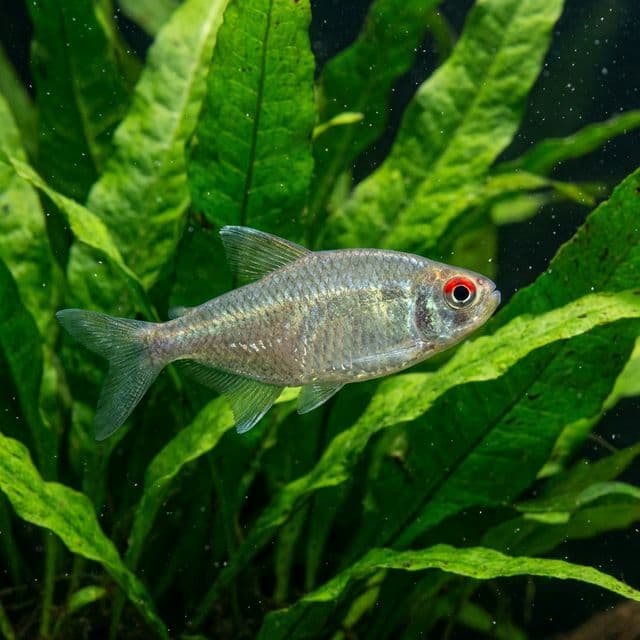
When selecting tank mates for Pictus Catfish, aim for species that share similar water parameter requirements and exhibit compatible temperaments. Ideal tank mates include larger tetras (like the Rummy Nose and Black Skirt Tetra), barbs (such as Tiger Barbs), and other community fish such as Corydoras, Plecos, and some species of Gouramis.
It is essential to avoid keeping them with smaller or shy fish that may get stressed in the presence of the more active Pictus Catfish. Conversely, aggressive species, such as Cichlids or aggressive barbs, should also be avoided, as they could pose a threat or challenge to the peaceful nature of the Pictus Catfish.
Breeding
Breeding Pictus Catfish in captivity can be challenging, as they are more commonly found in the wild. They exhibit a unique spawning behavior, typically requiring specific conditions to imitate their natural breeding environment. To encourage spawning, a separate breeding tank with soft, acidic water, a temperature between 78°F and 80°F (25°C to 27°C), and plants or spawning mops for egg attachment is necessary.
Spawning is often triggered by a change in water conditions, such as increasing water temperature and performing large water changes. Females will scatter adhesive eggs in dense vegetation, which should be removed immediately after spawning to prevent parents from consuming them. After hatching, fry require fine foods such as infusoria or finely crushed flakes; thus, creating an ideal environment is crucial for the successful development of the young.
Common Health Issues
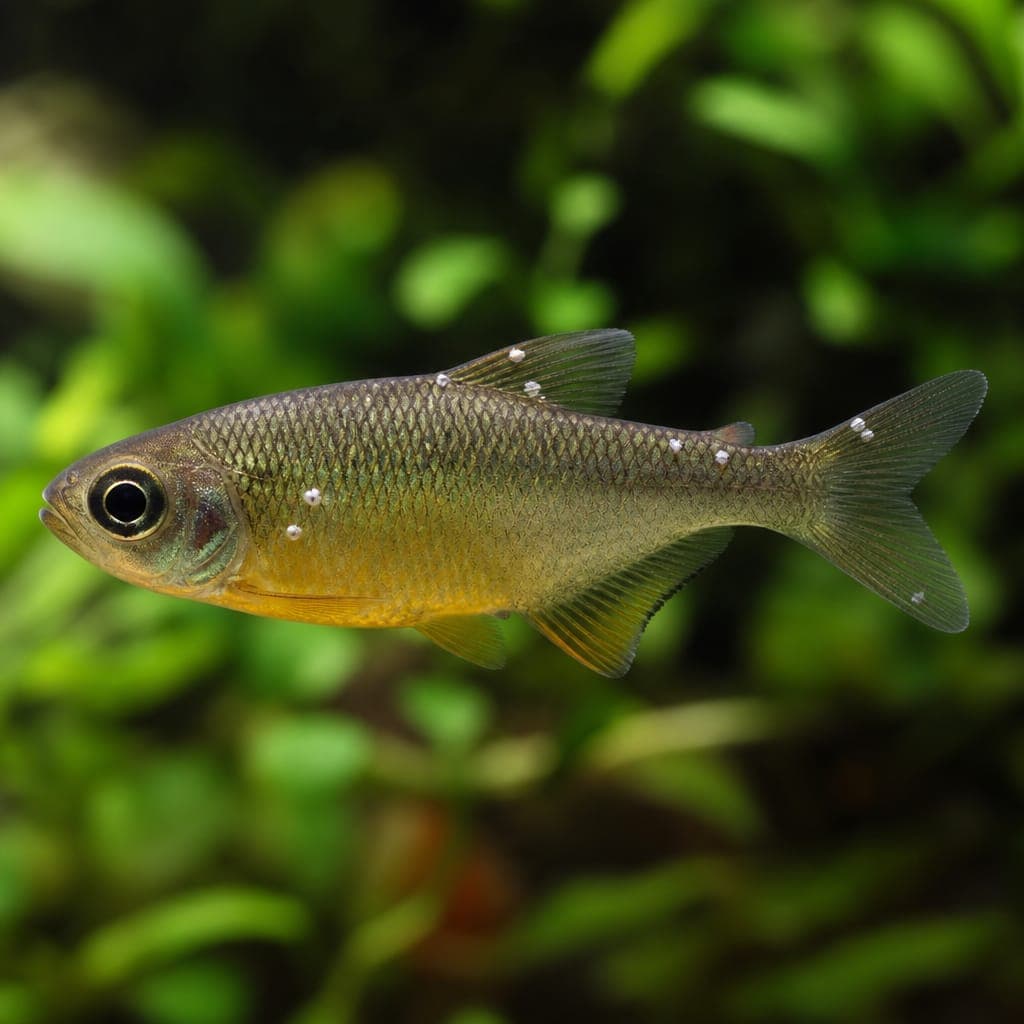
While the Pictus Catfish is generally hardy, it can be prone to specific health issues if not cared for properly. Common diseases include ich (white spot disease), fin rot, and bacterial infections. To prevent these ailments, maintain a clean tank environment with regular water changes, proper filtration, and monitoring water parameters.
Additionally, stress can lead to health problems, so ensuring adequate space and a compatible community will contribute significantly to their overall health. Regularly inspect the Pictus Catfish for signs of illness such as abnormal swimming patterns or lesions, and address any issues immediately with prompt treatment to ensure a long, healthy life.