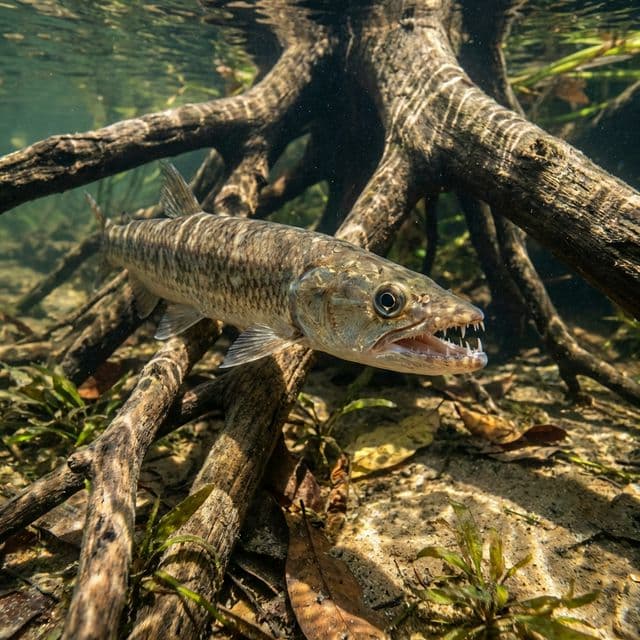
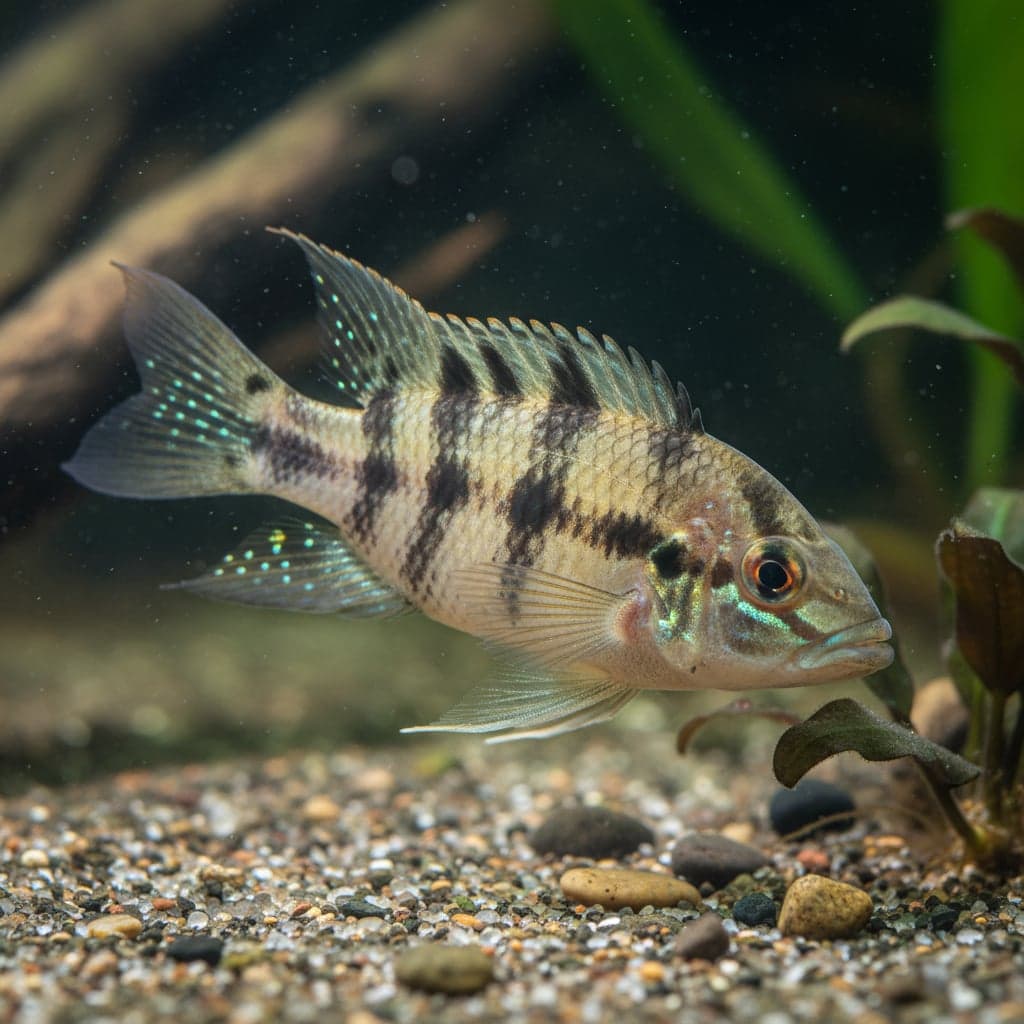
Pike Cichlid: Crenicichla sp.
A spectacularly elongated, hyper-aggressive South American apex predator resembling a freshwater barracuda.
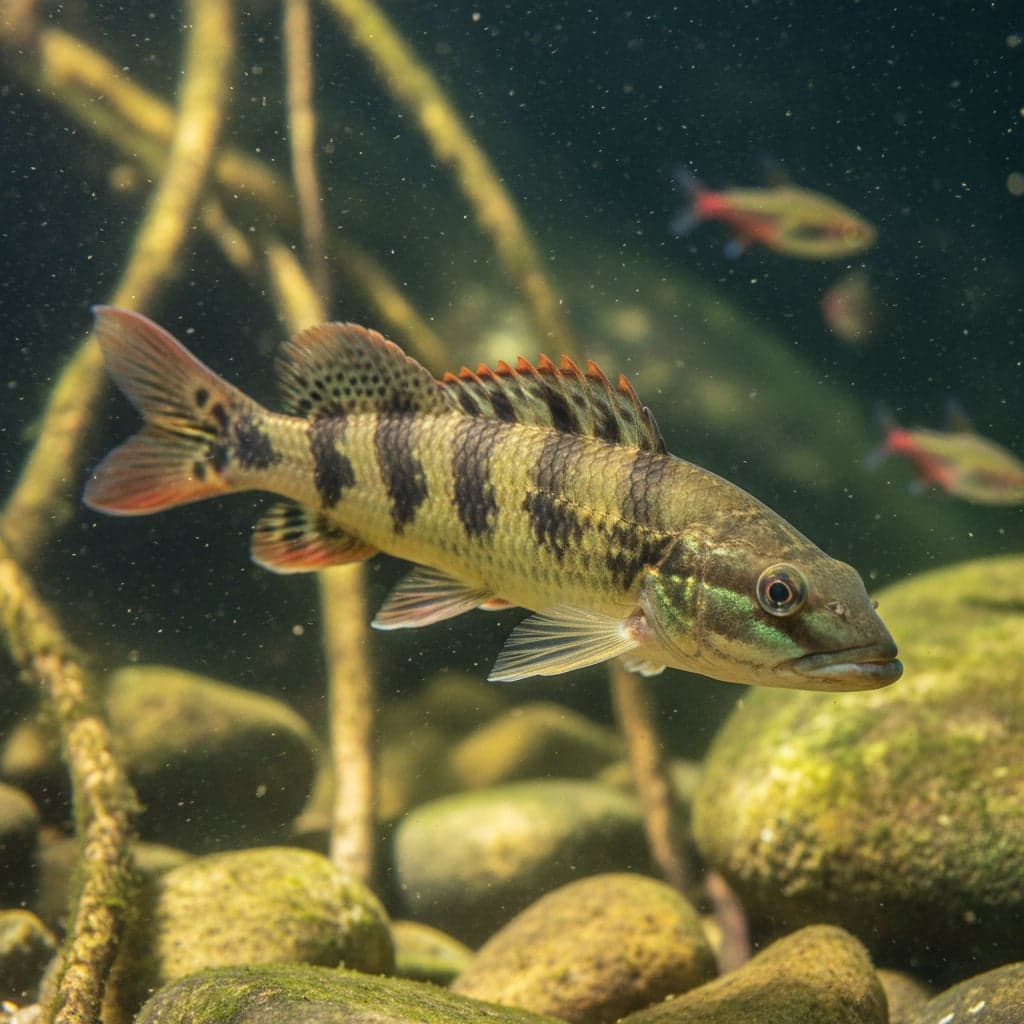
Pike Cichlid
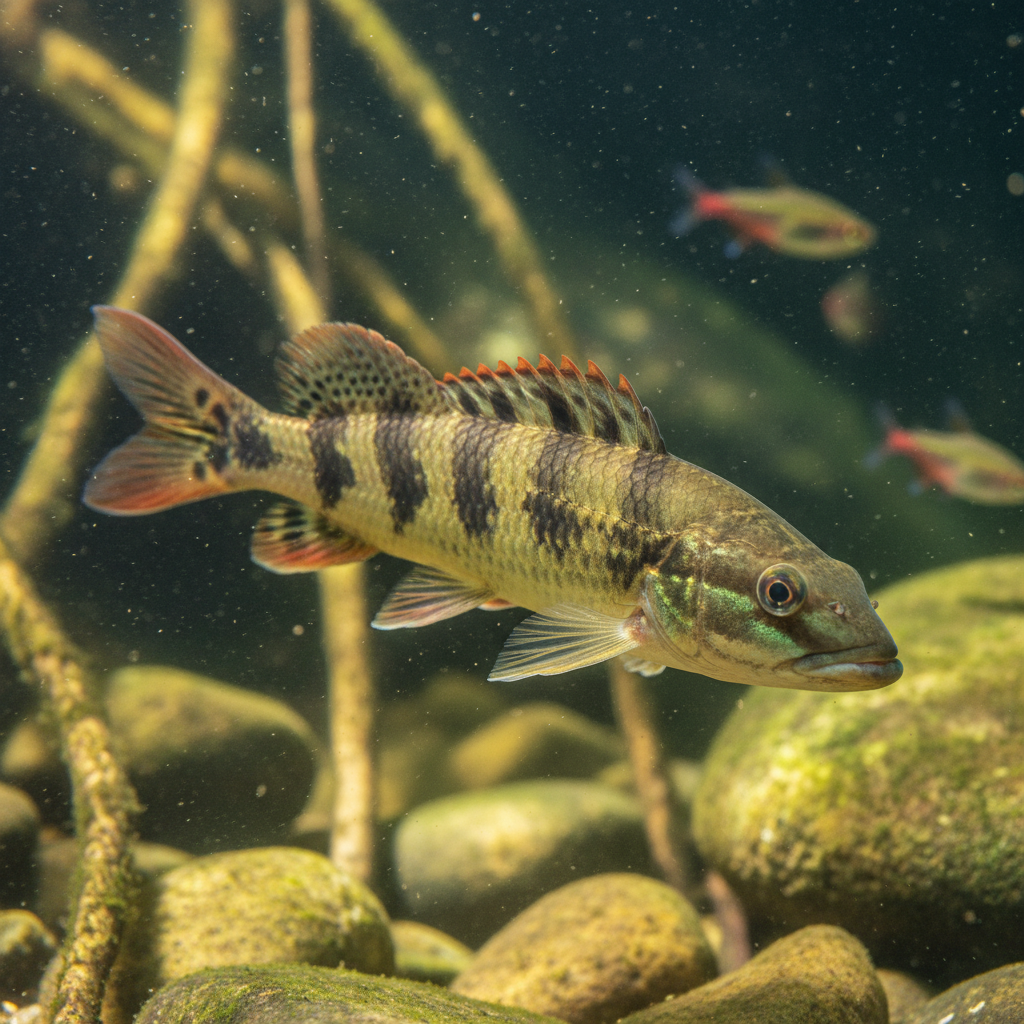
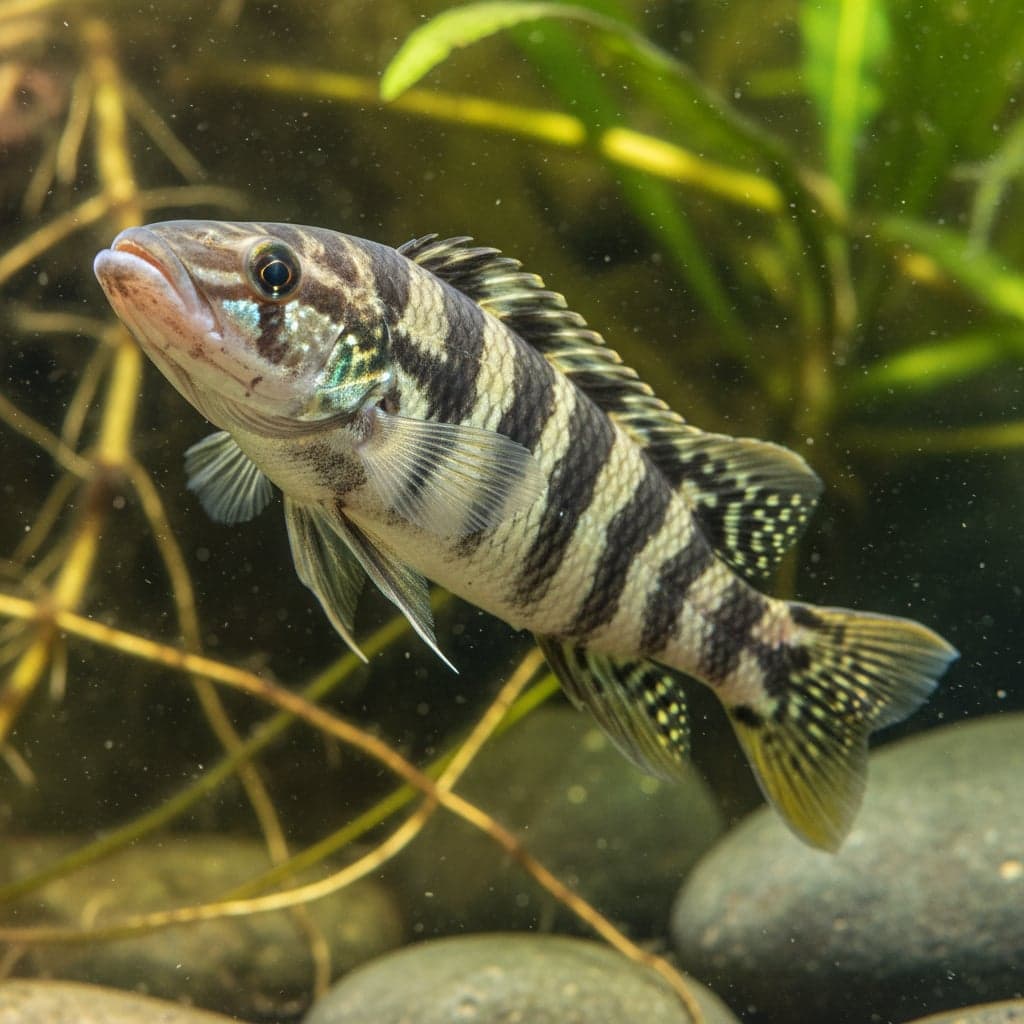
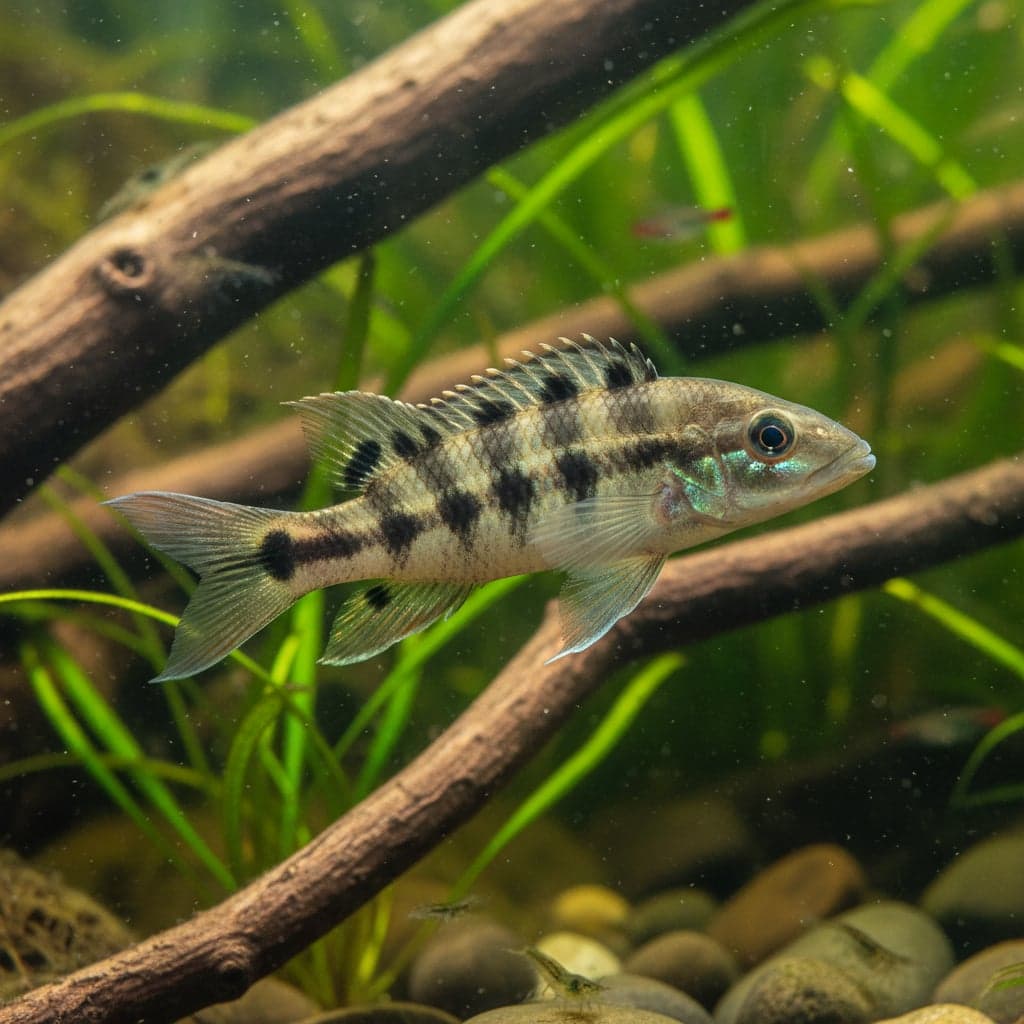
The Pike Cichlid, scientifically known as Crenicichla sp., is a remarkable species within the cichlid family, widely recognized for its elongated body shape reminiscent of a pike fish. With vibrant coloration that varies among species, the Pike Cichlid often exhibits stunning patterns of yellow, blue, and green, which not only enhance its aesthetic appeal but also serve as a display of health and vitality. This visually striking fish has garnered a dedicated following in the aquarium hobby due to its dynamic presence and unique personality, making it a sought-after species among aquarists looking to introduce a splash of natural beauty to their tanks.
Pike Cichlids are significant in the aquarium community as they embody an intriguing combination of aggressive behavior and territorial instincts, making them captivating to observe. Their unique predatory nature means that they are not just ornamental fish; they are dynamic creatures that interact with their environment and the other inhabitants of the aquarium. As such, they can benefit from careful selection of tank mates and ample space to exhibit their natural behaviors, adding both challenge and excitement for aquarists keen on maintaining a thriving aquatic ecosystem.
Natural Habitat & Origin
Pike Cichlids hail from the freshwater rivers and streams of South America, predominantly found in Brazil, Venezuela, and Colombia. These fish prefer varying types of water conditions, typically inhabiting areas characterized by slow-moving currents and plenty of submerged structures like logs and rocks, which provide shelter and hunting grounds. The waters they occupy can range from tannin-stained blackwater environments to clear water streams, allowing them to adapt to a variety of habitats, though they favor environments abundant in cover due to their predatory nature.
The ecosystems these cichlids thrive in are often rich in biodiversity, hosting not just various fish species but also a wealth of plant life that contributes to the overall health of their surroundings. In their natural habitats, Pike Cichlids are often found in the company of other cichlid species, which influences their territorial behavior and social interactions. Understanding these habitats can help aquarists replicate suitable environments in a home aquarium, enhancing the well-being of these captivating fish.
Care Requirements
To ensure the health and longevity of the Pike Cichlid in captivity, specific water parameters must be maintained. The ideal pH level for these fish ranges from 6.0 to 7.5, while the water temperature should be kept between 75°F and 82°F (24°C to 28°C). Hardness levels can vary, but a range of 5-20 dGH is appropriate to mimic their natural environment. For tank setup, a minimum tank size of 50 gallons is recommended, providing ample space for swimming and territorial displays. A sandy or fine gravel substrate works well, allowing for natural foraging behavior, and the addition of rocks, driftwood, and caves creates essential hiding spots.
Lighting should be moderate, simulating their natural habitat, with some areas of the tank left dimmer to create shaded spots where the fish can feel secure. Adding live plants is beneficial; however, it’s important to choose robust varieties that can withstand occasional disturbances, as Pike Cichlids are known to rearrange their surroundings. A well-structured tank setup not only enhances the aesthetic appeal but also contributes to a stress-free environment for the fish.
Diet & Feeding
Pike Cichlids are primarily carnivorous, with a diet in the wild consisting of smaller fish, crustaceans, and invertebrates. In captivity, a balanced diet that replicates their natural feeding habits is crucial for their health. High-quality pellets and flakes designed for carnivorous fish can serve as a staple, supplemented with nutritious frozen or live foods such as brine shrimp, bloodworms, and small feeder fish. It is advisable to vary their diet to ensure they receive all the essential nutrients, promoting vibrant coloration and robust growth.
Due to their predatory nature, feeding should be done multiple times a day rather than one significant feeding, allowing them to express natural hunting behaviors while preventing overfeeding. Observing feeding habits can offer valuable insights into their health—any noticeable changes in appetite could indicate stress or illness, prompting further investigation.
Behavior & Temperament
Pike Cichlids exhibit fascinating behavior, characterized by a territorial and often aggressive nature, especially during breeding periods. They are not schooling fish and prefer to maintain their own space, requiring sufficient tank space to ensure that they do not feel threatened. Within the aquarium environment, they tend to occupy the middle and bottom levels of the tank, frequently patrolling and defending their territory while exhibiting displays of power.
When selecting tank mates, it's essential to house the Pike Cichlid with similarly-sized or larger fish. Their aggressive demeanor can lead to conflicts with smaller or more docile species. Properly introducing any new fish into the tank is crucial to minimize stress and reduce territorial disputes.
Tank Mates
When considering tank mates for the Pike Cichlid, it's essential to choose species that can withstand their semi-aggressive nature and are of a similar size. Suitable tank mates include larger cichlids that can coexist peacefully, such as Jaguar Cichlids and Oscar Fish. Additionally, some larger barbs, catfish, and certain species of tetras, such as the Congo Tetra, may thrive alongside Pike Cichlids.
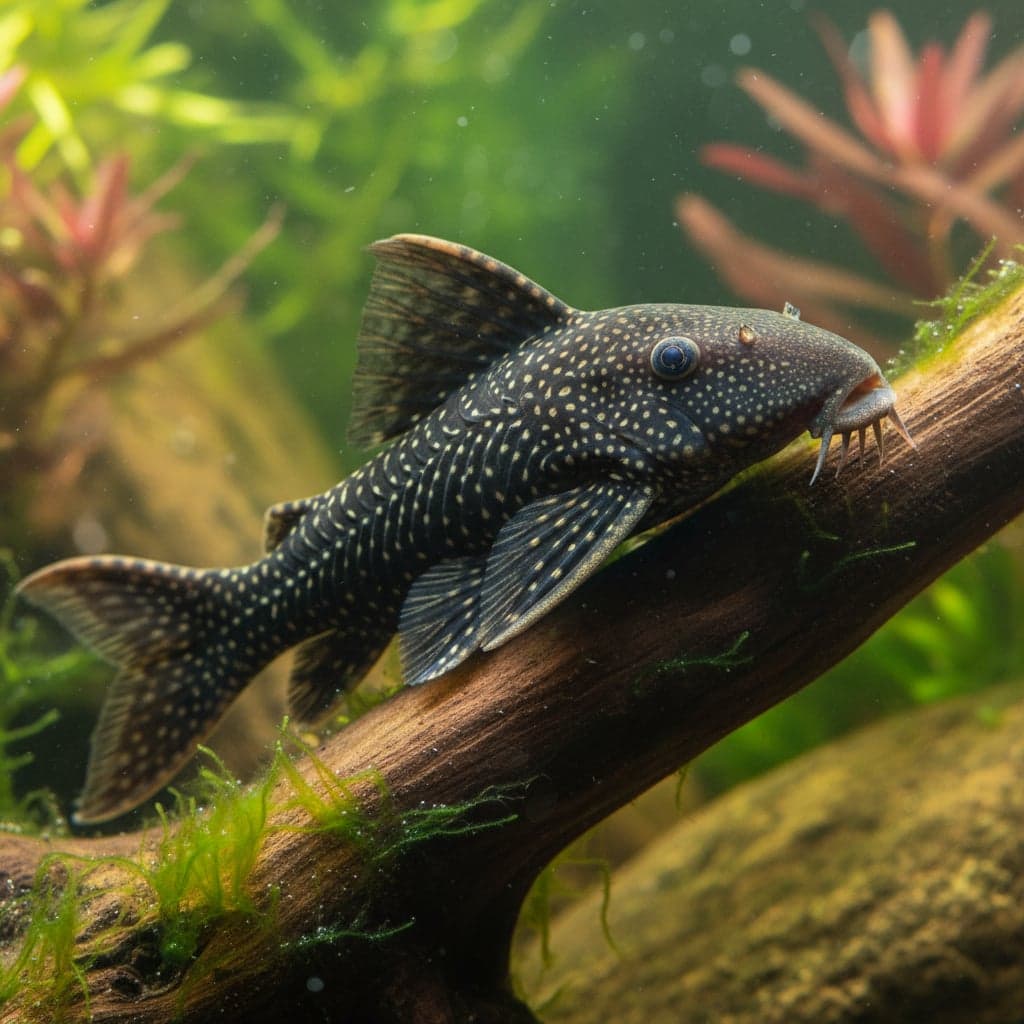
Species to avoid include smaller, more docile fish that may become targets for predation, such as guppies, neon tetras, and small plecos. Avoiding overly aggressive or territorial species, such as some larger African cichlids, is also advisable to maintain peace within the aquarium community.
Breeding
Breeding Pike Cichlids in captivity can be a challenging yet rewarding endeavor. These fish exhibit primarily substrate-spawning behavior, often selecting flat surfaces or caves to lay their eggs. Recreating ideal conditions is crucial for successful breeding. A separate breeding tank, well-filtered and devoid of aggressive tank mates, is recommended to facilitate this process.
During mating, the female typically lays eggs in a specific location, while the male guards the territory. Temperature adjustments to around 78°F to 80°F (26°C to 27°C) and slightly acidic to neutral pH levels can help spur spawning. After fertilization, both parents are involved in protecting the eggs, showcasing their devoted nature. Fry will typically hatch within 3-4 days and can be fed microscopic foods before transitioning to finely crushed flakes and small live food as they grow.
Common Health Issues
Pike Cichlids, though hardy, are susceptible to common aquarium health issues, primarily due to poor water quality or stress. Diseases such as ich (Ichthyophthirius multifiliis) and fin rot can be prevalent in stressed fish or those kept in suboptimal conditions. Maintaining excellent water quality through regular changes and monitoring parameters can significantly reduce disease risk.
Additionally, monitoring for signs of aggression and stress among tank mates is crucial, as these conditions can lead to behavioral issues. Regular health checks, maintaining a balanced diet, and ensuring a stress-free environment are essential practices for preventing health problems in Pike Cichlids, ensuring these stunning fish remain vibrant and active in the home aquarium.