Pindani: Pseudotropheus socolofi
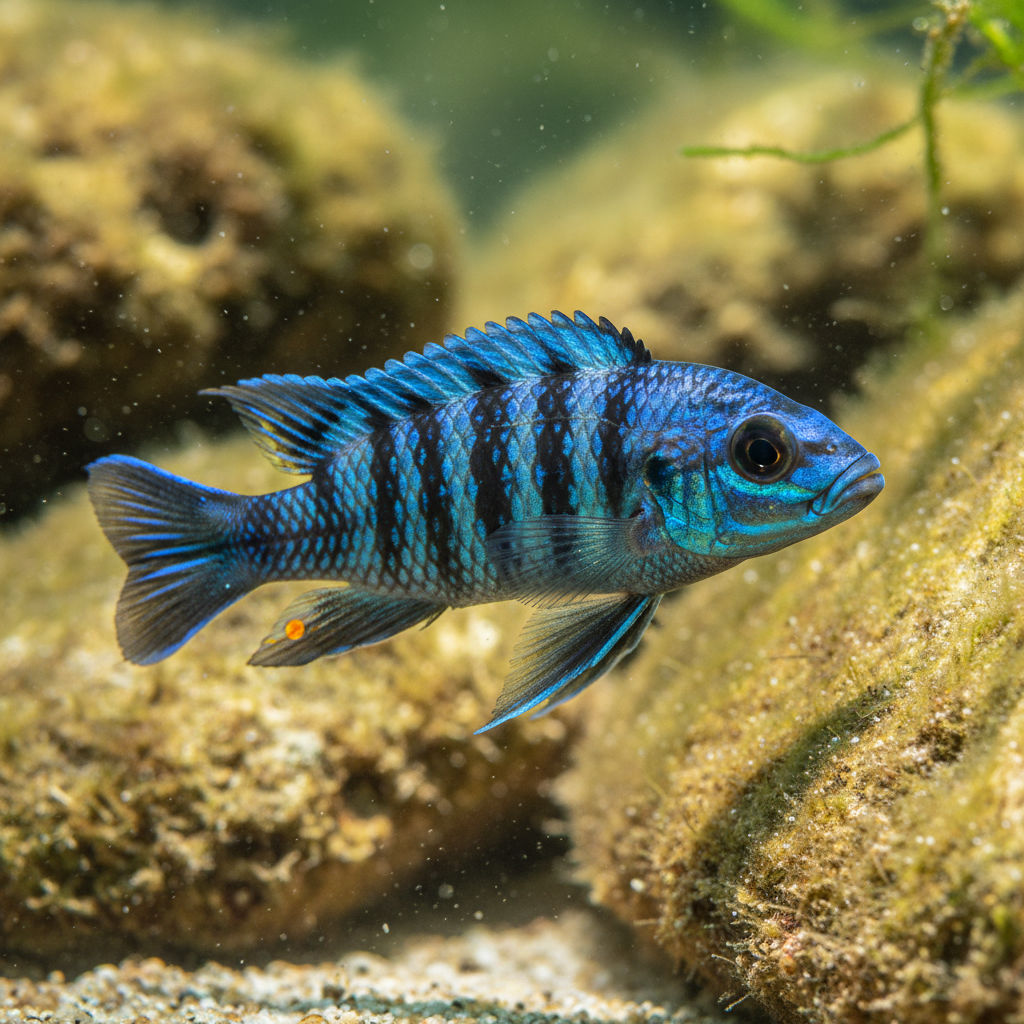
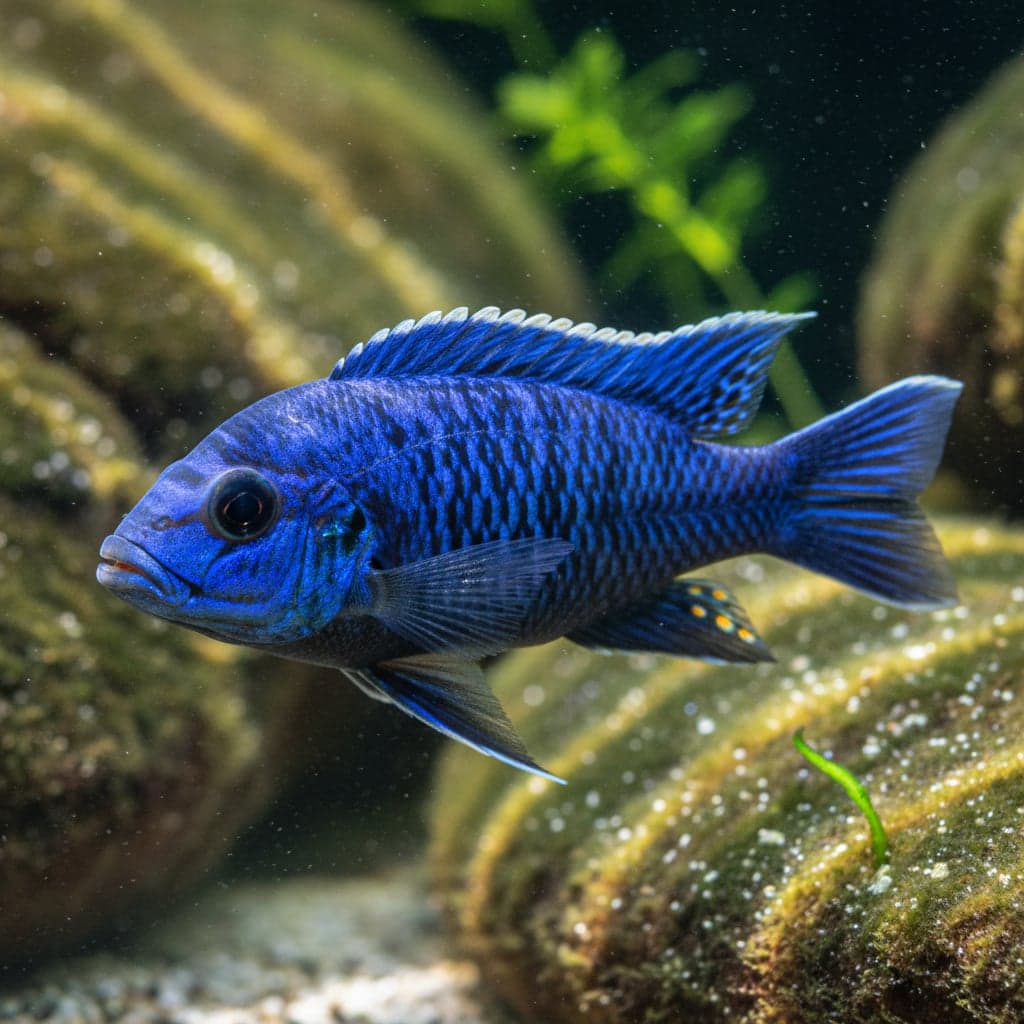
A bright, powder-blue mbuna cichlid from Lake Malawi boasting striking dark blue borders on its fins.
Pindani
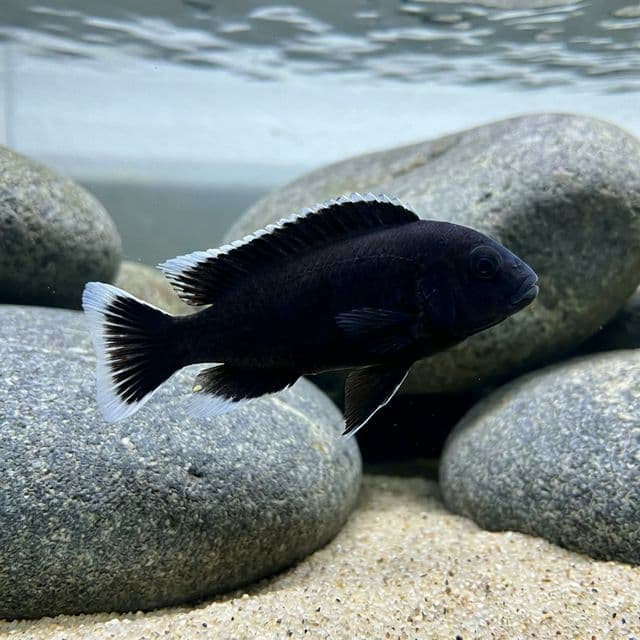
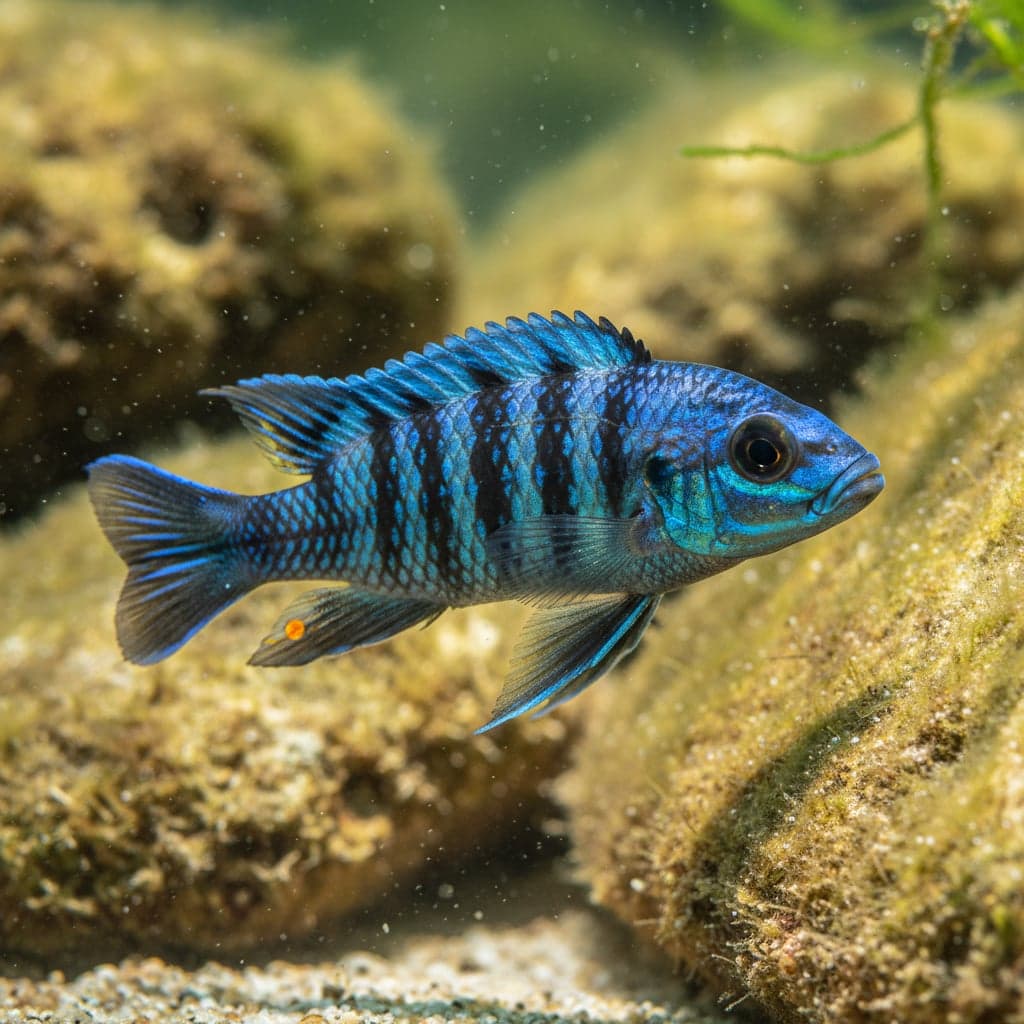
The Pindani, scientifically known as Pseudotropheus socolofi, is a captivating cichlid that originates from Lake Malawi in East Africa. These fish are well-known for their vibrant coloration, which typically ranges from vivid blue to white, often with striking black markings. This visual appeal makes them a popular choice among aquarium enthusiasts and collectors alike. The Pindani’s unique patterns and dynamic swimming behavior contribute to its reputation as a must-have specimen for any cichlid aquarium. Furthermore, they are emblematic of the complex ecology found in Malawi, where they inhabit rocky shorelines and sandy bottoms.
In addition to their aesthetic appeal, Pindani cichlids play a significant role in the aquarium hobby, not only as stunning display fish but also as engaging and interactive pets. Their patterns provide an eye-catching contrast against the lush background typical of a well-planted tank. Pindani also exhibits fascinating behaviors, including territorial displays and intricate social interactions, further enhancing their allure for hobbyists looking for an intriguing aquatic experience. Understanding the care and nuances of their requirements can lead to successful long-term ownership, allowing aquarists to appreciate these remarkable creatures in the comfort of their homes.
Natural Habitat & Origin
Pindani cichlids are native to Lake Malawi, which is renowned for its high levels of biodiversity, particularly among cichlid species. This unique body of water is characterized by clear, mineral-rich waters with significant rocky areas and sandy substrates, making it an ideal environment for the Pindani. They thrive in regions where they can find shelter among rocks, which provides both a habitat and protection from predators. The water in Lake Malawi typically has a pH level ranging from 7.8 to 8.6, and hardness levels between 10 to 20 dGH, reflecting the alkaline composition of the lake.
The clear waters of Lake Malawi exhibit low nutrient levels, creating a delicate balance that supports diverse aquatic life. Pindani are often found in the mid to upper levels of the water column, where they forage among the rocks and crevices. Understanding their natural habitat is crucial for creating a suitable environment in captivity, as replicating their specific conditions can lead to happier and healthier fish.
Care Requirements
To successfully maintain Pindani cichlids, it's essential to replicate their natural water parameters as closely as possible. Ideal conditions include a pH of 7.8 to 8.6, temperatures ranging from 75°F to 82°F (24°C to 28°C), and water hardness between 10 and 20 dGH. Maintaining stable water quality is critical, so regular water changes and proper filtration are necessary in any tank setup.
For a suitable tank environment, a minimum size of 50 gallons is recommended, as Pindani require ample swimming space and territories to establish. The substrate should consist of sand or small gravel to mimic their natural habitat, and the addition of rocky structures is essential to provide hiding spots and breeding sites. Lighting can be moderate to bright, as Pindani appreciate a well-lit tank that promotes plant growth, though it should allow for shaded areas to prevent stress. Adding aquatic plants, such as Anubias or Vallisneria, can help mimic their natural surroundings and provide additional shelter.
Diet & Feeding
Pindani are omnivorous, exhibiting a varied diet that can include both plant matter and animal protein. In captivity, they thrive on a mix of high-quality cichlid flakes, pellets, and sinking foods that are rich in protein and nutrients. Complementing their diet with frozen or live foods, such as brine shrimp, bloodworms, and daphnia, can enhance their health and coloration. Offering fresh vegetables, like blanched spinach or zucchini, can also be beneficial, ensuring a balanced diet that promotes natural foraging behavior.
It is essential to feed Pindani in small portions two to three times a day, avoiding overfeeding to maintain water quality. Regular dietary variety is crucial not only for their health but also for stimulating their natural instincts and encouraging vibrant colors.
Behavior & Temperament
Pindani cichlids are known for their semi-aggressive temperament, which is typical of many African cichlids. While they can exhibit territorial behaviors, especially during breeding periods, they can also be quite social. Pindani prefer to be kept in groups, but it's essential to ensure that there is ample space for each fish to establish its territory to minimize aggression. They tend to occupy the mid to upper levels of the tank, where they can be seen swimming gracefully while asserting their dominance over the assigned territory.
In community tanks, the Pindani may display aggressive tendencies, particularly towards similar-looking species or during their breeding period. It is vital to monitor their interactions and provide adequate hiding spots to reduce stress and territorial disputes among tank mates. Providing ample space and environmental enrichment can often mitigate potential aggression, ensuring a more harmonious aquarium setup.
Tank Mates
When choosing tank mates for Pindani, it's crucial to select species that can withstand their semi-aggressive behavior and territorial nature. Suitable tank mates include other African cichlid species with similar size and temperament, such as the Yellow Lab (Labidochromis caeruleus) and the Rusty Cichlid (Iodotropheus sprengerae). Additionally, peaceful but robust species such as clown loaches and certain varieties of catfish can coexist well if there is adequate space.
Conversely, smaller or more docile fish, such as tetras or guppies, should be avoided, as they may become targets for aggression. Similarly, other strains of Pseudotropheus with similar coloration, such as Pseudotropheus demasoni, may provoke territorial displays. A well-planned community tank with a mix of similar-sized, energetic species creates an engaging and visually dynamic aquarium.
Breeding
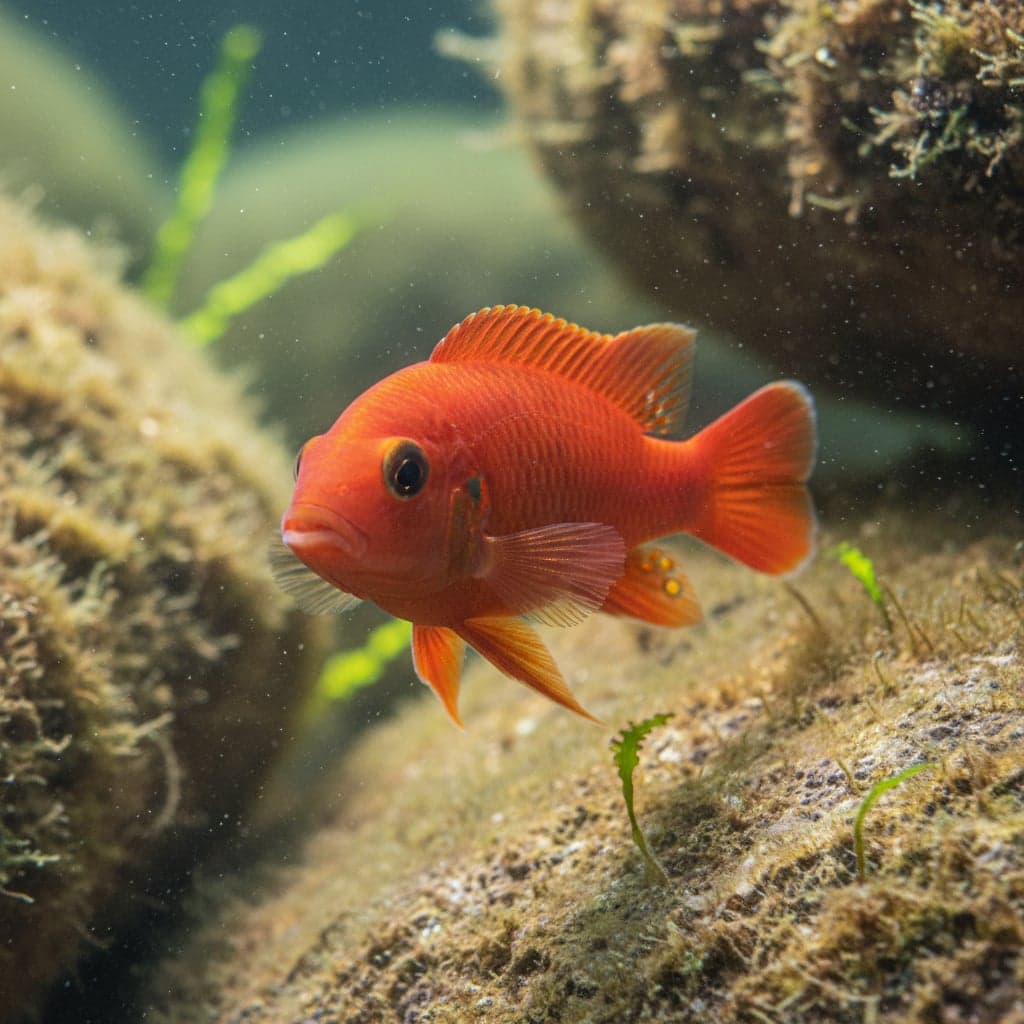
Breeding Pindani cichlids in captivity can be a rewarding experience, given the right conditions. These fish exhibit mouthbrooding behavior, where the female carries fertilized eggs in her mouth until they hatch, usually within 2 to 3 weeks. To encourage breeding, it is recommended to have a dedicated breeding setup that includes a breeding pair, which can be best identified by their size and coloration; females are generally smaller and less colorful than males.
Creating an environment conducive to breeding involves providing caves or rocky structures for the female to deposit her eggs. Ensuring optimal water conditions, including slightly higher temperature (around 78°F to 82°F) and consistent water quality, is vital during this period. Furthermore, separating the breeding pair from other tank mates can minimize stress and aggression, fostering a successful breeding environment.
Common Health Issues
Pindani cichlids can be prone to specific health issues that aquarists should be aware of, including ich (Ichthyophthirius multifiliis), fin rot, and cichlid bloat. Ich is often characterized by white spots on the fish's body and can be treated with specialized ich medications or by increasing the water temperature and adding salt to the tank. Fin rot can occur due to poor water conditions or injuries, and is treated through maintaining water quality and using antibacterial medications.
To prevent cichlid bloat, which can lead to serious health complications, it is critical to monitor their diet and avoid overfeeding high-protein foods without adequate fiber. Stable water chemistry, regular maintenance, and prompt treatment of early symptoms help keep Pindani healthy and colorful.