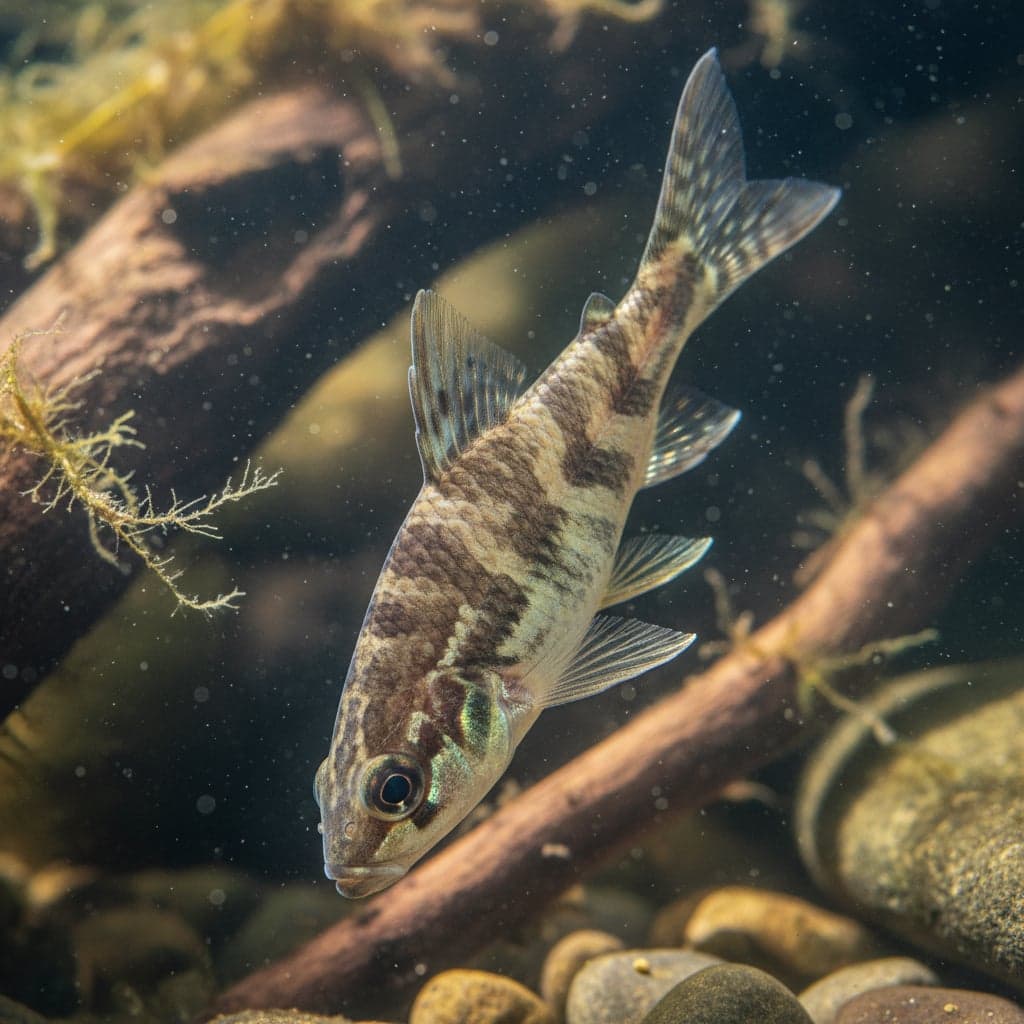
Pink-tail Chalceus: Chalceus macrolepidotus
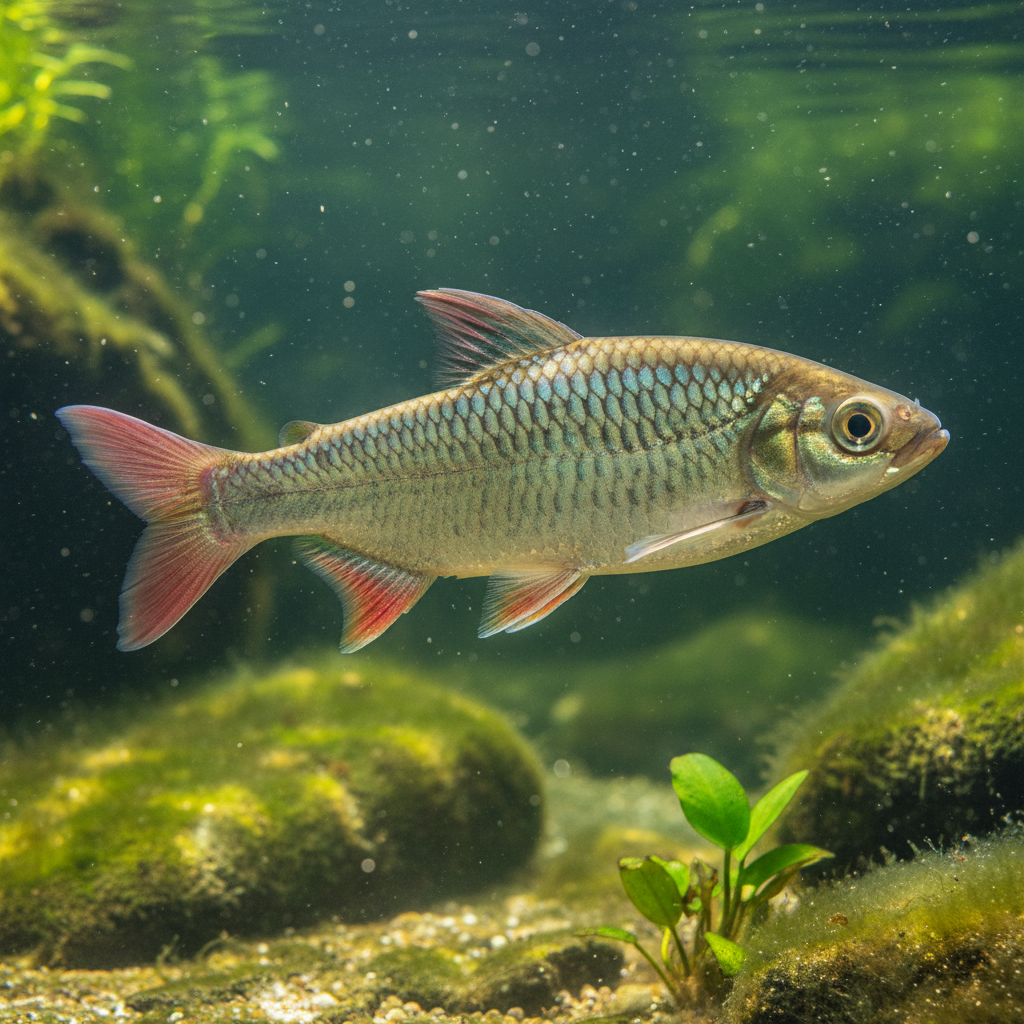
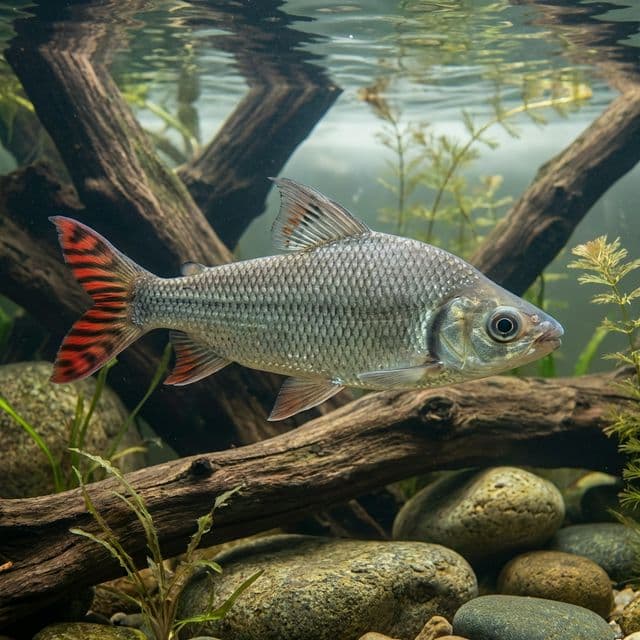
A fast, sleek, shimmering surface-dwelling predator sporting remarkably large silver scales and a bright pink tail.

Pink-tail Chalceus
The Pink-tail Chalceus (Chalceus macrolepidotus) is a strikingly beautiful freshwater fish that captures the attention of aquarists with its stunning aesthetic and engaging behavior. Characterized by its elongated body and vibrant pinkish-orange tail, this fish exhibits shimmering silver scales that reflect light, making it a focal point in any aquarium setup. With its unique coloration, the Pink-tail Chalceus not only enhances the visual appeal of a tank but also brings dynamism as it elegantly swims through the water column. This captivating species is a favorite among aquarists due to its relatively easy care and potential for long-term companionship.
Beyond its beauty, the Pink-tail Chalceus holds significant importance in the aquarium hobby. As an active and sociable fish, it showcases remarkable behavior that enhances the liveliness of community tanks. It is not only appreciated for its looks but is also regarded for its resilience and adaptability, making it a suitable choice for both novice and experienced aquarists alike. The fascination surrounding the Pink-tail Chalceus is complemented by its role in promoting the conservation of freshwater ecosystems, as responsible breeding and keeping practices can help sustain its populations in the wild.
Natural Habitat & Origin
The Pink-tail Chalceus is native to the rivers and creeks of the Amazon Basin, predominantly found in Brazil, Peru, and Colombia. This fish thrives in a variety of aquatic environments, primarily in clearwater streams and floodplains, where it resides among submerged vegetation and along the banks. Its natural habitat is characterized by soft, acidic waters, with a pH range typically between 6.0 and 7.5, and a temperature range between 24°C and 28°C (75°F to 82°F). The environmental context of its habitat often includes densely vegetated areas, which provide both cover and foraging opportunities while aiding in the upkeep of its delicate health.
In the wild, the Pink-tail Chalceus is often found in schools, darting in and out of submerged structures, which contributes to its lively demeanor. The soft, acidic waters of its Amazonian habitat influence its physical and behavioral traits, making it essential for aquarists to replicate such conditions in captivity for the wellbeing of this species. This connection to a specific ecological niche underlines the need for proper care, ensuring that these fish continue to thrive in both the wild and aquarium settings.
Care Requirements
To provide optimal care for the Pink-tail Chalceus, it is essential to maintain specific water parameters. The ideal pH range for these fish is between 6.0 and 7.5, with a temperature maintained between 24°C and 28°C (75°F to 82°F). The hardness of the water should remain low, ideally around 2 to 10 dGH, to replicate their natural habitat. The minimum tank size for a small school of Pink-tail Chalceus should be at least 150 liters (40 gallons), as they are active swimmers requiring ample space.
In terms of tank setup, consider using a sandy substrate to mimic their natural environment. Additionally, incorporating a mix of real or artificial plants alongside driftwood can create hiding spots and create a more natural feel. Lighting should be moderate, as the Pink-tail Chalceus prefers areas of shade created by plants and decorations. A well-filtered tank with good water circulation and regular water changes is crucial, as these fish are sensitive to poor water quality, which can lead to stress and health problems.
Diet & Feeding
The Pink-tail Chalceus is primarily an omnivore, making it adaptable when it comes to dietary requirements. In the wild, they feed on small insects, crustaceans, and plant matter. For a balanced diet in captivity, high-quality flakes or pellets specifically formulated for carnivorous fish should be offered as a staple. Supplementing their diet with occasional frozen or live foods, such as bloodworms, daphnia, or brine shrimp, will provide essential nutrients and help enhance their colors.
Feeding should be conducted two to three times a day, offering small amounts that can be consumed within a few minutes to prevent overfeeding and ensure optimal water quality. Rotate between different types of food to maintain their interest and nutritional balance. While the Pink-tail Chalceus is not particularly picky, consistency with varied food sources will support strong health and vitality.
Behavior & Temperament
The Pink-tail Chalceus exhibits lively and dynamic behavior, making it an exciting addition to community aquariums. They are social fish that thrive in groups, ideally in schools of at least five or more individuals, which helps reduce stress and establishes their natural schooling instincts. Known for their active swimming patterns, they prefer to occupy the middle to upper layers of the tank, where they can maneuver freely.
In terms of temperament, the Pink-tail Chalceus is generally peaceful, though they may exhibit some territorial behaviors, particularly during feeding times. They are best housed in well-planned community tanks alongside other species of similar size that match their energy levels. Although they may display minor aggression towards smaller fish, they usually coexist harmoniously with medium to large peaceful species.
Tank Mates
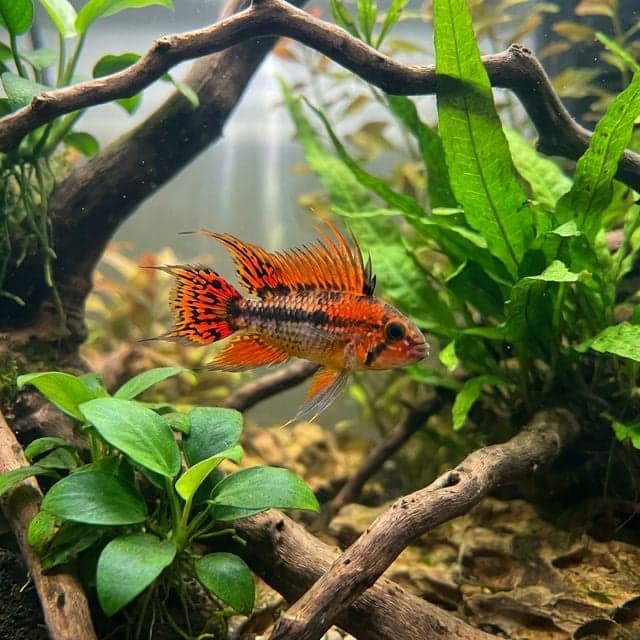
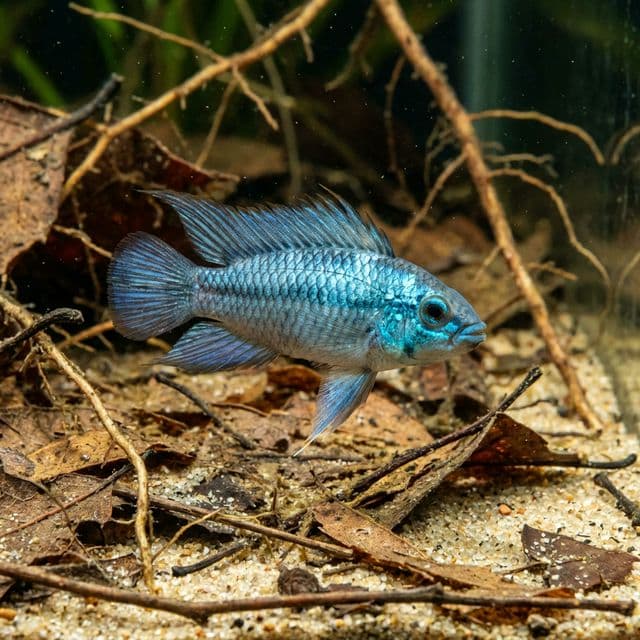
When considering tank mates for the Pink-tail Chalceus, it is essential to select species that are compatible in size and temperament. Ideal companions include larger tetras (such as the Congo Tetra), peaceful cichlids (such as the Apistogramma), and other mid to upper-level swimmers like rasboras and larger barbs. Catfish species, like the Corydoras, also make for good companions as they occupy the bottom tier of the tank.
Conversely, it is crucial to avoid keeping the Pink-tail Chalceus with overly aggressive or fin-nipping species, such as some types of cichlids or larger carnivorous fish. Smaller fish, which may be seen as prey, should also be excluded from their tank. By choosing appropriate tank mates, you will help maintain a peaceful aquatic environment for all inhabitants while showcasing the beauty of the Pink-tail Chalceus.
Breeding
Breeding Pink-tail Chalceus in captivity can be challenging but rewarding for dedicated aquarists. To encourage spawning, it is essential to mimic their natural breeding conditions, which include stable water temperatures and appropriate water chemistry. A separate breeding tank—ideally 100 liters (26 gallons) or more—should be set up with slightly acidic water (pH around 6.0) and a temperature of 26°C to 28°C (79°F to 82°F).
For spawning, provide spawning mops or fine-leaved plants where the female can lay her eggs. The Pink-tail Chalceus can be egg scatterers, and once spawning occurs, the adults should be removed to prevent them from eating the eggs. The eggs typically hatch within a few days, and fry can be fed with infusoria or finely crushed flakes until they grow large enough to accept more substantial foods. Patience and attention to detail are essential for successful breeding and raising of the young.
Common Health Issues
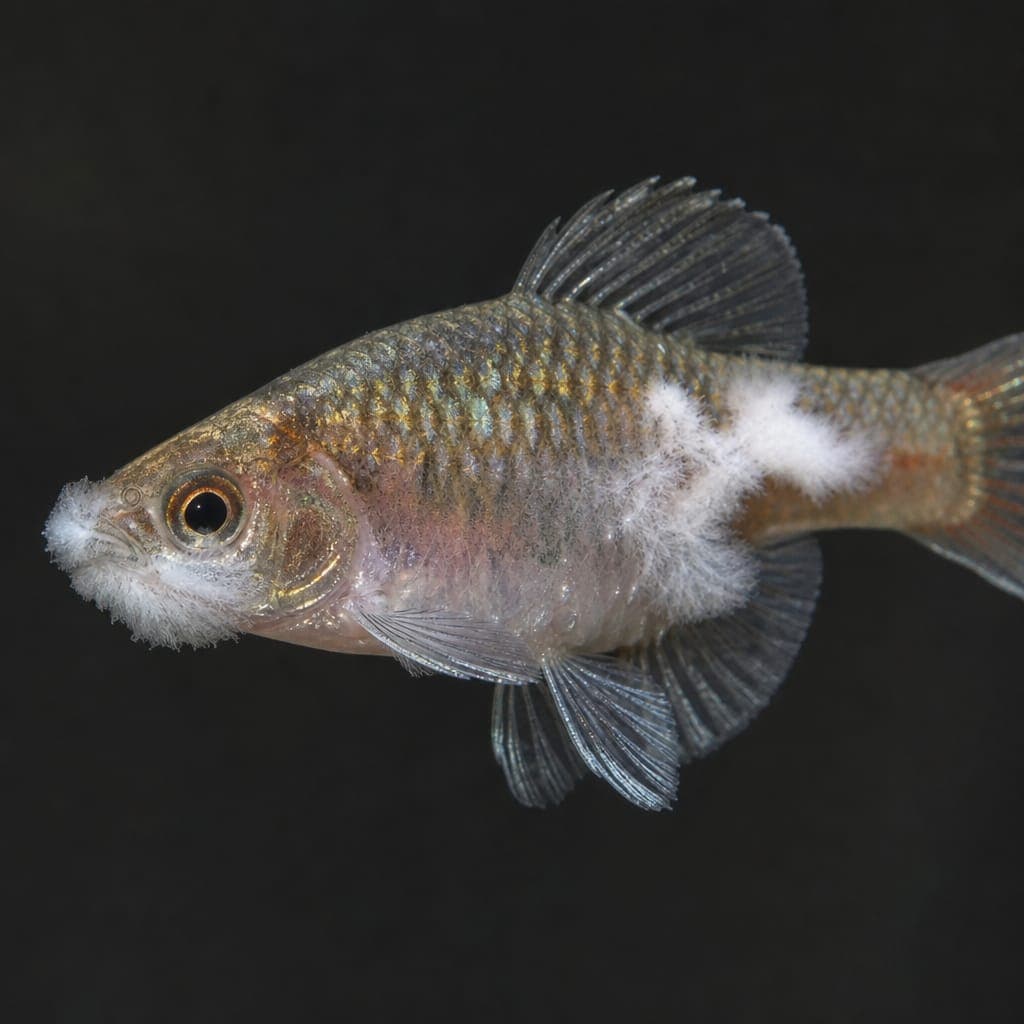
Like all fish, the Pink-tail Chalceus can be susceptible to certain health issues if not cared for properly. Common diseases include ich (Ichthyophthirius multifiliis), fungal infections, and fin rot. Maintaining excellent water quality, performing regular water changes, and ensuring proper tank maintenance are the best defenses against disease. Quarantine new arrivals, avoid overcrowding, and treat early signs of white spots or frayed fins promptly so Pink-tail Chalceus stay active and healthy.