The Platy: Xiphophorus maculatus
Compact, colorful, and peaceful. Platies are the perfect "middle ground" livebearer—hardier than guppies, smaller than swordtails.
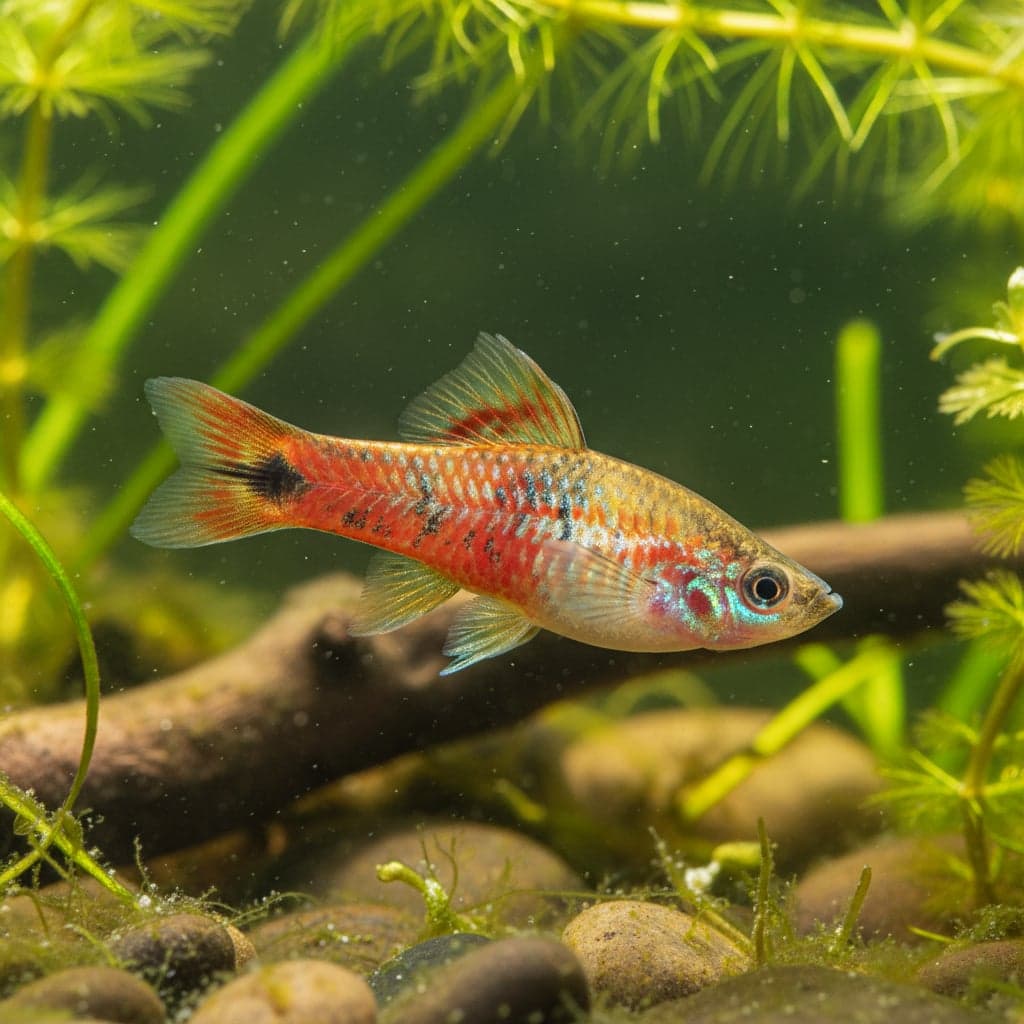
Platy
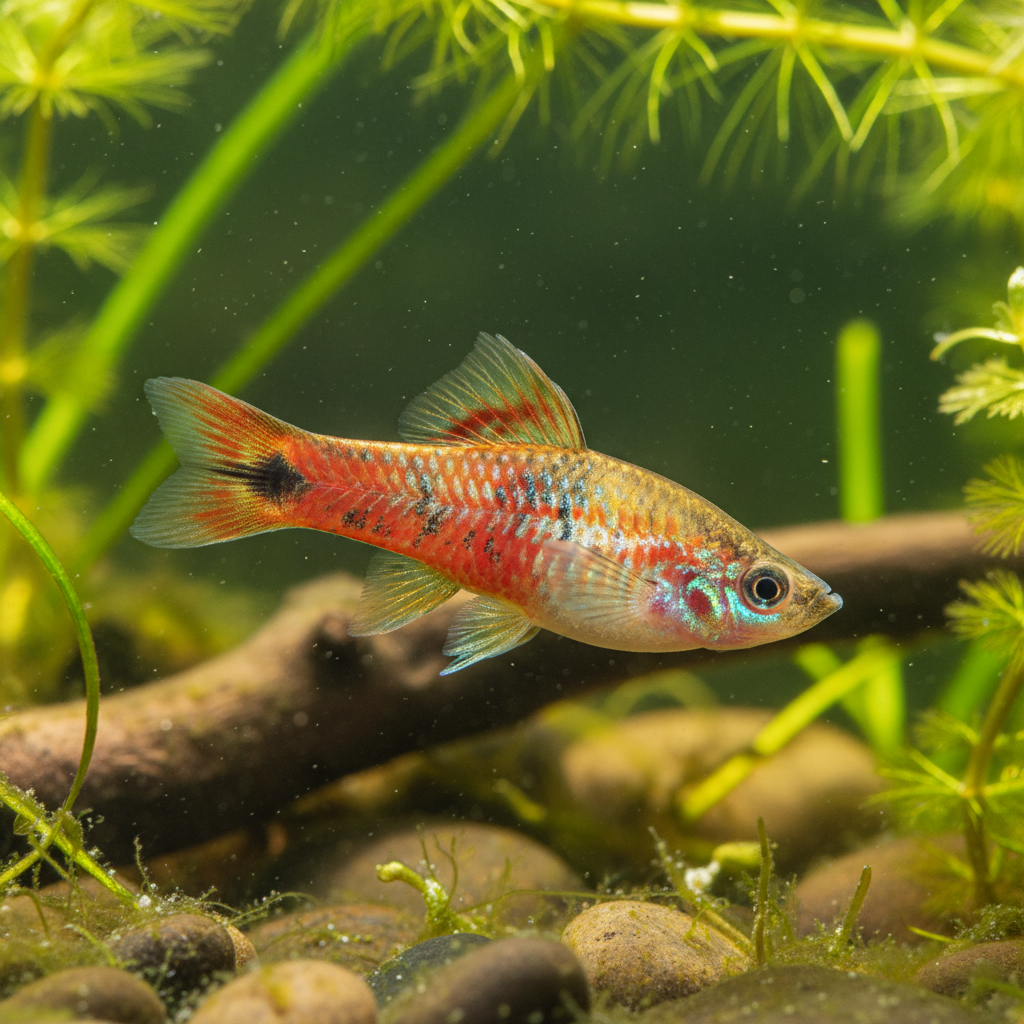
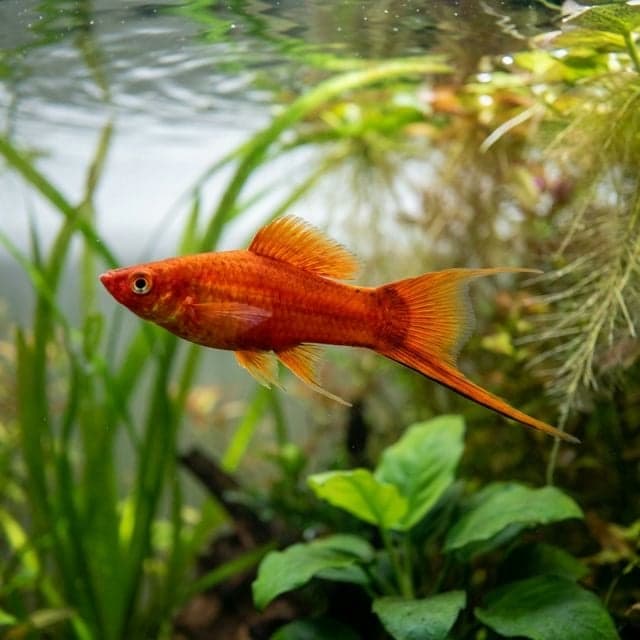
The Platy (Xiphophorus maculatus) is a beloved freshwater fish that has earned its place as a staple in the aquarium hobby. Known for its vibrant colors and varied patterns, this species showcases a spectrum of hues, including shades of red, orange, yellow, and blue, often adorned with striking spots. Their robust bodies and peaceful demeanor make them an ideal choice for both beginner aquarists and seasoned fish keepers alike. Given their hardy nature and adaptability to different water conditions, Platies thrive in various aquarium setups, ultimately contributing to their widespread popularity.
Platies are not just visually appealing; they are also significant for their role in the aquarium ecosystem. Their active swimming behavior adds liveliness to tanks, fostering an engaging environment for both fish and viewers. Moreover, their ease of care and breeding capabilities have made them an ideal choice for education in aquaculture and conservation discussions. With their friendly demeanor, Platies can create not only captivating displays but also contribute positively to community tanks, promoting harmony among various species.
Natural Habitat & Origin
Platies originate from Central America, specifically from the freshwaters of Mexico and Guatemala. These fish are often found in slow-moving rivers, lakes, and ponds rich with vegetation. Their natural habitats usually feature a combination of clear and slightly turbid waters, with abundant plant life that provides shelter and breeding grounds. The environmental context in which Platies thrive is crucial for understanding their care in aquariums; they are accustomed to varied water conditions, which enhances their robustness, making them highly adaptable to different home aquarium setups.
Their native environments are characterized by warm waters with temperatures typically ranging from 22°C to 28°C (72°F to 82°F) and a pH ranging from 6.8 to 8.5. The presence of natural vegetation, substrate types, and water chemistry all contribute to their comfort and well-being. Replicating these conditions in captivity is key to keeping them healthy and vibrant.
Care Requirements
When setting up an aquarium for Platies, various water parameters should be closely monitored to ensure their well-being. The ideal pH level for a Platy tank should be between 6.8 and 8.5, with a temperature range of 22°C to 28°C (72°F to 82°F). A hardness level of 10 to 28 dGH is also optimal for their health. A minimum tank size of 20 gallons is recommended due to their active nature, allowing enough space for swimming and social interactions.
The tank setup should include a soft substrate such as gravel or sand, which is gentle on their bodies and allows for easy planting of aquatic vegetation. Good lighting is important, as Platies do well in tanks with moderate light, promoting healthy plant growth while providing a visually stimulating environment. Live plants such as Java fern, Anubias, and Hornwort not only enhance the aesthetic appeal of the aquarium but also provide hiding spots and breeding areas for the fish.
Diet & Feeding
Platies are omnivorous fish, meaning they thrive on a varied diet that encompasses both plant and animal matter. Their diet can include high-quality flake foods, algae wafers, and sinking pellets formulated specifically for tropical fish. It's essential to provide frozen or live foods occasionally, such as brine shrimp, daphnia, or bloodworms, which can enhance their color and promote optimal growth. Feeding them a balanced diet will not only ensure their health and longevity but will also support their vibrant coloration and energy levels.
To keep them healthy, it is advised to feed them small portions a few times a day rather than providing a large meal once a day. This mimics their natural grazing behavior and prevents overeating, which can lead to health issues. Variety is key; rotating their diet with different food types will keep them engaged and satisfied.
Behavior & Temperament
Platies are known for their peaceful and social nature, making them an excellent addition to community tanks. They thrive in groups, ideally in schools of five or more, which helps reduce stress and encourages natural behaviors. While generally non-aggressive, males can sometimes display territoriality, especially during breeding seasons; thus, it's essential to maintain a balanced male-to-female ratio to minimize aggressive interactions.
These fish predominantly occupy mid to upper levels of the tank. While they are active swimmers, they do appreciate having ample space to explore and hide among plants and decorations. Keeping them in a well-stocked tank with plenty of vertical and horizontal swimming space will ensure a lively and engaging environment.
Tank Mates
Platies are compatible with a wide range of tank mates due to their peaceful temperament. Ideal companions include:
- Guppies
- Neon Tetras
- Corydoras Catfish
- Rainbowfish
- Mollies
It's best to avoid keeping Platies with aggressive species or larger fish that may see them as prey. Such species to avoid include:
- Cichlids (especially those known for territorial behavior)
- Larger barbs
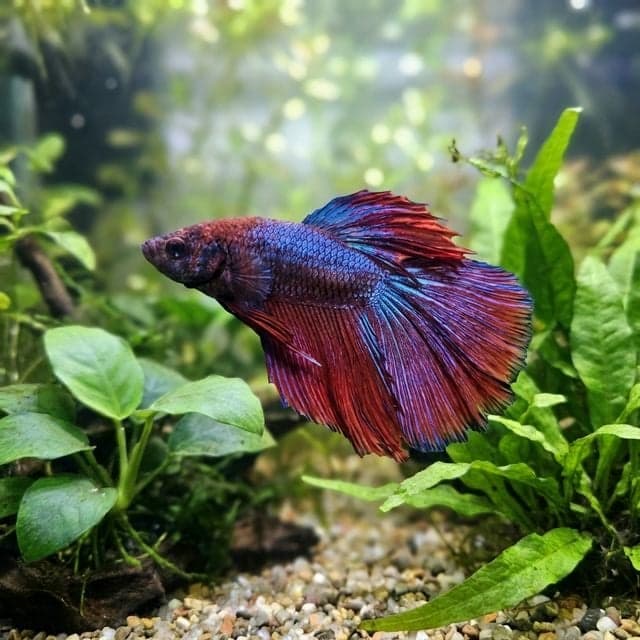
- Betta fish
Creating a harmonious community tank is essential for the health and happiness of all inhabitants.
Breeding
Breeding Platies is relatively straightforward, as they are livebearers, meaning they give birth to free-swimming young rather than laying eggs. To encourage spawning, ensure that both males and females are present in the tank and that the water quality is optimal, with stable parameters. Platies typically exhibit courtship behavior through chasing and displaying to one another, particularly during mating activities.
Providing plenty of hiding spots and plants is crucial, as the young fry will need shelter from potential predation, including from their parents. After about 28 days of gestation, females will give birth to 20 to 50 fry at a time, depending on their size and health. Offering infusoria, finely crushed flakes, or specialized fry food will ensure the survival and healthy development of the young Platies.
Common Health Issues
While Platies are generally hardy, they can still be prone to certain health issues. Common diseases include:
- Ich (white spot disease)
- Fin rot
- Velvet disease
Preventative measures include maintaining high water quality, performing regular water changes, and ensuring a balanced diet. Quarantining new tank additions before introducing them into the main tank can also reduce the risk of disease transmission. Regular observation for any signs of distress or illness is crucial in providing timely treatment and ensuring the long-term health of Platies in your aquarium.