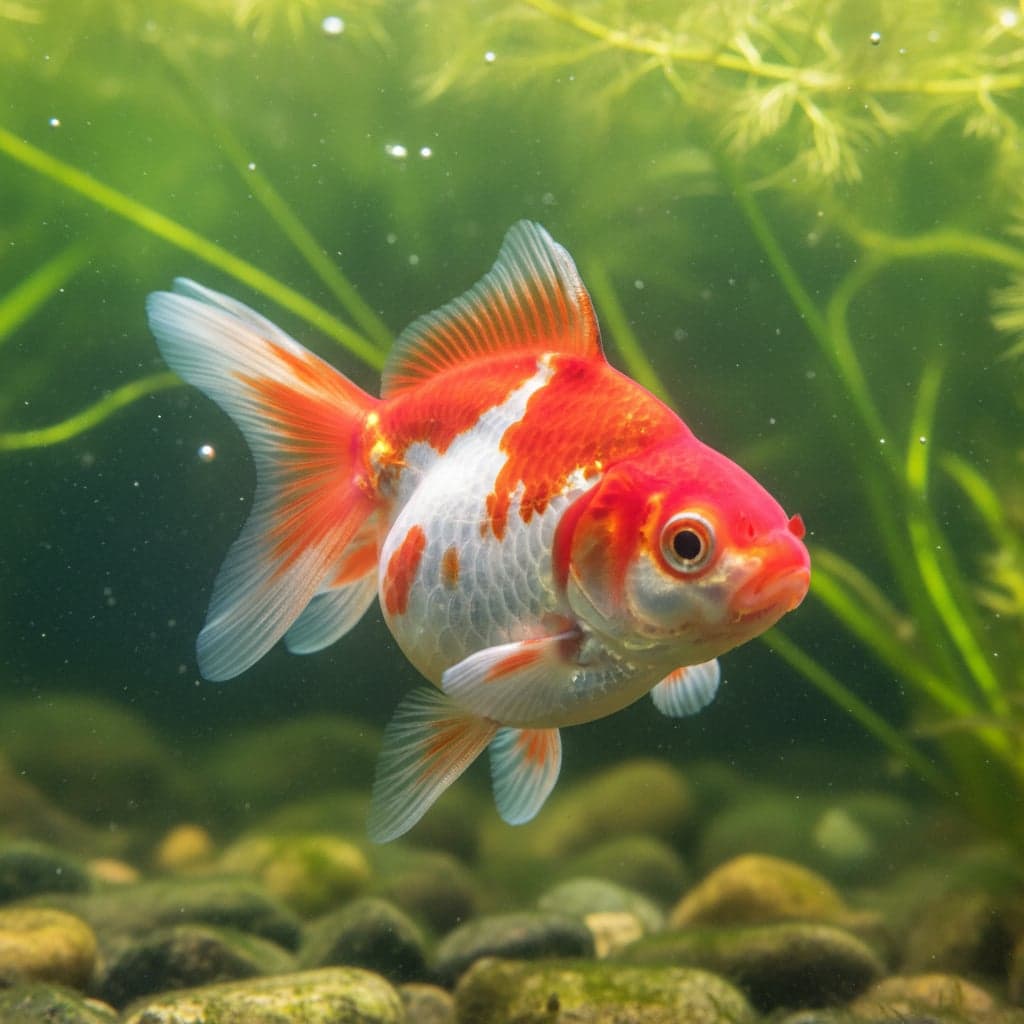
Carassius auratus 'Pompom': Pompom Goldfish
A deeply unique fancy goldfish identifiable by the massive, fleshy nasal bouquets bursting from between its eyes.
Carassius auratus 'Pompom'
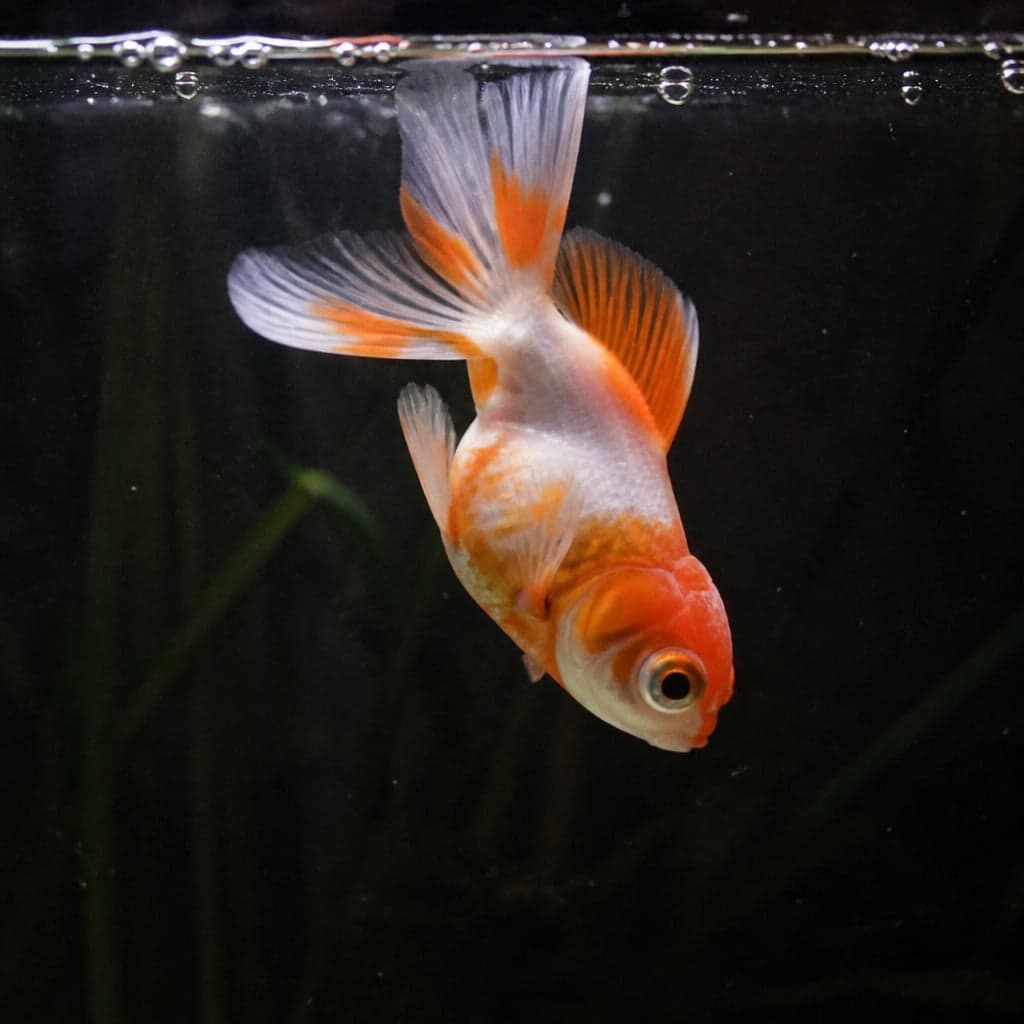
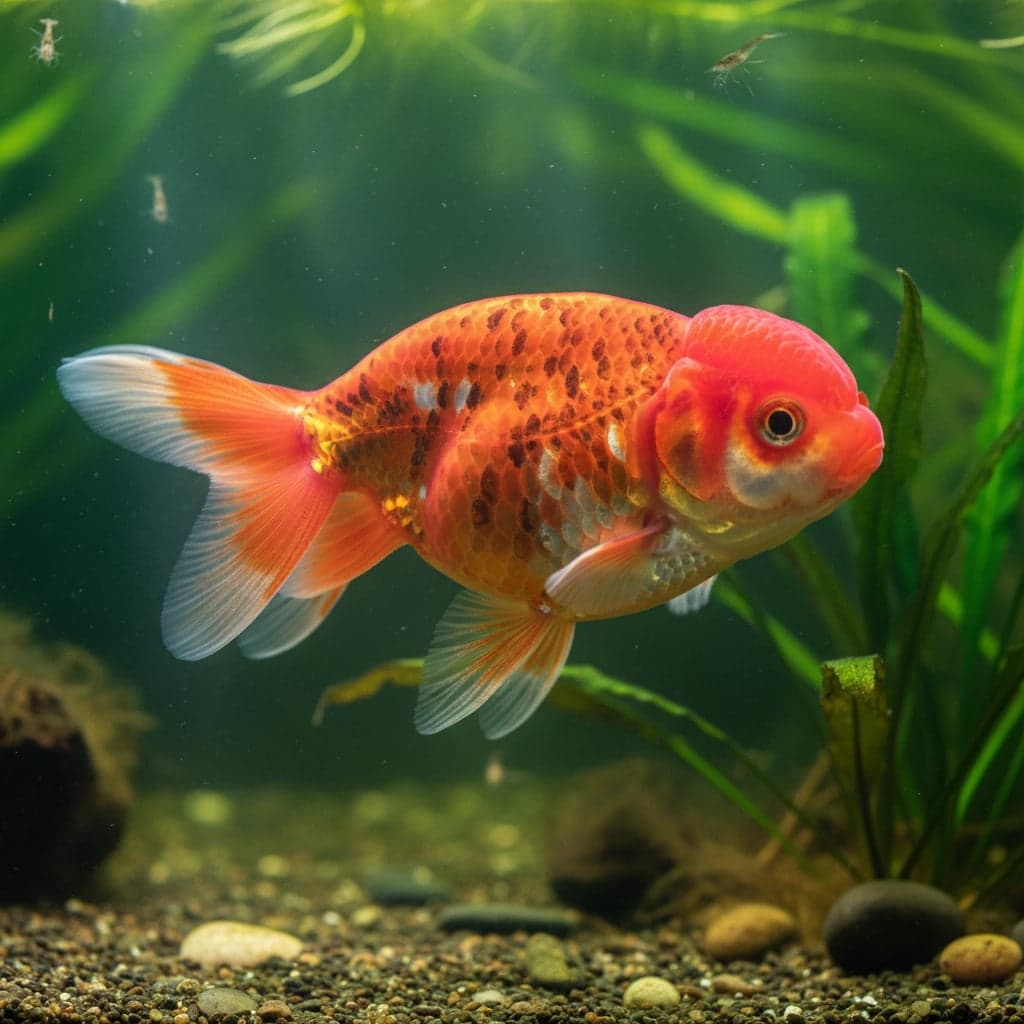
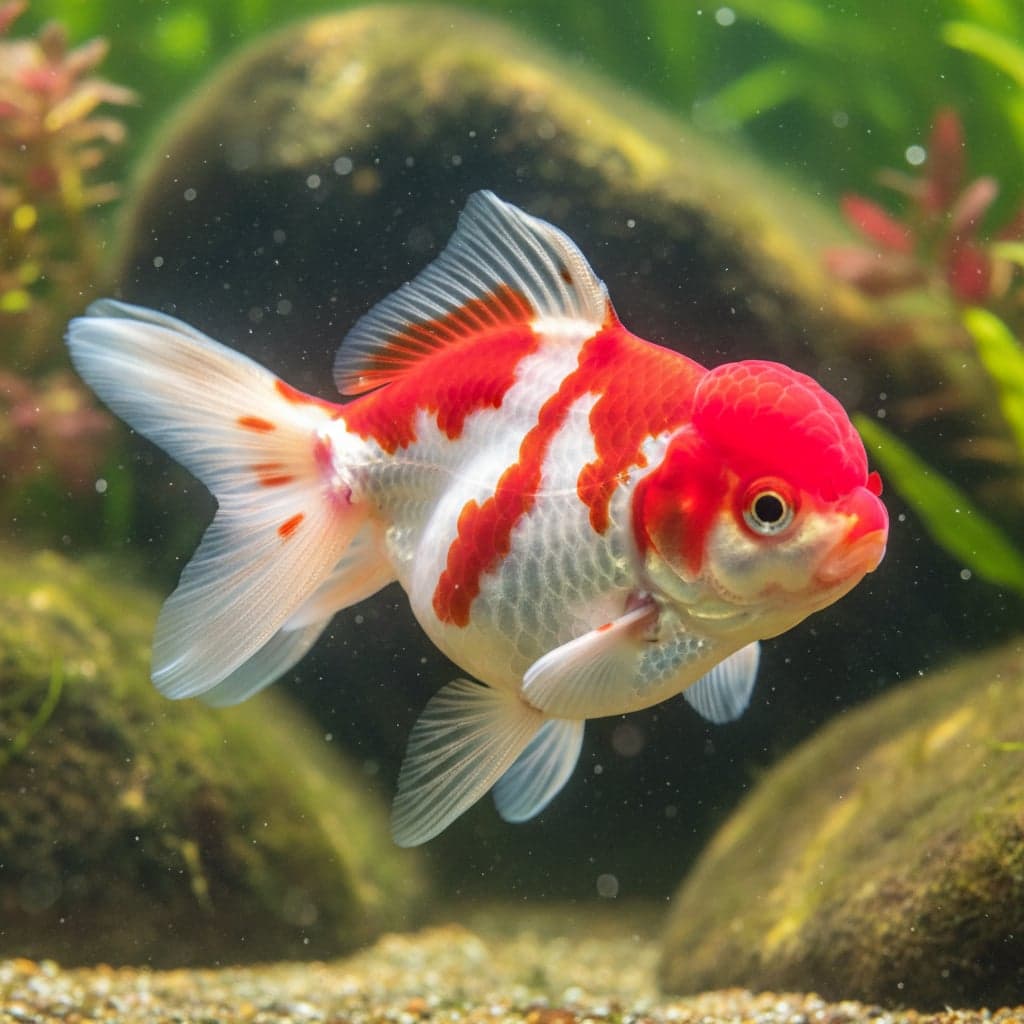
The Carassius auratus 'Pompom', commonly known as the Pompom Goldfish, is a striking ornamental variety of the goldfish that has captivated aquarists since its inception. Distinguished by its unique appearance featuring fleshy growths or "pompoms" on either side of its head, this fish presents a whimsical and charming addition to any aquarium. These fleshy outgrowths give the Pompom Goldfish a distinctive appearance, making it a favorite among enthusiasts who are drawn to its unique morphology and vibrant colors. Typically available in hues of orange, red, and yellow, the Pompom Goldfish not only embodies the elegance of goldfish varieties but also introduces an element of individuality that adds character to aquatic displays.
In the aquarium hobby, the Carassius auratus 'Pompom' holds significant cultural value, particularly in Asia, where goldfish have historically symbolized wealth and prosperity. The Pompom variant adds a touch of exotic flair and allure, elevating it to a coveted status among collectors and hobbyists alike. Its resilience and adaptability to various aquatic environments make it an accessible choice for beginners, while its unique aesthetic qualities appeal to seasoned aquarists looking to diversify their collections. Understanding the care requirements, social behavior, and compatibility of this unique goldfish will ensure a thriving aquarium environment that highlights its beauty.
Natural Habitat & Origin
The Pompom Goldfish, like its relatives, is a domesticated form of the common goldfish, which traces its roots back to ancient China. Originally bred from wild carp species, the Pompom Goldfish does not have a specific natural habitat as it is cultivated in artificial settings. However, it is essential to understand that, historically, goldfish were found in freshwater environments such as rivers, lakes, and ponds, where they thrived in slow-moving or stagnant waters rich in vegetation. Due to their domestication, Pompom Goldfish are now primarily found in aquaculture practices and aquarium settings around the world, serving as ornamental fish rather than inhabiting a specific natural landscape.
In captivity, the Pompom Goldfish requires clean, well-maintained freshwater to thrive. While they can adapt to a variety of conditions, they prefer water that is somewhat soft to moderately hard, with a slightly acidic to neutral pH range. Good filtration and stable water parameters help mimic the environmental conditions conducive to their health, fostering vibrant colors and lively behaviors that enhance their visual appeal in the aquarium.
Care Requirements
Caring for the Carassius auratus 'Pompom' involves maintaining optimal water parameters, which are crucial for their health. The ideal pH range for these fish is between 6.5 to 7.5, with a water temperature maintained between 65°F to 75°F (18°C to 24°C). Additionally, the hardness of the water should range from 4 to 20 dGH, as this supports their physiological needs. The Pompom Goldfish, like all goldfish, produces a substantial amount of waste, making efficient filtration systems vital to maintaining clean water and preventing the detrimental buildup of toxins.
When setting up a tank for your Pompom Goldfish, a minimum aquarium size of 20 gallons is recommended for adequate swimming space, as these fish can grow quite large. Visual appeal can be enhanced with a sandy or fine gravel substrate, ensuring easy cleaning and allowing for natural behaviors. It is advisable to include live plants such as java fern, anubias, or hornwort, which can help maintain water quality and provide hiding spots. While goldfish require bright lighting to highlight their colors, it is essential to avoid excessive brightness, as this can stress the fish. A balanced lighting schedule (about 8-10 hours per day) aids in mimicking their natural environment.
Diet & Feeding
Carassius auratus 'Pompom' is an omnivorous species with a diverse diet, which is crucial for its health and vitality. A balanced diet for the Pompom Goldfish should include high-quality flakes or pellets designed for goldfish, as these provide essential vitamins and minerals. Supplementing their diet with blanched vegetables such as peas, zucchini, or spinach can also enhance their nutrition and encourage natural foraging behaviors. In addition, offering frozen or live foods like bloodworms or daphnia can contribute to their growth and coloration, making meals more engaging.
When feeding Pompom Goldfish, it is crucial to adhere to a schedule that eschews overfeeding, which is common among goldfish owners due to their eager appetites. It is recommended to provide small portions that can be consumed within a few minutes, twice daily. Regularly monitoring their dietary intake will help prevent common issues such as swim bladder disease, a frequent concern that can arise if they consume too much food at one time.
Behavior & Temperament
The Pompom Goldfish exhibits a sociable temperament that generally makes them suitable for community tanks. These fish are best kept in groups of at least three to four, as they thrive on social interactions that play a significant role in their overall well-being. Though they are typically peaceful, they can display some assertive behaviors when establishing territories or during feeding times, but they are not known for aggression. They tend to occupy various vertical levels in the aquarium, often swimming mid-water with occasional bottom-dwelling behavior when foraging or resting.
In terms of schooling, while the Pompom Goldfish does not require companions to feel secure, it benefits from the company of their own kind. This can reduce stress and promote natural behaviors, creating a more dynamic environment. Providing ample space for roaming and establishing territories can help mitigate any minor territorial disputes that may arise in a crowded tank.
Tank Mates
When selecting tank mates for the Carassius auratus 'Pompom', it is essential to choose species that can coexist harmoniously without posing a threat to one another. Ideal companions include larger, non-aggressive fish such as Corydoras catfish, certain types of platys, and various types of peaceful barbs. Other goldfish varieties, including the Ranchu or Oranda, can also be compatible, provided the tank is spacious enough to reduce competition for resources.
While many species might seem suitable, it is crucial to avoid smaller, fin-nipping fish, such as bettas or some tetras, as these can be both a source of stress and injury for the Pompom Goldfish. Additionally, aggressive species like cichlids should be kept out of the aquarium, as they may pose a danger to the Pompom Goldfish. Overall, fostering a peaceful community tank with appropriate species will enhance the health and beauty of the Pompom Goldfish.
Breeding
Breeding the Carassius auratus 'Pompom' in captivity can be a rewarding experience for aquarists willing to provide the right conditions. Pompom Goldfish typically spawn in the spring when water temperatures rise, as this triggers their natural breeding behaviors. To encourage spawning, it is advisable to set up a separate breeding tank, emphasizing a larger volume that provides ample space for activities and hiding spots with breathable spawning mats or fine-leaved plants.
During the breeding process, males will exhibit chasing behavior toward females, prompting them to release eggs. The ideal water parameters for breeding include a temperature near the warmer end of their usual range, with clean, well-oxygenated water. After spawning, remove the adults so they do not eat the adhesive eggs. Eggs typically hatch within a few days; once free-swimming, fry accept finely crushed flakes or specialized fry food.
Common Health Issues
Pompom Goldfish are susceptible to swim bladder disorder, ich, and fin rot, often linked to overfeeding or poor water quality. Feed sinking foods in modest portions, keep filtration strong, and quarantine new arrivals. Prompt attention to clamped fins, spots, or buoyancy problems helps these fancy goldfish stay healthy.