Porcupine Pufferfish
A 45cm puffer with real intelligence and real teeth. Needs 900L+, hard- shelled food to grind its beak, and no invertebrates whatsoever.
Porcupine Pufferfish
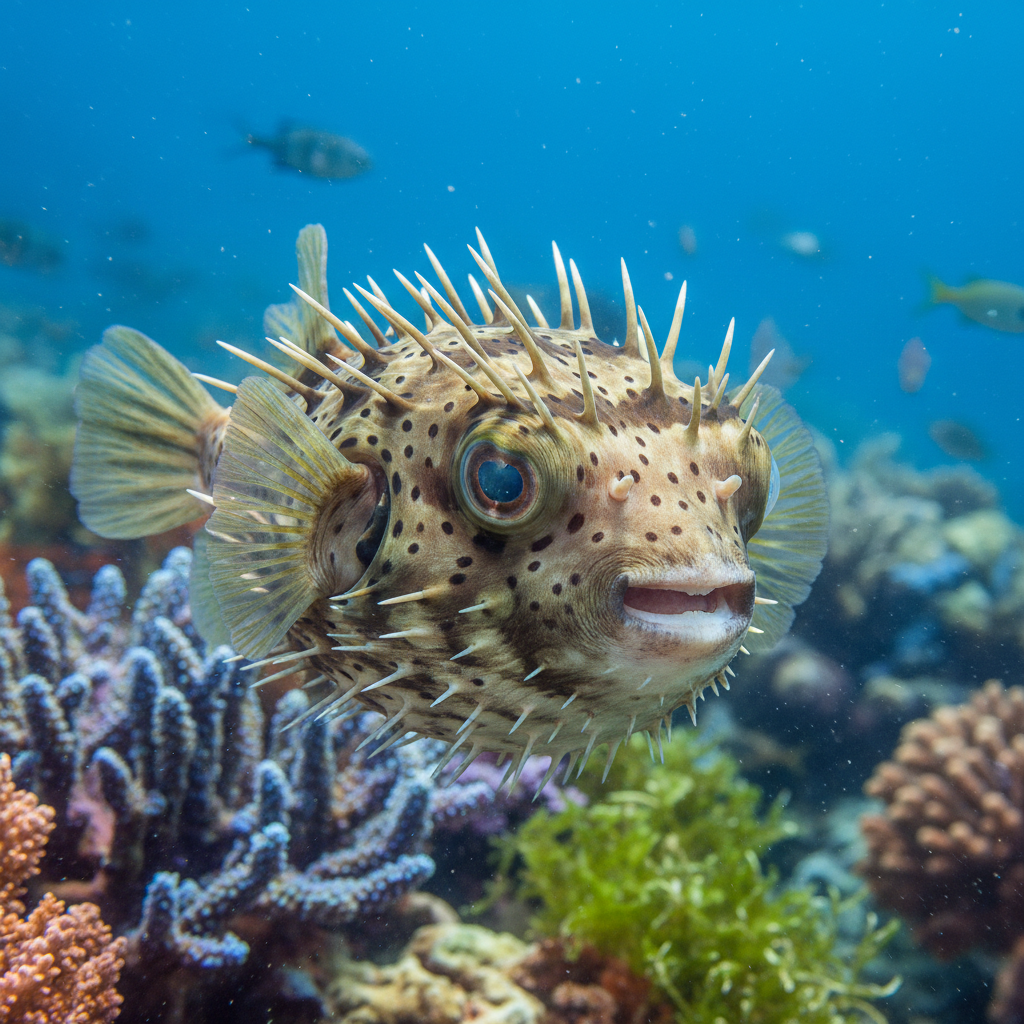
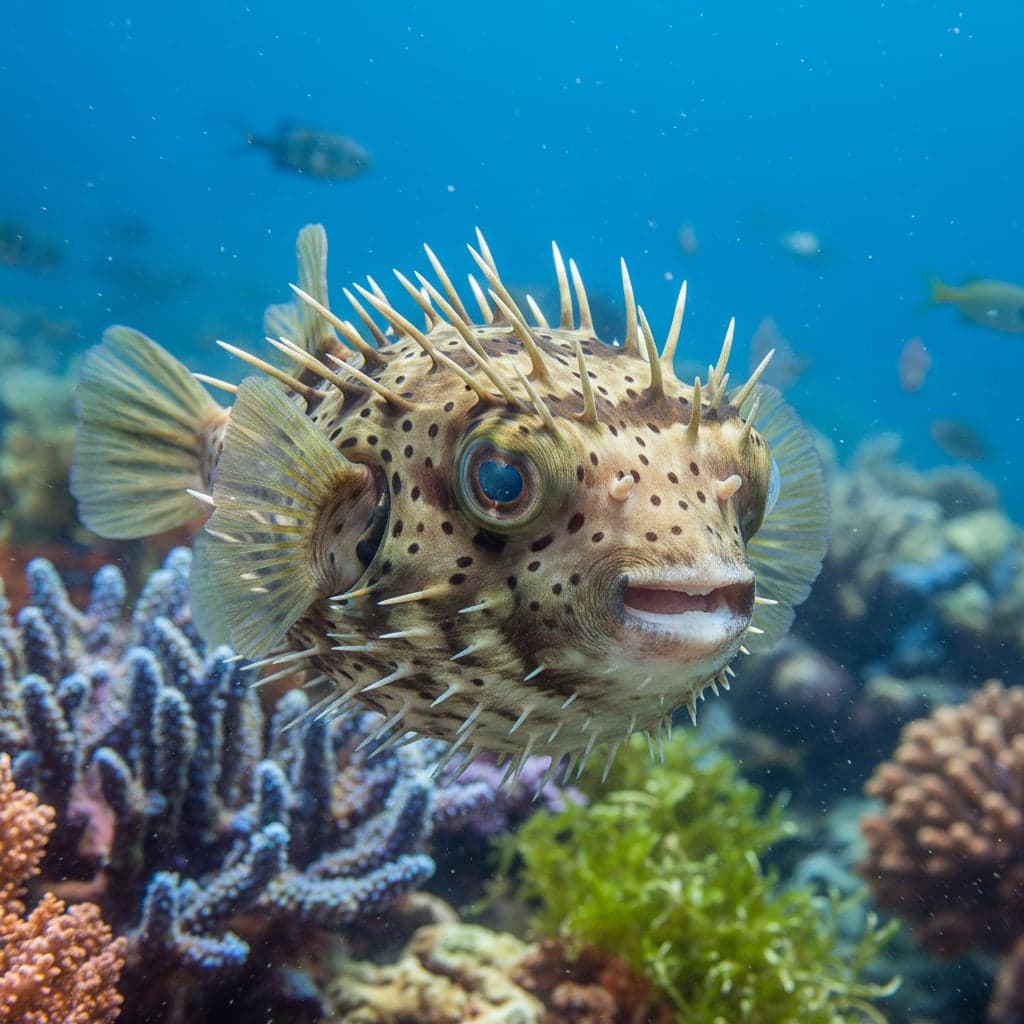
The Porcupine Pufferfish, scientifically known as Diodon holocanthus, is a captivating species that brings an incredible visual appeal to both freshwater and marine aquariums. Recognized by its unique body shape and spiky, elongated spikes, this fish features a remarkable camouflaging ability with a palatable assortment of colors ranging from olive to brownish hues, accented with random spots and patterns. When threatened, the Porcupine Pufferfish can inflate itself significantly, showcasing its impressive spikes as a defense mechanism. This distinctive appearance has made it a popular choice among aquarists looking to add an exotic touch to their tanks.
In the aquarium hobby, the Porcupine Pufferfish is not only esteemed for its fascinating looks but also for its lively and interactive personality. Often deemed a "marine puppy," this fish exhibits curious behaviors and enjoys engaging with its surroundings, making it a joy to observe. However, it is essential to note that potential owners must be aware of its specific care requirements and compatibility when considering the Porcupine Pufferfish for their aquariums. This fish serves as a perfect example of the delicate balance between beauty and responsibility that exists within the aquarist community.
Natural Habitat & Origin
The Porcupine Pufferfish primarily inhabits warm tropical waters, predominantly found in the shallow coastal regions of the Indo-Pacific, extending from East Africa to Polynesia and the Red Sea. These fish prefer to reside in rocky reefs, coral settings, and lagoons, where they can seek refuge among crevices and monitor their environment for food. The natural waters inhabited by the Porcupine Pufferfish are typically clear, with adequate levels of salinity and diverse marine life. Understanding their native habitat is crucial for recreating an appropriate environment in captivity.
Care Requirements
To successfully care for the Porcupine Pufferfish, aquarium owners must provide specific water parameters to promote a healthy and thriving environment. The ideal pH level should be maintained between 8.0 to 8.4, with temperatures ranging from 75°F to 82°F (24°C to 28°C). Additionally, moderate to high water hardness between 10° to 30° dGH is ideal for this species. When setting up a tank for a Porcupine Pufferfish, a minimum tank size of 900 litres (240 gallons) is recommended for this 45cm fish, which needs serious swimming room and volume to dilute the heavy bioload.
For optimal tank setup, the substrate should mimic its natural environment, using sand or fine-gravel to avoid any injury to its sensitive body. Moreover, providing ample hiding spots, such as caves created from rocks or other decorations, is crucial for the Porcupine Pufferfish's sense of security. Ambient lighting should be moderate to replicate the natural underwater conditions, accompanied by some live plants to enhance its habitat and contribute to the well-being of the fish.
Diet & Feeding
Porcupine Pufferfish are primarily carnivorous, with a diet that encompasses a variety of marine organisms. Consequently, offering a well-rounded diet is essential for their health and longevity. It is crucial to feed them high-quality pellets designed for carnivorous fish, along with flakes that feature meaty ingredients. Moreover, incorporating frozen foods like shrimp, squid, clams, and other seafood will ensure they receive the necessary nutrients. Occasionally, live food can enhance excitement during feeding time; however, it should not be the staple of their diet. Overall, providing a diversified diet will support the Porcupine Pufferfish’s growth and vitality.
Behavior & Temperament
The Porcupine Pufferfish exhibits a semi-aggressive temperament marked by their curious nature. These fish are known to be inquisitive and display an entertaining behavioral pattern, often exploring their aquarium surroundings. While they are not typically shoaling fish, they can coexist with similarly sized non-aggressive tank mates. However, it is important to monitor interactions closely, as they can exhibit territorial behavior during breeding or if they feel threatened. Generally, Porcupine Pufferfish prefer the middle to lower zones of the tank, which makes placing them strategically an essential aspect of tank setup and design.
Tank Mates
When selecting tank mates for the Porcupine Pufferfish, it is critical to ensure compatibility to avoid aggression and stress. Suitable tank mates include larger species that can hold their own, such as certain species of snappers (e.g., Dog Tooth Snapper), groupers, and large tangs. Additionally, some types of triggerfish and wrasses may coexist peacefully. However, it is vital to avoid smaller, delicate species as potential tank mates, as the Porcupine Puffer will see them as prey. Moreover, be cautious about housing them with other puffers due to their potentially territorial nature.
Breeding
Breeding the Porcupine Pufferfish in captivity can be a challenging endeavor, as it requires specific conditions that are often difficult to replicate outside of their natural habitat. Typically, these fish display spawning behavior where females release eggs, while males fertilize them externally in open water. For successful breeding conditions, the aquarium must feature pristine water quality, appropriate tank setup, and suitable food sources to encourage breeding activities. However, due to the complexities involved and the fact that potential offspring require specific rearing conditions, breeding generally remains uncommonly achieved in home aquaria.
Common Health Issues
Porcupine Pufferfish are generally hardy but can be susceptible to certain health issues if not properly cared for. Common ailments include parasitic infections, such as Ich (Ichthyophthirius multifiliis), and bacterial infections leading to fin rot and body lesions. It is crucial to maintain optimal water quality and nutrition as preventative measures against these diseases. Quarantine procedures should be employed for newly introduced fish to reduce the risk of transmission. Additionally, regular check-ups and monitoring fish behavior will aid in prompt identification and treatment of any arising health concerns. Proper care, diet, and environment can significantly mitigate the risk of disease in Porcupine Pufferfish.