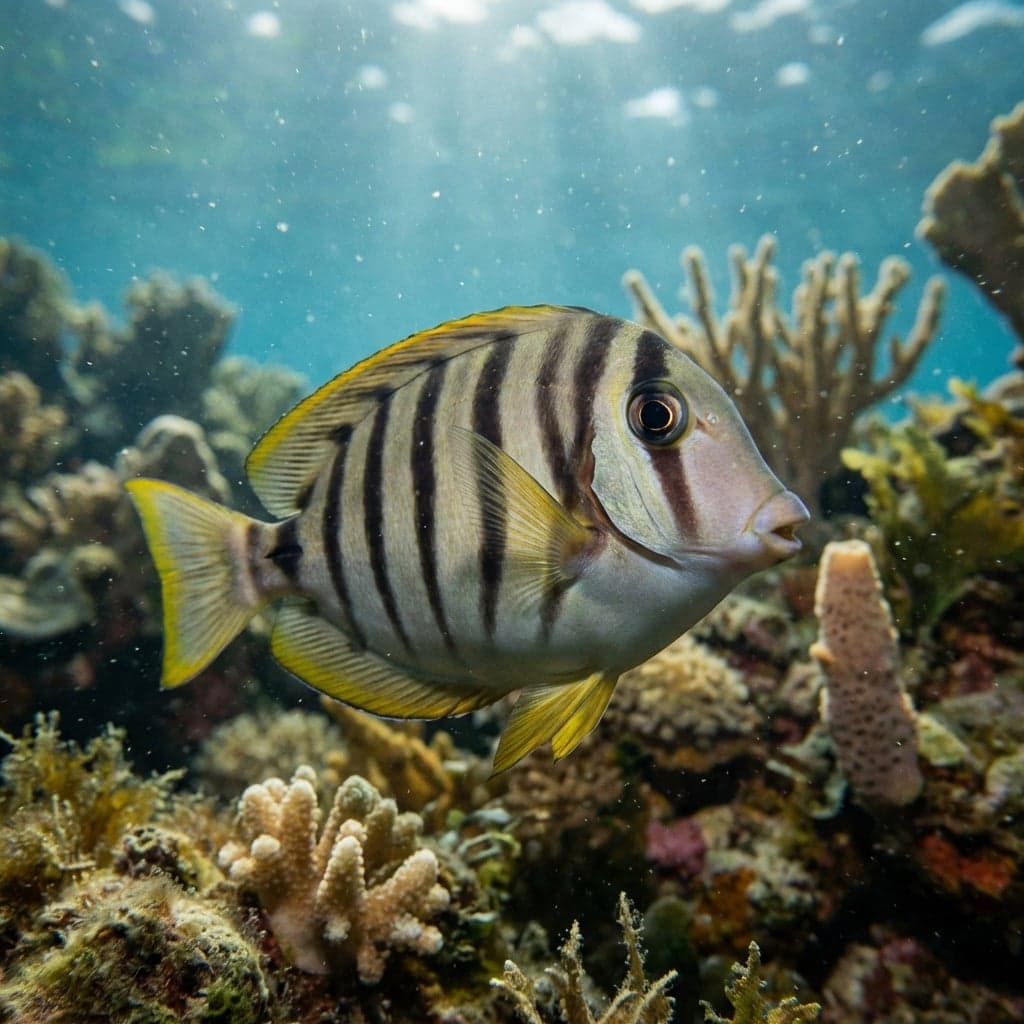
Powder Brown Tang
A 21cm tang with a poor shipping record and a strong tendency to ich. Needs 700L+, quarantine, and a keeper who can wait it out.
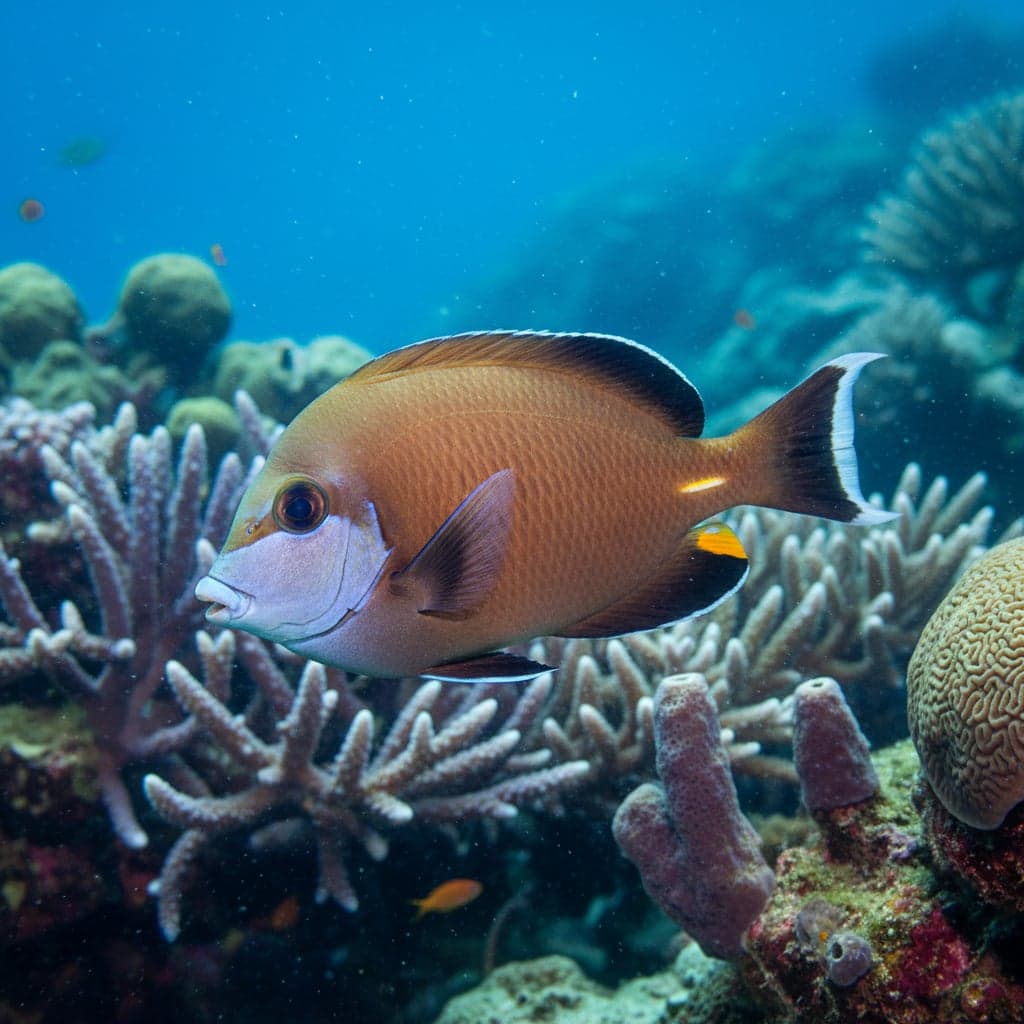
Powder Brown Tang
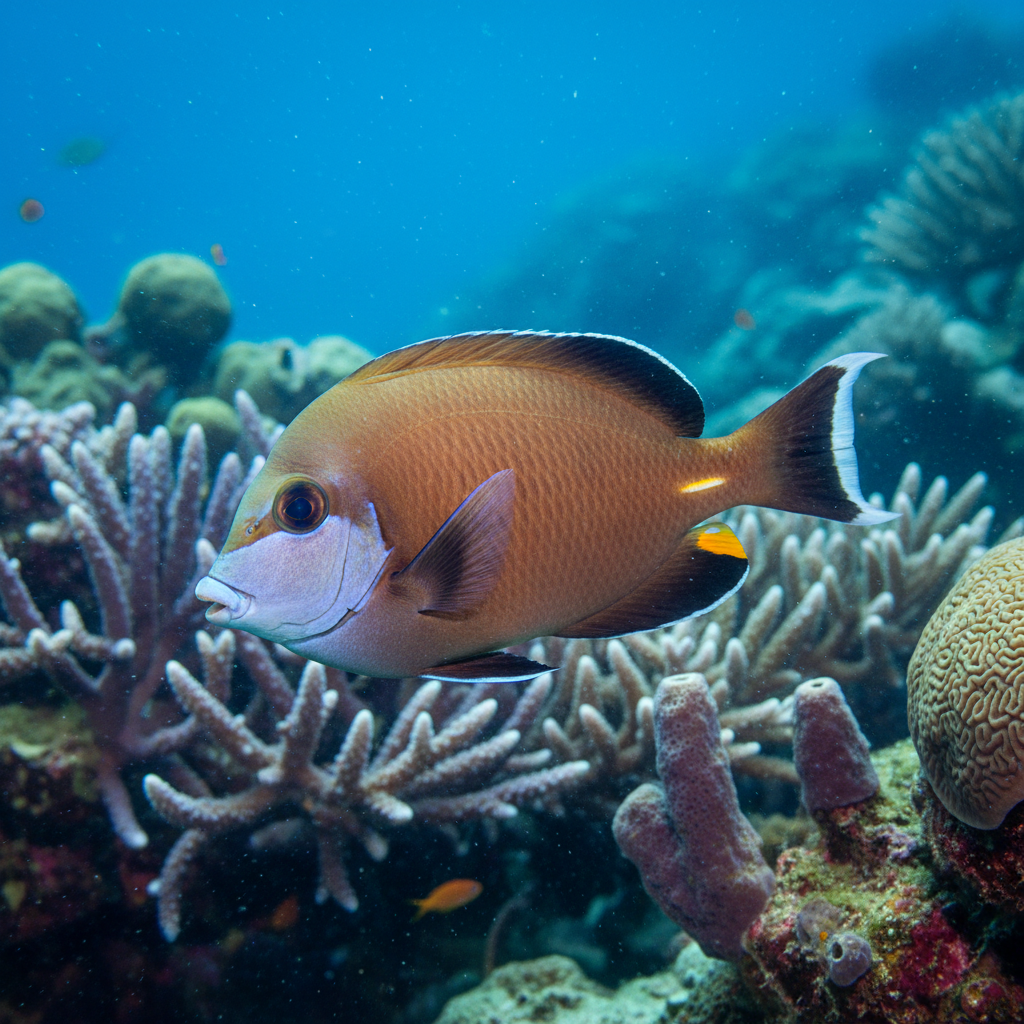
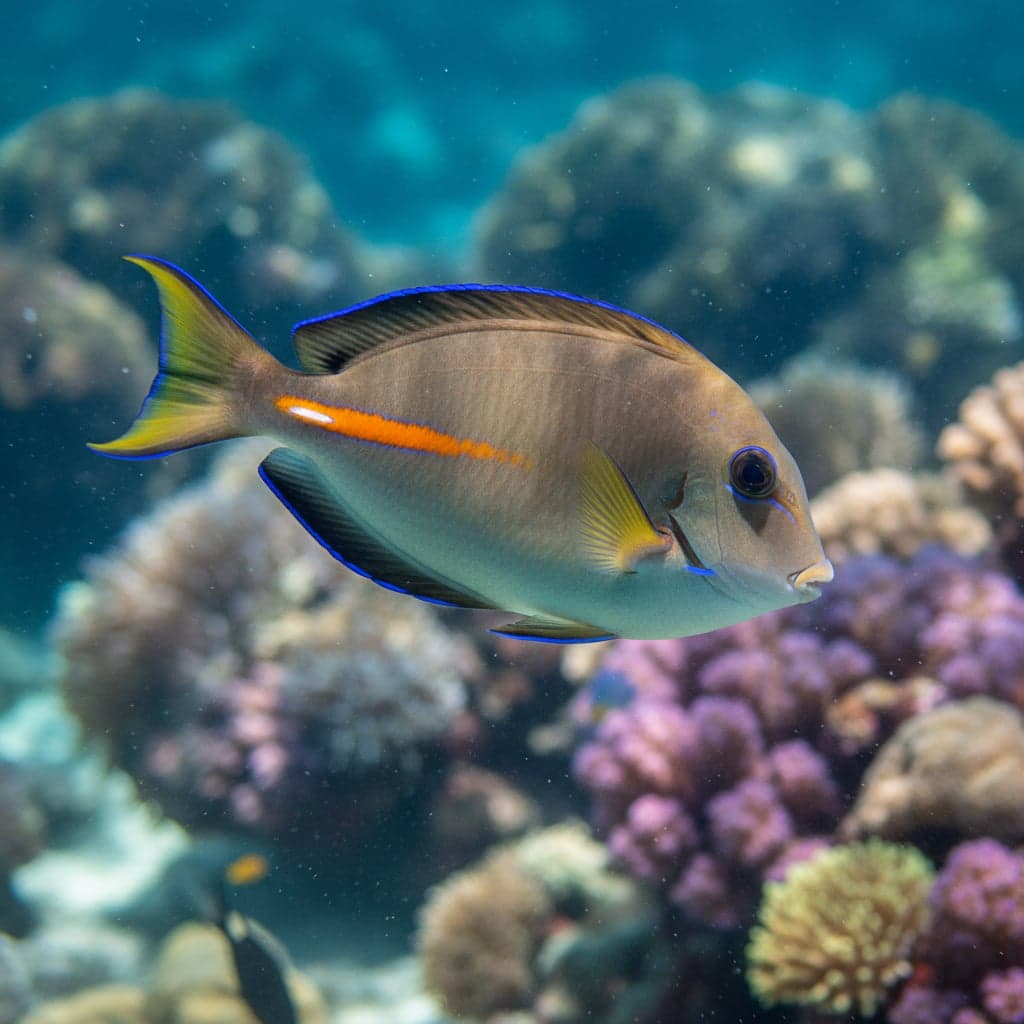
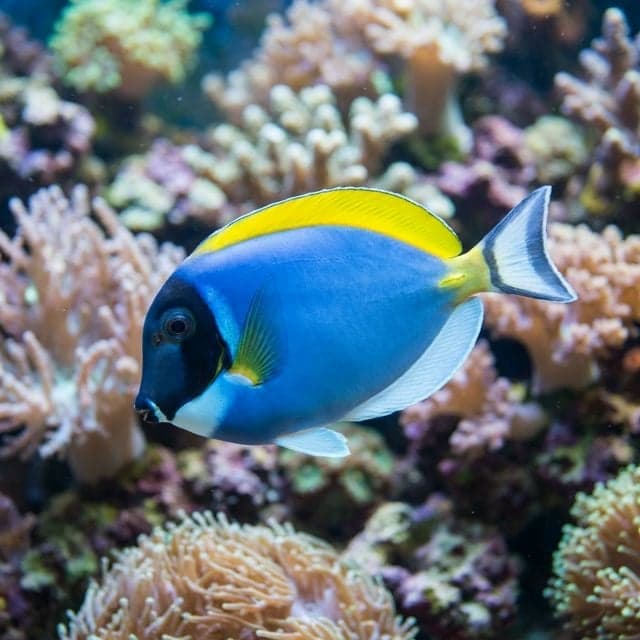
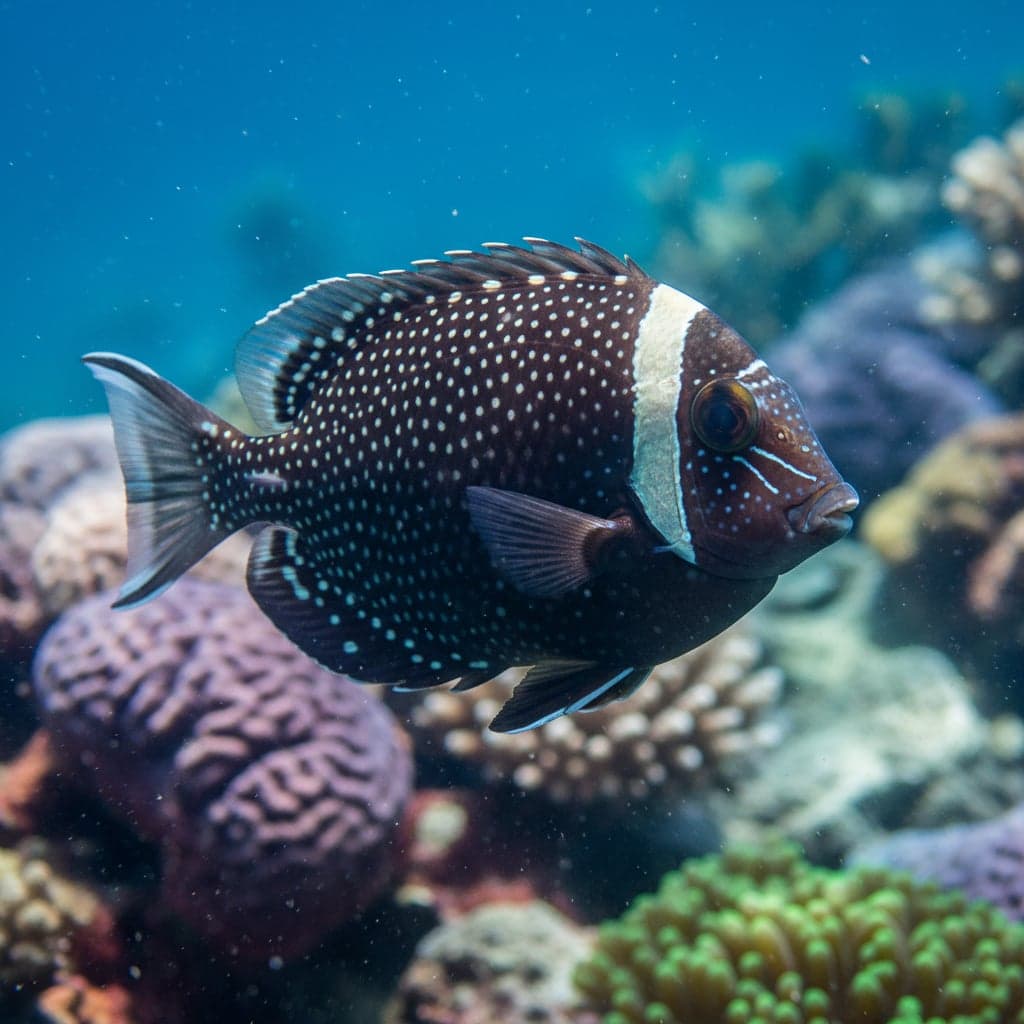
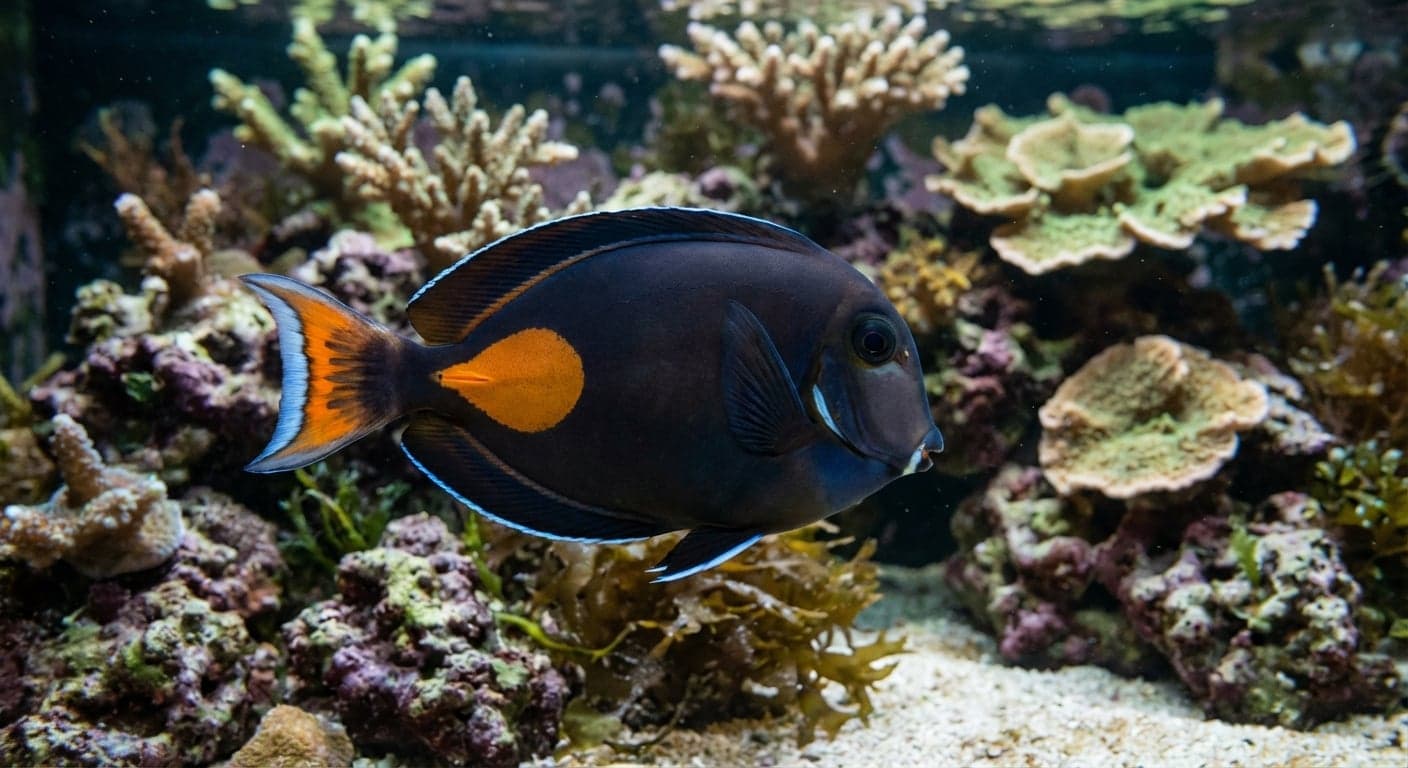
The Powder Brown Tang, scientifically known as Acanthurus japonicus, is an eye-catching marine fish that captivates many aquarium enthusiasts. This species is notable for its striking coloration, featuring a rich brown body adorned with bright yellow and blue hues on the face and fins. The vivid contrasts of its coloring, especially under aquarium lighting, make it not only a striking centerpiece in marine aquascapes but also a sustainable choice for reef environments, as they play crucial roles in algae control. The fish is both visually appealing and significant in the aquarium hobby due to its soft, fluttering fins and the graceful way it navigates through the water.
In addition to its beauty, the Powder Brown Tang holds ecological importance, as it primarily feeds on marine algae, thus contributing to the health and balance of its native ecosystems. Within the aquarium trade, this fish represents a blend of beauty and functionality, appealing to hobbyists who value both aesthetic and ecological sustainability. As an adaptable species, it thrives in a variety of aquatic environments and is a favorite among fish keepers looking to establish a vibrant and sustainable marine habitat.
Natural Habitat & Origin
The Powder Brown Tang is indigenous to the warm waters of the Indo-Pacific region, specifically found in areas around Hawaii, the Philippines, and various Pacific Islands. It typically inhabits coral reefs and rocky environments, usually at depths ranging from 3 to 50 meters. These habitats are characterized by clear waters rich in nutrients and a healthy growth of algae, which provides a vital food source for this species. The environmental conditions that dominate this region are essential for the survival of the Powder Brown Tang, as they rely on the delicate balance of coral ecosystems.
Living primarily in shallow waters, the Powder Brown Tang benefits from an abundant supply of light and nutrients, allowing it to thrive in these vibrant marine communities. The clear and warm waters foster diverse algal growth, creating an ideal setting for the fish to graze, fortifying its role within its ecological niche. This dependence on specific environmental conditions highlights the importance of replicating similar habitats in home aquariums for optimal health and well-being.
Care Requirements
To successfully maintain a Powder Brown Tang in an aquarium, hobbyists should ensure certain water parameters are adhered to. The ideal pH range for this fish is between 8.1 and 8.4, with a temperature of 74°F to 78°F (23°C to 26°C). Additionally, it’s recommended to maintain a specific gravity of 1.020 to 1.025, which mimics the natural saline conditions of their native environment. The tank should be a minimum of 700 litres (185 gallons) — this 21cm Acanthurus japonicus needs length to roam and graze, and cramped systems only amplify the ich risk this species already carries.
For tank setup, a sandy substrate is preferred, as it fosters a natural environment and encourages the fish to exhibit natural behaviors. Adequate lighting should be provided to promote the growth of beneficial algae and plants. Seeding the aquarium with live rock and incorporating hardy marine plants will create a balanced ecosystem that mirrors their natural habitat. It’s crucial to design both swimming and hiding areas within the tank to provide the Powder Brown Tang with security and stimulation.
Diet & Feeding
The Powder Brown Tang is primarily an herbivore, with a diet focused on algae and marine vegetation. In the home aquarium, a balanced diet should include high-quality algae sheets, spirulina flakes, and other green foods to replicate their natural grazing habits. While they primarily consume plant material, offering a variety of foods that include meaty options like frozen mysis shrimp or brine shrimp can provide them with needed nutrients and variety in their diet.
Regular feedings of small amounts multiple times a day can prevent algae overgrowth and ensure your Powder Brown Tang receives the appropriate nutrition. It's essential to monitor their eating habits and adjust food types accordingly, as a well-fed Tang will exhibit vibrant colors and active behavior. Ensuring a diverse diet is key to the health and longevity of this species in an aquarium setting.
Behavior & Temperament
Powder Brown Tangs are generally known for their calm and peaceful demeanor but can display territorial behaviors, especially during feeding or when establishing a hierarchy within the tank. They are social fish, best kept in groups or pairs, though it's typical for one individual to assert dominance. It’s crucial to introduce them into a community tank carefully, ideally with other peaceful species that occupy different vertical spaces to minimize aggression.
In terms of placement, the Powder Brown Tang prefers to dwell in the middle and upper layers of the aquarium, where they can swim freely and graze on algae. Providing vertical and horizontal swimming spaces can encourage natural behavior and reduce stress within the tank. Observing interactions among tank mates can offer insight into their social dynamics, making it important to monitor for any signs of stress or aggression.
Tank Mates
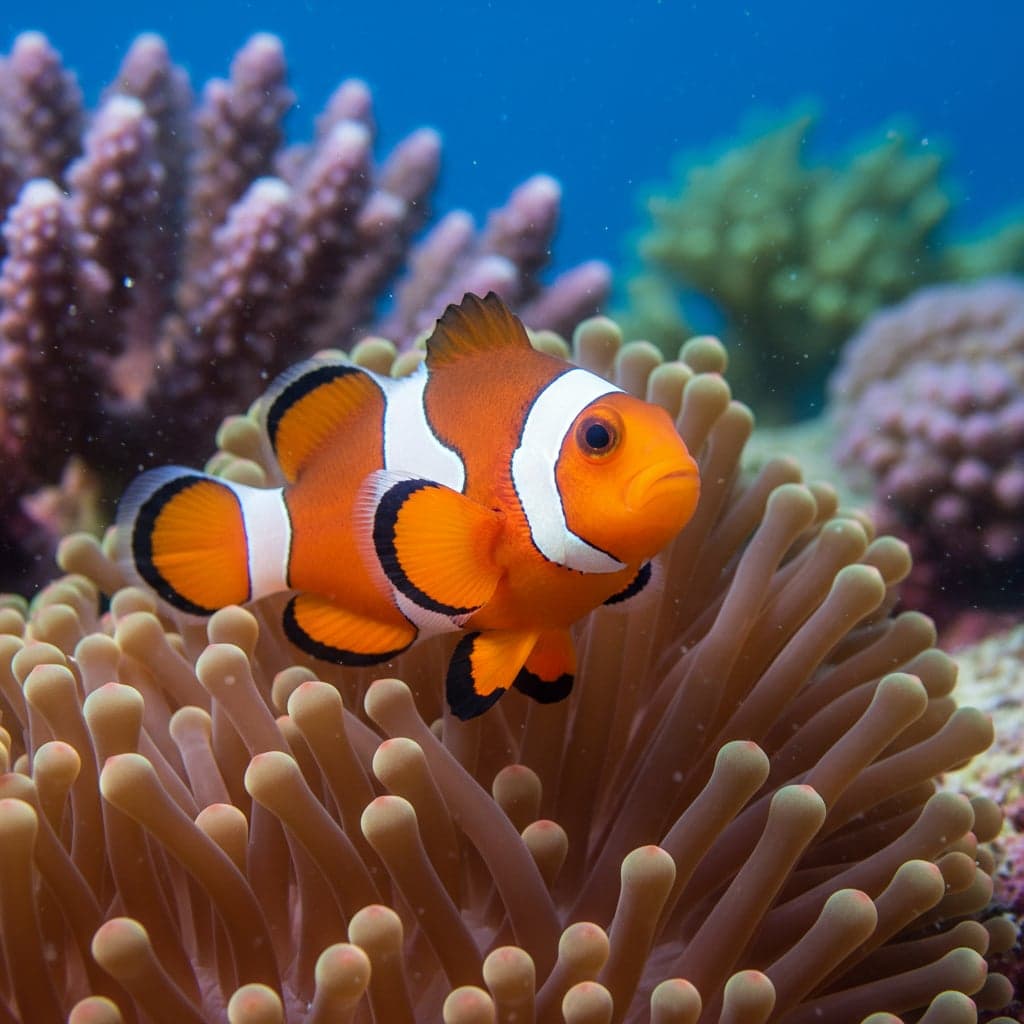
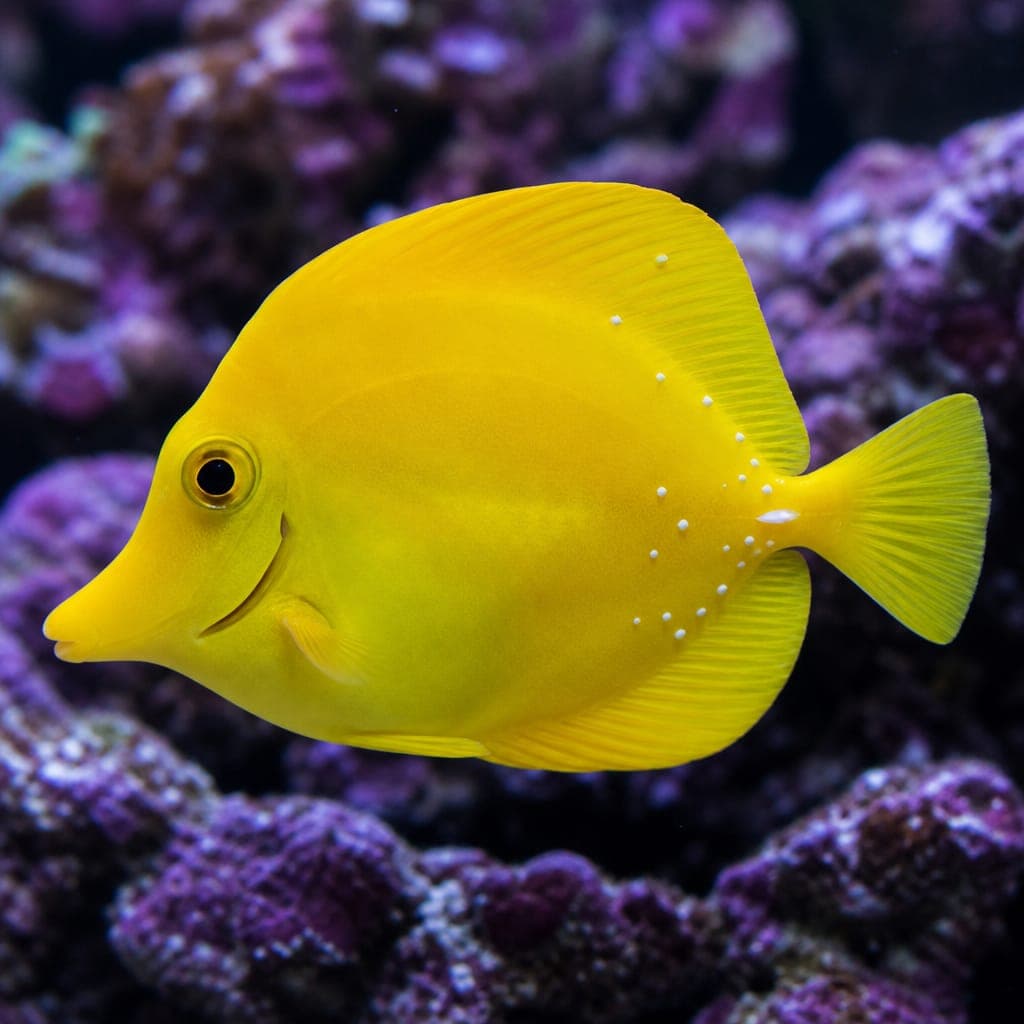
When selecting tank mates for the Powder Brown Tang, it is vital to choose species that are equally peaceful, thus minimizing aggression and stress. Compatible tank mates include other tangs like the Yellow Tang and the Tomini Tang, as well as clownfish, gobies, and other reef-safe species. It’s also advisable to avoid more aggressive fish, such as triggers or certain larger wrasse, which could threaten the Powder Brown Tang's well-being.
Additionally, maintaining a balanced mix of fish can promote a healthy tank environment. However, it is wise to manage the ratio of herbivorous fish to prevent dietary competition. Providing ample space and hiding spots will also assist in creating a harmonious environment where different species can coexist towards optimal tank dynamics.
Breeding
Breeding Powder Brown Tangs in captivity poses challenges, as they typically exhibit specific spawning behaviors that require ideal conditions. Successful breeding usually requires a larger, well-established aquarium with stable water parameters to mimic natural conditions. Spawning usually occurs during the early morning hours when the fish form pairs, with the female releasing eggs that are fertilized by the male in open water.
While they can spawn in captivity, providing proper food to sustain both the parents and emerging fry is crucial. A diet rich in planktonic food will benefit fry during early development stages. Creating a dedicated breeding setup with suitable water conditions may increase the chances of successful breeding and rearing of the young.
Common Health Issues
Powder Brown Tangs can be susceptible to several common health issues, including ich, marine velvet, and other parasitic infections. To prevent these problems, maintaining high water quality and offering a varied diet is essential for strengthening their immune system. Regularly checking the environment for overcrowding, potential toxins, and pathogens will also help in disease prevention.
Quarantine new fish before introducing them to the main tank to minimize the risk of introducing diseases is crucial. Monitoring for visible signs of stress or unusual behavior can lead to early detection of health issues, making it important for aquarists to stay vigilant. Employing proper husbandry practices and maintaining a stable environment will provide the best foundation for a healthy Powder Brown Tang.