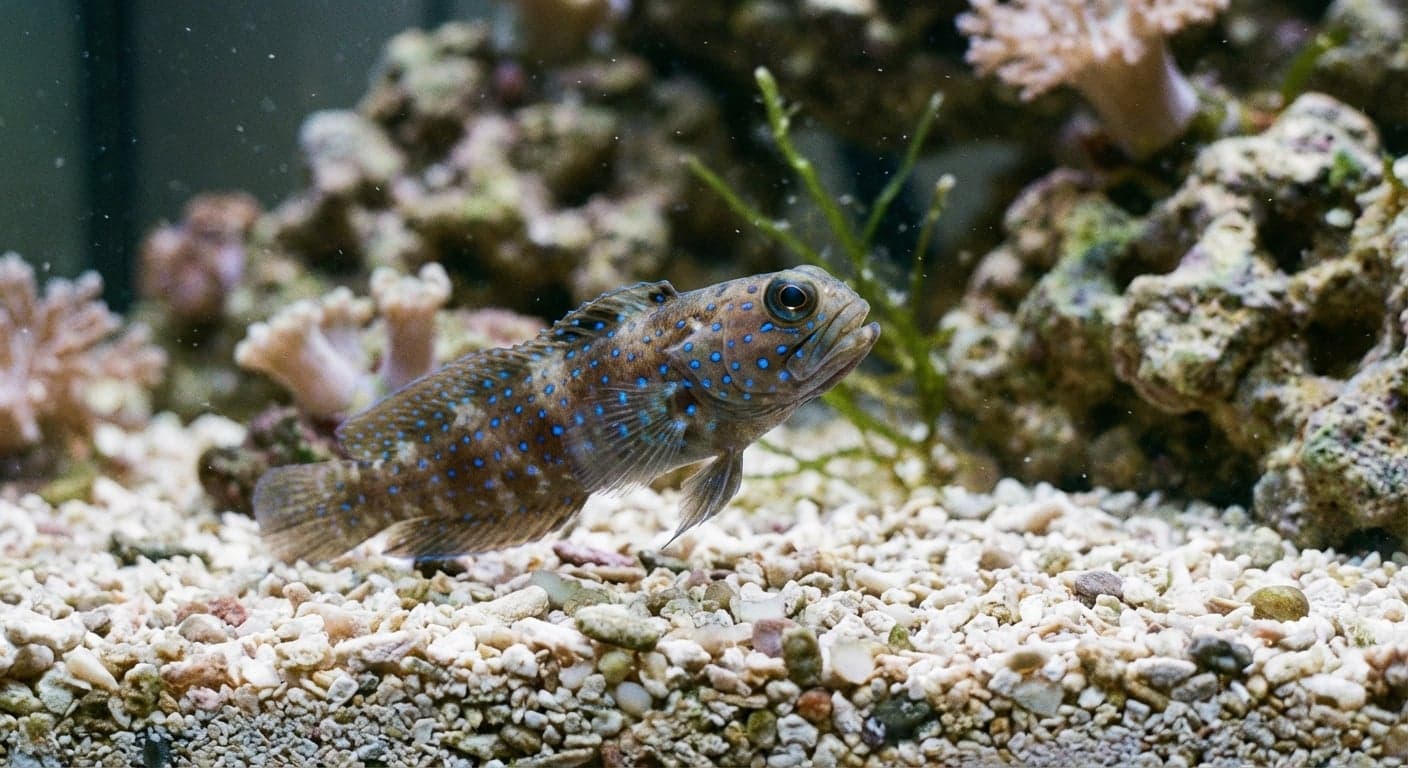
Purple Tilefish
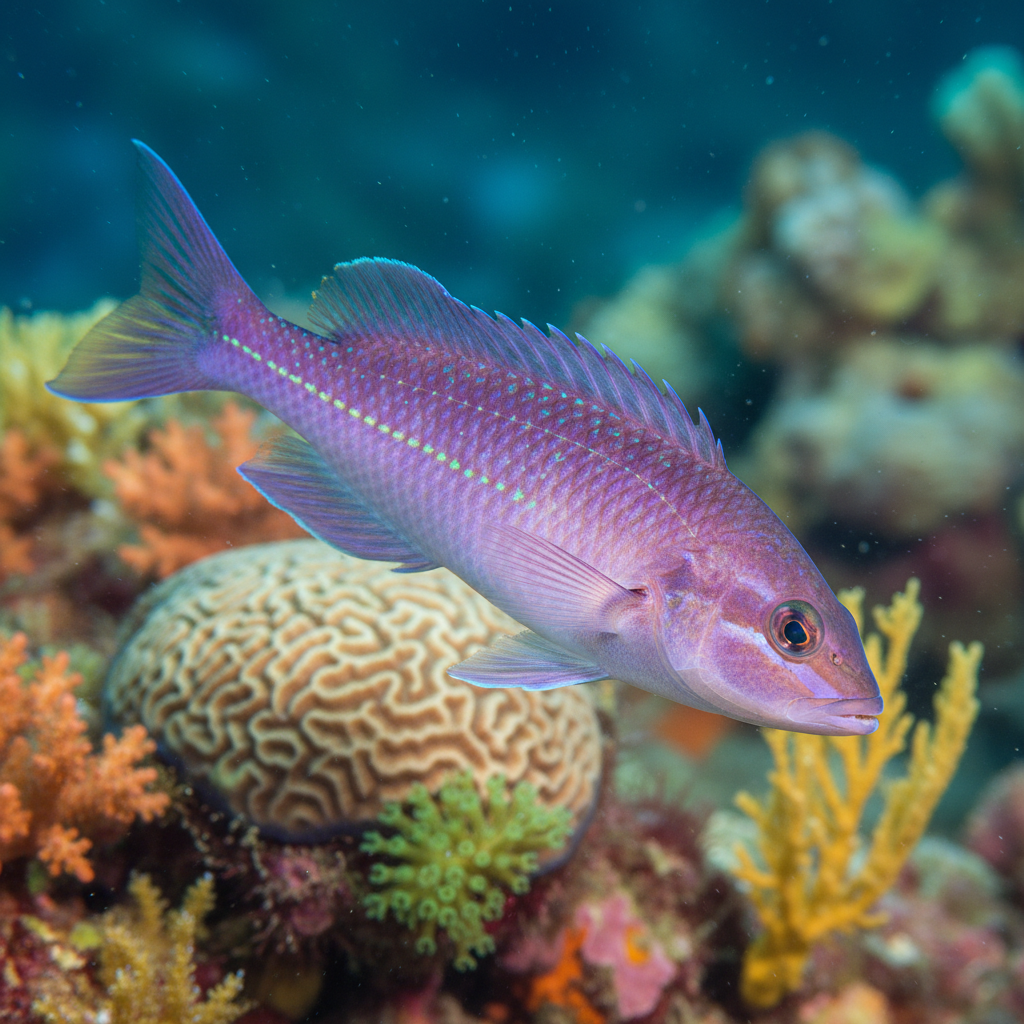
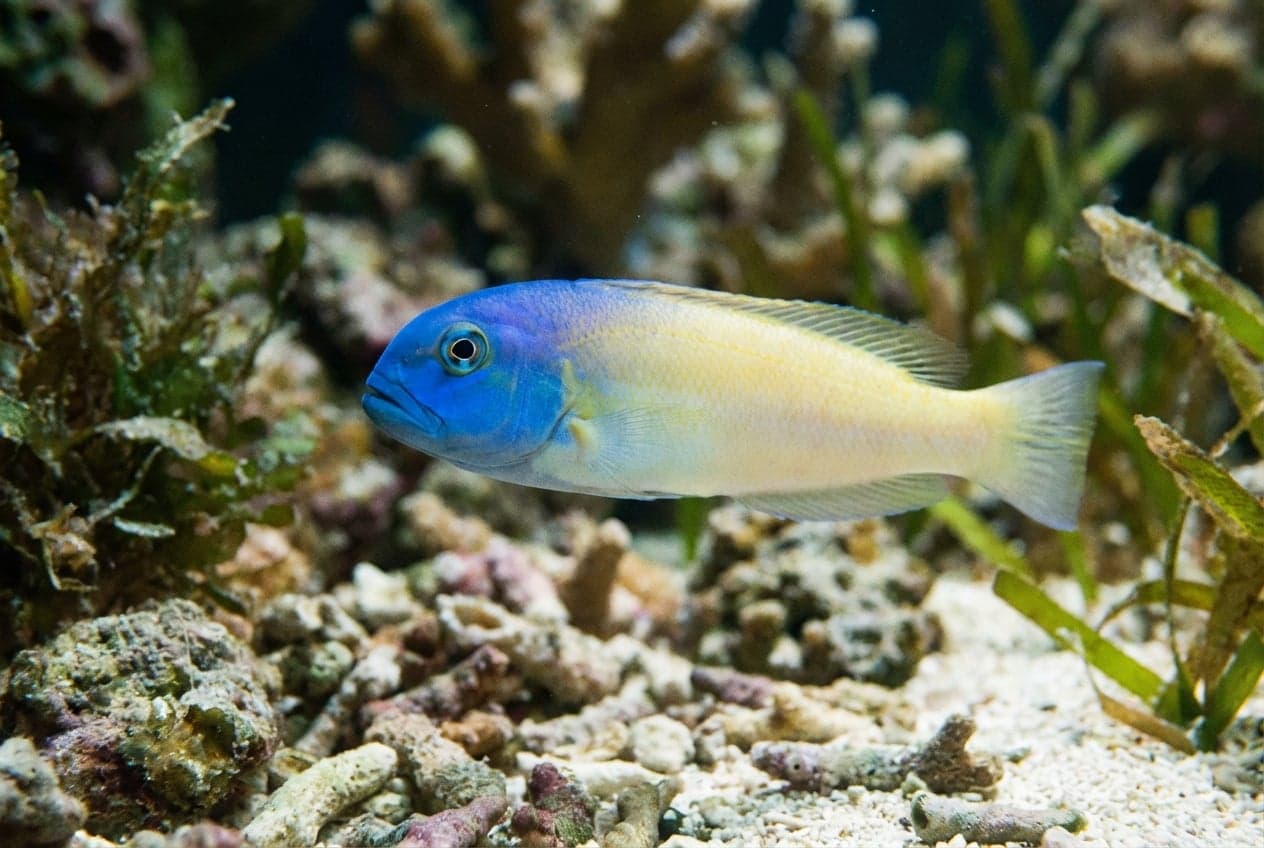
A 15cm tilefish that hovers over rubble and bolts into it. A committed jumper, so a sealed lid is essential, and it needs open swimming room.

Purple Tilefish
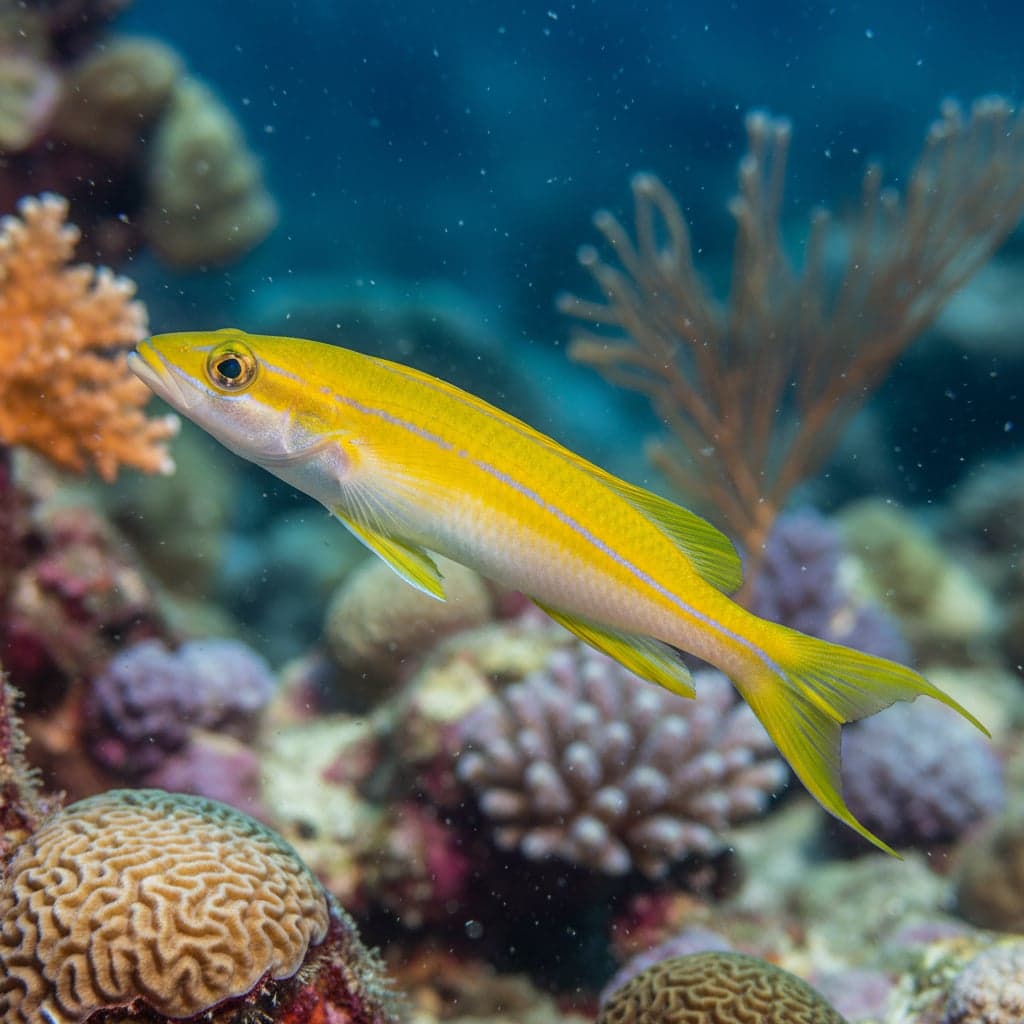
The Purple Tilefish, known scientifically as Hoplolatilus purpureus, is a vibrant addition to both marine tanks and coral reef displays. This striking fish is characterized by its unique coloration, showcasing brilliant shades of purple that can shift to iridescent blue depending on lighting conditions. The elongated body and distinctive dorsal fin elevate its aesthetic appeal, making it a favored choice among aquarium enthusiasts. Beyond its visual charm, the Purple Tilefish is also significant in the aquarium hobby for its relatively hardy nature and captivating swimming patterns. It often becomes a focal point in aquascaped environments, drawing attention and admiration from those who appreciate marine biology and aquatic ecosystems.
Native to the reefs of the Caribbean, the Purple Tilefish has carved a niche for itself in home aquariums due to its intriguing behavior and adaptability. This species is known for its tendency to inhabit rocky crevices and sandy substrates in their natural habitat, where they forage for food and evade predators. Their dynamic color palette, combined with engaging swimming styles, invites hobbyists to closely observe their interactions and movements within a tank setting, further enhancing the experience of maintaining a marine aquarium.
Natural Habitat & Origin
The Purple Tilefish is primarily found in the tropical waters of the Caribbean, particularly around coral reefs off the coasts of countries like Mexico, Cuba, and Jamaica. Preferring depths of up to 100 feet, this species thrives in environments characterized by sandy substrates interspersed with rocky outcroppings. The water in these habitats is typically clear, contributing to optimal light penetration that supports the growth of algae and plankton—staples in the diet of the Purple Tilefish. The fish often retreats into small burrows or crevices within the reef, not only for safety but also as a means to ambush prey.
In their natural environment, Purple Tilefish are often found in small, cohesive groups, which suggests a level of social interaction that is not only fascinating to observe but important for their well-being. The combination of clear waters and structured habitats creates an ecosystem rich in biodiversity, making them an essential part of the marine food web. This ecological context highlights the need to replicate similar conditions in captivity to ensure the longevity and health of the Purple Tilefish.
Care Requirements
Maintaining optimal water parameters is crucial to the well-being of the Purple Tilefish in captivity. Ideal conditions include a pH range of 8.1 to 8.4, a temperature between 74°F to 80°F (23°C to 27°C), and a water hardness of 8 to 12 dGH. The aquarium should ideally be a minimum of 280 litres (75 gallons) for this 15cm Hoplolatilus jumper that needs open water and a secure lid, with a rich substrate of sand that mimics its natural habitat. Rocks can be strategically placed to create hiding spots, encouraging exploration and comfort for the fish.
Proper lighting is also important; a moderate level of illumination will support the growth of corals and live plants if included, which can further enrich the living environment. Live rock is an excellent addition for biological filtration and aesthetic appeal. Temperature stability is essential, so investing in a reliable heater and thermometer will help maintain a stable aquatic environment.
Diet & Feeding
The Purple Tilefish is classified as a carnivore, primarily feeding on small invertebrates such as crustaceans and mollusks in the wild. In the aquarium, it thrives on a varied diet that includes high-quality flakes, pellets, and frozen or live foods. A staple diet of marine pellets rich in protein will provide essential nutrients, while the occasional offering of live foods like brine shrimp and can enrich their feeding experience. It’s important to maintain a consistent feeding schedule, typically two to three times per day, to ensure the fish receives adequate nourishment while preventing overfeeding and water quality issues.
In addition to the primary diet, incorporating a variety of foods can promote brighter colors and overall health. Supplementing with spirulina and other vegetable matter may also be beneficial, helping to mimic a more natural foraging experience and ensuring a well-rounded diet.
Behavior & Temperament
The Purple Tilefish is known for its relatively peaceful demeanor but does exhibit territorial behaviors. Typically, they are best kept in groups of 3-5, as this fosters social interaction and mimics their natural schooling habits. However, they can become aggressive towards other fish of similar shapes and sizes, especially within confined spaces. It is advisable to provide ample hiding spots and territories to minimize conflict, allowing the fish to feel secure in their environment.
In terms of tank placement, Purple Tilefish often prefer the middle to bottom strata of the aquarium, using rock structures and substrate to explore and forage. This behavioral pattern makes them intriguing to observe, as they dart in and out of nooks, showcasing their playful personality.
Tank Mates
When selecting tank mates for the Purple Tilefish, consider peaceful, similarly-sized fish that occupy different niches within the aquarium. Species such as small wrasses, clownfish, and other non-aggressive reef fish typically coexist well with Purple Tilefish. It’s essential to avoid larger, predatory species that may view the Purple Tilefish as prey, as well as more aggressive reef fish like damsels or triggers that could instigate conflict.
In a community tank setup, opt for fish that are known for their peaceful temperament and social nature to ensure a harmonious environment. Additionally, ensure that there’s sufficient space and hiding spots for all species to mitigate territorial disputes.
Breeding
Breeding Purple Tilefish in captivity can be challenging due to their specific spawning behaviors. They are thought to form monogamous pairs during breeding season, which typically involves the male displaying vibrant color changes and performing dances to attract a mate. Creating an ideal breeding environment requires a separate breeding tank with high water quality and plenty of hiding places.
To encourage spawning, the water should remain at an optimal temperature of around 76°F and be well-oxygenated. Conditions should also be stable, with minimal disturbances. Once spawning occurs, the female will lay eggs in sheltered areas, often on flat surfaces amidst rocks. Eggs will hatch in approximately 2-3 days, and rearing the fry will necessitate providing infusoria or finely crushed foods until they can consume larger particles.
Common Health Issues
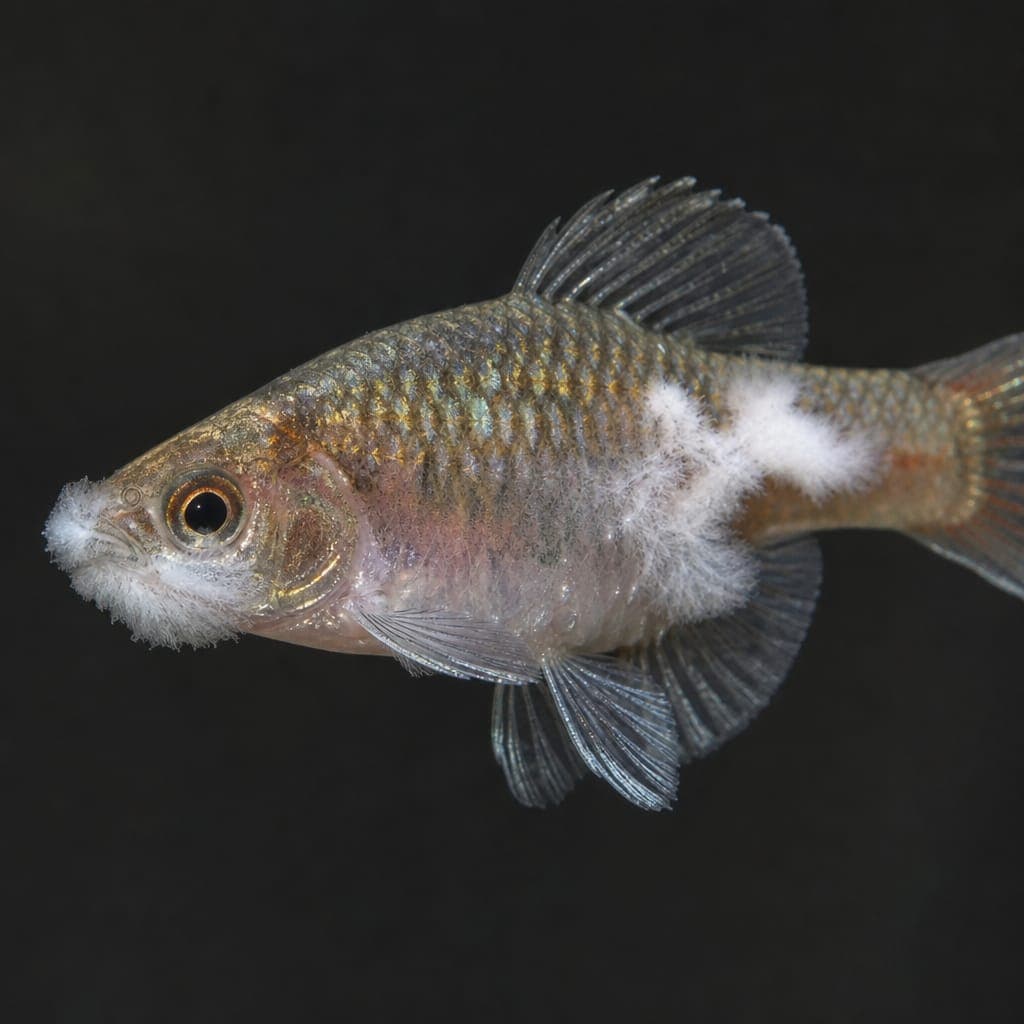
Like all aquarium fish, the Purple Tilefish can be susceptible to specific health issues. Common diseases include marine ich (Cryptocaryon irritans), velvet (Oodinium), and various fungal infections. Preventative measures should include maintaining high water quality, avoiding overcrowding, and ensuring that all newcomers are quarantined before introduction to the main tank.
A robust diet rich in nutrients can strengthen their immune systems, helping them resist infections. Regular water testing and performing routine water changes will also contribute to the overall health of the aquarium, creating a stable environment for the Purple Tilefish to thrive. Proper observation of swimming behavior and eating habits can be critical for early detection of health issues, allowing for timely intervention if necessary.