Queen Angelfish
A 45cm Caribbean angelfish that eats sponge and outgrows nearly every home tank. Needs 1,100L+, and it is not reef safe.

Queen Angelfish
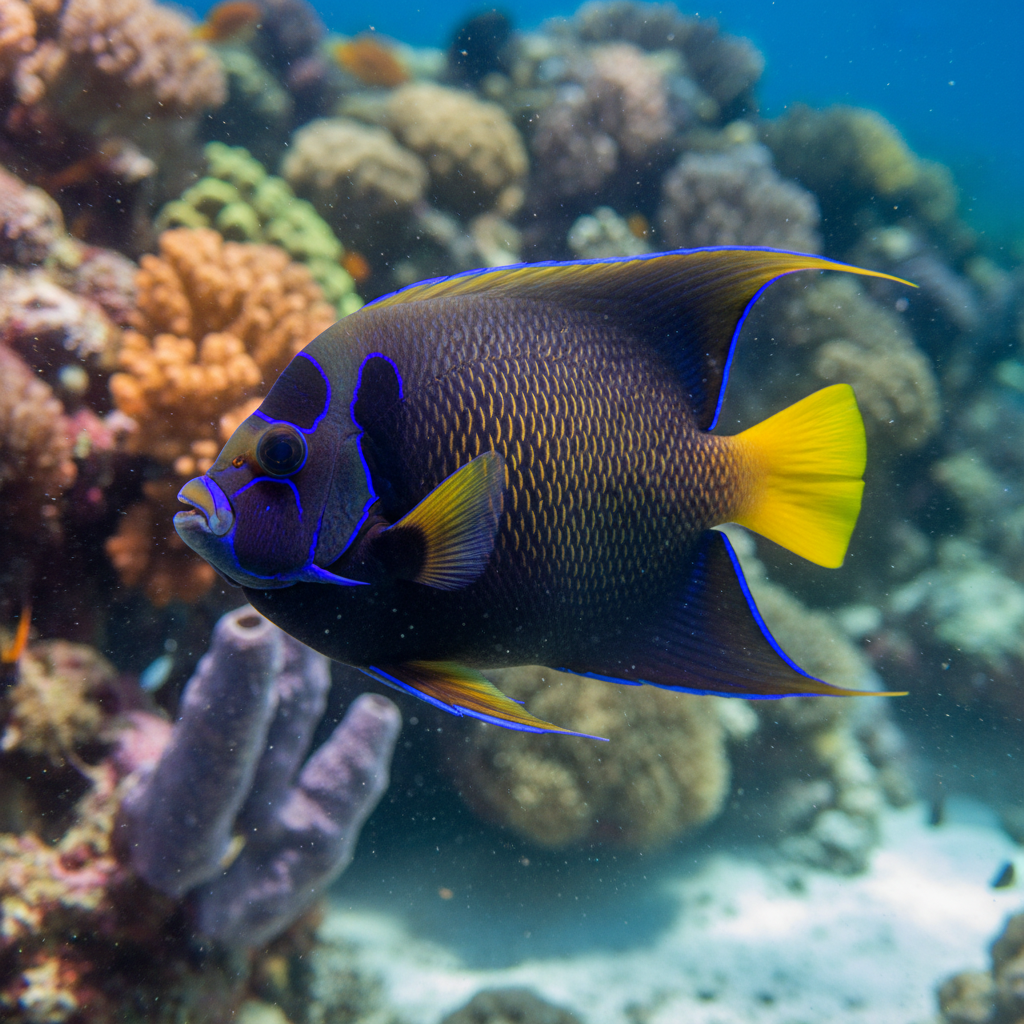
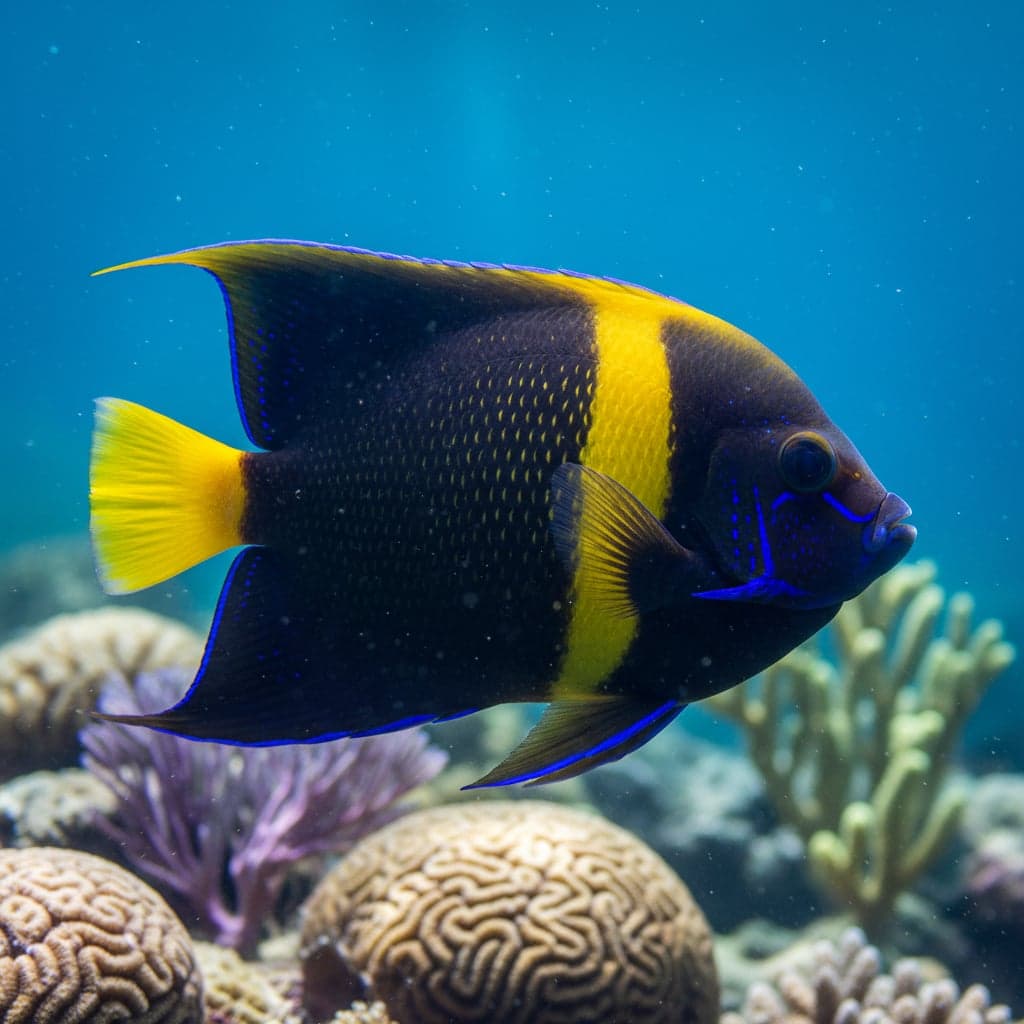
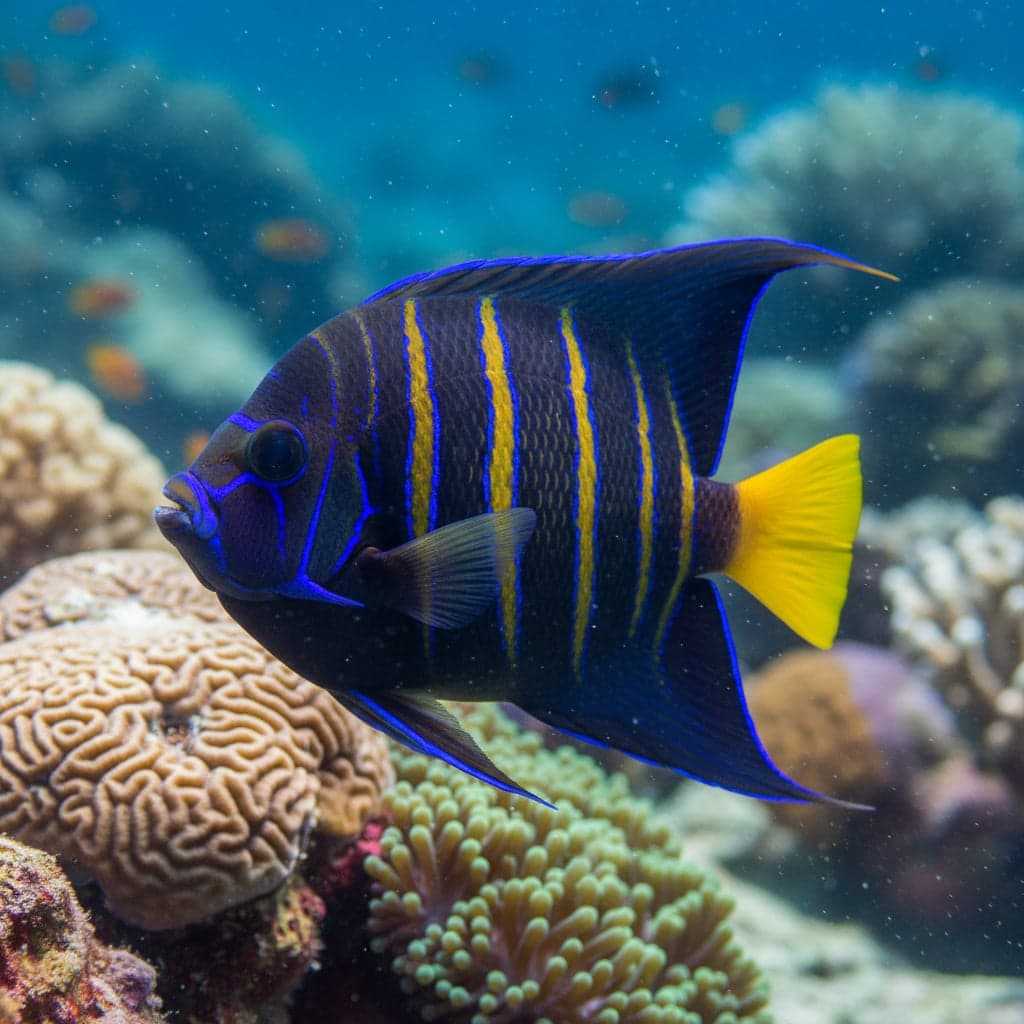
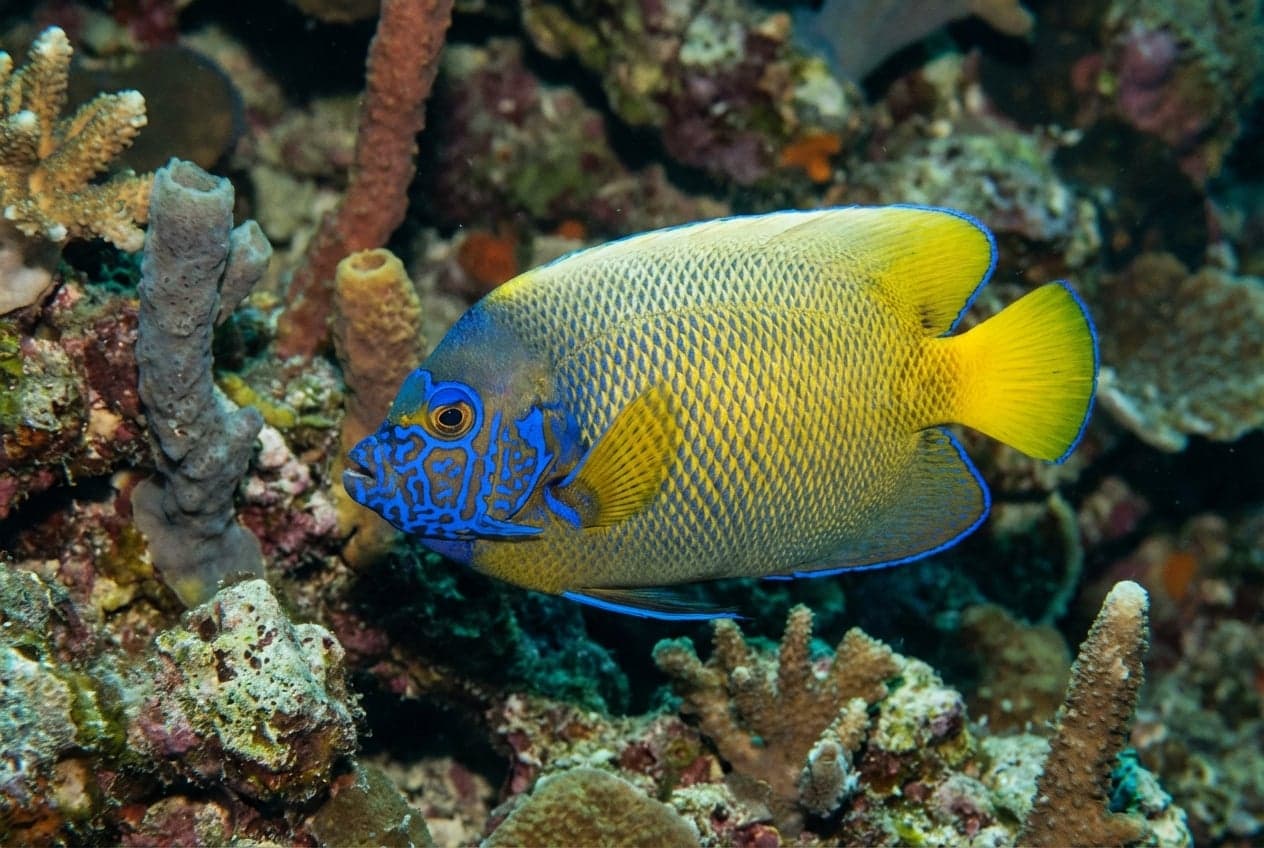
The Queen Angelfish (Holacanthus ciliaris) is one of the most visually spectacular marine species found in the tropical waters of the Caribbean Sea and parts of the western Atlantic. Known for its striking coloration, the Queen Angelfish displays a vibrant blue and yellow pattern, with a royal blue body, golden-yellow edges, and an iconic yellow ring surrounding its eye. This alluring appearance makes it a coveted addition to both public aquariums and home marine tanks. Beyond its aesthetic appeal, the Queen Angelfish holds ecological significance as a grazers of algae and sponges, helping to maintain the balance within coral reef ecosystems.
In the aquarium hobby, the Queen Angelfish is sought after for its majestic beauty and dynamic swimming patterns. Its majestic disposition and captivating colors create an eye-catching focal point in marine displays, drawing admiration from aquarists and viewers alike. However, their care requires significant attention to environmental needs and tank dynamics to ensure their well-being. Understanding the complexities of keeping this species is crucial for novice and experienced aquarists who aspire to create a vibrant and harmonious aquatic environment.
Natural Habitat & Origin
The Queen Angelfish is primarily distributed throughout the Caribbean Sea, including the Bahamas, Cuba, and the Gulf of Mexico. It thrives in coral-rich environments typically found at depths of 10 to 50 meters, where it enjoys the shelter provided by rock formations and coral reefs. The water in these regions is generally clear and ranges from warm tropical temperatures, averaging between 25 to 29 degrees Celsius (77 to 84 degrees Fahrenheit). The stability and quality of this environment are essential for their growth and health, as the Queen Angelfish relies on both the flora and fauna in their natural habitat to flourish.
In terms of water conditions, these fish prefer slightly alkaline to neutral waters with a pH ranging from 8.1 to 8.4, and salinity levels typical of saltwater environments (1.020 to 1.025 specific gravity). Their natural habitat often features moderate currents, which contribute to the diverse benthic algae and sponge life they feed on. This environmental context plays a crucial role in understanding their behavior and care requirements within a captive aquarium setting.
Care Requirements
When setting up an aquarium for the Queen Angelfish, it is essential to create an environment that mimics its natural habitat. A minimum tank size of 1,100 litres (290 gallons) is recommended, as these 45cm fish require ample swimming space and territory to thrive. The substrate should consist of fine sand or small gravel, as they naturally forage for food in such materials. Live rock or decorations that resemble coral structures should be added to provide shelter and stimulate natural foraging behavior.
Water quality is also critical; maintain a temperature between 24 to 28 degrees Celsius (75 to 82 degrees Fahrenheit), with a pH range of 8.1 to 8.4 and a specific gravity of 1.020 to 1.025. Moderate lighting is recommended to create a balanced environment that supports the growth of beneficial algae and provides visual comfort for the angelfish. Regular water changes and the use of efficient filtration systems can help maintain water quality, allowing the Queen Angelfish to thrive in captivity.
Diet & Feeding
The Queen Angelfish is primarily an omnivore, known to forage on a diet consisting of algae, sponges, and small invertebrates in its natural habitat. In captivity, it is essential to provide a varied diet that includes high-quality marine flakes, pellets, and frozen or live foods. The inclusion of spirulina-based flakes or algae sheets can contribute to their nutritional intake, mimicking their natural feeding habits.
It's advisable to feed them several small portions throughout the day rather than a single large feeding, as this helps to promote healthy digestion and reduces the risk of overfeeding. Additionally, incorporating occasional meaty foods such as mysis shrimp, brine shrimp, or other small invertebrates will ensure that this species receives a balanced diet, essential for its health and vibrancy.
Behavior & Temperament
Queen Angelfish are known for their bold and inquisitive nature, often exhibiting a mix of social behavior and territoriality. In the aquarium, they are generally considered semi-aggressive, showing aggression primarily towards their kind and other similar-looking fish. It is advisable to house them singly or with a few carefully selected tank mates, depending on the size of the aquarium.
They tend to occupy the middle to upper levels of the tank, showcasing their beautiful swimming patterns. While the Queen Angelfish may exhibit some schooling behavior in the wild, in captivity, they do best in a setting that allows them to explore and establish a territory without the stress of overcrowding.
Tank Mates
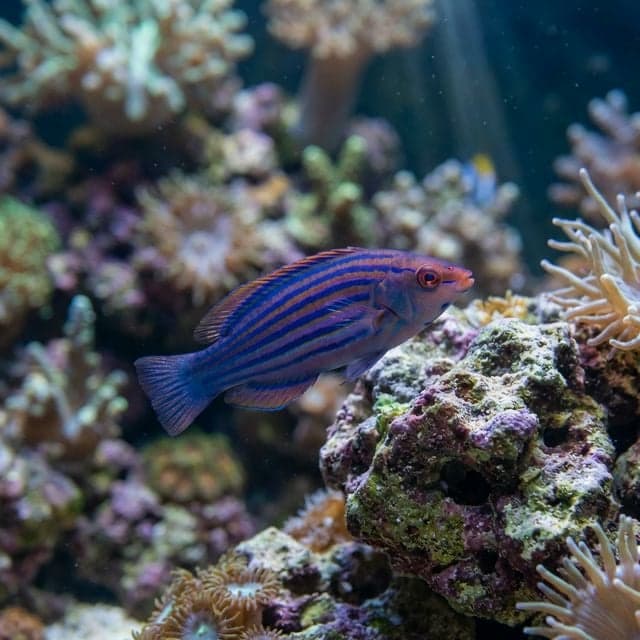
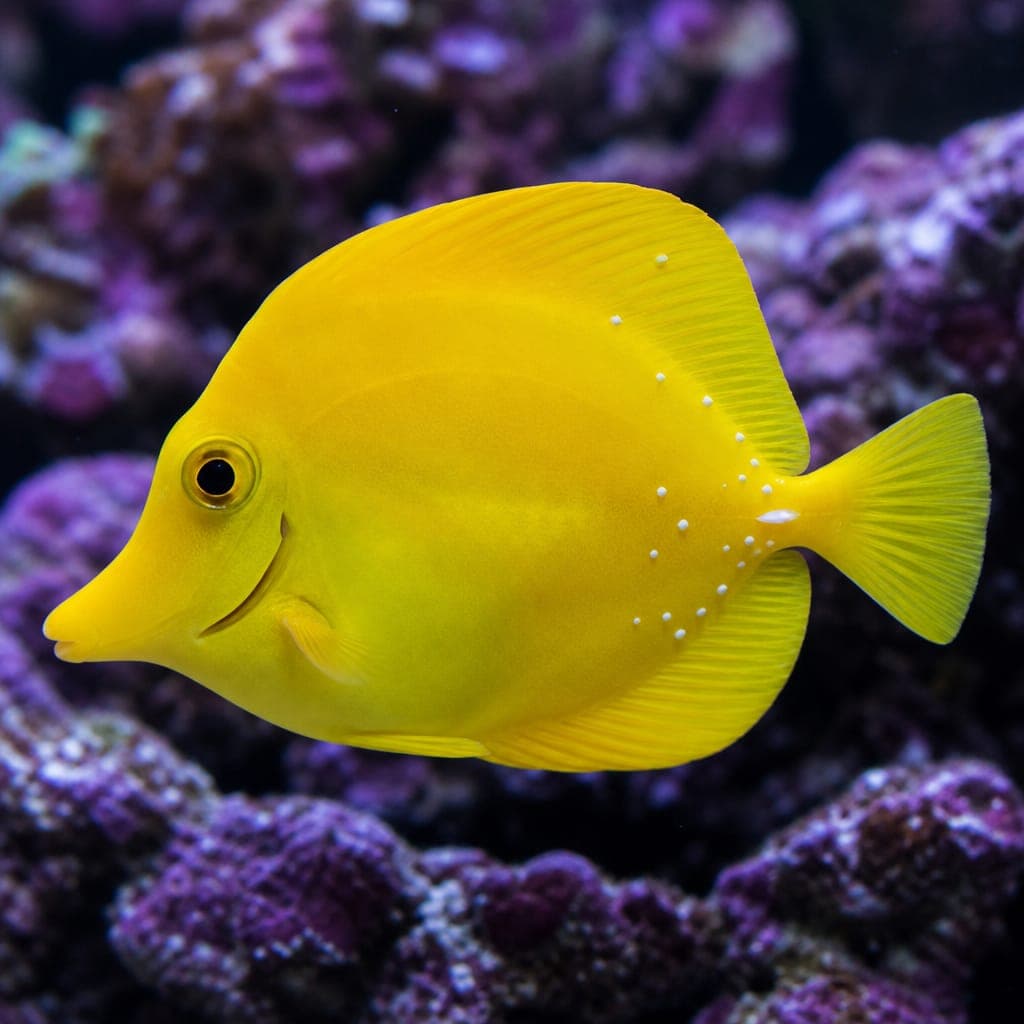
Choosing appropriate tank mates for the Queen Angelfish is crucial for maintaining harmony in a community tank. Compatible species include larger, non-aggressive tank mates such as tangs, rabbitfish, and certain types of wrasses. Other compatible choices might include various triggerfish, parrotfish, and larger damselfish, which can coexist peacefully in a suitably sized tank.
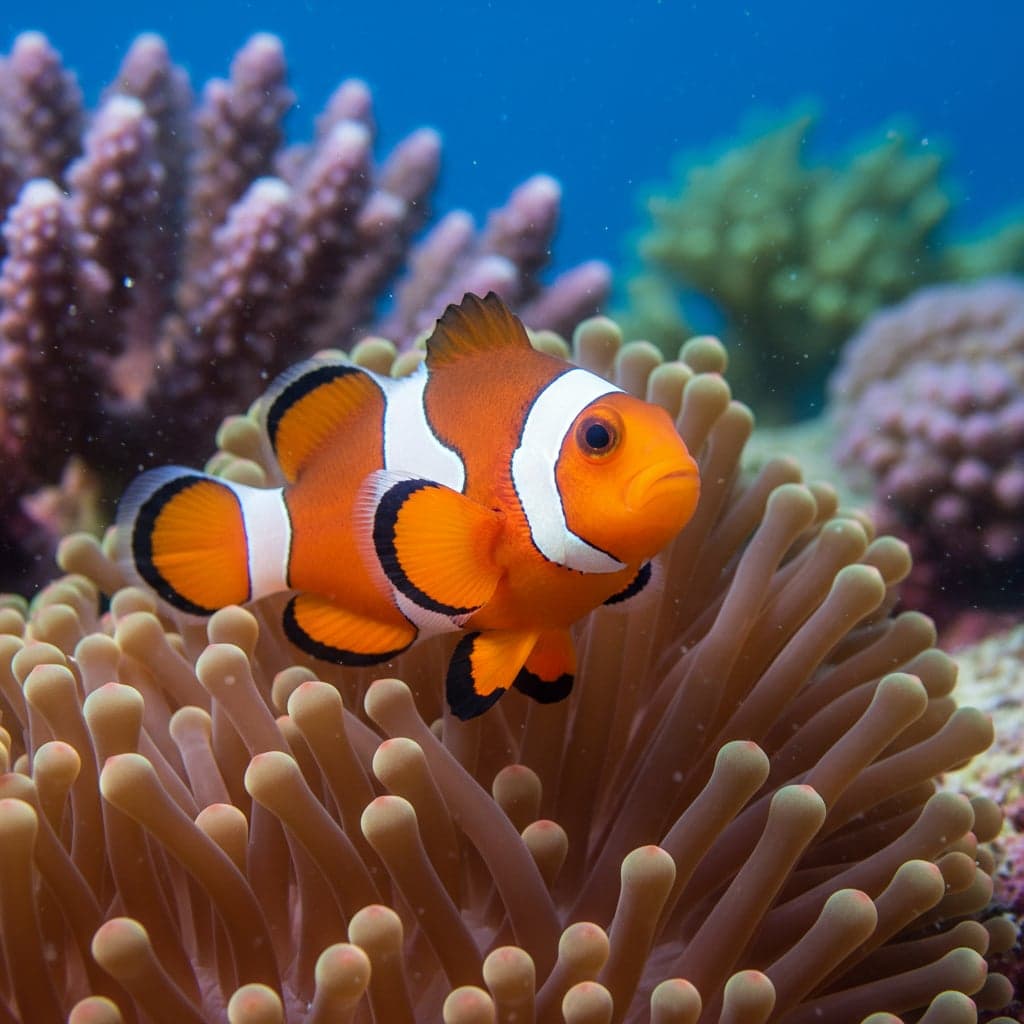
Conversely, it's best to avoid smaller, slower-moving species or those that resemble the Queen Angelfish, as they may provoke aggression or become targets for bullying. Species such as smaller clownfish, blennies, and certain species of angelfish should be excluded from their environment to promote a tranquil aquarium ecosystem.
Breeding
Breeding Queen Angelfish in captivity presents a unique challenge, as they are typically monogamous spawners that engage in elaborate courtship rituals. For successful breeding, it is essential to replicate conditions similar to their natural habitat. This includes maintaining optimal water temperature and quality, with stable lighting and ample space.
In the presence of suitable environmental conditions, including the right water parameters and dietary needs being met, the pairing of a male and female will engage in a spawning dance prior to releasing eggs and sperm into the water column. Breeding typically occurs at dawn, and the fertilized eggs will float to the surface, where they can be collected for care in a separate nursery tank, ensuring better survival rates for the young angelfish.
Common Health Issues
Queen Angelfish can be susceptible to various health issues common to marine fish, including ich (Cryptocaryon irritans), marine velvet (Amyloodinium ocellatum), and bacterial infections. Poor water quality, stress, and inadequate nutrition can exacerbate these problems.
Preventive measures include maintaining proper water parameters and conducting regular water changes, along with routine health monitoring. Quarantining new fish before introduction into the main tank can prevent the spread of disease. Additionally, providing a high-quality diet will bolster their immune system and overall health, making them less susceptible to common ailments.