Rainbow Snakehead: Channa bleheri
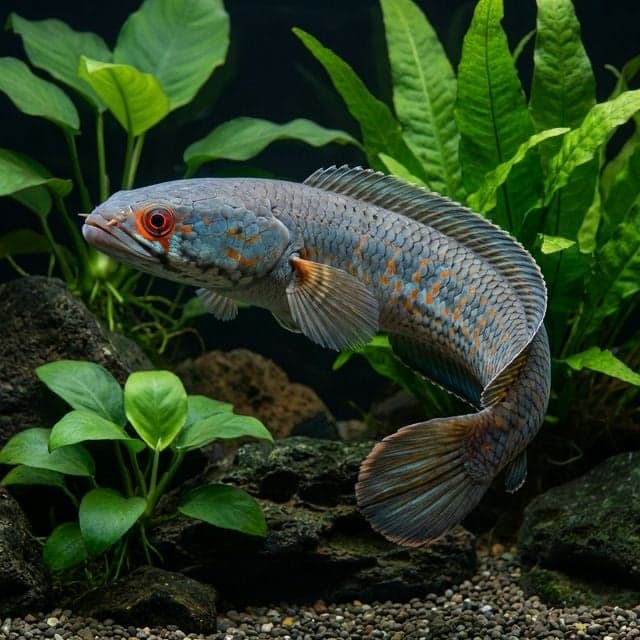
A famously colorful, relatively tiny predatory fish from the Indian subcontinent featuring brilliant reds, blues, and oranges.
Rainbow Snakehead
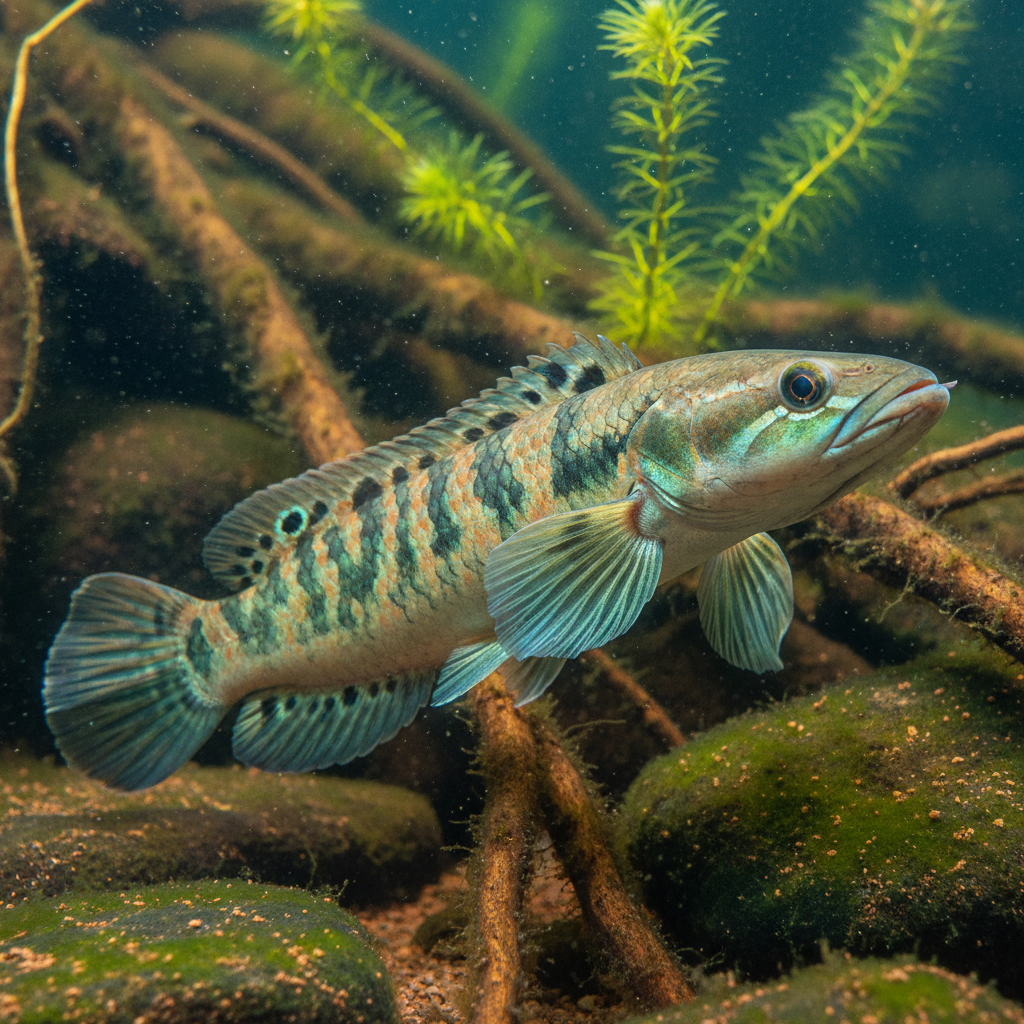
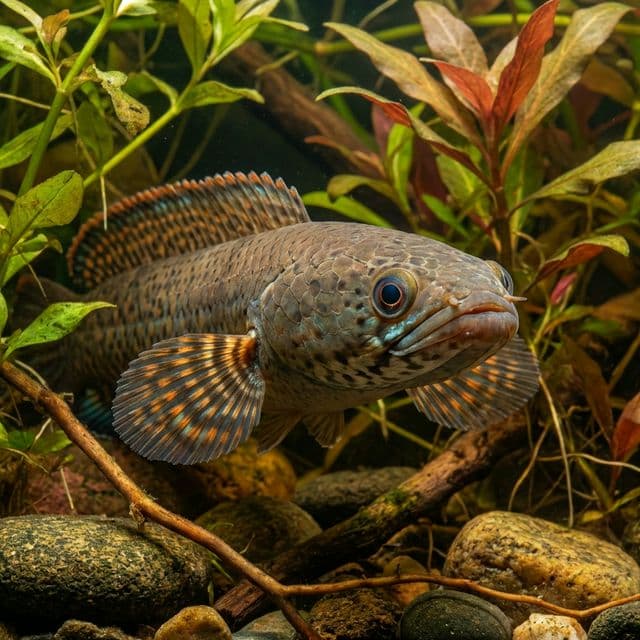
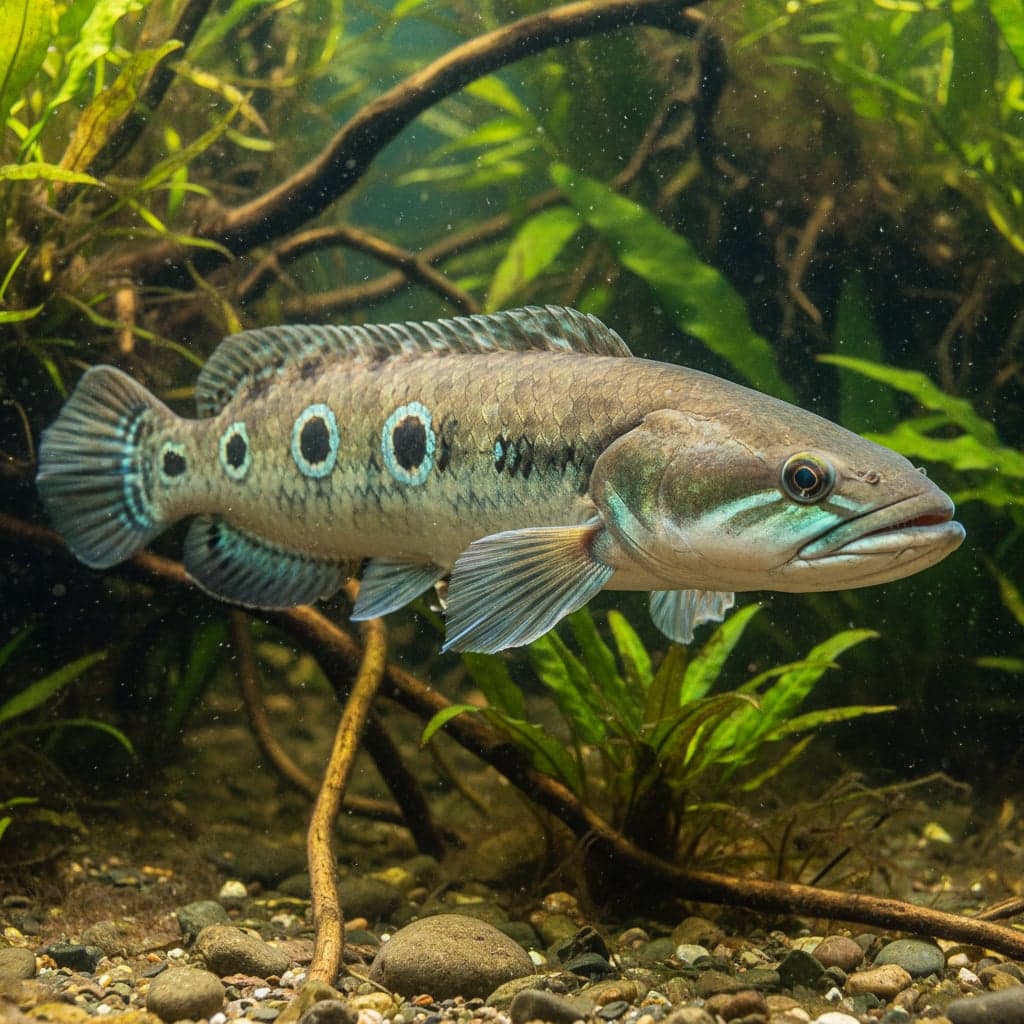
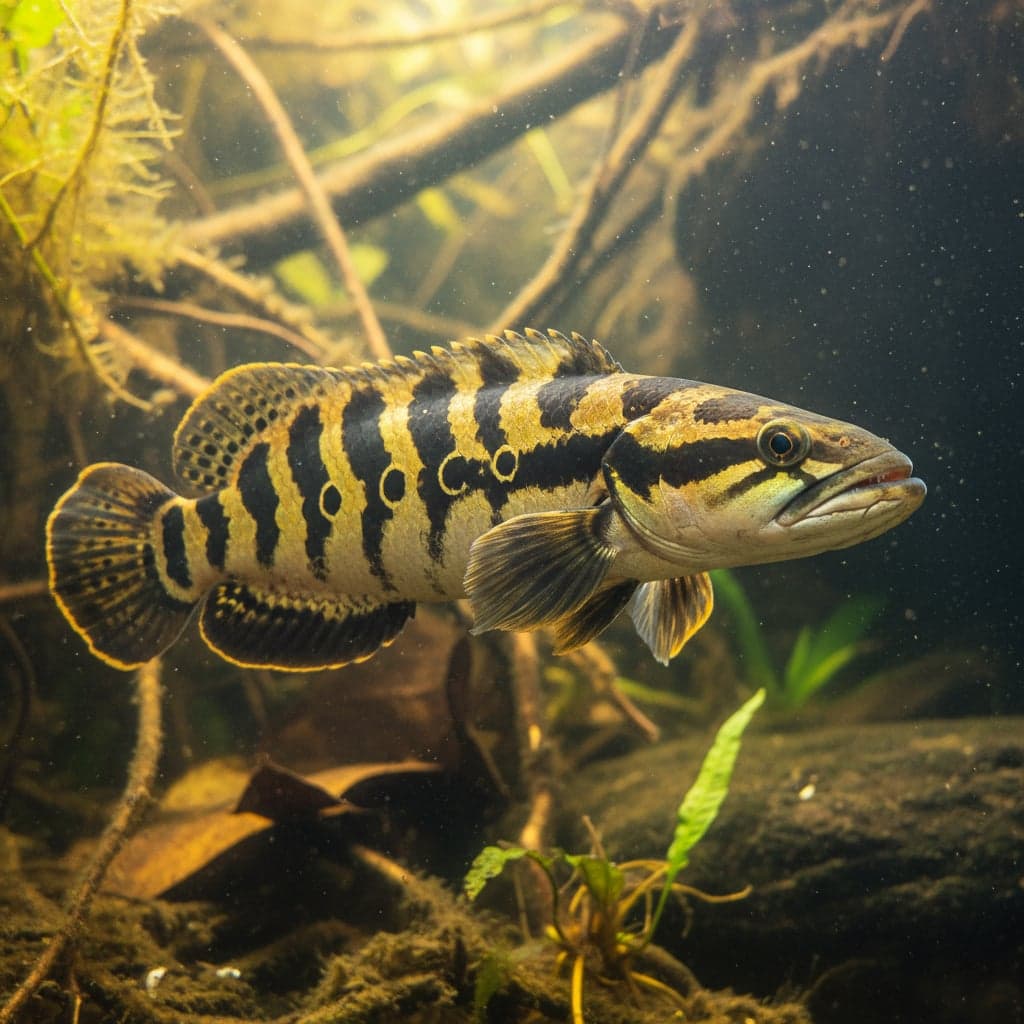
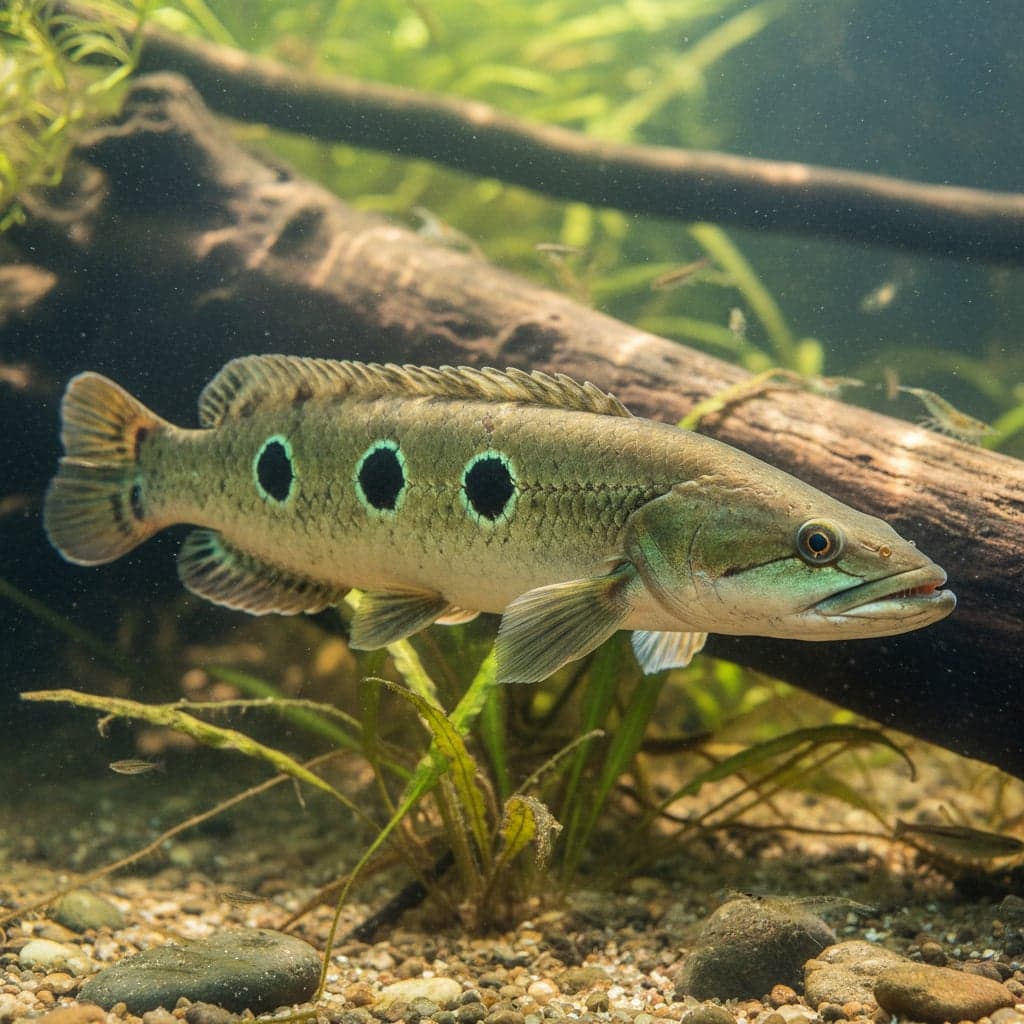
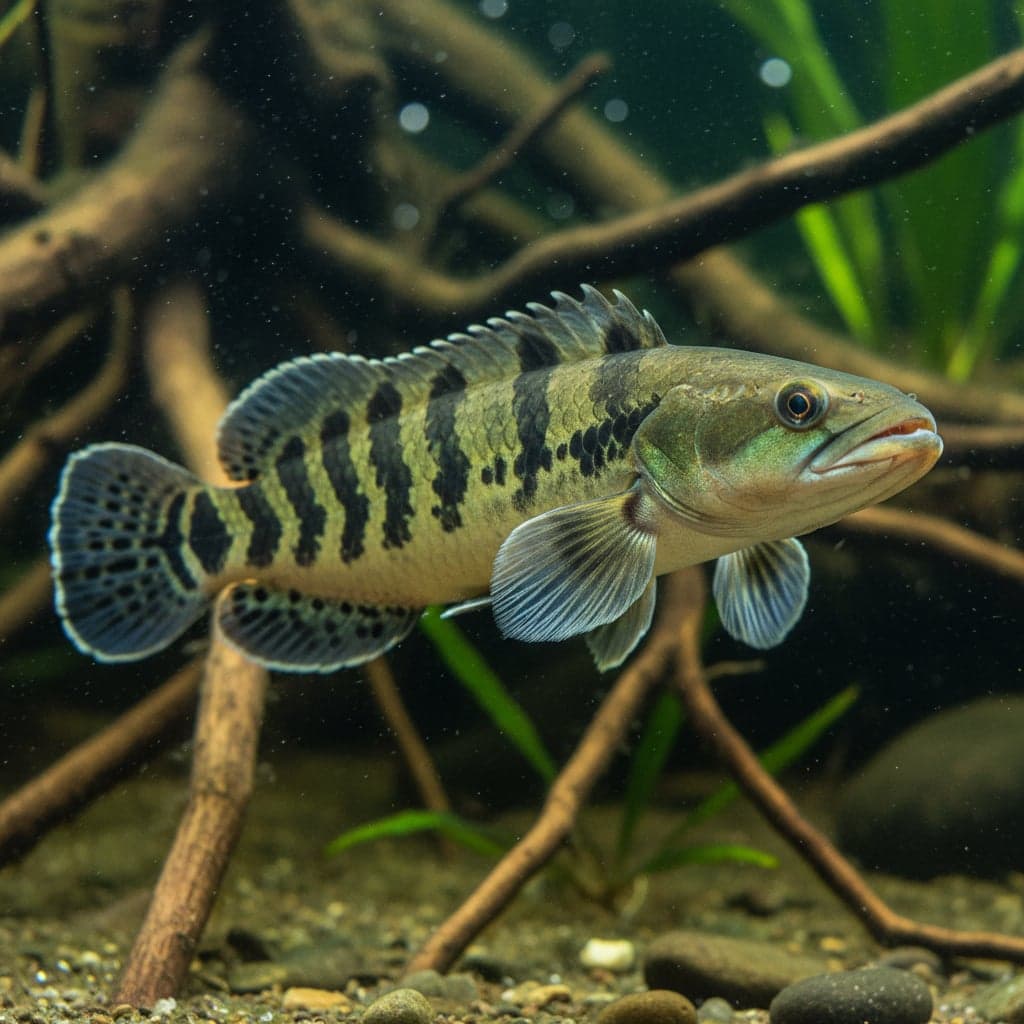
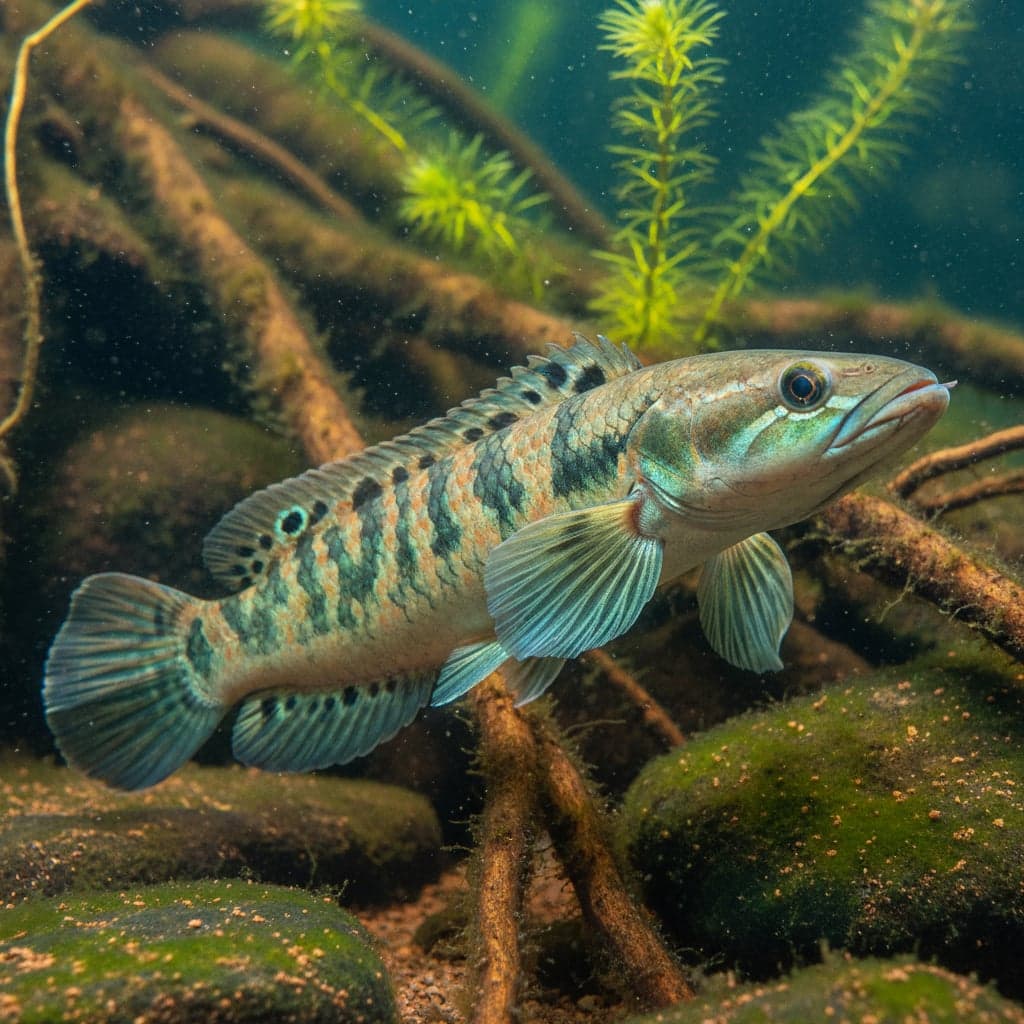
The Rainbow Snakehead, scientifically known as Channa bleheri, is a stunning freshwater fish native to the wetlands and slow-moving water bodies of Southeast Asia. Known for its vibrant coloration and elongated body, this species showcases a captivating array of hues, including iridescent greens, blues, and orange tones that can change based on mood and environmental conditions. This visual appeal makes the Rainbow Snakehead a popular choice within the aquarium hobbyist community, attracting those who seek both aesthetic and unique fishkeeping experiences.
Beyond its beauty, the Rainbow Snakehead holds significance in the aquarium world due to its adaptable nature and interesting behavior. Unlike many fish, it possesses the ability to breathe air, which allows it to survive in low-oxygen environments. This unique adaptation not only enhances its survivability but also adds to its allure for aquarists looking to maintain a dynamic and engaging aquarium. As a result, this fish has garnered increasing interest and is often a central conversation piece in discussions about unique fish species.
Natural Habitat & Origin
The Rainbow Snakehead is indigenous to the northeastern regions of India and Bangladesh, where it thrives in freshwater habitats such as swamps, ponds, and marshes. These areas are typically characterized by dense vegetation and slow-moving waters that create a rich ecosystem, often termed blackwater due to the abundant organic matter that gives the water a dark tint. This particular environmental context is crucial as the Rainbow Snakehead has evolved to live in such rich biodiversity, feeding on a variety of organisms found in these habitats while also relying on the unique water chemistry of its native environment.
Water quality is pivotal to the health of the Rainbow Snakehead, as it naturally inhabits environments with low pH and soft water. The surrounding vegetation in its habitat not only provides shelter and hunting opportunities, but it also plays a key role in maintaining the delicate balance of this ecosystem. Capturing this natural environment in an aquarium setting can significantly enhance the well-being of this species.
Care Requirements
When caring for a Rainbow Snakehead, it is essential to replicate its natural habitat as closely as possible. The recommended water parameters include a pH level ranging from 6.5 to 7.5, a temperature between 18°C to 25°C (64°F to 77°F), and relatively soft to moderately hard water with a hardness of 5 to 12 dGH. These parameters are crucial for maintaining the health and vibrancy of the fish.
In terms of tank setup, it is advisable to provide a minimum tank size of 75 gallons (approximately 284 liters) to accommodate their active nature and adult size of about 13–18 cm (5–7 inches). The substrate should consist of fine gravel or sandy material to mimic the soft bottom of their natural habitats. Additionally, providing plenty of hiding spots through the use of driftwood, rocks, and dense aquatic plants will help them feel secure. Moderate lighting is preferred to create a comfortable environment, while maintaining shaded areas helps prevent stress.
Diet & Feeding
The Rainbow Snakehead is primarily a carnivorous fish, but it exhibits opportunistic feeding behavior, allowing it to consume a variety of food sources. In captivity, a balanced diet should consist of high-quality pellets, frozen foods like bloodworms or brine shrimp, and live foods such as small fish or insects. It is essential to provide multiple types of food to ensure a diet that closely mimics its natural feeding habits and encourages healthy growth and vibrant coloration. Feeding should be done once or twice a day, with portions that can be consumed within a few minutes to prevent overfeeding and maintain water quality.
Behavior & Temperament
The Rainbow Snakehead exhibits an inquisitive and somewhat territorial nature. These fish are known for their predatory instincts; they prefer to explore their environment actively. Although they tend to be more solitary, they can be kept with compatible tank mates, provided there are enough hiding places and space to establish personal territories. It is important for aquarists to note that their behavior is horizontally oriented, meaning they prefer to swim near the bottom and middle ranges of the tank rather than solely at the surface.
While they can be peaceful under appropriate conditions, Rainbow Snakeheads have been known to exhibit aggressive behaviors, particularly towards smaller fish or during breeding periods. Observing the interactions and dynamics among tank mates is important to prevent any potential conflicts or stress.
Tank Mates
Selecting tank mates for the Rainbow Snakehead requires careful consideration, given its predatory nature. Compatible species include larger danios, barbs, cichlids, and other robust fish that can withstand its assertive temperament. Ideal candidates would be fish that thrive in similar water parameters and have similar environmental needs, ensuring an aesthetically pleasing community tank.
On the other hand, smaller fish, such as neon tetras, guppies, and other diminutive species, should be avoided as they may become prey. Additionally, overly aggressive fish might also pose challenges; therefore, species such as jaguar cichlids or aggressive barbs should be approached with caution. The general rule is to choose tank mates that can cohabitate without intense competition for space or resources.
Breeding
Breeding Rainbow Snakeheads in captivity can be challenging, as they have specific requirements for successful spawning. For breeding to occur, a separate breeding tank is recommended, where the water parameters should mimic those of their natural habitat: a slightly lower pH of 6.0 to 6.5, a temperature range of about 26°C to 28°C (79°F to 82°F), and clean, well-oxygenated water.
The spawning process typically involves the male courting a female with displays of vibrant coloration and gentle nipping. After mating, the female will lay a clutch of eggs on a flat surface or within a thick cluster of plants. The male will guard the nest and protect the fry once they hatch, which can take between 24 to 48 hours. Providing adequate cover and stable conditions is crucial during this period to increase the chances of survival for both the eggs and the newly hatched fry.
Common Health Issues
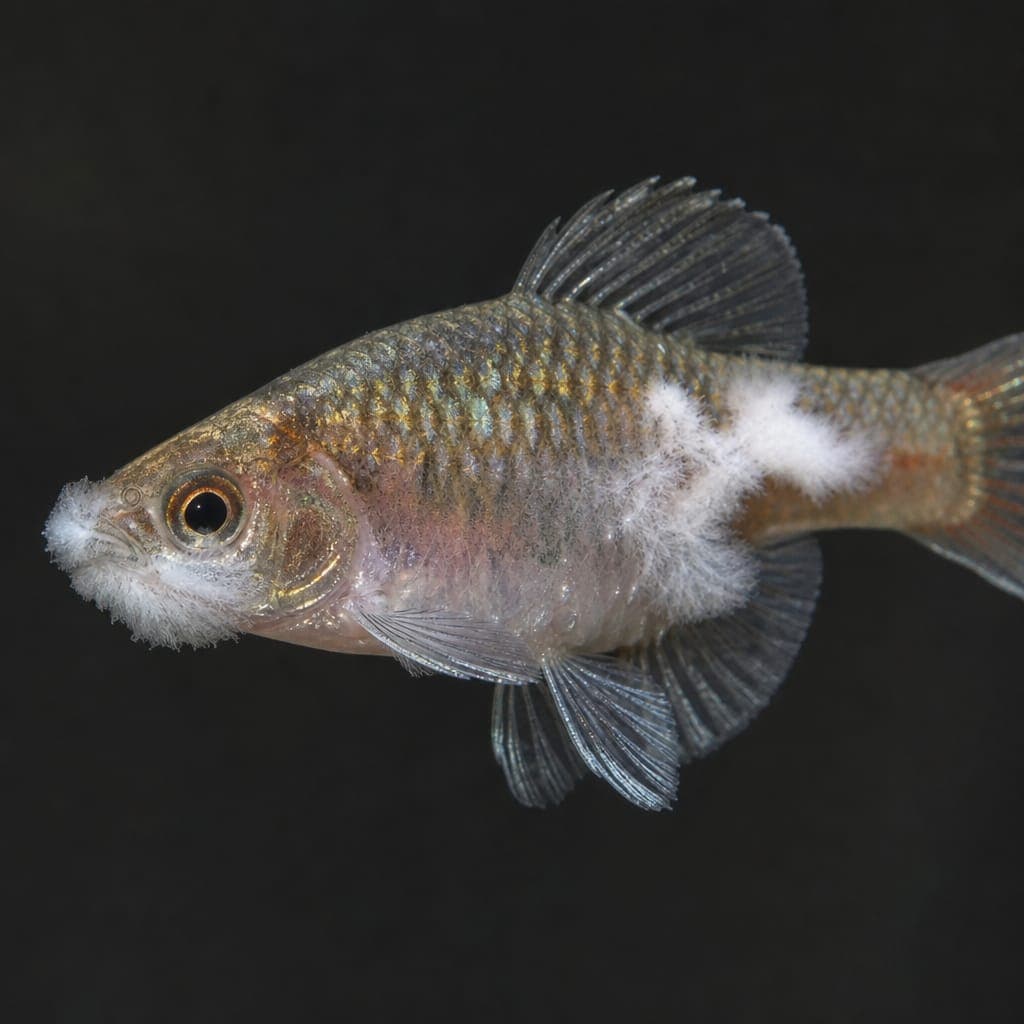
Rainbow Snakeheads can be prone to several common freshwater fish health issues, including ich, fin rot, and fungal infections. Keeping the aquarium clean and maintaining stable water parameters is critical for preventing these ailments. Regular water changes, nutritious feeding, and stress reduction through appropriate tank mates and environmental conditions will bolster the fish's immune system, helping them resist diseases.
Additionally, it is advisable to monitor for any signs of distress or injury, as their territorial nature can sometimes lead to physical confrontations. If symptoms of disease arise, swift diagnosis and treatment are recommended to prevent further complications, ensuring the health and longevity of the Rainbow Snakehead within the aquarium environment.