Ramshorn Snail: Planorbidae
A beautiful spiral-shelled snail that divides the hobby. Some love their algae-eating abilities and jewel-toned colors; others wage war against their prolific breeding.
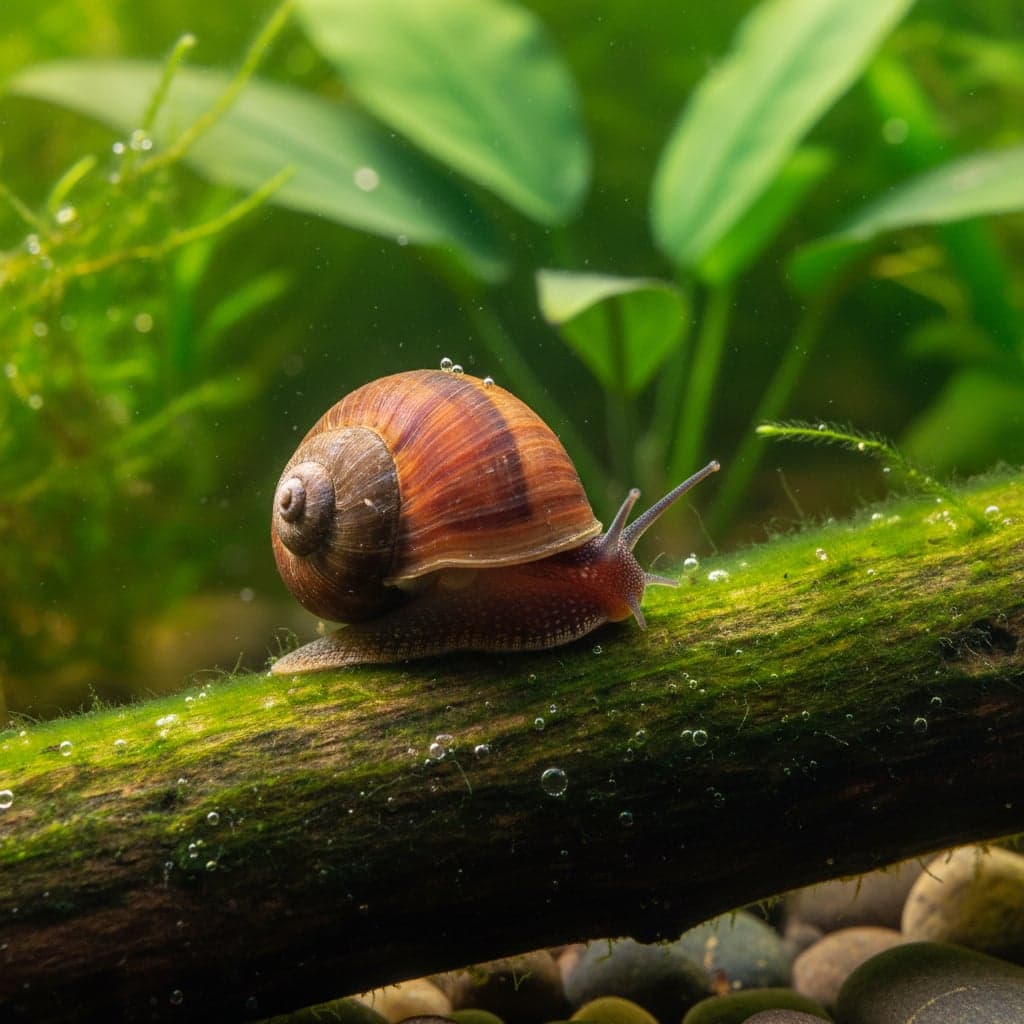
Ramshorn Snail
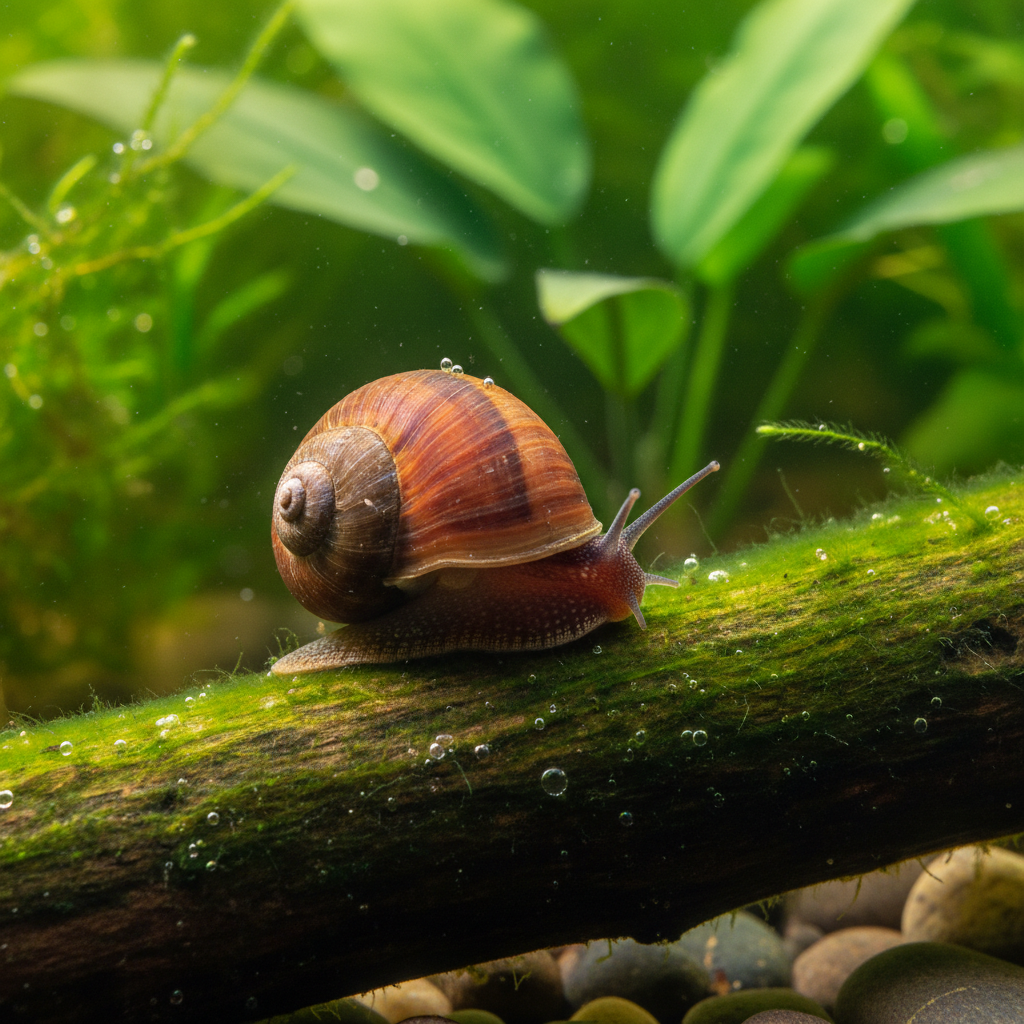
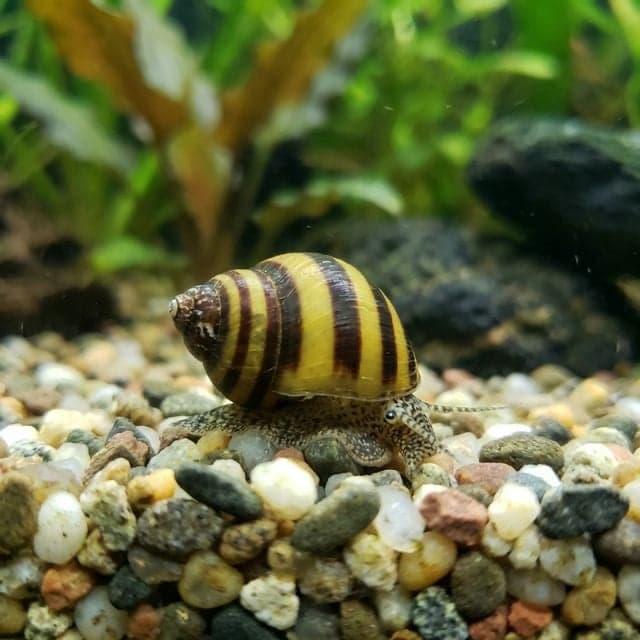
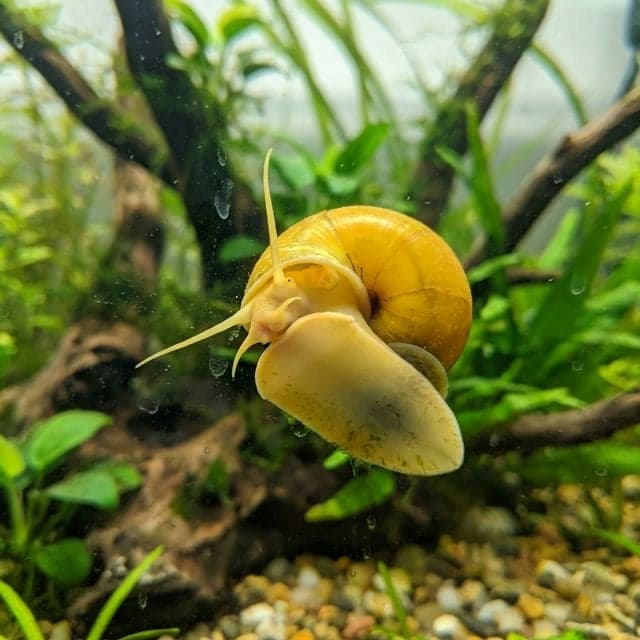
The Ramshorn Snail, belonging to the family Planorbidae, is an intriguing and visually appealing addition to freshwater aquariums. These gastropods are characterized by their uniquely coiled shells, which can come in various colors, including red, brown, and even green, depending on their environment and diet. Their spiral-shaped shells, resembling a ram’s horn, not only make them aesthetically pleasing but also serve a practical purpose in water filtration and algae control, which is highly valued by aquarists. As scavengers, they contribute to the overall ecological balance within the aquarium, breaking down organic waste and consuming algae that might otherwise overrun the tank.
In terms of significance, Ramshorn Snails have gained popularity due to their easy care requirements and compatibility with a wide range of tank environments. They can thrive in a variety of setups, making them suitable for both novice and experienced aquarists. Moreover, their unique reproductive practices and role in aquascaping ecosystems allow hobbyists to observe fascinating behaviors and interactions. Their calm demeanor and non-aggressive nature make them a favorite among community tank setups, solidifying their position as a staple in many home aquariums.
Natural Habitat & Origin
Ramshorn Snails have a broad distribution and can be found in various freshwater habitats worldwide, particularly in North America and Europe. They often inhabit slow-moving rivers, ponds, and marshes where they thrive in both clear and slightly turbid waters. These snails prefer environments with plenty of submerged vegetation, as this not only provides food but also serves as cover from potential predators. Within their natural habitat, they typically seek out areas where organic matter collects, contributing to their scavenging lifestyle.
The water quality where Ramshorn Snails are found can vary, but they often inhabit soft, acidic waters indicative of blackwater environments. These ecological conditions are essential for their growth and reproduction. Ramshorn Snails have adapted well to diverse environmental settings, making them resilient and able to thrive in captivity, provided that their water parameters are adequately managed.
Care Requirements
Caring for Ramshorn Snails in an aquarium requires attention to specific water parameters to ensure their health and longevity. The optimal pH range for these snails is between 6.5 and 7.5, with a temperature between 18°C to 24°C (65°F to 75°F) and a water hardness of 3 to 15 dGH. It is crucial to maintain stable conditions to prevent stress and potential health issues. These snails are also sensitive to ammonia and nitrite levels; thus, regular water changes and proper filtration are essential.
When setting up an aquarium for Ramshorn Snails, a minimum tank size of 10 gallons is recommended, providing ample space for them to roam and graze. A fine substrate is beneficial to mimic their natural environment; sand or small gravel is ideal. Adding live plants not only enhances the aesthetic appeal of the tank but also provides hiding spots and foraging opportunities for the snails. Moderate lighting is sufficient, as these snails thrive under conditions that simulate their natural habitat. Lastly, providing a well-planted tank with a variety of surfaces will encourage natural behaviors while maintaining water quality.
Diet & Feeding
Ramshorn Snails are classified as omnivores, allowing them a diverse diet that supports their scavenging habits. In an aquarium setting, they thrive on a mixture of algae, decaying plant matter, and specially formulated foods that cater to their dietary needs. It is recommended to supplement their diet with high-quality sinking pellets or flakes that contain plant-based ingredients and calcium, essential for maintaining shell health.
In addition to commercial foods, aquarists can provide frozen or live food options such as blanched vegetables (zucchini, spinach, and peas) to ensure a balanced diet. Offering a varied diet not only enhances their growth and vitality but also promotes vibrant colors and overall health. It is important to avoid overfeeding, as uneaten food can lead to water quality issues, emphasizing the need for routine tank maintenance.
Behavior & Temperament
The behavior and temperament of Ramshorn Snails are generally considered peaceful and non-aggressive. They are social creatures that often exhibit interesting behaviors, engaging in foraging and grazing on surfaces throughout the aquarium. While they do not form schools, they are known to enjoy the company of their own kind, leading to the formation of small groups when multiple individuals are kept together.
In terms of tank placement, Ramshorn Snails are primarily bottom-dwellers, spending most of their time grazing on the substrate and decoration. However, they can also be observed climbing on plants and aquarium walls, utilizing their unique locomotion to navigate their environment. This behavior contributes to their role in maintaining a healthy ecosystem by aiding in algae control and decomposing organic matter.
Tank Mates
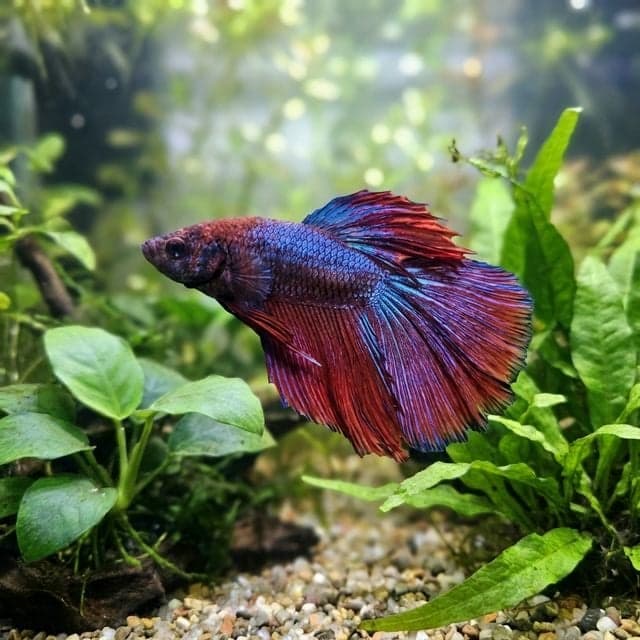
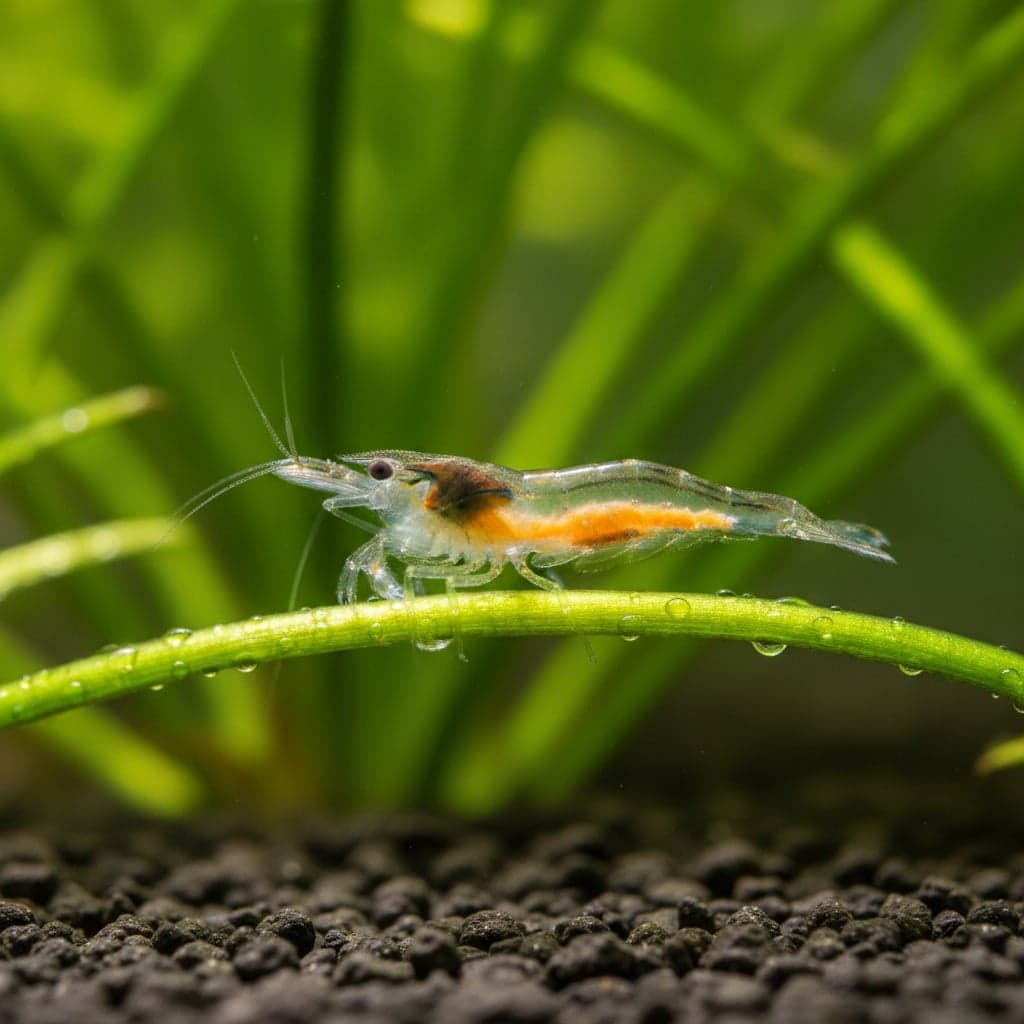
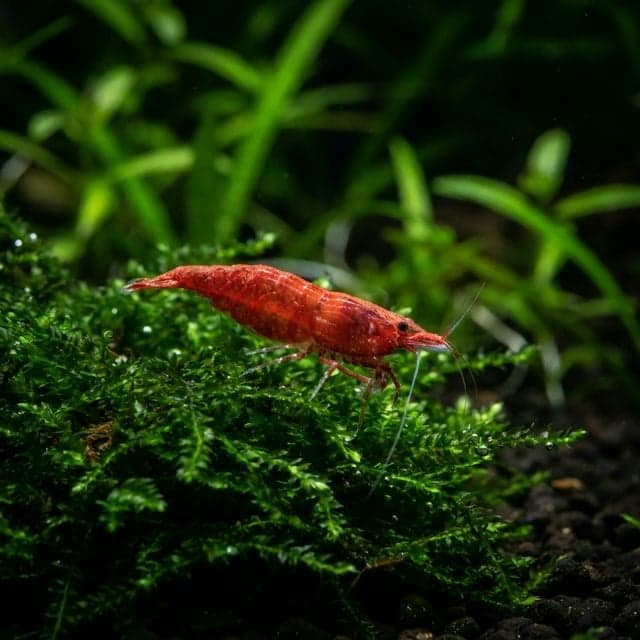
When considering tank mates for Ramshorn Snails, it is crucial to select species that are compatible with their peaceful nature. Suitable companions include community fish like guppies, tetras, and rasboras, as well as other non-aggressive invertebrates like cherry shrimp and various types of dwarf shrimp. These species cohabit well and enhance the overall dynamics of the aquarium without stressing the snails.
Conversely, it is essential to avoid keeping Ramshorn Snails with aggressive or large fish species that might see them as prey. Predators, such as cichlids and certain types of barbs, can pose a significant threat to the snails’ safety. Additionally, avoid including any snail-eating species, like some loaches, as they can significantly reduce the snail population in the tank.
Breeding
Ramshorn Snails are known for their prolific breeding habits, making them relatively easy to breed in captivity. These snails are hermaphroditic, possessing both male and female reproductive organs, which facilitates reproduction. Under optimal conditions, Ramshorn Snails can lay clutches of eggs on surfaces like leaves and tank walls, particularly in areas that offer protection.
To encourage breeding, maintaining stable water parameters, including a temperature range of 20°C to 24°C (68°F to 75°F), is vital. Providing ample surfaces for egg laying, such as broad-leafed plants or glass surfaces, will promote successful spawning. Once the eggs hatch, the baby snails are miniature replicas of adults and can immediately begin foraging for food, contributing to their rapid population growth within the aquarium.
Common Health Issues
Despite being hardy creatures, Ramshorn Snails can still be susceptible to a few common health issues. One notable concern is shell erosion, which may arise due to low calcium levels in the water. Ensuring they receive plenty of calcium in their diet and maintaining appropriate water hardness can help prevent this issue.
Another potential health risk includes exposure to harmful water conditions, such as high ammonia or nitrite levels, which can lead to stress and increased susceptibility to illness. Regular water testing and maintenance are vital for preventing such problems. Additionally, keep an eye out for signs of parasites or infections, such as unusual movement or discoloration, as early intervention can significantly improve treatment outcomes. By providing a stable, well-maintained environment, you can help Ramshorn Snails thrive while minimizing health risks.