Rao's Snakehead: Channa andrao
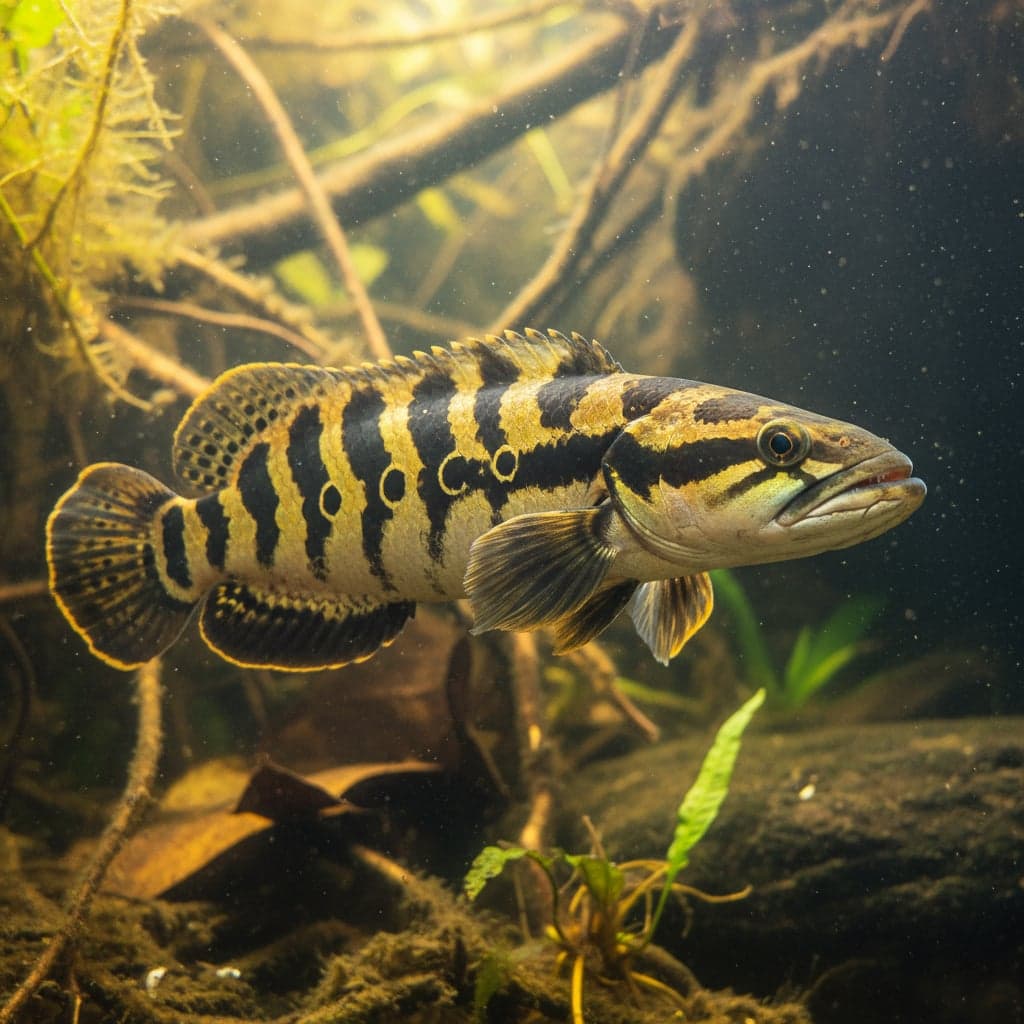
A small, aggressive primitive predator featuring dramatic banding and specialized lung-like breathing organs.
Rao's Snakehead
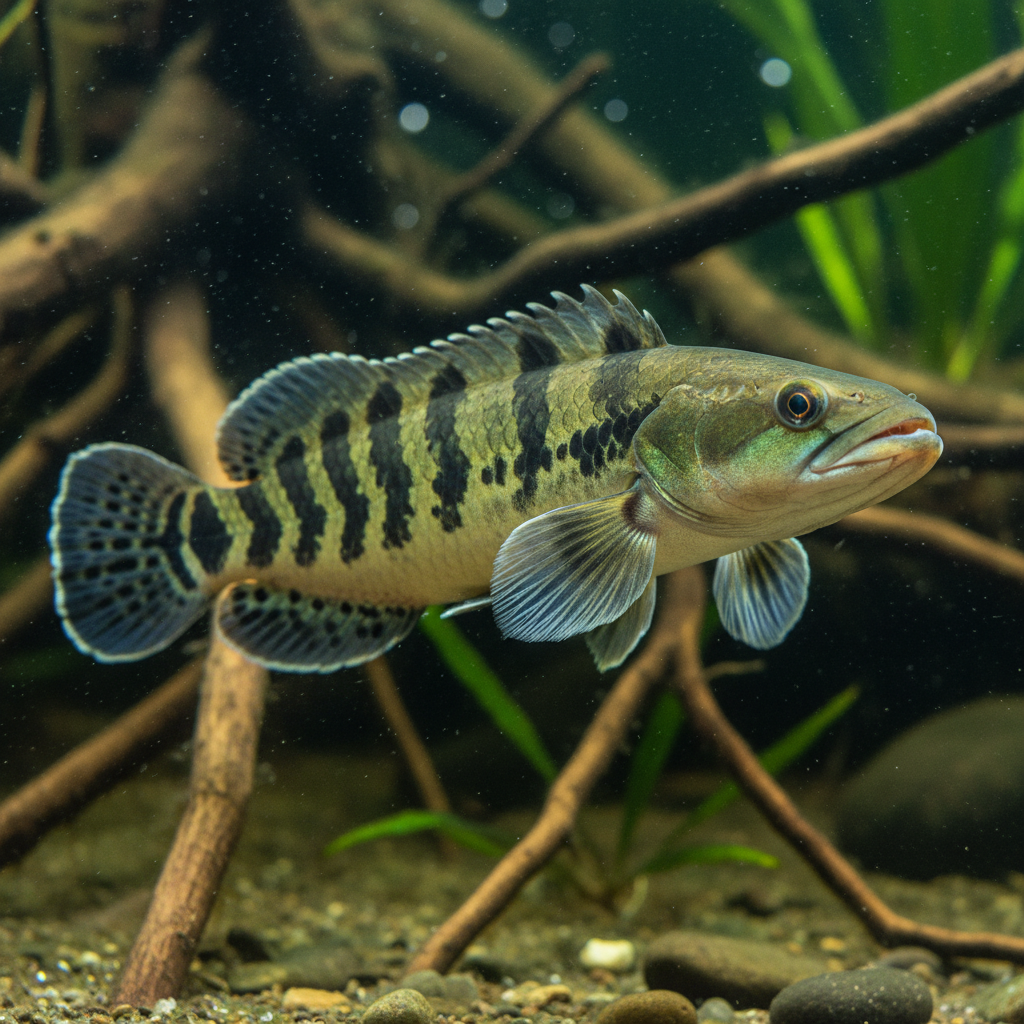
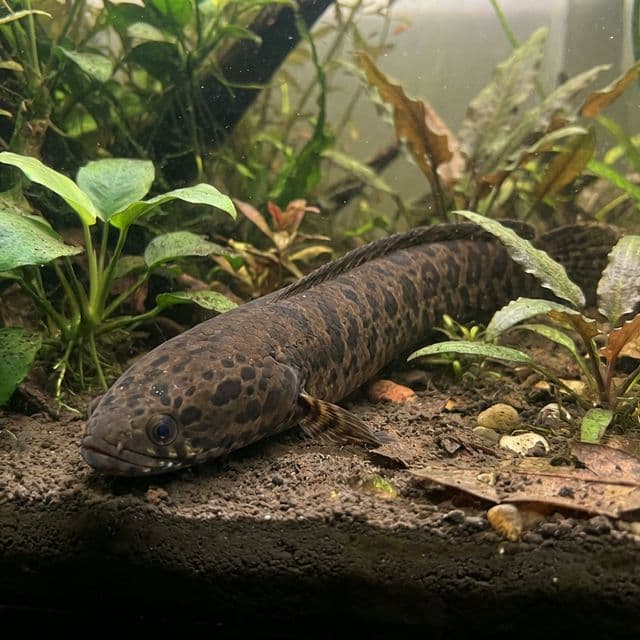
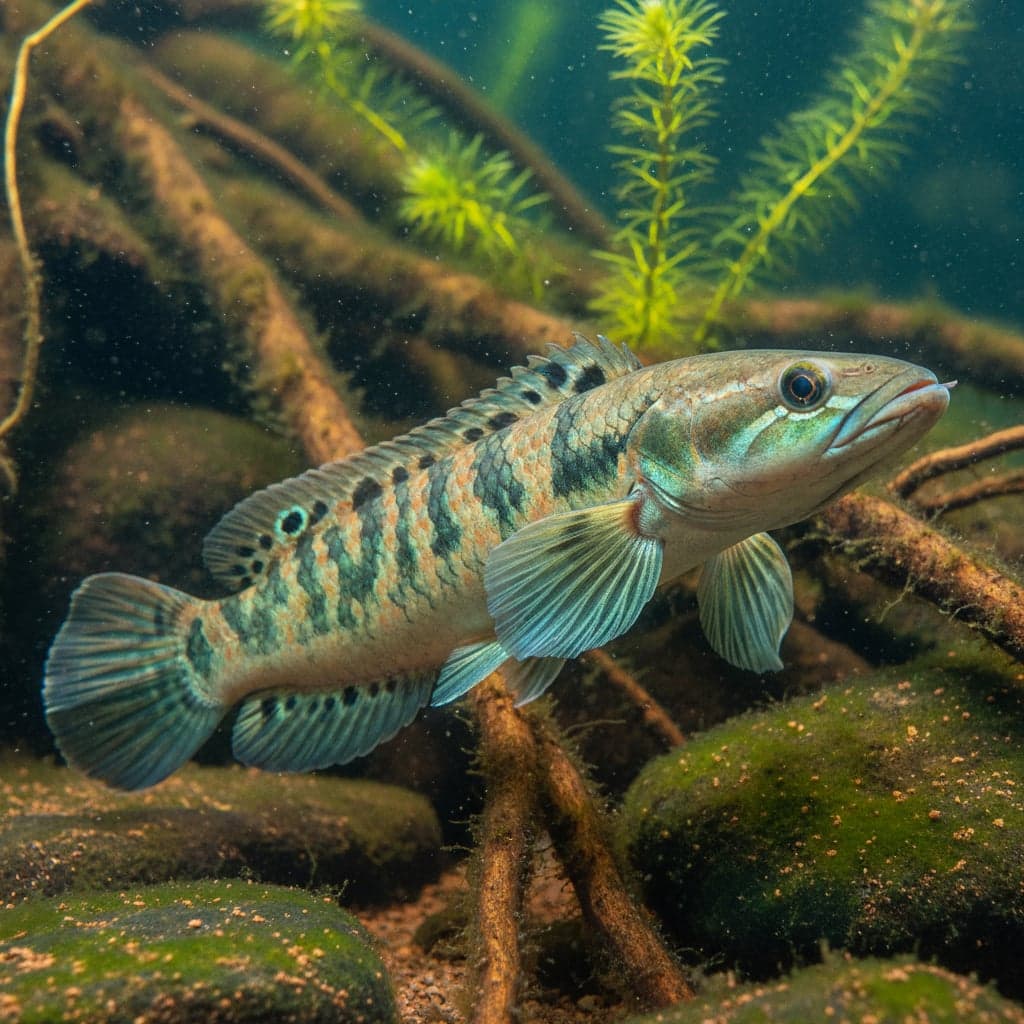
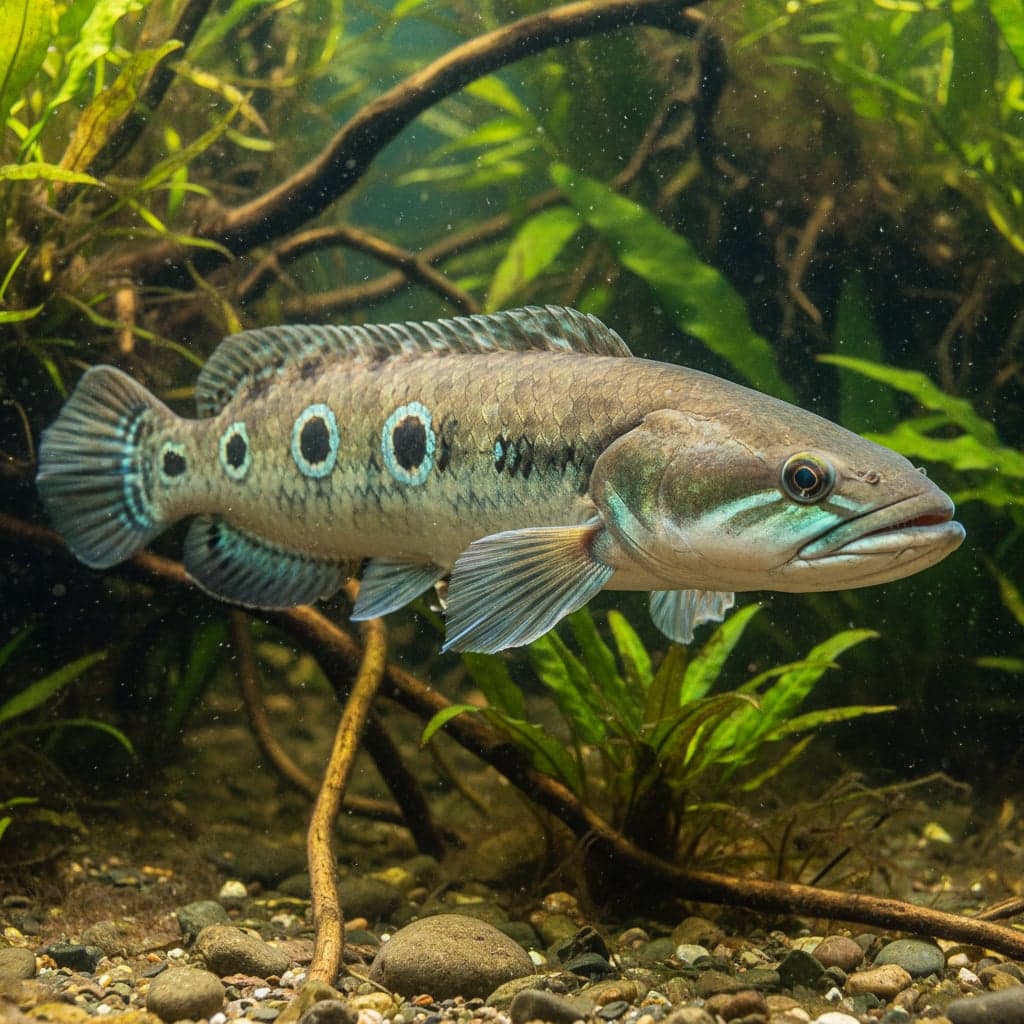
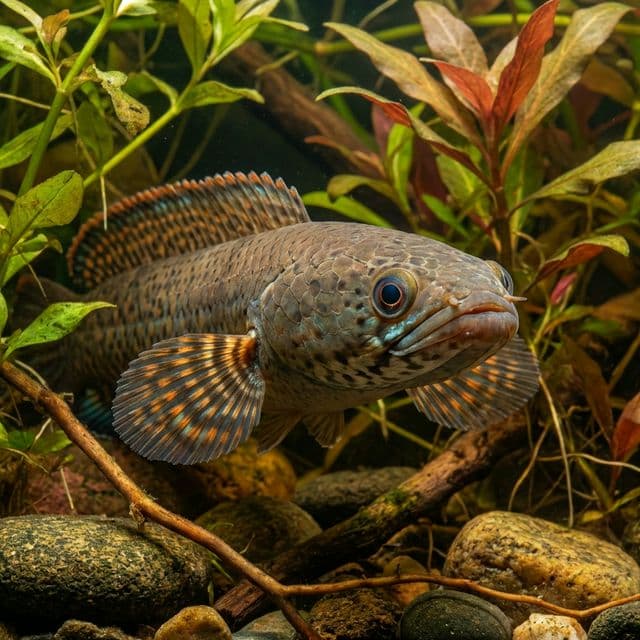
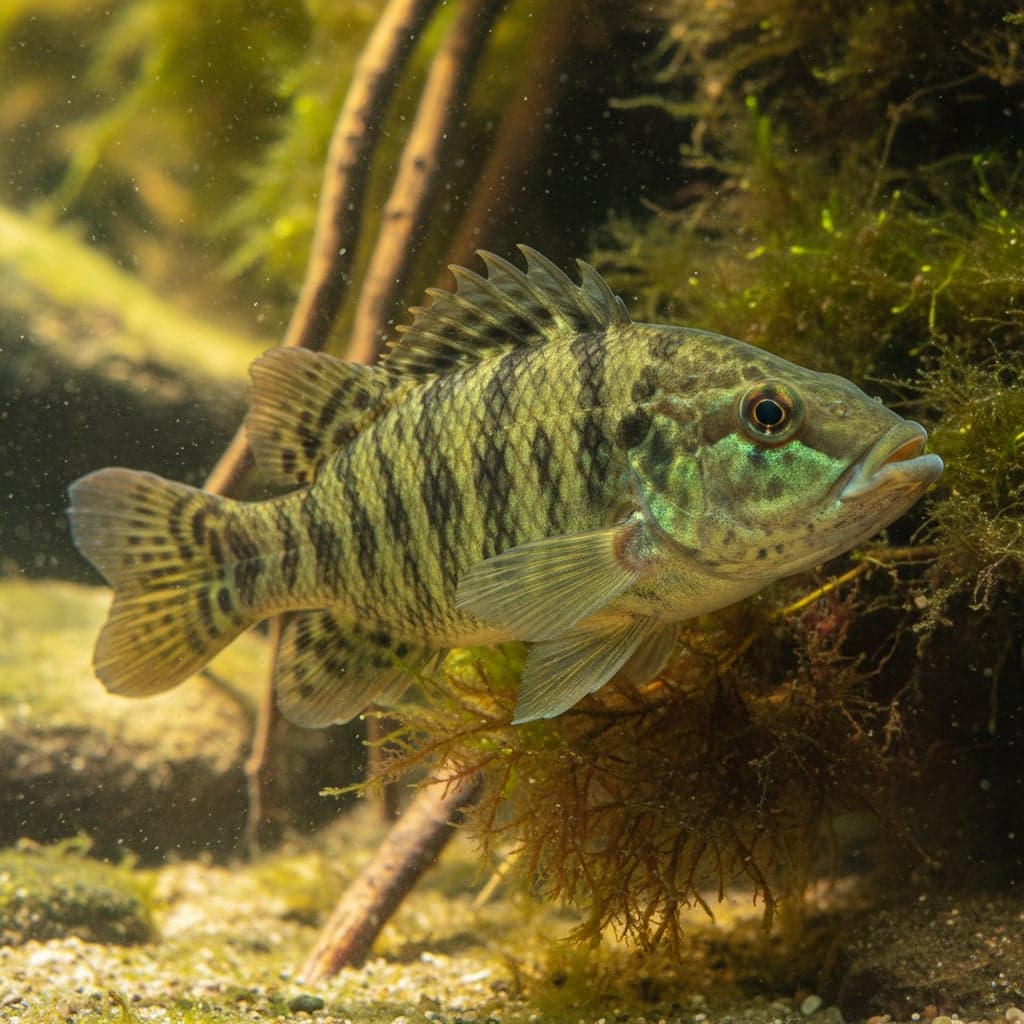
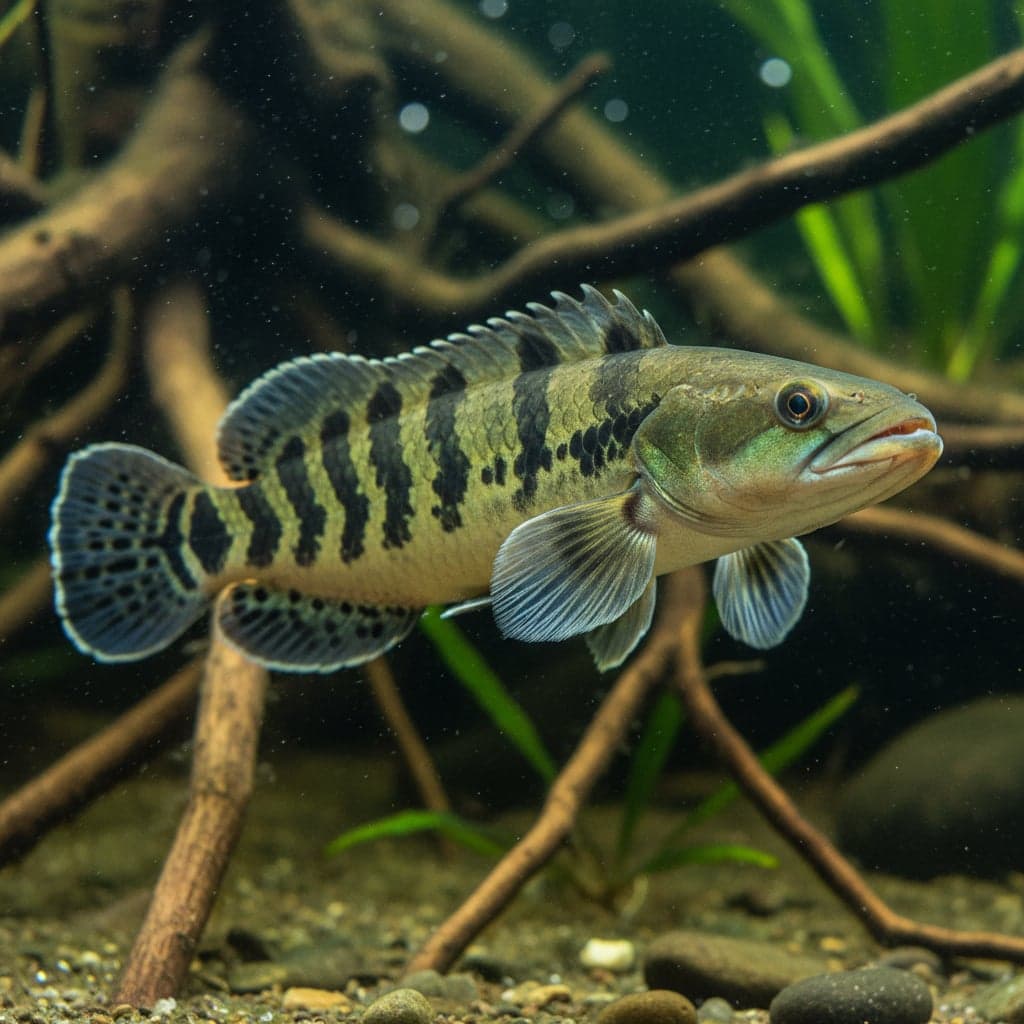
Rao's Snakehead, scientifically known as Channa andrao, is a captivating freshwater fish that has gained popularity in the aquarium hobby due to its striking appearance and dynamic behavior. Originating from the Brahmaputra basin in West Bengal, north-eastern India, this species boasts a vibrant coloration featuring hues of olive green and brown, adorned with intricate patterns that mimic the natural setting of its habitat. With the potential to grow up to 4.5-5 inches (12-13 cm) in length, Rao's Snakehead is both an impressive and formidable addition to any aquarium display, appealing to aquarists who appreciate unique and exotic species.
Beyond its visual allure, Rao's Snakehead holds ecological significance in its native environment by serving as a predatory fish that maintains the balance within aquatic ecosystems. Its adaptability in various water conditions makes it a fascinating subject for study among fish enthusiasts. However, such qualities also highlight the responsibility of the aquarist to provide a suitable and sustainable environment in captivity, ensuring that the Rao's Snakehead thrives while also remaining mindful of the conservation issues surrounding wild populations.
Natural Habitat & Origin
Rao's Snakehead is native to specific freshwater habitats in northeastern India and Bangladesh, predominantly found in slow-moving rivers, floodplains, and marshy areas. These habitats are characterized by shallow waters, abundant aquatic vegetation, and nutrient-rich substrates. The water in which Rao's Snakehead thrives is typically soft and slightly acidic, often categorized as blackwater due to the presence of decaying plant matter and tannins that impart a darker tint to the water. This natural setting is crucial to the fish's health and well-being in captivity, as it reflects the type of environment they are accustomed to.
In the wild, Rao's Snakehead shows remarkable resilience, adapting to seasonal fluctuations in water levels and varying ecological conditions. This adaptability has allowed populations to thrive across diverse locales, but it also creates challenges in captivity, where replicating their natural habitat is essential for optimal health. As a species that thrives in densely vegetated areas, creating a mimicry of their natural surroundings with ample hiding spots and natural filtration will contribute to the well-being of these striking fish.
Care Requirements
To successfully care for Rao's Snakehead, it is vital to replicate its natural habitat with specific water parameters. A suitable aquarium should maintain a pH level ranging from 6.0 to 7.5, with a water temperature between 75°F to 82°F (24°C to 28°C). The hardness of the water should ideally be between 5 to 15 dGH. Given its potential size, a minimum tank volume of 75 gallons is recommended, with larger setups providing ample swimming space and territorial boundaries.
The tank setup for Rao's Snakehead should include a sandy substrate that mimics the riverbed environment. Incorporating plenty of hiding spots with driftwood, rocks, and plants is essential, as this species prefers to have secured areas where it can feel safe and navigate comfortably. While lighting is essential for the health of certain tank plants, it should be moderate to reduce stress, as Rao's Snakehead can be sensitive to excessive brightness. Java fern or anubias can thrive in this setup, offering both aesthetic appeal and natural filtration.
Diet & Feeding
Rao's Snakehead is primarily a carnivorous species, known for its predatory nature. In the aquarium, it will flourish on a varied diet that includes high-quality pellets and flakes specifically designed for carnivorous fish. Additionally, offering a mix of frozen foods, such as bloodworms, brine shrimp, and mysis shrimp, will ensure balanced nutrition. Live foods, such as feeder fish and insects, can also be included occasionally but should be offered with caution.
To promote optimal health and coloration, it is advisable to feed Rao's Snakehead multiple small meals throughout the day rather than one large feeding. Care should be taken to monitor water quality, as uneaten food can quickly pollute the tank. A balanced diet will not only support growth but also enhance the snakehead's vibrant coloration and active behavior.
Behavior & Temperament
Rao's Snakehead is known for its assertive and sometimes aggressive temperament, particularly as it matures. While it can exhibit territorial behavior, especially in smaller tanks, it is not strictly a schooling fish. Instead, it tends to prefer claiming its own space, often utilizing vertical areas of the tank by swimming around submerged vegetation or floating elements.
Due to its predatory nature, caution should be exercised when considering tank mates, as smaller fish may not be safe in the presence of Rao's Snakehead. Typically, they thrive better in species-specific setups or with larger, robust fish that can stand their ground. Understanding its behavior and social dynamics will create a more harmonious aquarium environment.
Tank Mates
When selecting tank mates for Rao's Snakehead, it is crucial to choose species that are both compatible and capable of cohabitating without conflict. Suitable companions include:
- Larger cichlids (e.g., African cichlids or mid-sized South American cichlids)
- Larger barbs (such as Tinfoil barbs)
- Robust catfish (like the Plecostomus)
- Larger livebearers (like Swordtails or Platies)
However, it is advisable to avoid smaller or shy fish that may become prey, such as neon tetras or small rasboras. Additionally, aggressive or overly territorial species will likely stress the snakehead and lead to conflicts. Observing the behavior of every species during the introduction phase can prevent aggression and ensure a more peaceful tank environment.
Breeding
Breeding Rao's Snakehead in captivity can be quite challenging due to their specific spawning behavior and environmental requirements. In the wild, this species engages in bubble-nesting, where the male constructs a nest from floating plant materials and produces bubbles. For successful breeding, a separate breeding tank with a capacity of at least 50 gallons is recommended, filled with clean, soft water that maintains a pH of about 6.5 to 7.0 and a temperature of around 78°F to 80°F (25°C to 27°C).
Integrating abundant vegetation and subdued lighting will encourage the fish to feel secure during spawning. The female will lay eggs in the bubble nest, which the male will subsequently guard fiercely. Post-spawning, it is wise to separate the parents, as both can display aggression towards one another and the brood. Providing infusoria or specially formulated fry food will help nurture the hatchlings until they grow robust enough for a varied diet.
Common Health Issues
Rao's Snakehead can be prone to several health issues commonly found in aquaculture. Some prevalent diseases include ich (Ichthyophthirius multifiliis), fin rot, and swim bladder disorders. To prevent ich, maintaining stable water temperature and quality is crucial, as stressed fish are more susceptible to this parasite. Routine water changes and proper filtration also help limit the chances of fin rot.
Observations should be made for any signs of erratic swimming or gasping at the surface, which may indicate swim bladder disorders associated with overfeeding or rapid water changes. Promptly addressing these concerns, such as adjusting feeding practices and maintaining optimal water conditions, can significantly enhance the longevity and health of Rao's Snakehead in captivity. Regular monitoring and adherence to good aquatic husbandry are essential elements of successful aquarium management for this captivating species.